
celebrity radar - gossips
10 snubs and surprises Of OSCAR Nominations 2021


Interestingly, the 2021 Oscar nominations were revealed Monday.

Among the top contenders for this year’s ceremony are “Nomadland,” “Mank” and “Trial of the Chicago 7,” which compete against five other films for best picture.
As with any other year, there are a number of films and actors that didn’t make the cut and some that no one had expected to show up on the ballot at all.

Here are 10 of the most surprising nominations and snubs.
Snub: Regina King
Heading into Monday’s nominations, King seemed like a shoo-in for a best directing nomination for her work on “One Night in Miami.” Her directorial debut had earned her a nomination at the Golden Globes last month.
Emerald Fennell and Chloe Zhao, together with King, made history at the Golden Globes as it was the first time more than one woman had been nominated in the director category in any one year.
Fennell and Zhao received nominations for best director, the first time two women directors had been nominated. At the Globes, Zhao took home the trophy.
Surprise: Thomas Vinterberg
Vinterberg garnered an unexpected Oscar nomination for best director for “Another Round,” a Danish film. Vinterberg’s nomination in the category is a first for Denmark.
“Another Round,” which tells the story of four high school teachers who consume alcohol on a daily basis to see how it affects their social and professional lives, is also up for best international feature.
Vinterberg joins Fennell and Zhao as well as Lee Isaac Chung (“Minari”) and David Fincher (“Mank”) as contenders for the top directing prize.
Snub: ‘Da 5 Bloods’
Heading into the Oscar nominations, Spike Lee’s “Da 5 Bloods” had already struck out at the Golden Globes.
While the film had nabbed a number of key critics prizes, including best film from the National Board Review, and was selected as one of the top 10 films of the year by AFI, it was left off the Oscar ballot.
Surprise: ‘Sound of Metal’
“Sound of Metal” was largely ignored by the Hollywood Foreign Press Association when it came to nominations for this year’s Golden Globes. Riz Ahmed was the lone nominee from the film, earning a nod for best actor.
The film picked up six Academy Award nominations: best picture, best actor, best supporting actor, best sound, best film editing and best original screenplay

Snub: ‘Ma Rainey’s Black Bottom’
Despite securing nominations for best actor, best actress, best production design, best costume design and best hair and makeup, “Ma Rainey’s Black Bottom” was left off the best picture list.
This year the Academy filled only eight of the possible 10 spots for best picture, leading some to wonder why “Ma Rainey’s” wasn’t included on the ballot.
In 2009, the Academy amended its nomination rules so that up to 10 films could be nominated for best picture. However, the awards ceremony doesn’t always utilize all 10 spots.
Since the rule change went into effect, there have always been at least eight nominees in the category.
Surprise: LaKeith Stanfield
Co-star Daniel Kaluuya has been sweeping the awards season for his role in “Judas and the Black Messiah,” so it was a bit of a surprise when LaKeith Stanfield garnered a best supporting actor nomination alongside him.
Stanfield’s nomination is much deserved, but many had seen his role in the film as the lead, sparking questions about why he was nominated in the supporting category.
After all, Stanfield plays William O’Neal, a man who infiltrates the Illinois chapter of the Black Panther Party to gather intelligence on Chairman Fred Hampton (Kaluuya). Stanfield’s O’Neal bookends the film with moments that call back to an interview he gave about his time in the Black Panthers.
What makes this turn of events even more strange is that Warner Bros. actually campaigned for Stanfield as lead actor and Kaluuya as the supporting actor.
Snub: ‘One Night in Miami’
Many had expected the Academy to rewrite the wrongs done to “One Night in Miami” at the Golden Globes. However, in addition to snubbing King for director, the Academy left the film off the best picture ballot.
In total, “One Night in Miami” garnered three nominations; one for Leslie Odom Jr. in a best supporting role, one for best song and one for best adapted screenplay.
Surprise: Steven Yeun
Steven Yeun became the first Asian-American actor to ever be recognized in the best actor category. Yeun, who had been snubbed at the Golden Globes, earned his nomination for his work in “Minari.”
Yeun and fellow nominee Ahmed are the first actors of Asian descent to be nominated in the category. Ahmed, who is of Pakistani descent, is also the first Muslim to garner a nomination for best actor.
Snub: ‘The Mauritanian’
“The Mauritanian” failed to garner a single Oscar nomination despite critical praise and several nods at the Golden Globes. Jodie Foster secured a Globe win as best supporting actress, but didn’t get an Oscar mention.
Surprise: ‘Eurovision Song Contest’ up for best song
When “Eurovision Song Contest: The Story of Fire Saga” debuted on Netflix last June, many viewers were left humming the melody to “Husavik (My Hometown).” Few, if any, would have thought nine months later, it would be nominated for an Oscar.
The half-English, half-Icelandic power ballad is up against songs from “Judas and the Black Messiah,” “The Life Ahead,” “One Night in Miami” and “The Trial of the Chicago 7.”




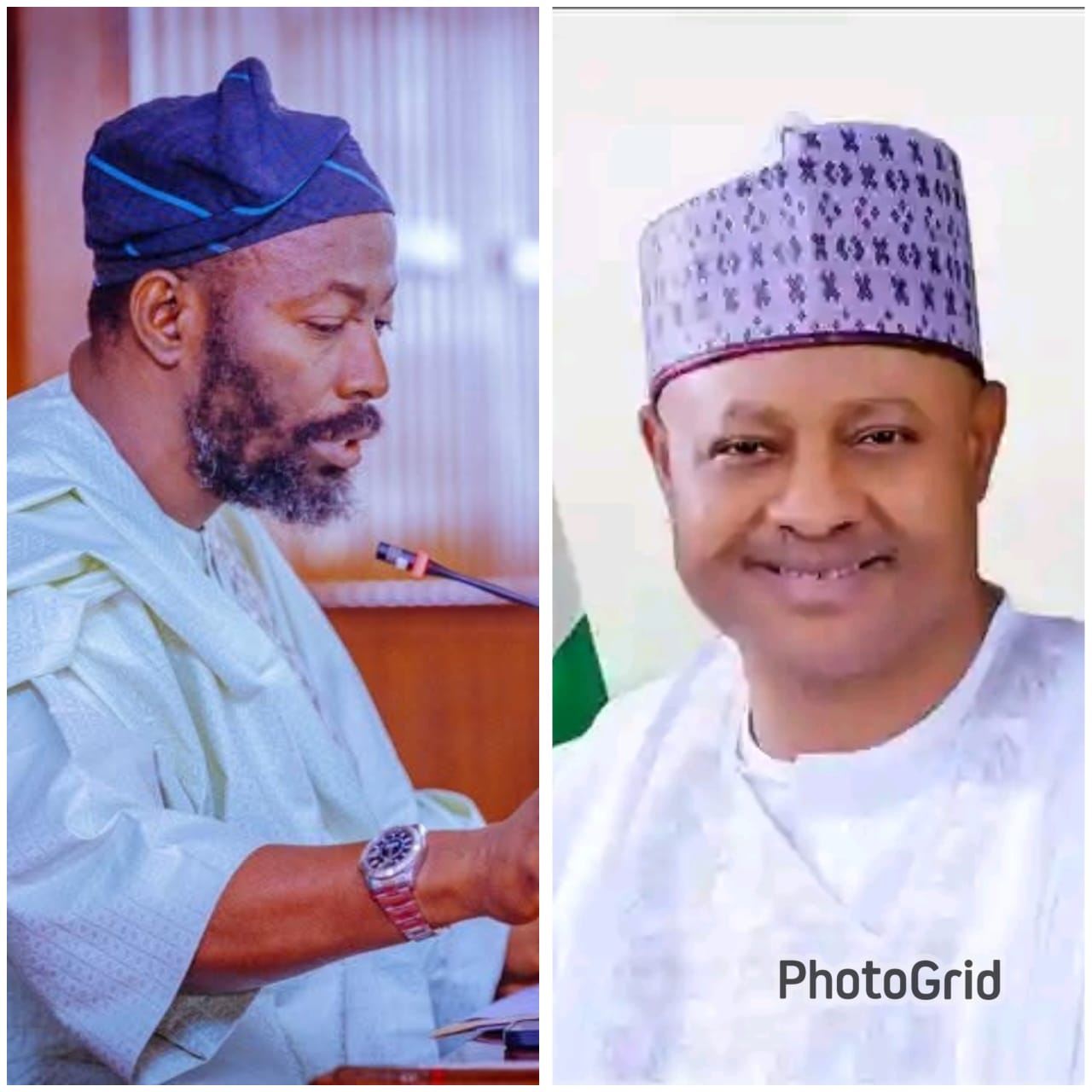
“Political Titan Zailani: The Driving Force Behind Kaduna’s Victory”
In the dynamic and often tumultuous landscape of Nigerian politics, the influence of steadfast leaders is a crucial determinant of electoral success. One prominent figure whose unwavering support and strategic foresight have consistently shaped the political narrative in Kaduna State is Rt. Hon. Yusuf Ibrahim Zailani of Igabi Local Government Area.
This insight emerged from a recent press conference organized by the Zailani Absolute Care Foundation, articulated by Comrade Tasiu Musa, Chairman of the Foundation, and supported by the signature of Ibrahim Dahiru Danfulani Sadaukin Garkuwan Keffi/Betara Biu.
Zailani’s political journey, marked by steadfast loyalty to the progressive bloc, has been a significant factor in the political discourse since the days of the All Nigeria Peoples Party (ANPP), through the Congress for Progressive Change (CPC), and continuing into the ruling All Progressives Congress (APC). His consistent support during a politically charged period from 2007 to 2015, dominated at times by the rival Peoples Democratic Party (PDP), showcased his resilience and deep connection with constituents, cementing his position as a political stalwart.
The latest escalation of Zailani’s impactful legacy culminated in his crucial role during the recent gubernatorial election in 2023. Political analysts underscore the instrumental position of Igabi Local Government Area in this transition, where the groundwork for His Excellency, Senator Uba Sani, played out with remarkable intensity.
Governor Sani’s visionary leadership indeed inspired the electorate, but translating this enthusiasm into votes required an exceptional grassroots mobilization effort. Zailani, alongside dedicated allies such as Hon. Muhammad Abubakar Mamadi and Hon. Salisu D. Bala, exemplified a masterclass in political engagement. They left no stone unturned, actively connecting with constituents to ensure their voices were heard at the polls. This approach starkly contrasted with actions of other political figures Hon. Hussaini Jalo, Hon. Bashir Idris Aliyu Zangon Aya, and Hon. Bello Maaji who were reportedly involved in attempts to undermine the APC’s quest for victory.
Following the elections, the differentiation between consistent performers and less committed party members became evident. Figures like Hajiya Rabi Salisu and Hon. Aliyu Saidu faced scrutiny regarding their tangible contributions to the electoral triumph, prompting inquiries about their electoral participation and loyalty to the party’s objectives.
Moreover, recent events have raised alarms regarding discipline and loyalty within party ranks. A recent incorrect recommendation for party executives, revealing that approximately 30 percent of nominees were not registered party members, has been met with widespread condemnation as a serious breach of party integrity.
As Kaduna State strides forward under Governor Uba Sani’s dynamic leadership, the lessons learned from Igabi are unmistakable: enduring political success is built on a foundation of loyal, competent, and strategically astute support. The narrative of Kaduna’s political history is incomplete without acknowledging the formidable influence and unwavering commitment of Rt. Hon. Yusuf Ibrahim Zailani, who has consistently transformed his constituency into a stronghold of progressive victory.
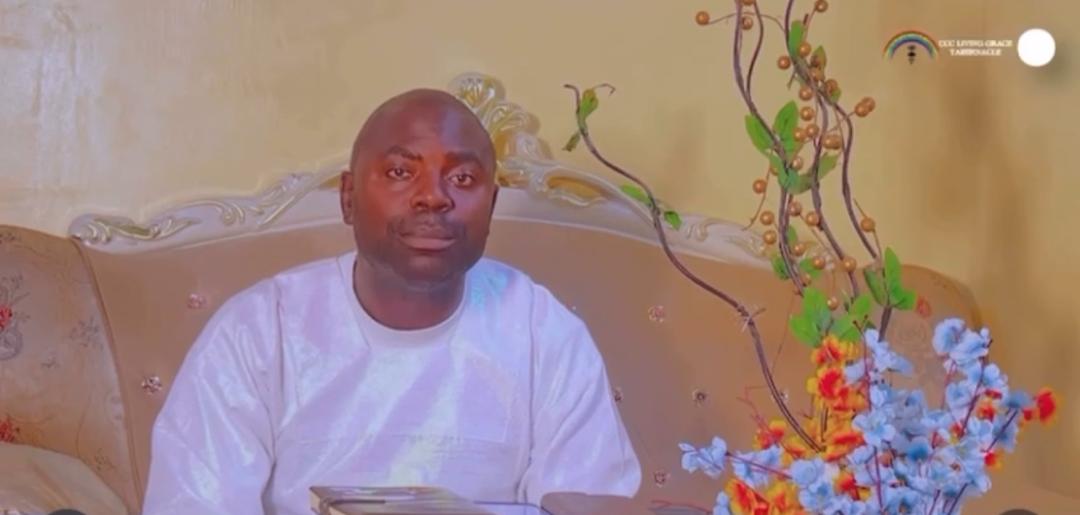
PROPHET KINGSLEY AITAFO MARKS BIRTHDAY WITH MESSAGE OF FAITH, SERVICE
LAGOS, NIGERIA — Renowned cleric, Prophet Kingsley Aitafo, is being celebrated today by followers, associates, and members of the Christian community as he marks his birthday, with tributes pouring in to honor his spiritual impact and years of dedicated service.
The birthday of the respected prophet has become more than a personal milestone, as admirers describe it as a moment to reflect on a life devoted to faith, leadership, and humanitarian outreach.
Known for his passionate teachings and prophetic ministry, Aitafo has built a reputation as a voice of hope to many within and beyond Nigeria.
Close associates say the cleric’s journey has been defined by unwavering commitment to spiritual growth and the upliftment of lives. Through his ministry, he has continued to emphasize prayer, discipline, and a deep connection with God as pathways to personal transformation.
In commemoration of the occasion, special prayers and goodwill messages have been organized by followers across different platforms, many of whom credit his teachings for inspiring positive change in their lives.
“His life is a testimony of grace and dedication,” one associate noted. “He has remained steadfast in his calling, impacting countless lives with messages of faith and encouragement.”
Observers also highlight his role in mentoring young believers and providing spiritual guidance in challenging times, describing him as a leader whose influence extends beyond the pulpit.
As he celebrates another year, well-wishers have continued to pray for greater strength, wisdom, and expansion of his ministry, expressing confidence that his influence will continue to grow in the years ahead.
Today’s celebration stands not only as a birthday tribute, but as a recognition of a life many say has been committed to service, faith, and the advancement of the gospel.
celebrity radar - gossips
BURATAI HAILED AS ‘FRONTLINE GENERAL’ AS PRAISE TRAILS MILITARY, DIPLOMATIC SERVICE
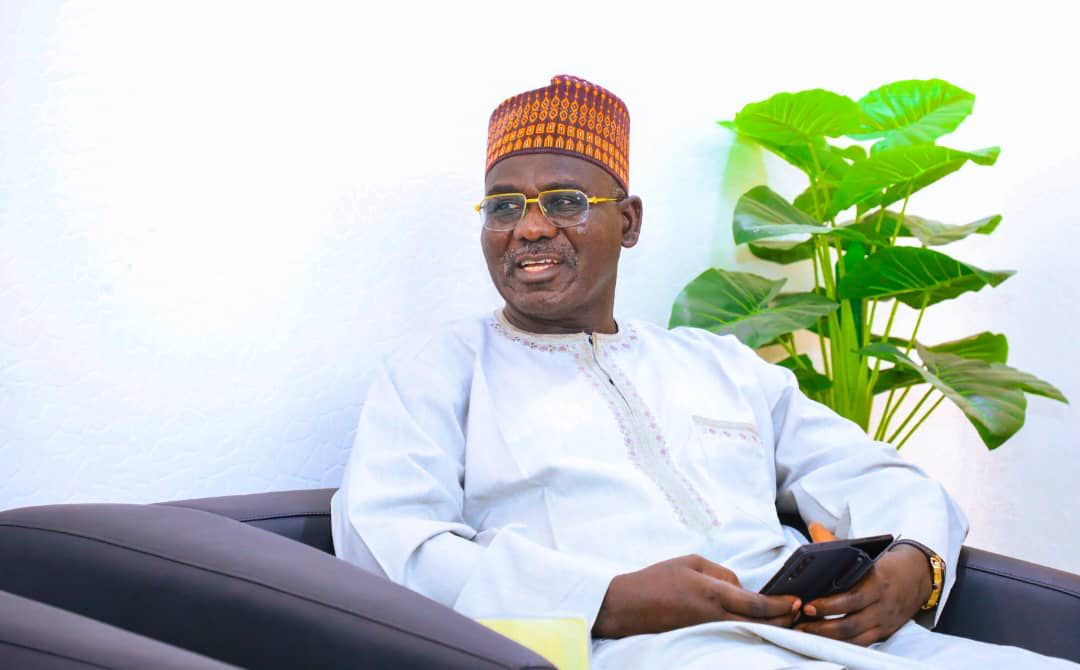
BURATAI HAILED AS ‘FRONTLINE GENERAL’ AS PRAISE TRAILS MILITARY, DIPLOMATIC SERVICE
ABUJA — Former Chief of Army Staff, Tukur Buratai (Rtd), has been described as a “frontline general” whose leadership redefined military command during Nigeria’s prolonged battle against insurgency.
The commendation, contained in a statement by KPUGHUR Sunday Christopher, highlighted Buratai’s direct involvement in combat theatres, noting that his decision to lead from the front distinguished him from many of his contemporaries.
According to the statement, the retired army chief’s presence in conflict zones at critical moments of the war effort underscored his commitment to national security and territorial integrity.
“He was not a distant commander. He was present where it mattered most,” the statement said.
The tribute also emphasized Buratai’s reputation as a detribalized leader, stressing his consistent advocacy for unity and peaceful coexistence across Nigeria’s diverse population.
Observers note that his tenure coincided with some of the country’s most challenging security periods, during which the military recorded significant operational strides against insurgent groups.
Beyond his military career, Buratai’s subsequent diplomatic engagement was also cited as evidence of his versatility in national service.
The statement concluded that his continued involvement in national discourse after retirement reflects a sustained commitment to Nigeria’s progress, describing him as “a statesman whose service transcends uniform.”


-

 society6 months ago
Religion: Africa’s Oldest Weapon of Enslavement and the Forgotten Truth
-

 news3 months ago
WHO REALLY OWNS MONIEPOINT? The $290 Million Deal That Sold Nigeria’s Top Fintech to Foreign Interests
-

 society6 months ago
“You Are Never Without Help” – Pastor Gebhardt Berndt Inspires Hope Through Empower Church (Video)
-

 celebrity radar - gossips2 months ago
Dr. Chris Okafor Returns with Power and Fire of the Spirit -Mounts Grace Nation Altar with Fresh Anointing and Restoration Grace on February 1, 2026