
Business
2024 International Cooperative Day: How MedLab Practitioners Multipurpose Cooperative Society Is Set to Transform Nigeria’s Socio-Economic Landscape

2024 International Cooperative Day: How MedLab Practitioners Multipurpose Cooperative Society Is Set to Transform Nigeria’s Socio-Economic Landscape
By Abdulrahman Aliagan
In the bustling heart of Africa, Nigeria, the Africa’s commercial hub, a group of Medical Laboratory Practitioners came together to form what is today known and called Medical Laboratory Practitioners Multipurpose Cooperative Society Limited (MLPMCSL). This group of people huddles around a table, both in the days and in the nights to discussing the latest ways, ideas and innovations of making savings and loan working for the best for its members.
This is not a typical business meeting, but rather a gathering of Medics and non-medics alike, as one of the thousands of cooperative groups that are quietly revolutionizing the socio-economic fabric of Africa’s most populous nation.
Without a doubt, cooperative societies have long been the unsung heroes of Nigeria’s development story. These member-owned and democratically controlled organizations have been providing vital financial services, empowering entrepreneurs, and fostering community resilience in ways that formal financial institutions have often failed to do.
Instructively, “MLPMCSL within its shortest time of existence, it has been a lifeline for members” says, Mr Kingsley Okpala, the Secretary of MLPMCSL FCT Branch and Chairman, MEDLAB Estate. According to him, “It allows us to save regularly, acquire shares, access loans, when we need them, and support each other through difficult times. Without them, I don’t know how we would manage.”
Indeed, the impact of cooperative societies in Nigeria cannot be overstated. With an estimated of over 10 million members across the country, these organizations are playing a crucial role in promoting financial inclusion, reducing poverty, and driving sustainable economic growth.
“Cooperatives are the backbone of Nigeria’s informal sector,” explains Dr. Adesoji Adelaja, a professor of public policy at Michigan State University who has studied the cooperative movement in the country.
“They provide access to credit, business training, and other essential services that are often out of reach for the country’s marginalized communities.”
Take the case of MLPMCSL for instance. This cooperative, which is made up of predominantly Medical Lab practitioners average-income earners, has been using its collective savings and loan scheme to help its members start and expand their businesses, as well as to weather economic shocks and personal emergencies.
“Through the cooperative, we’re able to access small loans at affordable interest rates,” says Abubakar. “This has allowed us to invest in our businesses, send our children to school, and even at the verge of owning to ourselves new homes, the initiatives that has brought about MEDLAB Estate, a project that is going to set a standard for cooperative societies in Nigeria. It’s a game-changer for us.”
The transformative power of cooperative societies is not limited to the informal sector, however. Across Nigeria, from rural farming communities to urban professional circles, these organizations are driving innovation and social change.
For example, a cooperative of Medicals has been using its collective bargaining power to negotiate better prices for their crops, as well as to access improved agricultural inputs and technologies, affordable Housing and food interventions to cushioning the Nigeria’s present economic reality. This, in turn, has led to increased productivity, higher incomes, and greater food security as well as enabling members to fund their professional development and personal aspirations.
“Cooperatives are truly the unsung heroes of Nigeria’s development story, “Say Mr John Chidi, a Medical Lab practitioner, “They are empowering individuals, strengthening communities, and contributing to the overall socio-economic growth of the country in ways that are often overlooked.”
As Nigeria grapples with the challenges of youth unemployment, economic inequality, and social fragmentation, the cooperative movement offers a glimmer of hope. By fostering a culture of self-help, mutual aid, and democratic participation, these organizations are demonstrating the power of collective action to drive positive change.
“Cooperative societies are not just about money and business,” reflects Maryam Abubakar. “They are about building a better future for all of us – one that is more inclusive, resilient, and just. And that, to me, is the true significance of what we do.”
Meanwhile, on Saturday, the 6th of July, 2024, MLPMCSL has highlighted programmes to join the global community to commemorate the International Cooperative Day under the theme “Cooperatives Build a Better Future for All.” This significant event, spearheaded by respected figures such as Alhaji Idris Ali Sanni, emphasized the critical role that cooperative societies play in empowering members and driving economic progress.
At the heart of the event is a focus on innovative excellence and the empowerment of members to achieve economic leadership through unity and performance. Muhammed S. Bello, the esteemed Founder/CEO of the Cooperative & Labour Education Research Centre (CLERC) in Lagos, will deliver a compelling address as the Guest Speaker, that will emphasizing the need for cooperative unity in fostering growth and development.
The energetic Elder IO Benjamin, the Project Manager/President of the MLPMCSL will serve as the Chief Host and Co-Speaker to the upcoming event, it is going to shed light on the enduring and endearing nature of cooperative societies and the pivotal roles playing by both members and management in nurturing a thriving cooperative environment.
Guiding the proceedings are experienced moderators Mr. Abdullahi Abdullahi Samaila and Uba Cornelius Ekenedilichukwu, who would ensure a smooth flow of discussions and engagements throughout of the event.
As part of the programme schedules, attendees are therefore invited to join this global event, at 8:30 pm via Google Meet. The event promises to be an enlightening and enriching experience that will showcasing the collective efforts towards advancing socioeconomic growth and development through cooperative initiatives.
In conclusion, the International Cooperative Day 2024 celebration is going to serve as a testament to the vital role that cooperative societies is playing in building a better future for all. Through unity, innovation, and a commitment to excellence, these cooperative entities continue to drive positive change and transformation in communities, ultimately shaping a brighter tomorrow for generations to come. Let us all heed the call to embrace the cooperative spirit and make every day count towards a more inclusive and prosperous society.




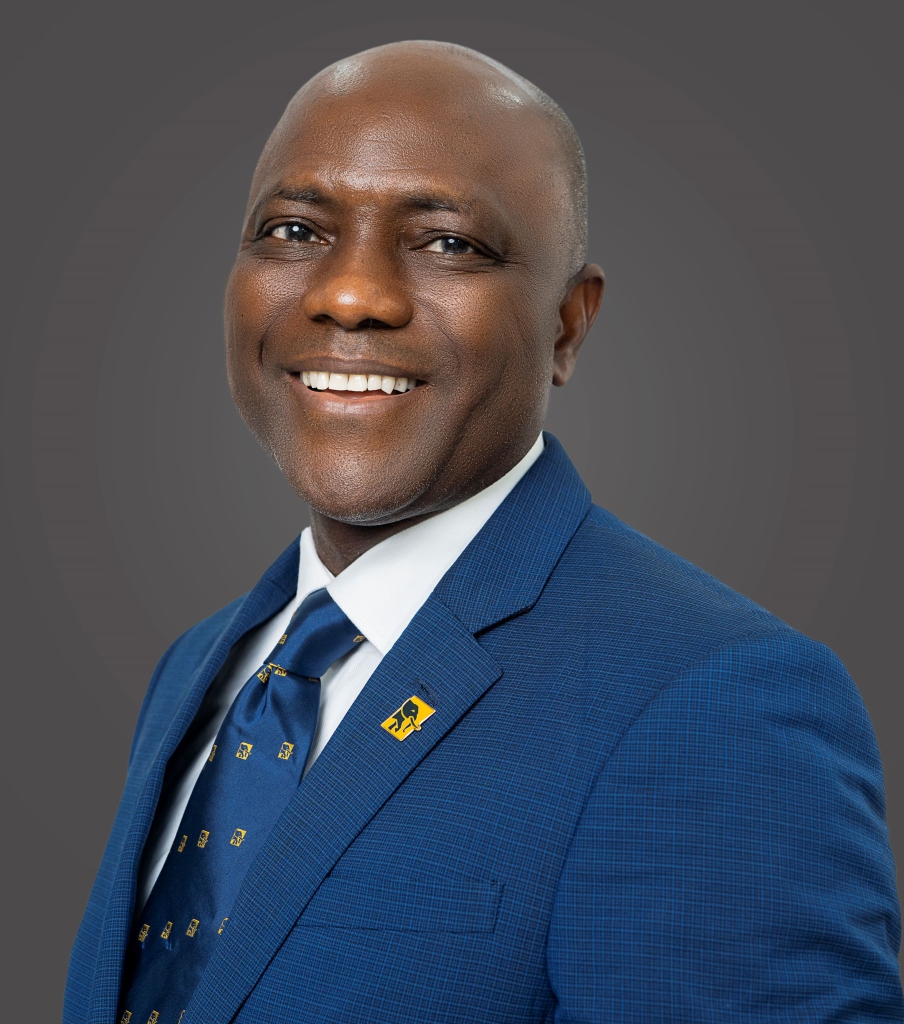
FirstBank Partners Eko Hotels & KEY Academy for ChessMasters 2026 Tournament
Lagos, 30 March 2025 – FirstBank, West Africa’s premier financial institution and the leading financial inclusion service provider, has announced its strategic sponsorship of the second edition of ChessMasters, Africa’s largest school chess tournament. The announcement was made at the official press conference of the tournament held on 16 March 2026 at Eko Hotels and Suites, Lagos.
ChessMasters is an annual chess tournament designed to equip the next generation with critical thinking, problem-solving, and leadership skills. The competition targets children in primary school aged between 6 and 11 years old. Organised by Eko Hotels and Suites & KEY Academy , ChessMasters was created to provide thousands of children across Nigeria with opportunities to develop modern educational skills, bringing schools together on a national stage.
Speaking at the press conference, Olayinka Ijabiyi, Acting Group Head, Marketing & Corporate Communications at FirstBank, said, “Our sponsorship of ChessMasters 2026 reflects our commitment to building talents and communities, driving inclusion, and deepening engagement through our First@Sports initiative, a platform that celebrates talent and promotes social impact through sports. With over a century of supporting legacy sports in Nigeria, we are proud of our enduring partnerships – 105 years with the Georgian Cup, 65 years with the Lagos Amateur Golf Championship and 35 years with the Dala Hard Court Tennis Championship.”
Ijabiyi further highlighted how the sponsorship aligns with FirstBank’s sustainability pillars of Education, Health, and Welfare. “We recognise the potential of chess to help school-age children challenge themselves, think critically, and compete at the highest level, hence we see the tournament as a launchpad for a pan-African movement leveraging chess as a tool for education, empowerment, and leadership development. We are utilising this platform as another avenue to promote social impact and drive positive change in the community.”
Caline Chagoury Moudabar, Director and Co- Founder of ChessMasters and her partner Damilola Okonkwo of Key Academy, expressed appreciation for FirstBank’s support, noting that the partnership will help scale the impact of ChessMasters and inspire more schools to participate. “We are happy to welcome FirstBank on board. This collaboration will boost chess development in Nigeria and promote critical thinking among young minds. With support from partners like FirstBank, we are opening the doors of participation to more children and more schools in this year’s edition.”
Prince Adeyinka Adewole, Vice President of the Nigeria Chess Federation, commended the initiative, emphasising its role in nurturing future chess talents. “Chess connects people, ideas, and opportunities. It teaches children to be analytical, patient, and manage their time and resources effectively. Chess also improves concentration and has been particularly beneficial for children with autism.”
The second edition of ChessMasters will be held on Saturday, 2 May 2026 at Eko Hotels and Suites, Lagos. The competition is open to 150 schools across Lagos, with over 700 students expected to participate and vie for a total prize pool of N10 million.
FirstBank’s involvement in the 2026 edition of the tournament reinforces the potential of ChessMasters to become a launchpad for African children, leveraging chess as a tool for education, empowerment, and leadership development.
Business
Alpha Morgan Bank Reinforces Commitment to Education at Redeemer’s University Business School Commissioning

Alpha Morgan Bank Reinforces Commitment to Education at Redeemer’s University Business School Commissioning
Alpha Morgan Bank has reaffirmed its commitment to education and institutional development through its support for the commissioning of the Redeemer’s University Business School.
The Business School was officially inaugurated by Pastor (Mrs.) Folu Adeboye, at the commissioning ceremony attended by distinguished guests including Her Excellency, Mrs. Bola Obasanjo; the Pro-Chancellor and Chairman, Governing Council of Redeemers University, Professor Oluwatoyin Ogundipe; the Vice Chancellor, Professor Shadrach Olufemi Akindele; and other notable dignitaries.
Speaking at the event, the Managing Director of Alpha Morgan Bank reiterated the Bank’s commitment to supporting institutions that drive intellectual growth and national development.
As part of its broader focus on knowledge sharing and thought leadership, Alpha Morgan Bank will host its Economic Review Webinar in May 2026, bringing together experts to share insights on key economic trends and opportunities.
The Bank’s involvement reflects its continued dedication to empowering institutions and shaping the future of business and leadership in Nigeria.
Read more about Alpha Morgan Bank on www.alphamorganbank.com
PHOTO
L-R: Prof. Shadrach Olufemi Akindele, Vice Chancellor, Redeemers University, Engr. Eloka Eje, Dr Perez Araka, Pastor (Mrs) Folu Adeboye, Mother-In-Israel, The Redeemed Christian Church of God, Mr Ade Buraimo, MD/CEO Alpha Morgan Bank, Dr (Mrs) Oluwatomi Somefun, Dr. Simeon Ifere, at the inauguration of the Redeemer’s University Business School, Redemption City, Ogun State on Thursday 2nd April, 2026

Tinubu Aide Rebuts Rufai Oseni Over ₦3.3tn Power Debt Deal


- Sheraton Nouakchott marks the entry of Marriott International in Mauritania April 10, 2026
- Eritrea: Seminar to Nationals in Nairobi and Its Environs April 10, 2026
- African financial institutions call for coordinated financing solutions to unlock Africa’s digital transformation April 9, 2026
- African Energy Chamber (AEC) Supports Perenco Partnership to Advance Industry 4.0 Skills in Central Africa April 9, 2026
- Youth Charter Calls for “Commonwealth Youth Legacy” Ahead of Glasgow 2026 April 9, 2026
- Securing the bridge between legacy and smart April 9, 2026
- Africa’s Lithium Pipeline Gains Momentum as Global Supply Deficits Loom April 9, 2026
- Afreximbank delivers strong FY2025 results; with a total assets and contingencies base of US$48.5 billion April 9, 2026
- National Council for Curriculum Development (NCDC) seeks Shs17 Billion for curriculum review, teacher training April 9, 2026
- Senegal: A Decade of Unresolved Climate Displacement April 9, 2026
- Sheraton Nouakchott marks the entry of Marriott International in Mauritania April 10, 2026
- Eritrea: Seminar to Nationals in Nairobi and Its Environs April 10, 2026
- African financial institutions call for coordinated financing solutions to unlock Africa’s digital transformation April 9, 2026
- African Energy Chamber (AEC) Supports Perenco Partnership to Advance Industry 4.0 Skills in Central Africa April 9, 2026
- Youth Charter Calls for “Commonwealth Youth Legacy” Ahead of Glasgow 2026 April 9, 2026
- Securing the bridge between legacy and smart April 9, 2026
- Africa’s Lithium Pipeline Gains Momentum as Global Supply Deficits Loom April 9, 2026
-

 news4 months ago
WHO REALLY OWNS MONIEPOINT? The $290 Million Deal That Sold Nigeria’s Top Fintech to Foreign Interests
-

 society7 months ago
“You Are Never Without Help” – Pastor Gebhardt Berndt Inspires Hope Through Empower Church (Video)
-

 celebrity radar - gossips2 months ago
Dr. Chris Okafor Returns with Power and Fire of the Spirit -Mounts Grace Nation Altar with Fresh Anointing and Restoration Grace on February 1, 2026
-

 celebrity radar - gossips4 months ago
Prophet Kingsley Aitafo Releases 2026 Prophecy: ‘Nigeria Will Rise, but the World Must Prepare for Turbulence’