
society
2027 Is Youths O’Clock: Ordinary Young Nigerians Will Build the Great Nation We Deserve.

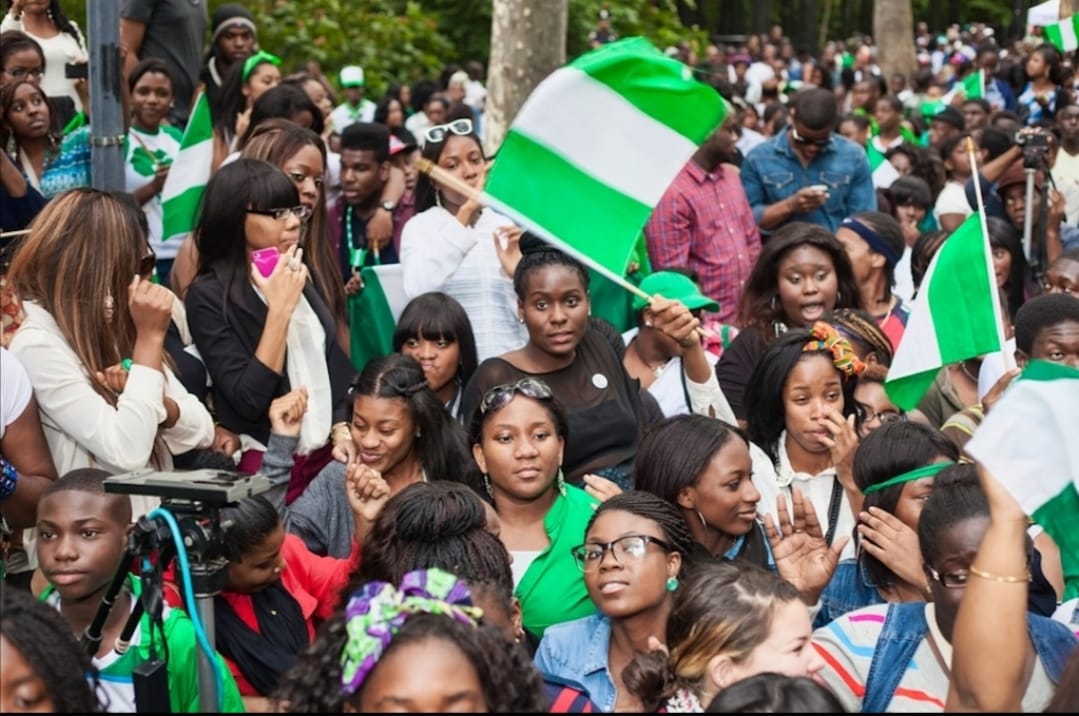
2027 Is Youths O’Clock: Ordinary Young Nigerians Will Build the Great Nation We Deserve.
By George Omagbemi Sylvester | Published by SaharaWeeklyNG.com
“Great nations are not built by the rich alone, but by the courage of ordinary youths who rise from humble beginnings.” That truth is not poetry; it is policy. It is the spine of every national rebirth. And it is Nigeria’s most urgent assignment as 2027 approaches. The class of 2027 must be the generation that trades CYNICISM for CIVIC MUSCLE, that takes our frustrations and forges them into reforms, that turns raw numbers into organized power. Simply put: 2027 is calling for Youths O’clock.

Across history, NATION-BUILDING is rarely a billionaire’s project; it is the hard, hopeful, everyday work of young citizens who show up (at the ballot, in town halls, in classrooms, on factory floors, in code labs, on farms, and in community boards. Nigeria has that workforce in abundance. Africa is the youngest continent on earth; in sub-Saharan Africa, 70% of people are under 30, and young Africans are projected to comprise about 42% of the world’s youth by 2030. This is not a statistic to admire; it is a mandate to act.
BUT POTENTIAL IS NOT DESTINY. If we don’t translate youthful energy into tangible power (votes, policies, enterprises, and institutions), our “DEMOGRAPHIC DIVIDEND” becomes a DEMOGRAPHIC DEBT. The window is open, but it will not stay open forever. In 2023, young Nigerians proved they are not spectators. Nearly 40% of registered voters were under 35, and youth drove unprecedented mobilization both online and on the streets. The SURGE was REAL; THE LESSON is CLEAR: when youths organize, the political class pays attention; willingly or otherwise.

Of course, COURAGE WITHOUT PATHWAYS is a CUL-DE-SAC. That is why the Not Too Young To Run Act (2018) matters. It didn’t just trend; it changed the rules, lowering age limits for key offices and opening the door for independent candidacy. Reform is never a miracle; it’s the residue of relentless youth organizing, and Nigerian youths achieved it. Now, that door must be kicked fully open by a 2027 wave of competent, ethical, ground-game-ready candidates.
Yet one can’t talk about 2027 without naming the economic headwinds young people face. Jobs remain too few, wages too high, and opportunities too gated. Globally, the youth unemployment rate hovered around 13% in 2023, masking deep regional inequalities; in Nigeria, official youth unemployment ticked up in 2023 under a revised methodology that many analysts debate, reminding us why UNDEREMPLOYMENT and INFORMALITY (not just joblessness) must be central to policy. If a reform does not turn schooling into skills and skills into dignified work, it is a slogan, not a solution.
So what must young Nigerians actually do between now and February 2027?
1) OWN THE REGISTER, OWN THE RESULT. Registration is power. A movement that does not obsess over PVCs is a mood, not a force. Learn from 2023: the line for your card is the first queue to your policy outcomes. Demand transparent voter data, track logistics, cs, and volunteer as party agents and observers. Youths do not just vote; we verify.
2) RECRUIT AND RUN. Stop waiting for “GOOD PEOPLE” to appear. Recruit them or be them. The legal barriers are lower now. Build slates of youth candidates for local councils, state assemblies, and the National Assembly. Pair them with seasoned technocrats and community elders in advisory roles. Competence is not anti-youth; it’s the oxygen of youth credibility.
3) BUILD POLICY FROM THE GROUND UP. The economy is not an abstract riddle. It is transport costs, stable power, affordable data, reliable security, and access to finance. Focus your manifestos on: (a) SKILLS-TO-JOBS PIPELINES (apprenticeship, coding academies, TVET married to real employer demand), (b) AGRO-INDUSTRIAL VALUE CHAINS that turn harvests into exports, (c) MSME capital that is patient, transparent and regionalized and (d) LOCAL INFRASTRUCTURE that cuts business friction—roads, markets, cold storage and mini-grids. Judges of seriousness will look for budget line, not buzzwords.
4) TURN PROTEST INTO POLICY. The world has watched youth uprisings reshape agendas from Nairobi to Lagos. But historic protests without INSTITUTIONAL FOLLOW-THROUGH risk becoming anniversaries instead of laws. Mobilize into the committees where procurement is designed, the town halls where tariffs aresett and the party primaries where tickets are traded. If policy is where the sausage is made, then 2027 must be where youths own the kitchen.
5) GUARD THE INFORMATION SPACE. Disinformation is voter suppression by other means. Youth-led fact-checking hubs, precinct-by-precinct results collation, and credible parallel vote tabulation will be decisive. Technology is not a savior, but in skillful hands it is a shield.
6) CLOSE THE REPRESENTATION GAP. Youths are not a monolith; inclusion is strength. Bring in women, rural youths, artisans, student leaders, creatives, techies, and persons with disabilities. Let your coalitions look like the country you seek to govern.
If this sounds like a moral crusade, it is. As Kofi Annan reminded the world, “No one is born a good citizen; no nation is born a democracy. Rather, both are processes that continue to evolve over a lifetime.” The generation that commits to that process (patiently, persistently, pragmatically) wins the future.
And if this sounds like a development strategy, it is that too. Amartya Sen defines development as the expansion of real freedoms to live, learn, work, and participate meaningfully. Youth empowerment is not window dressing; it is the engine of that expansion. Elections without expanded freedoms are ceremonies; with them, they become catalysts.
Skeptics will say, “We’ve heard this before.” Fair. Hope has been weaponized too many times in our politics. That is why 2027 must be different in METHOD, not just in MOOD. Replace personality cults with policy contracts (one-page, measurable commitments signed publicly by candidates, tracked quarterly by civic group, and published online. Replace patronage rallies with door-to-door listening, Ward Development Scorecards, and clear procurement dashboards. Replace “big man” endorsements with credible youth-elder compacts (inter-generational alliances that blend idealism and institutional memory.
Above all, replace the myth that change must be spectacular with the discipline that change must be systematic. Nations are built less by grand speeches than by thousands of small, sturdy decisions made daily by citizens who refuse to outsource their future. As Nelson Mandela said, “It always seems impossible until it’s done.” The work before us is not impossible; it is simply incomplete.
Let’s test this thesis with hard realities:
Demography is on the youth’s side. The youngest continent is ours; the youngest electorate in our history is alive now. If we don’t invest this advantage in 2027, it compounds against us in 2031.
The law is edging in our favor. The age barriers are lower; candidacy is more accessible. But legal keys unlock nothing without organized hands to turn them.
Economics is the battleground. Youth joblessness and underemployment corrode social trust and fuel brain drain. Sound, youth-centered economic policy (anchored in SMEs, skills, and infrastructure) is not a talking point; it’s survival.
So here is the challenge and the promise: if ordinary youths move from hashtags to handbooks, from outrage to outcomes, from “THEY” to WE, Nigeria can do in the 2027 (2031 cycle what others take decades to attempt) bend the arc of our politics toward competence, bend the arc of our economy toward inclusion and bend the arc of our society toward dignity.
The rich will fund projects; that is fine. But great nations are built by bus conductors who insist on receipts, by market women who demand bright-lit streets and fair taxes, by coders who ship local solutions, by nurses who refuse to normalize avoidable deaths, by teachers who measure learning rather than attendance, by artisans who formalize their craft, by farmers who join cooperatives, by creators who monetize culture, by athletes who anchor community pride and (above all) by voters who connect every promise to a performance review.
This is our moment. Youths O’clock is not a slogan; it is a schedule. It means registering now, organizing now, vetting candidates now, training polling agents now, drafting ward-level manifestos no, and building cross-party youth caucuses now. It means refusing to be rented crowds and choosing to be responsible stewards. It means pursuing power not as a trophy but, in the words of a wise admonition, as a loan to be repaid with service.
If we keep faith with that ethic, 2027 will not just change who sits in office; it will change what office is for. And then the old lie (that Nigeria is too complicated to fix) will finally meet its match in a new, stubborn truth: that ordinary young Nigerians, rising from humble beginnings, carried this republic on their shoulders and built something worth handing to their children.
The clock is ticking. The future is calling. 2027 is Youths O’Clock.


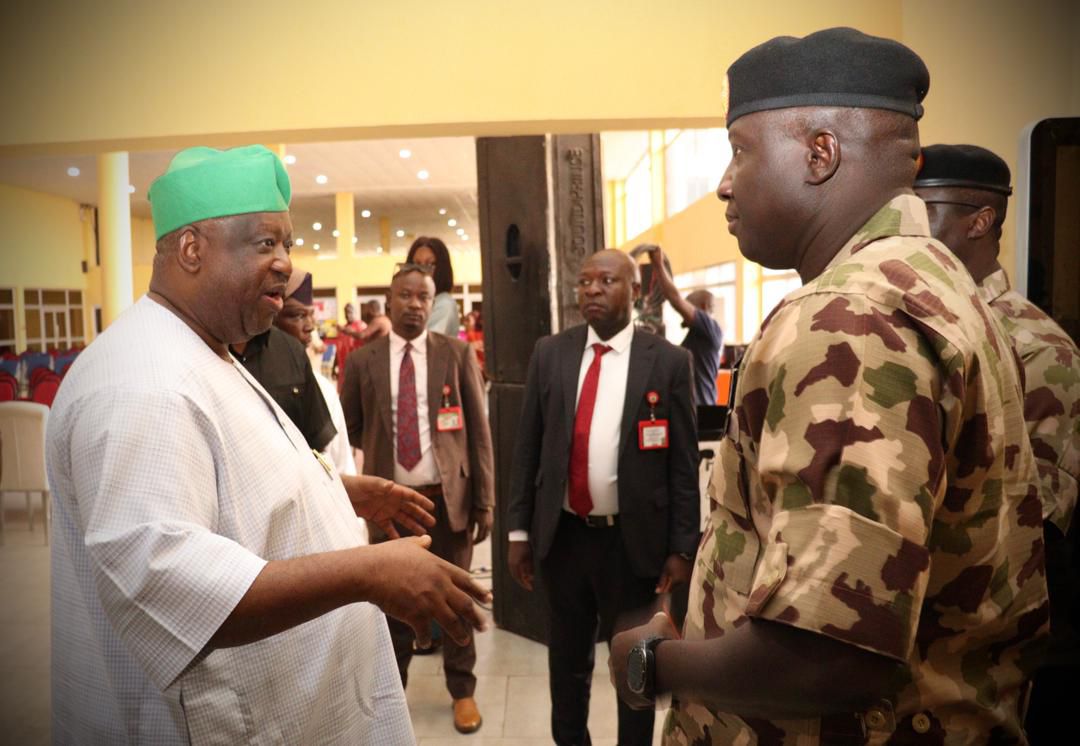
COAS Launches Nationwide Security Renewal Mission in Plateau
The Chief of Army Staff, Lieutenant General Waidi Shaibu, on Thursday led a high-level delegation of security chiefs to Plateau State, flagging off a nationwide security renewal mission aimed at strengthening civil-military cooperation and restoring lasting peace across the country.
The visit to Jos, the Plateau State capital, marks the first phase of a coordinated national effort to address persistent security challenges through joint operations, community engagement, and proactive intelligence gathering.

Governor Caleb Muftwang received the delegation, describing the initiative as a critical step toward stabilizing affected communities and reinforcing public confidence in security institutions.
Civil-Military Synergy Takes Centre Stage
At the heart of the mission is a renewed emphasis on collaboration between the military, civil authorities, and local communities. Speaking during the visit, Lt. Gen. Shaibu stressed that national security must be treated as a collective responsibility.
He urged citizens to support security agencies by remaining vigilant, sharing credible information, and complying with lawful directives, noting that effective security cannot be achieved in isolation.
Community Engagement as Confidence-Building Tool
In a departure from purely operational engagements, the Army Chief held direct consultations with community leaders and residents in Jos, reinforcing the importance of trust and dialogue in conflict resolution.
Lawmakers, including Dachung Bagos and Ladi Dangyok, commended the initiative, stating that visible engagement by top military leadership helps rebuild confidence among citizens and fosters cooperation.

Proactive Security Operations Underway
Operational updates were provided by Major General Folusho Oyinlola, who disclosed that troops under Operation Enduring Peace have intensified surveillance, intelligence-led patrols, and coordinated actions with other security agencies.
According to the Army, the approach is designed to prevent escalation of threats, safeguard lives and property, and stabilize vulnerable communities before crises emerge.
A Shift Toward Sustainable Peace
Military authorities emphasized that the Plateau visit is part of a broader, long-term strategy to transition from reactive responses to sustainable peacebuilding nationwide. The framework includes strengthening local resilience, ensuring justice, and maintaining continuous engagement with stakeholders.
Analysts view the initiative as a significant policy shift, reflecting a more inclusive security architecture that integrates community participation with military operations.
Call for National Unity
The Army leadership concluded with an appeal to Nigerians to reject divisive narratives and support ongoing efforts to promote unity and peace.
“The success of this mission depends not only on the armed forces but on the cooperation of every citizen,” the COAS stated.
The nationwide security renewal campaign is expected to extend to other regions in the coming weeks as authorities seek to consolidate gains and build a safer, more unified Nigeria.


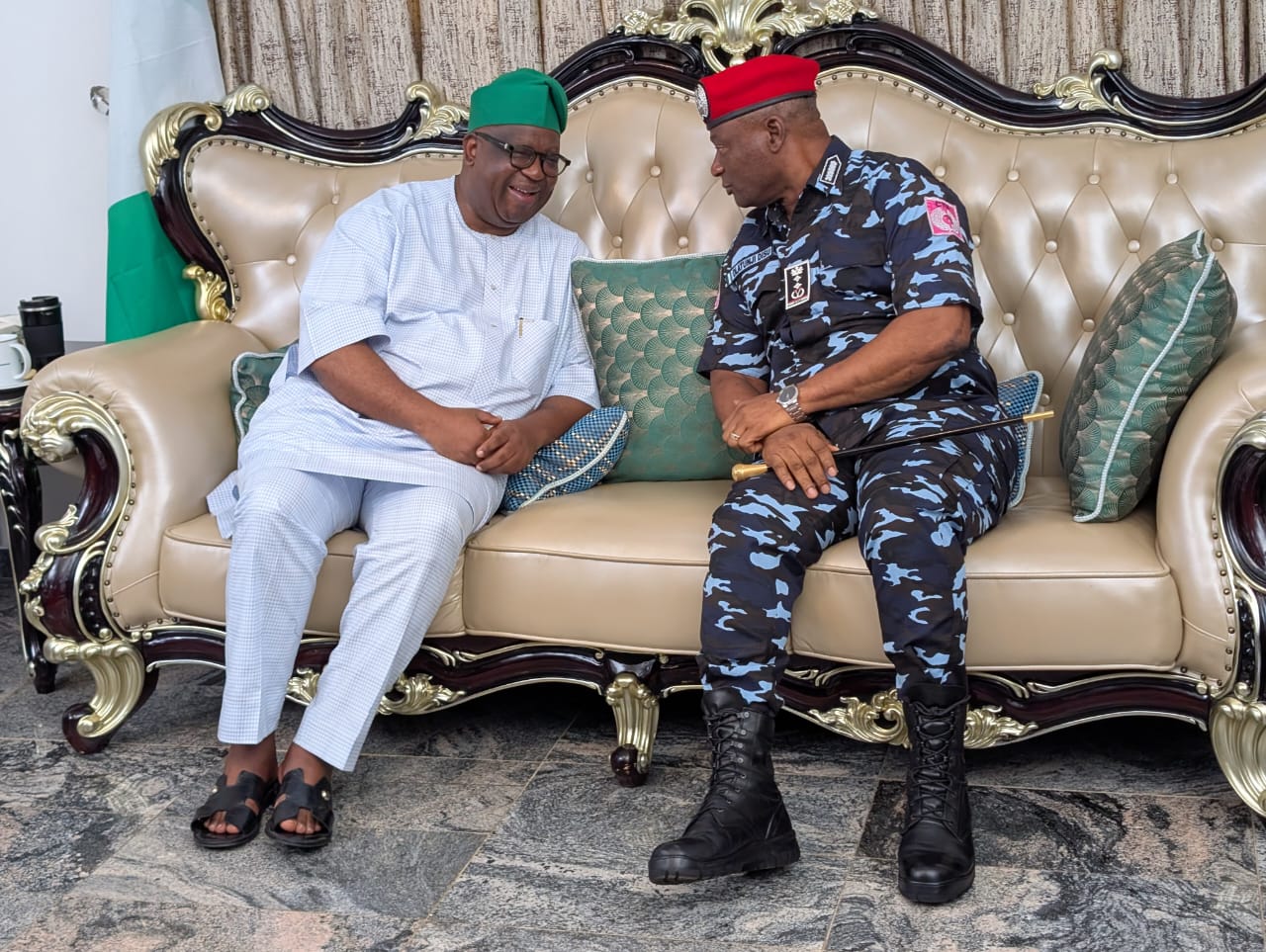
IGP Disu Visits Plateau, Orders Tactical Deployment To Reinforce Security
The Inspector General of Police, Olatunji Disu, on Thursday paid a working visit to Plateau State following recent unrest, holding strategic talks with Governor Caleb Muftwang on measures to strengthen security and prevent further disturbances.
As part of immediate steps to stabilise the situation, the police chief authorised the deployment of specialised tactical units to support officers already on ground across affected areas.
Governor Muftwang commended the swift intervention of the police leadership, praising the dedication and professionalism of security personnel working to restore calm. He also acknowledged the efforts of mobile police officers and lauded the leadership of the state’s Commissioner of Police, Bassey Ewah.
Both the Nigeria Police Force and the Plateau State Government reaffirmed their commitment to safeguarding lives and property, stressing that enhanced collaboration remains key to restoring lasting peace in Plateau State, popularly known as the Home of Peace and Tourism.


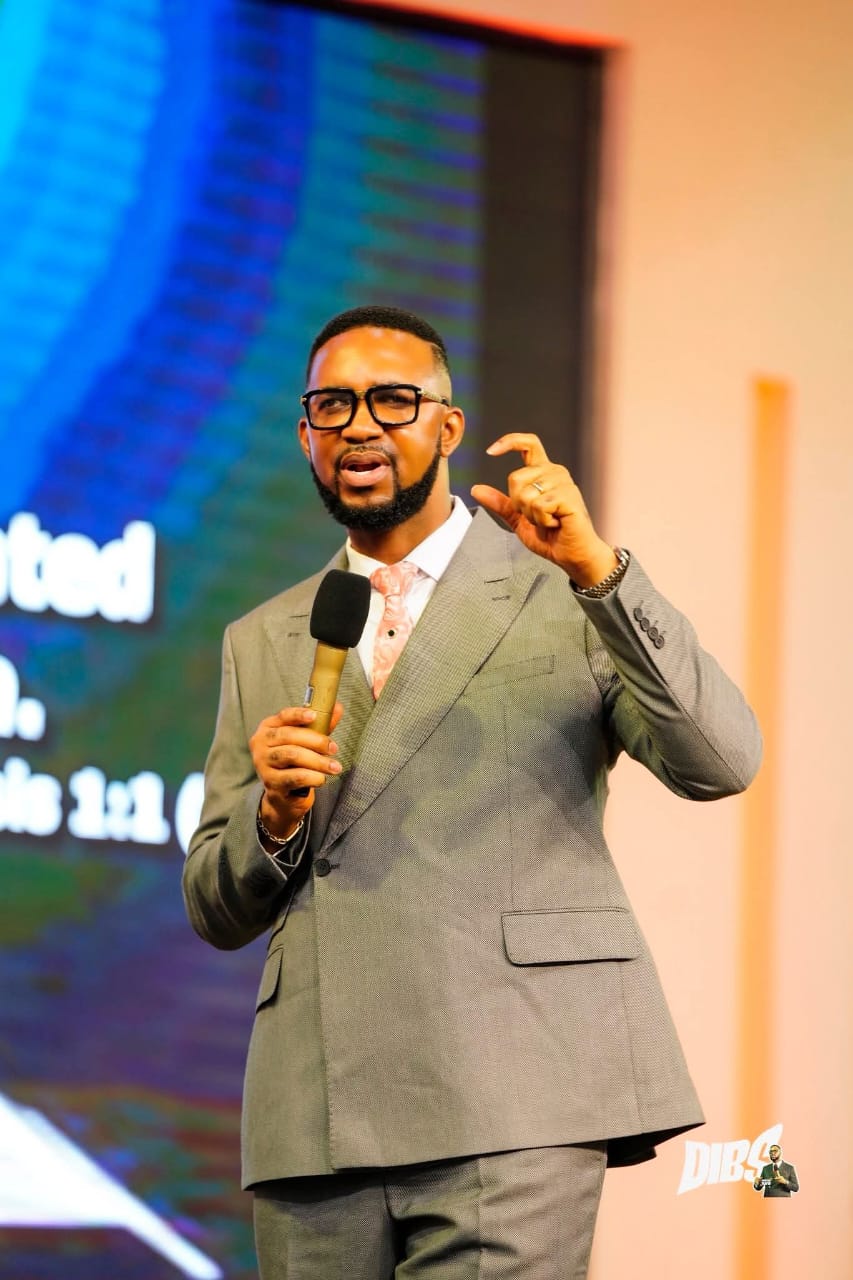
Grace Nation Worldwide: A Living Reality – Dr. Chris Okafor
……“Miracles, Healing, and Deliverance Overflow at Grace Nation Services”
The Grace Nation midweek Prophetic Healing, Deliverance, and Solutions (PHDS) Service on 2nd April 2026 at the international headquarters in Ojodu Berger, Lagos, was a spectacular display of God’s power, marked by miracles, healing, and deliverance.
The God of Grace Nation continues to demonstrate His authority, breaking strongholds, healing the sick, restoring lost glory, and providing solutions to every problem presented at His altar.
Testimonies of God’s Power
One woman, previously diagnosed with a terminal condition and slated for a ₦4.5 million surgery due to inability to excrete, was prayed for by the Generational Prophet, Christopher Okafor, just a week after visiting the church. Declaring healing within 24 hours, she returned to testify to God’s miraculous intervention.
Another pregnant woman, whose baby was bridged and at risk, was located and prayed for. She returned to service with confirmation that her child is now well-positioned for delivery. Similarly, a woman booked for a C-section due to an overdue and poorly positioned pregnancy testified during the service that her baby is now properly positioned, ready for birth.
These testimonies underscore the truth: what God cannot do does not exist. Grace Nation has entered a new level of spiritual authority, and with faith, believers are witnessing the impossible become reality.
God Works by Principle, Not Gossip
In his sermon, Dr. Okafor emphasized that God does not operate on superstition, gossip, or social media pressures. His work is grounded in His Word, and it is through adherence to His principles that Grace Nation continues to flourish.
The Generational Prophet stressed that to enjoy divine blessings and fruitfulness, believers must remain connected to God’s Word, faithfully serve Him, and ignore distractions or side-talks. Focused commitment to God’s service guarantees alignment with His miraculous power.
Join the Movement
Grace Nation Worldwide is open for all who desire a life transformed by divine intervention. Weekly services include:
Sunday Service: 7:00 AM
Grace Nation Island Service (Ogombo): Wednesday, 5:00 PM
Midweek PHDS Service: Thursday, 7:00 AM
Attending these services under the ministry of the Generational Prophet ensures encounters with God’s supernatural power, life-changing miracles, and lasting breakthroughs.
Grace Nation Worldwide is not just a church—it is a reality where faith meets the supernatural.
By Sunday Adeyemi


-

 society7 months ago
Religion: Africa’s Oldest Weapon of Enslavement and the Forgotten Truth
-

 news4 months ago
WHO REALLY OWNS MONIEPOINT? The $290 Million Deal That Sold Nigeria’s Top Fintech to Foreign Interests
-

 society6 months ago
“You Are Never Without Help” – Pastor Gebhardt Berndt Inspires Hope Through Empower Church (Video)
-

 celebrity radar - gossips2 months ago
Dr. Chris Okafor Returns with Power and Fire of the Spirit -Mounts Grace Nation Altar with Fresh Anointing and Restoration Grace on February 1, 2026