
society
NSIA outlines aggressive healthcare expansion plan as authority’s infrastructure intervention excites Reps committee chairman

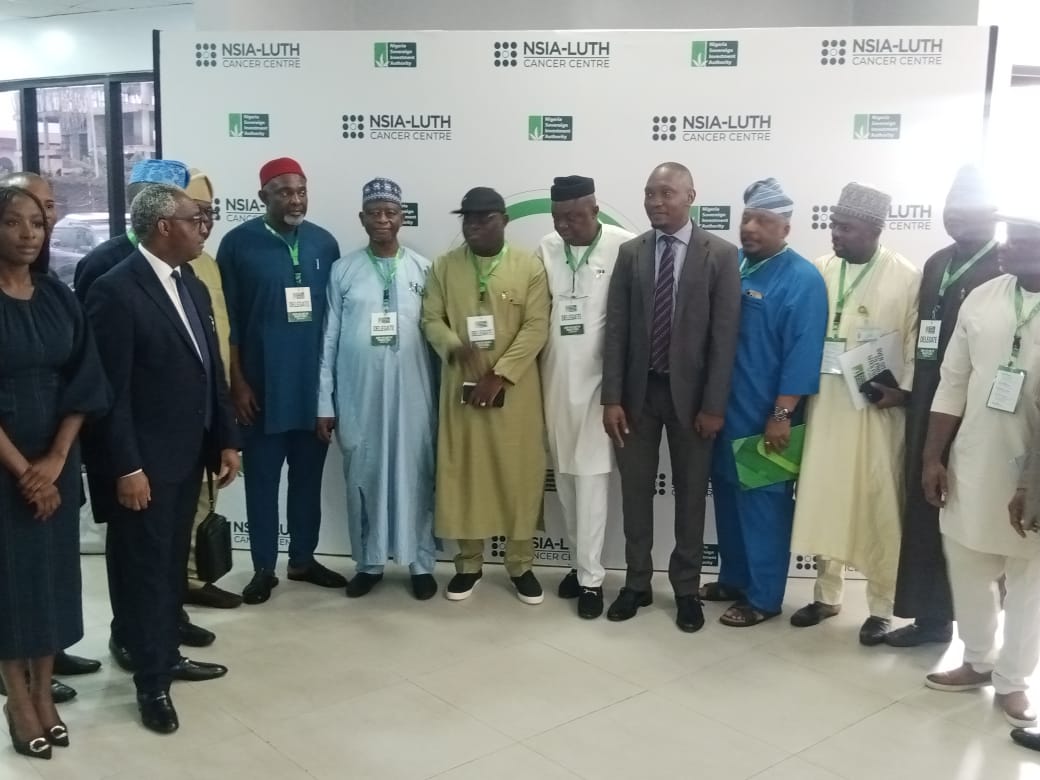
*NSIA outlines aggressive healthcare expansion plan as authority’s infrastructure intervention excites Reps committee chairman*
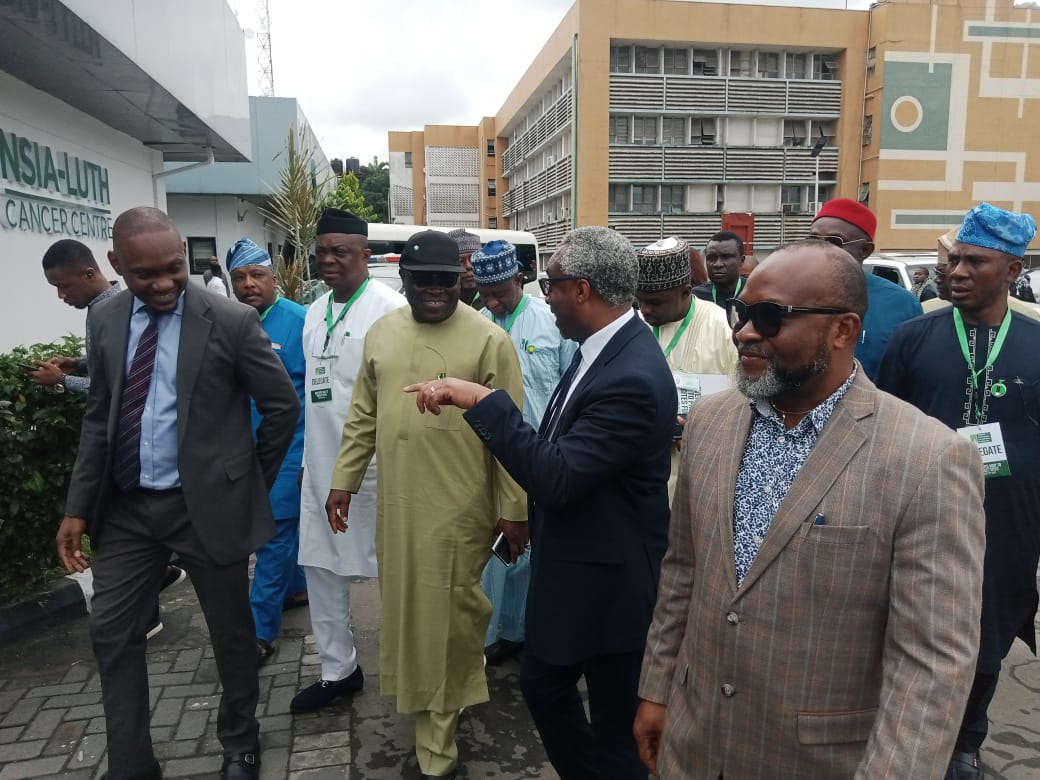
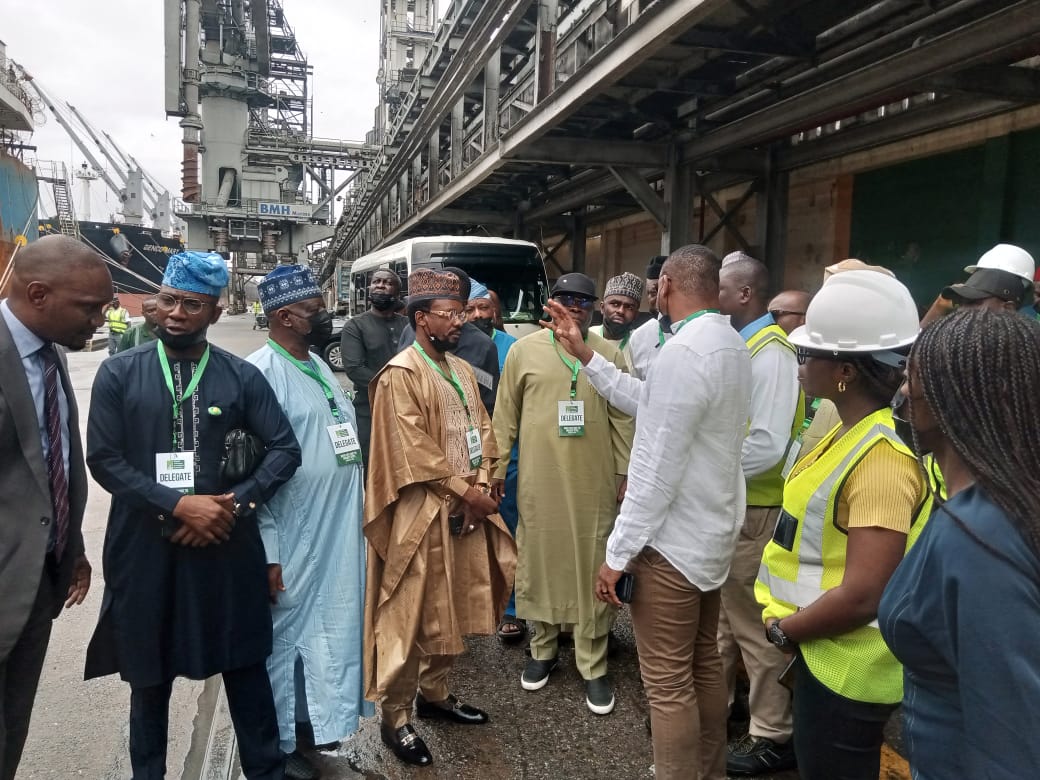
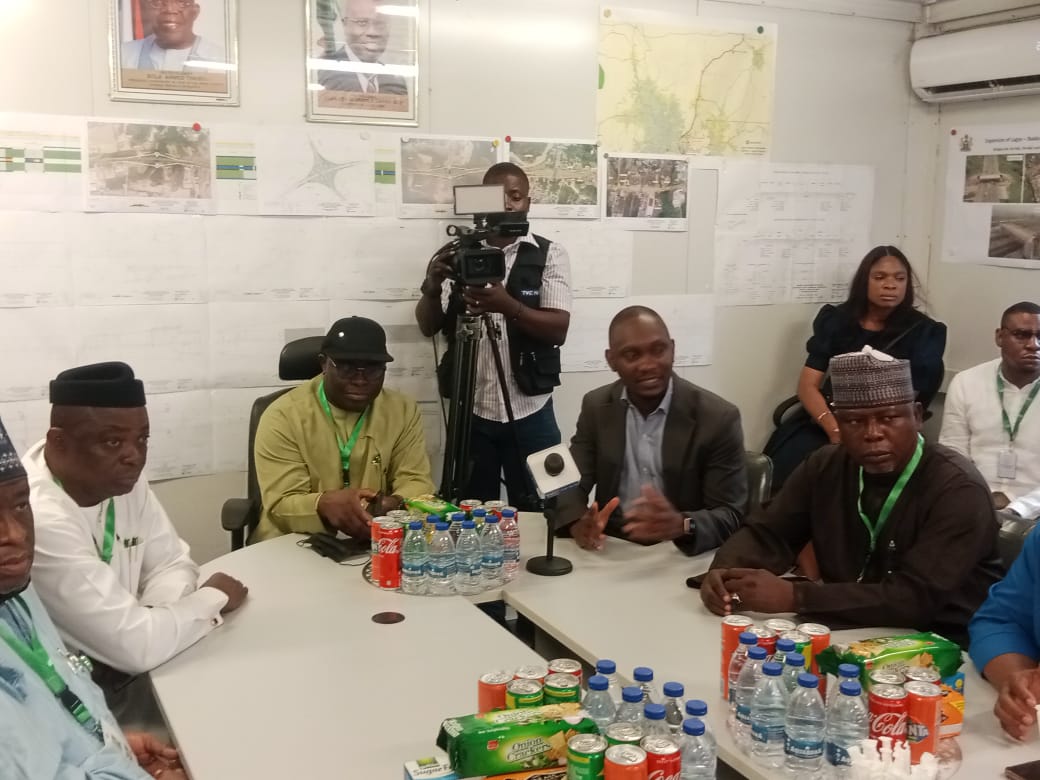
NSIA– The Nigeria Sovereign Investment Authority on Monday received members of the House of Representatives who were in Lagos to inspect projects undertaken by the Authority and their impact on the economy.
Key areas of focus for the Lagos visits were Healthcare, Infrastructure and Agriculture.
The Ad-hoc Committee was constituted by the House of Representatives to investigate the activities of the Nigeria Sovereign Investment Authority (NSIA) since the inception of the Authority.
The committee during the visit hailed the management of the NSIA on their intervention in the healthcare sector.
The members of the House commenced their visit at the NSIA – LUTH Cancer Centre where the Chairman of the Committee, Hon. Ademorin Kuye, said the lawmakers were impressed with the quality of service being rendered to Nigerians at the cancer Centre.
Since inception, Healthcare has been a keen area of focus for the Authority, deriving from this, the NSIA Healthcare Development Investment Company was established to catalyze private sector investments to address the infrastructure gaps in the healthcare sector, improve manpower, and forge strategic collaborations to advance healthcare indicators in the country.
Established in 2019, the NLCC – an out-patient cancer center equipped with modern medical infrastructure has attended to over 10,000 unique persons living with cancer and has also deepened capacity of medical and non-,medical professionals within the oncology space.
Over the years, NLCC has reduced capital flight from medical tourism occasioned by cancer, created direct and indirect jobs and improved access to quality cancer care, thereby expanding possibilities for people living with cancer.
In addition to NLCC, the NSIA has also invested in two modern medical diagnostic centers collocated within the Aminu Kano Teaching Hospital and Federal Medical Center, Umuahia respectively.
NSIA is now in the process of scaling these interventions, with 3 additional Oncology centres, 23 additional diagnostic centres and 7 catheterization laboratories across the six geopolitical zones of Nigeria. NSIA’s wholly owned medical services portfolio company, Medserve has been set up to implement these projects.
The Committee Chairman said the facilities align with the vision and commitment of government to ensure affordable and efficient cancer care for Nigerians.
He explained, “We are investigating how much has been put into the development of this place. We have seen a lot of modern medical equipment that has been brought to this place.
“We are also seeing the quality of service being rendered to Nigerians and we are impressed and we will go back to report to the entire parliament and tell them that we need more of this in other places.”
He revealed that while talking to patients that they met during the oversight, they, “admitted that the charges here are the lowest compared to what happens in other areas like Ghana and other African countries. They are still pleading that the government should subsidize it more.
“We noted suggestions, which will be taken to the house to deliberate on. Nigeria already has centres for treating infectious diseases with qualified experts on it.
“But we will continue to develop more, we do not have enough cancer centers and there is need for more investment in our health sector.
“And the government has assured us that they will continue to do that. And we at the parliament, will continue to appropriate sufficient funds.”
Also speaking during the visit by the lawmakers, the Managing Director, NSIA Healthcare Development Investment Company, Dr Tolulope Adewole, revealed ongoing expansion by the Authority, as part of efforts to contribute towards addressing the country’s healthcare challenges.
“We have started the expansion plan already, We had MoUs signed by different states, signed with different tertiary hospitals, and some of the equipment needed are ready to be disbursed.
“We hope to go live in the next 24 months We have a project in which we are building four diagnostic hospitals, in each geo-political zone and that will be done in two phases.
“We are upscaling from one oncology center to four: one in the north, east, and finally Abuja. The cost is variable, so we can’t say what it will all cost us, ” he added.
The Committee also visited Golden Fertilizer Company Limited-a blending plant resuscitated under the Presidential Fertilizer Initiative managed by the NSIA.
The PFI was designed in 2016 to consistently deliver commercially significant quantities of affordable, high-quality fertilizer to the Nigerian farmer.
PFI was also designed to revive the local blending industry, adopt an import substitution approach by ensuring that over 60 percent of urea and limestone required for production of fertilizers are sourced locally at the revived blending plants.
The PFI has so far revived and established over 70 blending plants including Golden, Apapa, – across the 6 geo-political zones in Nigeria.
The Initiative also facilitated local production and supply of NPK at affordable prices to farmers, which has correspondingly improved food security and slowed down food inflation in Nigeria.
Additionally, the PFI has reduced capital flight through import substitution, delivered over 60 million, 50kg bags of fertilizer and created more than 100,000 direct/indirect jobs within Nigeria.
By expanding production capacity for the blenders under the Presidential Fertilizer Initiative, the prices of NPK have dropped from about N11,000 per 50kg bag in 2016 to 5,000 per 50kg bag in 2020.
During the inspection of the fertilizer blending plant, the Committee expressed satisfaction with the impact that the initiative is creating in terms of job creation, food availability, forex conservation, and increase in yield for farmers.
They, however, pledged to assist in ensuring that middle men don’t take advantage of good intentions of government under the initiative to create scarcity of the product and exhort Nigerians.
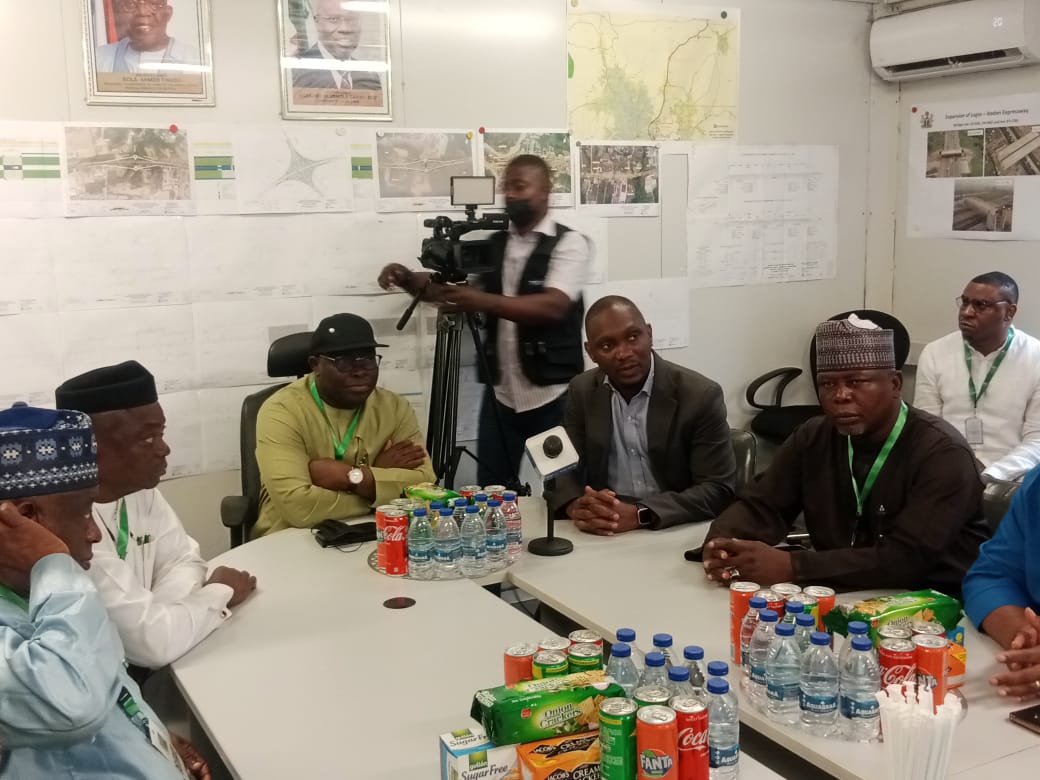
The Committee rounded off their assignment with a visit of the Lagos Ibadan Expressway, a 127.6 km long, busy interstate road, that cuts through Lagos, Ogun and Oyo states.
The Chairman expressed satisfaction with the progress of the project.
The Lagos-Ibadan Expressway is one of the oldest and busiest routes in Africa with potential to unlock significant economic activities and support seamless movement of people, goods and services around Lagos, Oyo and Ogun States.
The Lagos Ibadan Expressway is one of the projects under the Presidential Infrastructure Development Fund.
The PIDF was established by the Presidency in 2018 to accelerate the execution of certain critical infrastructure projects pivotal for the country’s development.
The NSIA was mandated by the Presidency to act as project and fund managers for the projects under PIDF.
Other infrastructure projects under the PIDF also managed by the NSIA include: Abuja – Kano Road and Second Niger Bridge.
The financing of these projects has the potential to yield between 274,000 to 616,000 direct and indirect jobs.
During the visit, the NSIA Executive Director, Investments, Mr. Kola Owodunni, told the lawmakers that the Authority NSIA remains focused on enabling overall socio-economic growth through diversification for Nigerians across key sectors including innovation and technology, agriculture, power, gas industrialization and financial market infrastructure.







GEN CHRISTOPHER GWABIN MUSA SUPPORT INITIATIVE COMMENDS STATE-FEDERAL COLLABORATION IN ZAMFARA
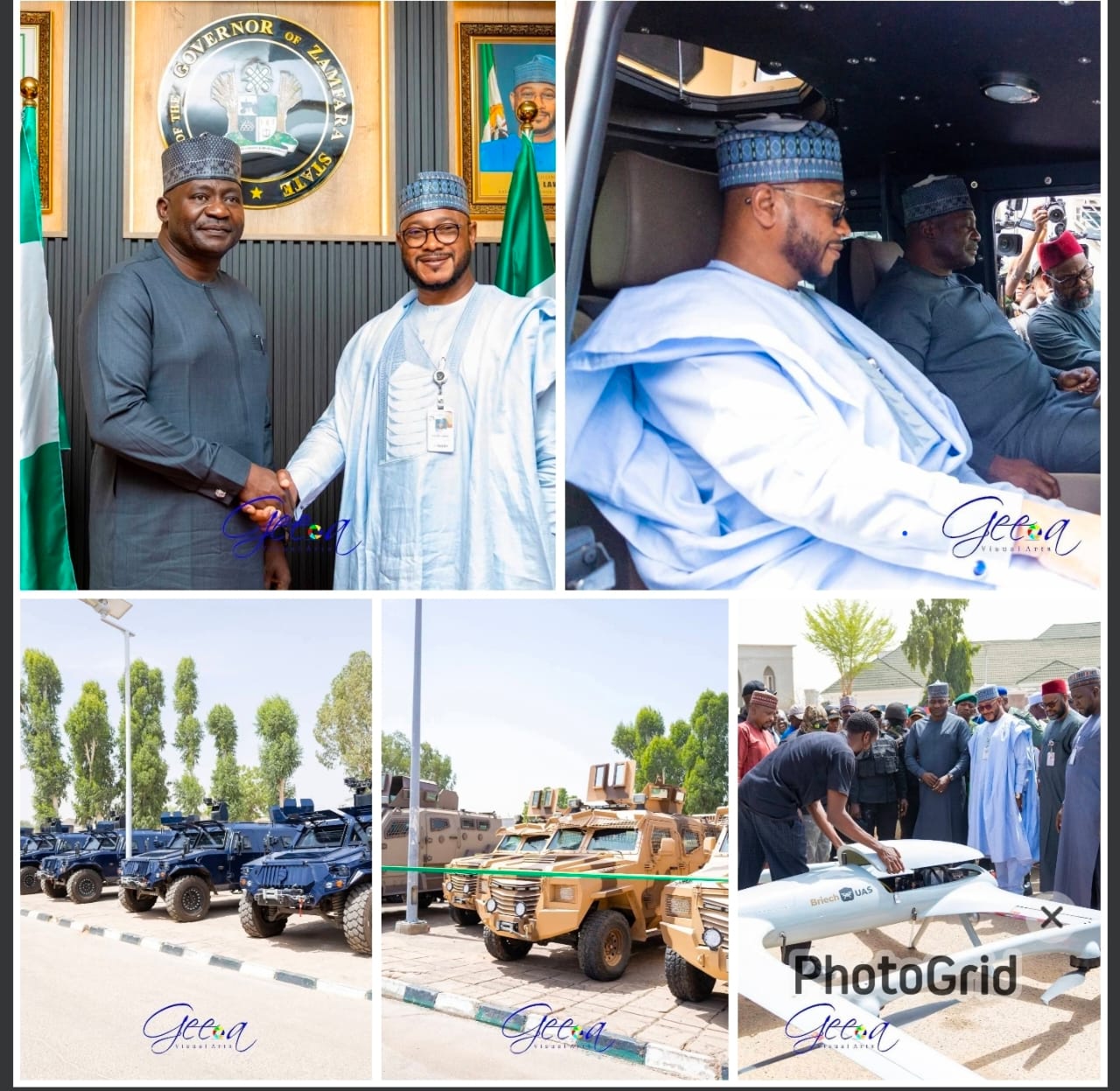
The Gen Christopher Gwabin Musa Support Initiative (GCGMSI) has commended the Zamfara State Government for its decisive contribution to security operations through the donation of newly acquired armoured personnel carriers (APCs), surveillance drones, and other critical operational equipment to troops and security agencies in the state.
This commendation was contained in a statement signed by the Convener of the GCGMSI, Ibrahim Dahiru Danfulani, Sadaukin Garkuwan Keffi/Betara Biu, and made available to the press.
The equipment was formally commissioned on Wednesday, February 18, by the Grand Patron of the GCGMSI and Minister of Defence, General Christopher Gwabin Musa, OFR (rtd.), in a ceremony at the Government House, Gusau. The event was attended by senior military officers, heads of security agencies, and top officials of the Zamfara State Government.
The GCGMSI, in its statement, hailed the donation as a “transformative and timely intervention” that aligns perfectly with its core objective of advocating for and supporting tangible measures that enhance the operational capacity and welfare of Nigeria’s security forces. The Initiative praised Governor Dauda Lawal’s administration for moving beyond rhetoric to actionable, material support, describing the move as a “blueprint for state-level collaboration in national security.”
“The provision of these assets by the Zamfara State Government is a testament to visionary leadership and a profound commitment to the peace and stability of its people,” the GCGMSI statement read. “It represents the exact kind of synergistic partnership between state and federal authorities that the GCGMSI champions. This initiative will significantly close operational gaps, boost the confidence of our gallant troops, and send a strong message to criminal elements.”
Speaking at the commissioning, General Musa emphasized that sustained collaboration is indispensable in confronting the nation’s evolving security challenges. He specifically commended Governor Lawal for his proactive support.
“Governor Dauda Lawal has demonstrated exemplary leadership and an unwavering dedication to the security of Zamfara State,” the Defence Minister stated. “The provision of these armoured vehicles, surveillance drones, and other operational equipment will undoubtedly boost the morale and operational effectiveness of our troops and other security agencies on the ground. This is a commendable effort that should be emulated by others.”
The newly commissioned assets, which include multiple APCs and advanced surveillance drones, are expected to dramatically enhance the mobility, protection, intelligence-gathering, and rapid response capabilities of security forces, particularly in the state’s remote and difficult terrains where anti-banditry operations are ongoing.
In his remarks, Governor Lawal reiterated his administration’s steadfast commitment to being a reliable partner in the security architecture. He urged security agencies to deploy the new resources responsibly and effectively to safeguard lives and property.
The Federal Government, through the Ministry of Defence, reaffirmed its commitment to continuing and deepening such partnerships with state governments across the nation to strengthen coordination and resource allocation in the collective fight against insecurity.
The GCGMSI concluded its statement by urging other state governments to take a cue from Zamfara’s “bold and pragmatic” approach, affirming that such concrete support is vital for achieving lasting peace and security across Nigeria.
society
Governor Dauda Lawal Commissions 25 Armoured Personnel Carriers, Aerial Surveillance Drones to Combat Insecurity
Governor Dauda Lawal Commissions 25 Armoured Personnel Carriers, Aerial Surveillance Drones to Combat Insecurity
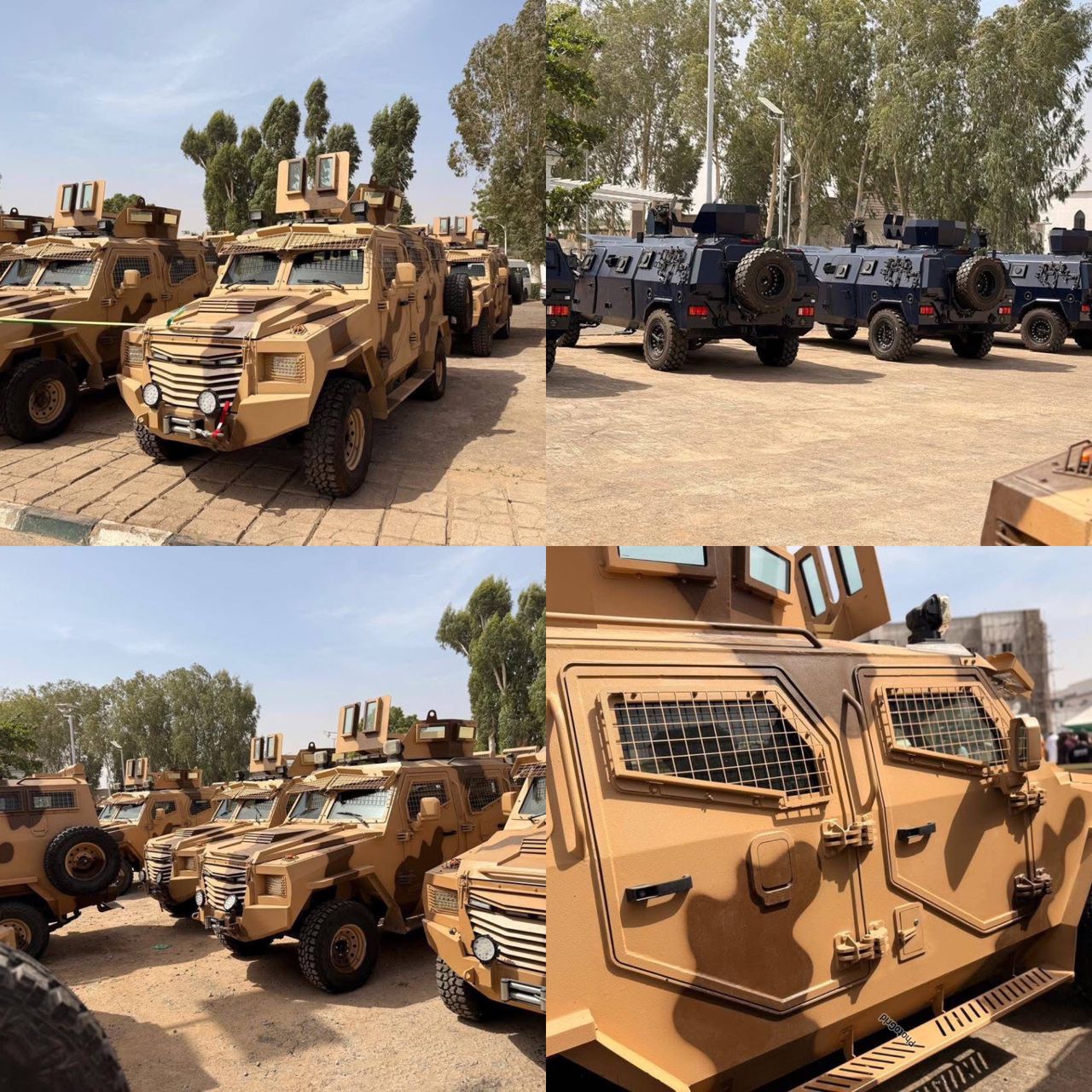
In a major boost to the fight against banditry and insecurity in Zamfara State and the North-West Zone, Zamfara State Governor, His Excellency, Dr Dauda Lawal, on Wednesday commissioned 25 new Armoured Personnel Carriers (APCs) and sets of surveillance drones for the military and other security agencies operating in the state.
The event, which took place in Gusau, was part of the state government’s ongoing effort to provide structured logistical support to frontline security forces and combat insurgency, banditry, and protect lives and properties. Speaking at the commissioning and handover, Governor Lawal emphasised that the new assets are intended to enhance troop protection during high-risk deployments and improve rapid response capabilities in remote communities, ensuring tactical battle and overhead surveillance for victory.
“We have provided over 600 specialised motorcycles, 150 Hilux vehicles, and 20 Buffalo vehicles to our security forces. These 25 highly sophisticated APCs being commissioned today are therefore part of a broader reform to improve response to security threats. The APC’s significantly improves troop protection during deployments into high-risk areas. They reduce vulnerability during patrols, support convoy security along major routes, and strengthen rapid response capability when distress calls arise from remote communities.” the Governor stated.
Governor Lawal explained that the security challenges of recent years had disrupted farming, limited trade, and undermined public confidence across the state. He noted that his administration’s “Rescue Mission” agenda has focused on moving from fragmented responses to structured reforms, including the establishment of a Zamfara State Security Trust Fund and the operationalisation of Community Protection Guards to improve grassroots intelligence.
The Governor specifically highlighted the importance of integrating modern technology into security operations. He noted that the newly acquired drones would expand aerial surveillance, improve situational awareness, and support better coordination between command centres and troops in the field.
“Real-time information strengthens decision-making and reduces operational blind spots,” he added.
Governor Lawal however acknowledged the critical role of the Federal Government under President Bola Ahmed Tinubu, noting that recent federal budgets have allocated over three trillion naira to defence, a commitment he said strengthens subnational stabilisation efforts.
He urged the military commanders and personnel receiving the equipment to ensure disciplined maintenance and intelligence-guided deployment. “Enhancing your safety enhances the safety of our communities,” he told the troops.
Governor Lawal also told the people of Zamfara that; his administration remains resolute in restoring enduring security and peace across every Local Government Area. “We will sustain preventive measures, strengthen patrol architecture in rural corridors, deepen inter-state intelligence collaboration across the North-West, and maintain fiscal prudence in security expenditure. Stabilisation will continue through structured planning, lawful enforcement, and institutional reform.”
The Governor also linked the security investment to economic recovery, stressing that stability in rural areas is essential for agricultural productivity, market activity, and food security.
The event was attended by the Honourable Minister of Defence, General Christopher Musa (Rtd.), who formally commissioned the assets for operational service. Governor Lawal reaffirmed his administration’s resolve to sustain preventive measures and inter-state security collaboration until lasting peace is restored across all Local Government Areas in Zamfara.
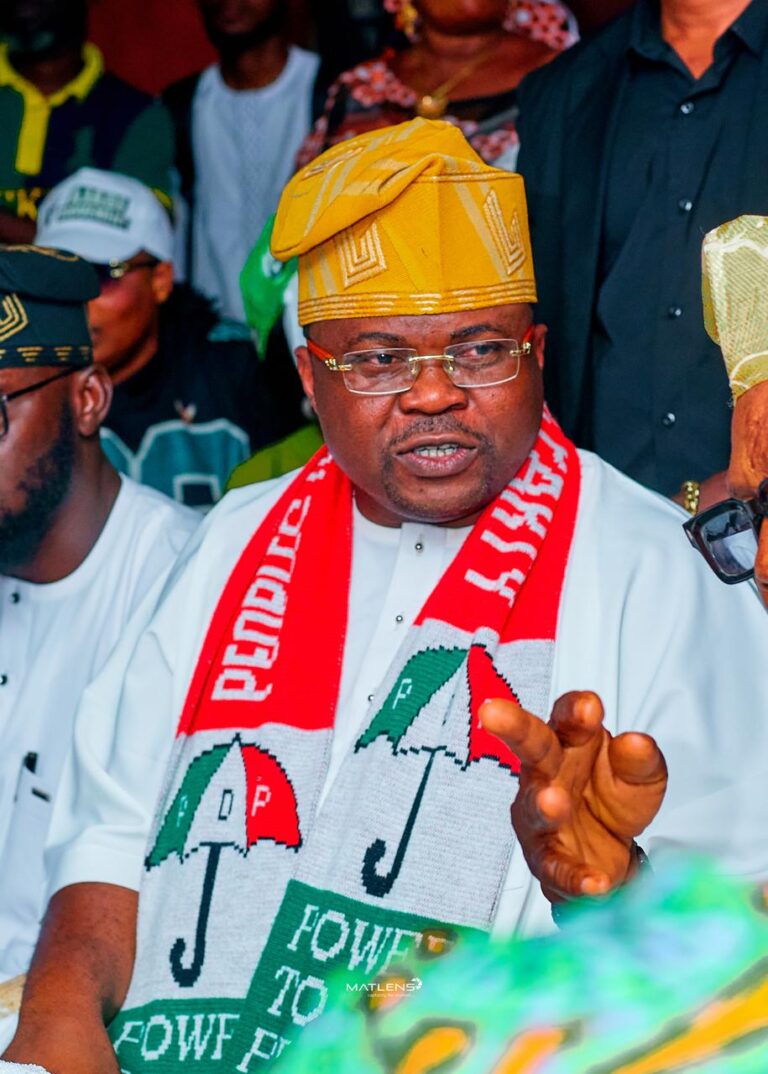
Ramadan, Lent: Ajadi Urges Religious Harmony, Prayers for Nigeria
A leading governorship aspirant of the Peoples Democratic Party (PDP) in Oyo State, Ambassador Olufemi Ajadi Oguntoyinbo, has extended warm felicitations to Muslims and Christians on the simultaneous commencement of Ramadan and Lent.
Ramadan, the Islamic holy month marked by 30 days of fasting and spiritual devotion, and Lent, the 40-day Christian season of fasting and reflection, began on the same day — a development Ajadi described as symbolic and spiritually significant.
In a statement personally signed by him on Wednesday, Ajadi congratulated adherents of both faiths and called for sustained religious tolerance, unity, and peaceful coexistence across the state and the country at large.
He described the coincidence in the commencement dates as a reminder of shared values between Islam and Christianity.
“The simultaneous commencement of Ramadan and Lent is a divine reminder that we all worship the same Almighty God. It is a call for unity, love, and mutual understanding among us,” he stated.
Ajadi urged Muslims and Christians to use the sacred periods of fasting and spiritual purification to pray fervently for Nigeria, especially in view of the nation’s economic and security challenges.
“Our country is facing significant hardship. The economic difficulties and prevailing insecurity require sincere prayers. This season of spiritual purification offers us a unique opportunity to seek God’s intervention for our nation,” he said.
He further emphasized that both Islam and Christianity preach peace, tolerance, and respect for constituted authority, urging citizens to embody these teachings in their daily lives.
“Let us live peacefully, tolerate one another, and continue to pray for those in leadership. Our faiths teach us to respect and uphold our leaders in prayer,” Ajadi added.
The PDP chieftain concluded by wishing Muslims a spiritually fulfilling Ramadan and Christians a reflective and enriching Lenten season, encouraging both communities to embrace love, sacrifice, and harmonious living throughout the sacred periods.


-
 celebrity radar - gossips6 months ago
Why Babangida’s Hilltop Home Became Nigeria’s Political “Mecca”
-

 society6 months ago
Power is a Loan, Not a Possession: The Sacred Duty of Planting People
-
 society5 months ago
Religion: Africa’s Oldest Weapon of Enslavement and the Forgotten Truth
-
 news6 months ago
THE APPOINTMENT OF WASIU AYINDE BY THE FEDERAL GOVERNMENT AS AN AMBASSADOR SOUNDS EMBARRASSING