
celebrity radar - gossips
WHEN REBELLION IS A VIRTUE by Chief Femi Fani-Kayode

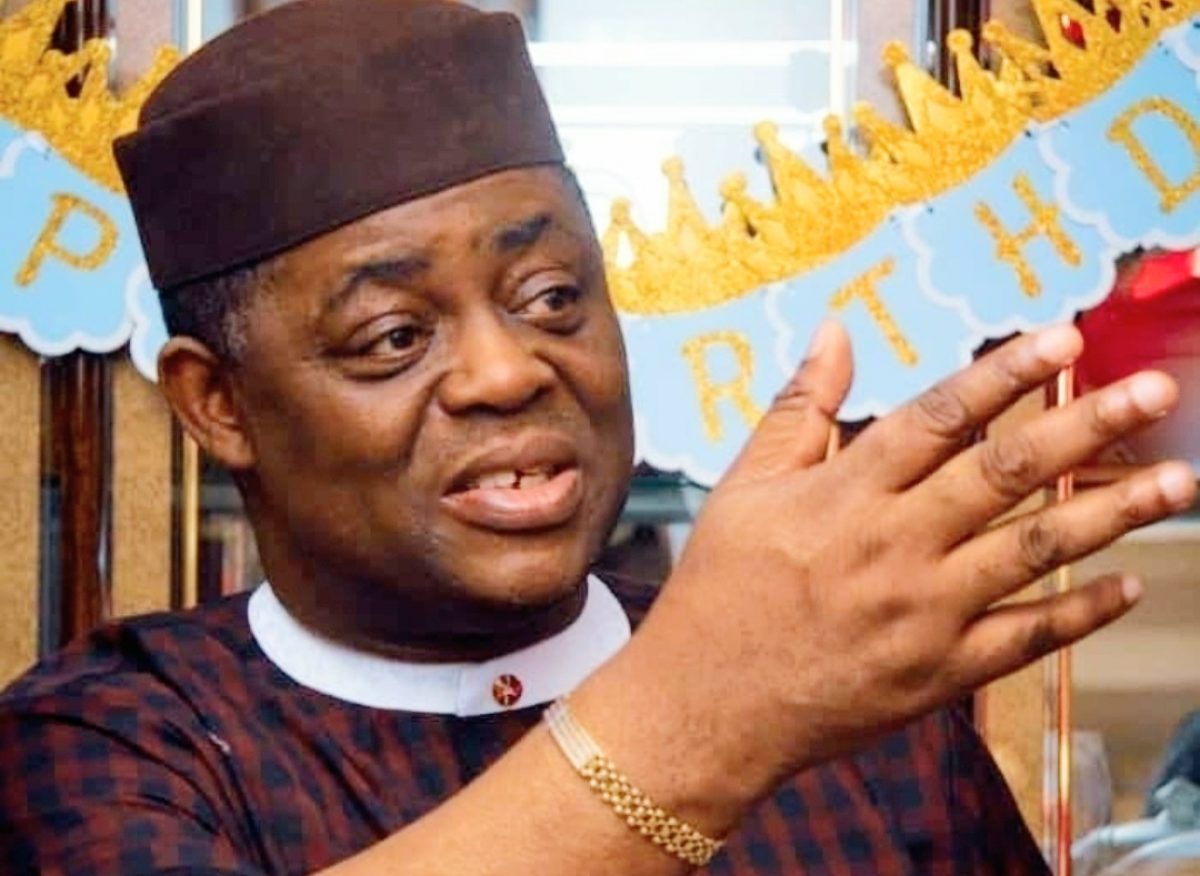
WHEN REBELLION IS A VIRTUE by Chief Femi Fani-Kayode
Unfolding events in Africa continue to intrigue the world and the fact that no less than seven military coups have been successfully effected in no less than seven African countries in the last three years gives cause for concern.
What is the cause for these violent acts of mutiny and rebellion and can there be any justification for such behaviour?
How legitimate were the mandates of those that have been toppled and are the soldiers that have carried out these ostensibly illegal acts of insurrection, revolution and treason and taken power by the barrel of a gun criminals and rebels that should be shot at the stake or God-sent and divinely-inspired heroes, liberators and deliverers of their respective countries and people?
Can their actions be justified in some cases or are they appropriate for all and can such a course of action ever be deemed appropriate for our country Nigeria?
When is rebellion a virtue and when is it a curse?
When is mutiny, revolution and a call to arms appropriate and when is it not?
What does one do with civilian dictators and sit-tight Presidents who have sold and mortgaged the future and destiny of their nation to the Western imperialists and neo-colonial powers and who torment their people and refuse to leave office.
These are just some of the questions that yours truly seeks to answer in this contribution.
Enjoy the ride!
On the 13th March 1962, in his
address on the first anniversary of the Alliance for Progress, John F. Kennedy, the 35th President of the United States of America, said the following:
“Those who make peaceful revolution impossible will make violent revolution inevitable”.
In the history of humanity few have enunciated such a profound yet obvious home truth as President Kennedy has done with these famous words.
Sadly even fewer have learnt anything from them.
Those that doubt this have much to learn.
Consider the following.
President Paul Kagame of Rwanda and President Paul Biya of Cameroon have ruled their African countries for 23 and 42 years respectively.
Approximately one week ago they were both constrained to sack, retire, redeploy and replace much of their Military High Command, senior Army commanders and thousands of commissioned and non-commissioned officers in the light of the wave of military coups that have swept West and Central Africa and just one day after the one that took place in Gabon.
This was clearly a panic measure on both their parts. They did it out of rabid fear and in a desperate attempt to thwart, pre-empt and prevent a military coup and stave off an anticipated mutiny in their respective Armed Forces.
Unfortunately for them such peripheral and ineffectual remedies and desperate attempts to ward off all opposition and dissent in an attempt to hold on to power forever will not work because their so-called “mandates” lack legitimacy and they do not have the backing of the people.
Worse still they are both oblivious of and totally blind to the rationale and ethos of mutiny and armed rebellion and are clearly ignorant of the essence and motivation for military coups.
Simply put, no matter who your senior military commanders are, whether the old or the new and no matter how many times you sack, retire, redeploy or change them, when you are an illegitimate, depraved and evil leader who crushes, murders, persecutes and incarcerates members of the opposition and who rigs elections, refuses to leave power, torments the people and imposes a corrupt, bloodthirsty and blood-lusting dictatorship and dynasty of barbarism and tyranny on his nation, coups, mutiny, rebellion, revolution and insurrection become inevitable: it is only a question of time.
The great Mexican revolutionary and courageous hero, Emiliano Zapata said “if there is no justice for the people, let there be no peace for the Government”.
This sentiment is what we see playing out in the hearts and minds of most Africans today: no justice for the people and no peace for the Government.
In addition to that the Holy Bible says “there is no peace for the wicked”.
Is it any wonder that sit tight rulers and life-long dictators like Kagame, Biya and others are scared of their own shadow, are shivering under their beds and enjoy no peace?
It is a fulfilment of scripture: it cannot be resisted or broken.
And what is our response to these vile, unjust and wicked leaders who, like King Louis XIV (the Sun King) of France, regard themselves as being the living manifestation and embodiment of the state?
Surely it is nothing but hate, defiance, contempt, disdain and rebellion.
It is the same response that you will get from a wounded and cornered dog whose back is up against a wall: it will strike back and fight for its very life in the most ferocious, gallant and fearless manner.
That is where most Africans that are saddled with life-time rulers and civilian dictators in their respective countries are today.
They harbour a burning rage and violent anger in their hearts and minds and rebellion and revolution is brewing in their spirits and souls.
And surely no-one can blame them for that.
As William Shakespeare wrote in his famous play ‘Macbeth’, “unnatural deeds do breed unnatural troubles”.
If you do not stand up, resist, fight back and “breed unnatural troubles” when confronted with wickedness, injustice and tyranny, you cannot expect to ever enjoy your God-given right of freedom and neither will you ever witness emancipation from subjugation and oppression.
How else would you remove and replace power-obsessed dictators like Ali ‘Make Some Noise’ Bongo of Gabon, Field Marshall Idi Amin Dada of Uganda, Papa Doc and his son Baby Doc Duvalier of Haiti and the mentally-ill Jean Bedie Bokassa of the Central African Republic (who declared himself the Black Napoleon and Emperor for life and who kept the freshly decapitated heads of his enemies in his fridge)?
How else can a cruel, sadistic, psychopathic, sociopathic, narcisstic, unjust, vicious, depraved and malevolent tyrant who has broken the spirit of his people, enslaved them for decades and turned them into what can best be described as grovelling quislings, servile and compliant zombies and snivelling lackeys be removed from power if not by resistance, rebellion and the force of arms?
To move against such monsters and topple them by ANY means possible is surely a divine duty and obligation and one which every single one of the Holy Books not only encourages but also insists on.
The Holy Bible, for example, enjoins us to “resist evil” in the same way that Jehu resisted Jezebel, Moses resisted Pharaoh, David resisted Goliath, Peter resisted Herod and Paul resisted the Romans.
Can we be expected to do anything less?
Is it not the injustice and tyranny that the French, the Russian, the American, the English, the Chinese and many others were subjected to hundreds of years ago that pushed them to the wall and inspired and provoked them to take up arms and unleash some of the most violent and bloodthirsty rebellions and revolutions in the history of humanity?
Was this not the right and proper thing for them to do and had it not been for their resistance to such barbarous oppression and subjugation from their erstwhile oppressors and slave masters would they be the free, civilised, great and powerful nations that they are today?
Had it not been for Flt. Lieutenant Jerry Rawlings’ revolution and coup d’etat in 1979 and 1983 respectively would Ghana be the great and stable nation and flourishing democracy that she is today?
Had it not been for Nelson Mandela and the gallant and heroic struggle, resistence and open rebellion of the ANC and its armed wing, Umkhonto we Sizwe (meaning “Spear of the Nation”), would South Africa had been rid of white minority rule today, would the cruel and inhuman system of apartheid still not be in place, would the majority black population still not be referred to as “filthy kafirs” and nothing but “hewers of the wood and drawers of the water” and would the Boers still not be in power up until today?
Had it not been for Fidel Castro’s revolution and armed struggle, with the support of great men like Che Guevera, would Cuba have ever been able to break the yoke of the hegemony and tyranny of the United States of America and rid themselves of their corrupt Yankee-loving President Fulgencio Batista?
We must learn from the history of others and not continue to accept injustice simply because we believe that we must keep the peace at the expense of our fundamental liberties, human rights, basic humanity and God-given freedom.
President Franklin Delano Roosevelt of the United States of America said, “the liberty of a democracy is not safe if the people tolerate the growth of private power to a point where it becomes stronger than their democratic state itself. That, in its essence, is fascism: ownership of Government by an individual, by a group or by any other controlling private power.”
Is this not what we are witnessing in much of Africa today?
Is this not the elephant in the room that few care to admit exists much less talk about on our continent today?
If a so-called leader degrades you to a point of being regarded and treated as nothing but a worthless animal, dashes all your aspirations, controls your essence and very being and takes everything away from you, including your future and that of your loved ones, is it not logical and indeed mandatory for you to rise up in resistence, fight for your rights and, if necessary, break every state-imposed rule in the book in order to restore your God-given self-respect, self-esteem, dignity, freedom and fundamental rights?
Must the cruel will and vainglorious and gluttonous aspirations and desires of the few be imposed on the destiny and future of the many?
Must an entire nation bend the knee to one man and his family in perpetuity?
Were some born to rule whilst others were born to be slaves?
This is the tragedy of Africa and these questions need to be answered.
Can we boast of being a continent where justice reigns and men treat one another in an equitable, humane and just manner?
Why do we as a people glorify injustice and wickedness and why do we so readily accept it?
Do those that deserve to lead ever really get a chance to do so given the sit tight mentality, inexplicable cruelty and lust for power of most African leaders?
What makes it worse is that most of those “leaders” are loyal servants and willing slaves of the Western neo-colonial powers and imperialists who see no wrong in the pain, suffering, hunger, abject poverty, penury, bondage, shame and disgrace that they have thrown the people of their respective nation’s into.
As a matter of fact it is to the advantage of the western powers for such gutless and feckless quislings to remain in power for life simply because it guarantees the fact that Africa will remain servile, docile, impoverished, underdeveloped, weak and totally dependent on their goodwill, accursed aid and wretched loans forever.
This is what much of Africa has been reduced to by their “leaders” with thankfully a few notable exceptions such as the leadership in Egypt, South Africa, Algeria, Nigeria, Kenya, Namibia, Ethiopia, Ghana and a handful of others.
The rest are in the main nothing but cheap and inconsequential peddlers of filth and falsehood, tin pot dictators, hopeless pretenders, clowns and court jesters and propagators of falsehood, rubbish and arrant nonsense.
When confronted and saddled with a such a depressing and uninspiring coterie of destructive leaders is resistance and rebellion not the only way forward?
Is it any wonder that, according to a statement published in the Iranian Government’s website, Iranian President Ebrahim Raisi, whilst receiving Olivia Rouamba, the Foreign Minister of Burkina Faso, a country which recently experienced her own military coup and armed rebellion “praised the resistance of African countries in the face of colonialism and terrorism and hailed their stance as a sign of vigilance and awakening”.
A vivid illustration and graphic example of the indignity and injustice that the people of Africa have been subjected to is appropriate here.
Consider the fact that just 11 men, namely Paul Kagame of Rwanda (23 years), Paul Biya of Cameroons (42 years), Teodoro Mbasogo of Equitorial Guinea (43 years), Dennis Nguesso of Congo (38 years), Isias Afwerki of Eritrea (30 years), Yoweri Museveni of Uganda (37years), Alhassan Outtara of Ivory Coast (13 years), Gnassingbe Eyadema of Togo (38 years), his son Faure Eyadema of Togo (18 years), Omar Bongo of Gabon (42 years) and his son Ali Bongo of Gabon (14 years) collectively ruled different African countries for a total of 347 years!
As my dear friend and brother Femi Adesina, the ersthwhile spokesman to President Muhammadu Buhari, would say: “Jumping Jehoshaphat!”
347 long years of bondage, suffering and trauma!
347 years of torture, incarceration, humiliation, slavery and the glorification and deification of a single man and his family!
347 years of an Orwellian nightmare unleashed and imposed upon millions of innocent, helpless and defenceless people whose dreams, aspirations and hopes were shattered and whose dignity, self-respect and sense of self-worth were crushed and buried.
347 years of pillaging, plundering, looting and stealing of their respective nation’s patrimony.
347 years of slaughtering, butchering and maiming of the few dissenting voices and courageous men and women who had the strength and fortitude to resist the evil and to rise up and say “no more!”
Is this not totally and completely unacceptable?
Is it not utterly repugnant and reprehensible?
Is it not a shame!
Worse still they have all done it in the name of democracy!
I am at a loss for words! I do not know whether to laugh or cry! The only thing I can say is “come and see AFRICA WONDER!”
A few comparisons are appropriate here.
The House of Romanov ruled Russia for 300 years. The House of Bourbon ruled France for 218 years.
The House of Plantagenet, Tudor and Stuart collectively and respectively ruled England, Ireland, Wales and Scotland for 500 years.
The House of Bourbon ruled Spain for 400 years. The House of Osman ruled Turkey for 700 years.
The House of Hohenzollern ruled Germany for 500 years. The House of Pahlavi ruled Iran for 54 years.
The House of Bernadotte ruled Sweden for 200 years. The House of Saud have ruled Saudi Arabia for 123 years.
The House of Alouite has ruled Morocco for the last 400 years.
The House of Orange-Nassau ruled Holland for 208 years.
These families of noble and bona fide Kings and Queens were all blue-blooded and were rooted in an enviable Royal heritage.
They hailed from a Royal lineage and they were indeed Royalty in every true sense of the word believing in the ‘divine right of Kings’.
The same cannot be said of our 11 pitiful and deluded sit-tight African rulers who have collectively ruled their domains for the last 354 years.
None of them can lay claim to blue blood or a royal heritage and lineage. Far from being blue their blood is rather something akin to the blood of rats.
Every single one of these 11 criminals and tyrants are unlettered, irreverent feral psychopaths whose bloodline is not worthy of mention.
Yet the truth is that all those African leaders, including the ones listed above, that have become sit-tight rulers and life-time President’s in their respective nations are NOT democrats: they are nothing but illegitimate pretenders, unhinged and psychotic meglomaniacs and irredeemable, unrepentant and vicious barbarians and power grabbers with no valid mandate.
They are also mostly social deviants and insidious cowards.
Simply put, they are an utter and complete disgrace to Africa.
The sooner they are removed from power the better for us all.
Thankfully in Nigeria, regardless of whatever challenges we may have been confronted with over the last 23 years, we have enjoyed reasonable and relatively sane Presidents, term limits, a credible Legislature, an independent Judiciary, a free press and the rule of law.
I would not endorse mutiny or rebellion against a democratically-elected, constitutional and legitimate Government such as ours which enjoys a lawful and freely-given mandate from the people and whose legitimacy has finally and rightfully been affirmed by the Presidential Election Tribunal.
I wholeheartedly oppose the agenda of coup plotters, rebels and subversives in Nigeria.
In the case of our country rebellion is a curse and not a virtue.
I do not believe that a coup is desirable or appropriate here simply because, firstly, our Government does not seek to discourage, muzzle, stifle or crush dissent or legitimate and lawful criticism and opposition and secondly because we are not burdened with a sit-tight and insane ruler who seeks to remove term limits from our constitution and impose a vicious and corrupt family dynasty and civilian dictatorship on our nation and people.
Permit me to add that I have nothing but pity and contempt for those reckless opportunists, lazy intellectuals, shameless dreamers and dangerous schemers who erroneously compare our situation and circumstances with that of ill-fated and beleaguered countries like Togo, Cameroons, Mali, Niger, Gabon, Uganda, Sudan, Guniea, Ivory Coast, Chad and Burkina Faso and who actually believe that a coup is equally appropriate here.
Nothing could be further from the truth and, given the circumstances, another coup in Nigeria would be the worst thing that could ever happen to us as a nation today.
This is because firstly there is absolutely no need or justification for one and secondly because our experiences in the past with military governments was, to say the least, shockingly horrendous.
It took us just under 40 years of resistance, struggle and suffering during which we as a people were subjected to the most inhuman, extreme and barbaric form of terror, subjugation, humiliation and trauma and in which many were murdered, maimed, tortured, jailed, driven into exile and destroyed, to break the military yoke.
Those young people all over the social media, most of whom are millennials, Obidients and members of what has come to be known as the “GEN-Z” generation, that are busy fantasising and toying with the idea of a military coup, indulging in masturbatory illusions and calling for the Army to topple our Government and take over the reigns of power are naive, gullible, ignorant and irresponsible.
They do not know anything about the frightful dangers of military rule or the vicious, oppressive, draconian, repressive, reactionary, bloodthirsty and inherently unaccountable and unjust nature of military Governments.
They were not born when the June 12th struggle took place in 1993 and they know nothing about the series of bloody military interventions and coups that took place from Major Kaduna Nzeogwu’s January 15th 1966 mutiny (with all its attendant bloodshed) right up until 1999 when General Abdulsalami Abubakar finally relinquished power and handed it over to the democratically-elected Government of President Olusegun Obasanjo.
They do not know that the first and second coups in Nigeria, in January 1966 and July 1966 respectively, led to the slaughter and reprisal killings of thousands of Igbos in the North, our civil war in which three million people were killed and thereafter led to bloody coup after bloody coup for the next 29 years!
They do not know that between 1966 right up until 1999 we only had 4 years of democracy and constitutional Government and that within those years of military rule hundreds of thousands of lives were lost, millions of people suffered, human rights ceased to exist, thousands were unjustly sent to jail and our civic and educational institutions were infiltrated, corrupted and utterly annihilated.
They do not know and apparently neither do they care that millions of innocent and gallant souls over the years gave their lives and paid the supreme price for the democracy, freedom, civil liberties, human rights, constitutional guarantees and free speech that they enjoy today.
They do not know that to advocate for a return to military rule in Nigeria today is indeed a manifestation of madness in its crudest, rawest and most perverse form: it is neither justifiable or defensible.
I am constrained to concede that in some cases resistance and rebellion is a necessary evil which can and must be employed to remove tyrants and corrupt unconstitutional civilian life-time dictators who refuse to leave power and who have no democratic credentials or legitimate mandate from the people.
That is indeed the essence, thrust and overall mesage of this contribution.
I believe that such acts of insurrection, mutiny and rebellion may be necessary and appropriate in nations that are living under the subjugation, bondage and hegemony of corrupt and repressive life-time civilian dictators but I do not believe that they are appropriate for Nigeria.
I say this because in our country, for the last 24 years and since the advent of democracy in 1999, reasonable leaders with solid and incontrovertible democratic credentials, that are restricted by term limits and that respect civil liberties, human rights and the concept of a free press and the rule of law have led our nation and not sit-tight and corrupt monsters who seek to impose a feudal dynasty upon us.
That is the difference between the Nigerian experience and that of others.
Still on the dangerous, misplaced, asinine and thoroughly irresponsible notion that a coup d’etat and military intervention is the remedy to the challenges and problems that we are faced with in Nigeria today consider the following.
On September 3rd 2023 my good friend Charly Boy Oputa, a proud and diehard Obidient, posted the following on his X account:
“Oh lord how can we be praying in Nigeria and you are answering prayers in Gabon, Niger, Burkina Faso and Mali”.
This saddened and disheartened me because it came from a man who I consider to be one of the most brilliant artists, keen minds and free thinkers in our nation and history.
Sadly on this occassion he has missed the mark and his words are nothing but disingenious and specious sophistry and dangerous talk in their worst and most primitive form.
Charly Boy is not only playing with fire but also encouraging others to indulge in treason and insurrection.
I wholeheartedly condemn his incendiary disposition and counsel and reject his malevolent and nebulous aspirations and prayers for our country.
Compounding the problem are comments like “our democracy is not working” coming from hitherto respected individials who are very much part of the system and who are leading members of the ruling party like my dear friend and brother, the Minister of Solid Minerals and former Governor of Ekiti state, Dr. Kayode Fayemi.
Kayode, who I have known for many years and who I have always had a soft spot for, is a staunch democrat and has an insightful and brilliant mind but on this occassion his comments are open to being misconstrued by the less discerning.
Such contributions do not help matters and may inadvertently encourage the gullible tribe of dissaffected and dissolutioned young and gullible radicals and hot heads in our country that are openly calling for a military coup to continue to indulge in their madness and to proceed in their wilfull and misplaced determination to climb the slippery slope of perfidy, delusion and ritualistic self-immolation with grave consequences for us all.
Simply put we all need to be careful about what we say and we must do nothing that will encourage or mislead others into charting a dangerous and violent course in Nigeria.
The remedy to the challenges in our country cannot be to kill democracy by encouraging the military to take power or to throw out the baby with the bathwater and treading such a damned path would be indicative of a curse.
The remedy lies in staying the course, keeping faith with the system, providing good governance, meeting the needs of the people, getting rid of the pervasive hunger and debilitating poverty in the land and gallantly defending our hard-earned democracy.
Let that sink into the minds, bodies, spirits and souls of the puerile ignoramuses, deluded reprobates, masochistic miscreants and suicidal fools that are praying for a coup d’etat in our land.
May God deliver them from their fecal dispostion and mental affliction and may He reject their unholy petitions!
Permit me to end this contribution with the following.
Reno Omokri wrote,
“How can such a tribal, fascist, intolerant mob like the Obidient movement think they can intimidate the judiciary into giving the third place winner victory? After today’s verdict, the DSS and the police must fish out that Obidient who threatened Justice Tsamani’s children, and any Obidient that continues to call for a military coup should be mercilessly dealt with irrespective of their status in society. What an utterly disgusting and reprehensible movement. Nothing but disgrace will be their portion! Because your yes daddy candidate lost you want coup. Never!”
I do not often find myself in agreement with my younger brother Reno but on this occassion I am glad to say that I most certainly do.
Even though we are on different sides of the political divide, with these words, he has expressed my sentiments and that of millions of other reasonable and rational Nigerians.
Those Obidients that are calling for a coup in Nigeria on social media simply because their candidate lost the presidential election and failed at the Presidential Election Petition Tribunal are sick and they should be called to order.
Outside of that they should be picked up, locked up, charged with treason and either shot at the stake or jailed for life.
A word is enough for the wise.
Glory Hallelujah!
(FFK)







‘I Never Indicted Egbetokun’ — Jesam Michael Rebuts Sowore’s Allegations
Abuja — Businessman Jesam Michael has strongly refuted claims attributed to him in a recent report by activist and publisher Omoyele Sowore, describing the publication as false, misleading, and a total misrepresentation of his statements.
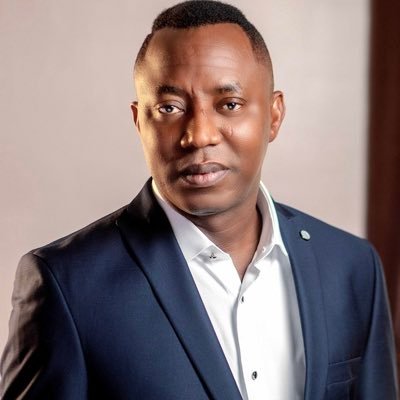
In an exclusive chat on Saturday, Michael denied ever making the allegations credited to him by Sowore concerning the Inspector-General of Police (IGP), Kayode Egbetokun, while both men were reportedly inmates at the Kuje Correctional Centre in October 2025.
Sowore, in a widely circulated account, claimed that Michael had alleged receiving operational support from senior police officers, including the provision of office space within the Nigeria Police Force Headquarters, police protection, and the use of officers to detain individuals connected to a purported Ponzi scheme. The report further alleged financial inducements involving senior police officers.
However, Michael dismissed the account as “entirely fabricated.”
“I never made those statements to Omoyele Sowore or to anyone else,” Michael said. “At no point did I accuse the Inspector-General of Police or any senior police officer of providing me with offices, police units, or protection. The claims attributed to me are false and malicious. I only met him briefly when he came to greet Nnamdi Kanu’s younger brother whom I share a block with here and there is no way we could have sat down to discuss such fabricated stories ”
Michael specifically rejected claims suggesting that he supported or “served” police officers, insisting that he never stated that he had any police unit at his disposal or that law enforcement personnel acted on his instructions.
“I never said I supported police officers or had officers working for me. That allegation did not come from me,” he said.
He also denied claims that his properties were shared among senior police officers, describing the allegation as baseless and untrue.
“At no time did I say that my properties were shared among police officers or anyone else,” Michael stated.
Additionally, Michael categorically refuted allegations credited to him that a retired Deputy Inspector-General of Police, Dasuki Galandanchi, collected ₦250 million or played any role in silencing victims.
“I never mentioned DIG Dasuki Galandanchi, nor did I accuse him or anyone else of collecting money. That statement was never mine,” he said.
Michael further alleged that Sowore, through intermediaries, had previously attempted to persuade him to publicly indict the IGP in exchange for media backing—an offer he said he firmly rejected.
“I was approached repeatedly through a lawyer called Marshall, allegedly acting on Sowore’s behalf, asking that I make statements against the IGP so an article could be published. I refused, and I believe this publication is retaliation for that refusal,” he stated.
According to Michael, he declined to entertain the lawyer again after the initial contact, insisting that he would not be used to advance any personal or political agenda.
Sowore had earlier narrated his detention following the #FreeNnamdiKanuNow protest, alleging harassment by police officers and accusing the IGP of acting unlawfully in office. His report cited conversations he claimed to have had with Michael during their time in custody as further evidence of alleged corruption within the Nigeria Police Force.
Michael, however, maintained that any legal issues surrounding him are already before the appropriate authorities and are being handled by the Economic and Financial Crimes Commission (EFCC).
“My case is before the law. I have not, and will not, make reckless allegations against individuals or institutions to gain favour or sympathy,” he said.
As of the time of filing this report, the Nigeria Police Force has not issued an official response to either Sowore’s allegations or Michael’s rebuttal.
The development adds a new layer to the ongoing public controversy surrounding Sowore’s claims against the police hierarchy, with Michael’s denial raising questions about the accuracy of statements attributed to private individuals in politically sensitive narratives.
Jesam Michael’s business challenges are currently being addressed at the federal high court as well as FCT high court Jabi. He is very confident that justice will surely be done at the end of the day.
Joining Sowore in his pursuit of cheap blackmail against the IGP, other senior police officers or anyone else has never and will never be a part of Jesam Michael.
To say the least, Jesam Michael is totally disgusted by the stories falsely peddled by Sowore and wishes to totally dissociate him self from the false and malicious stories told by Sowore.
Sowore should please look for another willing tool to use not Jesam Michael.
celebrity radar - gossips
When Power Meets Privilege: Controversy Trails the Rise of NNPC Gas Czar Lekan Ogunleye
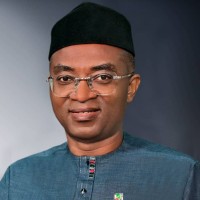
When Power Meets Privilege: Controversy Trails the Rise of NNPC Gas Czar Lekan Ogunleye
Among many of Abraham Lincoln’s popular saying is that “If you want to test a man’s character, give him power.” This saying suggests power and affluence reveals a person’s true nature rather than changing it.
The saying might rightly describe one of NNPC limited eggheads, Lekan Ogunleye, who is the Executive Vice President, Gas, Power & New Energy.
It’s a matter of stating the obvious saying that the former Deputy Managing Director of Nigeria LNG Limited is a brilliant chap. He’s been equipped with significant industry experience in various aspects of the gas value chain, he was made the Managing Director and Chief Executive Officer of Gas Aggregation Company Nigeria Limited (GACN),a firm set up by Federal Government of Nigeria to implement the Nigerian Gas Master Plan and manage domestic supply of gas.
But with all of these achievements, many alleged that a thorn in the flesh that lives with Mr Ogunleye is his fondness for the other gender. Sources close to him alleged that he invests millions in satisfying his cravings to invite them from around the world in different sizes and shapes on regular basis.
Information gathered has it that like many of his class, he has a permanent suite in a luxurious hotel on Lagos Island where he entertains them, it was alleged that his arrangements even provides luxurious treatment for them even when he’s not in town. A recent case of such was when he travelled to UAE during last year December with his family, sources close to him alleged that while he was away, ladies invited from Indonesia and Rwanda were receiving royal treatment in this permanent suite which cost over half a million Naira per night.
The sources also alleged that he’s known to relish his fetish practices with two ladies at the a time, and to watch them play with themselves before joining in the fun.
While his personal life may not be that important, how he was able to sustain such an expensive lifestyle, was scrutinize and it was alleged that he regularly receives kickbacks from NNPC vendors and contractors, especially the foreign partners who have been awarded contracts worth millions of dollars through his assistance.
Some of his close allies alleged that power that his privileged office brought was responsible for his insatiable desires for the opposite sex a situation that led to the collapse of his first marriage before he remarried a few years ago.
In other to establish the true state of things, a query was sent to him especially about the allegation of financial irregularities and the abuse of power and privileges for personal enrichment, the query was left unanswered after more than two weeks even when receipt was confirmed.nleye
celebrity radar - gossips
Pomp, Prestige and Purpose: Dr. Mutiu Adewale Badmus Crowned Otunba Alayeluwa Onimolete of Molete, Ogbomoso
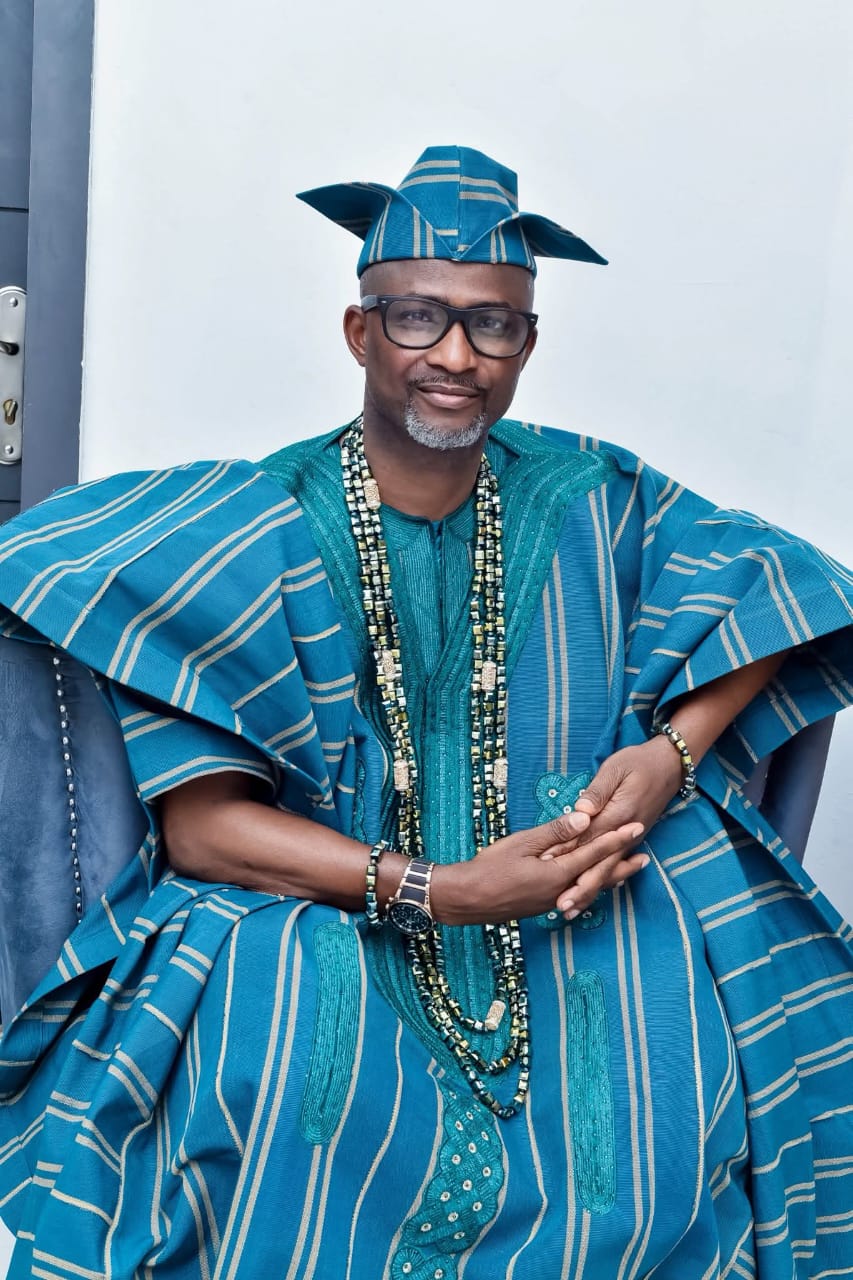
Pomp, Prestige and Purpose: Dr. Mutiu Adewale Badmus Crowned Otunba Alayeluwa Onimolete of Molete, Ogbomoso
Last Sunday was etched in gold in the annals of Molete, Ogbomoso, as the ancient town came alive in colour, culture, and celebration for the conferment of a prestigious chieftaincy title on the erudite entrepreneur and man of many parts, Dr. Mutiu Adewale Badmus.
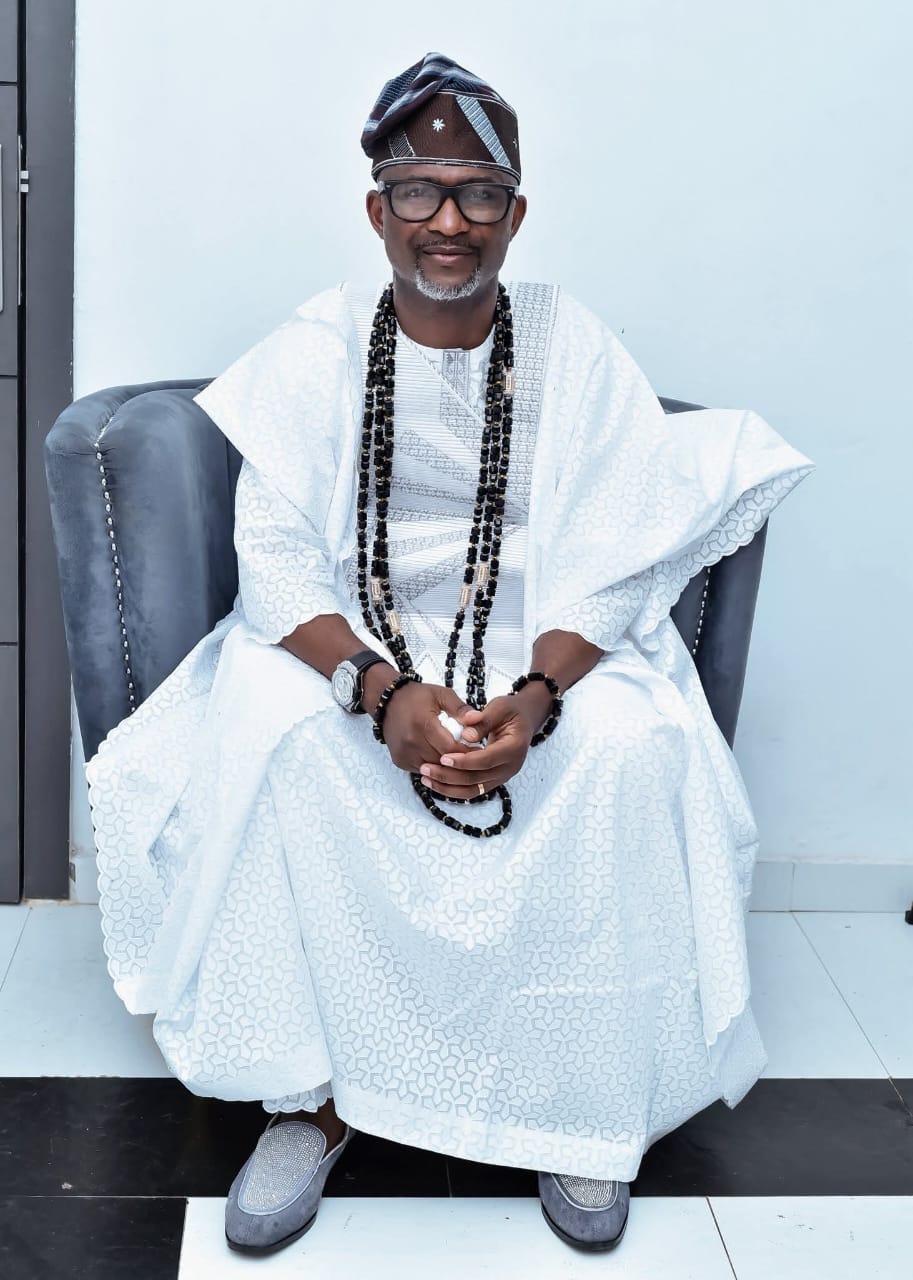
In a ceremony steeped in tradition and grandeur, Dr. Badmus was formally installed as the Otunba Alayeluwa Onimolete of Molete, Ogbomoso, drawing an impressive gathering of crème de la crème from across the social, business, and cultural strata of society.
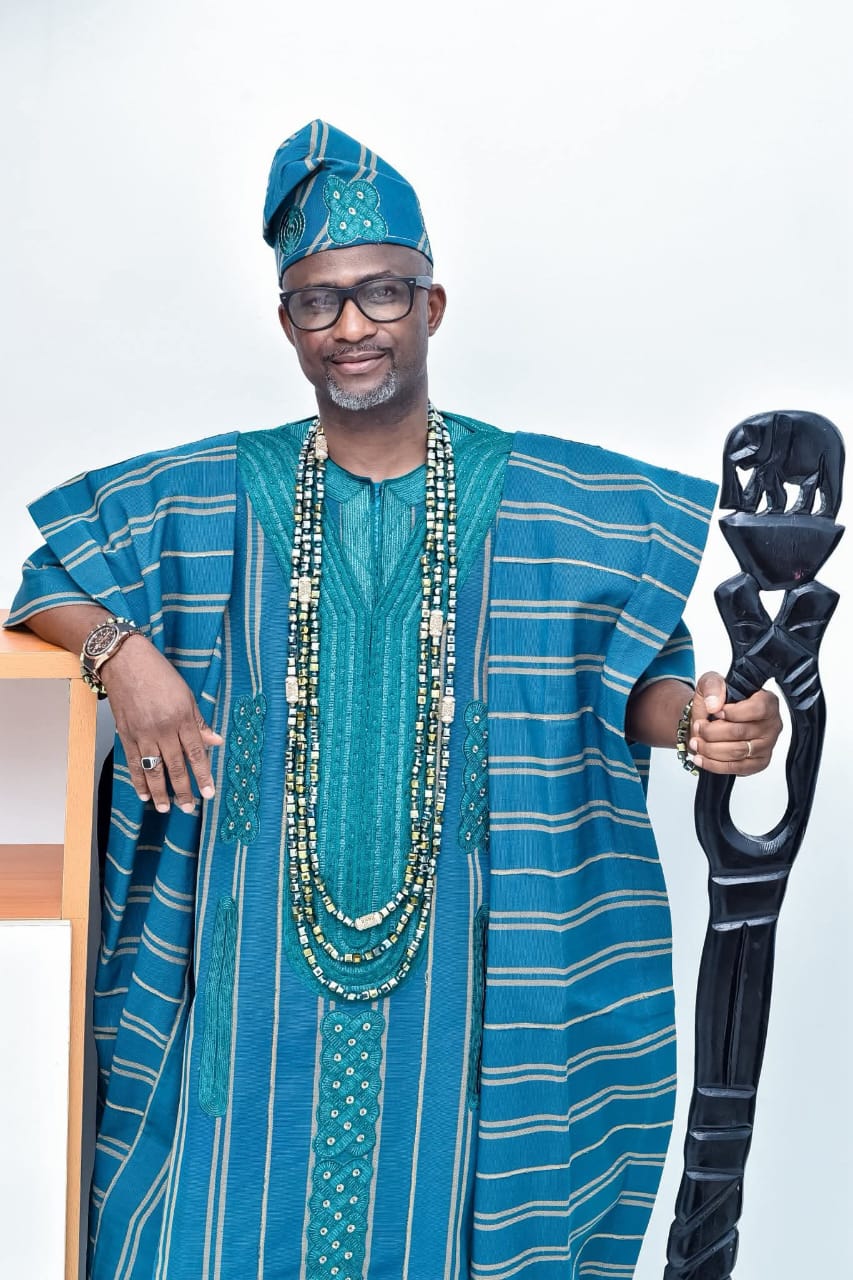
The atmosphere was one of pride, reverence, and collective joy as dignitaries, community leaders, friends, and well-wishers thronged the historic town to witness the landmark event.
The honour, bestowed in recognition of his outstanding contributions to societal development and humanity at large, reflects Dr. Badmus’ enduring commitment to service, excellence, and community upliftment. As the Chief Executive Officer of Al-Hatyq Travel and Tours Limited, he has distinguished himself not only as a successful business leader but also as a compassionate humanitarian whose impact transcends commerce.
The colourful ceremony showcased the rich cultural heritage of Ogbomoso, with traditional rites, music, and pageantry underscoring the significance of the occasion. For many in attendance, the conferment was more than a title—it was a celebration of character, legacy, and a life devoted to meaningful service.
As Dr. Mutiu Adewale Badmus assumes his new role as Otunba Alayeluwa Onimolete, expectations are high that his wisdom, vision, and passion for humanity will continue to inspire progress and unity within Molete, Ogbomoso, and beyond.


-

 celebrity radar - gossips6 months ago
Why Babangida’s Hilltop Home Became Nigeria’s Political “Mecca”
-

 society6 months ago
Power is a Loan, Not a Possession: The Sacred Duty of Planting People
-

 news6 months ago
THE APPOINTMENT OF WASIU AYINDE BY THE FEDERAL GOVERNMENT AS AN AMBASSADOR SOUNDS EMBARRASSING
-

 Business6 months ago
Batsumi Travel CEO Lisa Sebogodi Wins Prestigious Africa Travel 100 Women Award