
celebrity radar - gossips
63rd Independence: Full text of Tinubu’s Speech As He Addresses major issues

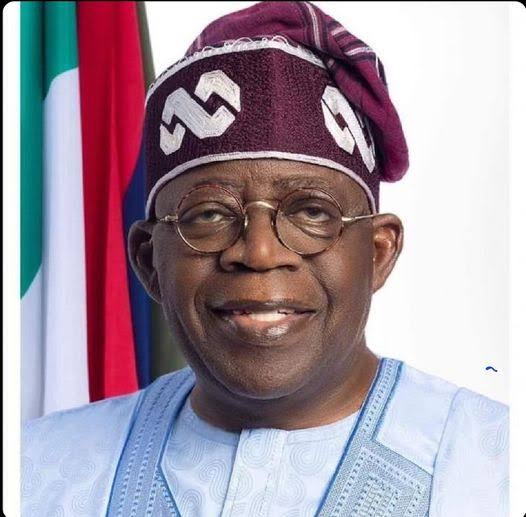
President Tinubu’s Address at the Commemoration of the 63rd Independence Anniversary of Nigeria
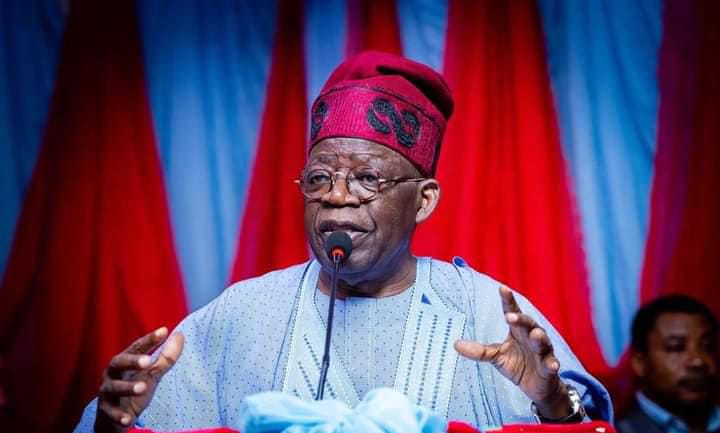
ADDRESS BY HIS EXCELLENCY, PRESIDENT BOLA AHMED TINUBU, GCFR, PRESIDENT AND COMMANDER-IN-CHIEF, FEDERAL REPUBLIC OF NIGERIA IN COMMEMORATION OF THE 63RD INDEPENDENCE ANNIVERSARY OF NIGERIA ON SUNDAY, 1ST OCTOBER, 2023
Dear Compatriots,
It is my unique honour to address you on this day, the 63rd anniversary of our nation’s independence, both as the President of our dear country and, simply, as a fellow Nigerian.
2. On this solemn yet hopeful day, let us commend our founding fathers and mothers. Without them, there would be no modern Nigeria. From the fading embers of colonialism, their activism, dedication and leadership gave life to the belief in Nigeria as a sovereign and independent nation.
3. Let us, at this very moment, affirm that as Nigerians, we are all endowed with the sacred rights and individual gifts that God has bestowed on us as a nation and as human beings. No one is greater or lesser than the other. The triumphs that Nigeria has achieved shall define us. The travails we have endured shall strengthen us. And no other nation or power on this earth shall keep us from our rightful place and destiny. This nation belongs to you, dear people. Love and cherish it as your very own.
4. Nigeria is remarkable in its formation and essential character. We are a broad and dynamic blend of ethnic groups, religions, traditions and cultures. Yet, our bonds are intangible yet strong, invisible yet universal. We are joined by a common thirst for peace and progress, by the common dream of prosperity and harmony and by the unifying ideals of tolerance and justice.
5. Forging a nation based on the fair application of these noble principles to a diverse population has been a task of significant blessing but also serial challenge. Some people have said an independent Nigeria should never have come into existence. Some have said that our country would be torn apart. They are forever mistaken. Here, our nation stands and here we shall remain.
6. This year, we passed a significant milestone in our journey to a better Nigeria. By democratically electing a 7th consecutive civilian government, Nigeria has proven that commitment to democracy and the rule of law remains our guiding light.
7. At my inauguration, I made important promises about how I would govern this great nation. Among those promises, were pledges to reshape and modernize our economy and to secure the lives, liberty and property of the people.
8. I said that bold reforms were necessary to place our nation on the path of prosperity and growth. On that occasion, I announced the end of the fuel subsidy.
9. I am attuned to the hardships that have come. I have a heart that feels and eyes that see. I wish to explain to you why we must endure this trying moment. Those who sought to perpetuate the fuel subsidy and broken foreign exchange policies are people who would build their family mansion in the middle of a swamp. I am different. I am not a man to erect our national home on a foundation of mud. To endure, our home must be constructed on safe and pleasant ground.
10. Reform may be painful, but it is what greatness and the future require. We now carry the costs of reaching a future Nigeria where the abundance and fruits of the nation are fairly shared among all, not hoarded by a select and greedy few. A Nigeria where hunger, poverty and hardship are pushed into the shadows of an ever fading past.
11. There is no joy in seeing the people of this nation shoulder burdens that should have been shed years ago. I wish today’s difficulties did not exist. But we must endure if we are to reach the good side of our future.
12. My government is doing all that it can to ease the load. I will now outline the path we are taking to relieve the stress on our families and households.
13. We have embarked on several public sector reforms to stabilize the economy, direct fiscal and monetary policy to fight inflation, encourage production, ensure the security of lives and property and lend more support to the poor and the vulnerable.
14. Based on our talks with labour, business and other stakeholders, we are introducing a provisional wage increment to enhance the federal minimum wage without causing undue inflation. For the next six months, the average low-grade worker shall receive an additional Twenty-Five Thousand naira per month.
15. To ensure better grassroots development, we set up an Infrastructure Support Fund for states to invest in critical areas. States have already received funds to provide relief packages against the impact of rising food and other prices.
16. Making the economy more robust by lowering transport costs will be key. In this regard, we have opened a new chapter in public transportation through the deployment of cheaper, safer Compressed Natural Gas (CNG) buses across the nation. These buses will operate at a fraction of current fuel prices, positively affecting transport fares.
17. New CNG conversions kits will start coming in very soon as all hands are on deck to fast track the usually lengthy procurement process. We are also setting up training facilities and workshops across the nation to train and provide new opportunities for transport operators and entrepreneurs. This is a groundbreaking moment where, as a nation, we embrace more efficient means to power our economy. In making this change, we also make history.
18. I pledged a thorough housecleaning of the den of malfeasance the CBN had become. That housecleaning is well underway. A new leadership for the Central Bank has been constituted. Also, my special investigator will soon present his findings on past lapses and how to prevent similar reoccurrences. Henceforth, monetary policy shall be for the benefit of all and not the exclusive province of the powerful and wealthy.
19. Wise tax policy is essential to economic fairness and development. I have inaugurated a Committee on Tax Reforms to improve the efficiency of tax administration in the country and address fiscal policies that are unfair or hinder the business environment and slow our growth.
20. To boost employment and urban incomes, we are providing investment funding for enterprises with great potential. Similarly, we are increasing investment in micro, small and medium-sized enterprises.
21. Commencing this month, the social safety net is being extended through the expansion of cash transfer programs to an additional 15 million vulnerable households.
22. My administration shall always accord the highest priority to the safety of the people. Inter-Service collaboration and intelligence sharing have been enhanced. Our Service Chiefs have been tasked with the vital responsibility of rebuilding the capacities of our security services.
23. Here, I salute and commend our gallant security forces for keeping us safe and securing our territorial integrity. Many have paid the ultimate sacrifice. We remember them today and their families. We shall equip our forces with the ways and means needed to perform their urgent task on behalf of the people,
24. We shall continue to make key appointments in line with the provisions of the Constitution and with fairness toward all. Women, Youth and the physically challenged shall continue to be given due regard in these appointments.
25. May I take this opportunity to congratulate the National Assembly for its role in the quick take-off of this administration through the performance of its constitutional duties of confirmation and oversight.
26. I similarly congratulate the judiciary as a pillar of democracy and fairness.
27. I also thank members of our dynamic civil society organizations and labour unions for their dedication to Nigerian democracy. We may not always agree but I value your advice and recommendations. You are my brothers and sisters and you have my due respect.
28. Fellow compatriots, the journey ahead will not be navigated by fear or hatred. We can only achieve our better Nigeria through courage, compassion and commitment as one indivisible unit.
29. I promise that I shall remain committed and serve faithfully. I also invite all to join this enterprise to remake our beloved nation into its better self. We can do it. We must do it. We shall do it.!!!
30. I wish you all a happy 63rd Independence Anniversary.
31. Thank you for listening.
32. May God bless the Federal Republic of Nigeria.




‘I Never Indicted Egbetokun’ — Jesam Michael Rebuts Sowore’s Allegations
Abuja — Businessman Jesam Michael has strongly refuted claims attributed to him in a recent report by activist and publisher Omoyele Sowore, describing the publication as false, misleading, and a total misrepresentation of his statements.
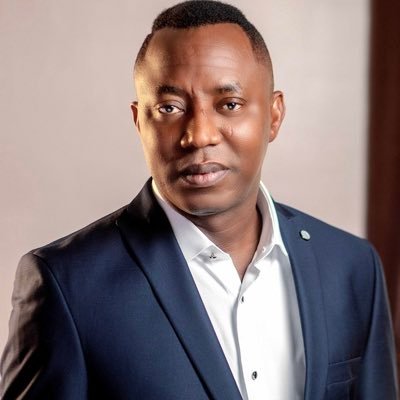
In an exclusive chat on Saturday, Michael denied ever making the allegations credited to him by Sowore concerning the Inspector-General of Police (IGP), Kayode Egbetokun, while both men were reportedly inmates at the Kuje Correctional Centre in October 2025.
Sowore, in a widely circulated account, claimed that Michael had alleged receiving operational support from senior police officers, including the provision of office space within the Nigeria Police Force Headquarters, police protection, and the use of officers to detain individuals connected to a purported Ponzi scheme. The report further alleged financial inducements involving senior police officers.
However, Michael dismissed the account as “entirely fabricated.”
“I never made those statements to Omoyele Sowore or to anyone else,” Michael said. “At no point did I accuse the Inspector-General of Police or any senior police officer of providing me with offices, police units, or protection. The claims attributed to me are false and malicious. I only met him briefly when he came to greet Nnamdi Kanu’s younger brother whom I share a block with here and there is no way we could have sat down to discuss such fabricated stories ”
Michael specifically rejected claims suggesting that he supported or “served” police officers, insisting that he never stated that he had any police unit at his disposal or that law enforcement personnel acted on his instructions.
“I never said I supported police officers or had officers working for me. That allegation did not come from me,” he said.
He also denied claims that his properties were shared among senior police officers, describing the allegation as baseless and untrue.
“At no time did I say that my properties were shared among police officers or anyone else,” Michael stated.
Additionally, Michael categorically refuted allegations credited to him that a retired Deputy Inspector-General of Police, Dasuki Galandanchi, collected ₦250 million or played any role in silencing victims.
“I never mentioned DIG Dasuki Galandanchi, nor did I accuse him or anyone else of collecting money. That statement was never mine,” he said.
Michael further alleged that Sowore, through intermediaries, had previously attempted to persuade him to publicly indict the IGP in exchange for media backing—an offer he said he firmly rejected.
“I was approached repeatedly through a lawyer called Marshall, allegedly acting on Sowore’s behalf, asking that I make statements against the IGP so an article could be published. I refused, and I believe this publication is retaliation for that refusal,” he stated.
According to Michael, he declined to entertain the lawyer again after the initial contact, insisting that he would not be used to advance any personal or political agenda.
Sowore had earlier narrated his detention following the #FreeNnamdiKanuNow protest, alleging harassment by police officers and accusing the IGP of acting unlawfully in office. His report cited conversations he claimed to have had with Michael during their time in custody as further evidence of alleged corruption within the Nigeria Police Force.
Michael, however, maintained that any legal issues surrounding him are already before the appropriate authorities and are being handled by the Economic and Financial Crimes Commission (EFCC).
“My case is before the law. I have not, and will not, make reckless allegations against individuals or institutions to gain favour or sympathy,” he said.
As of the time of filing this report, the Nigeria Police Force has not issued an official response to either Sowore’s allegations or Michael’s rebuttal.
The development adds a new layer to the ongoing public controversy surrounding Sowore’s claims against the police hierarchy, with Michael’s denial raising questions about the accuracy of statements attributed to private individuals in politically sensitive narratives.
Jesam Michael’s business challenges are currently being addressed at the federal high court as well as FCT high court Jabi. He is very confident that justice will surely be done at the end of the day.
Joining Sowore in his pursuit of cheap blackmail against the IGP, other senior police officers or anyone else has never and will never be a part of Jesam Michael.
To say the least, Jesam Michael is totally disgusted by the stories falsely peddled by Sowore and wishes to totally dissociate him self from the false and malicious stories told by Sowore.
Sowore should please look for another willing tool to use not Jesam Michael.
celebrity radar - gossips
When Power Meets Privilege: Controversy Trails the Rise of NNPC Gas Czar Lekan Ogunleye
When Power Meets Privilege: Controversy Trails the Rise of NNPC Gas Czar Lekan Ogunleye
Among many of Abraham Lincoln’s popular saying is that “If you want to test a man’s character, give him power.” This saying suggests power and affluence reveals a person’s true nature rather than changing it.
The saying might rightly describe one of NNPC limited eggheads, Lekan Ogunleye, who is the Executive Vice President, Gas, Power & New Energy.
It’s a matter of stating the obvious saying that the former Deputy Managing Director of Nigeria LNG Limited is a brilliant chap. He’s been equipped with significant industry experience in various aspects of the gas value chain, he was made the Managing Director and Chief Executive Officer of Gas Aggregation Company Nigeria Limited (GACN),a firm set up by Federal Government of Nigeria to implement the Nigerian Gas Master Plan and manage domestic supply of gas.
But with all of these achievements, many alleged that a thorn in the flesh that lives with Mr Ogunleye is his fondness for the other gender. Sources close to him alleged that he invests millions in satisfying his cravings to invite them from around the world in different sizes and shapes on regular basis.
Information gathered has it that like many of his class, he has a permanent suite in a luxurious hotel on Lagos Island where he entertains them, it was alleged that his arrangements even provides luxurious treatment for them even when he’s not in town. A recent case of such was when he travelled to UAE during last year December with his family, sources close to him alleged that while he was away, ladies invited from Indonesia and Rwanda were receiving royal treatment in this permanent suite which cost over half a million Naira per night.
The sources also alleged that he’s known to relish his fetish practices with two ladies at the a time, and to watch them play with themselves before joining in the fun.
While his personal life may not be that important, how he was able to sustain such an expensive lifestyle, was scrutinize and it was alleged that he regularly receives kickbacks from NNPC vendors and contractors, especially the foreign partners who have been awarded contracts worth millions of dollars through his assistance.
Some of his close allies alleged that power that his privileged office brought was responsible for his insatiable desires for the opposite sex a situation that led to the collapse of his first marriage before he remarried a few years ago.
In other to establish the true state of things, a query was sent to him especially about the allegation of financial irregularities and the abuse of power and privileges for personal enrichment, the query was left unanswered after more than two weeks even when receipt was confirmed.nleye
celebrity radar - gossips
Pomp, Prestige and Purpose: Dr. Mutiu Adewale Badmus Crowned Otunba Alayeluwa Onimolete of Molete, Ogbomoso
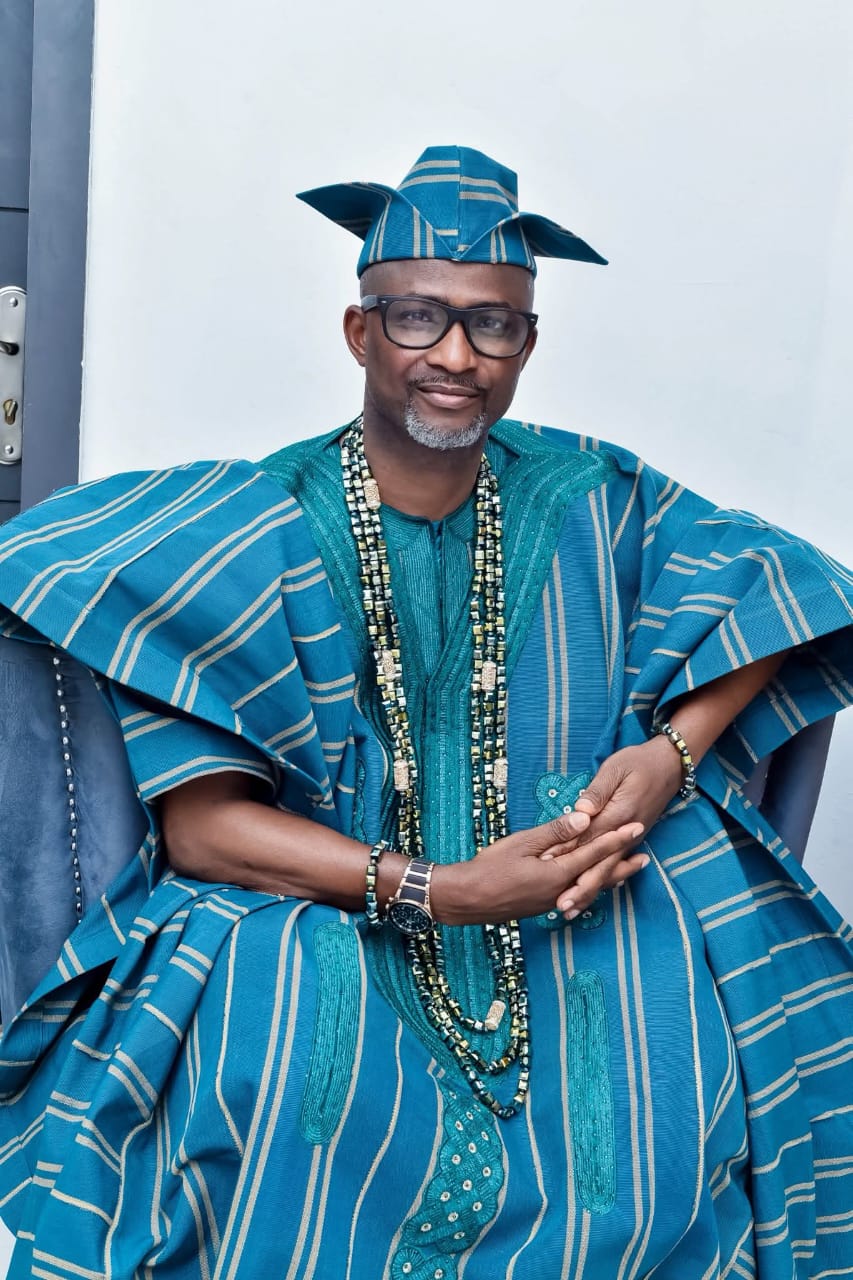
Pomp, Prestige and Purpose: Dr. Mutiu Adewale Badmus Crowned Otunba Alayeluwa Onimolete of Molete, Ogbomoso
Last Sunday was etched in gold in the annals of Molete, Ogbomoso, as the ancient town came alive in colour, culture, and celebration for the conferment of a prestigious chieftaincy title on the erudite entrepreneur and man of many parts, Dr. Mutiu Adewale Badmus.
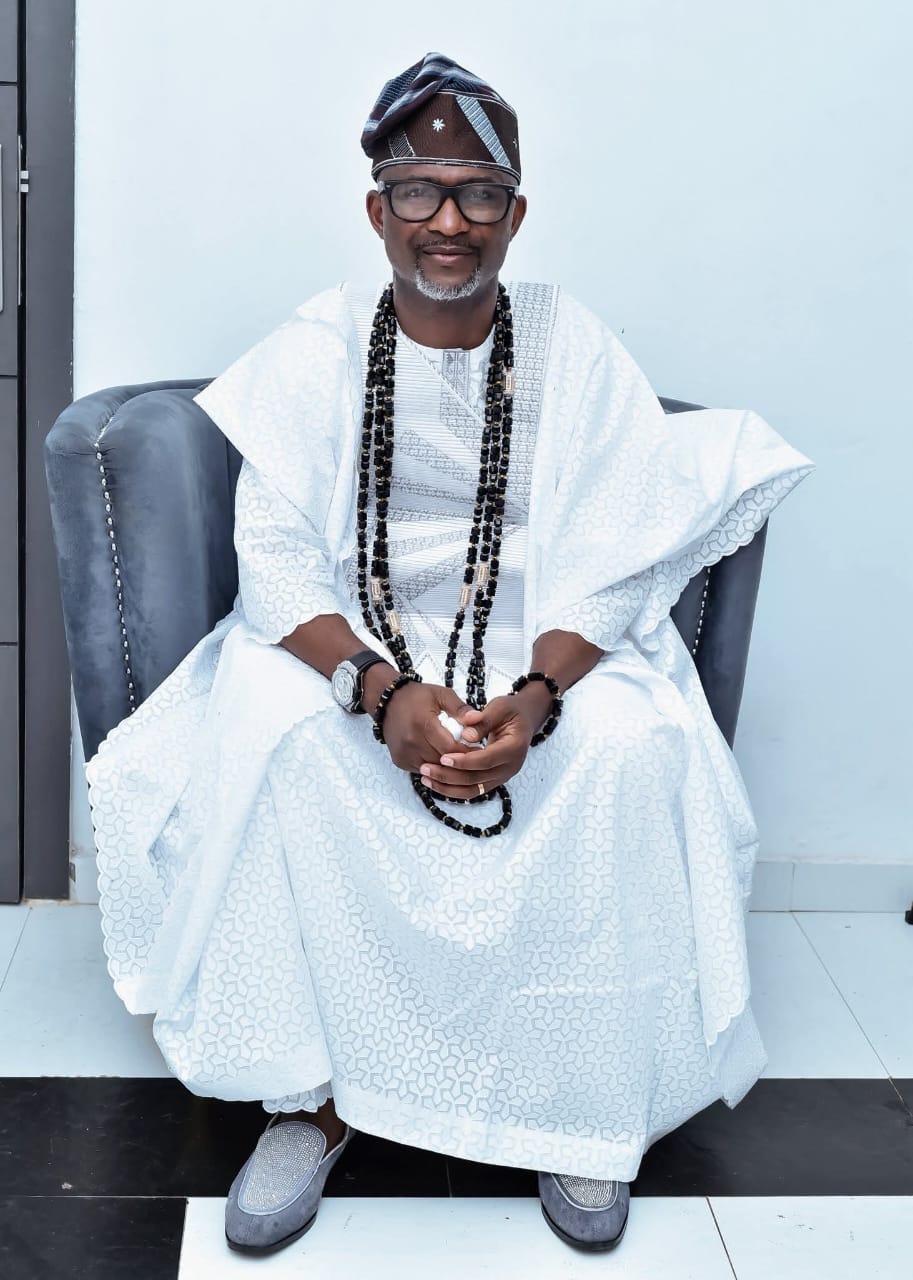
In a ceremony steeped in tradition and grandeur, Dr. Badmus was formally installed as the Otunba Alayeluwa Onimolete of Molete, Ogbomoso, drawing an impressive gathering of crème de la crème from across the social, business, and cultural strata of society.
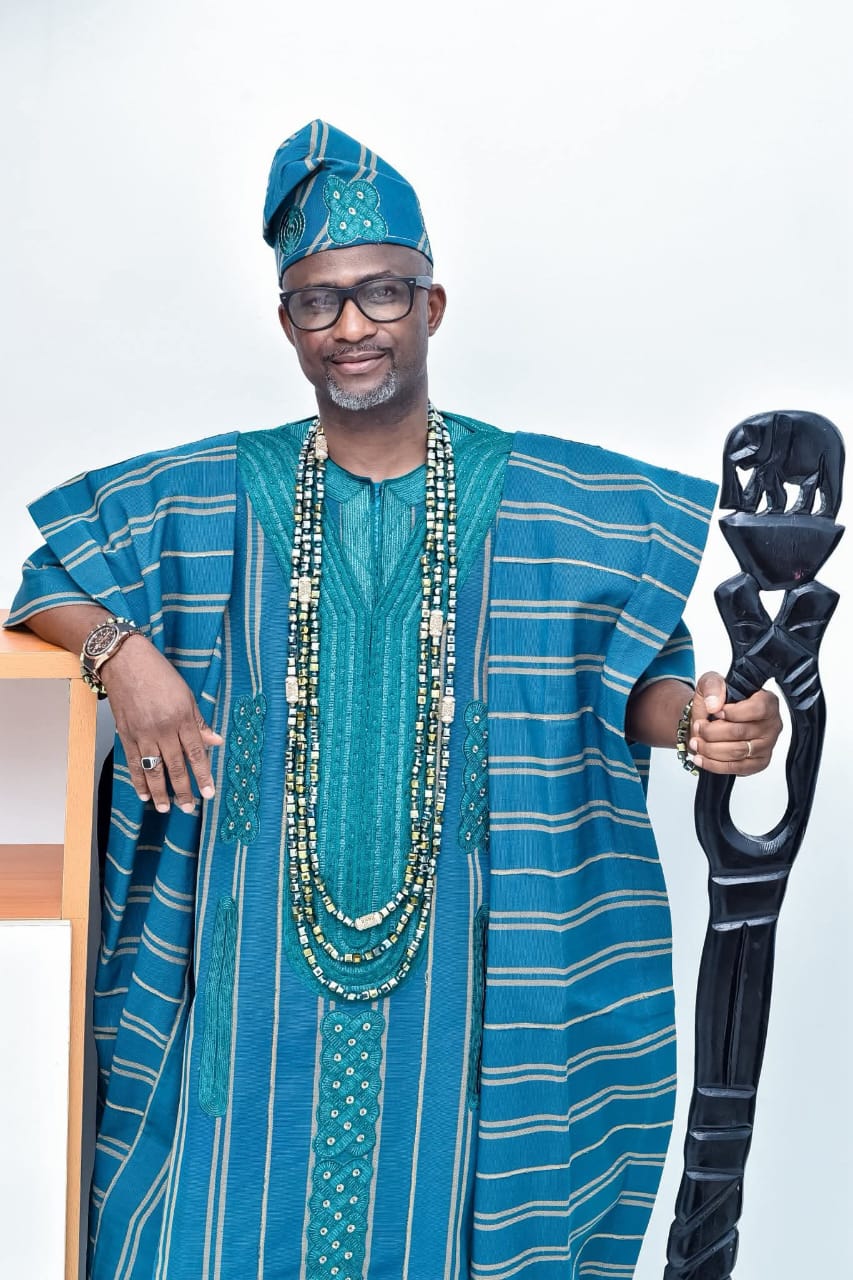
The atmosphere was one of pride, reverence, and collective joy as dignitaries, community leaders, friends, and well-wishers thronged the historic town to witness the landmark event.
The honour, bestowed in recognition of his outstanding contributions to societal development and humanity at large, reflects Dr. Badmus’ enduring commitment to service, excellence, and community upliftment. As the Chief Executive Officer of Al-Hatyq Travel and Tours Limited, he has distinguished himself not only as a successful business leader but also as a compassionate humanitarian whose impact transcends commerce.
The colourful ceremony showcased the rich cultural heritage of Ogbomoso, with traditional rites, music, and pageantry underscoring the significance of the occasion. For many in attendance, the conferment was more than a title—it was a celebration of character, legacy, and a life devoted to meaningful service.
As Dr. Mutiu Adewale Badmus assumes his new role as Otunba Alayeluwa Onimolete, expectations are high that his wisdom, vision, and passion for humanity will continue to inspire progress and unity within Molete, Ogbomoso, and beyond.


-

 celebrity radar - gossips6 months ago
Why Babangida’s Hilltop Home Became Nigeria’s Political “Mecca”
-

 society6 months ago
Power is a Loan, Not a Possession: The Sacred Duty of Planting People
-

 news6 months ago
THE APPOINTMENT OF WASIU AYINDE BY THE FEDERAL GOVERNMENT AS AN AMBASSADOR SOUNDS EMBARRASSING
-

 Business6 months ago
Batsumi Travel CEO Lisa Sebogodi Wins Prestigious Africa Travel 100 Women Award