
celebrity radar - gossips
The many silver linings of Tinubu’s 7 months in office By Bayo Onanuga

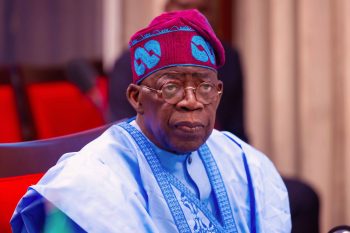
The many silver linings of Tinubu’s 7 months in office
By Bayo Onanuga
The removal of fuel subsidy and the move to merge foreign exchange rates, two headline reforms introduced by the Tinubu administration since late May, triggered problems such as high fuel prices and the depreciation of the Naira, two monstrosities which combined to cause a general spike in costs of services and goods.
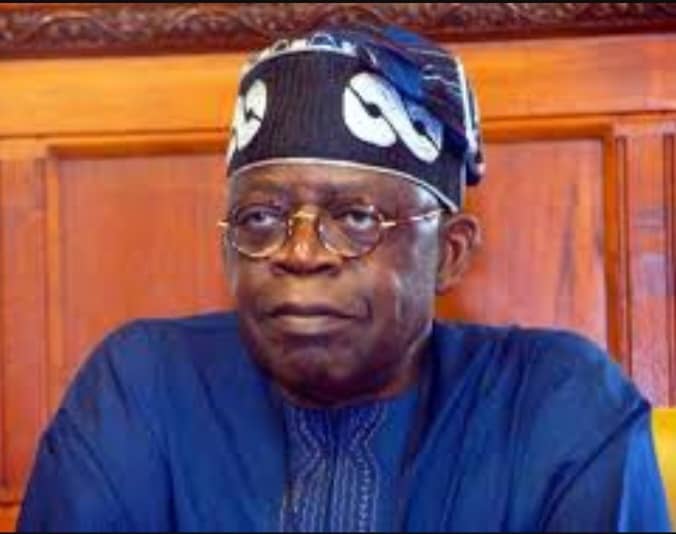
Today, many Nigerians complain of a rise in the cost of living.
According to the latest NBS report, Nigeria’s inflation, which rose to 26.7 percent in September, again rose to 28.2% in November from 27.33% in October. Food Inflation remains untamed, rising from 31.52% in October to 32.84% in November 2023.
To compound the economic problems, few multinational companies such as GlaxoSmithKline, Procter & Gamble have announced their exit from our country, complaining about the difficult operating environment and the scarcity of dollar.
The truth is that the new policies alone are not solely responsible for the economic problems we are facing today. We were destined for the tough and rough patch, where we are today because of the prevailing conditions before Tinubu took over on 29 May.
As at June 2023, budget deficit was N10.8 trillion. Actual Debt service was 98.95 percent of revenue, far higher than the projected 59.37 percent. Inflow into the country’s foreign reserve came in trickles. And so bad was the state of affairs that Nigeria could not remit about $800 million fund of foreign airlines. JP Morgan exposed our near insolvency by claiming in a report that our net foreign reserve was just about $3.7 billion, not the $33 billion plus flaunted by Emefiele’s CBN.
President Tinubu, who promised during the campaign to take hard and difficult decisions, moved to tackle the economic problems from Day One, by first dispensing with the wasteful fuel subsidy that was billed to consume about N7trillion this year, five times more than what was provisioned for capital spending.
President Tinubu is quite aware of the side effects of his move to reset our economy. Though his administration has earned plaudits from the World Bank, the IMF and rating agencies such as Moody’s and Fitch, he is not carried away by the praises.
He is focussed on turning the economy round for growth, development and prosperity.
The moves are yielding some good effects. Amidst what some sections of the media perceive as general gloom, some silver linings are emerging, signposting that with a little more patience, our material conditions will improve and inflation will be tamed. For businesses, operating conditions will also improve.
In its third quarter report for the year, the NBS reported that GDP grew by 2.54percent. In a similar period in 2022, GDP recorded a growth of 2.25%. To demonstrate that the sun may be shining on us again, the 2.54% GDP growth recorded in Q3, was also higher than the 2.51% recorded in Q2.
The service sector, made up of information and communication, financial and insurance, was responsible for the growth witnessed in Q3. It had a 3.99% growth, contributing 52.7% of the aggregate GDP. The agriculture sector declined from 1.34% growth in Q2 to 1.3percent in Q3.
Growth was also recorded in construction and real estate, metal ores(69.76%), coal mining(58.03%), chemical and pharmaceutical products(6.77%), Cement(4.2%) and construction(3.89%). Oil reported a negative growth of 0.85%, a major improvement to the negative 22.67% recorded at the same period last year. It was -13.43 in Q2 of 2022. The improvement in the oil sector and its contribution to GDP has been attributed to the improvement in the security of oil infrastructure and operations, leading to increased production. Going forward in this Q4 and 2024, the NNPC Limited is confident that the sector will continue to climb the curve.
In the same Q3, according to NBS, the Industrial sector grew by 0.46%, an uptick compared with Q3 2022, when it had a negative 8% growth, even in the era of P&G and GSK exit.
An interesting revelation in the NBS Q3 report was the big jump in the volume of trade, from N12.16 trillion in Q2 to N18.8 trillion. Trade volume in the same period in 2022 was N12.28 trillion. We also recorded a trade surplus of N1.89trillion in Q3, an increase from the N708.8 billion in Q2 2023. In Q3 in 2022, we recorded trade deficit of N409.39 billion.
Value of exports in the third quarter was N10.35 trillion, far higher by 60.78 percent than the N6.44 trillion posted in Q2 2023. Crude oil dominated the export, accounting for 82.5 percent, a confirmation that our country is pumping out more oil for export unlike the previous years.
Just as our exports increased, imports also increased, rising from N5.73 trillion in Q2 2023 to N8.46 trillion in Q3, a rise of 60.8 percent. The imports recorded in the quarter was also higher in value compared to Q3 2022, which was N6.34 trillion.
As the Minister of Budget and National Planning, Atiku Bagudu noted in a recent report, economic prosperity in our country will be achieved with the reforms being implemented, supported by strong monetary and fiscal policies, food supply management and other intervention programmes.
President Tinubu who has never shied away from acknowledging the temporary pains triggered by the reforms, gave an assurance in a recent newspaper interview that his Administration will continue to take proactive measures to wrestle with the problems. Many of these measures are already being taken and in the New Year, we expect the silver linings, that are at present understated, to blossom into rays of sunshine to be experienced by all Nigerians.
*Onanuga is the special adviser Information and strategy to President Bola Tinubu





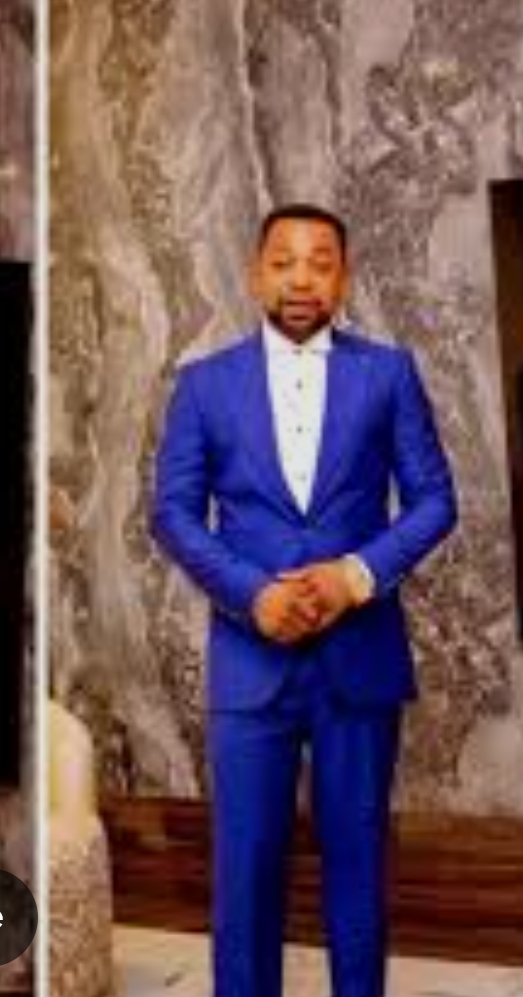
‘I Never Indicted Egbetokun’ — Jesam Michael Rebuts Sowore’s Allegations
Abuja — Businessman Jesam Michael has strongly refuted claims attributed to him in a recent report by activist and publisher Omoyele Sowore, describing the publication as false, misleading, and a total misrepresentation of his statements.
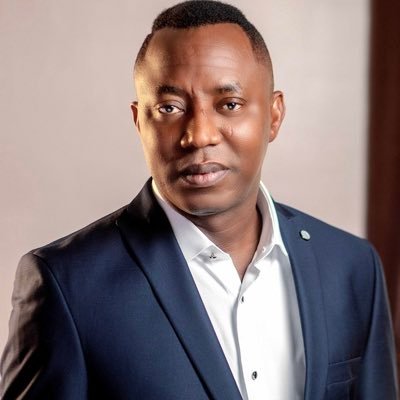
In an exclusive chat on Saturday, Michael denied ever making the allegations credited to him by Sowore concerning the Inspector-General of Police (IGP), Kayode Egbetokun, while both men were reportedly inmates at the Kuje Correctional Centre in October 2025.
Sowore, in a widely circulated account, claimed that Michael had alleged receiving operational support from senior police officers, including the provision of office space within the Nigeria Police Force Headquarters, police protection, and the use of officers to detain individuals connected to a purported Ponzi scheme. The report further alleged financial inducements involving senior police officers.
However, Michael dismissed the account as “entirely fabricated.”
“I never made those statements to Omoyele Sowore or to anyone else,” Michael said. “At no point did I accuse the Inspector-General of Police or any senior police officer of providing me with offices, police units, or protection. The claims attributed to me are false and malicious. I only met him briefly when he came to greet Nnamdi Kanu’s younger brother whom I share a block with here and there is no way we could have sat down to discuss such fabricated stories ”
Michael specifically rejected claims suggesting that he supported or “served” police officers, insisting that he never stated that he had any police unit at his disposal or that law enforcement personnel acted on his instructions.
“I never said I supported police officers or had officers working for me. That allegation did not come from me,” he said.
He also denied claims that his properties were shared among senior police officers, describing the allegation as baseless and untrue.
“At no time did I say that my properties were shared among police officers or anyone else,” Michael stated.
Additionally, Michael categorically refuted allegations credited to him that a retired Deputy Inspector-General of Police, Dasuki Galandanchi, collected ₦250 million or played any role in silencing victims.
“I never mentioned DIG Dasuki Galandanchi, nor did I accuse him or anyone else of collecting money. That statement was never mine,” he said.
Michael further alleged that Sowore, through intermediaries, had previously attempted to persuade him to publicly indict the IGP in exchange for media backing—an offer he said he firmly rejected.
“I was approached repeatedly through a lawyer called Marshall, allegedly acting on Sowore’s behalf, asking that I make statements against the IGP so an article could be published. I refused, and I believe this publication is retaliation for that refusal,” he stated.
According to Michael, he declined to entertain the lawyer again after the initial contact, insisting that he would not be used to advance any personal or political agenda.
Sowore had earlier narrated his detention following the #FreeNnamdiKanuNow protest, alleging harassment by police officers and accusing the IGP of acting unlawfully in office. His report cited conversations he claimed to have had with Michael during their time in custody as further evidence of alleged corruption within the Nigeria Police Force.
Michael, however, maintained that any legal issues surrounding him are already before the appropriate authorities and are being handled by the Economic and Financial Crimes Commission (EFCC).
“My case is before the law. I have not, and will not, make reckless allegations against individuals or institutions to gain favour or sympathy,” he said.
As of the time of filing this report, the Nigeria Police Force has not issued an official response to either Sowore’s allegations or Michael’s rebuttal.
The development adds a new layer to the ongoing public controversy surrounding Sowore’s claims against the police hierarchy, with Michael’s denial raising questions about the accuracy of statements attributed to private individuals in politically sensitive narratives.
Jesam Michael’s business challenges are currently being addressed at the federal high court as well as FCT high court Jabi. He is very confident that justice will surely be done at the end of the day.
Joining Sowore in his pursuit of cheap blackmail against the IGP, other senior police officers or anyone else has never and will never be a part of Jesam Michael.
To say the least, Jesam Michael is totally disgusted by the stories falsely peddled by Sowore and wishes to totally dissociate him self from the false and malicious stories told by Sowore.
Sowore should please look for another willing tool to use not Jesam Michael.
celebrity radar - gossips
When Power Meets Privilege: Controversy Trails the Rise of NNPC Gas Czar Lekan Ogunleye
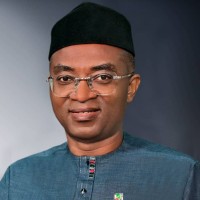
When Power Meets Privilege: Controversy Trails the Rise of NNPC Gas Czar Lekan Ogunleye
Among many of Abraham Lincoln’s popular saying is that “If you want to test a man’s character, give him power.” This saying suggests power and affluence reveals a person’s true nature rather than changing it.
The saying might rightly describe one of NNPC limited eggheads, Lekan Ogunleye, who is the Executive Vice President, Gas, Power & New Energy.
It’s a matter of stating the obvious saying that the former Deputy Managing Director of Nigeria LNG Limited is a brilliant chap. He’s been equipped with significant industry experience in various aspects of the gas value chain, he was made the Managing Director and Chief Executive Officer of Gas Aggregation Company Nigeria Limited (GACN),a firm set up by Federal Government of Nigeria to implement the Nigerian Gas Master Plan and manage domestic supply of gas.
But with all of these achievements, many alleged that a thorn in the flesh that lives with Mr Ogunleye is his fondness for the other gender. Sources close to him alleged that he invests millions in satisfying his cravings to invite them from around the world in different sizes and shapes on regular basis.
Information gathered has it that like many of his class, he has a permanent suite in a luxurious hotel on Lagos Island where he entertains them, it was alleged that his arrangements even provides luxurious treatment for them even when he’s not in town. A recent case of such was when he travelled to UAE during last year December with his family, sources close to him alleged that while he was away, ladies invited from Indonesia and Rwanda were receiving royal treatment in this permanent suite which cost over half a million Naira per night.
The sources also alleged that he’s known to relish his fetish practices with two ladies at the a time, and to watch them play with themselves before joining in the fun.
While his personal life may not be that important, how he was able to sustain such an expensive lifestyle, was scrutinize and it was alleged that he regularly receives kickbacks from NNPC vendors and contractors, especially the foreign partners who have been awarded contracts worth millions of dollars through his assistance.
Some of his close allies alleged that power that his privileged office brought was responsible for his insatiable desires for the opposite sex a situation that led to the collapse of his first marriage before he remarried a few years ago.
In other to establish the true state of things, a query was sent to him especially about the allegation of financial irregularities and the abuse of power and privileges for personal enrichment, the query was left unanswered after more than two weeks even when receipt was confirmed.nleye
celebrity radar - gossips
Pomp, Prestige and Purpose: Dr. Mutiu Adewale Badmus Crowned Otunba Alayeluwa Onimolete of Molete, Ogbomoso
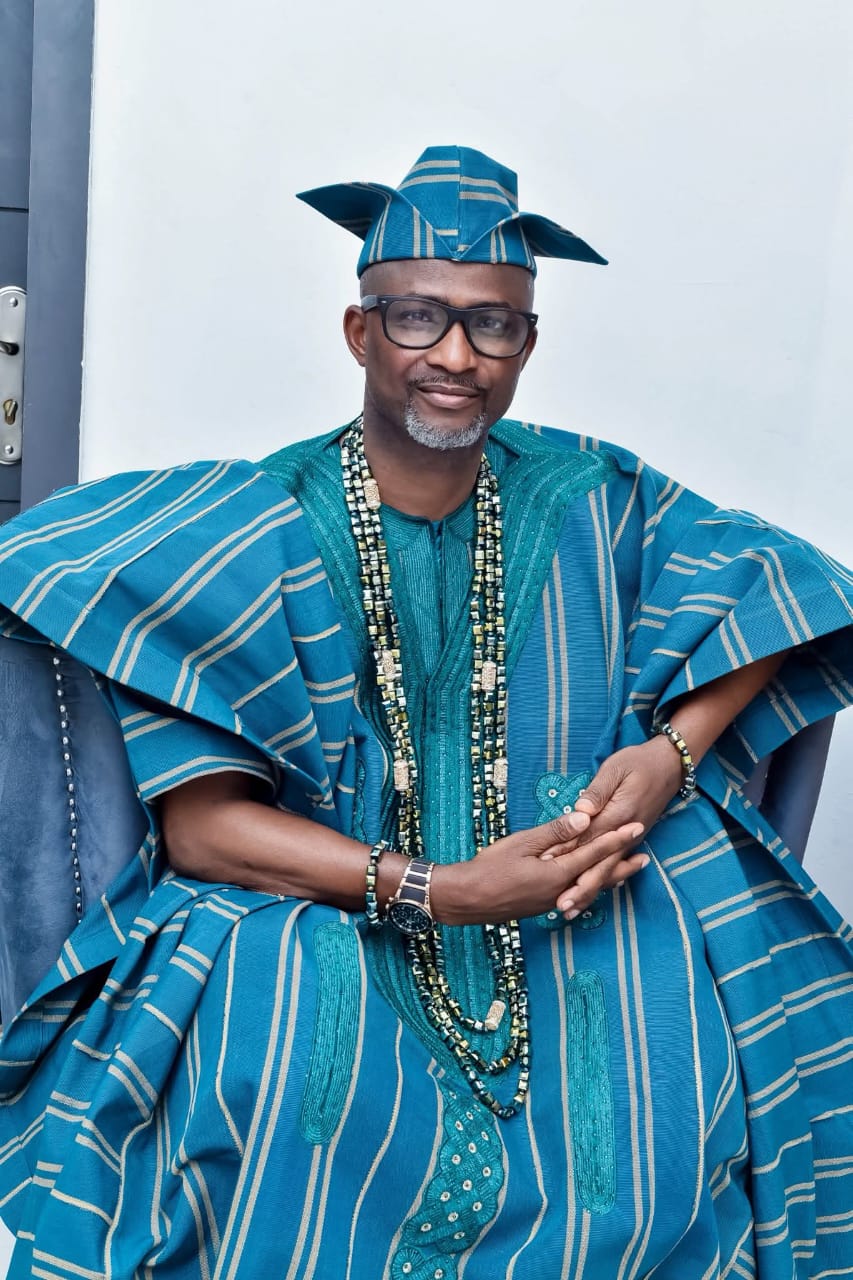
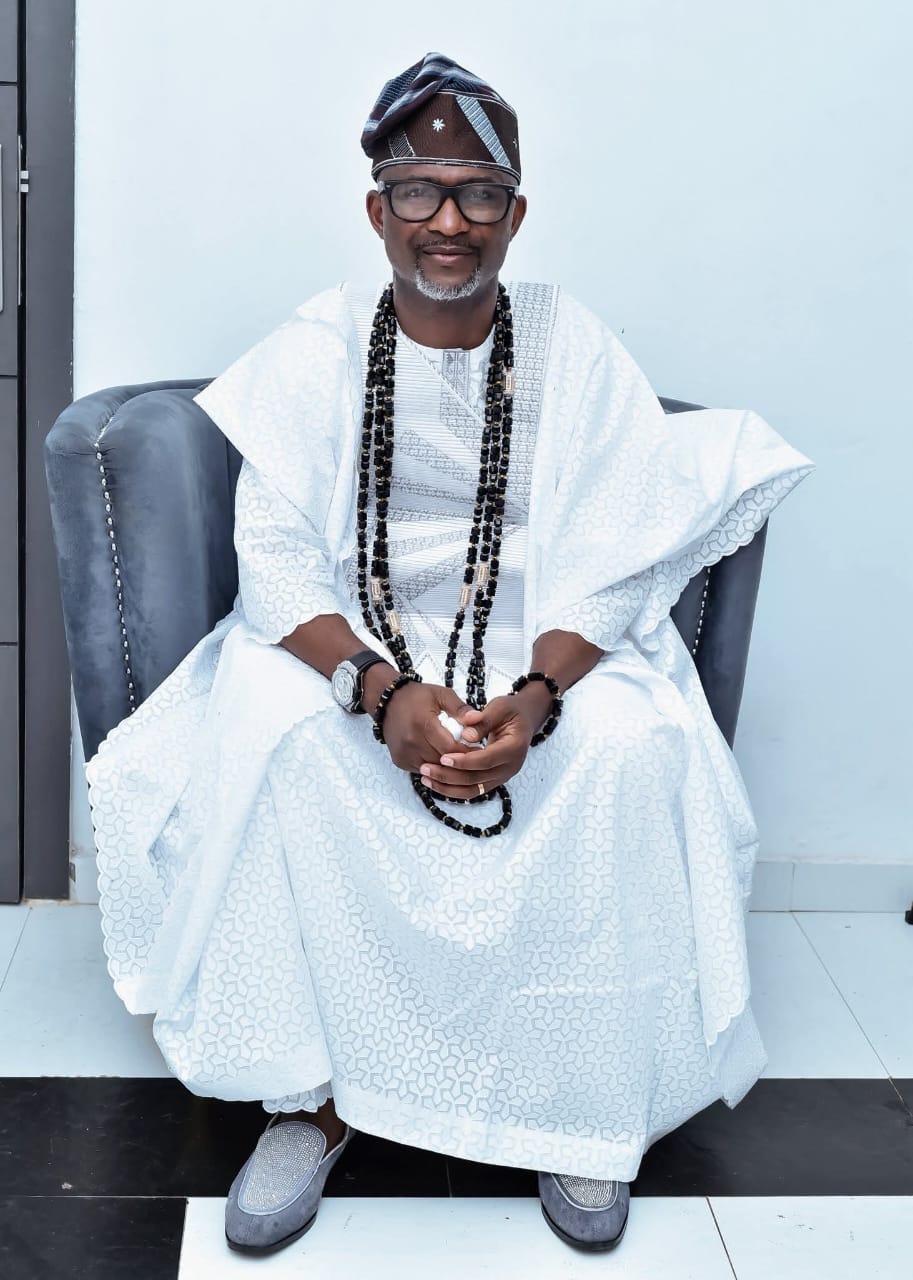
Pomp, Prestige and Purpose: Dr. Mutiu Adewale Badmus Crowned Otunba Alayeluwa Onimolete of Molete, Ogbomoso
Last Sunday was etched in gold in the annals of Molete, Ogbomoso, as the ancient town came alive in colour, culture, and celebration for the conferment of a prestigious chieftaincy title on the erudite entrepreneur and man of many parts, Dr. Mutiu Adewale Badmus.
In a ceremony steeped in tradition and grandeur, Dr. Badmus was formally installed as the Otunba Alayeluwa Onimolete of Molete, Ogbomoso, drawing an impressive gathering of crème de la crème from across the social, business, and cultural strata of society.
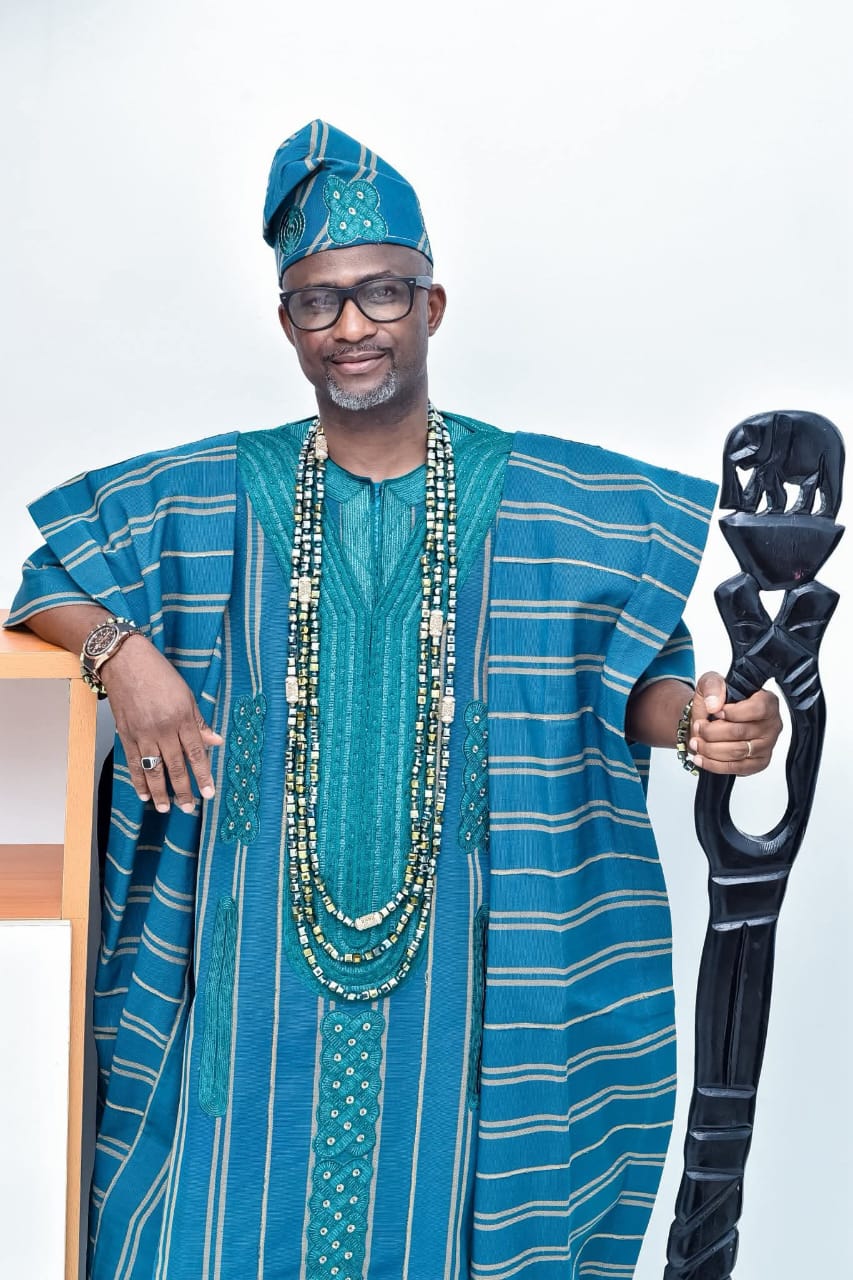
The atmosphere was one of pride, reverence, and collective joy as dignitaries, community leaders, friends, and well-wishers thronged the historic town to witness the landmark event.
The honour, bestowed in recognition of his outstanding contributions to societal development and humanity at large, reflects Dr. Badmus’ enduring commitment to service, excellence, and community upliftment. As the Chief Executive Officer of Al-Hatyq Travel and Tours Limited, he has distinguished himself not only as a successful business leader but also as a compassionate humanitarian whose impact transcends commerce.
The colourful ceremony showcased the rich cultural heritage of Ogbomoso, with traditional rites, music, and pageantry underscoring the significance of the occasion. For many in attendance, the conferment was more than a title—it was a celebration of character, legacy, and a life devoted to meaningful service.
As Dr. Mutiu Adewale Badmus assumes his new role as Otunba Alayeluwa Onimolete, expectations are high that his wisdom, vision, and passion for humanity will continue to inspire progress and unity within Molete, Ogbomoso, and beyond.


-

 celebrity radar - gossips6 months ago
Why Babangida’s Hilltop Home Became Nigeria’s Political “Mecca”
-

 society6 months ago
Power is a Loan, Not a Possession: The Sacred Duty of Planting People
-

 news6 months ago
THE APPOINTMENT OF WASIU AYINDE BY THE FEDERAL GOVERNMENT AS AN AMBASSADOR SOUNDS EMBARRASSING
-

 Business6 months ago
Batsumi Travel CEO Lisa Sebogodi Wins Prestigious Africa Travel 100 Women Award