
society
Another undergrad arrested for kidnapping, killing female colleague

Another undergrad arrested for kidnapping, killing female colleague
The Kogi State Police Command has confirmed the arrest of a 100-level Biology student of the Federal University Lokoja, Jeremiah Paul, over the death of a female colleague, Abigail Damilola.
The suspect, from Kaduna State, confessed to abducting Damilola, demanding N400,000 ransom from her family, and subsequently killing her.
According to reports, Jeremiah took Damilola to an uncompleted building, where he ended her life after receiving the ransom.
He then contacted her family again, demanding an additional N10m. However, police tracked him down and arrested him.
During interrogation, Jeremiah claimed he acted alone and denied cutting off any parts of Damilola’s body, despite police findings suggesting otherwise.
He stated that he killed her because she had seen his face and he didn’t want her to escape and expose him.
The state Police Public Relations Officer, William Aya, confirmed the incident during a telephone chat with our correspondent on Thursday.
Aya said the deceased was reported missing, prompting the police to action, leading to the arrest of the suspect.
He said, “The case of a missing person was reported to the police and our officers swung into action, leading to the arrest of the suspect, Jeremiah Paul, a 21-year-old 100-level student of Federal University, Lokoja. He was arrested on Wednesday and when interrogated, he said he kidnapped the girl on September 4.
“The suspect said he kidnapped her and demanded a ransom of N400,000 from the parent. According to him, after collecting the money, he strangled the girl and mutilated her body. He then buried her body in the Lokoja area. Yesterday, Wednesday, he led the police to the scene where he buried the girl.”
A video shared on social media shows Jeremiah confessing to the crime, claiming it was his “first time.”
Aya however disclosed that the remains of the deceased had been deposited at the mortuary.
“Investigation is still on to be sure if there are still other persons involved in the killing,” he added.








society
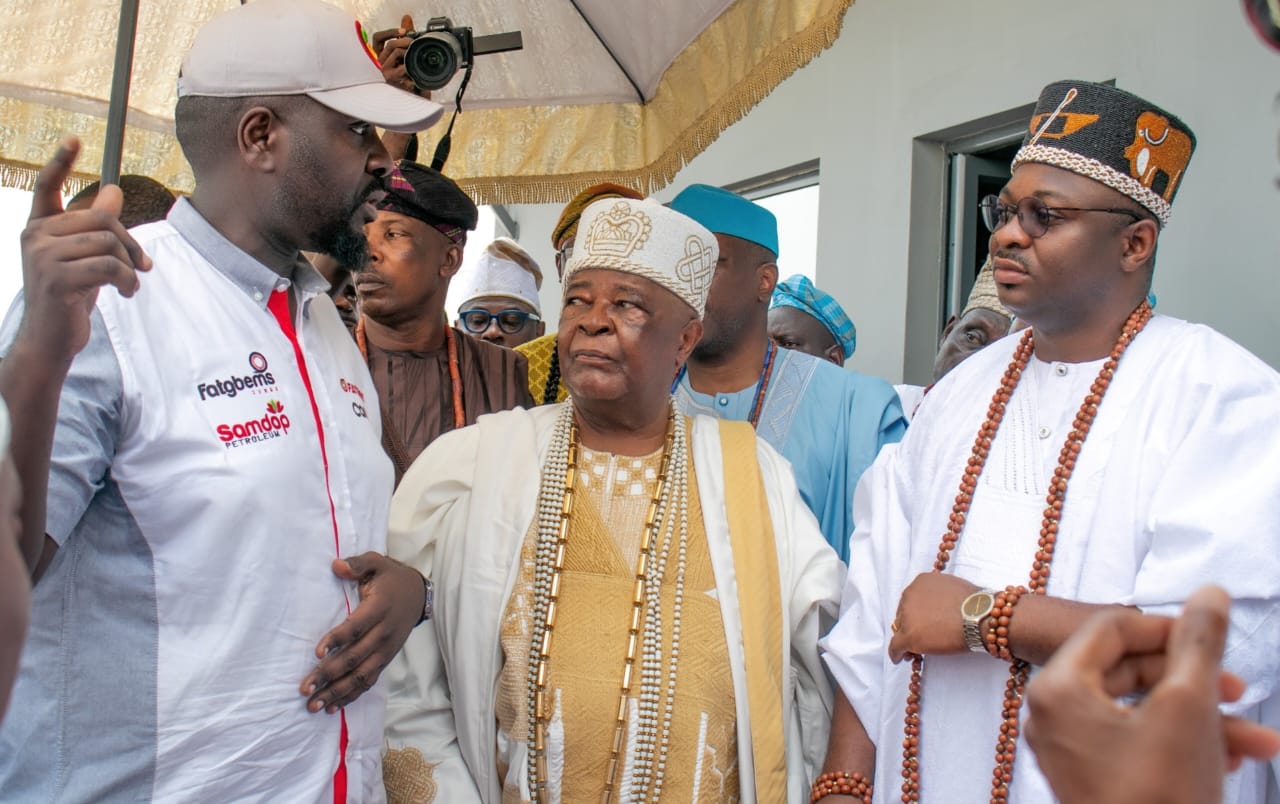
Fatgbems Group Commissions Ultra-Modern Mega Station in Opic, Expands Footprint in Nigeria’s Energy Retail Sector
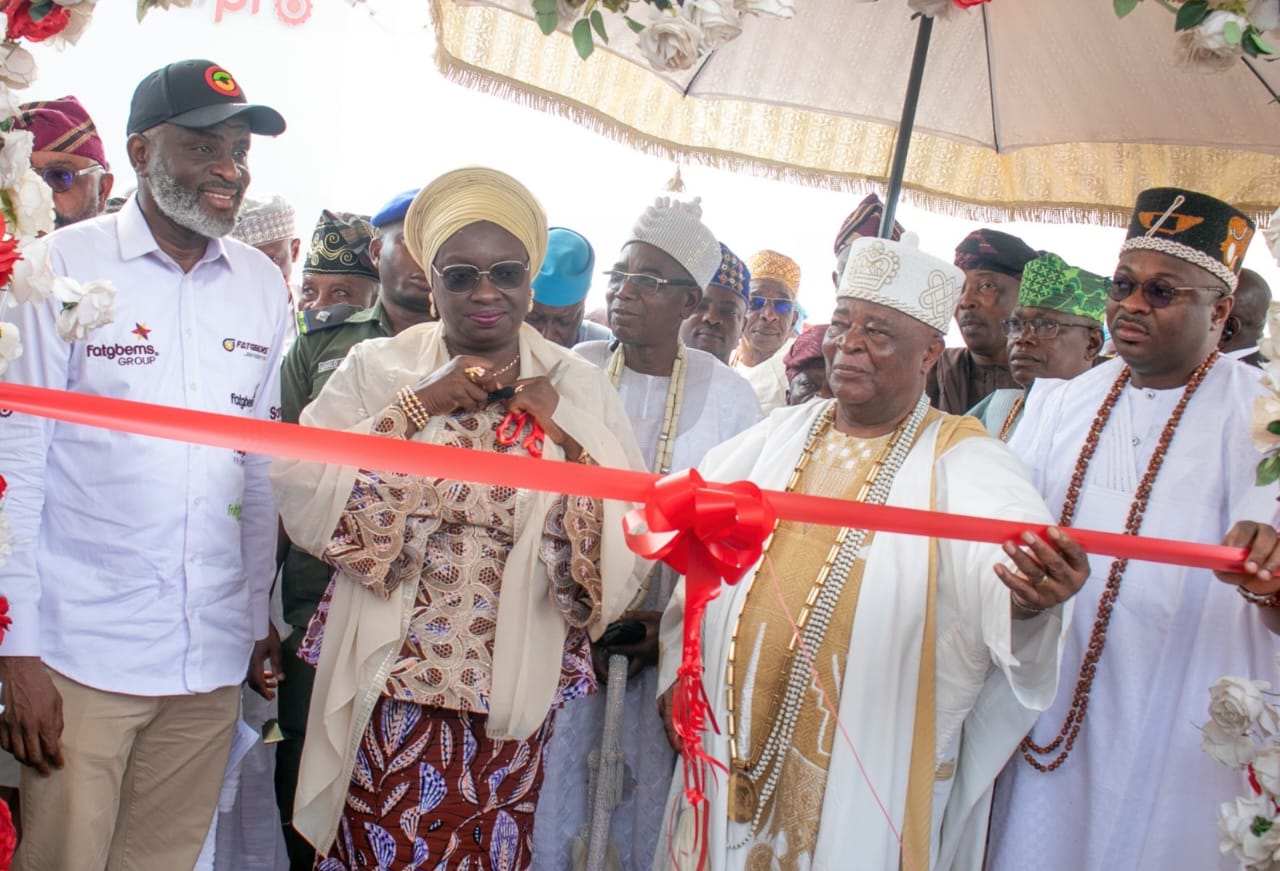
Fatgbems Group Commissions Ultra-Modern Mega Station in Opic, Expands Footprint in Nigeria’s Energy Retail Sector

PUBLIC NOTICE: STRONG WARNING & DISCLAIMER
The general public is hereby strongly warned to exercise extreme caution regarding any dealings with Joseph Enyinnaya Eze, popularly known as Dracomiles who claims to operate as a Forex trader in Nigeria and the United Kingdom. Multiple reports and complaints have raised serious concerns about his business activities, dubious act. warranting immediate public attention.
Anyone who has already engaged with or been affected by these activities should urgently report the matter to the EFCC (Nigeria), Action Fraud (UK), or their nearest law enforcement authority.
This notice is issued in the interest of public safety and financial protection and should be treated with the utmost seriousness.
Signed,
HIS ROYAL HIGHNESS
PRINCE EMMANUEL BENNY DANSON.
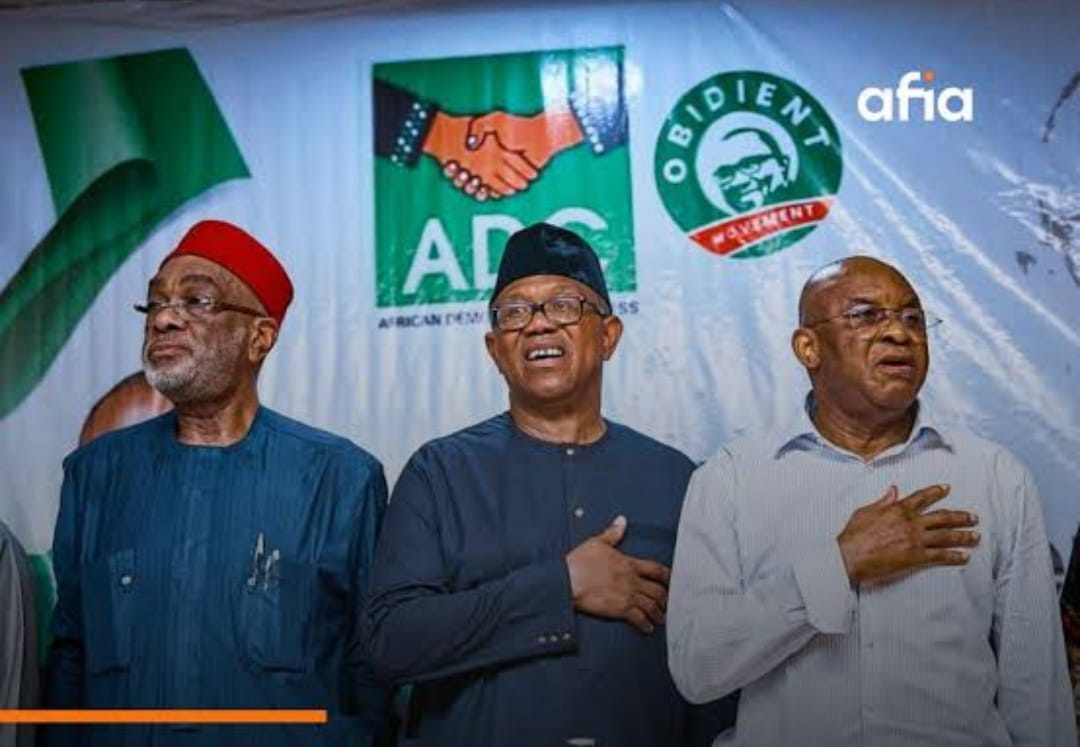
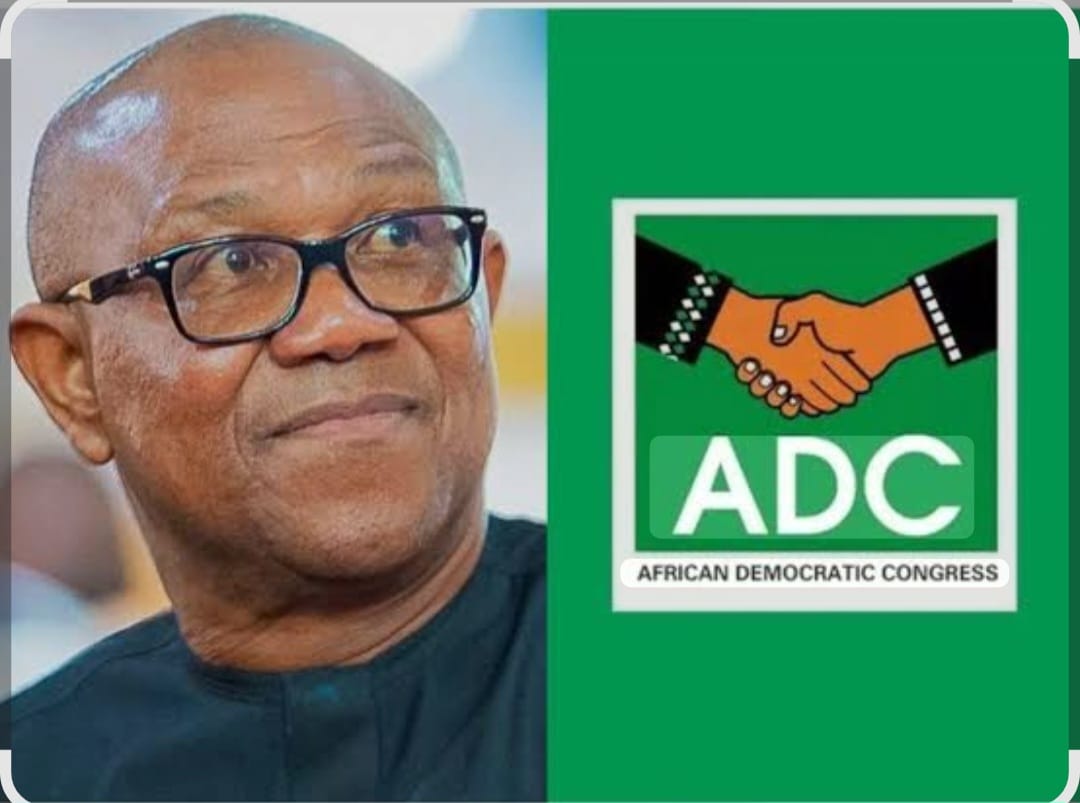
Obi’s Civility Mandate: Reclaiming Opposition Politics from the Politics of Toxicity
By George Omagbemi Sylvester | SaharaWeeklyNG.com
“Why condemning insults against coalition partners is not just strategy, but a moral imperative for Nigeria’s democratic renewal.”
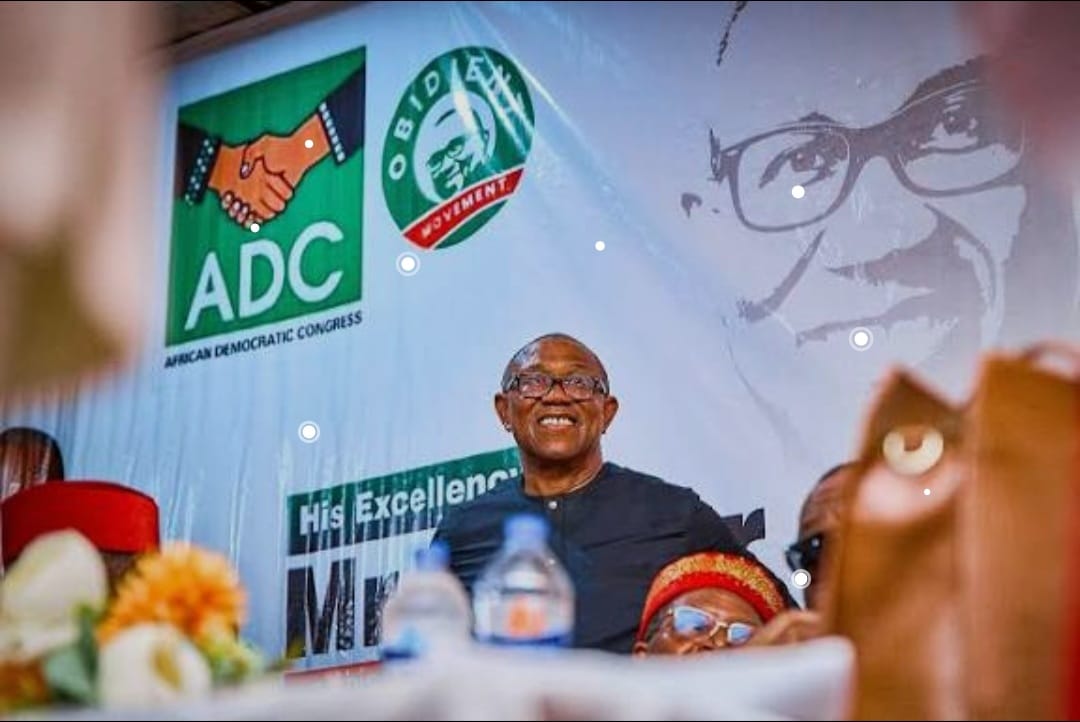
In an era when political discourse increasingly resembles a battlefield littered with verbal grenades, Peter Obi’s unmistakable declaration that “anyone insulting ADC leaders is a criminal, not an Obidient” marks not merely a rhetorical pivot, but a fundamental moral stance in Nigeria’s fractious political landscape.
Obi, the former Labour Party presidential candidate and one of the most consequential voices in Nigerian politics today, delivered the statement at an engagement of his Obidient Movement. In unmistakable terms he dissociated himself and his movement from the tidal wave of infighting poisoning the opposition coalition, insisting that resorting to name-calling, mudslinging and personal attacks does not belong in the politics he envisions for the nation.
This stance is not a trivial reprimand. It is a clarion call for a higher standard of political engagement at a time when Nigeria grapples with deepening insecurity, unemployment, institutional dysfunction and widening distrust between leaders and citizens. The significance of Obi’s statement is profound and its implications extend well beyond intra-party disagreements.
A Foundational Rejection of Toxic Politics.
Mr. Obi’s emphasis that verbal attacks against coalition partners or whether within the African Democratic Congress (ADC) coalition or among the broader opposition (are signs of criminal behavior, not genuine political advocacy) reframes how political movements should conduct themselves.
He refused to allow political identity to be weaponized against personal dignity. In his own words, those hurling insults are not authentic Obidients but “criminals that are not Obidient people.”
This matters for two reasons:
It anchors political contestation back to ideas and governance priorities rather than personality attacks.
It preserves the moral credibility of a movement that has attracted millions of Nigerians tired of corrosive politics.
In saying so, Obi effectively rejects a politics of vitriol that has, for decades, stood as an impediment to democratic deepening in Nigeria. Where political debate once focused on issues and policy, it all too often collapses into ad hominem attacks, death of ideas by drowning in anger.
Context: Opposition Realignment and Internal Strain.
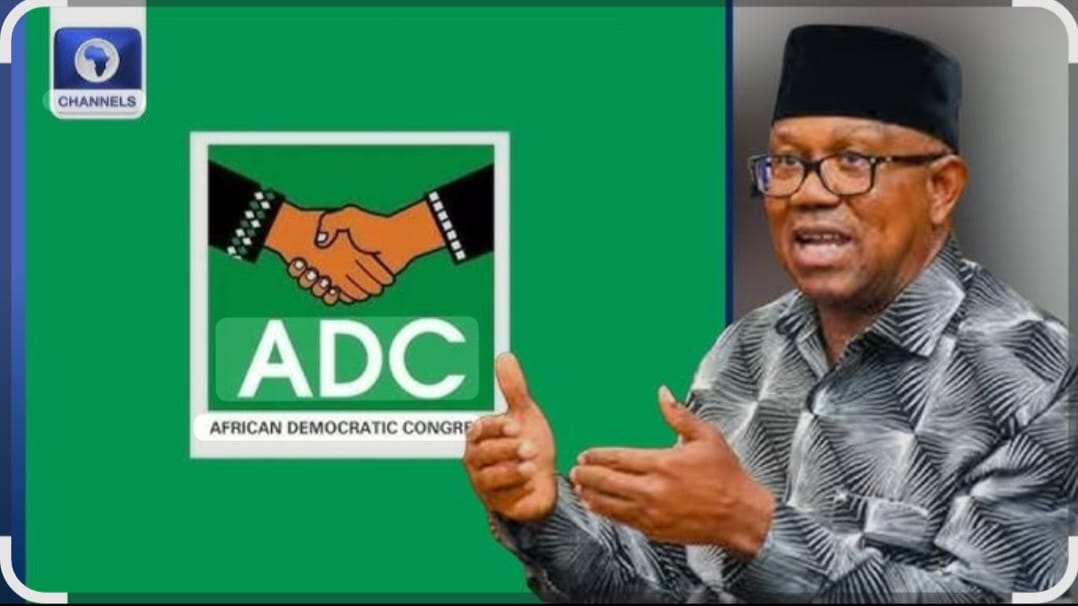
Nigeria’s opposition has been in flux since the 2023 general elections. Parties and movements coalesced into what became the ADC coalition, seeking to offer a viable alternative to the ruling All Progressives Congress (APC). Embedded within that coalition are figures such as former Vice President Atiku Abubakar, Rotimi Amaechi, Nasir el-Rufai and other veterans of Nigeria’s political field.
As Obi engaged with the coalition, tensions emerged. Supporters of different aspirants, driven by fervent hope for leadership change, began to clash (sometimes online, sometimes in street protests) over ideas of zoning, prioritization and political leadership direction. Some of these disputes degraded into personal attacks.
In response, Obi’s emphatic repudiation of those attacks was not mere politeness. It was a strategic and ethical refusal to allow the opposition’s project to be undermined by the very habits of contempt that Nigerians have grown weary of under years of governance failures.
Why Civility Is Strategic Politics.
At first glance, insisting on respectful dialogue might appear soft politics in a hard political world. Yet respected political theorists have long argued that healthy democracies require norms of mutual respect, even amidst passionate disagreement.
The late political scientist Robert Dahl observed that “democracy is not merely a system of institutions; it is a culture of respect, dialogue and mutual tolerance.” When that culture is abandoned for polarization, democratic systems weaken and may eventually collapse into extremism or authoritarian habits.
By repudiating insults (even from within his own rank and file) Obi demonstrates an adherence to democratic norms that scholars say are essential for political legitimacy. Political psychologist Dr. Jonathan Haidt echoes this in his work on social cohesion, arguing that political movements that police toxic language are better positioned to build inclusive coalitions and durable governance frameworks. Such restraint signals maturity and a long-term view of national interest over short-term factional advantage.
A Principle-First Approach, Not Personality Politics.
Obi’s rebuke of abusive rhetoric is not a call for blind loyalty or silence in disagreement. Rather, it is a principled commitment that disagreements within democratic politics should advance through debate, persuasion and principle, never through degrading those with whom one disagrees.
This distinction is crucial. Civility is not the absence of dissent; it is dissent conducted with dignity.
This stance distinguishes Obi’s Obidient Movement from other movements in Nigerian politics. It counters narratives that portray his supporters as reactive or hostile and positions them instead as advocates of disciplined political engagement focused on solving Nigeria’s systemic problems.
Reframing Political Discourse: Issues Over Insults.
In his statement, Obi urged supporters to concentrate on the pressing challenges Nigeria faces: out-of-school children, hunger, unemployment, insecurity and widespread kidnappings.
This grounding in substantive issues reflects a broader philosophy in policy-oriented politics: discourse should elevate concerns that affect citizens’ lives rather than consume itself with internal squabbles.
Former U.S. President Abraham Lincoln captured the essence of political purpose when he said, “A house divided against itself cannot stand.” In a Nigerian context, if opposition politics devotes itself to name-calling, it betrays the very voters demanding accountability, competence and sustainable governance.
The Political Risks of Toxicity.
Why does this matter now, because toxicity in political movements is not just unprofessional, it is harmful.
Political science research shows that:
Electoral alliances built on bitter internal conflict rarely endure. Sections of coalition partners may defect, voter confidence may erode and narratives of incompetence can gain traction.
Toxic discourse can amplify divisions along ethnic, regional and religious lines, which Nigeria, with its historical regional and identity sensitivities, cannot afford ahead of national elections.
When insults become normalized, adversaries of democratic reform benefit. They use chaos to justify centralization, suppression or rule by decree. What starts as internal bickering can metastasize into a crisis of legitimacy and national instability.
Obi’s Leadership Test.
By disowning verbal attacks, Obi invites his supporters (and Nigerian politics) to a far higher standard of engagement. He calls for restraint without surrendering ambition; for firmness without bitterness; for advocacy without abuse.
In doing so, Obi’s message resonates with scholars like Norman Ornstein, who asserts that “democracy dies in darkness and thrives in the light of thoughtful, civil, informed dialogue.” This is not a call for passivity. It is a call to elevate the discourse while staying laser-focused on outcomes that impact Nigeria’s future.
Parting Thought: A Turn Toward Democratic Maturity.
Peter Obi’s statement is not a garden-variety political rebuke. It is a critical inflection point in Nigerian politics that emphasizes:
The importance of respect in political coalitions
The necessity of focusing on policy and governance not personalities
The moral foundation for opposition unity built on discourse not division
As Nigeria prepares for future elections and the challenges of nation-building ahead, Obi’s stance reminds us that leadership begins with how we speak to and about one another. Civility in politics is not weakness, it is strength, courage and a profound demonstration of a movement that seeks to govern with integrity, not insult.
In a country yearning for change, repositioning political language toward respect and substance may be the most transformative act of leadership of all.


-

 celebrity radar - gossips5 months ago
Why Babangida’s Hilltop Home Became Nigeria’s Political “Mecca”
-

 society5 months ago
Power is a Loan, Not a Possession: The Sacred Duty of Planting People
-

 Business6 months ago
Batsumi Travel CEO Lisa Sebogodi Wins Prestigious Africa Travel 100 Women Award
-

 news6 months ago
THE APPOINTMENT OF WASIU AYINDE BY THE FEDERAL GOVERNMENT AS AN AMBASSADOR SOUNDS EMBARRASSING