
Politics
Religion, Tribalism, and Political Issues Affecting Nigerians at Home and Abroad

Religion, Tribalism, and Political Issues Affecting Nigerians at Home and Abroad
By George O. Sylvester
Nigeria, a nation blessed with vast natural resources, a rich cultural heritage, and a resilient people, faces significant challenges that threaten its very foundation. As former President Olusegun Obasanjo once noted,

“Nigeria is a complex country, and we have to be careful not to allow our diversity to become a source of weakness, but rather a source of strength.”
Unfortunately, instead of being a unifying force, Nigeria’s diversity has increasingly become a source of division, with religion, tribalism, and politics driving deep wedges between its people.
Religion: A Tool for Unity or Division?
Religion plays a significant role in the lives of Nigerians, shaping their values, governance, and social interactions. The country is almost evenly split between Christians and Muslims, with a minority practicing indigenous religions. While faith should ideally promote peace and moral conduct, Nigeria’s religious landscape has often been a battleground for political influence, social conflict, and even violence.
Religious differences have contributed to some of the country’s worst crises, from the 1966 coup and the subsequent civil war to the rise of extremist groups like Boko Haram. The insurgency, which started in the northeast, has left tens of thousands dead and displaced millions. However, religious tension is not confined to terrorism; periodic clashes between Christian and Muslim communities over land, politics, and governance have occurred in states like Kaduna, Plateau, and Benue.
Yet, the Quran reminds us:
“O mankind, indeed We have created you from male and female and made you peoples and tribes that you may know one another.” — (Quran 49:13)
Similarly, the Bible teaches:
“There is neither Jew nor Greek, slave nor free, male nor female, for you are all one in Christ Jesus.” — (Galatians 3:28)
Despite these messages of unity, religious leaders and politicians frequently exploit religious sentiments to gain followers and suppress opposition. Churches and mosques often serve as political arenas where leaders mobilize their congregations for electoral victories rather than promoting national unity. The recent controversy over Muslim-Muslim or Christian-Christian ticket debates in presidential elections further exemplifies how religion is often weaponized in Nigerian politics.
However, there have been instances where religion has fostered peace and unity. Initiatives such as interfaith dialogues, the National Mosque and National Christian Centre collaborations, and efforts by organizations like the Nigeria Inter-Religious Council (NIREC) have attempted to bridge the divide. If more religious leaders advocate for unity rather than division, Nigeria could harness its religious diversity for progress rather than conflict.
Tribalism and Political Struggles
Tribalism has long been a significant factor in Nigeria’s political and social landscape. With over 250 ethnic groups, Nigeria is one of the most ethnically diverse countries in the world. The three largest groups—the Hausa-Fulani, Yoruba, and Igbo—dominate national politics, often to the detriment of smaller ethnic minorities.
Since gaining independence in 1960, ethnic loyalties have frequently overshadowed national interests. The civil war (1967–1970) between the Nigerian government and the secessionist state of Biafra was one of the most devastating consequences of ethnic tensions. Although the war ended over 50 years ago, ethnic grievances persist. Many Igbos feel politically marginalized, while the Yoruba and Hausa-Fulani continue to dominate the political scene.
Ethnic-based political alliances have also fueled corruption and nepotism. Political parties in Nigeria often reflect ethnic interests rather than ideological differences. Leaders distribute resources and political appointments based on tribal affiliations rather than competence, leading to inefficiency in governance. The persistent calls for restructuring and self-determination by groups like the Indigenous People of Biafra (IPOB) and the Oduduwa Republic movement highlight the dissatisfaction of many ethnic groups with the current federal structure.
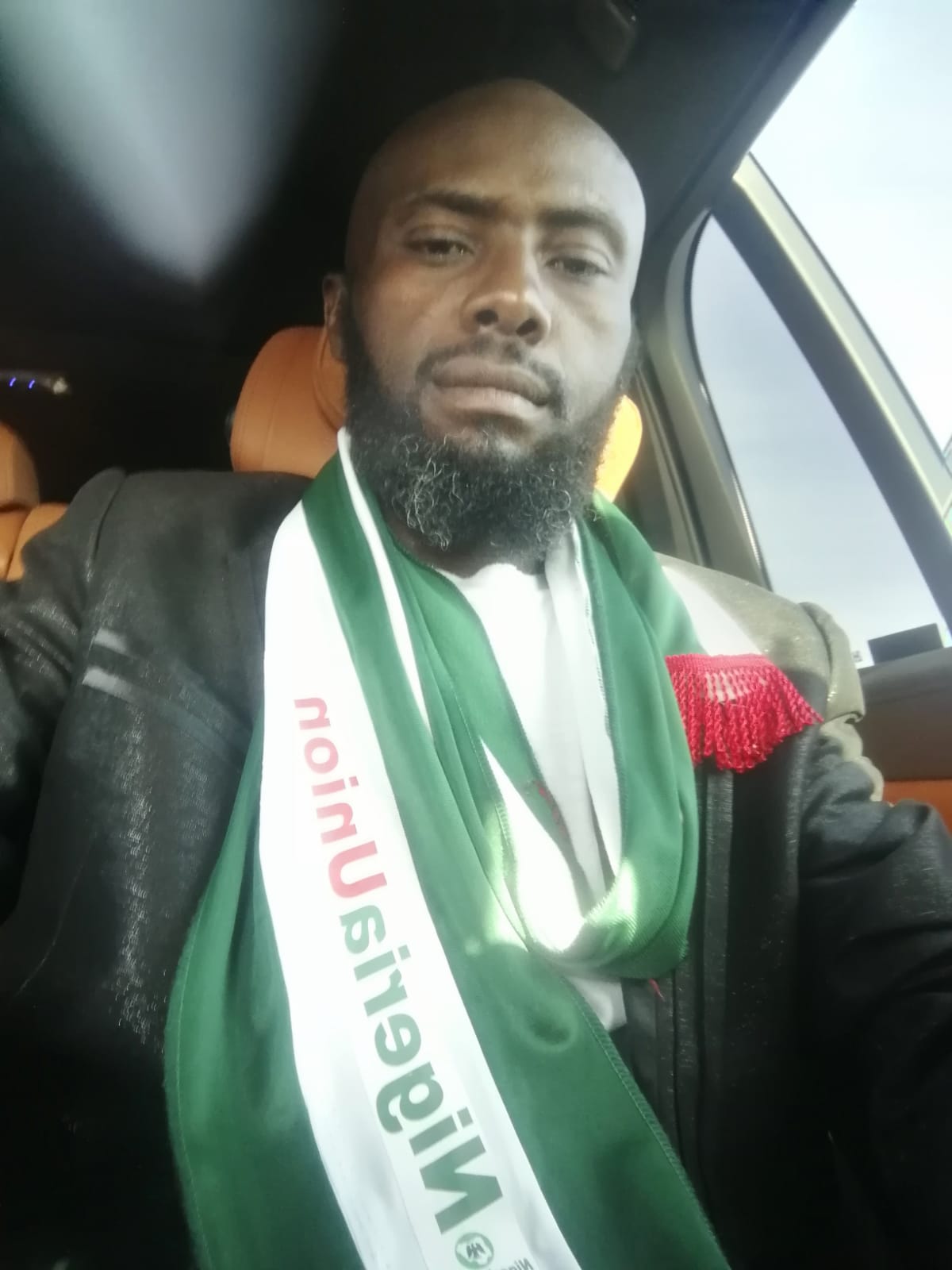
Even among Nigerians in the diaspora, ethnic divisions remain evident. Rather than uniting as one Nigerian community, ethnic groups frequently organize their separate events and institutions. A striking example of this division was seen in the recent passport intervention program in South Africa, which was designed to assist Nigerians abroad with passport renewal and other consular services. Unfortunately, the program was marred by controversy and infighting, with different ethnic and interest groups vying for control and influence, further highlighting the deep-seated divisions among Nigerians.
Politics and the Struggle for Power
Political instability has been a major hindrance to Nigeria’s development. The country has experienced multiple military coups, civilian regimes plagued by corruption, and electoral malpractices that undermine democratic principles. Despite transitioning to democracy in 1999, the political landscape remains fragile, with widespread voter suppression, election violence, and allegations of rigging.
One of Nigeria’s major political issues is the failure of leadership to address the country’s socio-economic challenges. Politicians often prioritize personal and ethnic interests over national development. The lack of accountability has led to widespread corruption, with billions of dollars stolen from public coffers while basic amenities such as electricity, healthcare, and education remain underfunded.
Additionally, political power struggles have fueled violence across the country. The farmer-herder clashes in the Middle Belt, banditry in the Northwest, and the resurgence of militancy in the Niger Delta all have political undertones. Many of these conflicts are exacerbated by poor governance, economic hardship, and a lack of political will to address root causes.
As Nigeria prepares for future elections, the need for electoral reforms, stronger institutions, and credible leadership has never been more critical. The success of the 2023 general elections demonstrated some progress, with the introduction of the Bimodal Voter Accreditation System (BVAS) reducing electoral fraud. However, more needs to be done to ensure free and fair elections that reflect the people’s will.
A Call for Unity and National Consensus
To overcome these challenges, Nigerians—both at home and abroad—must come together to forge a new national consensus, one that prioritizes unity, inclusivity, and the common good. As former President Olusegun Obasanjo stated,
“Nigeria’s future is bright, but we must work together to achieve it.
”
Similarly, Nigerian-American writer Teju Cole observed,
“The Nigerian diaspora is a complex and multifaceted phenomenon, and we must find ways to navigate its complexities.”
For Nigeria to progress, certain key actions must be taken:
1. Promoting National Identity Over Ethnic Loyalty
Nigeria must foster a national identity that transcends tribal and religious lines. This can be achieved through inclusive policies, unbiased historical education, and national programs that encourage unity.
2. Strengthening Institutions and the Rule of Law
A strong legal system that holds leaders accountable will reduce corruption and ensure that governance benefits all Nigerians, not just a privileged few. Electoral reforms and anti-corruption measures must be enforced to restore faith in the government.
3. Encouraging Religious Tolerance and Interfaith Dialogue
Religious leaders and institutions must actively promote peace, coexistence, and mutual respect among Nigeria’s diverse faith communities. Interfaith initiatives should be expanded to bridge divides and counteract extremist ideologies.
4. Fostering Unity Among the Nigerian Diaspora
Nigerians abroad should see themselves as ambassadors of one nation, rather than representatives of separate ethnic groups. The diaspora can play a key role in national development through investments, knowledge transfer, and advocacy for democratic governance.
5. Ensuring Economic and Social Development
Economic disparity is a major driver of conflict. Policies that promote job creation, education, and poverty alleviation will help reduce the frustration that fuels religious extremism and ethnic tension.
Conclusion
Now is the time for Nigerians—both within the country and in the diaspora—to rise above divisions and work toward a brighter, more unified future. Nigeria has the potential to be a global powerhouse, but only if its people can look beyond their differences and work together for the common good.
The road to unity is not easy, but as history has shown, great nations are built not on division, but on the strength of a united people. Nigerians must choose whether to be held back by their differences or to embrace their diversity as a tool for progress. The choice is clear: unity, peace, and development must take precedence over tribalism, religious intolerance, and political selfishness. Only then can Nigeria fulfill its vast potential and become the great country its people deserve.




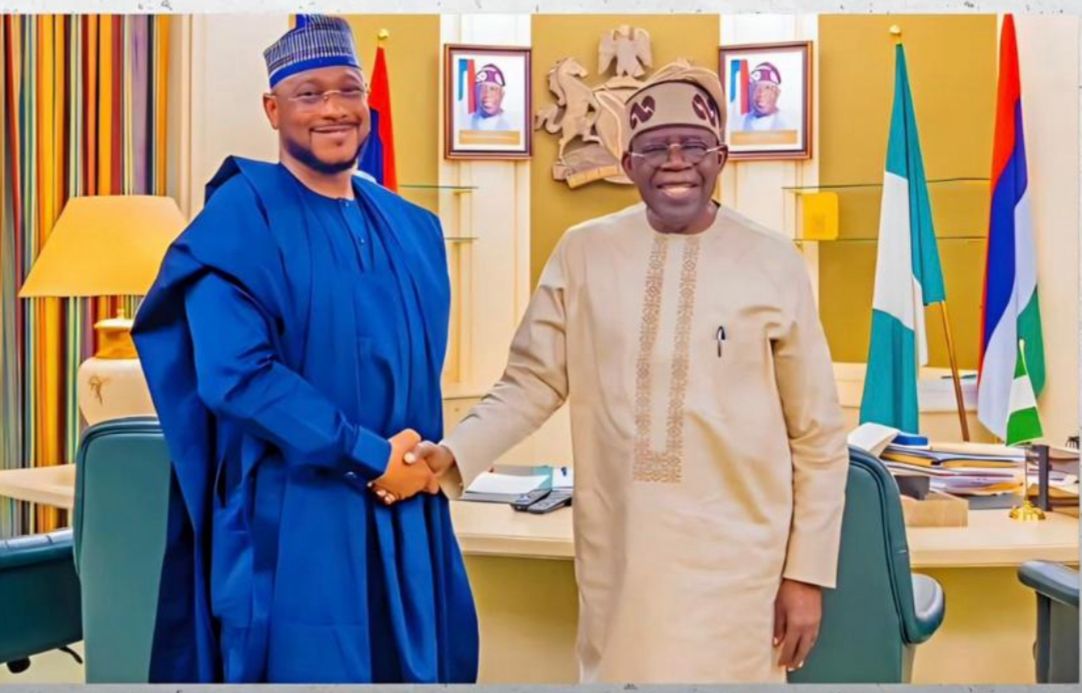
Governor Dauda Lawal Named Part of Presidential Delegation for Historic UK State Visit
Governor Dauda Lawal of Zamfara State has been named as a member of the presidential entourage that will accompany President Bola Ahmed Tinubu and First Lady Oluremi Tinubu on a historic two-day State Visit to the United Kingdom.
According to a statement from the Zamfara State Government House on Monday, the Governor will depart Abuja for the UK on Tuesday for the visit, which is scheduled to take place on March 18 and 19 at the invitation of the British Royal Family.

During the visit, King Charles III will host President Tinubu, the First Lady, and the Nigerian delegation at Windsor Castle, where they will view a special exhibition of Royal Collection items related to Nigeria. The Royal Family will also host a State Banquet in honour of the Nigerian guests on the evening of Wednesday, March 18.
The presidency has outlined that the purpose of the visit is to strengthen bilateral relations between Nigeria and the United Kingdom. President Tinubu is scheduled to hold talks with Prime Minister Keir Starmer, which are expected to lead to expanded bilateral discussions and the signing of Memorandums of Understanding covering trade, investment, defence, and cultural cooperation.
The President will also serve as the guest of honour at the Nigerian Modernism exhibition, which showcases contemporary art and culture, and will participate in a reception with Nigerian and British business leaders as well as members of the diaspora community.
The Zamfara State Government expressed confidence that Governor Lawal’s participation in the high-level delegation will provide valuable networking opportunities, opening significant prospects for investment and economic benefits for Zamfara State. The visit will also see Governor Lawal display his repertoire of knowledge on global policy and corporate governance and also pitch the Mineral and Farming rich state to potential investors during the bilateral meeting with the UK Prime Minister, Keir Starmer.
Politics
LPDC Verdict: CRG Hails Decision Clearing Deputy Speaker Benjamin Kalu, Condemns Political Witch-Hunt
LPDC Verdict: CRG Hails Decision Clearing Deputy Speaker Benjamin Kalu, Condemns Political Witch-Hunt
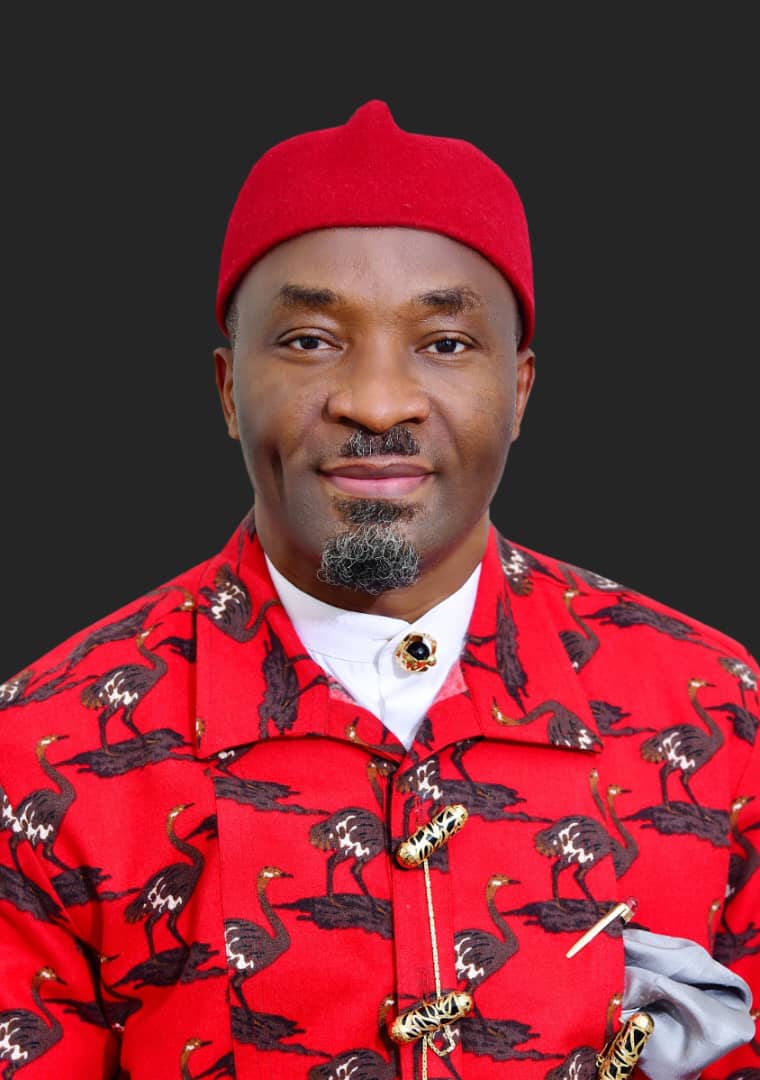
The Centre for Responsible Governance (CRG) has welcomed the decision of the Legal Practitioners Disciplinary Committee (LPDC) dismissing the complaint filed against the Deputy Speaker of the House of Representatives, Benjamin Okezie Kalu, describing the ruling as a clear affirmation of due process and institutional integrity.
In a press statement issued on Thursday, the spokesman of the Centre, Obande George, said the verdict of the disciplinary body has once again vindicated the Deputy Speaker and reaffirmed the position earlier taken by CRG that the allegations against him lacked merit.
The LPDC, in its ruling referenced BB/LPDC/1954/2026, held that no prima facie case had been established against the Deputy Speaker and dismissed the complaint in its entirety.
According to George, the decision demonstrates the importance of allowing competent institutions to examine allegations objectively rather than rushing to judgment in the court of public opinion.
“From the onset, the Centre for Responsible Governance maintained that justice must take its course. We insisted that competent institutions should be allowed to examine the issues without political pressure or sensationalism. The LPDC’s ruling has now clearly shown that the allegations had no foundation,” he said.
The CRG spokesman further stated that the decision reinforces the sterling reputation of the Deputy Speaker, who has over the years built a distinguished profile both as a legal practitioner and as a legislator.
“Honourable Benjamin Kalu is a respected member of the Nigerian Bar and an accomplished lawmaker. Attempts by some individuals to impugn his reputation through unfounded allegations were unfortunate and unnecessary.”
CRG also condemned the actions of certain civil society groups that were quick to demand that the Deputy Speaker step aside from office even before any formal determination had been made by the relevant authorities.
George described such calls as premature and irresponsible, noting that they contributed to the politicisation of a matter that required sober institutional review.
“It is disappointing that some civil society organisations rushed to demand that the Deputy Speaker step aside without allowing due process to run its course. Advocacy for accountability must be guided by facts and fairness, not by sensational pressure.”
The organisation also criticised what it described as the role played by some political actors from the South East who allegedly sought to exploit the controversy for narrow political interests.
According to CRG, it is troubling that certain politicians would attempt to undermine one of their own for short-term political advantage.
“It is even more disturbing that some political actors from the South East appeared eager to weaponise this matter in an attempt to bring down one of their own for cheap political gain. Such actions weaken collective political progress and erode the spirit of solidarity required for national development.”
CRG therefore called on Nigerians to learn from the episode and reaffirm respect for institutional processes and the rule of law.
The organisation stressed that public discourse must be guided by evidence, fairness and responsible engagement rather than rumours or politically motivated campaigns.
“The lesson here is simple: allegations must be tested by competent institutions before conclusions are drawn. Nigeria’s democracy will only grow stronger when due process is respected and reputations are not casually destroyed.”
CRG concluded by congratulating the Deputy Speaker for maintaining calm and dignity throughout the controversy, noting that his composure reflected confidence in the justice system.


@The Centre for Responsible Governance, Email: [email protected], Instagram: crgngo6, Twitter: crgng06, Threads: crgngo6

Obasa Appointed to CPA African Executive Committee
The Speaker of the Lagos State House of Assembly, Rt. Hon. (Dr.) Mudashiru Ajayi Obasa, has been appointed as a Sub-National Representative to the Commonwealth Parliamentary Association (CPA) African Executive Committee.
The announcement was formally conveyed through a letter from the CPA Africa Region, which was read on the floor of the Assembly by the Clerk, Mr. Olalekan Onafeko, on Tuesday, March 10. The appointment confirms Speaker Obasa’s three-year tenure, spanning 2026 to 2029.
Lawmakers took turns to congratulate Speaker Obasa, praising his devotion to parliamentary service and his consistent efforts to strengthen legislative practice. They described his appointment as a recognition of his hard work and a reflection of Lagos State’s growing influence within the Commonwealth. Members noted that his achievements continue to bring pride not only to Lagos but to Nigeria as a whole.
In his remarks, Speaker Obasa expressed gratitude to his colleagues for their support, urging them to remain steadfast in prioritizing the progress of the Assembly and to continue working collectively to advance the legislature. He further directed the Clerk to send a formal letter of appreciation to the CPA African Region for the honour bestowed upon him. “Let us always put the House of Assembly first and never relent in our efforts to move the legislature forward, ” Obasa concluded.
The CPA African Region plays a pivotal role in advancing the interests of African parliaments within the Commonwealth. It is widely recognized for promoting gender equality, women’s empowerment, respect for human rights, democracy, and good governance across member nations.


-

 society6 months ago
Religion: Africa’s Oldest Weapon of Enslavement and the Forgotten Truth
-

 news3 months ago
WHO REALLY OWNS MONIEPOINT? The $290 Million Deal That Sold Nigeria’s Top Fintech to Foreign Interests
-

 society6 months ago
“You Are Never Without Help” – Pastor Gebhardt Berndt Inspires Hope Through Empower Church (Video)
-

 society7 months ago
Who is Chief Kestin Pondi? Niger Delta’s “People’s Chief” Winning Hearts With Hundreds of Millions in Generosity