
society
Renowned Legal Practitioner, Smart I. Nwobi, Advocates Diaspora Voting Rights and Calls for End to Migrant Harassment in South Africa


Renowned Legal Practitioner, Smart I. Nwobi, Advocates Diaspora Voting Rights and Calls for End to Migrant Harassment in South Africa.
By George Omagbemi Sylvester | SaharaWeeklyNG.com
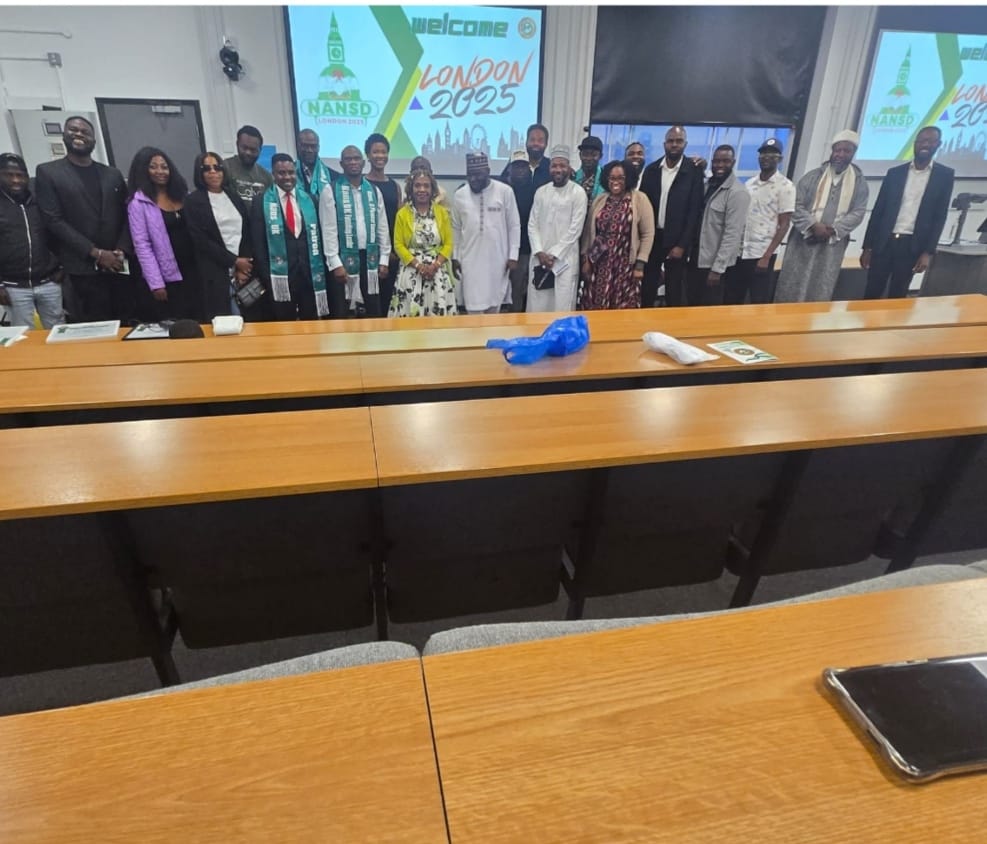
The Nigerian diaspora is often referred to as the country’s “seventh geopolitical zone,” a community of millions scattered across the globe whose remittances, knowledge and influence remain a lifeline to the nation’s economy. Yet, despite their contributions, Nigerians abroad continue to be excluded from electoral participation and often find themselves at the mercy of hostile immigration policies in foreign lands. At a recent gathering of the National Association of Nigerian Students in Diaspora (NANS-D), one of the country’s most respected voices in law and advocacy, Smart I. Nwobi, brought these issues into sharp focus.
Delivering a keynote address on behalf of the Nigerian Union South Africa (NUSA), Nwobi urged the Federal Government of Nigeria to take bold steps towards granting diaspora voting rights and to work closely with African governments (especially South Africa) to end the harassment of migrants. His address, delivered with conviction and clarity, was not just a call for reform, but a blueprint for how Nigeria could finally turn its global citizens into an asset rather than an afterthought.
Diaspora Voting: An Unfinished Democratic Business. For decades, Nigerian leaders have spoken glowingly of the diaspora’s impact, yet have done little to integrate them into the political framework. According to the World Bank, Nigeria received over $20.1 billion in diaspora remittances in 2023, making it the highest in Africa and one of the top ten globally. These funds have been pivotal in stabilizing households, supporting education and boosting small businesses. Beyond financial contributions, Nwobi argued that Nigerians abroad hold expertise in critical sectors (medicine, technology, law and governance) that could be harnessed for national development.
“Democracy cannot be complete if millions of its citizens are locked out of participation simply because they live beyond the nation’s borders,” Nwobi said. His position echoes practices in countries such as Ghana, Kenya and South Africa, all of which allow diaspora voting. Globally, nations like France, Italy and Portugal even reserve parliamentary seats for their citizens abroad, recognizing their unique perspectives and roles in shaping policy.
For Nigeria, Nwobi suggested that diaspora voting rights should not be symbolic, but practical; accompanied by parliamentary representation that ensures global citizens are involved in shaping the laws and policies that affect them. This, he argued, would not only deepen democracy but also restore confidence among diasporans who feel politically abandoned.
The Plague of Migrant Harassment in South Africa. Nwobi’s speech also touched on one of the most pressing challenges faced by Nigerians and other African migrants in South Africa, the wave of hostility fueled by anti-migrant groups like Operation Dudula. Over the past decade, South Africa has witnessed periodic outbreaks of xenophobic violence, often directed at Nigerians, Zimbabweans, Malawians and other African nationals accused of “TAKING JOBS” or “OVER BURDENING SERVICES.”
“South Africa and Nigeria must rise above the destructive politics of division,” Nwobi declared. “We cannot afford to watch Africans turn against each other when the rest of the world sees us as one.”
His message resonated with historical weight. Both Nigeria and South Africa played pivotal roles in the liberation of Africa from colonialism and apartheid. Nigeria, for instance, was instrumental in funding the African National Congress (ANC) during the anti-apartheid struggle. Today, however, relations between citizens of the two nations are increasingly strained by violence, stereotypes and political rhetoric.
By calling for stronger leadership from Abuja and Pretoria, Nwobi underscored the need for African unity as a prerequisite for continental growth. He stressed that harassment of migrants not only undermines human rights but also stifles the free movement of skills and talent; factors critical for Africa’s integration under the African Continental Free Trade Area (AfCFTA).
From Brain Drain to Brain Gain. One of the most compelling aspects of Nwobi’s presentation was his insistence that the diaspora should be seen not as a “LOST GENERATION” but as a reservoir of talent waiting to be tapped. He unveiled four strategic initiatives designed to shift Nigeria’s perception of its citizens abroad:
A Diaspora Think Tank Hub – a central platform for consolidating expertise from Nigerian professionals worldwide, offering advisory services to government and industry.
Soft-landing platforms for returnees – structures that make reintegration smoother for diasporans willing to return home, including housing schemes, job placement programs, and tax incentives.
Diaspora voting rights with parliamentary representation – not just giving a vote but also a voice in legislative processes.
Policy inclusion for diaspora contributions – formally integrating diaspora remittances and investments into national economic planning.
According to him, these steps would ensure that the enormous contributions of Nigerians abroad (financial, intellectual and cultural) are not wasted but directed toward national growth.
A Message of Unity and Responsibility. Nwobi also used his platform to caution against division within diaspora organizations themselves. Too often, he argued, political rivalries and domestic tensions spill into the diaspora, undermining their collective strength. He called on Nigerian ambassadors, student leaders, and community stakeholders to prioritize empowerment, cohesion and unity over partisan divides.
“Together, we rise. United, we thrive,” he concluded. “With a shared vision and a collective spirit, we will build a stronger, better, and more united front for ourselves and for generations to come.”
His words carried both optimism and urgency, reminding listeners that diaspora advocacy is not just about convenience but about survival and dignity.
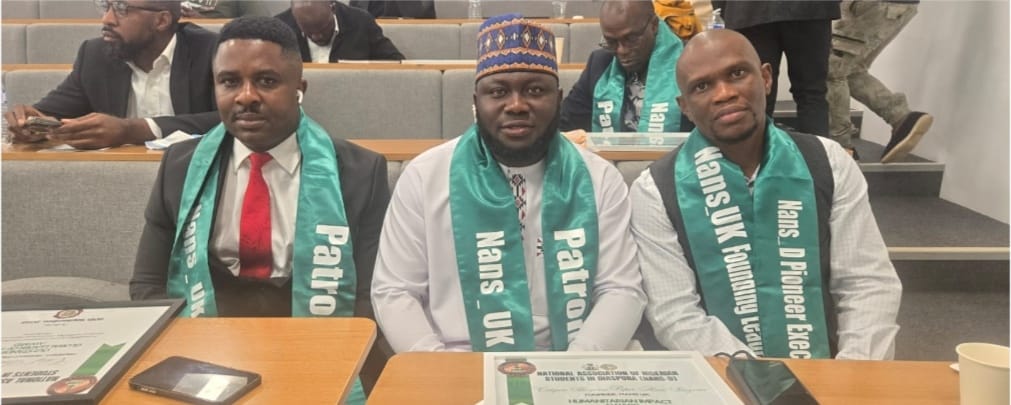
Recognition of Leadership. At the event, Smart I. Nwobi was honoured with a special award of recognition for his bold advocacy, steadfast leadership and dedication to uniting Nigerians abroad. The award served as both an acknowledgment of his past contributions and a challenge to continue leading the charge for diaspora empowerment.
Global Lessons for Nigeria. Nwobi’s advocacy finds echoes in global best practices. Countries such as India and Israel have long leveraged their diasporas as engines of innovation and investment. The Indian diaspora, for example, played a crucial role in the rise of its IT sector, while Israel has benefited immensely from the expertise and capital of Jews abroad.
For Nigeria, which faces persistent challenges of governance, insecurity, and economic instability, the diaspora could be the key to reversing decades of underdevelopment. With millions of Nigerians living and working across North America, Europe, Asia and Africa, the potential to create a powerful network of influence is immense.
Final Take: A Call to Action. Smart I. Nwobi’s call at the NANS-D event is more than a Speech, it is a manifesto for change. By demanding diaspora voting rights, parliamentary inclusion and an end to migrant harassment, he has placed the Nigerian diaspora at the center of the national conversation. His proposals are not utopian but practical, rooted in global examples and grounded in Nigeria’s realities.
If Nigeria heeds his call, it could transform its diaspora from a loosely connected group of remittance senders into a structured force for political and economic development. If South Africa responds, it could ease tensions and set a continental example for migrant inclusion.
If both nations ignore these urgent appeals, they risk deepening divisions, missing opportunities and alienating millions of Africans whose contributions are indispensable.
As the applause that followed his keynote suggested, the diaspora is ready to play its part. The question is whether Nigeria and South Africa are ready to listen.
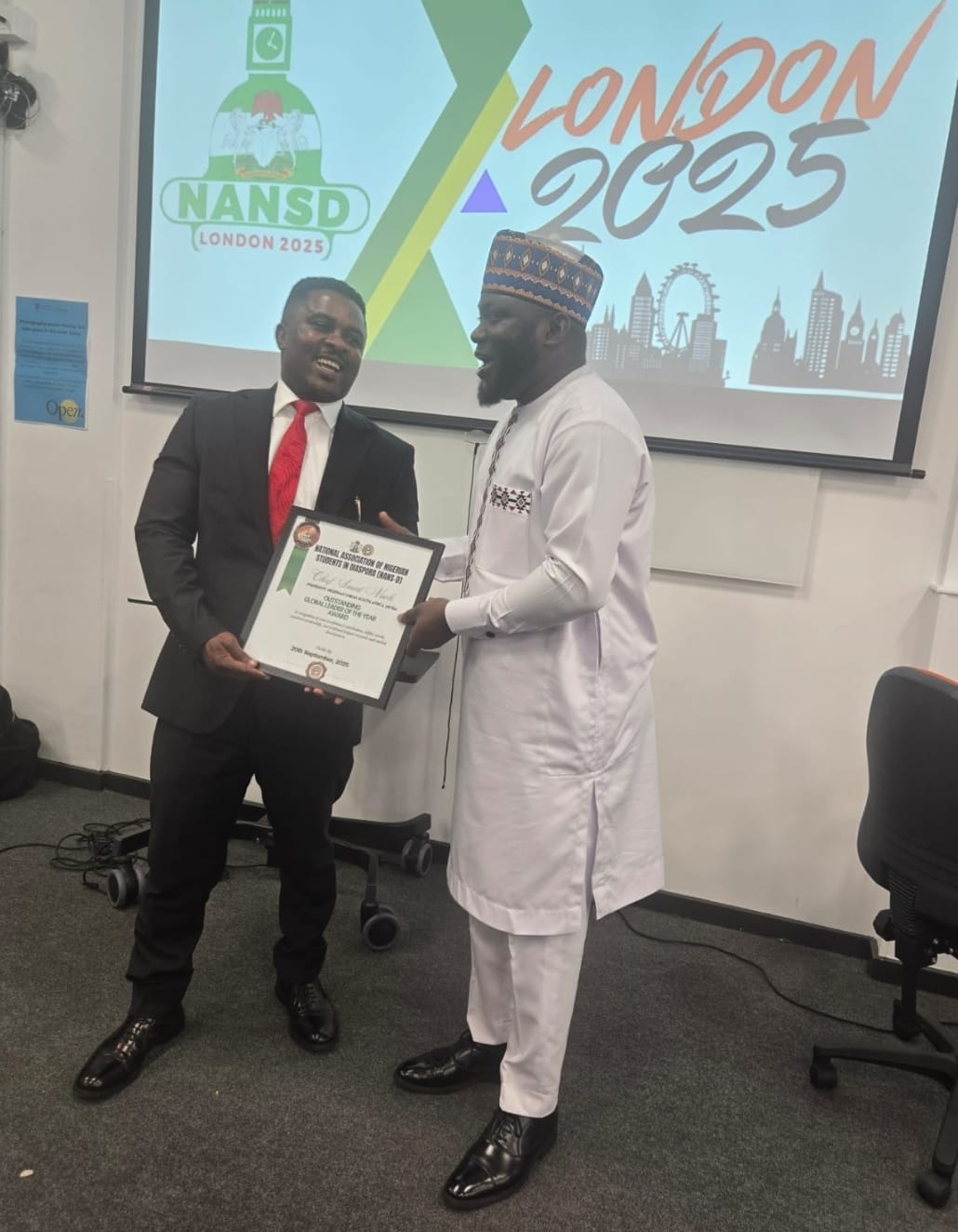
Renowned Legal Practitioner, Smart I. Nwobi, Advocates Diaspora Voting Rights and Calls for End to Migrant Harassment in South Africa.
By George Omagbemi Sylvester | SaharaWeeklyNG.com










China’s Mosquito‑Sized Microdrone Ushers in a New Era of Covert Surveillance
By George Omagbemi Sylvester | Published by SaharaWeeklyNG
China’s National University of Defence Technology (NUDT) has developed a mosquito‑sized microdrone designed for covert surveillance and reconnaissance operations, revealing the prototype in June 2025 during a broadcast on China’s military channel CCTV‑7. The insect‑inspired device, measuring roughly 2 cm long and weighing about 0.3 grams, mimics living insect flight with two tiny flapping wings and hair‑thin legs, making it hard to detect by conventional systems.
Unveiled in Hunan Province, central China, the project leverages cutting‑edge micro‑electronics, bionic engineering, and lightweight materials to push the limits of micro aerial vehicle (MAV) technology. According to NUDT student Liang Hexiang, miniature platforms such as this one are “especially suited to information reconnaissance and special missions on the battlefield,” suggesting military applications where larger drones are impractical.
China’s push into micro‑robotics reflects a broader global trend, but the leap toward devices that resemble real insects raises intense debate. Proponents highlight the possibilities for close‑quarters intelligence gathering, urban reconnaissance, and operations in confined or denied spaces where typical UAVs cannot penetrate. Meanwhile, experts caution that limited power, short flight duration, and minimal payload capacity currently constrain real‑world performance, meaning these prototypes remain largely experimental.
Beyond military prospects, the innovation underscores China’s strategic focus on unmanned systems and AI‑integrated platforms, positioning it alongside other nations racing to explore next‑generation surveillance robotics. However, as the technology advances, concerns about privacy, ethical use, and potential misuse are intensifying, prompting calls for clear regulatory frameworks to govern ultra‑small drones that could blend unnoticed into civilian environments.
The mosquito‑sized microdrone thus symbolises both technological ambition and the complex challenges of balancing innovation with security and civil liberties in an era of shrinking machines with expanding capabilities.

Banwo Questions Omokri’s Conduct After Appointment As Ambassador
Political commentator and founder of the Naija Lives Matter Organisation (NLM), Dr. Ope Banwo, has raised concerns about the conduct expected of diplomats following the appointment of Reno Omokri as Nigeria’s ambassador to Mexico.
In an article published on his website, www.mayoroffadeyi.com, Banwo argued that individuals appointed to represent Nigeria abroad are expected to maintain a level of neutrality and decorum that reflects the country’s diplomatic traditions.
The article titled “The Strange Case of Reno Omokri,” questions whether the tone of public political engagement associated with Omokri’s social media presence aligns with the expectations of diplomatic service.
Omokri, a former presidential aide who has built a strong online following through commentary on Nigerian politics and governance, was recently appointed as Nigeria’s envoy to Mexico.
According to Banwo’s article, the role of an ambassador requires a transition from partisan political commentary to broader national representation.
“An ambassador represents the entire nation and not a political party,” Banwo wrote, noting that diplomats are traditionally expected to avoid public political confrontations that could affect international perceptions of their countries.
He contrasted the roles of political campaigners and diplomats, arguing that the two require different communication styles and responsibilities.
“Politics is combative while diplomacy is measured,” Banwo stated in the article, emphasizing that ambassadors typically engage in dialogue, negotiation and relationship-building rather than domestic political disputes.
Banwo also pointed to the historical composition of Nigeria’s diplomatic corps, which has largely included career diplomats trained in international relations and protocol.
According to him, such professionals are accustomed to maintaining restraint in public communication because their statements can carry official implications.
The article also referenced the biblical book of Ecclesiastes to illustrate the author’s broader reflections on leadership and public office.
Banwo noted that the appointment of political figures to diplomatic positions is not unusual globally but stressed that such appointments usually come with expectations of behavioural adjustments.
He urged Nigerian public officials who hold diplomatic positions to prioritise the country’s international image and approach public commentary with caution.
“Nigeria deserves ambassadors who elevate the country’s image,” he wrote.

How OPay Is Turning Product Architecture Into a Customer Service Advantage
In high-volume fintech markets like Nigeria, customer service can no longer sit at the end of the business process. When a platform serves tens of millions of users and processes millions of transactions every day, the old model of customer service, call centres, long queues, and manual complaint handling quickly becomes too slow, too costly, and challenging to scale.
The future of customer service in fintech is not just about answering calls faster. It is about preventing problems before they happen. This is where product design, technology, and risk systems begin to play a bigger role. Instead of reacting to customer complaints, modern fintech platforms are now building customer protection and support directly into the app experience itself.
OPay is one of the platforms showing how this shift works in practice.
Over the past few years, OPay’s product development has followed a clear pattern. New features are not only designed to make payments easier, but also to reduce errors, prevent fraud, and lower the number of issues that customers need to complain about. In simple terms, many customer service problems are stopped before users even notice them.
One of the strongest examples of this approach is OPay’s real-time fraud and scam alerts. Traditionally, customers only contact support after money has already left their account. At that point, the damage is done, emotions are high, and recovery becomes more complex. OPay’s system works differently. When a transaction looks unusual, based on amount, timing, behaviour, or pattern, the system raises a warning before the transfer is completed. This gives users a chance to pause, review, and confirm. In many cases, this stops fraud before it happens.
For users, this feels like protection built into the app, not an emergency response after a loss. For the business, it means fewer fraud cases, fewer complaints, and less pressure on customer support teams. This proactive model aligns with global fintech best practices, which prioritise prevention over recovery.
Another important layer is step-up security for high-risk or high-value transactions. As users move more money and rely more heavily on digital wallets, security cannot be one-size-fits-all. Adding too many checks to every transaction creates frustration. Adding too few creates risk. OPay balances this by applying stronger security only when it is needed. For example, biometric verification and additional authentication steps are triggered in sensitive situations. This keeps everyday transactions smooth, while adding extra protection when the risk is higher. This approach builds trust quietly. Users may not always notice the security working in the background, but they feel the result: fewer unauthorised transfers and fewer urgent problems that require support intervention.
Beyond visible features, OPay also runs behaviour-based risk systems in the background. These systems monitor patterns such as sudden device changes, unusual login behaviour, or transaction activity that does not match a user’s normal habits. When something looks off, the system responds automatically. Most users never see these checks. But their impact shows up in fewer failed transactions, fewer reversals, and fewer cases where customers need to chase resolutions. As a result, customer service interactions shift away from crisis handling toward simple guidance and assistance.
Together, these layers form what can be called an invisible customer service system. Many issues are intercepted early, long before they become formal complaints. User sentiment on social media provides real-world signals of how this system is being experienced. On X (formerly Twitter), some users have publicly shared their experiences with OPay’s responsiveness and reliability.
One user, @ifedayo_johnson, wrote, “Opay has refunded it almost immediately. Before I even made this tweet but I didn’t notice. logged it as transfer made in error on the Opay app and they acted almost immediately. Commendable. Thank you @OPay_NG. I’m very impressed with this!”
Another user, @EgbonAduugbo, shared “The reason I love opay so much is that you hardly ever have to worry, wait or call their customer service for anything cuz everything just works!”
While social media comments are not formal performance metrics, they matter. They reflect how real users feel when systems work smoothly and issues are resolved quickly, often without friction. This product-led customer service model becomes even more important when viewed in the context of OPay’s scale. At this scale, even minor improvements in fraud prevention or transaction success rates can prevent thousands of potential complaints every day. In this context, customer service is no longer driven mainly by headcount. It is driven by engineering choices, risk models, and system design.
OPay’s journey suggests what the future of fintech in Africa may look like. The next generation of leaders will not only be those with the most users, but those whose systems are designed to protect users, resolve issues quickly, and reduce friction at scale.


-

 society6 months ago
Religion: Africa’s Oldest Weapon of Enslavement and the Forgotten Truth
-

 news3 months ago
WHO REALLY OWNS MONIEPOINT? The $290 Million Deal That Sold Nigeria’s Top Fintech to Foreign Interests
-

 Business6 months ago
GTCO increases GTBank’s Paid-Up Capital to ₦504 Billion
-

 society6 months ago
“You Are Never Without Help” – Pastor Gebhardt Berndt Inspires Hope Through Empower Church (Video)