
society
When the Past Knocks Twice: Lessons Nigeria Refuses to Learn

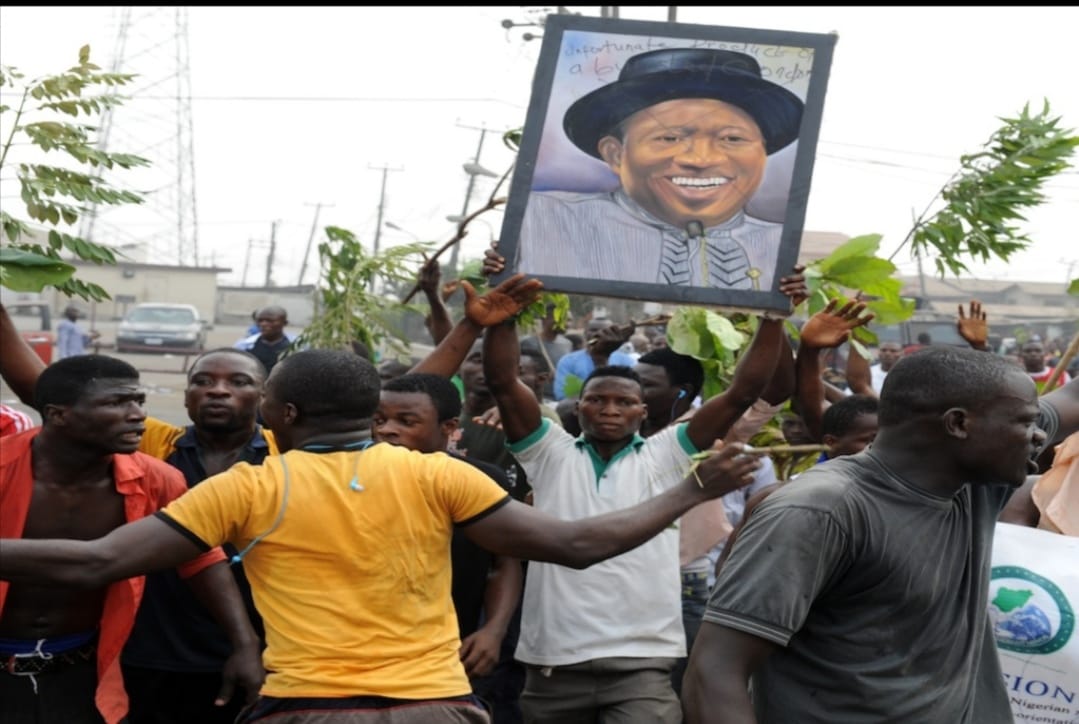
When the Past Knocks Twice: Lessons Nigeria Refuses to Learn.
By George Omagbemi Sylvester | Published by saharaweeklyng.com
“Same mistakes, harder landing; Nigeria keeps repeating the exam and failing the grade.”
Nigeria is a country with a long memory and a short attention span. We celebrate reforms when they arrive like overdue guests, then hand them off to a ruling class whose HABITS are older than the CONSTITUTION. The result is a recurring national tragedy: POLICY REVERSALS, HALF-MEASURES and a POLITICAL CULTURE that mistakes noise for progress. The past, when ignored, does not stay buried; it knocks again, louder and more destructive. Every time it knocks, the lesson missed is paid for by ordinary Nigerians: mothers making impossible choices about food, children missing school because of violence and households sliding into poverty while the corridors of power debate abstractions.

HISTORY is not merely background; it is a teacher. Chinua Achebe captured this precisely when he wrote that “THE NIGERIAN PROBLEM IS THE UNWILLINGNESS OR INABILITY OF ITS LEADERS TO RISE TO THE RESPONSIBILITY” and later warned that “UNTIL THE LIONS HAVE THEIR OWN HISTORIANS, THE HISTORY OF THE HUNT WILL ALWAYS GLORIFY THE HUNTER.” Those sentences are not aphorisms to be pinned on noticeboards; they are indictments that remain painfully current. Achebe’s diagnosis still fits: leadership in Nigeria too often defaults to expediency over courage, patronage over principle and narrative spin over accountability. The consequence is predictable, reform starts with fanfare and ends in the same patterns of exclusion and mismanagement that created the problems in the first place.
Consider the economy. The government of 2023–2025 undertook wrenching macroeconomic changes; SUBSIDY REMOVALS, EXCHANGE-RATE UNIFICATION and TAX REFORMS intended to restore fiscal sanity and attract capital. International institutions have cautiously applauded the direction, but the IMF and World Bank note that these measures have improved macro stability and investor sentiment and they stress that reforms can anchor medium-term growth if followed through with social protections and better implementation. Applause from capitals and boardrooms does not feed children. Nigeria’s headline problems; FOOD-PRICE SHOCKS, STUBBORN INFLATION and A POTENTIAL RISE IN POVERTY are the direct and measurable aftermath of policy choices that were not accompanied by the safety nets and supply-side fixes required to protect the vulnerable. The IMF itself acknowledged the reforms while urging careful sequencing and protection for those most at risk.
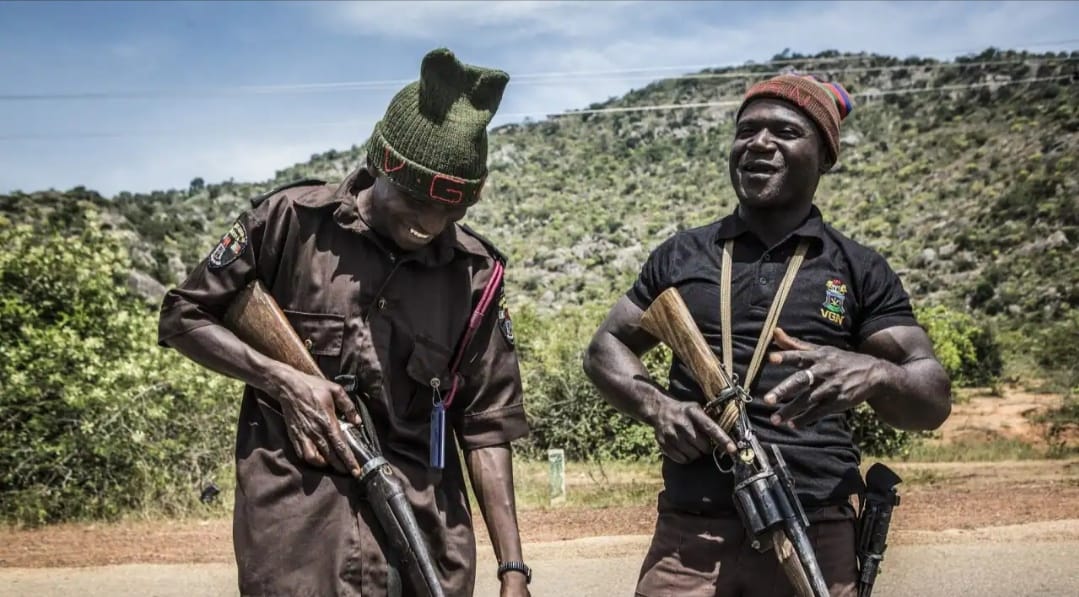
The numbers are unforgiving. Official and multilateral data show that millions of Nigerians are teetering on the edge of deprivation. The World Bank’s country assessments and poverty briefs have repeatedly warned that extreme poverty and food insecurity are rising and that millions more could be pushed below national and international poverty lines if inflation and food-price pressures persist. These are not abstract forecasts, they are household catastrophes that translate into empty plates and foregone healthcare. Policy without mitigation becomes punitive. Reforms must be accompanied by cash transfers, agricultural interventions and transparent targeting mechanisms; otherwise, they simply shift the cost of reform from the state’s balance sheet onto the backs of ordinary citizens.
If the economy is the sore muscle, insecurity is the gangrene. Violence in the north (from Boko Haram and ISWAP in the northeast to banditry and mass kidnappings across the northwest and north-central zones) has intensified. Human-rights monitors and independent reporting show that deaths, kidnappings and displacement rose sharply in recent years, with some months recording more fatalities than entire previous years. The security crisis compounds poverty and farmers cannot plant or harvest, markets are paralyzed and internal displacement creates humanitarian emergencies that the state cannot sustainably fund. Insecurity is not an adjunct problem; it is a structural brake on development, investment and the basic functioning of civic life. To treat it otherwise is to pretend the country can prosper while significant swaths of its people live under siege.
Why do we repeat the same mistakes? Part of the answer is INSTITUTIONAL SCLEROSIS. Nigeria inherited weak checks and balances and successive administrations have failed to build resilient institutions that outlive political survival. The civil service, meant to be the engine of continuity, is too often politicized; procurement systems remain opaque; and key service-delivery institutions are chronically underfunded or captured. When reforms require sustained administrative competence (to deliver conditional cash transfers, to run agricultural extension at scale, to prosecute corruption) Nigeria’s institutional weaknesses turn good policy into poorly implemented experiments. This is not an accident. It is the inevitable outcome of decades of governance where loyalty to party trumps service to the citizen.
Political culture matters as much as policy design. Nigerian politics rewards short-term rent extraction, not long-term public goods. Elites who profit from opacity and uncertainty will resist reforms that strip away patronage. So we have reform rhetoric paired with concession to vested interests; subsidies quietly reinstated, procurement diluted by political meddling and fiscal discipline undermined by emergency bailouts that reward political allies instead of correcting systemic inefficiency. The cycle is predictable and reform is announced, markets cheer, the elite lobby, policy is softened and the country ends up with neither sustained reform nor meaningful redistribution. The past knocks and we open the door to the very habits that produced the crisis.
What must change is not the occasional policy pivot but the underlying bargain between state and society. A credible social contract would mean that when hard reforms are necessary, they come with a transparent plan for protection and inclusion, measurable targets and independent monitoring. It would mean that revenues raised from subsidy savings or tax reforms are ring-fenced to improve power, roads, schools and safety nets not siphoned off into patronage. It would mean prosecuting corruption swiftly and visibly so that governance gains public legitimacy. In short, reforms must be sequenced with politics and administration in mind.

Though sequencing alone is not enough. Leadership must embrace humility and honesty. Politicians must stop treating citizens as collateral damage in a saga of HEADLINE-GRABBING POLICY and instead explain the trade-offs, accept short-term pain for long-term gain and deliver within a framework that offers concrete compensation for those hurt in the transition. Civil society, media and the judiciary must insist on transparency; the international community should condition support on verifiable social protection outcomes; and technocrats must be empowered and not sidelined by populist spectacle.
Nigeria has everything it needs to change course, HUMAN TALENT, a VAST DOMESTIC MARKET, ABUNDANT NATURAL RESOURCES and the INSTITUTIONAL HOOKS of DEMOCRACY. Potential is not destiny. If we do not learn from the past knocks, if we do not translate lessons into durable institutions, fair social contracts and brave leadership; those knocks will keep coming, louder each time, until the cost is CATASTROPHIC.
The invoice for today’s complacency reads in lives and livelihoods. The question for Nigeria is SIMPLE: Will we continue to answer the door to yesterday’s mistakes or Will we finally learn the lesson and refuse to open it?
History is waiting and the lions are ready to tell their side.
– George Omagbemi Sylvester






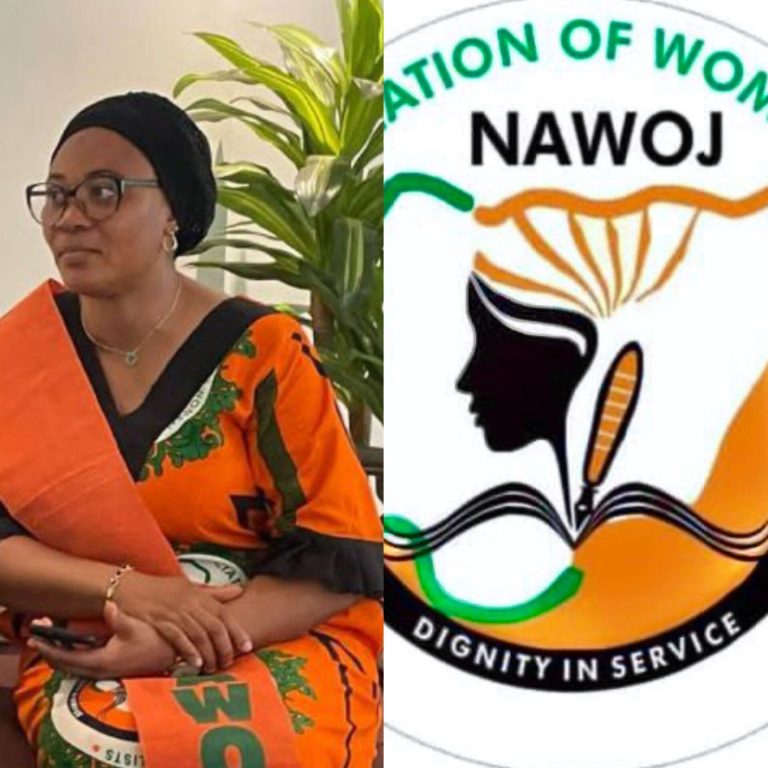
NAWOJ: SEKINAT, CHARITY GETS VOTE OF CONFIDENCE
The Nigeria Association of Women Journalists,(NAWOJ), Ogun State Chapter Executives has unanimously passed a vote of confidence on Chairman NAWOJ SEKINAT Salam and the Financial Secretary, Charity James, saying that, their leadership reflect the ideal and objectives of NAWOJ.
This was revealed in a communique issued at an Emergency meeting of the Executive held at the NUJ State Council, Iwe-Iroyin in Abeokuta.
The vote of confidence on the Leadership of NAWOJ was unanimously signed by all the five executive members that attended the meeting with the vice chairperson taking apology for official engagement outside the state capital.
According to the communique ” Consequently, NAWOJ Ogun State Chapter, reaffirms it’s unwavering support and confidence in the Chairperson and the Financial Secretary, Sekinat Salam and Charity James respectively, Urge them to continue in their commitment to purposeful leadership in the best interest of the association and the society at large”.
Speaking briefly with Journalists after the emergency Executive meeting, the Chairperson, Nigeria Association of Woman Journalists (NAWOJ), Com. Sekinat Salam, said the meeting was necessary as the news of her suspension was laughable and insulting because it is like a pot calling a kettle black in this case, saying that the Leadership of the State Council, Com. Wale Olanrewaju has no local standing to suspend her or any executive member, even he cannot be a judge in his own case.
According to her” The Leadership of the Nigeria Union of Journalists, Ogun State led by Wale Olanrewaju has always been misusing power without recourse to the constitution of this noble Union, hence has no local standing to suspend me or any executive member “.
She said only the Central Working Committee (CWC) has the constitutional rights to sanction or suspend any members found wanting after due process has been followed.
While calling on members to stay calm, Com. Sekinat Salam assured members of positive representation of NAWOJ at both the State and National level, adding the success recorded under her administration cannot be overemphasized.
She therefore called on the National leadership of NUJ to critically look into the matter, either by setting up independent committee to investigate the issues and resolve the matter as quickly as possible.
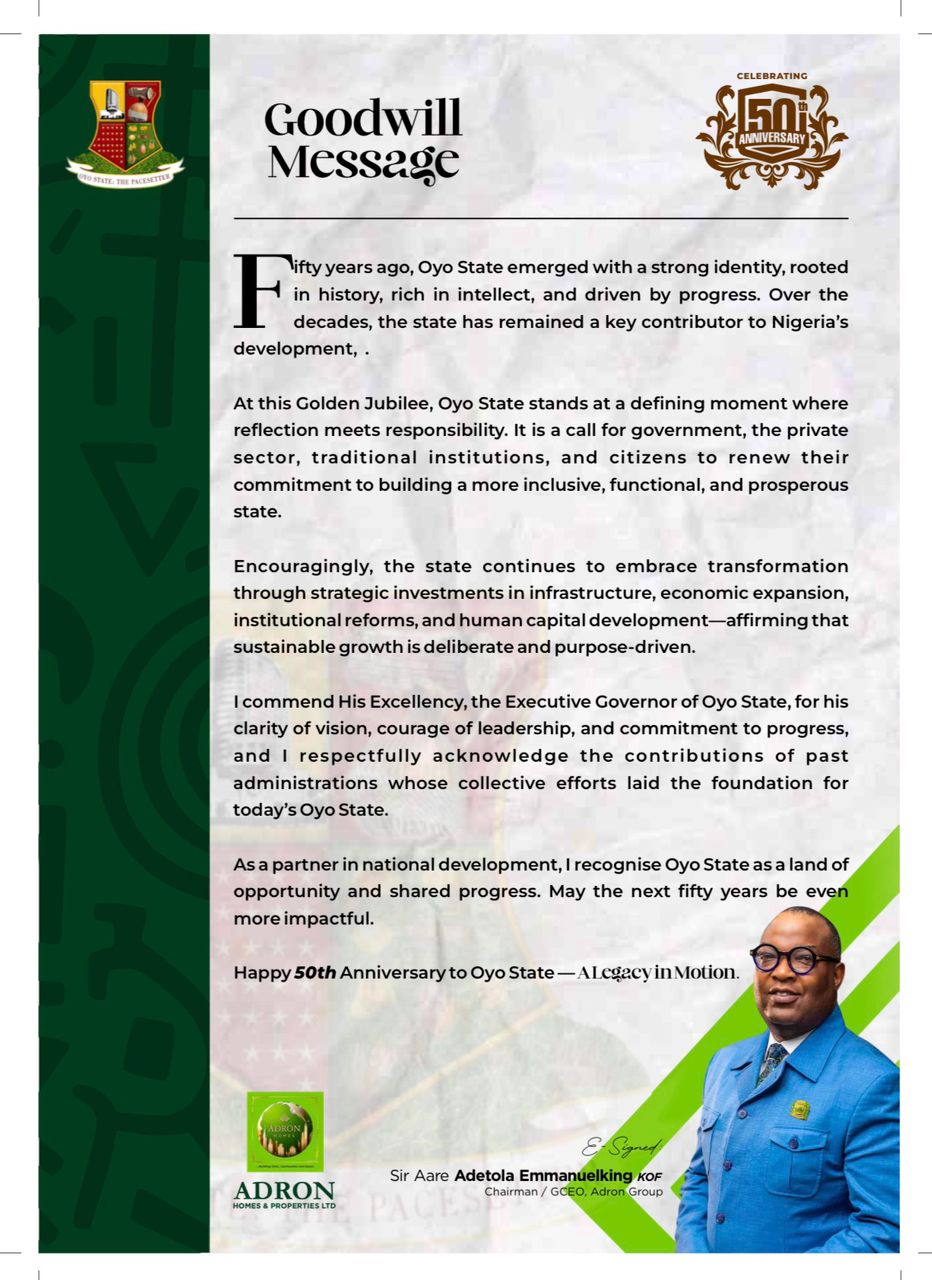
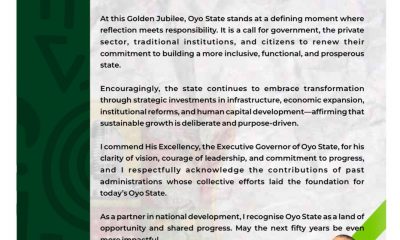
Adron Homes Chairman Congratulates Oyo State on 50 Years of Progress
The Chairman and Chief Executive Officer of Adron Homes and Properties Limited, Aare Adetola Emmanuelking, has congratulated the Government and people of Oyo State as the state marks its 50th anniversary, describing the occasion as a celebration of resilience, cultural pride, and sustained progress.
He noted that since its creation, Oyo State has remained a strong contributor to Nigeria’s socio-economic and cultural development, emerging as a hub of commerce, education, and innovation.
According to him, the Golden Jubilee offers a moment for reflection and renewed commitment by government, private sector players, traditional institutions, and citizens toward building a more inclusive and prosperous state.
Aare Emmanuelking commended the state’s ongoing transformation through investments in infrastructure, economic expansion, and human capital development, adding that sustainable growth is deliberate and must remain purpose-driven.
He also praised the leadership of the current administration while acknowledging the contributions of past leaders whose efforts laid the foundation for today’s Oyo State.
Reaffirming Adron Homes’ commitment to national development, he described Oyo State as a land of opportunity. He wished the state continued peace and prosperity, expressing confidence that the next fifty years will bring even greater achievements for the Pace Setter State and its people.
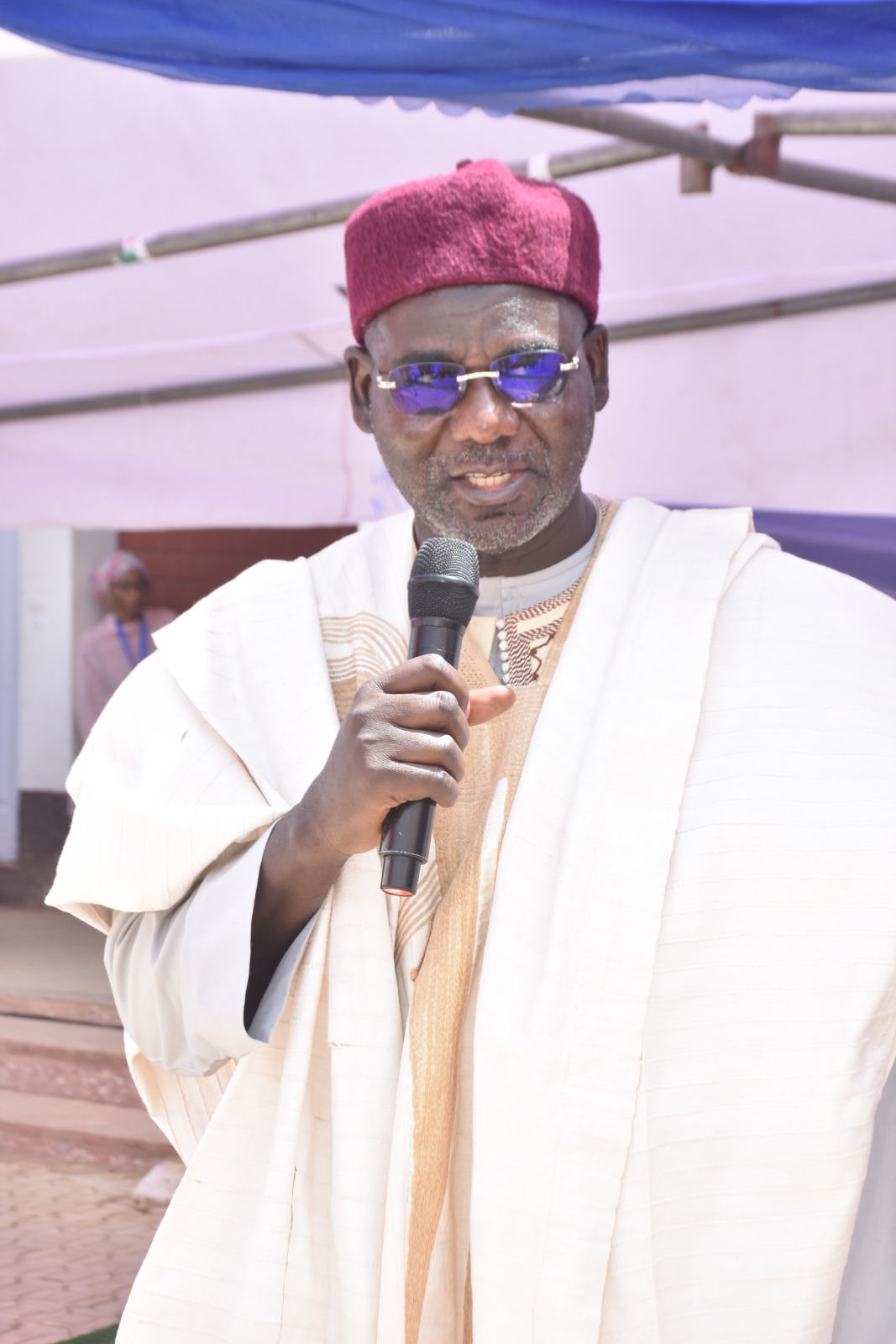
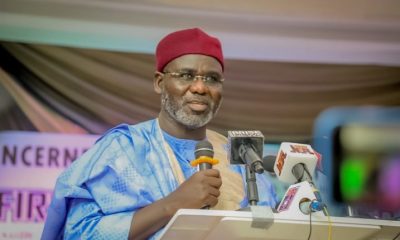
TY BURATAI HUMANITY CARE FOUNDATION CONDOLES WITH BIU EMIRATE OVER TRAGIC ATTACK
In a profound expression of sorrow, the TY Buratai Humanity Care Foundation has extended its heartfelt condolences to the families of the victims and the entire people of Biu Emirate, Borno State, following the recent tragic attack attributed to Boko Haram. This devastating assault, which occurred at a work site in northeastern Nigeria, claimed the lives of dozens, including brave soldiers committed to protecting the nation.
In a statement released to the press and signed by the Chairman of the foundation, Ibrahim Dahiru Danfulani Sadaukin Garkuwan Keffi/Betara Biu, the Grand Patron of the Foundation, His Excellency Amb. Lt. Gen. Tukur Yusufu Buratai CFR (Rtd), former Chief of Army Staff, described the incident as “one too many senseless, barbaric, and ruthless displays of inhumanity.” His Excellency emphasized the heartbreaking impact of such attacks on innocent, hardworking citizens striving to make a positive difference in their communities.
The Grand Patron praised the swift and decisive response of military personnel during this critical time, underscoring their brave commitment to safeguarding the nation. He called upon them to maintain this momentum, commending their courage and sacrifice in the face of adversity. “May Almighty Allah forgive their souls and grant them Aljannah Firdouse,” he remarked, encouraging the nation to honor their spirit of sacrifice as they rally together to rebuild and restore hope across the region.
In his statement, Gen. Buratai highlighted the importance of collective action in overcoming the challenges posed by insecurity, urging concerned citizens to increase their efforts in fostering a virile community that future generations can cherish. “Together, we can surmount these troubles,” he asserted, calling on all patriotic leaders and citizens to unite in the fight against violence and insecurity.

The TY Buratai Humanity Care Foundation remains committed to supporting initiatives that promote peace, security, unity, and prosperity. As the foundation extends its condolences to the bereaved, it also calls upon all segments of society to collaborate in creating a better and safer future. May Allah guide and protect the nation and lead it toward enduring peace. Amen.


-
 celebrity radar - gossips6 months ago
Why Babangida’s Hilltop Home Became Nigeria’s Political “Mecca”
-

 society6 months ago
Power is a Loan, Not a Possession: The Sacred Duty of Planting People
-

 Business6 months ago
Batsumi Travel CEO Lisa Sebogodi Wins Prestigious Africa Travel 100 Women Award
-
 news6 months ago
THE APPOINTMENT OF WASIU AYINDE BY THE FEDERAL GOVERNMENT AS AN AMBASSADOR SOUNDS EMBARRASSING