
society
OurLivesMatter: South Western Nigeria Now Vulnerable To Banditry, As People Live In Apprehension and Instability

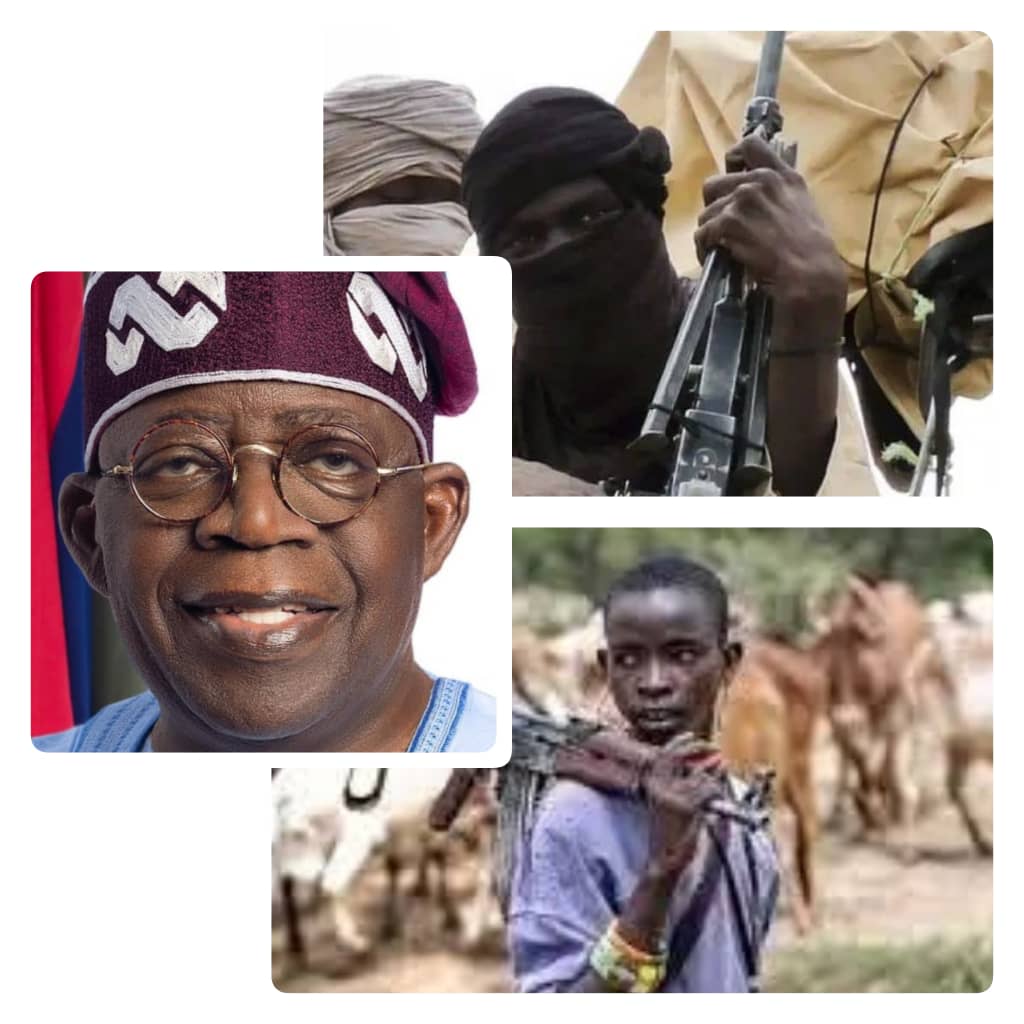
#OurLivesMatter: South Western Nigeria Now Vulnerable To Banditry, As People Live In Apprehension and Instability
When Government sleeps, terror wakes. When Government fails, people suffer.
In the once peaceful towns of Southwestern Nigeria, fear now walks the streets freely. From the farmlands of Ondo to the villages of Osun and the highways of Kwara, gunfire and grief have become part of daily life. People now sleep with one eye open, praying that dawn will meet them alive. The hum of daily life has been replaced by the wail of grief and the silence of deserted farmlands.
This region, long known for its calm, culture, and commerce, is bleeding. Farmers no longer go to their fields. Traders close shops before dusk. Even schools struggle to stay open because parents are afraid to let their children out of sight. A cocoa farmer in Ondo, Adebayo, speaks with tears in his eyes. “I lost three workers to kidnappers,” he says quietly. “They asked for money I didn’t have. I left everything behind. Now I do menial work just to feed my family.”
His story echoes across the region. Every day, new victims are added to the growing list of those displaced, missing or killed. In some communities, villagers have fled entirely, seeking refuge with relatives or sleeping in churches. In Osun, widows gather in groups, sharing tales of pain. In Kwara, market women speak of journeys they no longer dare to take.
The tragedy in the Southwest is not only human but economic, with fear crippling trade and halting growth across the region. Small and medium-sized businesses struggle to survive while larger companies scale back operations or relocate entirely. In Ondo, a textile factory that employed over 200 workers shut down after repeated attacks on staff commuting from nearby villages. The losses forced dozens into unemployment, leaving families without income or security. Investor confidence has plummeted as local and foreign partners perceive the region as high-risk. The Nigerian stock market has reflected this unease, with banking, oil, and consumer goods sectors registering significant sell-offs, illustrating that insecurity is no longer a distant social problem but a tangible economic threat.
Farmers in Kwara and Osun are abandoning fertile lands after repeated raids. Tomatoes rot in trucks stranded on unsafe roads, and maize and yams spoil in storage because distribution networks cannot operate. Market traders recount how the cost of transporting goods has doubled, pushing prices of essential items like rice, beans, and pepper to levels ordinary families cannot afford. Inflation bites harder while income shrinks, forcing households into impossible decisions between food, medicine, and safety.
The disruption of commerce also hits long-term growth. Local entrepreneurs who once invested in expanding operations now hesitate, fearing losses and extortion. Foreign investors withdraw quietly, leaving jobless workers and empty factories. In Ibadan, a furniture company shut down its second branch after employees were attacked on the road, and in Ado-Ekiti, a small garment factory stopped production entirely due to insecurity-related disruptions. These are not isolated incidents; they reflect a regional pattern where insecurity has become a barrier to both opportunity and survival.
A roadside trader, Aishat, captures the reality in a few words. “We are living like refugees in our own land,” she says. “You can’t go to the farm, you can’t stay at home, you can’t even sell pepper in peace. The government has forgotten us.” Her pain is shared by millions who feel abandoned by a leadership more interested in photo opportunities than real protection.
Schools and health services are not spared. Parents in Osun now keep children home for fear of kidnappings. Clinics in rural areas operate with skeletal staff after nurses and doctors fled attacks or extortion attempts. Children miss lessons, farmers cannot attend training programs, and patients risk long journeys through dangerous roads to reach hospitals. These failures reveal how insecurity destabilizes every layer of society, from the economy to education and health.
Billions of naira are allocated every year for security, yet ordinary citizens sleep with one eye open. The same leaders who swore to defend the people now live behind barricades, guarded by convoys of armed men. The government’s failure is not just inaction; it is betrayal. It has allowed fear to become a permanent resident in people’s lives.
Communities are attempting to respond where government has failed. Vigilante groups and local security initiatives have emerged in some areas, but these are often under-resourced and operate under constant threat. In Ondo, villagers have organized nightly patrols after a series of kidnappings, but they admit that without official support, their efforts only offer temporary relief. This patchwork of protection highlights the absence of coherent policy and leadership at the state and federal levels.
The #OurLivesMatter campaign has emerged as a cry from the soul of a wounded region. It is not just another hashtag; it is the collective voice of those who refuse to die in silence. It calls on citizens, community leaders, and civil society to rise and demand accountability. Every Nigerian life counts, and the people will no longer accept excuses.
Southwestern Nigeria deserves better. Its people deserve safety, dignity, and peace. The time for government promises has passed. The people are demanding action, not speeches. Until those in power wake up to the pain on the streets, the cry will only grow louder. Because in the end, no government that fails to protect its people has the moral right to rule them.


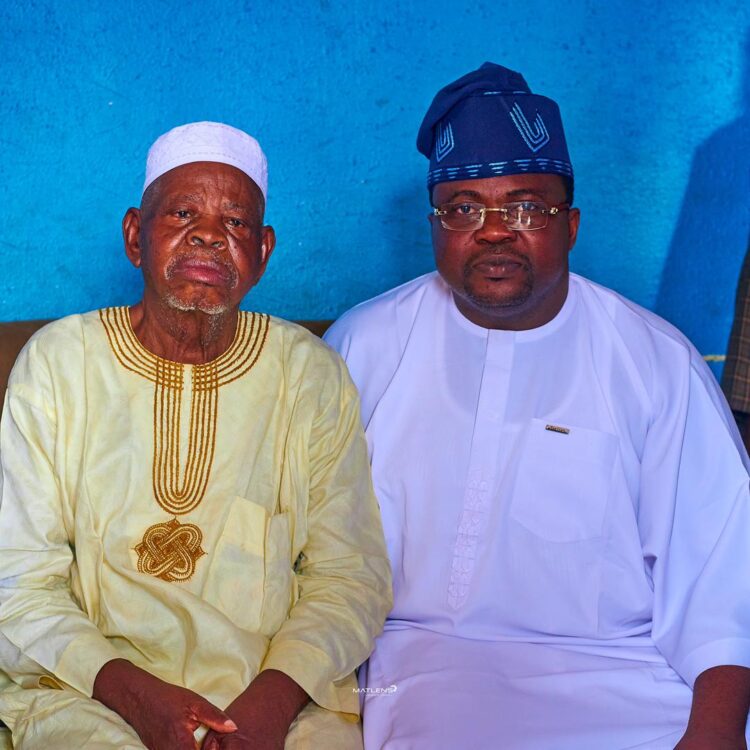
Ajadi Visits Ibadan Chief Imam, Receives Blessings
The leading gubernatorial aspirant in Oyo State on the platform of the Peoples Democratic Party (PDP), Ambassador Olufemi Ajadi Oguntoyinbo, on Wednesday paid a courtesy visit to the Grand Chief Imam of Ibadanland, Sheikh Imam Abdul Ganiy Abubakir Agbotomokekere, at his Oja’ba residence in Ibadan, where discussions centred on leadership, integrity, and the role of prayers in governance.
Ajadi, who described the revered Islamic cleric as a spiritual pillar in Oyo State, said his visit was to seek prayers and wise counsel as he continues consultations ahead of the 2027 governorship race.
While addressing the Chief Imam, Ajadi commended his consistent prayers for Ibadanland, Oyo State and Nigeria, noting that religious leaders remain critical stakeholders in nation building.
“I have come to seek your prayers and spiritual blessings because of your important role in promoting peace, unity and moral guidance in our society,” Ajadi said.
“I also want to appreciate your continuous prayers for the progress of Ibadanland, Oyo State and Nigeria as a whole. My prayer is that Almighty Allah will continue to grant you sound health and long life to witness many more Ramadan seasons on earth.”
Speaking further, the PDP gubernatorial aspirant emphasised the need for leadership driven by compassion, fairness and accountability, stressing that his political aspiration is rooted in service to the people.
“My ambition is not just about occupying an office but about serving the people with sincerity and fear of God. We must continue to encourage politics that will bring development and improve the welfare of our people,” he added.
While speaking with journalists after the visit, Ajadi also assured the people of Oyo State and Nigerians at large that the internal crisis and political tensions within the Peoples Democratic Party (PDP) have been brought under control by the grace of God. He expressed optimism that the party would emerge victorious in all elective positions in the 2027 general elections.
In his response, Sheikh Agbotomokekere advised the governorship hopeful to remain focused on the principles of good governance, warning against corrupt practices often associated with politics.
The respected Islamic scholar noted that while politics is practised differently by individuals, only leaders with integrity and fear of God can truly deliver the dividends of democracy.
“Politics is practised by different kinds of people. Some play politics in a corrupt way, while others practise it with sincerity. My prayer is that you will be among those who will practise democracy in the right way if you become governor,” the Chief Imam said.
He reminded the aspirant that human ambition can only be fulfilled by divine approval, stressing that ultimate power belongs to God.
“Whoever is seeking a position should know that only Allah can make such an ambition come true. Whether a person becomes famous or remains unknown is also by the will of Allah,” he said.
Offering prayers for the politician, the cleric added: “Many people may be struggling for a position meant for one person, and it is only God who knows the rightful person. I pray that Almighty Allah will make you the chosen one among all the contenders.”
Using a football analogy to further illustrate his point, the cleric advised Ajadi to be wary of political distractions and misleading influences.
“On the football field, sometimes spectators believe they understand the game more than the players themselves. I pray that you will not be misled by so-called political gurus and that God will guide your steps aright,” he said.
Sheikh Agbotomokekere, the 18th Chief Imam of Ibadanland, is widely respected across South-Western Nigeria for his scholarship, spiritual leadership and advocacy for peaceful coexistence among religious and political groups.
Observers say the visit forms part of Ajadi’s ongoing consultations with key stakeholders, traditional rulers and religious leaders as political activities gradually gather momentum ahead of the next electoral cycle in Oyo State.
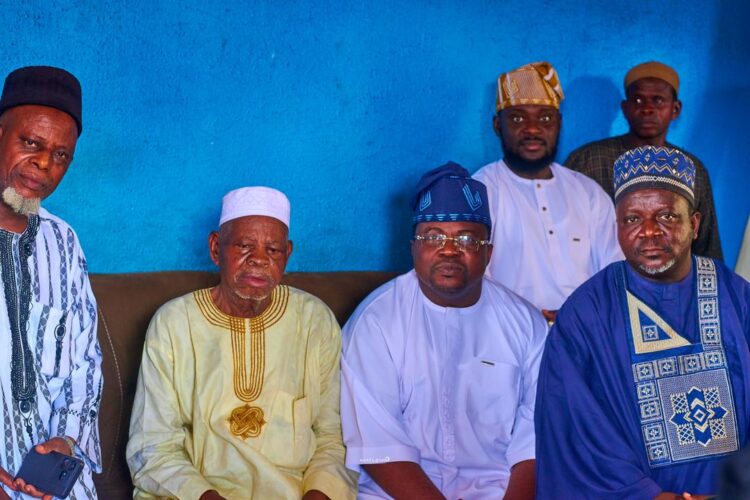
The cleric offered special prayers for peace in Oyo State, successful leadership, and continued unity among the people despite political and religious differences.
society
When Gaddafi Challenged the World Order: 2009 UN Speech, Veto Power and the Quest for Global Justice
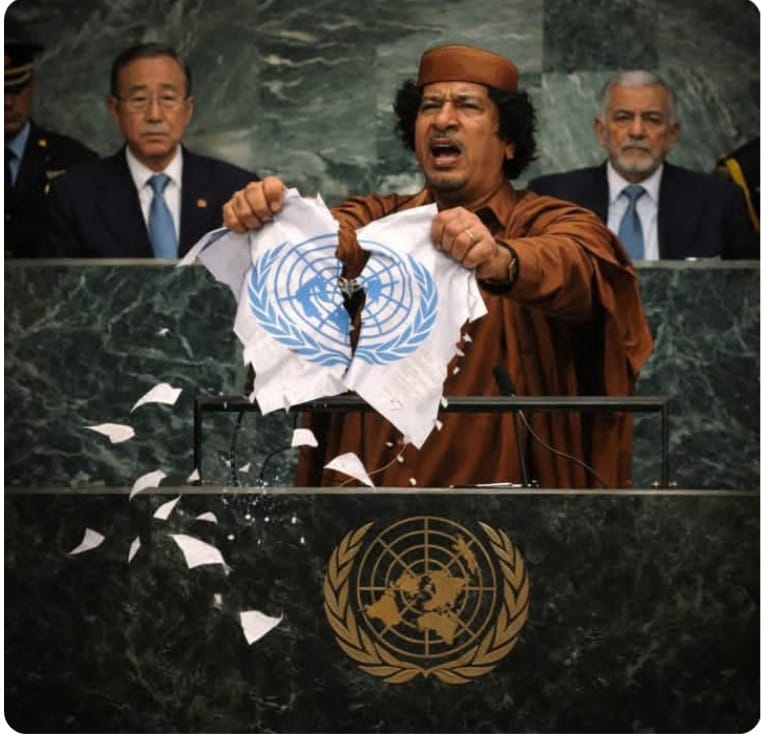
When Gaddafi Challenged the World Order: 2009 UN Speech, Veto Power and the Quest for Global Justice
By George Omagbemi Sylvester
“Gaddafi’s 2009 UN Address Exposed Security Council Inequities and Sparked a Continuing Debate on Veto Power and Global Justice.”
Muammar Gaddafi, the then‑leader of Libya and President of the African Union, delivered one of the most extraordinary speeches in the history of the United Nations General Assembly on 23 September 2009 at the UN headquarters in New York City. Originally allotted just 15 minutes, Gaddafi’s address stretched to nearly 100 minutes and became infamous for its confrontational tone toward the UN Security Council’s structure and global power imbalances.
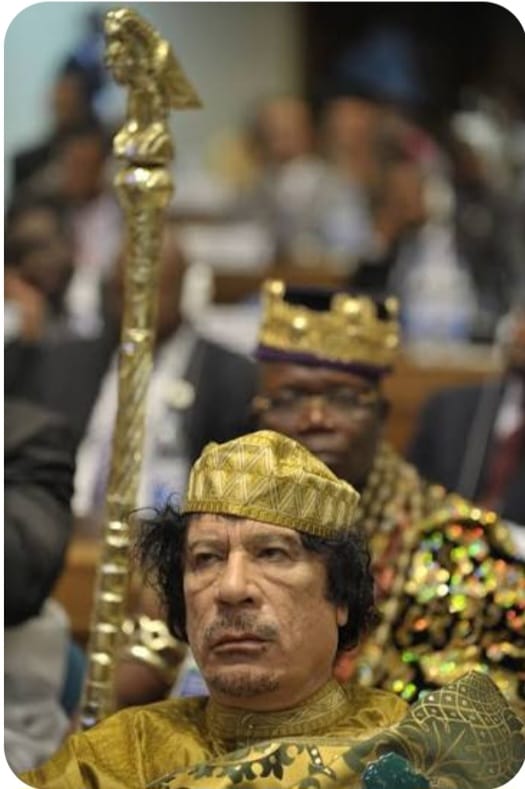
Gaddafi’s central message was a fierce critique of the permanent members of the Security Council (the United States, Britain, France, Russia and China) and their veto powers. He questioned whether an institution founded on principles of equality and peace could truly function when a handful of powerful states could unilaterally block action on urgent global crises. “The veto is against the charter, we do not accept it and we do not acknowledge it. Veto power should be annulled,” he declared in his address.
He held up a simple paperback copy of the UN Charter, reading sections aloud in front of diplomats, kings, presidents and delegates, and at times even tossing it aside to dramatize his point that the rules of international law mean little when selectively applied.
What Gaddafi Argued: Inequality at the Heart of the UN
Gaddafi’s speech was not merely rhetorical theatre; it was an unfiltered expression of frustration shared by many countries of the Global South, who view the UN’s highest decision‑making body as outdated and unrepresentative of global realities. According to his speech, the Security Council “did not provide us with security but with terror and sanctions,” a stinging indictment of how powerful nations have wielded war, intervention and punitive measures with little accountability.
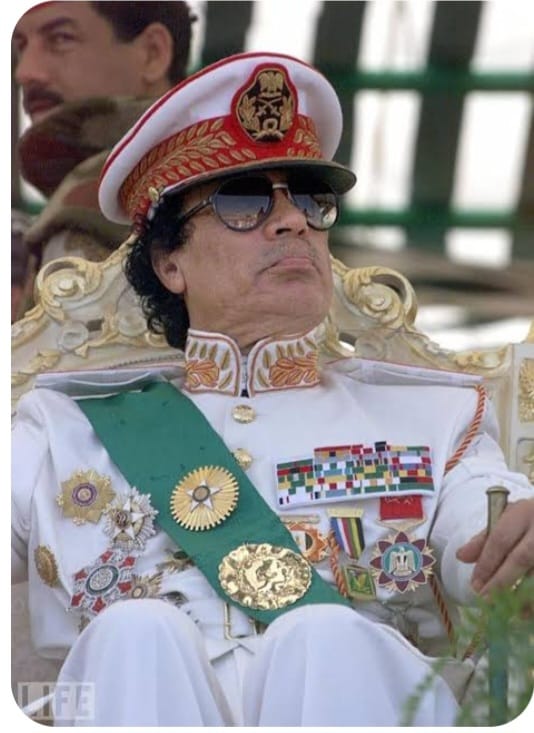
Scholars and analysts have since weighed in on the structural issues Gaddafi raised, even if they disagree with his broader worldview. Professor Andrzej Polus, a political economist at the University of Wrocław, notes that the Security Council’s composition “reflects the situation of 1945 when it was created,” a geopolitical reality vastly different from the world of today. He explains that although many African countries gained independence in the 1960s, “Africa remains excluded from real influence within this structure”; a point that echoes elements of Gaddafi’s critique, even if not his rhetoric.
The Veto Debate: Scholarly Voices on a Flawed Mechanism
The heart of the controversy lies in the veto power, a unique privilege that allows any of the five permanent members to block substantive decisions, even if all other members vote in favour. Critics argue this mechanism creates a persistent “veto‑dilemma,” where the Council’s ability to act decisively on humanitarian crises (genocide, war crimes or severe conflict) is often stymied by narrow national interests. A legal study from the University of Cape Town highlights that even reforming the veto itself can be blocked by the veto, revealing a deep structural paradox that undermines effectiveness and human rights protection.
Scholars like those cited in a comprehensive review of Security Council dynamics spanning 1990–2022 conclude that “veto usage consistently delays or weakens responses”, especially in crisis‑related resolutions, exposing the tension between great power interests and collective security. Such research underscores that while the veto system was originally conceived as a safeguard for peace among major powers, in practice it has often paralyzed action and diminished the Council’s legitimacy.
Another academic analysis argues that the veto has “evolved from a collective safeguard into a political instrument” that obstructs accountability and inhibits effective humanitarian responses. The author suggests alternative mechanisms like a “Veto Accountability Index” and measures to restrict veto use in atrocity contexts to mitigate these effects; reforms that would preserve the broader structure while addressing some of its most damaging consequences.
Critics and Reformers: Beyond Gaddafi’s Rhetoric
Although scholars may agree on the need to reform the Security Council’s structure, they caution that simply abolishing the veto is no silver bullet. Achieving meaningful reform requires collective diplomatic consensus among the very powers reluctant to yield influence; a daunting political challenge. As one expert study notes, even legal mechanisms to regulate veto power are tangled in procedural hurdles that can themselves be blocked under current rules.
In the United Nations General Assembly debates of recent years, multiple member states have urged limiting or suspending veto use, especially in cases of genocide, war crimes, and crimes against humanity. Delegates emphasise that “the veto should not serve as a weapon of hatred and war” and that without structural change, the Council’s legitimacy and broader reputation will continue to erode amidst ongoing global conflicts.
Why It Still Matters: The Legacy of 2009
Gaddafi’s speech was polarising, with some contemporary commentators dismissing it as rambling or opportunistic. Yet the core elements of his critique (the inequality embedded in global decision‑making, the power disparities between rich and poor nations, and the need for a more representative international order) remain central to scholarly and diplomatic dialogues today.
Professor Polus’s reminder that the current system was designed in a geopolitical context that no longer exists captures the essence of this debate. Many countries, particularly in Africa, Asia, and Latin America, continue to advocate for expanded representation or fundamental restructuring, whether through increasing the number of permanent seats or creating new models of weighted voting that reflect 21st‑century power distributions.
Critics of the veto, like institutional reform advocates and academic analysts, caution that while Gaddafi’s dramatic performance was controversial, his underlying question (Can international peace and equality be achieved if a few states can single‑handedly block action?) remains a central challenge confronting the UN.
Truth, Power and the Future of Global Governance
More than a decade later, the riffs between rhetoric and reform persist. Gaddafi’s 2009 address remains a symbolic flashpoint; not because it reshaped the United Nations overnight, but because it brought into stark relief the tensions between the ideals enshrined in the UN Charter and the realpolitik of international power.
For many scholars and diplomats today, the road to a more equitable United Nations is neither straightforward nor simple. But the debate over veto power (whether it should be retained, limited, or reformed) continues to shape discussions on international justice, collective security, and the legitimacy of global governance in an increasingly interconnected world.
Nigeria Launches Evacuation of Citizens from Iran Amid Escalating Middle East Conflict
By George Omagbemi Sylvester
“NiDCOM Coordinates Safe Passage Through Armenia as Nigeria Acts to Protect Citizens Amid Iran‑US‑Israel Tensions.”
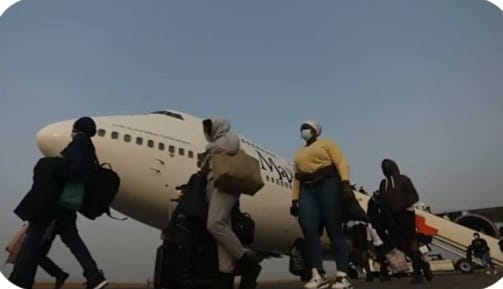
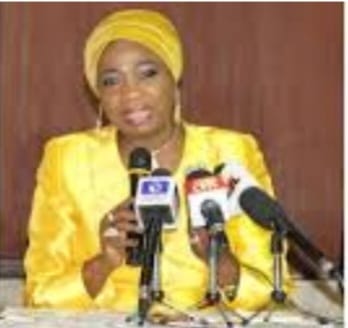
The Federal Government of Nigeria has initiated a strategic evacuation of its citizens from Iran, providing safe passage through the Republic of Armenia, as the Middle East confronts renewed waves of military tension. The operation was confirmed on Wednesday, March 11, 2026, by Hon. Abike Dabiri‑Erewa, Chairperson of the Nigerians in Diaspora Commission (NiDCOM), in a statement emphasizing that the exercise is voluntary for citizens wishing to leave Iran.
Dabiri‑Erewa highlighted that Nigerian Embassy officials in Tehran are actively coordinating with evacuees to ensure a seamless transfer to Armenia, where Nigerian diplomatic representatives are on standby to provide support. She reassured that no Nigerian citizen has been harmed to date, stressing the government’s commitment to safeguarding nationals amid volatile regional developments. “We are closely monitoring the situation and providing necessary support to all Nigerians who wish to return safely,” she stated.
The evacuation comes as Iran continues its military engagements with the United States and Israel, launching a series of missiles, drones, and strategic operations that have heightened tensions across the Gulf and extended into neighboring regions. The escalating conflict has created uncertainties for foreign nationals in the region, prompting multiple countries, including Nigeria, to activate emergency protocols for their citizens.
NiDCOM’s operations are strategically designed to balance urgency with safety, ensuring that citizens are not forced to evacuate but can leave at their discretion. The Armenian border has been identified as a secure corridor, leveraging cooperative agreements with the Armenian government to provide logistical and humanitarian assistance during transit. This collaboration underscores Nigeria’s proactive diplomatic engagement, reflecting its commitment to protecting its diaspora even in highly sensitive geopolitical environments.
Nigeria’s decision mirrors global efforts to safeguard nationals in conflict zones. For instance, India and the Philippines have recently undertaken similar evacuation measures in response to the same Middle East tensions, highlighting the shared challenges faced by countries with substantial expatriate populations in volatile regions. For Nigeria, with tens of thousands of citizens studying, working, or residing in Iran and surrounding states, the evacuation is both a humanitarian and strategic initiative.
Security analysts note that the initiative also serves to prevent potential diplomatic crises, should Nigerian citizens become caught in hostilities. By providing organized, monitored evacuation routes, Nigeria reduces the risk of casualties and ensures that its citizens maintain access to diplomatic protections and consular services throughout the process.
Dabiri‑Erewa further confirmed that NiDCOM, in collaboration with the Ministry of Foreign Affairs, is establishing emergency hotlines and information channels to keep citizens updated on transit schedules, border requirements, and safe reception points in Armenia. The government emphasizes that evacuees will receive assistance including temporary accommodation, medical support, and onward travel options back to Nigeria once conditions permit.
As the situation in the Middle East continues to evolve, Nigeria’s evacuation of its citizens from Iran represents a decisive and responsible response to protect lives while upholding its international obligations. By acting early, the government seeks to demonstrate that the welfare of Nigerians abroad is a national priority, reflecting lessons learned from previous global crises where delayed responses exacerbated risks to citizens.
This evacuation effort highlights the critical role of NiDCOM in modern Nigerian diplomacy, showcasing how proactive measures, intergovernmental collaboration, and clear communication can safeguard citizens during times of international instability, ensuring that Nigeria’s nationals are never left vulnerable in volatile regions.


-
 society6 months ago
Religion: Africa’s Oldest Weapon of Enslavement and the Forgotten Truth
-

 news3 months ago
WHO REALLY OWNS MONIEPOINT? The $290 Million Deal That Sold Nigeria’s Top Fintech to Foreign Interests
-

 society6 months ago
“You Are Never Without Help” – Pastor Gebhardt Berndt Inspires Hope Through Empower Church (Video)
-

 Business6 months ago
GTCO increases GTBank’s Paid-Up Capital to ₦504 Billion