
society
Odi: Anatomy of a Massacre.

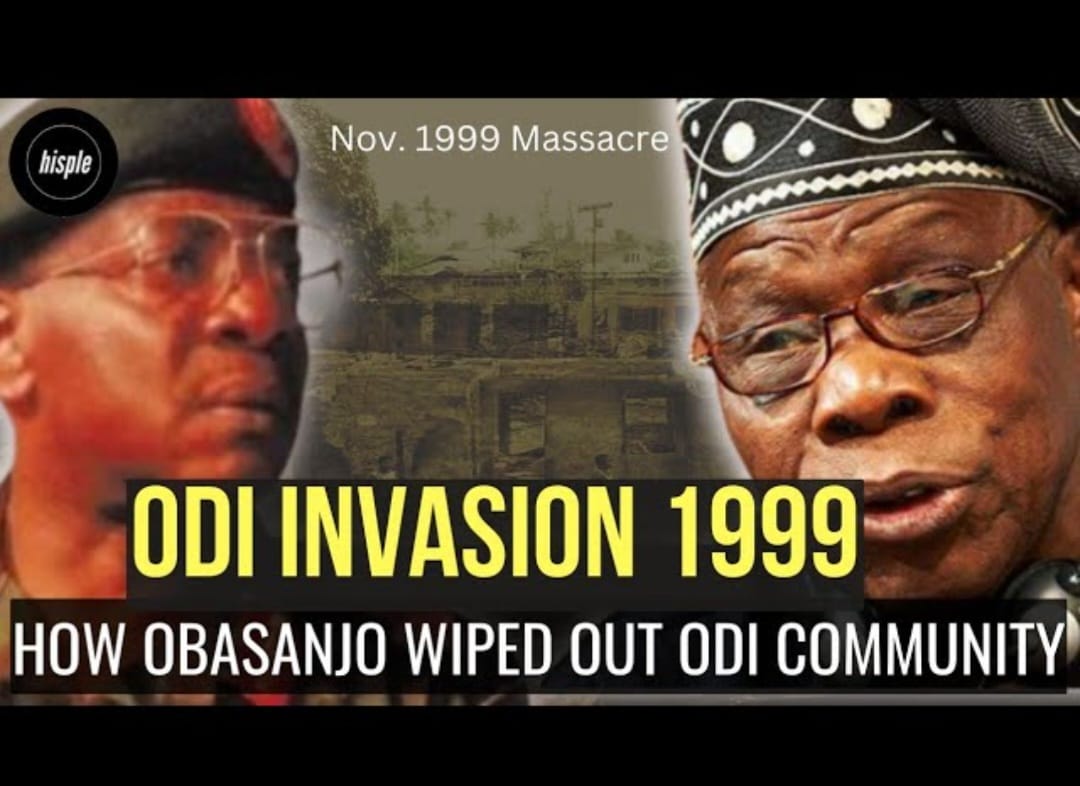
Odi: Anatomy of a Massacre.
By George Omagbemi Sylvester | Published by saharaweeklyng.com
How a Town Was Razed, Lives Erased and Justice Delayed.
On 20 November 1999 the Nigerian state executed a punishment that resembled collective vengeance more than lawful policing. The small Ijaw town of Odi, in Kolokuma/Opokuma Local Government Area of Bayelsa State, was invaded by elements of the Nigerian Armed Forces after the killing of policemen in the area. In a matter of hours soldiers razed whole neighbourhoods, drove survivors from homes and (WITNESSES, HUMAN-RIGHTS INVESTIGATORS and CIVIL SOCIETY WOULD LATER CONCLUDE) killed scores, perhaps hundreds, of unarmed civilians. What happened in Odi was not the chaotic excess of a firefight but a punitive operation with consequences that still HEMORRHAGE through the Niger Delta’s memory and politics.
The immediate provocation was gruesome: in early November 1999 an armed group killed a number of policemen (INITIAL ACCOUNTS MOST COMMONLY RECORD 12). The federal government, under President Olusegun Obasanjo, demanded swift action and publicly warned state authorities to apprehend the perpetrators. Within weeks, soldiers were deployed to Odi. According to a meticulous Human Rights Watch investigation, troops engaged in a brief exchange of fire with young men alleged to have killed police officers and then proceeded to raze the town—burning houses and markets, destroying property and, according to multiple eyewitness accounts, shooting civilians.
Human-rights organisations that visited Odi in the weeks that followed produced chilling findings. Human Rights Watch concluded that “the soldiers must certainly have killed tens of unarmed civilians and that figures of several hundred dead are entirely possible.” Amnesty International described large-scale killings in Odi as part of a pattern of reprisal operations by security forces across the Niger Delta and warned that such actions “CAN ONLY BE DESCRIBED AS A KILLING SPREE.” Those words matter: they move the event from a contested battlefield incident into the territory of extrajudicial atrocity.
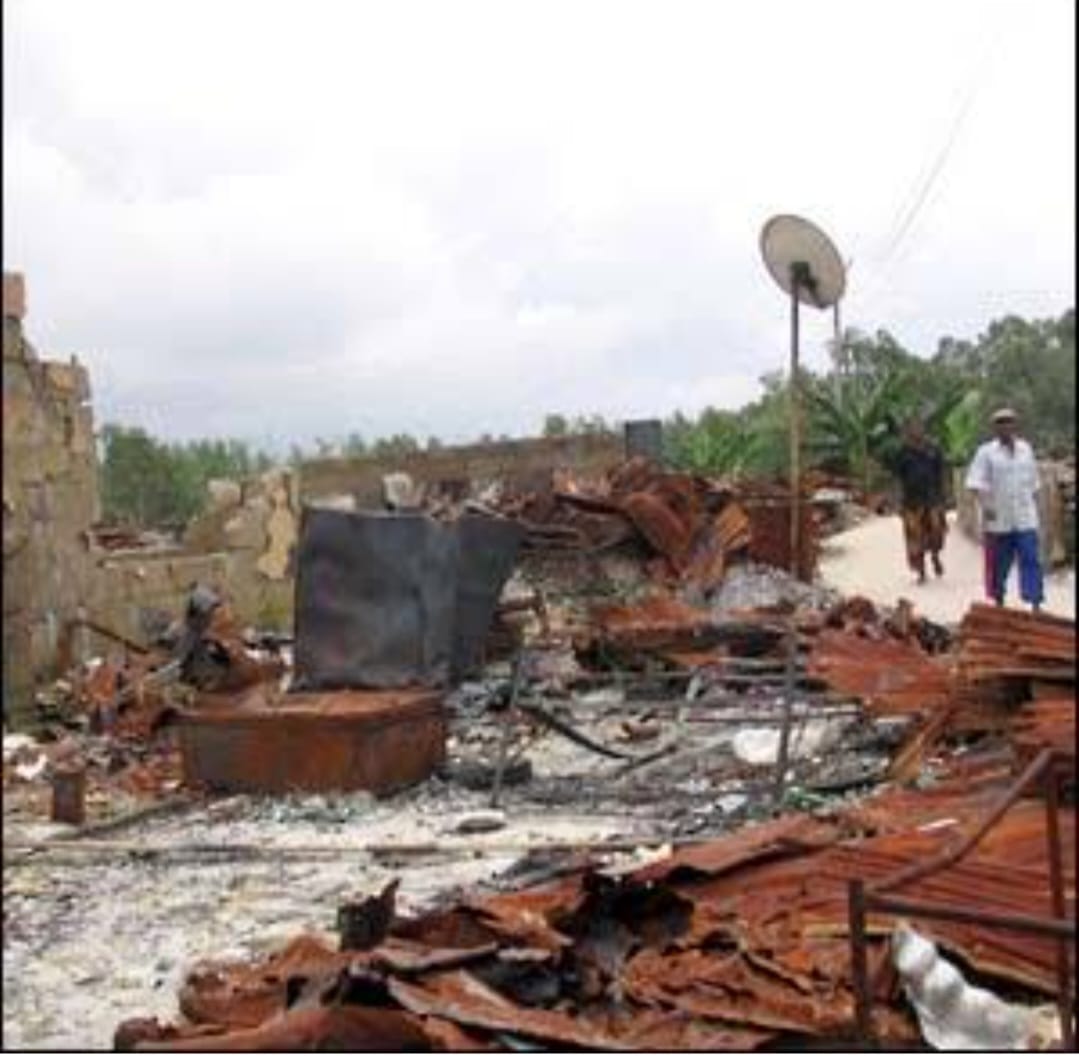
Estimates of the death toll remain contested and politically charged. Official figures released in the aftermath were tiny (reportedly in the dozens) while local leaders, activists and some environmental and human-rights campaigners have given far higher numbers. Veteran environmental activist Nnimmo Bassey has claimed that nearly 2,500 civilians died; Human Rights Watch considered “SEVERAL HUNDRED” a plausible range based on interviews and ON-THE-GROUND OBSERVATION. The divergence of these figures is not a trivial statistical quarrel: it is a symptom of the opacity that cloaked state action, the absence of credible independent inquiry at the time and the subsequent failure to account publicly for the scale of violence inflicted on a civilian population.
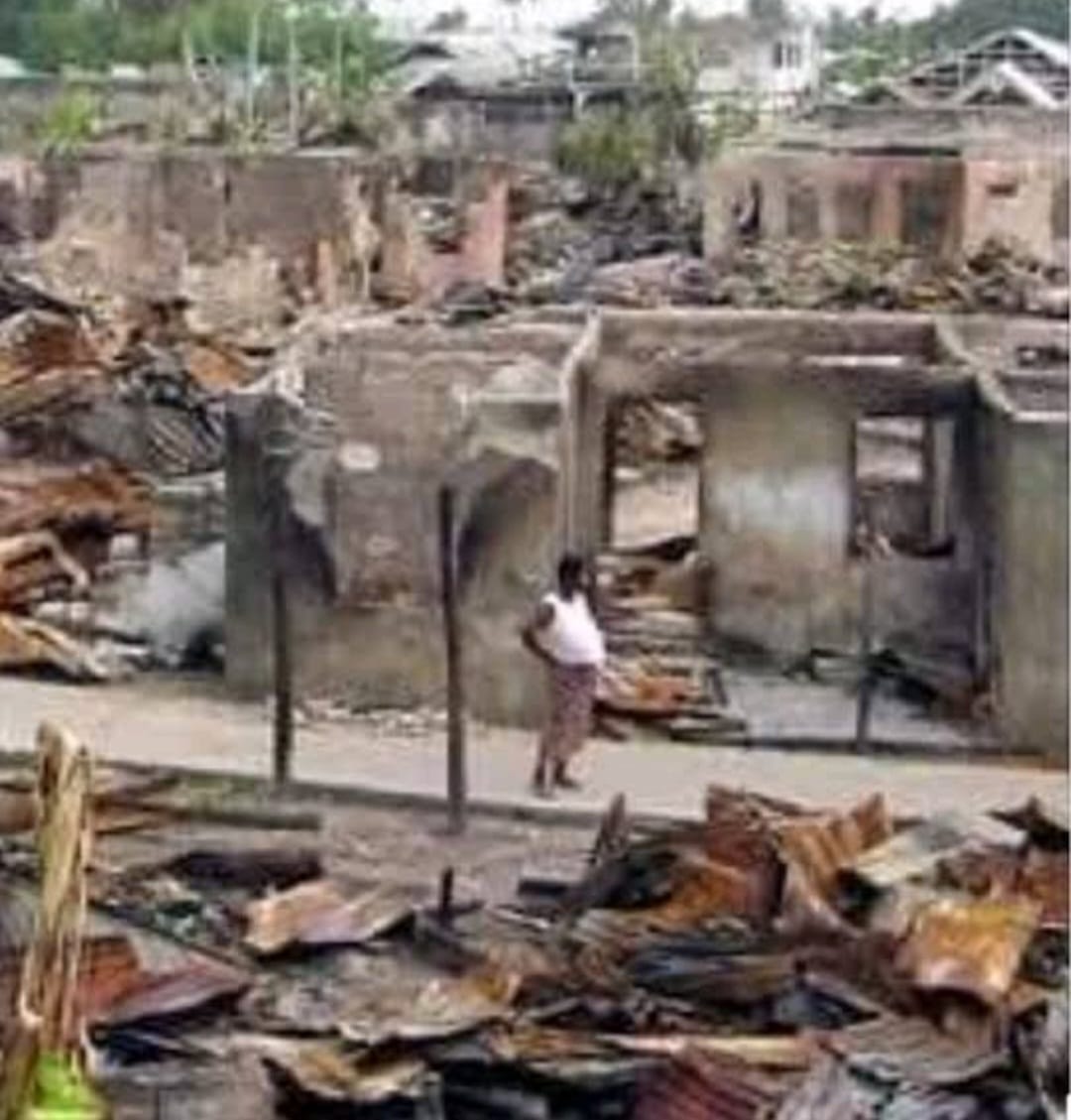
Beyond deaths, the qualitative testimony from survivors is devastating and consistent: entire compounds were set ablaze, shops and boats destroyed and families plunged into sudden, permanent displacement. The Human Rights Watch report also documented allegations of sexual violence in nearby locations and recounted how access for journalists and human-rights observers was restricted; an obstruction that compounded the difficulty of independent verification and allowed impunity to calcify. The imagery of Odi (smouldering roofs, gutted houses, children made homeless) became for many a symbol of the Nigerian state’s willingness to use overwhelming force against its own citizens rather than pursue accountable law enforcement.
Years later the Nigerian courts provided a measure of juridical recognition of the harm done. In February 2013 a Federal High Court in Port Harcourt ordered the Federal Government to pay N37.6 billion in compensation to the people of Odi for the destruction of lives and property during the 1999 invasion. The judgment condemned the government for brazen violations of the victims rights to life, movement and property. That ruling was a formal acknowledgement that something grievously wrong had occurred and that the state bore responsibility. Yet even that legal breakthrough was followed by delay, partial payment and controversy: the government later negotiated an OUT-OF-COURT SETTLEMENT and paid N15 billion, a figure the community and observers regarded as inadequate relative to the court award and to the scale of loss.
Why Odi matters today is not only a matter of historical memory. The massacre sits at the intersection of three abiding pathologies in the Niger Delta and in Nigerian governance: RESOURCE PREDATION, MILITARIZED responses to social unrest, and the ritual of impunity. The Delta’s oil wealth has created both ENORMOUS NATIONAL REVENUE and LOCAL EXCLUSION; when communities demand accountability or protest environmental ruin, the response too often has been securitisation rather than DIALOGUE. Where policing fails or is seen to fail, the military’s intervention (ostensibly to restore order) has been used in ways that punish whole communities for the crimes of a few. Odi is an emblem of that pattern.
Scholars and activists have framed Odi not as an aberration but as a flashpoint in a broader crisis. Human-rights groups warned at the time that unchecked military reprisals would deepen grievances, spur cycles of revenge and radicalise parts of a region already suffering environmental collapse and economic marginalisation. That prediction proved accurate: the years after Odi saw the escalation of militant, criminal and protest activity in the Delta, including attacks on pipelines, kidnapping for ransom and the rise of organised militant groups; responses that have cost lives, damaged Nigeria’s oil economy and made a stable political settlement more remote.
What, then, is justice in the Odi story? A court order and a monetary settlement address part of the harm, but they do not RESTORE LOST LIVES, return the DEAD or compensate the LONG TAIL of social and psychological damage. Justice would also require transparent criminal investigations and prosecutions of those who gave and carried out unlawful orders, full reparations that are community-led and accountable, memorialisation that affirms the victims dignity, and institutional reforms to prevent recurrence. Human-rights organisations in 1999 urged such reforms; fourteen years later the court’s verdict validated the claim that the state had violated rights and owed redress. Yet the state’s partial payment and the absence of robust accountability for perpetrators have left a scar that official rhetoric cannot heal.
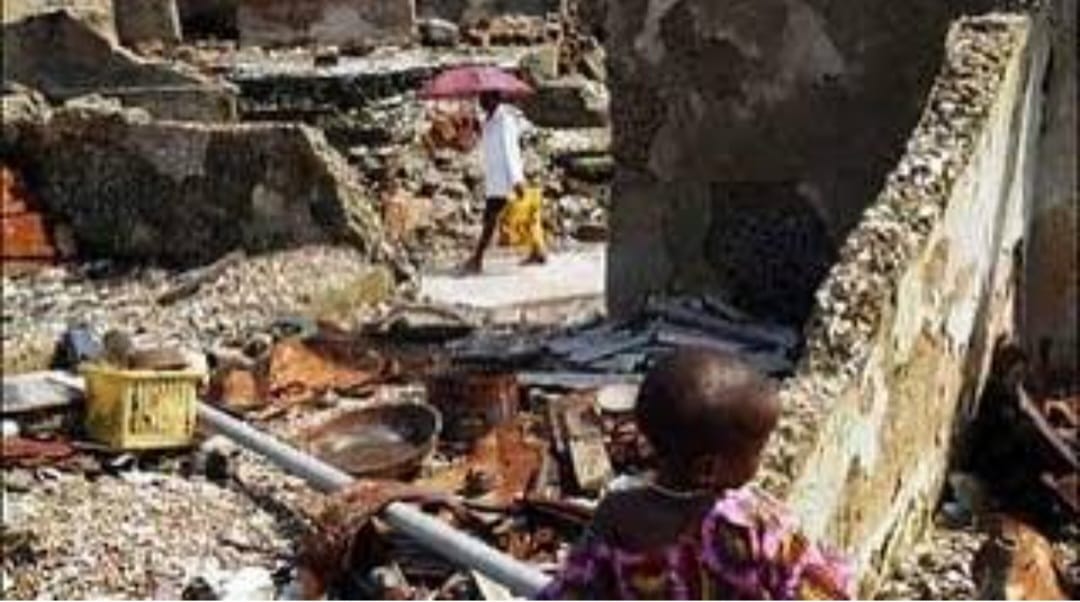
Odi’s lesson is blunt and uncomfortable: a democratic government that tolerates or obscures large-scale abuses by its security forces weakens the moral and legal foundations of democracy itself. If citizens (especially the poorest and most marginalised) are treated as dispensable, the social contract frays. The Niger Delta’s continued restiveness is a reminder that neither oil nor court rulings alone will buy peace; political inclusion, genuine development and institutions that answer to law are indispensable. As Human Rights Watch warned at the turn of the century: unchecked reprisals encourage further abuses and radical responses.
The memory of Odi persists in SONG, POETRY and TESTIMONY; it is invoked by activists demanding accountability and by families who still live with the aftermath. True closure requires more than commemoration: it requires a commitment from the Nigerian state to truth, accountability and systemic reform. The court’s 2013 judgment was a step—but steps without direction are merely gestures. The people of Odi deserve the full measure of justice: reckoning with what happened, prosecutions where warranted, truthful public record and reparations that rebuild the physical and moral fabric of the community. Anything less would be a betrayal of democracy and a testament to a brutality we pretended to have outgrown.
As we remember Odi, we must demand that the state confront its past. It is not enough to pay a portion of a judgment or to tuck atrocity into legalese and move on. If Nigeria is to be a nation that protects its citizens, it must be willing to investigate the crimes committed in its name—and punish them without favour. Only then will Odi’s burned houses and silenced families be honoured by more than memory: they will be honoured by the knowledge that the state learned, changed and guarded the sanctity of every civilian life.








society
Stakeholders Seek Urgent Reforms to Tackle Youth Unemployment at disrupTED EduKate Africa Summit

Stakeholders Seek Urgent Reforms to Tackle Youth Unemployment at disrupTED EduKate Africa Summit
By Ifeoma Ikem
Stakeholders in Nigeria’s education sector have called for urgent and scalable solutions to address the rising rate of youth unemployment, stressing the need for strengthened technical education and increased collaboration with the private sector to bridge existing skills gaps.
The call was made at the disrupTED EduKate Africa Summit 2026, a one-day leadership forum held at the University of Lagos, where participants examined the growing disconnect between education outcomes and labour market demands.
The summit brought together education leaders, private sector operators and development advocates to promote adaptive learning, practical skills acquisition and innovative financing models for Africa’s education sector.
Experts at the summit strongly advocated increased investment in technical and vocational education, noting that training programmes must reflect current industry realities and evolving labour market needs.
Speakers emphasised that Nigeria’s education system, particularly at the tertiary level, must urgently shift from certificate-driven learning to skills-based and experiential education aligned with global best practices.
Among the speakers were Deby Okoh, Regional Manager at Brunel University of London; Ashley Immanuel, Chief Operating Officer of Semicolon; Olapeju Ibekwe, Chief Executive Officer of Sterling One Foundation; and education advocate, Adetomi Soyinka.
The speakers highlighted the importance of continuous learning, teacher retraining and comprehensive curriculum reform to meet the demands of an increasingly technology-driven global economy.
They stressed that apprenticeship programmes, internships and hands-on training should be fully integrated into academic curricula, noting that over-reliance on theoretical qualifications has widened the employability gap among graduates.
In his remarks, Mr Tosin Adebisi, Director of EduKate Africa and convener of the summit, said the event was designed to challenge what he described as the education sector’s rigid attachment to outdated methods.
Adebisi said innovation must remain central to education reform, adding that stakeholders must rethink teaching methods, learning processes and approaches to solving challenges such as access to education, financing and employability.
He expressed confidence that sustainable solutions could be achieved through strong collaboration across education, private sector and development institutions.
Adebisi, alongside co-Director Mr Francis Omorojie, said the summit aimed at connecting stakeholders working across sectors to close existing skills and opportunity gaps for young people.
The summit also urged parents and educators to promote lifelong learning, critical thinking and adaptability among young people, stressing that education systems must evolve in line with global economic trends.
No fewer than 200 students from the University of Lagos, Lagos State University, Ojo, and other institutions participated in the summit, which was initially expected to host the Minister of Education, Dr Tunji Alausa.
In a welcome address, Prof. Olufemi Oloyede of the University of Lagos emphasised the need to shape young minds through innovation and positive thinking, noting that Africa’s development depends on the strategic use of its human and natural resources, as well as a shift towards creativity and innovation among youths.

Turning Point: Dr. Chris Okafor Resumes with Fresh Fire of the Spirit
-Steps onto the Grace Nation Pulpit After a Month-Long Honeymoon Retreat with Renewed Supernatural Power
By Sunday Adeyemi
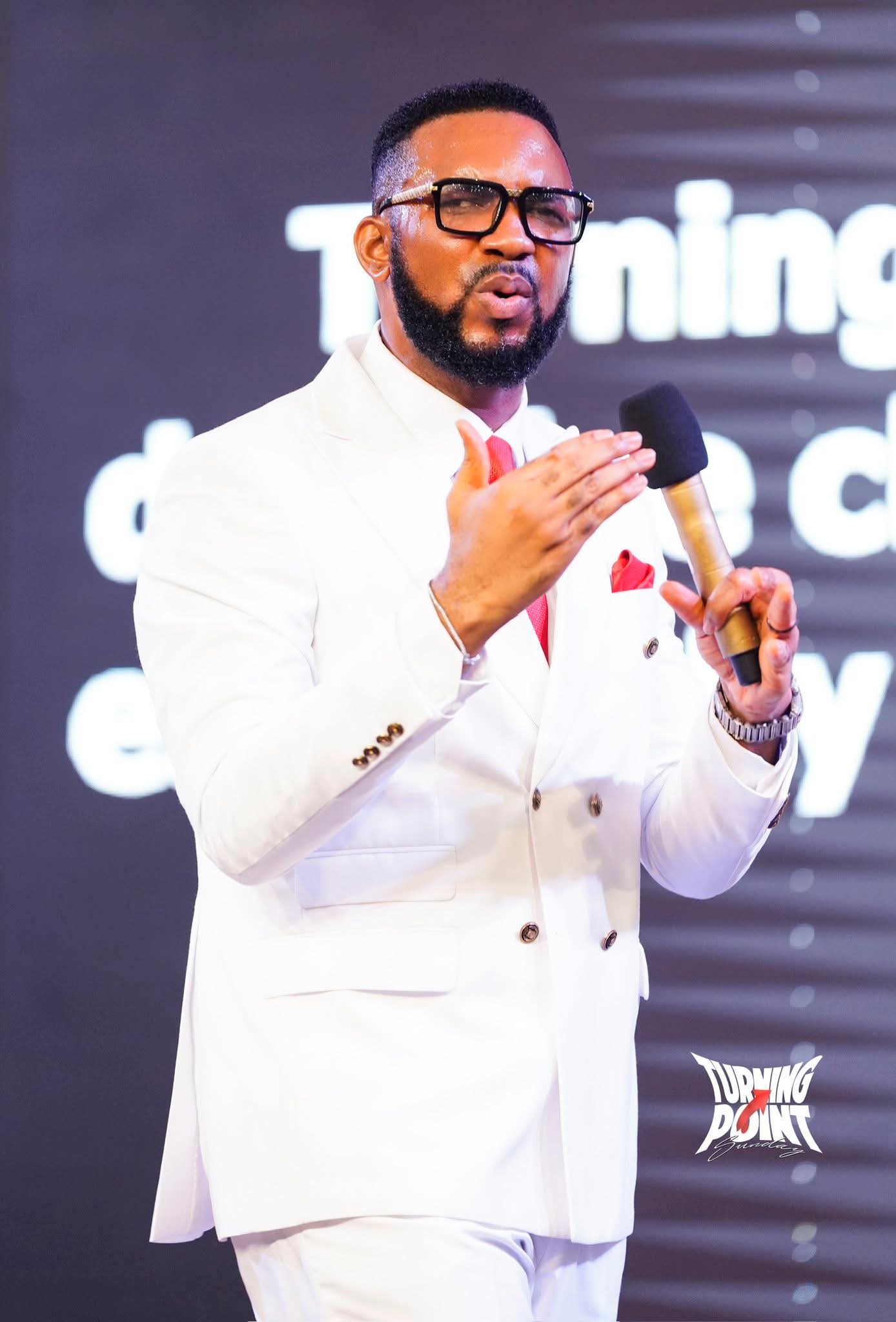
The much-anticipated February 1, 2026 “Turning Point” service of Grace Nation has come and gone, but its impact remains deeply etched in the hearts of Grace Nation citizens across the world. The significance of the day was unmistakable—it marked the official return of the Generational Prophet of God and Senior Pastor of Grace Nation Global, Dr. Chris Okafor, to active ministerial duty as the Set Man of the commission.
The date was particularly symbolic, as Dr. Okafor had taken close to one month away from the pulpit following his wedding late last year. The period served not only as a honeymoon but also as a season of rest, reflection, and intimate fellowship with God in preparation for a greater spiritual assignment ahead.
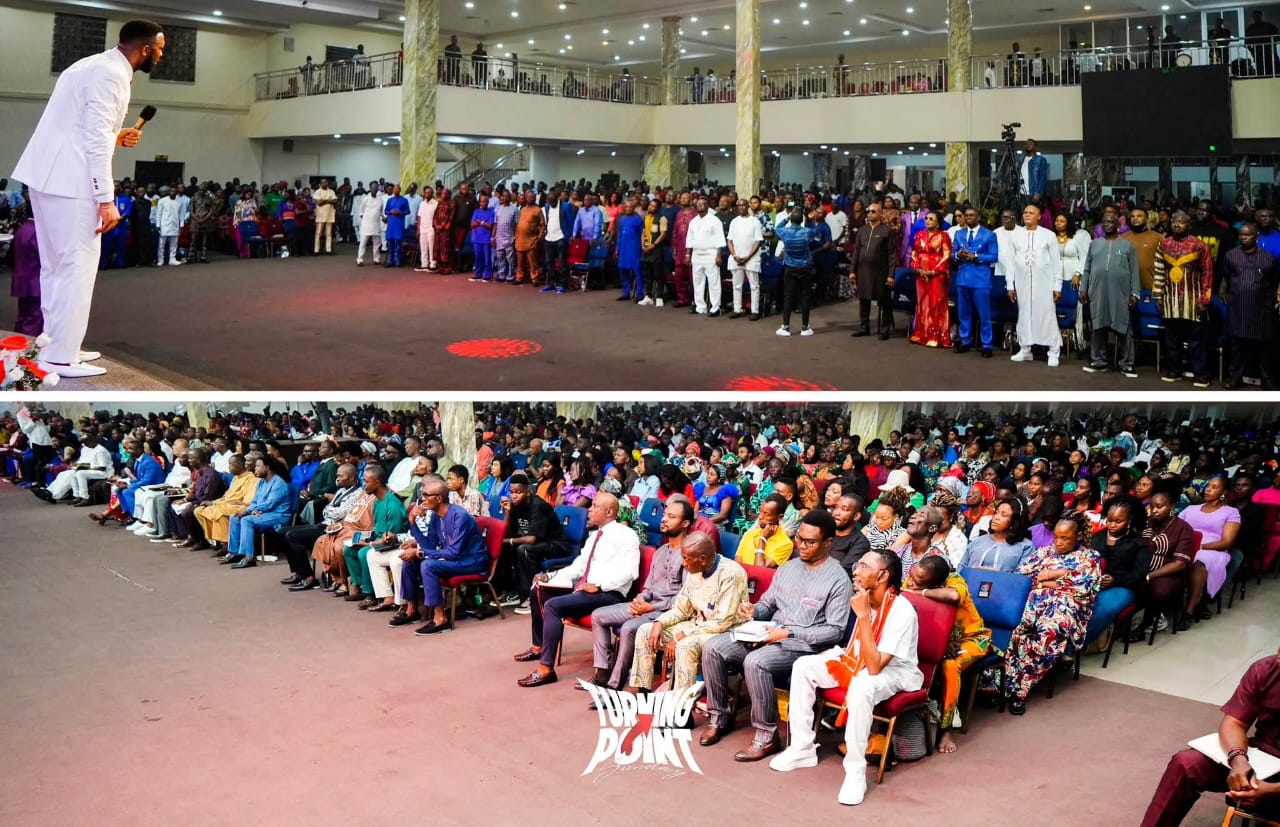
The atmosphere at Grace Nation was electric as the Generational Prophet and his wife were received with a heroic welcome, accompanied by prophetic praise, joyful dancing, and fervent prayers. It was a celebration of return, renewal, and readiness.
In his opening remarks, Dr. Chris Okafor declared that he had returned to fully pursue the mandate God entrusted to him—winning souls for the Kingdom of God. He issued a strong warning to the kingdom of darkness, stating that light and darkness cannot coexist. According to him, the season ahead would witness intensified spiritual engagement, as the Kingdom of God advances and the forces of darkness lose ground.
“This time,” the Generational Prophet affirmed, “it will be total displacement of darkness, as the light of God shines brighter than ever.”
The Message: Turning Point
Delivering a powerful sermon titled “Turning Point,” Dr. Okafor explained that a turning point is defined as a moment when a decisive and beneficial change occurs in a situation. He emphasized that such moments are often preceded by battles.
According to him, battles do not necessarily arise because one is doing wrong, but because God desires to reveal His power and teach vital lessons through them. Every genuine battle, he noted, carries divine involvement and purpose.
Addressing the question “Why must I fight a battle?” Dr. Okafor explained that individuals who carry extraordinary grace often encounter greater challenges. “When you carry what others do not carry,” he said, “the battles that come your way are usually bigger.”
Characteristics of a Turning Point
The Generational Prophet highlighted that when a person is firmly rooted in God, no storm can uproot them. A strong spiritual foundation ensures that no battle can shake one’s destiny. He explained that prayer does not eliminate battles, but preparation through prayer guarantees victory on the evil day.
“Battles push you into your turning point when you are rooted in the Spirit,” he stated, adding that a prayerful life is essential for sustained victory and elevation.
A Supernatural Service
The Turning Point service witnessed an extraordinary move of the Holy Spirit in a fresh dimension. Deliverance, healings, miracles, restoration, and diverse testimonies filled the atmosphere as worshippers encountered the power of God during the Sunday service.
In a related development, Dr. Chris Okafor officially commissioned the ultra-modern church restaurant, Fourthman Foodies, dedicating it to God for the benefit and use of Grace Nation citizens worldwide.
The February 1 service has since been described by many as a defining moment—one that signals a new spiritual season for Grace Nation Global. https://www.facebook.com/share/v/1B2Eh6B6wo/
Sunday Adeyemi is a Lagos-based journalist and society writer. He writes from Lagos.

Adron Homes Hails Ondo State at 50, Celebrates Legacy of Excellence
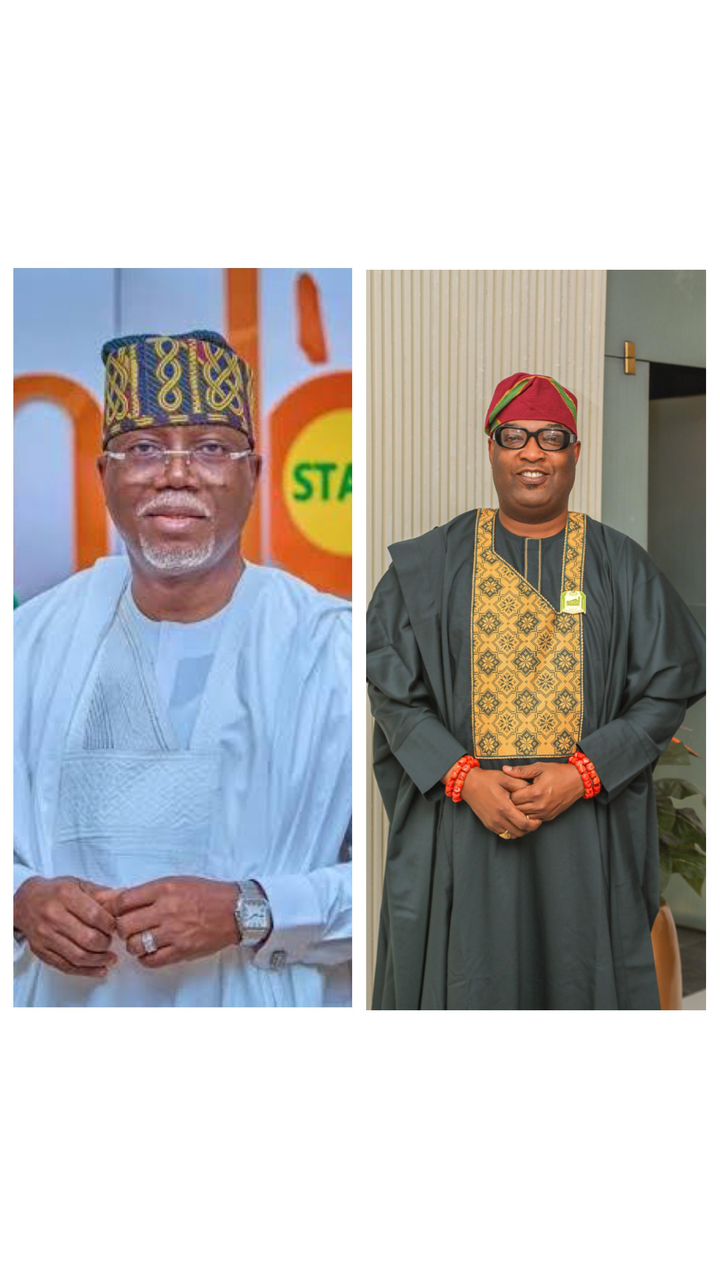
The Chairman, Board of Directors, Management, and staff of Adron Group have congratulated the Government and people of Ondo State on the celebration of its 50th anniversary, describing the milestone as a significant chapter in Nigeria’s federal history and a testament to visionary leadership, resilience, and purposeful development.
In a goodwill message issued to commemorate the Golden Jubilee, Adron Group noted that since its creation in 1976, Ondo State has consistently distinguished itself as a centre of honour, intellect, and enterprise. Fondly referred to as The Sunshine State, the state has produced generations of outstanding professionals, administrators, and national leaders whose contributions continue to shape Nigeria’s socio-economic and political development.
According to the company, the strength of Ondo State lies not only in its rich cultural heritage and intellectual depth, but also in the values of integrity, diligence, and excellence that define its people. These qualities, Adron noted, have remained the bedrock of the state’s enduring relevance and national impact over the past five decades.
Adron Group further commended the state’s renewed drive in recent years towards infrastructure development, economic diversification, industrial growth, and youth empowerment, describing these initiatives as indicators of a forward-looking, inclusive development agenda anchored in sustainability and long-term prosperity.
“As a corporate organisation committed to nation-building and sustainable development, Adron Group recognises Ondo State as a strategic partner in progress,” the statement read. “We commend His Excellency, Lucky Orimisan Aiyedatiwa, Executive Governor of Ondo State, and the leadership of the state at all levels for their dedication to public service and their commitment to the advancement of the people.”
As Ondo State marks its Golden Jubilee, Adron Group joined millions of well-wishers in celebrating a legacy of excellence, strength of character, and promise, while expressing optimism that the next fifty years will usher in greater milestones in economic vitality, social advancement, innovation, and enduring peace.
The company concluded by wishing the Government and people of Ondo State continued progress and prosperity, adding that the Sunshine State remains well-positioned to shine even brighter in the years ahead.


-

 celebrity radar - gossips6 months ago
Why Babangida’s Hilltop Home Became Nigeria’s Political “Mecca”
-

 society6 months ago
Power is a Loan, Not a Possession: The Sacred Duty of Planting People
-

 Business6 months ago
Batsumi Travel CEO Lisa Sebogodi Wins Prestigious Africa Travel 100 Women Award
-

 news6 months ago
THE APPOINTMENT OF WASIU AYINDE BY THE FEDERAL GOVERNMENT AS AN AMBASSADOR SOUNDS EMBARRASSING