
society
From Confrontation to Commendation and When Forgiveness Becomes Diplomacy — Why Omokri Calls Tinubu “Christ-like”

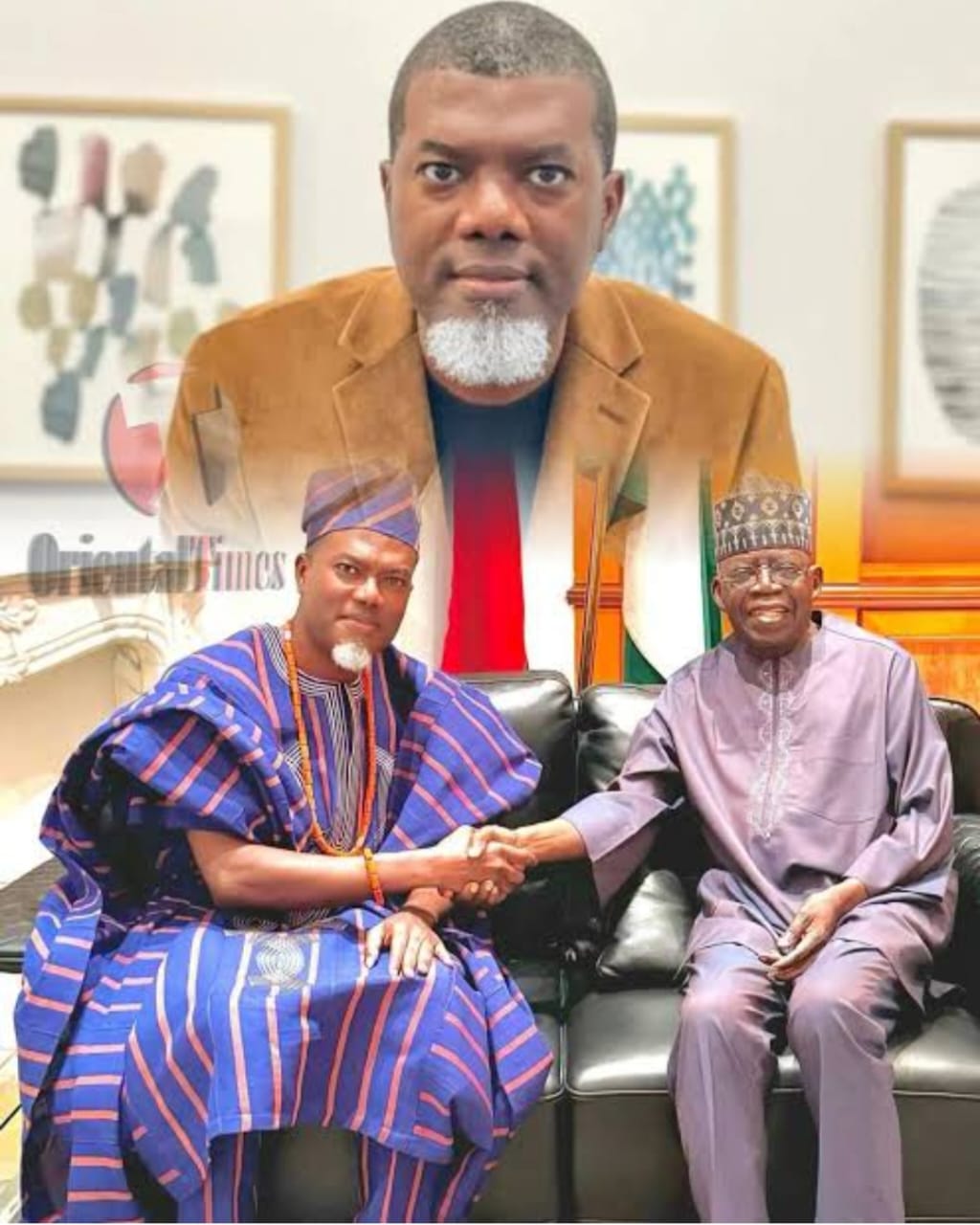
From Confrontation to Commendation and When Forgiveness Becomes Diplomacy — Why Omokri Calls Tinubu “Christ-like”.
By George Omagbemi Sylvester | SaharaWeeklyNG.com
“What Reno Omokri’s Nomination Reveals About Nigeria’s Political Redemption Narrative.”
The recent nomination of Reno Omokri as one of 32 AMBASSADOR-DESIGNATES by Bola Ahmed Tinubu has sparked a torrent of reactions. For many, it is seen as a grand political turn. For others, it is an affront to DIPLOMATIC DECORUM. Though in a stirring statement, Omokri (once a trenchant critic of Tinubu) offered gratitude; more strikingly, he described the president as “CHRIST-LIKE,” arguing that his selection had revealed a deeper lesson about forgiveness, patriotism and national unity.
This essay delves into that transformation: the SYMBOLIC, POLITICAL, MORAL and THEOLOGICAL DIMENSIONS of what it means for a former critic to invoke CHRISTLIKENESS in a man he once assailed. In doing so, it explores the broader implications for LEADERSHIP, REDEMPTION and NATIONAL IDENTITY in NIGERIA.
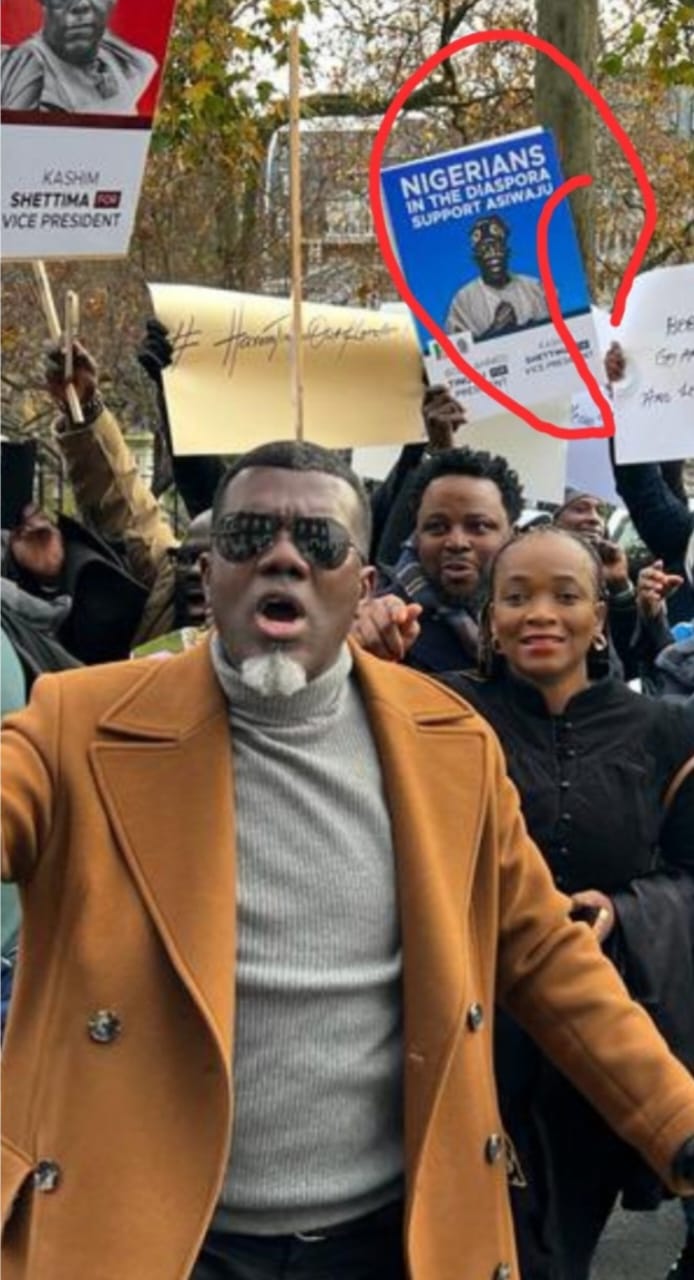
From Firebrand Critic to Grateful Nominee: The Background Reno Omokri’s elevation to the list of AMBASSADOR-NOMINEES is remarkable; not simply because of the prestige attached to diplomatic office, but because of the man’s journey. Until recently, Omokri was among the most VOCIFEROUS CRITICS of President Tinubu. In one infamous episode, he publicly labelled Tinubu a “DRUG-BARON,” deriding the then-governor as unfit for office.
Political allegiances notwithstanding, that level of animus usually disqualifies one from being considered for high-level governmental appointments. Indeed, some voices within the ruling party itself had earlier condemned the possibility of nominating Omokri, arguing that such a move would erode “the integrity of governance.”
Yet now, in what many interpret as a dramatic turnaround, Omokri not only accepts the nomination but embraces it with open praise. He publicly thanked Tinubu, invoking God, his parents, and his wife; yet it is his theological framing that stands out: stating that Tinubu “has taught me the meaning of forgiveness and has helped me better understand what patriotism entails,” and concluding, “In short, Christlikeness is demonstrated in him.”
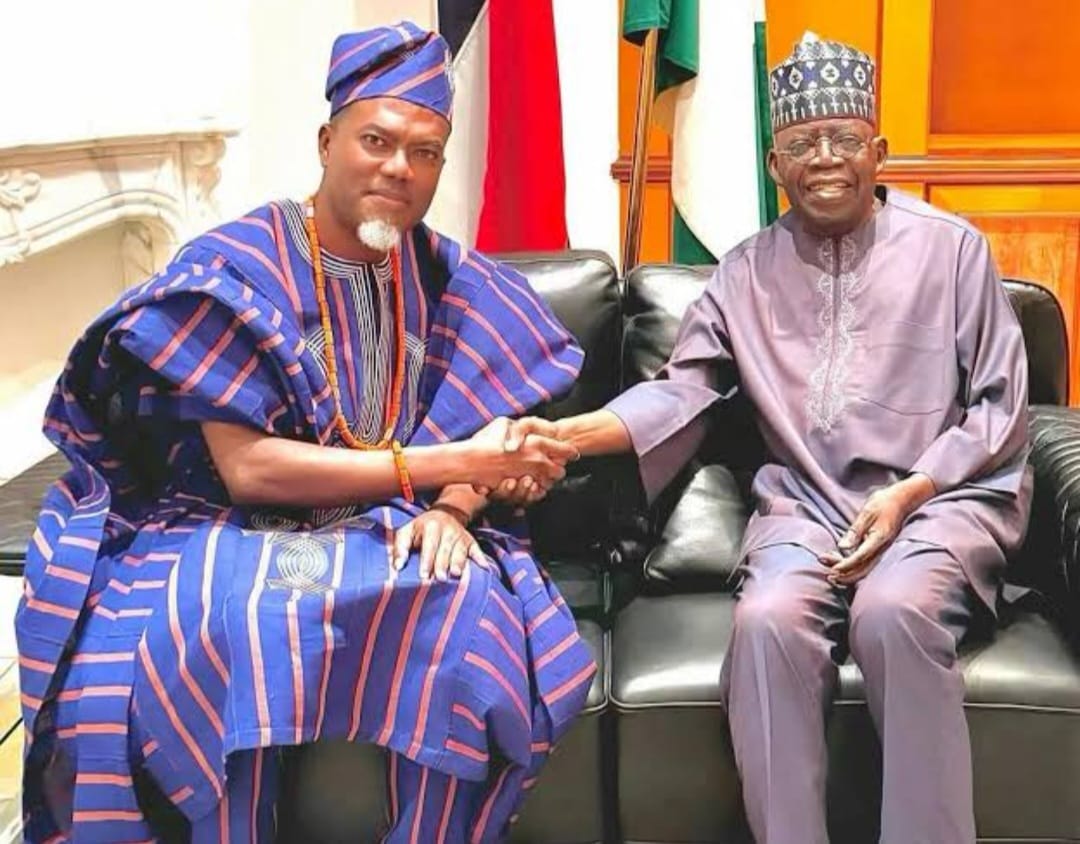
For some, this is REDEMPTION; for others, it is CYNICISM. The stark contrast between his past and present posture raises fundamental questions about the SINCERITY, SYMBOLISM and stakes of reconciliation in Nigerian politics.
Why “CHRISTLIKENESS”? The Moral and Symbolic Weight Invoking “CHRISTLIKENESS” is not a casual compliment. Within the Judeo-Christian heritage that shapes much of Nigeria’s moral and cultural discourse, to call someone “Christ-like” is to attribute to them the qualities of MERCY, FORGIVENESS, HUMILITY, SERVICE and SACRIFICIAL LEADERSHIP. It evokes the highest model of moral behavior rooted in SELF-GIVING, RECONCILIATION and TRANSFORMATIVE GRACE.
By describing Tinubu in that light, Omokri is making a bold (and, if sincere, profound) claim: that the president embodied virtues often absent in political leadership. Forgiveness, in particular, has been central to Omokri’s framing. He said the president “taught me the meaning of forgiveness” not merely as a personal virtue, but as an act of leadership.
This reframing resonates with biblical and Christian ethical teachings. As Christian scholar N. T. Wright once wrote in his theological reflections, “Forgiveness is the cost of true freedom and the foundation of every lasting reconciliation.” For Omokri, therefore, accepting the nomination is not just a political transaction; it is a testament to a transformation of heart and mind.
Furthermore, by equating Christlikeness with the readiness and suitability for diplomatic office (“the right man, at the right time, for the right job”) Omokri elevates the role of ambassador beyond mere representation. He suggests that diplomacy requires not just political acumen or loyalty, but moral gravitas and spiritual maturity.
Leadership, Redemption & National Healing: The Political Stakes. Why does this matter for Nigeria? The country (fractured along ethnic, religious, economic and political lines) is in desperate need of gestures of unity and reconciliation. A high-profile conversion from “CRITIC” to “SERVANT of STATE” carries symbolic weight. It sends the message that political rivalries can yield mature reconciliation; that past criticisms can pave the way for collaboration; and that personal enmities are not immutable.
If sincere, Omokri’s acceptance and framing could mark a new paradigm: one where public service is not just a reward for loyalty, but an opportunity for demonstration of character, humility and national commitment. The spiritual overtones might resonate with many Nigerians, giving the administration a semblance of moral rebranding.
Yet this is not uncontested. Critics (such as Ohanaeze Youth Council and Ìgbìnmó Májékóbájé Ilé‑Yorùbá) have denounced the nomination, arguing that someone with Omokri’s past inflammatory statements lacks the moral credibility appropriate for representing Nigeria abroad.
They warn that confirming his nomination would amount to validating his earlier denunciations of the president (including a remark painting Tinubu as a “DRUG LORD”) effectively elevating those previously unproven allegations to the status of vindicated claims.
So the question becomes: is this nomination a genuine act of national reconciliation, or a transactional move cloaked in theological rhetoric?
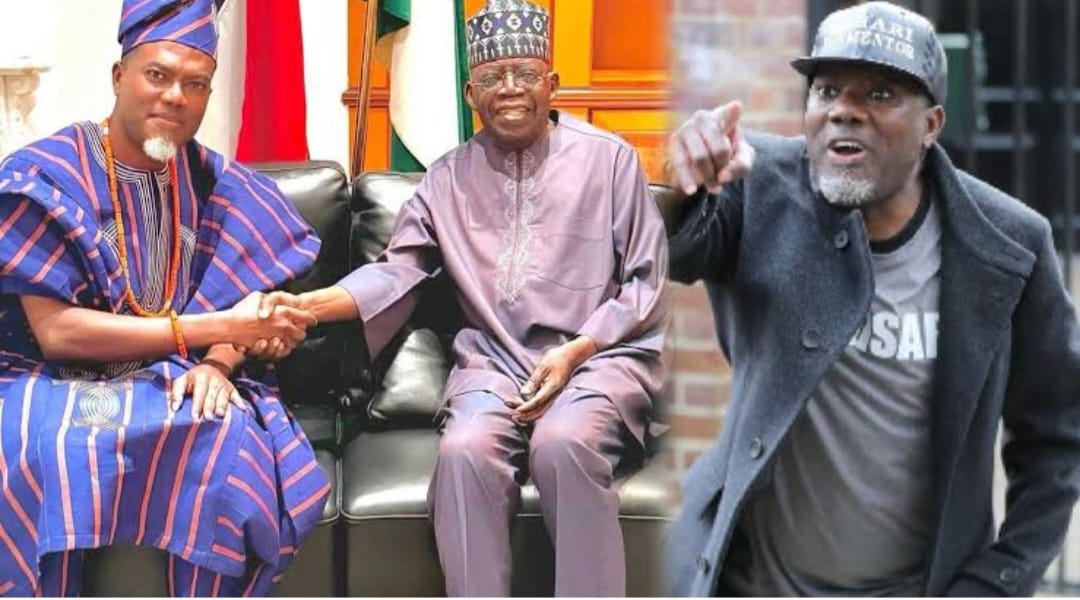
On Forgiveness and Redemption. What Scholars Say: The theme of political forgiveness is not novel. Political theorist Martha Minow, in her seminal work Between Vengeance and Forgiveness, argues that in societies marred by conflict and polarization, forgiveness offers a pathway to rebuild civic trust but provided it is rooted not in OBLIVION or AMNESIA, but in ACKNOWLEDGMENT and TRANSFORMATION.
Similarly, theologian Desmond Tutu emphasized that “without forgiveness there is no future,” and that healing (whether personal or national) demands a willingness to release the past without forgetting it.
If we view Omokri’s acceptance through this lens, his public profession of gratitude and humility may (potentially) be a step toward national healing, rather than mere opportunism. By acknowledging past divisions and embracing a new role in service of Nigeria, he may be embodying what Minow calls “restorative justice” in the political realm.
Yet Minow and other scholars caution that forgiveness must not mean impunity. It must be accompanied by accountability, transparency and evidence of change. For a diplomatic representative, that especially matters is because an ambassador does not only echo the sentiments of the appointing administration; he becomes the face of the nation abroad.
Thus, while the theology of redemption provides moral weight, the politics of reputation and public trust demand rigorous vetting.
What This Means for Nigeria And What to Watch. A Test of Sincerity: The true gauge of Omokri’s transformation will not be in statements or press releases, but in performance. As ambassador (should he be confirmed), his conduct, professionalism and consistency will reveal whether his “CHRISTLIKENESS” was symbolic poeticism or genuine spiritual renewal.
Diplomacy Beyond Politics: If embraced by the Senate and accepted by Nigerians, his nomination may signal a shift from rewarding loyalty or political convenience, to rewarding moral transformation. That would elevate diplomatic service beyond patronage.
Risk of Backlash: But for many Nigerians (particularly those who suffered under contentious politics) this gesture may appear hollow: a cynical reward for a former critic. Civil society groups have already warned that his confirmation may taint Nigeria’s international image.
Symbolism vs Substance: The contrast between Omokri’s past and present offers a powerful symbolic narrative and one of reconciliation, humility and redemption. Yet symbolism must be matched with substance. Without consistent behavior and ethical diplomacy, the label of “CHRISTLIKENESS” risks becoming hollow branding.
Opportunity for National Healing: In a country where political divisions often turn toxic, moments like this (genuine or otherwise) represent opportunities for unity, introspection and rebuilding trust. If handled with integrity, they could pave the way for a new kind of political engagement rooted in character, forgiveness and shared national purpose.
Closing Thoughts— Redemption, Governance, and the Burden of Representation
Reno Omokri’s public declaration (that Christlikeness is demonstrated in President Tinubu) is more than an act of gratitude. It is a bold moral judgment, a theological statement and a political gambit. In an environment where Nigerian politics is often defined by rivalry, suspicion and retribution, such framing appeals to something deeper: to moral reconciliation, national unity and redemptive politics.
Whether this moment marks a genuine metamorphosis (or a pragmatic repositioning) remains to be seen. What is certain is that Nigeria is watching. In Omokri’s acceptance, in the Senate’s deliberation and in the public verdict, lies a broader question: CAN A NATION BUILT ON FRAGMENTATION EVER HEAL THROUGH INDIVIDUAL ACTS OF FORGIVENESS AND SYMBOLIC CONVERSION?
If so, this ambassadorial nomination could become more than a personal prize, it could become a test case for whether Nigeria can embrace redemption, not only as a theological ideal, but as a foundational principle of governance and national identity.
George Omagbemi Sylvester is a political commentator and writer. SaharaWeeklyNG.com is committed to in-depth analysis, fearless commentary, and sober reflection on the matters shaping Nigeria’s destiny.





NAWOJ: SEKINAT, CHARITY GETS VOTE OF CONFIDENCE
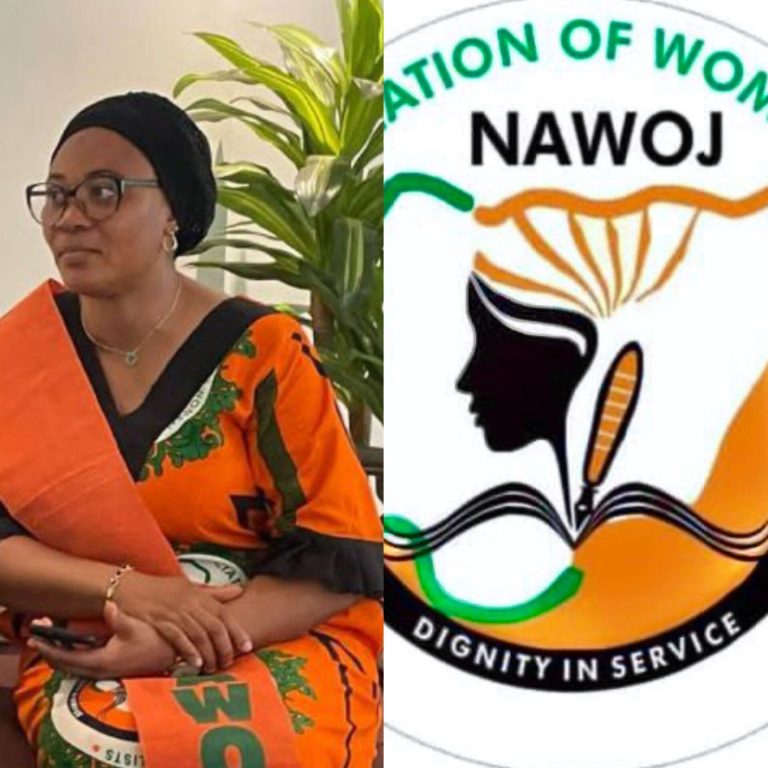
The Nigeria Association of Women Journalists,(NAWOJ), Ogun State Chapter Executives has unanimously passed a vote of confidence on Chairman NAWOJ SEKINAT Salam and the Financial Secretary, Charity James, saying that, their leadership reflect the ideal and objectives of NAWOJ.
This was revealed in a communique issued at an Emergency meeting of the Executive held at the NUJ State Council, Iwe-Iroyin in Abeokuta.
The vote of confidence on the Leadership of NAWOJ was unanimously signed by all the five executive members that attended the meeting with the vice chairperson taking apology for official engagement outside the state capital.
According to the communique ” Consequently, NAWOJ Ogun State Chapter, reaffirms it’s unwavering support and confidence in the Chairperson and the Financial Secretary, Sekinat Salam and Charity James respectively, Urge them to continue in their commitment to purposeful leadership in the best interest of the association and the society at large”.
Speaking briefly with Journalists after the emergency Executive meeting, the Chairperson, Nigeria Association of Woman Journalists (NAWOJ), Com. Sekinat Salam, said the meeting was necessary as the news of her suspension was laughable and insulting because it is like a pot calling a kettle black in this case, saying that the Leadership of the State Council, Com. Wale Olanrewaju has no local standing to suspend her or any executive member, even he cannot be a judge in his own case.
According to her” The Leadership of the Nigeria Union of Journalists, Ogun State led by Wale Olanrewaju has always been misusing power without recourse to the constitution of this noble Union, hence has no local standing to suspend me or any executive member “.
She said only the Central Working Committee (CWC) has the constitutional rights to sanction or suspend any members found wanting after due process has been followed.
While calling on members to stay calm, Com. Sekinat Salam assured members of positive representation of NAWOJ at both the State and National level, adding the success recorded under her administration cannot be overemphasized.
She therefore called on the National leadership of NUJ to critically look into the matter, either by setting up independent committee to investigate the issues and resolve the matter as quickly as possible.
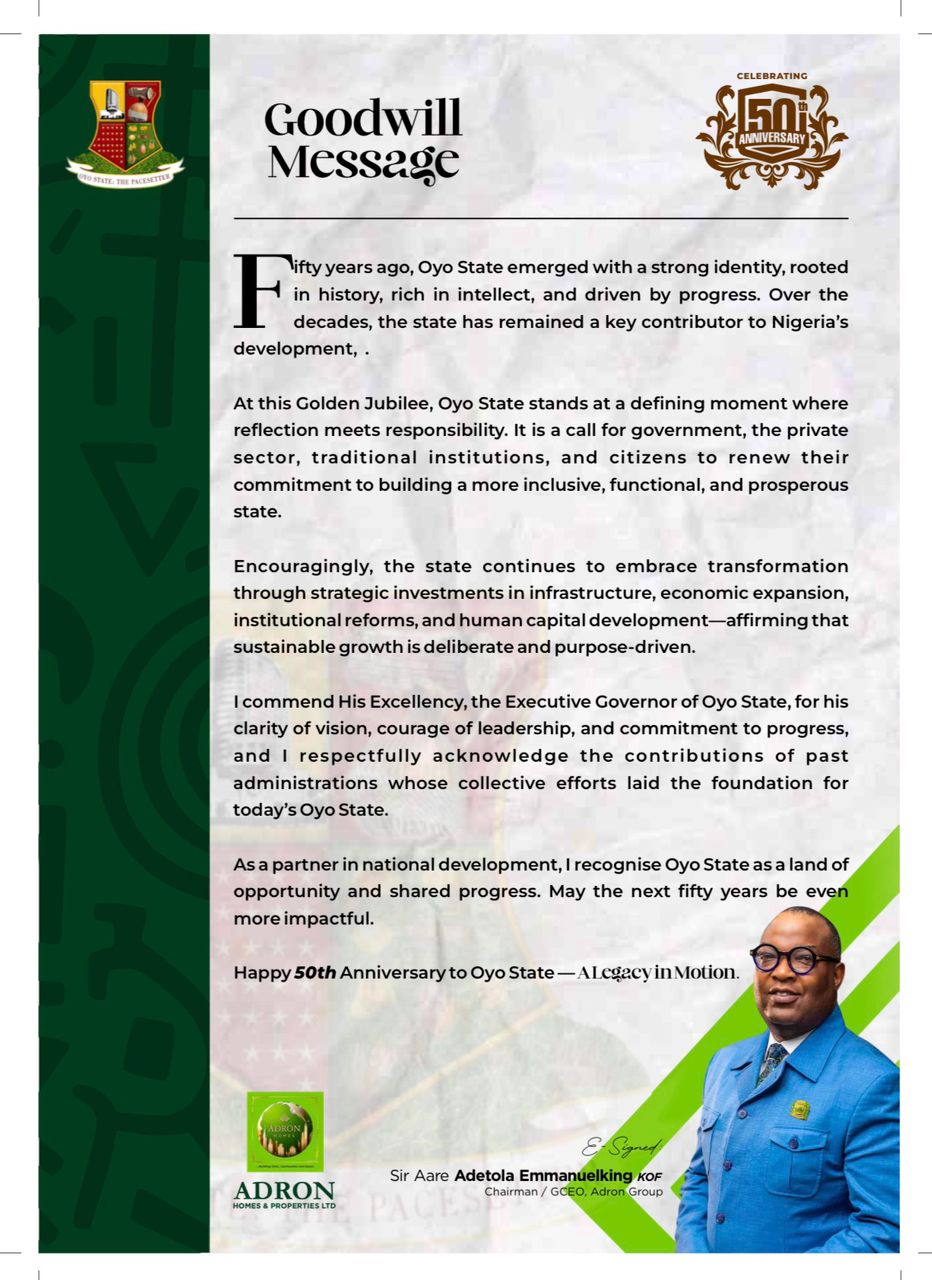
Adron Homes Chairman Congratulates Oyo State on 50 Years of Progress
The Chairman and Chief Executive Officer of Adron Homes and Properties Limited, Aare Adetola Emmanuelking, has congratulated the Government and people of Oyo State as the state marks its 50th anniversary, describing the occasion as a celebration of resilience, cultural pride, and sustained progress.
He noted that since its creation, Oyo State has remained a strong contributor to Nigeria’s socio-economic and cultural development, emerging as a hub of commerce, education, and innovation.
According to him, the Golden Jubilee offers a moment for reflection and renewed commitment by government, private sector players, traditional institutions, and citizens toward building a more inclusive and prosperous state.
Aare Emmanuelking commended the state’s ongoing transformation through investments in infrastructure, economic expansion, and human capital development, adding that sustainable growth is deliberate and must remain purpose-driven.
He also praised the leadership of the current administration while acknowledging the contributions of past leaders whose efforts laid the foundation for today’s Oyo State.
Reaffirming Adron Homes’ commitment to national development, he described Oyo State as a land of opportunity. He wished the state continued peace and prosperity, expressing confidence that the next fifty years will bring even greater achievements for the Pace Setter State and its people.
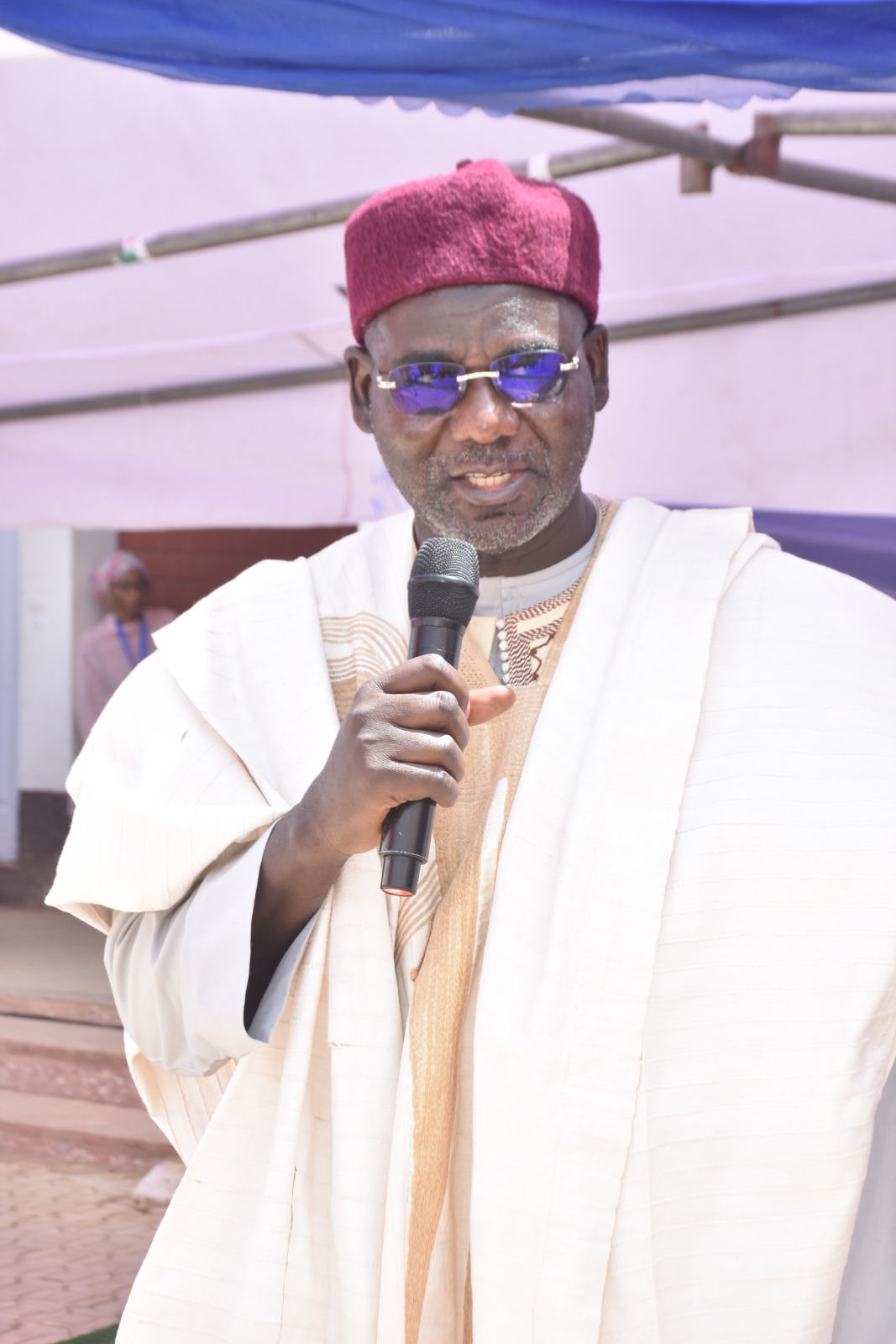
TY BURATAI HUMANITY CARE FOUNDATION CONDOLES WITH BIU EMIRATE OVER TRAGIC ATTACK
In a profound expression of sorrow, the TY Buratai Humanity Care Foundation has extended its heartfelt condolences to the families of the victims and the entire people of Biu Emirate, Borno State, following the recent tragic attack attributed to Boko Haram. This devastating assault, which occurred at a work site in northeastern Nigeria, claimed the lives of dozens, including brave soldiers committed to protecting the nation.
In a statement released to the press and signed by the Chairman of the foundation, Ibrahim Dahiru Danfulani Sadaukin Garkuwan Keffi/Betara Biu, the Grand Patron of the Foundation, His Excellency Amb. Lt. Gen. Tukur Yusufu Buratai CFR (Rtd), former Chief of Army Staff, described the incident as “one too many senseless, barbaric, and ruthless displays of inhumanity.” His Excellency emphasized the heartbreaking impact of such attacks on innocent, hardworking citizens striving to make a positive difference in their communities.
The Grand Patron praised the swift and decisive response of military personnel during this critical time, underscoring their brave commitment to safeguarding the nation. He called upon them to maintain this momentum, commending their courage and sacrifice in the face of adversity. “May Almighty Allah forgive their souls and grant them Aljannah Firdouse,” he remarked, encouraging the nation to honor their spirit of sacrifice as they rally together to rebuild and restore hope across the region.
In his statement, Gen. Buratai highlighted the importance of collective action in overcoming the challenges posed by insecurity, urging concerned citizens to increase their efforts in fostering a virile community that future generations can cherish. “Together, we can surmount these troubles,” he asserted, calling on all patriotic leaders and citizens to unite in the fight against violence and insecurity.

The TY Buratai Humanity Care Foundation remains committed to supporting initiatives that promote peace, security, unity, and prosperity. As the foundation extends its condolences to the bereaved, it also calls upon all segments of society to collaborate in creating a better and safer future. May Allah guide and protect the nation and lead it toward enduring peace. Amen.


-

 celebrity radar - gossips6 months ago
Why Babangida’s Hilltop Home Became Nigeria’s Political “Mecca”
-

 society6 months ago
Power is a Loan, Not a Possession: The Sacred Duty of Planting People
-

 Business6 months ago
Batsumi Travel CEO Lisa Sebogodi Wins Prestigious Africa Travel 100 Women Award
-

 news6 months ago
THE APPOINTMENT OF WASIU AYINDE BY THE FEDERAL GOVERNMENT AS AN AMBASSADOR SOUNDS EMBARRASSING