
Entertainment
Nigeria’s Detty December 2025: The Rise of a Global Cultural Economy


By Prince Adeyemi Shonibare
Introduction
Nigeria’s December is no longer a season. It is an institution. What began decades ago as end-of-year concerts, homecoming parties, and family reunions has matured into one of the world’s fastest-growing cultural economies.
Popularly known as Detty December, the period now fuses music, tourism, nightlife, fashion, broadcast media, technology, and creative enterprise into a powerful multi-city ecosystem that drives billions of naira in spending and attracts global attention.
International flights arrive at near full capacity. Hotels and short-let apartments sell out weeks in advance. Lagos, Abuja, Port Harcourt, and Calabar transform into cultural capitals in their own right.
As one returning diaspora visitor aptly observes, December is when Nigeria becomes the centre of the Black world.
History: The Foundations Were Laid Long Before the Hype
Detty December did not happen by accident. Its roots lie in the vision of pioneers who believed Nigeria could host global-standard entertainment long before it became fashionable. In the 1980s and early 1990s, Senator Ben Murray-Bruce redefined possibilities by producing international concerts at the National Theatre, Lagos, featuring global stars such as Shalamar, Kool and the Gang, Musical Youth, and other world-class acts. These shows reset expectations and reprogrammed a generation. A veteran promoter recalls that it was the moment Nigerians realised global culture could happen at home.
Corporate Nigeria soon followed with scale and structure. Nigerian Breweries Plc institutionalised mass entertainment through Star Trek and Star Mega Jam, setting benchmarks for nationwide concert tours. Guinness Nigeria, Benson and Hedges, Coca-Cola, Pepsi, and later international breweries and beverage brands invested heavily in live music, youth culture, and lifestyle experiences, turning December concerts into annual pilgrimages. These brands did not merely sponsor events. They built habits, audiences, professionalism, and longevity.
Behind the scenes, recording companies formed the backbone of the industry. Sony Music, Premier Records, EMI later Ivory Music, Tabansi Records, Storm Records, Kennis Music, Chocolate City, the label that released MI Abaga, and Mavin Records, formerly Mo’Hits Records, shaped generations of stars. Lagbaja emerged as a towering cultural force, proving that Nigerian music could be intellectual, theatrical, socially conscious, and globally respected.
Producers and entrepreneurs such as Eddy Lawani refined sound and performance aesthetics, while Fame Magazine and Encomium Magazine documented the era and preserved cultural memory.
The Continental Breakthrough:
Television, Radio, and DJ Culture
A decisive continental shift came through Channel O on DSTV. DSTV became the vehicle that carried Nigerian music across Africa. Once Channel O embraced Nigerian music videos, the continent followed. African pop culture began to orbit Lagos.
Nigerian artists became household names from Accra to Nairobi and from Johannesburg to Dakar.
Alongside Channel O, Soundcity TV, Hip TV, Trace Naija, MTV Base Nigeria, ARISE Play, and Silverbird Television amplified Nigerian music, concerts, and lifestyle culture to continental and global audiences. Radio powered the streets and youth culture. Rhythm FM, Cool FM, Beat FM, Inspiration FM, Wazobia FM, Nigeria Info, Raypower, and Silverbird Rhythm broke records, built fan bases, and turned songs into December anthems.
At the heart of this expansion stood the DJs, the original tastemakers of Nigerian nightlife and street credibility. Foremost among them is DJ Jimmy Jatt, universally acknowledged as the architect of modern Nigerian DJ culture.
Through his Roadblock mixtapes, club residencies, concert productions, and mentorship, he broke new artists and created the sonic blueprint for Nigerian nightlife. His annual Jimmy Jatt Jump up Show remains one of the most culturally significant throwback concerts of Detty December, uniting generations and reminding audiences where the movement began.
Other influential DJs relentlessly pushed the culture forward. DJ Humility, DJ Xclusive, DJ Spinall, DJ Neptune, DJ Consequence, DJ Big N, DJ Kaywise, DJ Obi, DJ Crowd Kontroller, and others amplified new sounds, broke emerging artists, and sustained the December party economy.
Together, they transformed nightlife into an industry and DJs into cultural power brokers.
Broadcast personalities such as Femi Jacob Akinyemi-Johnson, widely known as JAJ Da Mecca Don, and Olisa Adibua became trusted voices of the movement, shaping taste, defending Nigerian music, and introducing artists to national and continental audiences. Paul Okoye of Upfront and Personal further amplified pop-culture conversations through television interviews and lifestyle programming that humanised artists and connected them to wider audiences.
The Early 2000s: Global Validation
In the early 2000s, Chief Nduka Obaigbena, Chairman of THISDAY Newspapers and ARISE Television, opened Nigeria to contemporary global pop culture in a defining way. By bringing American mega stars such as Jay-Z, Usher, 50 Cent, Chris Brown, and other chart-defining acts to Nigeria, he sent a clear message that Nigeria was ready to host the world.
These were not just concerts. They were declarations of confidence. Through THISDAY and ARISE, Nigeria gained global editorial presence and cultural legitimacy.
Alongside these efforts, Laface Oshinibosi played a vital role in nurturing alternative culture, youth platforms, and early artist development, helping to diversify the sound and identity of Nigerian music beyond the mainstream.
Structure: Managers, Publicists, and Awards
As the industry expanded, structure followed. Managers and publicists such as Morgan Okonuya, Tony Alekhe, Din Disy, Dayo Olomu, Chris Nwadu, Efe Omorogbe, Sunday Aare, Wale Olomu, Wale Oluwaleimu, Femi Akintunde-Johnson FAJ, Kunle Bakare, and Major Akinpelu helped professionalise careers, negotiate value, and build longevity while also glamorising live shows.
Awards reinforced standards and aspiration. The PMAN Awards, the Fame Music Awards launched in 1991, and later the Awards for Musical Excellence in Nigeria helped define excellence and credibility. I had the honour of serving as President of the AMEN Awards for a couple of editions. The Kora Awards were brought into Nigeria by Alhaji Teju Kareem of ZMirage Group, while Mike Dada later introduced AFRIMA after the decline of PMAN Awards, restoring continental focus and trust.
Lagos Becomes the Capital of December
Lagos State provided the policy backbone. The cultural spark lit under Governor Bola Ahmed Tinubu gained momentum under Governor Babatunde Fashola, supported by cultural strategists such as Folly Coker, Senator Tokunbo Afikuyomi, and Prince Oniru. Under Governor Akinwunmi Ambode, Detty December became deliberate policy. With Steve Ayorinde as Commissioner for Information and Strategy, himself deeply rooted in music and culture, the celebrations were rebranded, repositioned, and expanded across the five IBILE divisions, turning the entire state into a festival circuit.
Traditional institutions also played a vital role. The Oniru of Iru Land, Oba Abdulwasiu Omogbolahan Lawal, Prince Oniru, opened up beachfronts, cultural spaces, and community corridors across Victoria Island and Lekki, enabling large-scale events, beach concerts, and tourism-driven nightlife to thrive within a structured traditional framework.
Today, the Lagos State Ministry of Tourism, Arts, and Culture under Mrs Toke Benson Awoyinka continues this legacy with clarity and continuity. Governor Babajide Sanwo-Olu has firmly positioned culture and tourism as economic pillars, recognising entertainment as a generator of jobs, revenue, and global relevance.
Streaming Platforms: The Digital Multiplier
Music streaming platforms completed the revolution. Apple Music, Spotify, Boomplay, Audiomack, YouTube Music, SoundCloud, and other digital platforms removed borders entirely. Nigerian music now travels instantly. Streaming data drives tour routing, sponsorship decisions, and December travel behaviour.
Digital discovery fuels physical attendance, while live experiences push online consumption.
As one platform executive observes, Nigeria owns December on the algorithm.
Detty December 2025: The Full Events Calendar
Detty December warms up from December 1 to December 5 with industry mixers, brand dinners, influencer house parties, art exhibitions, fashion pop-ups, yacht cruises, and club takeovers across Victoria Island, Lekki, Ikoyi, and Ikeja.
From December 6 to January 11, Christmas Wonderland transforms Fantasy Land, Ikoyi, into a family-focused festival.
From December 6 to December 31, Detty December Fest at Ilubirin Mixed-Use Development, Ikoyi, runs throughout the month under Livespot360.
December 13 hosts AfroVibes Fest X, Gen Z Fest Mainland Edition, and the Old School Christmas Concert.
December 15 features Fola Live What a Feeling Concert and the opening of Afrocan Festival.
December 16 delivers Trench Symphony Fuji Night.
December 18 hosts Iconiq Fest Detty Love with Chike and the opening of Shakara Festival.
December 19 brings BNXN Live The Captain Experience.
December 20 features Plutomanian Fest.
December 21 hosts Palmwine Music Festival, Rhythm Unplugged, Victony Bonfire Experience, and the annual Jimmy Jatt Rewind Show. Wiskid Show.
December 22 hosts Afro Jazz Fest and the opening of Flytime Fest.
December 25 delivers Euphoria Detty December Rave.
December 27 hosts Detty Faaji.
December 28 brings Gen Z Fest Island Edition.
December 31 culminates in the Lagos Countdown Celebration.
Beyond Lagos, the Calabar International Carnival, Abuja Shutdown Concerts, and Port Harcourt December Explosion complete the national circuit.
The Economic Reality
The impact is measurable. Internally Generated Revenue rises sharply. Hotels, airlines, transport, fashion, food, nightlife, media, logistics, and security services thrive. Thousands of direct and indirect jobs are created. Detty December is no longer culture alone. It is policy, tourism, technology, and commerce combined.
Federal Recognition
At the national level, the Honourable Minister of Art, Culture, Tourism, and the Creative Economy, Mrs Hannatu Musa Musawa, has elevated Detty December into a national cultural asset.
By aligning policy, international promotion, and private-sector participation, the ministry has given the season institutional weight. In her words, culture is Nigeria’s strongest non-oil export, and December is our global showroom.
Conclusion: Giving Flowers While the Music Plays
Detty December stands today because people planted long before others harvested. To Senator Ben Murray-Bruce for proving Nigeria could host the world. To Chief Nduka Obaigbena for globalising confidence and visibility. To DJ Jimmy Jatt and the DJs who turned turntables into institutions. To JAJ the Mega Don, Olisa Adibua, and Paul Okoye for shaping broadcast culture. To Steve Ayorinde and successive cultural administrators for policy and structure. To the radio stations, television channels, newspapers, managers, publicists, promoters, artists, and traditional institutions that built the ecosystem brick by brick. To Mrs Toke Benson Awoyinka for sustaining Lagos’ cultural leadership. To Governor Babajide Sanwo-Olu for recognising culture as economic power. To the Honourable Minister Hannatu Musa Musawa for projecting Nigerian culture nationally and globally.
December belongs to Nigeria. And now, the world knows who started it.
As the music plays, the message remains clear. Enjoy responsibly. Stay alert. Do not drive under the influence. Take care of one another so we can all return next year to celebrate another Detty December. Smiles.


Entertainment
Nollywood Actress and Philanthropist Amb. Princess Chelsea R.C. Nwodo Appointed as Chief of Staff to AGN National President*
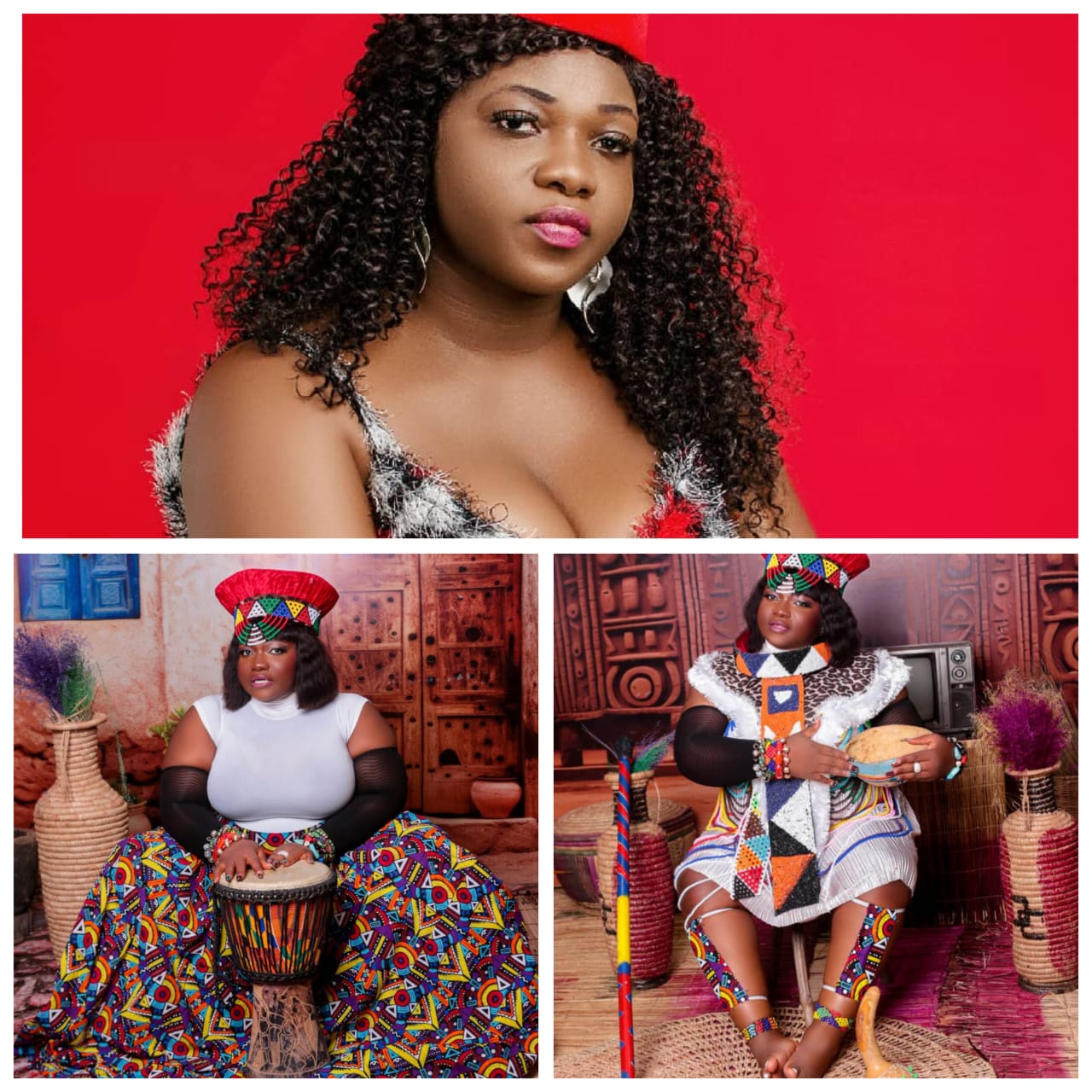
*Nollywood Actress and Philanthropist Amb. Princess Chelsea R.C. Nwodo Appointed as Chief of Staff to AGN National President*
Abuja, Nigeria – The Actors Guild of Nigeria (AGN) announces the appointment of Amb. Princess Chelsea R.C. Nwodo as the new Chief of Staff to National President, ALHAJI SANUSI ABUBAKAR YAKUBU. This strategic move underscores the Guild’s commitment to excellence and its dedication to fostering a more efficient and effective leadership structure.
Amb. Nwodo brings a wealth of experience and expertise to her new role, having served as a National Deputy Secretary (Emeritus) and demonstrating exceptional leadership skills and a deep understanding of the Guild’s vision and mission. A respected member of the Nigerian entertainment industry, she is also known for her dedication to promoting actor welfare and advancing the Guild’s interests.
*A Proven Track Record*
Amb. Nwodo’s appointment is a testament to her outstanding contributions to AGN and her commitment to serving the Nigerian film industry. Her philanthropic efforts and advocacy for social causes have made a positive impact on Nigerian communities, She’s also the CEO of CHELSEA NWODO’S FOUNDATION a foundation known for its unique cultural expression and alliance with many state government including Delta state government and so on.
*About the Actors Guild of Nigeria (AGN)*
The AGN is the governing body for professional actors in Nigeria’s Nollywood film industry, established in 1998 with over one million members across the six geopolitical zones of the federation. The Guild promotes actor’s welfare, protects their rights, and advances the Nigerian film industry.
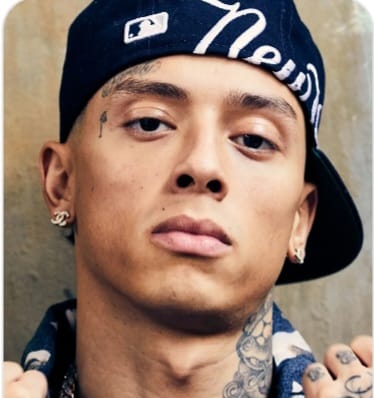
From Drill to Deen: Central Cee’s Conversion and the Power of Faith in Modern Hip-Hop
By George Omagbemi Sylvester
“The British rap star’s public declaration of Islam sparks global reactions and renews debate about spirituality, identity, and influence in contemporary music.”
British rap superstar Central Cee has publicly announced that he has converted to Islam, a revelation that has rapidly spread across global media and social platforms, drawing reactions from fans, cultural commentators and religious observers alike. The development marks a deeply personal shift for one of the most influential voices in modern UK drill, and it highlights the growing intersection between faith, identity and popular culture.
Central Cee, whose real name is Oakley Neil Caesar-Su, disclosed the decision during a recent livestream, where he stated that he had taken the Shahada, the Islamic declaration of faith that formally marks a person’s conversion to Islam.
According to multiple reports published on February 6, 2026, the rapper confirmed the conversion publicly, saying he had changed his name and embraced Islam, with friends present during the broadcast congratulating him.
The announcement quickly became a trending global topic, with thousands of fans flooding social media with messages of support and congratulation.
What happened, when, where and how
The confirmed facts are straightforward.
What happened: Central Cee announced his conversion to Islam.
Who: The British rapper, born Oakley Neil Caesar-Su.
When: The announcement surfaced publicly on or around February 6, 2026.
Where: The declaration was made during a livestream, widely circulated online.
How: He confirmed he had taken the Shahada and embraced Islam, with friends present during the session.
Before this announcement, Central Cee had never publicly declared adherence to any specific religion, though fans had long speculated about his spiritual leanings.
Background: the rise of a global rap force
Born on June 4, 1998, in London, Central Cee rose from the streets of Shepherd’s Bush to become one of the most commercially successful British rappers of his generation.
He achieved mainstream recognition with his 2020 single Day in the Life and later dominated charts with hits such as Doja and Sprinter, accumulating billions of streams worldwide.
By the mid-2020s, he had become a defining figure in UK drill, blending street narratives with a polished, globally accessible sound.
Reactions and significance
The news of his conversion triggered widespread reaction across continents. Many fans congratulated him, using phrases such as “Welcome to Islam, brother,” reflecting the celebratory tone among supporters.
Others expressed curiosity about whether the decision would influence his music, public image, or future lyrical direction.
Cultural analysts note that religion has long played a quiet but significant role in hip-hop. From Malcolm X’s influence on American rap consciousness to the presence of Muslim artists in both US and UK scenes, faith has often shaped artistic identity.
British sociologist Dr. Reza Pankhurst, writing on religion and youth culture, has argued that for many urban artists, faith offers “a language of discipline, moral structure and belonging in environments often defined by instability.”
Similarly, American scholar Dr. Sherman Jackson has noted that Islam’s appeal among musicians and athletes lies partly in its “emphasis on personal responsibility, spiritual dignity, and community.”
While these are broader observations about religious influence in culture, they help explain why high-profile conversions often resonate far beyond the personal sphere.
Why the announcement matters
Central Cee is not merely another celebrity; he is one of the most commercially powerful voices in British rap, with global reach across Europe, Africa, Asia and North America. His decisions, therefore, carry symbolic weight.
When artists of such stature publicly embrace a faith, it often triggers three parallel conversations:
First, identity: Fans begin to examine how the artist’s beliefs align with their lyrics and public persona.
Second, influence: Younger audiences may view the decision as aspirational or spiritually significant.
Third, authenticity: Critics and supporters alike debate whether faith will reshape the artist’s artistic content.
British cultural commentator Kehinde Andrews has previously observed that hip-hop is “not just music but a social language through which young people negotiate power, race, faith and identity.”
In that sense, Central Cee’s announcement becomes part of a larger cultural dialogue not merely a personal declaration.
The question of a new name
Some reports indicate that the rapper mentioned changing his name after taking the Shahada, though details remain inconsistent across sources.
While certain online reports suggested possible new names, there is no universally confirmed official new name from the artist at the time of reporting.
This remains an evolving aspect of the story, and responsible reporting requires caution until a formal statement is released through verified channels.
The broader context: faith and hip-hop
Central Cee joins a growing list of artists who have publicly embraced Islam. Over the decades, figures such as Yasiin Bey (Mos Def), Lupe Fiasco, Ice Cube, and Q-Tip have either converted to Islam or drawn heavily from Islamic teachings in their music.
In the UK, Muslim identity has long been intertwined with the grime and drill scenes, reflecting the multicultural realities of cities like London, Birmingham and Manchester.
Cultural historian Tricia Rose, one of the foremost scholars of hip-hop, once wrote that the genre “has always been a site of spiritual searching, moral struggle and social commentary.”
In that context, a public conversion is not an anomaly but part of a longstanding tradition of artists seeking meaning beyond fame and commercial success.
What remains unclear
Despite the viral spread of the story, certain details are still evolving:
The exact location of the livestream has not been formally confirmed.
The identity of the individuals present during the Shahada has not been publicly verified.
Any official legal name change has not been documented in confirmed public records.
Responsible journalism requires distinguishing between verified facts and social-media speculation.
Final assessment
Central Cee’s conversion to Islam is a deeply personal decision that has nonetheless sparked global conversation. Announced during a livestream in early February 2026, the declaration places one of Britain’s most influential rappers at the centre of a broader discussion about faith, culture and celebrity influence.
In an era where artists are often defined solely by streaming numbers and chart positions, his announcement underscores a different narrative: the search for meaning, identity, and spiritual grounding in the midst of global fame.
As the late scholar James Cone once wrote, “Spiritual transformation is the most radical form of social change, because it begins inside the human soul.”
Whether Central Cee’s journey will reshape his music or remain a private source of guidance is a question only time can answer. What is certain, however, is that his decision has already stirred conversations that extend far beyond the world of rap.
Entertainment
Remembering Afeez Adeshina “Destiny Boy” : A Life of Promise, Music, And Quiet Impact ~ 1ST ELEVEN9JA TV
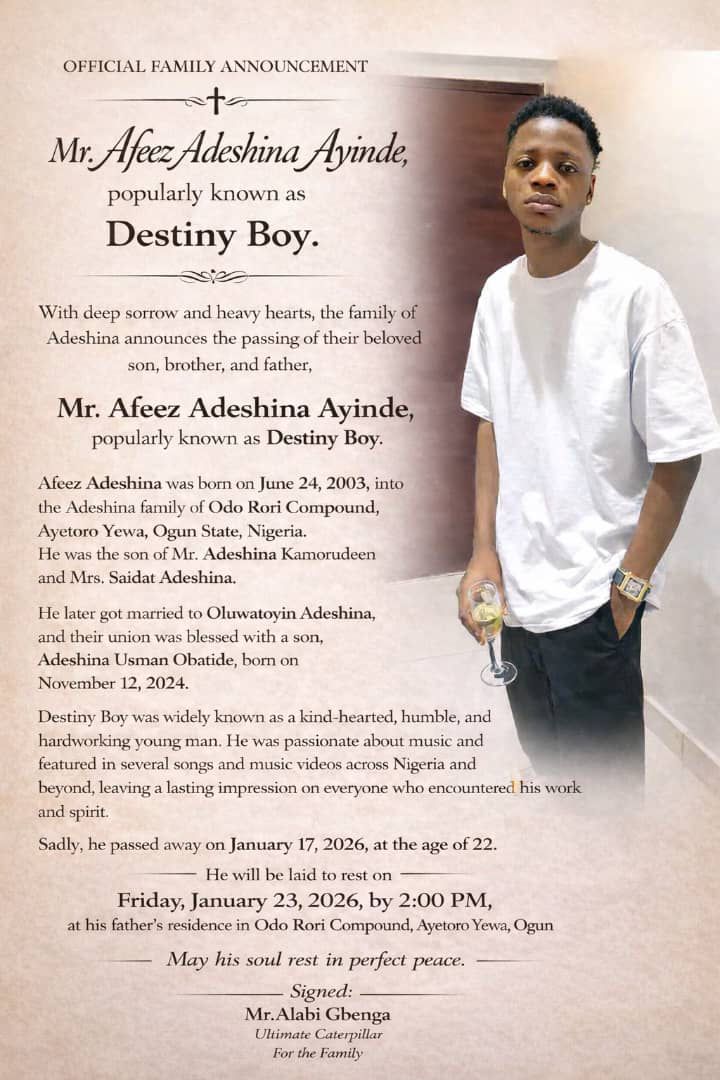
Remembering Afeez Adeshina “Destiny Boy” : A Life of Promise, Music, And Quiet Impact ~ 1ST ELEVEN9JA TV
By Alhaji Arems (Baba Fuji)
The Nigerian music scene is mourning the loss of Afeez Adeshina Ayinde, popularly known as Destiny Boy, whose passing has left a deep sense of grief among family, friends, and fans. Though his life was brief, his story is one marked by determination, creativity, and a steady rise driven by passion rather than noise. Destiny Boy passed away on January 17, 2026, at the age of 22, cutting short a journey that many believed was only just beginning.
Early Life And Background :
Afeez Adeshina was born on june 24, 2003, into the Adeshina family of Odo Rori Compound, Ayetoro Yewa, Ogun State, Nigeria. He was the son of Mr. Adeshina Kamorudeen and Mrs. Saidat Adeshina, raised within a close-knit family environment that shaped his values and character.
From an early age, Afeez was known for his calm demeanor and respectful nature. Those who grew up around him often describe him as gentle, focused, and quietly ambitious. Music became an outlet through which he expressed himself, long before public recognition followed. What began as interest and experimentation gradually turned into purpose.
Music Career And Creative Journey :
Known professionally as Destiny Boy, Afeez carved out his place in music through persistence rather than spectacle. He was deeply passionate about his craft and committed to growth, often collaborating and featuring in songs and music videos across Nigeria and beyond.
While he may not have been the loudest voice in the room, Destiny Boy earned respect for his work ethic and humility. He approached music with seriousness, seeing it not just as entertainment but as a path to building something meaningful. Colleagues and collaborators consistently describe him as hardworking, disciplined, and eager to learn — traits that set him apart in an industry often defined by fast success and fleeting attention.
His presence in multiple projects across different platforms reflected a steady upward movement. For many young creatives, Destiny Boy represented the quiet grind: showing up, improving, and letting the work speak.
Family Life And Personal Milestones :
Beyond music, Afeez embraced responsibility early in life. He got married to Oluwatoyin Adeshina, and their union was blessed with a son, Adeshina Usman Obatide, born on November 12, 2024. Becoming a husband and father added new depth to his life, grounding him further and reshaping his priorities.
Those close to him speak of his devotion to family and his desire to build a stable future. Balancing personal life with creative ambition was not always easy, but Afeez carried these responsibilities with maturity well beyond his years.
His Passing :
The news of Destiny Boy’s death on January 17, 2026, came as a shock to many. At just 22 years old, his passing raised a collective sense of loss — not only for what he had achieved, but for the potential that remained unrealized.
While details surrounding his death have been kept private, the impact has been deeply felt across his immediate community and within creative circles. Tributes have highlighted not only his music but his character: kind-hearted, respectful, and sincere.
Burial Arrangements :
The Adeshina family has announced that Afeez Adeshina Ayinde (Destiny Boy) will be laid to rest on:
Friday, January 23, 2026 :
Time : 2:00 PM
Venue : His father’s residence, Odo Rori Compound, Ayetoro Yewa, Ogun State
Family members, friends, colleagues, and well-wishers are expected to gather to pay their final respects and celebrate a life that, though short, left a meaningful imprint.
A Legacy Beyond Numbers :
Destiny Boy’s story is not one measured by chart positions or awards, but by consistency, humility, and quiet influence. He represented a generation of young Nigerian creatives navigating ambition, responsibility, and identity in real time.
In remembering Afeez Adeshina, many will recall a young man who showed up for his craft, valued his family, and treated people with respect. His journey serves as a reminder that impact is not always loud — sometimes, it is built patiently, one step at a time.
As he is laid to rest, his music, memories, and the lives he touched remain.
May his soul rest in perfect peace.


-
 society6 months ago
Religion: Africa’s Oldest Weapon of Enslavement and the Forgotten Truth
-

 society7 months ago
Power is a Loan, Not a Possession: The Sacred Duty of Planting People
-

 news3 months ago
WHO REALLY OWNS MONIEPOINT? The $290 Million Deal That Sold Nigeria’s Top Fintech to Foreign Interests
-

 religion7 months ago
Apostle Johnson Suleman: Firebrand of Faith, Prophet to the Nations, Voice to a Generation