
society
ANAMBRA IS READY FOR A DELIGHTFUL FESTIVE EXPERIENCE UNDER GOVERNOR SOLUDO

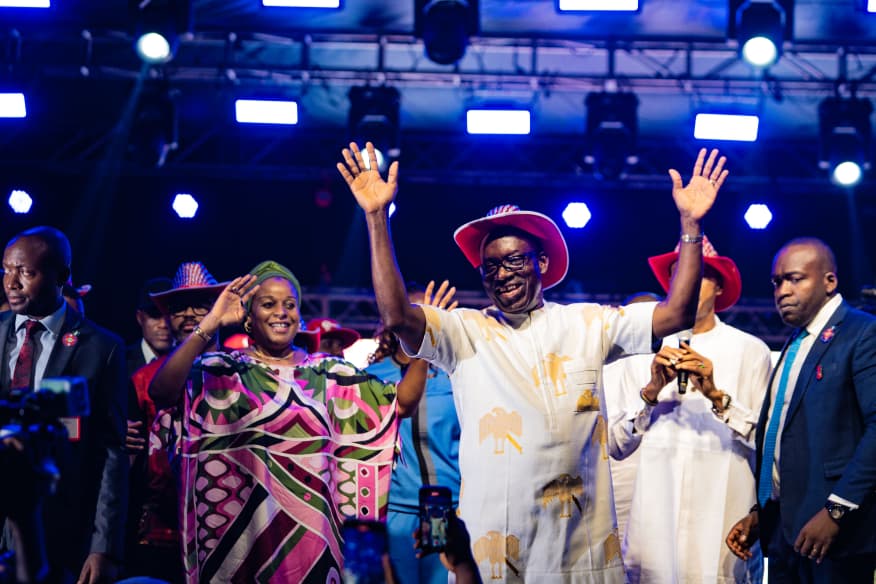
ANAMBRA IS READY FOR A DELIGHTFUL FESTIVE EXPERIENCE UNDER GOVERNOR SOLUDO – Christian Aburimme
… WELCOME TO THE LIGHT OF THE NATION!
After a whole eventful year of so much done to keep transforming Anambra State into a better, livable, happy place, Anambra is now ready for a delightful festive experience.
It is the ideal destination for investors, tourists and merrymakers. And what awaits Ndi Anambra and visitors is a tribute to coordinated governance and purposeful preparation under the leadership of Governor Chukwuma Charles Soludo, CFR, as the state has undergone tangible developments across multiple sectors, creating an environment that promises everyone a peaceful, secure, and enjoyable Christmas celebration.
According to the Governor’s Chief Press Secretary, Christian Aburime, the readiness is evident in every corner of the state, from rehabilitated roads to revitalised markets, from enhanced security measures to improved healthcare readiness. What emerges is a picture of a state administration that has worked deliberately to ensure that this festive season will be marked not only by traditional joy and celebration but also by safety, accessibility, and prosperity.
He said a most critical foundation of Anambra’s readiness lies in its improved road infrastructure. Road rehabilitation projects have intensified across major urban centres, with critical routes in Awka, Onitsha, Nnewi, Ekwulobia, and surrounding communities receiving much-needed attention. Township roads have been restored, significantly improving traffic flow and accessibility throughout the state.
These infrastructural improvements serve a dual purpose: they facilitate the increased movement expected during the holiday season while simultaneously demonstrating Governor Soludo’s commitment to long-term development. For residents returning home from Lagos, Abuja, Port Harcourt, and beyond, these enhanced roadways represent more than mere convenience; they symbolise a state that values connectivity and mobility.
Markets have always been the lifeblood of Anambra’s economy, and the current administration has recognised this reality through targeted interventions. Major commercial hubs including Onitsha Main Market, Ochanja, Eke Awka, and Nkwo Nnewi have benefited from increased sanitation efforts and organisational improvements.
Access lanes have been reconfigured to reduce congestion, while traders have fully stocked their shops in anticipation of the seasonal rush. The result is a marketplace environment that is cleaner, safer, and more efficient than in previous years. These improvements not only enhance the shopping experience but also reflect a deeper understanding of how commerce drives the state’s prosperity.
Perhaps no preparation is more critical than ensuring the safety of residents and visitors. That is why the Soludo administration has reinforced the state’s security architecture through a comprehensive approach that involves multiple agencies and community participation. Joint patrols have become more visible, particularly in urban centres and high-traffic areas. Checkpoints have been reorganised to improve surveillance effectiveness, while community vigilante groups have intensified their local monitoring efforts. This coordinated strategy has fostered a more stable and secure atmosphere, providing residents with the confidence to celebrate the season without fear.
Only a healthy citizenry can enjoy festivity. So, the state’s healthcare sector has not been left behind in all this readiness. Major hospitals, including the state teaching hospital and other healthcare facilities, have strengthened their emergency response capacity in anticipation of potential increases in patient volume during the festive period. These measures demonstrate foresight and responsibility, ensuring that medical services remain accessible and effective even during what is traditionally a busy time for healthcare facilities. The readiness of the health sector provides an essential safety net for all who will be celebrating across the state.
Transportation hubs throughout Anambra are operating under improved management structures. The Chinua Achebe International Airport in Umueri continues to experience increased activity, while major motor parks such as Upper Iweka, Ekwulobia Terminal, Solution Park at Aroma, and Unizik Junction now exhibit more orderly loading patterns. Traffic officers have been strategically deployed to reduce bottlenecks, resulting in smoother transit operations across major routes.
The tourism sector has also received renewed attention. Hotels such as Golden Tulip Krypton Villa Hotel and Suites, Vegas Astoria, and entertainment venues like Drinks.com are experiencing heightened activity, benefiting from the enabling environment created by the Soludo’s administration. Cultural and recreational sites including the Solution Fun City, Agulu Lake, and the newly opened Anambra Country Club have undergone environmental improvements in preparation for increased visitor traffic. The recently established Ikenga Mall represents another significant addition to the state’s commercial and leisure infrastructure, offering residents and visitors an enhanced shopping experience.
Communities across Anambra are organising a rich array of cultural festivals, carol nights, and end-of-year celebrations. The state government has complemented these grassroots efforts by organising a comprehensive events calendar branded ‘Onwa Dezemba,’ which extends into the first week of January and promises a diverse range of activities for all demographics.
What distinguishes this Christmas season in Anambra is beyond the individual improvements across various sectors by Governor Soludo. It is also the collective atmosphere of readiness that permeates daily life throughout the state. The coordinated efforts of ministries, agencies, businesses, and local communities reflect a unified commitment to ensuring a festive period characterised by peace, organisation, and enjoyment. From food vendors to transport workers, from market women to young people decorating public spaces, from families preparing their homes to businesses expanding their services, there is a palpable sense that Anambra is prepared to welcome its own.
For the thousands returning home from across Nigeria and abroad, the message is clear and welcoming: come home with confidence, and come to enjoy. The state stands ready, in infrastructure, in security, in healthcare, in commerce, and in spirit, to provide the foundation for a truly memorable celebration.
As our families reunite and communities gather to mark this special season, Anambra State under Governor Chukwuma Soludo’s leadership offers not just the promise of festivities but the assurance of safety, accessibility, and prosperity. May this Christmas be one of the most peaceful and beautiful the state has experienced in years.
Ndi Anambra, Merry Christmas.






society
Saviour’s School Ikoyi Endowment Fund Successfully Hosts 7th Edition of the Lagos Kids Mini Marathon at Orange Island

Saviour’s School Ikoyi Endowment Fund Successfully Hosts 7th Edition of the Lagos Kids Mini Marathon at Orange Island
The St. Saviour’s School Ikoyi Endowment Fund has successfully wrapped up the 7th edition of the Lagos Kids Mini-Marathon, held on Saturday, December 6, at the picturesque Orange Island. The annual mini-marathon once again celebrated children’s athleticism, community bonding, and the power of youth engagement through sports.
This year’s event brought together an energetic mix of pupils, parents, partner schools, sponsors, and supporters from across Lagos and other States. With race categories designed for various age groups, young runners showcased confidence, determination, and healthy competition along the well-curated Orange Island route – all cheered on by enthusiastic spectators.
In a landmark moment for the mini-marathon, children with special needs participated for the first time. Pupils from Modupe Cole School joined the race, adding joy, vibrance, and inspiration to the event. Children from Access Bank Fifth Chukker School in Kaduna delivered an impressive performance, winning 8 out of 12 medals, while others also took home medals and trophies across different categories.
The 7th edition enjoyed generous support from CardinalStone, Alafia Foundation, Lagos State Government, Zenith Sport, Kids Future Hub, and Zaqonomic – a philanthropic initiative championed by an alumnus of the school.
Speaking after the event, Chairperson of the Organising Committee, Mrs. Enitan Rewane, expressed her pride and appreciation:
“The Lagos Kids Mini Marathon has grown into a beloved tradition that motivates our children to push their limits, stay active, and build resilience. We are deeply grateful to our parents, partners, and supporters who make this event a success year after year.”
The marathon further underscored St. Saviour’s School Ikoyi’s commitment to promoting teamwork, discipline, and overall well-being through sports. Beyond the race itself, the event strengthened community ties and encouraged outdoor participation in a safe, structured, and fun environment.
Head Teacher, Mr. Craig Heaton, also praised the smooth organisation and spirited turnout.
“We are incredibly proud of how this year’s marathon turned out — from planning to race-day experience. The energy and enthusiasm were outstanding, and Orange Island proved to be the perfect venue for participants and spectators alike,” he said.
At the closing ceremony, certificates, medals, and recognition prizes were presented to outstanding runners, while every participant was celebrated for their effort, courage, and sportsmanship.
The St. Saviour’s School Ikoyi Endowment Fund remains committed to sustaining the Lagos Kids Mini Marathon as one of the most impactful and inclusive children’s sporting events in Lagos, with anticipation already building for an even bigger edition next year.







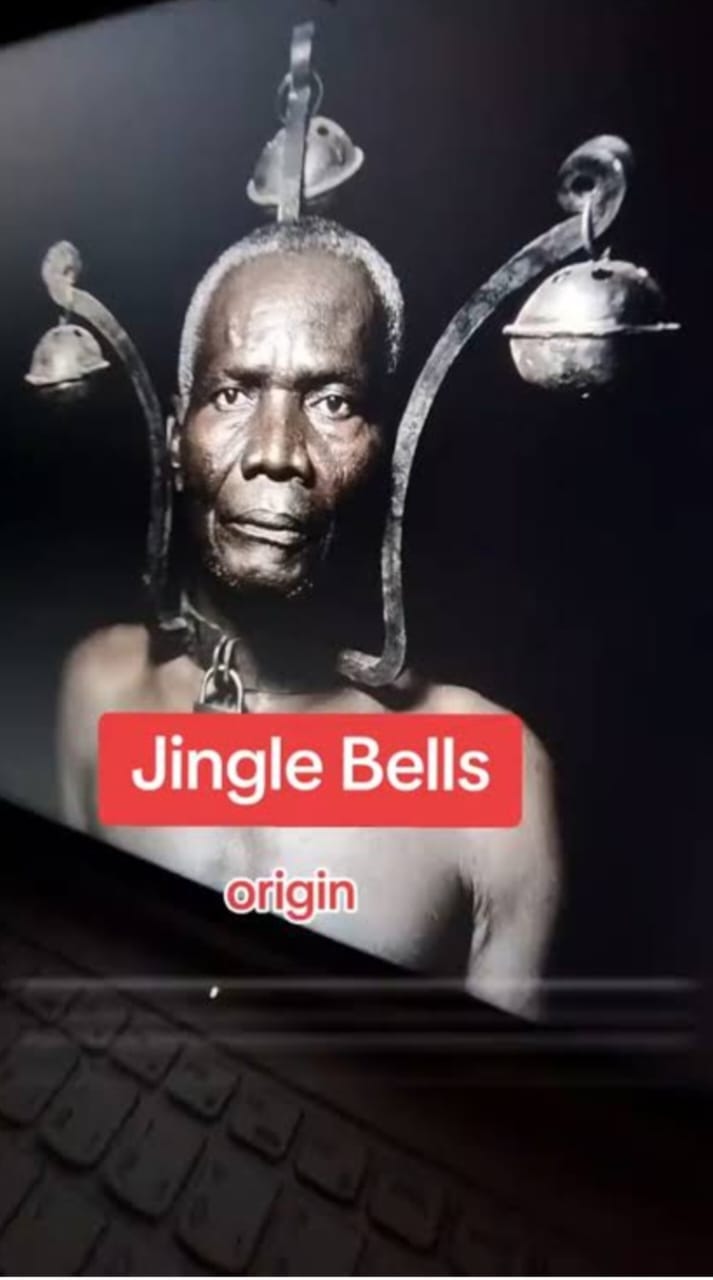
“JINGLE BELLS”: From Minstrel Stage to Global Holiday Anthem.
By George Omagbemi Sylvester | Published by saharaweeklyng.com
“A Song’s Roots in Racist Entertainment, Not African Bondage”
Every December, millions around the world (including countless Africans) raise their voices to sing “Jingle Bells,” heralding the festive Christmas season with joy and cheer. The familiar refrain “Jingle all the way” fills streets, homes, malls, schools, and churches, becoming part of the soundtrack of holiday celebration. But beneath the bright bells and festive rhythm lies a history that many do not know — one that does not originate with snowy sleigh rides alone, nor with a symbol of African suffering in bondage, but with a darker chapter of American cultural history: the minstrel show and the racist entertainment industry of the 19th century.
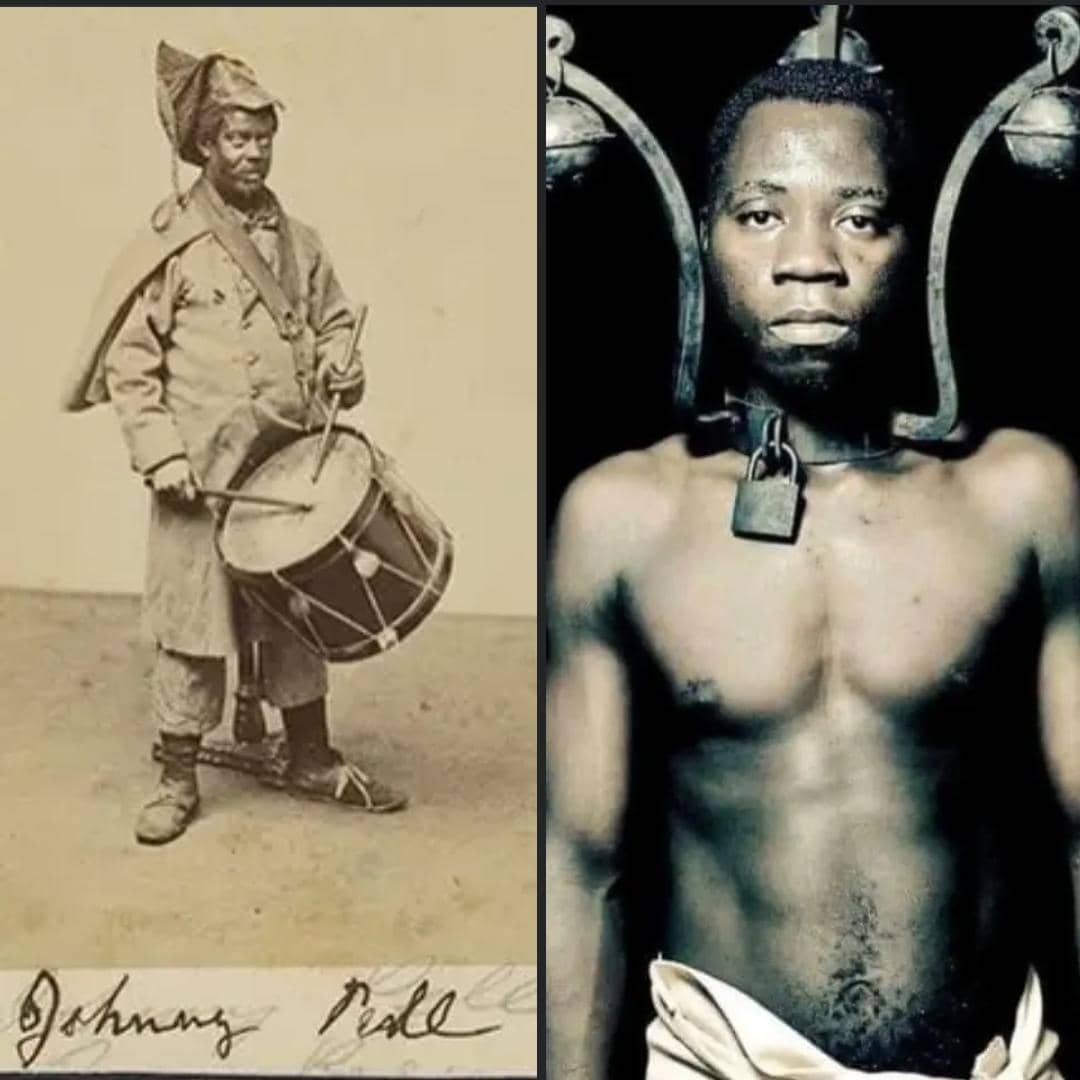
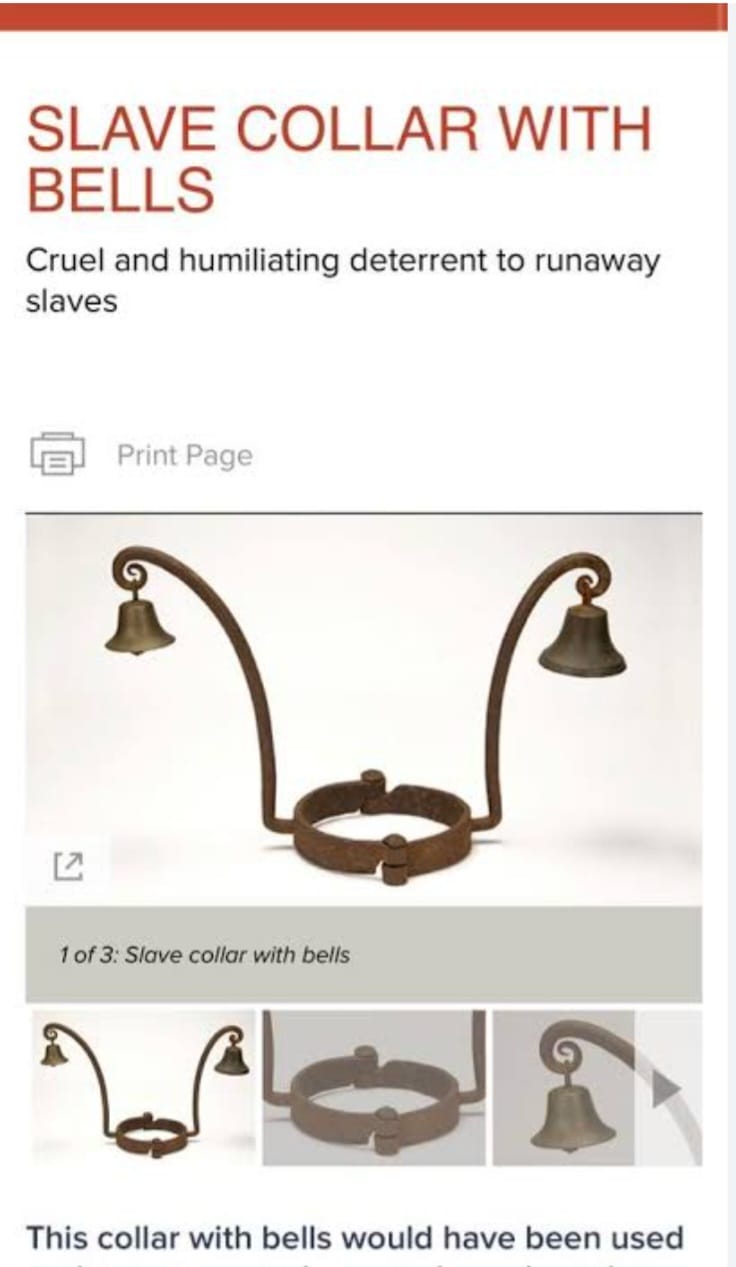
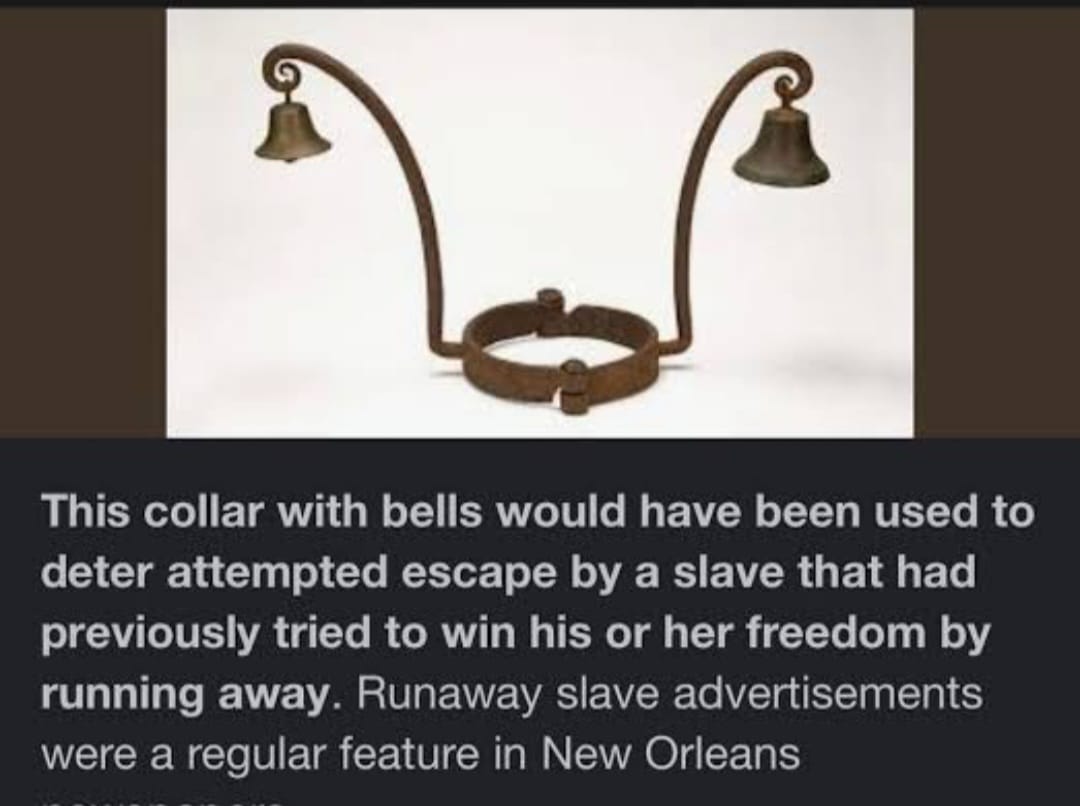
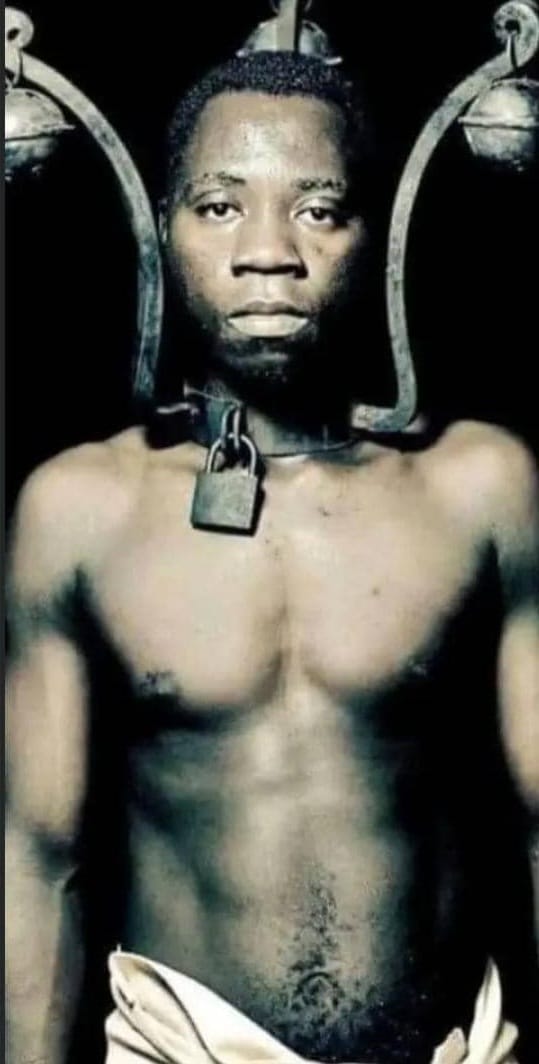
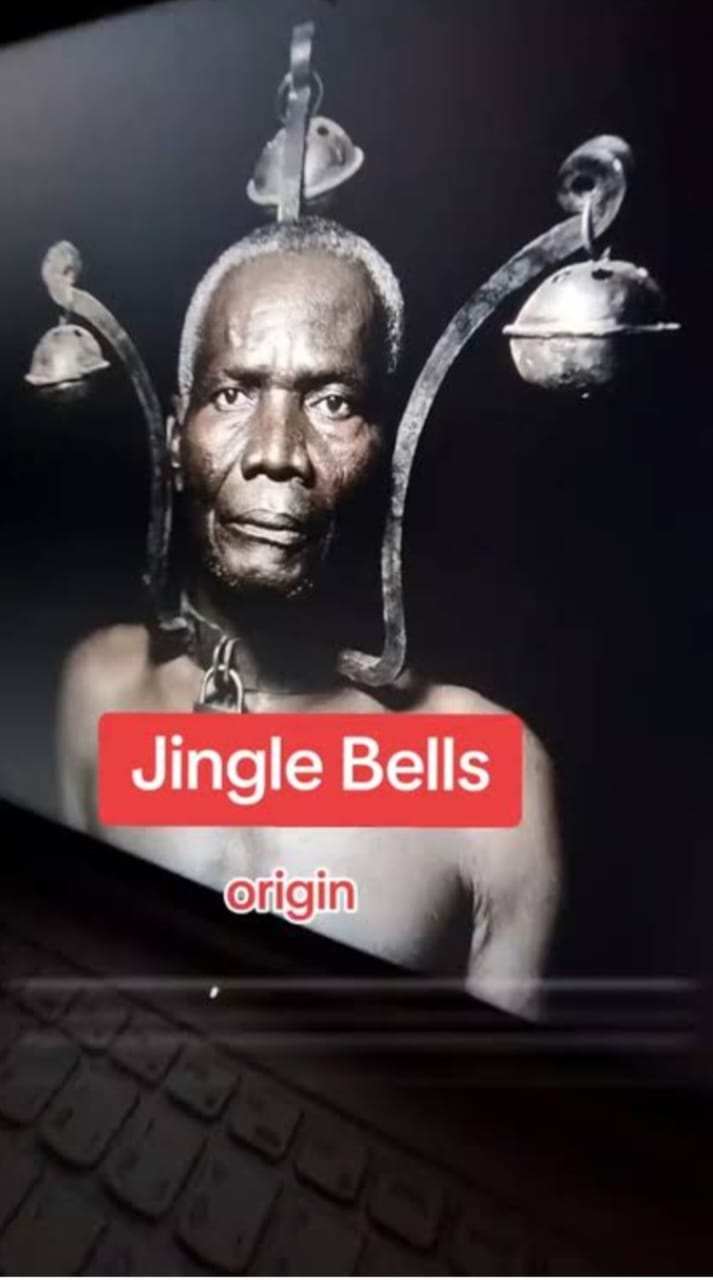
Dispelling a Myth — No Evidence of Jingle Bells as Slave Restraints. A claim circulating online and shared across social media is that the song Jingle Bells is tied to the bells shackled to the feet of enslaved Africans to prevent escape. This narrative (while emotionally powerful) is not supported by credible historical research or primary sources. Historians who have studied the song’s origin find no documented evidence that the bells referenced in the song were ever used in that form of bondage or that the song was written about such practices. The song’s lyrics describe sleigh rides in snowy landscapes — a setting completely disconnected from the lived geography and conditions of enslaved Africans in the United States. Moreover, rigorous academic and archival research into the song’s creation and performances do not link the melody or original lyrics to slave restraints or such specific symbols of oppression.
Let us be clear: the Atlantic slave trade and the brutal systems of bondage inflicted countless horrors on Africans and their descendants — atrocities that deserve remembrance, recognition, and rightful place in human history. But the specific claim about “Jingle Bells” being directly linked to bells used on slaves’ feet is not documented in credible historical record and should not be perpetuated as fact. Doing so risks confusing myth with history, even as it speaks to very real broader legacies of violence.
So What Is the True Origin of “Jingle Bells”?
The song we know today was originally written by James Lord Pierpont in 1857 under the title “The One Horse Open Sleigh” and was published in Boston, Massachusetts. It was not written as a Christmas song, and its lyrics make no mention of the holiday — yet it became associated with Christmas decades later.
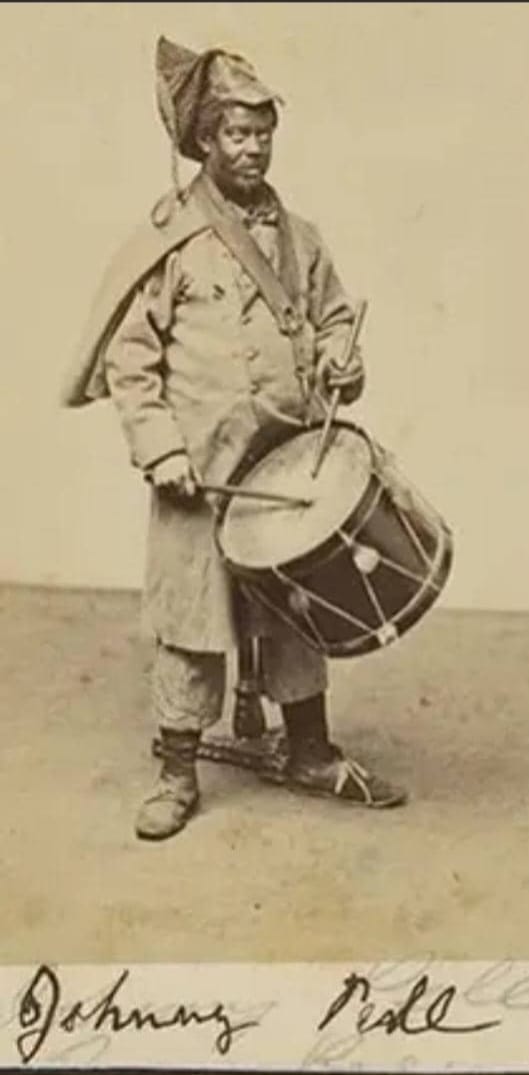
Pierpont himself had a complex personal history that reflects the deeply divided America of his time. Born into a New England family, he later moved to Savannah, Georgia. While his father was an abolitionist clergyman, James Pierpont diverged sharply from that stance: with the outbreak of the American Civil War, he became a supporter of the Confederate cause and even wrote songs expressing his allegiance.
Minstrel Shows: Where “Jingle Bells” First Lived
Perhaps most troubling (and most ignored) is the first known performance context of the song.
In September 1857, “The One Horse Open Sleigh” debuted at Ordway Hall in Boston as part of a minstrel show performed in blackface, delivered by entertainer Johnny Pell and his troupe.
Minstrel shows were a distinctly racist form of popular entertainment in 19th-century America: white performers would paint their faces black, caricature African Americans, and mock Black culture for white audiences, reinforcing degrading and stereotypical images. They were not benign entertainment; they were systematic performances that commodified and ridiculed people of African descent.
This fact matters. It places Jingle Bells squarely in the cultural machinery of racial mockery — not as a song about sleigh rides alone, but as part of a broader racist performance tradition that normalized inequality and dehumanization long before the Civil Rights Movement and long after slavery had been abolished in the North.
As theatre historian Kyna Hamill (Boston University) has shown, the earliest documented performance of the song occurred on a minstrel stage and was part of a genre of songs that lampooned Black people’s participation in common winter activities, complete with stereotyped caricatures. These performances were part of a genre of blackface songs that profited from racist tropes common in American culture before, during, and after slavery.
The Irony of Cultural Forgetting. For Africans today (particularly in diaspora communities) singing “Jingle Bells” has become an expression of Christian joy and universal festive spirit. Yet that joyful singing often happens without awareness of the song’s troubling early context. There is a profound irony here:
A melody once delivered on racist stages has become a global emblem of unity and celebration. Yet most who sing it have never confronted its history.
This irony is not unique to “Jingle Bells.” Much of Western popular culture carries with it legacies and traces of historical injustice — from blues music shaped in contexts of Black struggle, to spirituals born out of pain and hope. But understanding that history is not an act of cancellation; it is an act of respect for truth and memory.
What Scholars Say
While Jingle Bells is not explicitly a song about slavery, scholars argue that we must acknowledge how racist entertainment traditions helped shape what became the song we know today:
Kyna Hamill, theatre historian, emphasizes that the song first appeared in the repertoire of minstrel shows — a form that reinforced racial stereotypes and profited from demeaning representations of African Americans.
Historian analyses point out that the song’s history “has quietly eluded its racialized past,” becoming popularized later as a Christmas staple while its early context was forgotten by mainstream audiences.
These interpretations help us understand why today’s celebrations, though joyful, should be informed by context and critical memory.
Reclaiming Memory, Without Denying Joy
Africans and people of African descent around the world should not be made to feel ashamed of celebrating Christmas or singing Jingle Bells. The song as it exists today (with its cheerful chorus) carries no overt racist text, and millions sing it without any malicious intent. What must change, however, is the narrative of ignorance surrounding it.
The past we inherit is neither tidy nor always righteous. Human history is filled with beauty born in struggle and joy that rises above pain. To sing Jingle Bells while understanding its roots is not to erase joy, but it is to honor truth.
In Summary: Understanding Without Simplifying. The idea that Jingle Bells was literally a “SIGNAL of OPPRESSION” for enslaved Africans, using bells tied to feet, is a myth that should not be elevated as fact. However, the song does have a racially charged origin story, connected to minstrel shows and one of the most blatant expressions of systemic mockery and racism in 19th-century America.
As Africans engage with global culture, historical awareness must go hand in hand with celebration. To acknowledge the shadows in our cultural heritage is not to diminish the light, though it is to ensure our joy is grounded in truth and resilient against forgetting.
Only then can we sing our songs (even the joyful ones) with clearer minds, open hearts, and remembrance of those whose histories were overlooked.
THE CASE AGAINST NNAMDI KANU, IGBO ALMAJIRIS AND ENEMIES OF NIGERIA BY DR AUSTIN ORETTE
Igbo Almajiris can’t help their alliteration. You don’t get a safe and progressive country by being lawless. This is the attitude of the folks contributing to the lawlessness in the South-East.
They cannot articulate an issue without frothing in the mouth with bile. Their angst is due to their failure to make Nigerians feel guilty for the dislocation and war the Biafrans brought to Nigeria.
We will not feel guilty. Biafrans drew the first blood. A recognition and acceptance of this fact will bring healing to the restless souls. They have a right to self-determination which should be exercised under the rule of law.
The last time these people had a fever; they invaded the Midwest Region and caused a lot of havoc. It was a season of mayhem and murder. If they did not start that war, I would be living in the semi-autonomous Midwest Region with control of our resources.
My question is: To what extent does the agitation for your self-determination nullify my right to self-determination? This is what Igbo Almajiris don’t think about. They are very selfish people. Think of the repercussions of your actions. They are not the only tribe in Nigeria.
Isaac Boro declared Niger Delta Republic and your beloved Ojukwu and Ironsi abrogated it and sentenced Boro to death. Do Biafra agitators think they have a right to Biafra? Don’t you have a right to the Niger Delta Republic? This is why no one wants to deal with the South-East people.
You are not sincere. There is nothing the South-East is contributing to Nigeria except the anarchy.
Why so much pride and puffiness. You contribute nothing to the federation and you complain the most. There will be no war this time. If Nnamdi Kanu and his co-travellers continue these criminal enterprises in the name of self-determination, we should treat it as a criminal issue.
It is becoming tiresome to live in the same country with a group of people who always throw tantrums for attention. I am an Isoko man. The fact that I am not a president does not make me less Nigerian.
How can Nigeria develop when the South-East people want war in every generation? Are the South-East agitators controlled by foreign secret intelligence services? This is not normal.
You want to compare everything to America when you lack the mental capacity to do or think like an American. You hold grudges and lack love. Bitterness is not an ingredient in nation building. Learn some humility and learn to love your fellow citizens. Killing your own people and crippling businesses is not a developmental agenda.
Some people have always asked me why I am not talking about Boko Haram. I have done that on several occasions. I have said that if Gumi preaches his brand of terrorist Islam in Saudi Arabia, he will be beheaded. He did not call me a moron. I am an equal opportunity offender. Do you destroy your house and seek shelter from other people? That is not wise. Do you set your house ablaze because your neighbor’s house is burning? That sounds stupid.
This lack of love and empathy is what has led to the sclerosis of the thought process of Biafra agitators. You think you hate Nigerians, you actually hate yourself. This hate has blinded you and has led you to self-flagellation that bleeds and you blame others for your self-inflicted injuries.
Good citizens with love and empathy produce good nations. You lack these qualities and you embrace thorns and blame others for your injuries. You have developed a state of deliberate ignorance regarding the goodness of Nigerians towards Igbo people.
We are getting tired of your emotional blackmails that paint us as Igbo haters when we object to your ranting and outright disregard to the feelings of other Nigerians.
It is becoming difficult and tiring to tolerate your griping and selfish existence and destructive disposition to other Nigerians. As a democratic society, we cannot make the Igbo man a special citizen as you are demanding. You must remember the magnanimity of Nigerians towards the Igbo people. If that magnanimity does not show you the majesty of Nigerian, then you will never be sane. No one will confer you a special status.
It is absurd for the South-East people to think that the road to the presidency is through intimidation of Nigerians. You don’t have the population and you don’t have common sense to form workable alliances.
As it is now, it will be easier for Nnamdi Kanu to become the president of Biafra than an Igbo man to be president of Nigeria.
Your present political naivety has been compounded by the naivety of your brothers in the diaspora. These folks actually think that Donald Trump will award them Biafra and they took the wrong steps to misinform the president of the United States about the happenings in Nigeria in the hope that almighty America will invade Nigeria and empower them in Nigeria. What those Igbo people in diaspora have done is worse than the slave catching role their ancestors played during slavery.
Do you expect Nigerians to applaud you for this unpatriotic act? Asking a foreign power to invade your homeland is treason beyond pardon. A simple perusal of international politics would have made them tread with caution in this treacherous arena.
America could not use its power to install Juan Guaido on the people of Venezuela. He has been in Washington more than ten years waiting for Uncle Sam to invade Venezuela and install him as the president of Venezuela. Guaido is still waiting .I am beginning to think he will wait forever.
America has not fired a shot on behalf of Biafra and your brothers are already celebrating victory with their arrogant parade on social media. They tell the World they are ready and able to join the invasion of their homeland because they know the terrain. This is sad.
In their diatribes, they defend the BIafra agitation by the length of time it has been going on. Is it that when you discovered you cannot be Nigerian or when you found out that other Nigerians will not tolerate your imposition and nullifications? Is it necessary to use time to measure the veracity of your agitation? If the time justifies you, what do you say about Chechnya in Russia? These people have been trying to break away from the Soviet Union since the 18th century. Due to intransigence, Stalin deported them to Siberia in 1940’s. They renewed their agitations in the 1990s and Putin gave them the riot.
Now let’s visit Iraq, Syria and Turkey. These three countries have the Kurds as ethnic minority. Since the fall of the Ottoman Empire in 1915, the Kurds have been agitating for the unification of all the Kurds to form Great Kurdistan as a country. Turkey, Iraq and Syria rejected this vehemently. The closets they got to this dream were after the fall of Iraq during the gulf war. America was actively in support of this new country. The leader of the Kurdistan group, PKK, Abdulla Ocalan adopted terroristic methods for his agitation. He was declared wanted. He escaped to Nairobi. Like Kanu, he was arrested and extradited to Turkey where he was tried and sent to life imprisonment. If Kanu knew this history, he would have stayed back in London where he was safe and faraway. He would have suspected a trap. Like typical Igbo Almajiri, he has no use for that kind of knowledge. He is selfish, arrogant and myopic. He was very ignorant to the ways of the world. What he lacks in knowledge, he makes up for braggadocio. He enjoyed the ovation of people kissing his feet.
The power you crave will not wipe away your deliberate ignorance. You need to improve your character. The South-East people need to get rid of the spirit of domination before any Nigerian will trust an Igbo with power. The history of the Igbo people is not benevolent in this regard.
No minority in the East has anything positive to say about the Igbo people. What happened to Ambazonia? History is not benevolent in this regard. A large chunk of Nigeria left Nigeria because they could not withstand the oppression of the Igbo people. This does not mean all Igbo people are bad. It means those who ascended to leadership could not run a multi ethnic region with fairness.
Of all the three major tribes, the Igbo people are the most insular. They will challenge this and say they are everywhere. Everywhere, they keep to themselves and lack acculturation. As a result of confirmation bias, they are the last to know what is going on in their communities.
The Hausa-Fulani have been trading in the Sahel for more than two centuries before the arrival of the colonialists. This is why the Hausa language is the lingua franca of the Sahel. The Yoruba people and Binis and a lot of tribes in Southern Nigeria have a robust history of trade with other people in West Africa. Their languages extend beyond the borders of Nigeria. Unlike the other tribes, the Igbo people have been very insular. There is no record of anyone speaking Igbo outside of Igbo land. This is a historical fact. They did not have an empire and a standing army may have made them susceptible to invasions from outsiders during the slave trade .The. Insularity made them not to trust outsiders. This is why they are hyper vigilant and distrust outsiders. The other major fact is the Igbo people are the only group of people in the Nigerian union that never had an empire or monarchy. This is why their rugged individualism and chest thumping offend the sensibility of those who came to Nigeria through empires.
When the colonizers came, it was easier for the Igbo people to adopt western education because the individual is more fluid to adaptation than a group that lost their nation and civilization. This is where we have to know that western education and civilization are not synonymous. It is these nuances that led to the animosity between the Igbo people and the Fulani in the first Republic. Since then, none of these groups have found it necessary to reappraise their positions because they are clinging to their primordial instincts of the past.
This is the reason why it will be easier for Nnamdi Kanu to be the president of Nigeria than an Igbo man being elected President of Nigeria. This is because the Igbo Almajiris have managed to alienate every non Igbo by their incessant insults. This display of vulgarity has become the signature of a lot of Igbo people.
Anger is not a solution. A lot of Biafra agitators are rude and vulgar and they lack decorum to engage in any civilized discussion.
DR AUSTIN ORETTE WRITES FROM HOUSTON, TEXAS


-
 Politics6 months ago
Nigeria Is Not His Estate: Wike’s 2,000‑Hectare Scandal Must Shake Us Awake
-

 society6 months ago
JUSTICE DENIED: HOW JESAM MICHAEL’S KINDNESS WAS TURNED AGAINST HIM
-

 celebrity radar - gossips4 months ago
Why Babangida’s Hilltop Home Became Nigeria’s Political “Mecca”
-

 society4 months ago
Power is a Loan, Not a Possession: The Sacred Duty of Planting People