
society
The Aftermath of US Airstrikes on Nigerian Soil: Benue Under Siege; Bandits Influx as Sokoto Terror Networks Disintegrate

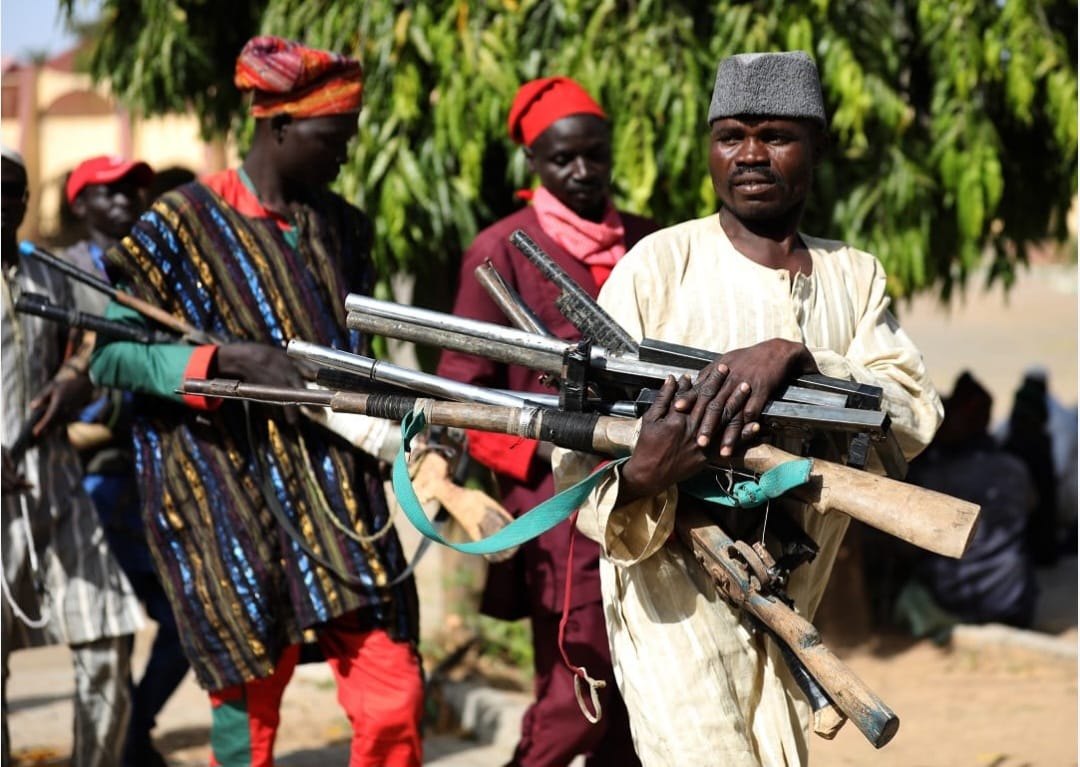
The Aftermath of US Airstrikes on Nigerian Soil:
Benue Under Siege; Bandits Influx as Sokoto Terror Networks Disintegrate.
By George Omagbemi Sylvester | Published by saharaweeklyng.com
“A Strategic Blow to Extremists Triggers Displacement, Security Gaps and Alarms Across Central Nigeria.”
In the cold aftermath of a decisive December 25, 2025 United States-backed military operation targeting extremist hideouts in northwestern Nigeria, tremors of instability have rippled far beyond the forests of Sokoto State. What was intended as a strategic strike against terror cells has morphed into a multidimensional security challenge; particularly with alarming reports of armed bandits and displaced militants infiltrating Benue State, forcing local leaders and security analysts to raise urgent warnings.
The traditional ruler and Chairman of the Traditional Council in Gwer West Local Government Area of Benue, Daniel Abomtse, has unequivocally stated that an influx of heavily armed herders and suspected bandits moving from Sokoto into his domain has been observed since the US-backed airstrikes. He disclosed that these elements have been sighted with sophisticated arms and grazing openly in communities such as Agatu LGA, describing the movement as a direct fallout from the aerial campaign against strongholds up north.
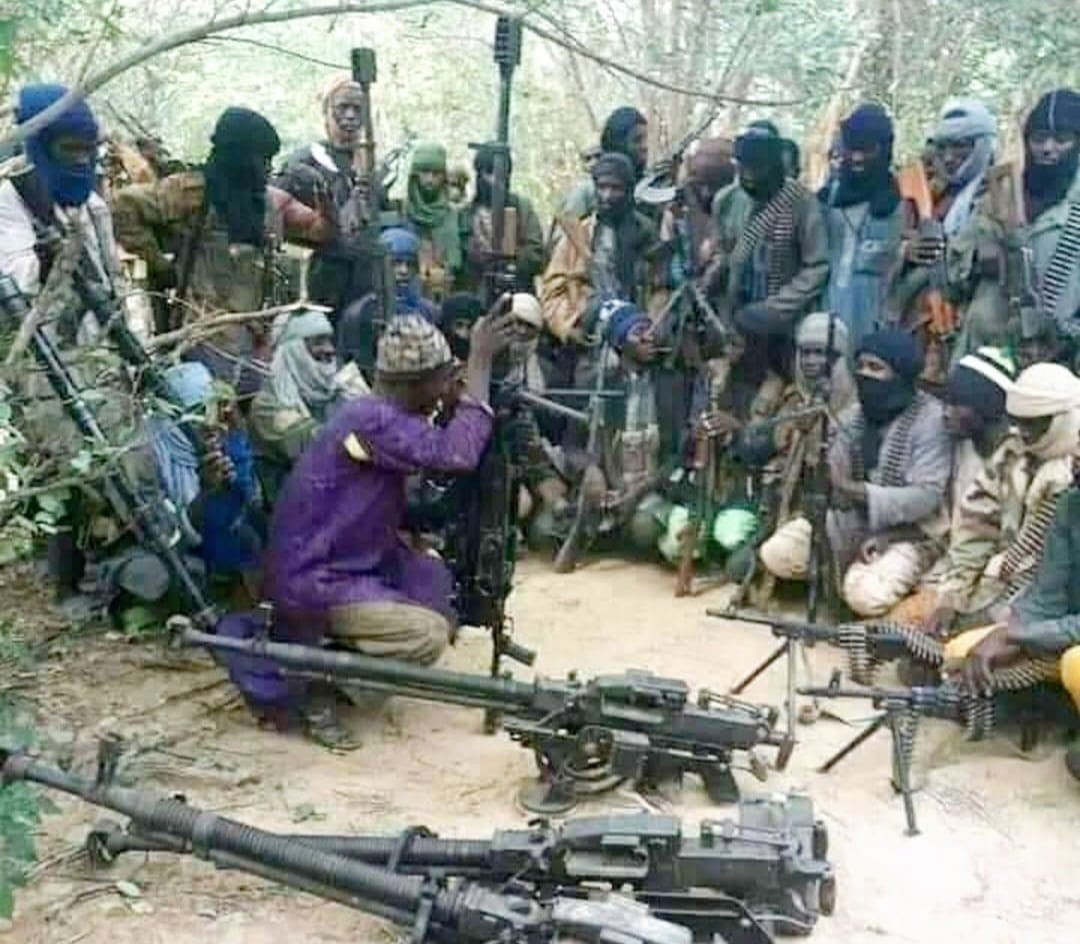
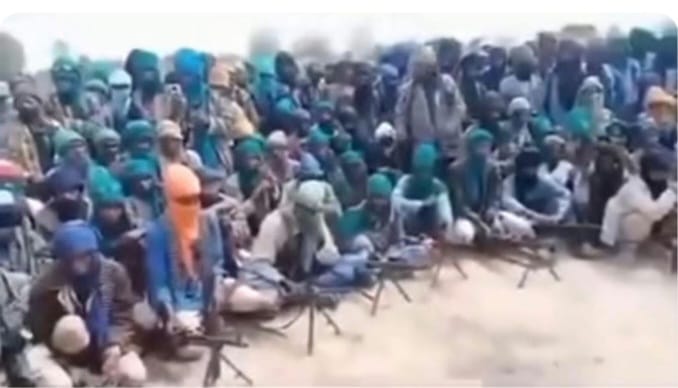
Abomtse’s alarm is neither speculative nor isolated. Security sources and community leaders in Sokoto’s Tangaza, Gudu, and Illela areas report significant dislocation and movement among armed bandits following the strikes. Many criminals have reportedly abandoned known hideouts, choosing to trek in smaller cadres through forest corridors or to disperse across borders to evade increased aerial and ground surveillance.
This shift in criminal dynamics highlights two painful realities: first, the interconnectedness of Nigeria’s security threats; where armed bandits, ethnic militias and jihadist elements often overlap in both motive and geography; and second, that unilateral military action, especially from foreign powers, can sometimes displace the problem rather than extinguish it. Analysts fear that if these armed groups land in regions like Benue, the human cost could be catastrophic.
Context: What the US Strikes Targeted and Why? The airstrikes, confirmed by multiple international sources, were carried out with precision-guided munitions fired from U.S. military drones and launched from naval platforms in the Gulf of Guinea, aimed at camps linked to the Islamic State Sahel Province (ISSP) with particularly a faction known locally as LAKURAWA. These groups are believed to operate near the Nigeria-Niger border, using remote forests as cover to plan raids, kidnappings and violent incursions.
Although Nigerian officials maintain that the operation was conducted within a framework of security cooperation and at Nigeria’s request, the broader geopolitical narrative carries competing interpretations. Some external voices framed the strikes as retaliation for attacks on Christians, a characterization the Nigerian government has publicly rebuffed, stressing the indiscriminate nature of violent extremism affecting all communities.
Notably, no confirmed casualties of militants were officially reported, leading to questions about the tactical impact of the strike and whether it was symbolic more than substantive. Local villagers in the strike regions reported shaking ground and a terrifying glow in the sky as missiles hit nearby lands, but with no concrete evidence of hardened militants being neutralized.
Benue’s Pre-Existing Security Crisis Heightens the Concern. Benue State has long been a crucible of insecurity and a battleground where armed herders, local militias and bandit groups have clashed with farming communities over land, resources and political power. Reports by human rights organizations have documented catastrophic attacks across multiple LGAs like Ukum, Logo, Katsina-Ala, Gwer East and West and Agatu, where villages were sacked, boreholes and clinics razed and entire populations displaced.
A respected voice in security analysis, Professor Ibrahim Suleiman, an expert on West African militancy, recently observed:
“When pressure is applied in one theatre of insurgency without comprehensive containment strategies, criminal networks (whether bandits or jihadist proxies) simply adapt and migrate. Zones like Benue become unintentional reservoirs of displaced armed actors unless multi-layered strategies are deployed.”
His warning underscores that the movement of bandits into Benue could inflame already volatile fault lines between pastoralist and agrarian communities which is a tinderbox that has devastating humanitarian consequences.
Bandits, Militias and the Crime-Terror Continuum. Nigeria’s insecurity landscape is not monolithic. Many of the actors involved in banditry are motivated by a mix of criminality, local grievances, economic incentives and ideological influences. In northwest Nigeria, some bandit groups have sustained uneasy alliances with extremist organizations like ISSP in pursuit of logistical support, revenue streams and territorial leverage.
Benue’s case illustrates this complexity. Local militias and armed herders are often not ideological insurgents but have become increasingly militarized, sometimes working with or benefiting from larger networks. Earlier research highlights how porous borders, ungoverned forest corridors and socioeconomic deprivation make states like Benue vulnerable to such infiltration.
Security expert Dr. Maryam Audu elaborates:
“When displaced bandits and militant elements enter a new region with fragile governance and social dislocation, they do not simply disappear. They embed, co-opt local grievances and often transform into even more complex threats whereby exploiting ethnic tensions and weak law enforcement.”
Her words resonate loudly as reports from Benue increasingly speak of newly sighted armed men blending into herding and farming communities.
The Human Toll and Societal Impact..Beyond the strategic chessboard of military engagement lies a human catastrophe. Benue’s agricultural heartland, often hailed as the “Food Basket of the Nation,” has already seen its production crippled, educational systems disrupted and communities devastated. Internally displaced persons (IDPs), already numbering in the hundreds of thousands in northern states, may see fresh waves of distress if bandit presence expands.
Dr. Chukwuemeka Udeh, a humanitarian specialist, warns:
“Displaced fighters entering agrarian zones push fear, disruption and food insecurity to the forefront. We risk not only violent conflict but long-term societal collapse especially when communities abandon farms, schools close and trust in the state erodes.”
Policy Gaps and the Way Forward. The current situation reveals critical gaps in Nigeria’s security architecture: reactive tactics without strategic depth, piecemeal enforcement without socio-economic anchoring, and foreign military intervention without robust domestic stabilization plans. A narrow focus on kinetic strikes must be recalibrated to include:
Strengthened border security and intelligence sharing to track movement of armed groups beyond political frontiers.
Community-based peacebuilding initiatives to undercut local recruitment into bandit ranks.
Integration of socio-economic development programs that address poverty and exclusion in rural and pastoral zones.
Judicial and security reforms to restore confidence in law enforcement and accountability.
In the words of veteran peace negotiator Chief Bola Osagie:
“Security devoid of justice is a mirage. Unless we combine force with fairness, strategy with empathy and enforcement with opportunity, we will chase shadows while our people suffer.”
Rhe Way Forward. The airstrikes, while a bold strategic gesture, have inadvertently underscored the interdependence of Nigeria’s security challenges. Benue’s rising bandit influx is a clarion call that the battle against violent extremism cannot be waged through sporadic bombardment alone. It demands cohesive policies, community resilience, and a relentless pursuit of justice.
As Nigeria navigates this turbulent chapter, the fate of Benue hangs in the balance with a stark reminder that when one front of insecurity is pressured, another can erupt unless the root causes are confronted with courage, clarity and compassion.








society
Stop Means Stop”: Legal Experts Warn Ignoring ‘Stop’ During Intimate Acts Can Be Criminally Punishable

“Stop Means Stop”: Legal Experts Warn Ignoring ‘Stop’ During Intimate Acts Can Be Criminally Punishable
By George Omagbemi Sylvester | Published by SaharaWeeklyNG
“Grounded in international law and consent principles, legal authorities stress that continuing sexual activity after a partner withdraws consent may constitute sexual assault and lead to imprisonment.”
A growing body of legal interpretation and expert opinion reaffirm that consent in intimate encounters is not a one-off event but an ongoing requirement; withdrawn at any time by either participant. Legal practitioners and rights advocates are increasingly warning that if one partner clearly says “stop” during sexual activity and the other continues, this conduct can constitute a criminal offence with significant penalties, including imprisonment.
Consent must be “a voluntary agreement to engage in the sexual activity in question,” and crucially can be revoked at any stage. Once a partner expresses withdrawal of consent (by words like “stop” or by unmistakable conduct) the other party is legally obligated to cease all activity immediately. Failure to respect this is widely recognised in multiple legal jurisdictions as sexual assault or rape.
Professor Deborah Rhode, a prominent authority on legal ethics, has stated: “Respect for autonomy and bodily integrity lies at the core of consent law. Ignoring a partner’s withdrawal of consent undermines basic personal freedoms and is treated as a serious offence in criminal law.”
According to experts, this legal principle is not limited to strangers but applies equally to long-term partners and spouses. The Criminal Code in many countries explicitly rejects implied or blanket consent based on relationship status.
Human rights lawyer Amal Clooney has similarly emphasised that clear communication and mutual agreement are essential, and that “once consent is withdrawn, any continued sexual activity crosses the line into criminal conduct.”
This means that in places where consent law is well-established, ignoring an explicit “stop” can lead to charges of sexual assault, with courts interpreting such conduct as a violation of an individual’s autonomy and dignity.
The issue has gained media and legal attention in recent years across numerous jurisdictions (including Canada, parts of Europe, and reform discussions in U.S. states) as courts and legislatures clarify that sexual consent is continuous and revocable at any time. Although no globally consolidated database exists of individual cases tied specifically to a news report on this warning, reputable legal frameworks consistently reinforce that continuing after “stop” is unlawful.
The subject engages legal scholars, criminal law practitioners, human rights experts, and statutory bodies advocating sexual violence prevention. Law enforcement agencies and prosecutors may pursue charges when clear evidence shows that consent was withdrawn and ignored.
In practice, consent frameworks require that the person initiating or continuing sexual activity take reasonable steps to ensure ongoing affirmation of willingness. Silence, passive behaviour, or failure to stop when asked cannot substitute for ongoing consent.
In summary, the legal maxim is clear: verbal or unambiguous withdrawal of consent must be respected. Ignoring it shifts the encounter from consensual to criminal, potentially resulting in serious legal consequences including imprisonment.
Lagos Family Property Dispute Turns Violent After Death of Chief Omotayo Ojo
By Ifeoma Ikem
A festering family dispute over property has escalated into a series of violent attacks in Lagos, leaving residents of a contested apartment in fear for their safety.
Mrs. Omotayo-Ojo-Alolagbe (Nee Omotayo-Ojo) the third child and first daughter of the late Omotayo Ojo, has alleged repeated assaults and destruction of property by her siblings from her father’s other marriages.
According to her account, hostility against her began while her father was still alive, allegedly fueled by the affection and support he showed her. She claimed that tensions worsened after his death in 2019.
Mrs. Alolagbe stated that her late father had given her a particular apartment during his lifetime, assuring her she would not suffer hardship, especially after her husband left the marriage. She said the property became her primary source of livelihood and shelter.
However, she alleged that her siblings had sold off several other family properties and were determined to dispossess her of the apartment allocated to her by their father.
The dispute reportedly turned violent on Nov. 15, 2025, when unknown persons allegedly attacked the building. She said the incident prompted her to petition the Chief Judge of Lagos State and the Commissioner of Police.
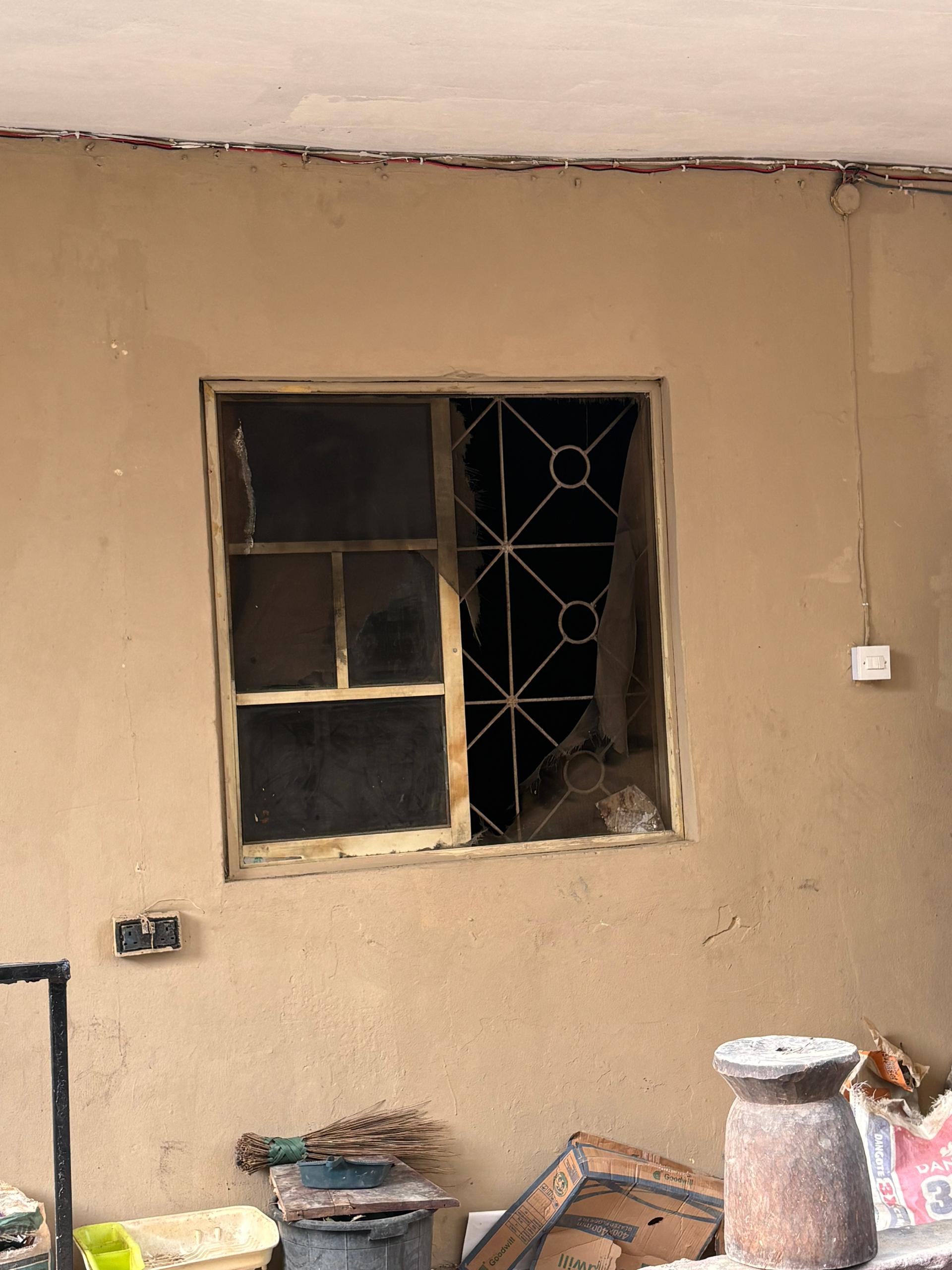
Despite the pending legal proceedings, she alleged that another attack occurred on Jan. 21, 2026. During that incident, parts of the building were vandalised, including the walkway and the main gate, which was reportedly removed.
A third attack was said to have taken place on Feb.18, 2026, during which the roof, gates, and sections of the walkway were allegedly dismantled. Residents were reportedly assaulted, and some were allegedly forced to part with money under duress.
Tenants in the apartment complex are said to be living in fear amid the repeated invasions, expressing concern over their safety and uncertainty about further violence.
Mrs. Alolagbe alleged that the attacks were led by a man identified as Mr. Alliu, popularly known as aka “Champion,” whom she described as a political thug. She claimed he arrived with a group of about 50 men, allegedly brandishing weapons and breaking bottles to intimidate residents.
She further alleged that the group boasted of connections with senior police officers, politicians in Lagos State, and even the presidency, claiming they were untouchable.
According to her, some arrests were initially made following the incidents, but the suspects were later released. She expressed concern that the alleged perpetrators continue to threaten her, making it difficult for her to move freely.
She also disclosed that during a meeting on Feb. 23, 2026, an Area Commander reportedly told her that little could be done because the matter was already before a court of law.
The development has raised concerns about the enforcement of law and order in civil disputes that degenerate into violence, particularly when court cases are pending.
As tensions persist, residents and observers are calling on relevant authorities to ensure the safety of lives and properties ,while allowing the courts to determine ownership and bring lasting resolution to the dispute.

Adron Homes Introduces Special Ramadan Offer with Discounts and Gift Rewards
As the holy month of Ramadan inspires reflection, sacrifice, and generosity, Adron Homes and Properties Limited has unveiled its special Ramadan Promo, encouraging families, investors, and aspiring homeowners to move beyond seasonal gestures and embrace property ownership as a lasting investment in their future.
The company stated that the Ramadan campaign, running from January 20th to April 6th, 2026, is designed to help Nigerians build long-term value and stability through accessible real estate opportunities. The initiative offers generous discounts, flexible payment structures, and meaningful Ramadan-themed gifts across its estates and housing projects nationwide.
Under the promo structure, clients enjoy a 30% discount on land purchases alongside a convenient 36-month flexible payment plan, making ownership more affordable and stress-free.
In the spirit of the season, the company has also attached thoughtful rewards to qualifying payments. Clients who pay ₦200,000 receive a Provision Hamper to support their household during the fasting period, while those who pay ₦400,000 receive an Automated Prayer Mat to enhance their spiritual experience throughout Ramadan.
According to the company, the Ramadan Promo reflects its commitment to aligning lifestyle, faith, and financial growth, enabling Nigerians at home and in the diaspora to secure appreciating assets while observing a season centered on discipline and forward planning.
Reiterating its dedication to secure land titles, prime locations, and affordable pricing, Adron Homes urged prospective buyers to take advantage of the limited-time Ramadan campaign to build a future grounded in stability, prosperity, and generational wealth.
This promo covers estates located in Lagos, Shimawa, Sagamu, Atan–Ota, Papalanto, Abeokuta, Ibadan, Osun, Ekiti, Abuja, Nasarawa, and Niger states.
As Ramadan calls for purposeful living and wise decisions, Adron Homes is redefining the season, transforming reflection into investment and faith into a lasting legacy.


-

 celebrity radar - gossips6 months ago
Why Babangida’s Hilltop Home Became Nigeria’s Political “Mecca”
-

 society5 months ago
Religion: Africa’s Oldest Weapon of Enslavement and the Forgotten Truth
-

 society6 months ago
Power is a Loan, Not a Possession: The Sacred Duty of Planting People
-

 news7 months ago
THE APPOINTMENT OF WASIU AYINDE BY THE FEDERAL GOVERNMENT AS AN AMBASSADOR SOUNDS EMBARRASSING