
society
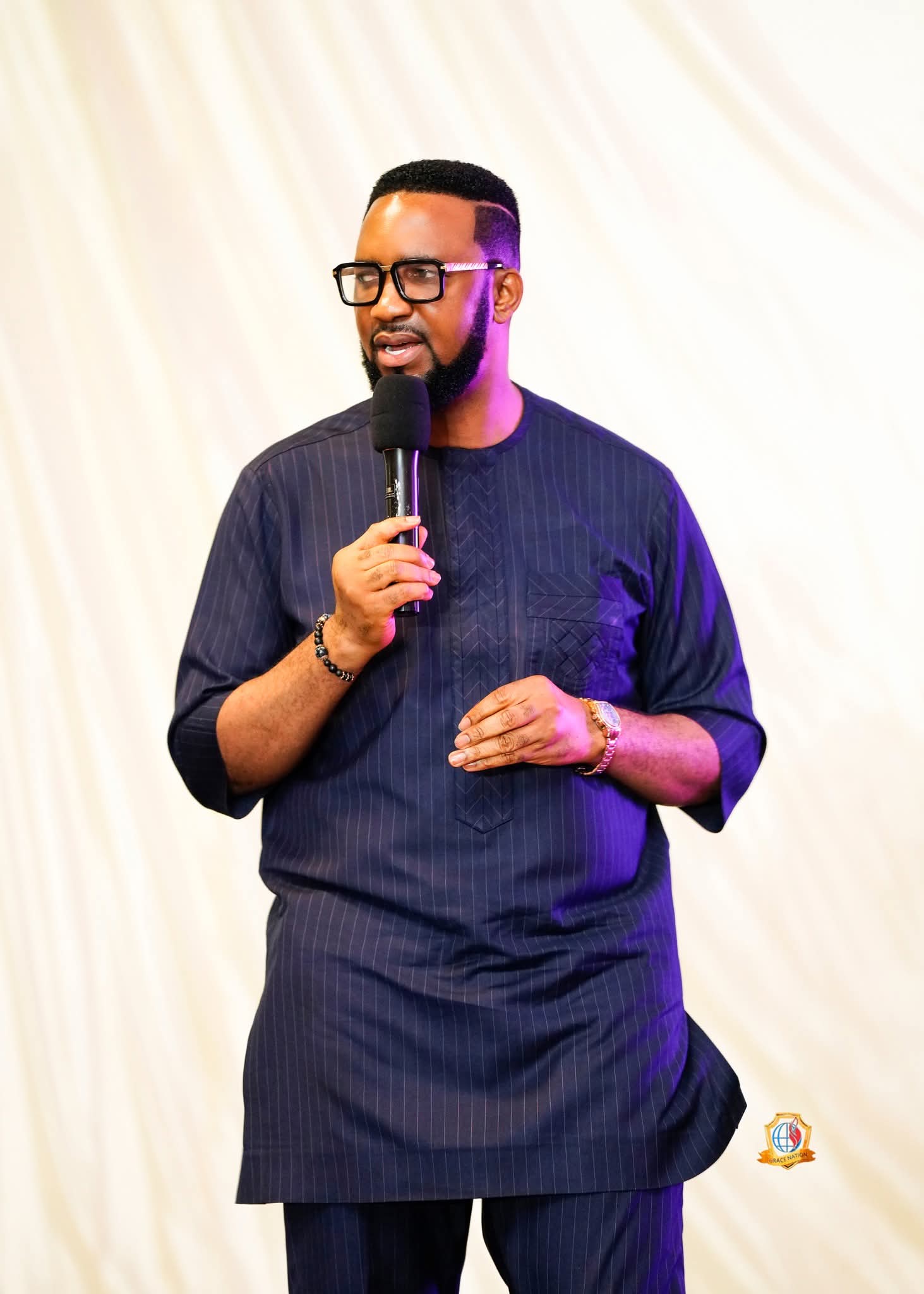
Humanitarian Service: Chris Okafor Humanity Foundation Continues to Restore Hope to the Less Privileged

Humanitarian Service: Chris Okafor Humanity Foundation Continues to Restore Hope to the Less Privileged
By Sunday Adeyemi
Humanitarian service, according to scholars, involves the provision of aid, assistance, and support to people in crisis with the aim of saving lives, alleviating suffering, and upholding human dignity. It also entails empowering the underprivileged to become self-reliant and productive members of society.
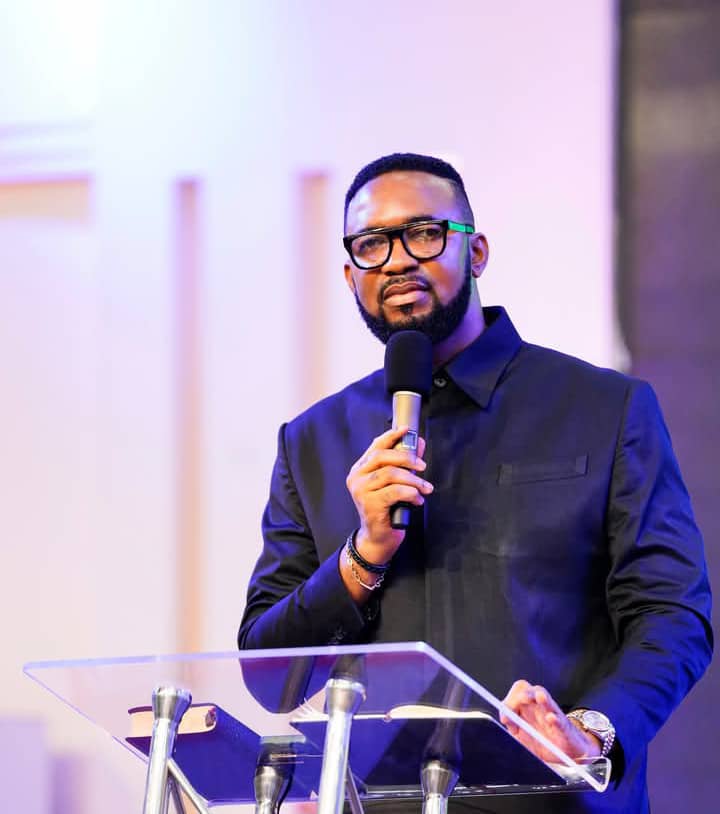
These principles are clearly exemplified by the Chris Okafor Humanity Foundation, a humanitarian initiative solely sponsored by the renowned cleric, generational prophet, and Senior Pastor of Grace Nation Worldwide (also known as Liberation City), Dr. Chris Okafor.
Dr. Okafor, a humble philanthropist and God-fearing man of God, strongly believes that winning souls for Christ should go beyond prophetic declarations and deliverance alone. According to him, true Christianity must include empowering people economically and socially so that those delivered can live dignified, independent lives.
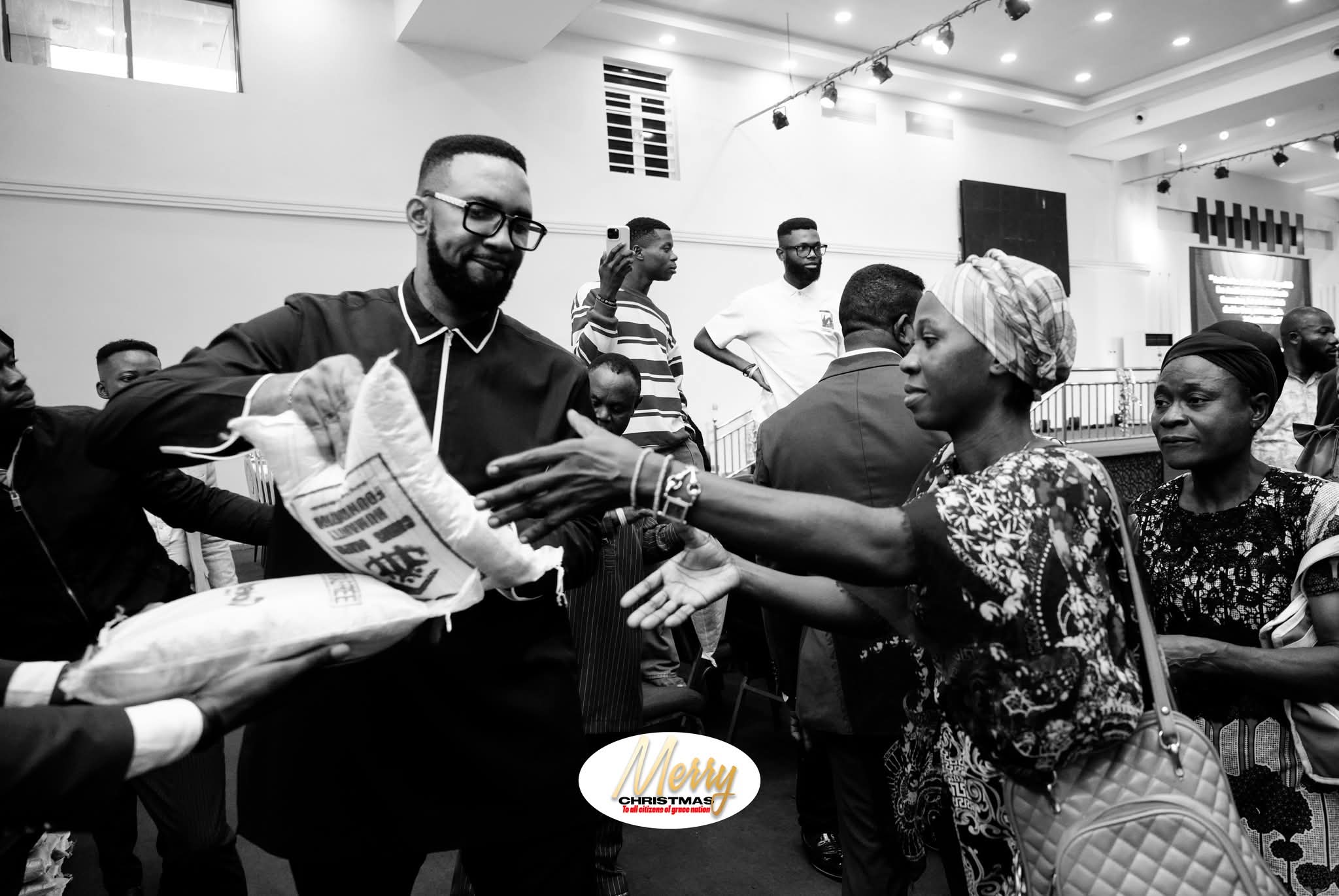
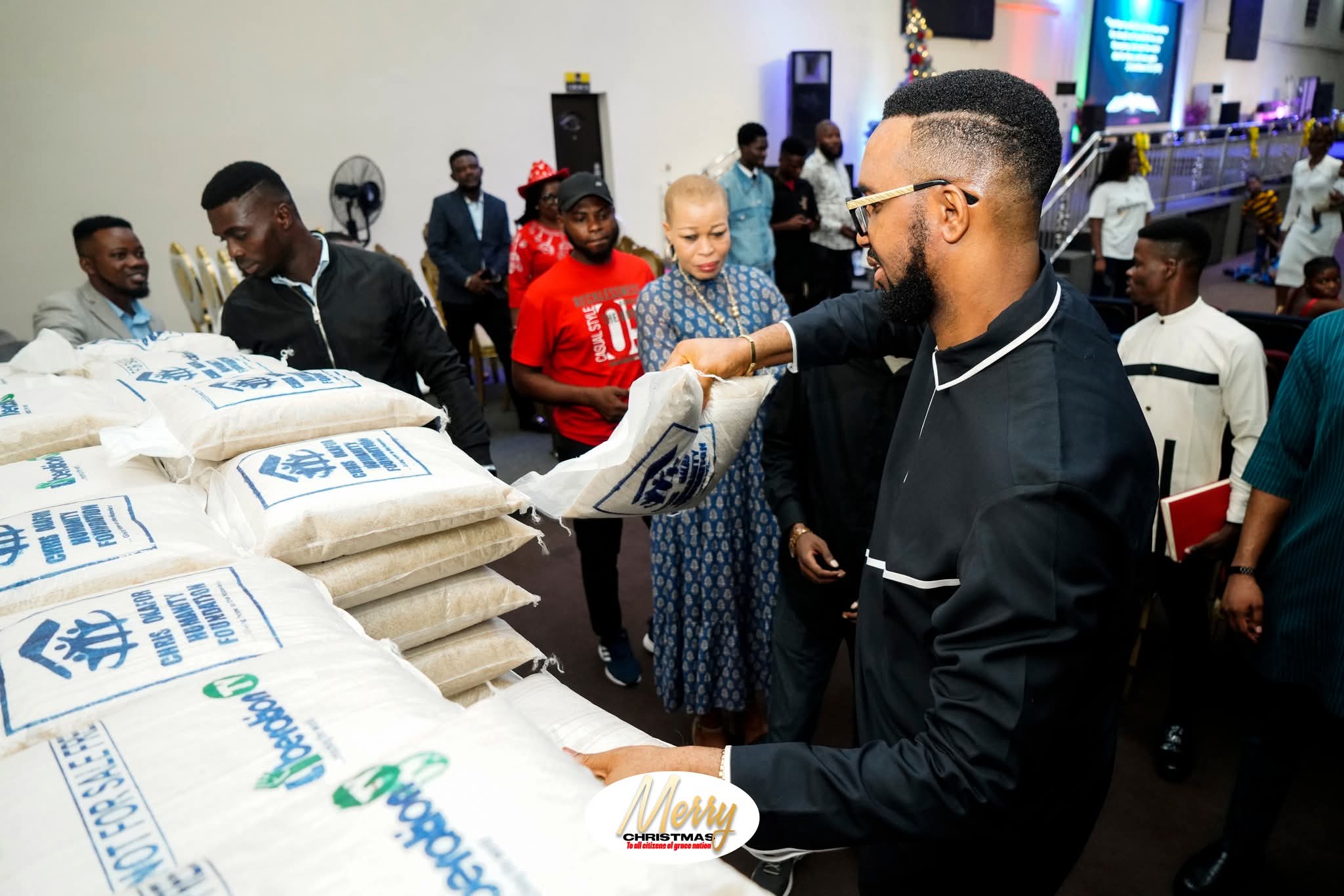
Over the past 20 years since its inception, the Chris Okafor Humanity Foundation has positively impacted the lives of more than two million widows. The foundation provides weekly food supplies, cash assistance, and household essentials to widows across all Grace Nation branches worldwide.
Numerous beneficiaries attest that Dr. Chris Okafor has indeed restored hope and dignity to their lives.
In addition to its support for widows, the foundation has made significant contributions to education. Over 100,000 students have benefited from the foundation’s scholarship scheme since its inception. Many of the early beneficiaries are now graduates gainfully employed in multinational companies across Nigeria and beyond, supporting their families and contributing to the reduction of unemployment and poverty.
One such beneficiary, Mr. Matthew Israel, shared his testimony, stating that he is where he is today because of the vision and kindness of Dr. Chris Okafor. According to him, he was identified by the man of God during a church service several years ago. At the time, he had passed all his O’Level examinations but lacked the financial means to further his education. Through divine intervention, Dr. Okafor awarded him a full scholarship. Today, Mr. Israel is a graduate working with one of Nigeria’s leading multinational companies. He described Dr. Okafor as a true man of God who practices practical Christianity.
The foundation has also made remarkable strides in providing shelter for the elderly. One notable breakthrough was the construction of a three-bedroom apartment for an aged widow named Agnes, who single-handedly raised her five children. For many years, she and her family lived under a tree. Through the benevolence of Dr. Chris Okafor and the Chris Okafor Humanity Foundation, her life and that of her children have been completely transformed. Today, they live in peace and security, to the glory of God.
Further findings reveal that residents of Oshofisan Street, Ereke, Ojodu Berger—the host community of Grace Nation Global—now enjoy access to clean, portable pipe-borne water provided by the foundation. Additionally, the road on Oshofisan Street has been tarred as part of the foundation’s commitment to community development.
A widow, who preferred to remain anonymous, disclosed that for over ten years, her household has not had to purchase rice or certain food items, as the Chris Okafor Humanity Foundation supplies them weekly. She joyfully testified that Dr. Chris Okafor is God-sent to her family, declaring that the spirit of hunger has been completely eradicated from her household.
In Part Two of this series, we will examine the impact of the Chris Okafor Humanity Foundation on schools, its support for government agencies—including paramilitary and uniformed services—and its broader influence on Grace Nation citizens.
Watch out.





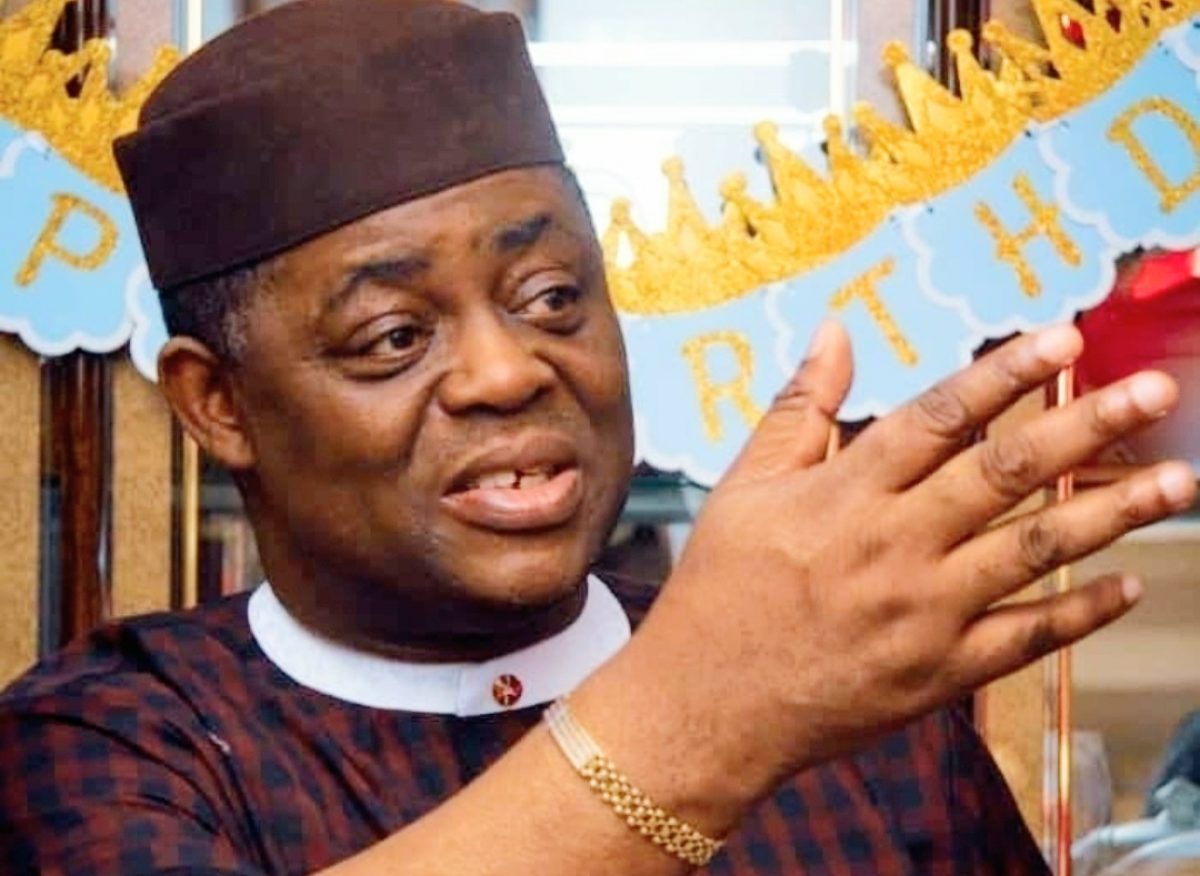
A MORNING OF CARNAGE by Chief Femi Fani-Kayode
Sixty years ago, in the early hours of the morning of January 15th 1966, a coup d’etat took place in Nigeria which resulted in the murder of a number of leading political figures and senior army officers.
This was the first coup in the history of our country and 98 per cent of the officers that planned and led it were from a particular ethnic nationality in the country.
According to Max Siollun, a notable and respected historian whose primary source of information was the Police report compiled by the Police’s Special Branch after the failure of the coup, during the course of the investigation and after the mutineers had been arrested and detained, names of the leaders of the mutiny were as follows:
Major Emmanuel Arinze Ifeajuna,
Major Chukwuemeka Kaduna Nzeogwu,
Major Chris Anuforo,
Major Tim Onwutuegwu,
Major Chudi Sokei,
Major Adewale Ademoyega,
Major Don Okafor,
Major John Obieno,
Captain Ben Gbuli,
Captain Emmanuel Nwobosi,
Captain Chukwuka,
and Lt. Oguchi.
It is important to point out that I saw the Special Branch report myself and I can confirm Siollun’s findings.
These were indeed the names of ALL the leaders of the January 15th 1966 mutiny and all other lists are FAKE.
The names of those that they murdered in cold blood or abducted were as follows.
Sir Abubakar Tafawa Balewa, the Prime Minister of Nigeria (murdered),
Sir Ahmadu Bello, the Sardauna of Sokoto and the Premier of the Old Northern Region (murdered),
Sir Kashim Ibrahim, the Shettima of Borno and the Governor of the Old Northern Region (abducted),
Chief Samuel Ladoke Akintola, the Aare Ana Kakanfo of Yorubaland and the Premier of the Old Western Region (murdered),
Chief Remilekun Adetokunboh Fani-Kayode SAN, Q.C. CON, the Balogun of Ife, the Deputy Premier of the Old Western Region, the Regional Minister for Local Government and Chieftaincy Affairs and my beloved father (abducted),
Chief Festus Samuel Okotie-Eboh, the Oguwa of the Itsekiris and the Minister of Finance of Nigeria (murdered),
Brigadier Samuel Adesujo Ademulegun, Commander of the 1st Brigade, Nigerian Army (murdered),
Brigadier Zakariya Maimalari, Commander of the 2nd Brigade, Nigerian Army (murdered),
Colonel James Pam (murdered),
Colonel Ralph Sodeinde (murdered),
Colonel Arthur Unegbe (murdered),
Colonel Kur Mohammed (murdered),
Lt. Colonel Abogo Largema (murdered),
Alhaja Hafsatu Bello, the wife of the Sardauna of Sokoto (murdered),
Alhaji Zarumi, traditional bodyguard of the Sardauna of Sokoto (murdered),
Mrs. Lateefat Ademulegun, the wife of Brigadier Ademulegun who was 8 months pregnant at the time (murdered),
Ahmed B. Musa (murdered),
Ahmed Pategi (murdered),
Sgt. Daramola Oyegoke (murdered),
Police Constable Yohana Garkawa (murdered),
Police Constable Musa Nimzo (murdered),
Police Constable Akpan Anduka (murdered),
Police Constable Hagai Lai (murdered),
and Police Constable Philip Lewande (murdered).
In order to reflect the callousness of the mutineers permit me to share under what circumstances some of their victims were murdered and abducted.
Sir Abubakar Tafawa Balewa was abducted from his home, beaten, mocked, tortured, forced to drink alcohol, humiliated and murdered after which his body was dumped in a bush along the Lagos-Abeokuta road.
Sir Ahmadu Bello was killed in the sanctity of his own home with his wife Hafsatu and his loyal security assistant Zurumi.
Zurumi drew his sword to defend his principal whilst Hafsatu threw her body over her dear husband in an attempt to protect him from the bullets.
Chief S. L. Akintola was gunned down as he stepped out of his house in the presence of his family and Chief Festus Okotie-Eboh was beaten, brutalised, abducted from his home, maimed and murdered and his body was dumped in a bush.
Brigadier Zakariya Maimalari had held a cocktail party in his home the evening before which was attended by some of the young officers that went back to his house early the following morning and murdered him.
Brigadier Samuel Ademulegun was shot to death at home, in his bedroom and in his matrimonial bed along with his eight-month pregnant wife Lateefat.
Colonel Shodeinde was murdered in Ikoyi hotel whilst Col. Pam was abducted from his home and murdered in a bush.
Most of the individuals that were killed that morning were subjected to a degree of humiliation, shame and torture that was so horrendous that I am constrained to decline from sharing them in this contribution.
The mutineers came to our home as well which at that time was the official residence of the Deputy Premier of the Old Western Region and which remains there till today.
After storming our house and almost killing my brother, sister and me, they beat, brutalised and abducted my father Chief Remi Fani-Kayode.
What I witnessed that morning was traumatic and devastating and, of course, what the entire nation witnessed was horrific.
It was a morning of carnage, barbarity and terror.
Those events set in motion a cycle of carnage which changed our entire history and the consequences remain with us till this day.
It was a sad and terrible morning and one of blood and slaughter.
My recollection of the events in our home is as follows.
At around 2.00 a.m. my mother, Chief (Mrs.) Adia Aduni Fani-Kayode, came into the bedroom which I shared with my older brother, Rotimi and my younger sister Toyin. I was six years old at the time.
My other older brother, Akinola, whom we fondly reffered to as Akins, was not with us that night because he was a border at Kings College, Lagos whilst my other younger sister Tolulope Fani-Kayode was not born until one year later!
The lights had been cut off by the mutineers so we were in complete darkness and all we could see and hear were the headlights from three or four large and heavy trucks with big loud engines.
The official residence of the Deputy Premier had a very long drive so it took the vehicles a while to reach us.
We saw four sets of headlights and heard the engines of four lorries drive up the drive-way.
The occupants of the lorries, who were uniformed men who carried torches, positioned themselves and prepared to storm our home whilst calling my fathers name and ordering him to come out.
My father courageously went out to meet them after he had called us together, prayed for us and explained to us that since it was him they wanted he must go out there.
He explained that he would rather go out to meet them and, if necessary, meet his death than let them come into the house to shoot or harm us all.
The minute he stepped out they brutalised him. I witnessed this. They beat him, tied him up and threw him into one of the lorries.
The first thing they said to him as he stepped out was “where are your thugs now Fani-Power?”
My father’s response was typical of him, sharp and to the point. He said, “I don’t have thugs, only gentlemen.”
I think this annoyed them and made them brutalise him even more. They tied him up, threw him in the back of the lorry and then stormed the house.
When they got into the house they ransacked every nook and cranny, shooting into the ceiling and wardrobes.
They were very brutal and frightful and we were terrified.
My mother was screaming and crying from the balcony because all she could do was focus on her husband who was in the back of the truck downstairs. There is little doubt that she loved him more than life itself.
“Don’t kill him, don’t kill him!!” she kept screaming at them. I can still visualise this and hear her voice pleading, screaming and crying.
I didn’t know where my brother or sister were at this point because the house was in total chaos.
I was just six years old and I was standing there in the middle of the passage upstairs in the house by my parents bedroom, surrounded by uniformed men who were ransacking the whole place and terrorising my family.
Then out of the blue something extraordinary happened. All of a sudden one of the soldiers came up to me, put his hand on my head and said: “don’t worry, we won’t kill your father, stop crying.”
He said this to me three times. After he said it the third time I looked in his eyes and I stopped crying.
This was because he gave me hope and he spoke with kindness and compassion. At that point all the fear and trepidation left me.
With new-found confidence I went rushing to my mother who was still screaming on the balcony and told her to stop crying because the soldier had promised that they would not kill my father and that everything would be okay.
I held on to the words of that soldier and that morning, despite all that was going on around me, I never cried again.
Four years ago when he was still alive I made contact with and spoke to Captain Nwobosi, the mutineer who led the team to our house and that led the Ibadan operation that night about these events.
He confirmed my recollection of what happened in our house saying that he remembered listening to my mother screaming and watching me cry.
He claimed that he was the officer that had comforted me and assured me that my father would not be killed.
I have no way of confirming if it was really him but I have no reason to doubt his words.
He later asked me to write the foreword of his book which sadly he never launched or released because he passed away a few months later.
The mutineers took my father away and as the lorry drove off my mother kept on wailing and crying and so was everyone else in the house except for me.
From there they went to the home of Chief S.L. Akintola a great statesman and nationalist and a very dear uncle of mine.
My mother had phoned Akintola to inform him of what had happened in our home.
She was sceaming down the phone asking where her husband had been taken and by this time she was quite hysterical.
Chief Akintola tried to calm her down assuring her that all would be well.
When they got to Akintola’s house he already knew that they were coming and he was prepared for them.
Instead of coming out to meet them, he had stationed some of his policemen inside the house and they started shooting.
A gun battle ensued and consequently the mutineers were delayed by at least one hour.
According to the Special Branch reports and the official statements of the mutineers that survived that night and that were involved in the operation their plan had been to pick up my father and Chief Akintola from their homes in Ibadan, take them to Lagos, gather them together with the other political leaders that had been abducted and then execute them all together.
The difficulty they had was that Akintola resisted them and he and his policemen ended up wounding two of the soldiers that came to his home.
One of the soldiers, whose name was apparently James, had his fingers blown off and the other had his ear blown off.
After some time Akintola’s ammunition ran out and the shooting stopped.
His policemen stood down and they surrendered. He came out waving a white handkerchief and the minute he stepped out they just slaughtered him.
My father witnessed Akintola’s cold-blooded murder in utter shock, disbelief and horror because he was tied up in the back of the lorry from where he could see everything that transpired.
The soldiers were apparently enraged by the fact that two of their men had been wounded and that Akintola resisted and delayed them.
After they killed him they moved on to Lagos with my father.
When they got there they drove to the Officer’s Mess at Dodan Barracks in Ikoyi where they tied him up, sat him on the floor of a room, and placed him under close arrest by surrounding him with six very hostile and abusive soldiers.
Thankfully about two hours later he was rescued, after a dramatic gun battle, by loyalist troops led by one Lt. Tokida who stormed the room with his men and who was under the command of Captain Paul Tarfa (as he then was).
They had been ordered to free my father by Lt. Col. Yakubu Gowon who was still in control of the majority of troops in Dodan Barracks and who remained loyal to the Federal Government.
Bullets flew everywhere in the room during the gunfight that ensued whilst my father was tied up in the middle of the floor with no cover. All that yet not one bullet touched him!
This was clearly the Finger of God and once again divine providence as under normal circumstances few could have escaped or survived such an encounter without being killed either by direct fire or a stray bullet. For this I give God the glory.
Meanwhile three of the soldiers that had tied my father up and placed him under guard in that room were killed right before his eyes and two of Takoda’s troops that stormed the room to save him lost their lives in the encounter.
At this point permit me to mention the fact that outside of my father, providence also smiled favourably upon and delivered Sir Kashim Ibrahim, the Shettima of Borno and the Governor of the Old Northern Region from death that morning.
He was abducted from his home in Kaduna by the mutineers but was later rescued by loyalist troops.
When the mutineers took my father away everyone in our home thought he had been killed.
The next morning a handful of policemen came and took us to the house of my mother’s first cousin, Justice Atanda Fatai-Williams, who was a judge of the Western Region at the time. He later became the Chief Justice of Nigeria.
From there we were taken to the home of Justice Adenekan Ademola, another High Court judge at the time, who was a very close friend of my father, who later became a Judge of the Court of Appeal and whose father, Sir Adetokunboh Ademola, was to later become the first Nigerian Chief Justice of the Federation.
At this point the whole country had been thrown into confusion and no one knew what was going on.
We heard lots of stories and did not know what to make of what anymore. There was chaos and confusion and the entire nation was gripped by fear.
Two days later my father finally called us on the telephone and he told us that he was okay.
When we heard his voice, I kept telling my mother “I told you, I told you.”
Justice Ademola and his dear wife who was my mother’s best friend, a Ghanaian lady by the name of Mrs. Frances Ademola (nee Quarshie-Idun) whom we fondly called Aunty Frances and whose father was Justice Samuel Okai Quarshie-Idun, the Chief Justice of the High Court of Western Nigeria and later President of the East African Court of Appeal, wept with joy.
My mother was also weeping as were my brother and sister and I just kept rejoicing because I knew that he would not be killed and I had told them all.
I believe that whoever that soldier was that promised me that my father would not be killed was used by God to convey a message to me that morning even in the midst of the mayhem and fear. I believe that God spoke through him that night.
Whoever he was the man spoke with confidence and authority and this constrains me to believe that he was a commissioned officer or a man in authority.
What happened on the night of January 15th 1966 was indefensible, unjustifiable, unacceptable, unnecessary, unprovoked and utterly barbaric.
It set off a cycle of events which had cataclysmic consequences for our country and which we are still reeling from today.
It arrested our development as a people and our political evolution as a country.
Had it not happened our history would have been very different. May we never see such a thing again.
(Chief Femi Fani-Kayode is the Sadaukin Shinkafi, the Wakilin Doka Potiskum, the Otunba Joga Orile, the Aare Ajagunla of Otun Ekiti, a lawyer, a former Senior Special Assistant on Public Affairs to President Olusegun Obasanjo, a former Minister of Culture and Tourism of Nigeria, a former Minister of Aviation of Nigeria and an Ambassador-Designate of the Federal Republic of Nigeria)
society
Truth Under Fire: Bishop Matthew Kukah’s Clarification on Christian Persecution in Nigeria from Context, Controversy and Consequences. By George Omagbemi Sylvester
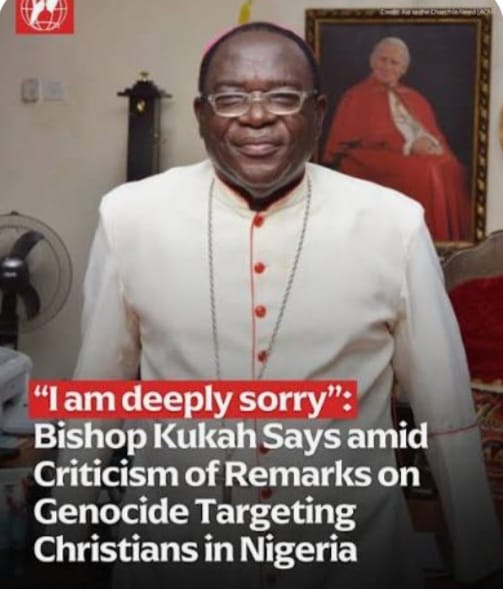
Truth Under Fire: Bishop Matthew Kukah’s Clarification on Christian Persecution in Nigeria from Context, Controversy and Consequences.
By George Omagbemi Sylvester
“How misrepresentation, insecurity and national debate collided around one of Nigeria’s most respected moral voices and what it reveals about the country’s struggle with violence, religious harmony and truth.”
In a nation grappling with deep insecurity, sectarian violence and rising global scrutiny, one of Nigeria’s most prominent clerics (Most Rev. Matthew Hassan Kukah) has found himself at the eye of a media storm. Reports circulating in recent weeks claimed that Bishop Kukah “MADE A U-TURN” and denied that Christians are persecuted in Nigeria. These claims gained rapid traction online and triggered widespread public emotion, frustration and critique within Christian communities at home and among the diaspora. But the story (when examined closely, thoroughly and with context) reveals both serious misreporting and the larger fault lines in Nigeria’s national discourse on security and religious freedom.
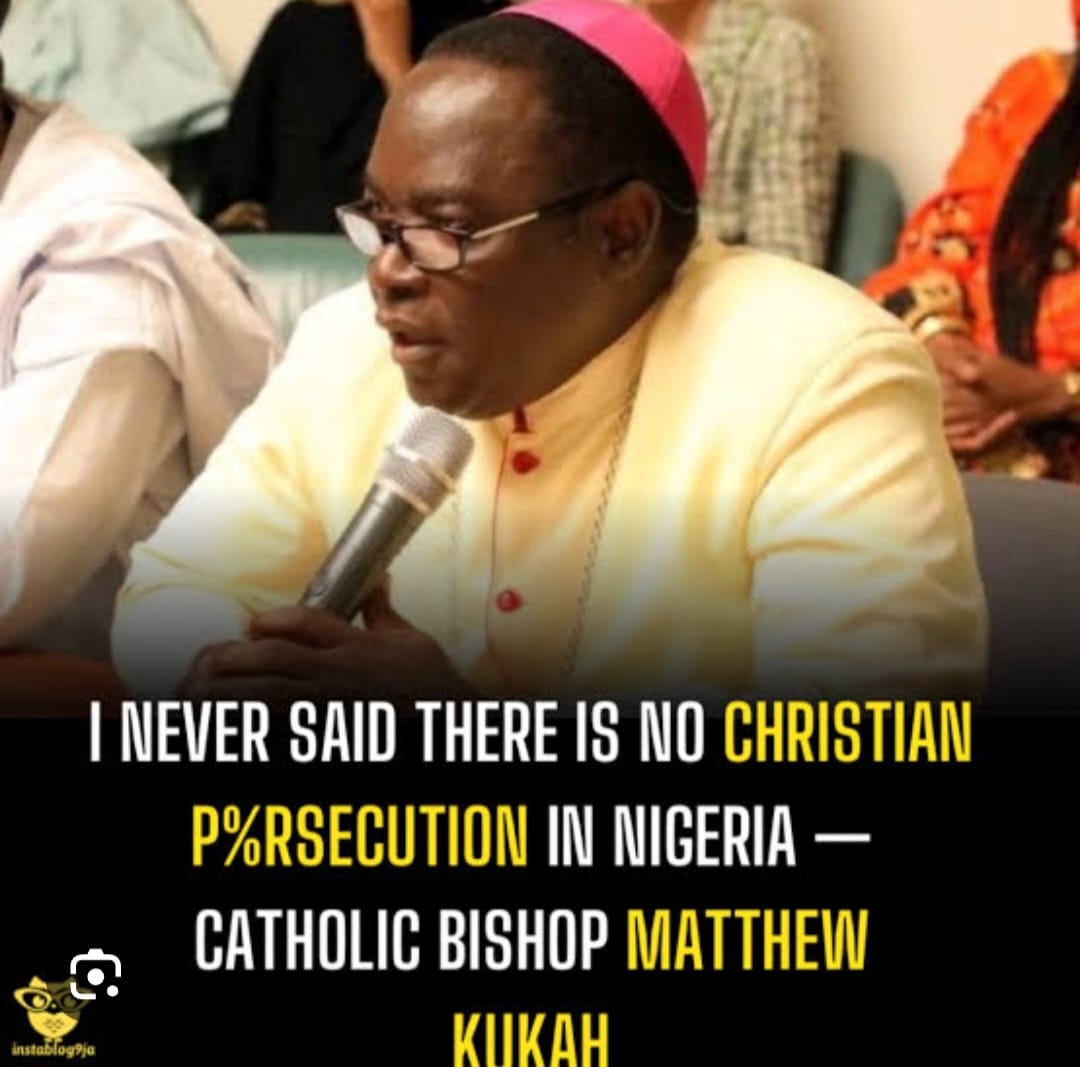
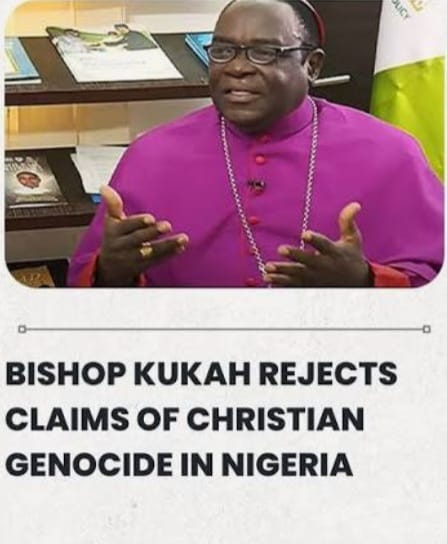
In reality, Bishop Kukah unequivocally denied ever saying Christians are not persecuted in Nigeria. Far from dismissing the suffering of religious communities, he argued against simplistic labels like “GENOCIDE” or selective narratives that detract from deeper causes of insecurity and called for unity, accountability and disciplined civil engagement. His clarification, issued directly from his own statement and multiple reliable media reports, must be understood in full.
The Mischaracterisation and Kukah’s Response. The controversy stems from remarks the Bishop made in various settings, including at the launch of the Aid to the Church in Need’s World Report on Religious Freedom at the Vatican and at a Catholic convention in Kaduna. Some media outlets selectively quoted him questioning widely circulated figures (including claims that 1,200 churches are burned each year) and suggesting that no one had accurately engaged the Catholic Church on these numbers. This was portrayed by critics as a denial of Christian persecution.
Bishop Kukah responded with a formal clarification, titled “Of the Persecution of Christians in Nigeria: My Response,” where he stated he was “BAFFLED” that despite the clarity of his position, people continued to attach to him a claim that he said Christians were not persecuted. “Nothing could be further from the truth,” he insisted. He explained that his remarks were mischaracterised and taken out of context.
Kukah emphasised that his comments were about disagreements over language and labels (such as the difference between persecution, genocide and systemic violence) and that calling for precision in language does not equate to dismissing the reality of suffering. Across all his speeches, he has consistently recognised the ongoing attacks, killings, abductions and church burnings impacting Nigerian communities.
Laying Out the Context: Nigeria’s Insecurity Crisis. To understand why this debate matters so deeply, it is important to situate Bishop Kukah’s comments within the broader reality of Nigeria’s insecurity. Over the last decade, Nigeria has endured attacks from extremist groups, bandits, militant herders and other armed actors that have disproportionately affected rural and religious communities. Many international policy analysts have argued that these attacks (particularly in the Middle Belt and northern regions) carry clear patterns of targeting minority populations, including Christians.
For example, testimony before the United States House Foreign Affairs Subcommittee highlighted how militant extremist outfits and organised armed groups have attacked farming communities (with many victims identifying as Christians) and have displaced millions. These attacks often push populations off ancestral lands, fuel humanitarian crises and disrupt civic life across ethnic and religious communities.
Groups such as Open Doors, a respected international research body on religious freedom, have consistently reported that Nigeria ranks among the world’s most dangerous countries for Christians due to targeted violence linked to extremist and insurgent activity.
Yet, Nigerian governing authorities (including Abuja’s leadership) have repeatedly criticised the use of terms like “GENOCIDE” or “RELIGIOUS PERSECUTION” as oversimplified or politically motivated, insisting that insecurity affects all citizens irrespective of faith. These official positions have contributed to passionate debates about how best to describe and respond to violence.
Why Language Matters: PERSECUTION vs. GENOCIDE. One core aspect of Bishop Kukah’s message is his insistence on accurate language as foundational for moral clarity and constructive policy responses. Contrary to claims that he denies persecution, Kukah’s argument is that terms like “GENOCIDE” have specific legal and philosophical definitions (requiring proof of intent to eliminate a group) which cannot be loosely applied without robust evidence.
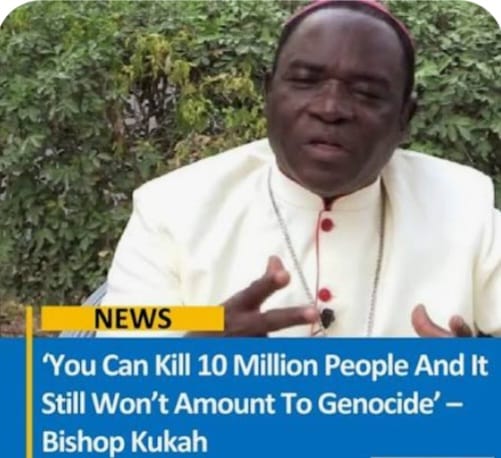
“Killing 10 million people still does not amount to genocide, if the intention to eliminate a group is absent,” he said, emphasising the need for careful, disciplined discourse rather than inflammatory rhetoric.
This distinction is not trivial. In international law, as defined under the GENOCIDE CONVENTION, genocide is a specific crime that requires intent to destroy a national, religious or ethnic group in whole or in part. Misuse of such terms can distort public understanding and impede accurate reporting, advocacy and diplomacy. Bishop Kukah’s point (misunderstood by many) reflects this complexity and insists that serious claims require serious evidence.
Uproar and Backlash: Public Reaction vs. Intent. The misreporting sparked intense criticism from Christian advocacy groups and ordinary Nigerians, with many accusing Kukah of abandoning moral leadership or aligning with political power. Social media conversations multiplied allegations that the Bishop had “LOST HIS MORAL COMPASS” by questioning narratives of persecution, with some voices resorting to personal attacks rather than constructive debate.
These reactions, while emotionally powerful, often overlook two critical points: First, the Bishop has repeatedly affirmed the existence of violence against Christians; and second, he has urged unity not division, within and between faith communities. His clarification stressed that trauma and suffering must not be dismissed by debates over terminology, but that precision allows solutions to be targeted and sustainable.
Scholarly and Expert Perspectives. Experts in religious freedom and conflict analysis have noted that Nigeria’s situation defies simplistic categorisation. Dr. Nina Shea, a leading expert on religious liberty, has testified before international bodies on how Nigeria’s violence involves layers of pastoralist-farmer conflict, jihadist terrorism and weak state responses, all intersecting with religious identities.
Shea and others have pointed out that systematic violence against Christian communities often stems from the failure of the Nigerian state to protect vulnerable populations and the activities of militant groups that exploit ethnic and religious fault lines. These perspectives align with Bishop Kukah’s broader concern about insecurity, even if they differ on how to label the violence.
Beyond legal definitions, respected theologians argue that speaking about persecution has spiritual and moral weight. Theologian Miroslav Volf wrote that “truth without compassion, like compassion without truth, does not save us” though highlighting the need for accurate understanding and empathetic responses to human suffering.
What This Means for Nigerians and the World. At stake in this debate is more than a semantic argument. It is a reflection of how Nigeria (one of Africa’s largest democracies and most religiously diverse nations) confronts violence, protects minorities and navigates competing narratives.
Misreporting and sensationalism undermine constructive dialogue. When leaders like Bishop Kukah are misconstrued, the public discourse can quickly polarise, eroding trust and distracting from urgent calls for accountability, reform and effective security policy.
Kukah himself has emphasised that Nigerians must transcend victimhood to demand transformations in governance, civic culture and national identity. True leadership, in his reckoning, arises not from political grandstanding but from disciplined, honest appraisal of challenges and collective action towards peace, a message resonating far beyond Nigeria’s borders.
A Parting Thought.
The controversy over Bishop Matthew Kukah’s remarks on Christian persecution in Nigeria reveals deeper truths about the country’s struggle with insecurity, identity and public discourse. While misinterpretations sparked justified emotional responses, a careful look at Kukah’s own statements shows an unwavering recognition of suffering and a call for unity, accurate language and collective responsibility.
In a world where violence against religious communities is both a local tragedy and a global concern, leaders must be judged not by headlines but by the full context of their words and the integrity of their intentions. Nigeria’s future depends on clarity, courage and commitment to justice; principles Bishop Kukah has articulated, even amid misunderstanding.
society
APPRECIATING THE LEGACY AWARD: LT GEN BURATAI, THE ARCHITECT OF MODERNIZATION—A LEGACY OF SERVICE, SACRIFICE, AND STRATEGIC TRANSFORMATION
APPRECIATING THE LEGACY AWARD: LT GEN BURATAI, THE ARCHITECT OF MODERNIZATION—A LEGACY OF SERVICE, SACRIFICE, AND STRATEGIC TRANSFORMATION
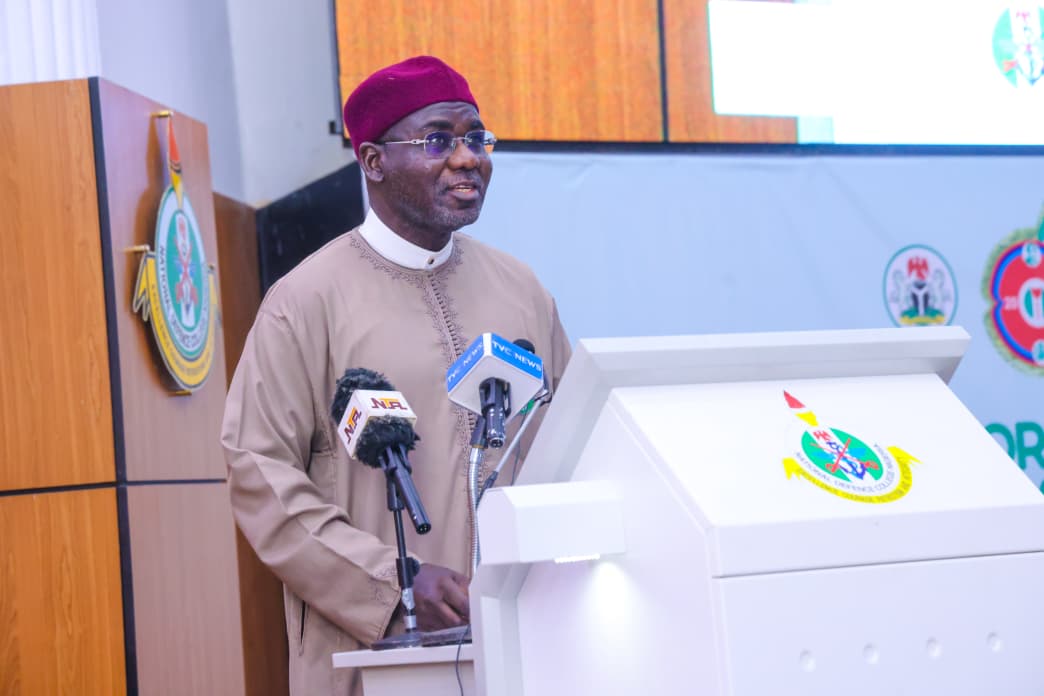
The prestigious Legacy (Service and Sacrifice) Award conferred by the Federal Government during the Armed Forces Celebration and Remembrance Day 2026 stands as a definitive national appreciation for an epoch of deliberate institutional transformation. It recognizes the distinguished career and strategic vision of His Excellency, Lieutenant General Tukur Yusufu Buratai (rtd) CFR, whose tenure as the 20th Chief of Army Staff embodies a profound covenant of service. From the pivotal moment of his appointment in July 2015, he embarked on a comprehensive mission to rebuild the Nigerian Army’s foundations, moving beyond immediate combat imperatives to engineer a holistic modernization legacy that endures.
His vision materialized through landmark achievements, beginning with the establishment of the Nigerian Army University, Biu, a pioneering institution designed to foster innovation in defense and technology, ensuring future self-reliance in human capital for a technology-driven battlefield. This was complemented by the creation of the Army War College Nigeria, the premier centre for developing the operational and strategic depth required by senior commanders to manage complex, multi-theater security challenges. In direct response to asymmetric threats, he championed the establishment of the 4 Special Forces Command in Doma, Nasarawa State, a transformative move that professionalized the NA’s elite strike capabilities. Integral to this command is the Nigerian Army Special Forces School, also located in Doma, which standardized and institutionalized rigorous special forces training as essential predeployment preparation, decisively enhancing precision, deep reconnaissance, and counter-terrorism proficiency across all theatres of operation.
With prescient foresight, cyberspace was formally recognized as a critical domain of warfare through the establishment of the Nigerian Army Cyber Warfare Command, shielding digital infrastructure and modernizing the NA’s toolkit for information warfare. He further revolutionized battlefield dynamics by revitalizing the Nigerian Army Aviation Corps through aggressive training and procurement, providing ground troops with indispensable close air support and aerial intelligence. On the logistics front, the creation of Nigerian Army Farms and Ranches, *and ST Foods *exemplified practical, sustainable logistics that combated food insecurity for frontline troops and bolstered operational independence. Understanding the profound link between welfare and focus, the Barracks Investment Initiative Programme empowered soldiers and their families through micro-credit and entrepreneurship, tackling financial anxiety and fostering societal reintegration.
The strategic architecture of this transformation was further solidified by two pivotal institutions. The Nigerian Army Resource Centre stands as a premier think-tank and repository of strategic knowledge, fostering doctrinal development, policy analysis, and future-oriented research to ensure the Army’s intellectual readiness aligns with its operational ambitions. Similarly, the Land Forces Simulation Centre revolutionized training methodology, providing a state-of-the-art, technology-driven environment for immersive command post exercises and tactical rehearsals in a risk-free simulated battlespace, sharpening the tactical acumen of the force’s leadership.
Beyond strategy and combat, the legacy is profoundly human, exemplified by the complete rehabilitation and modernisation of the 68 Nigerian Army Reference Hospital, Yaba, and the 44 Nigerian Army Reference Hospital, Kaduna, including the establishment of *NAOWA Command Hospital*, Asokoro, Abuja. This monumental investment in world-class medical care stands as one of the finest morale and moral legacies, affirming the sacred value of the soldier’s life and well-being, boosting morale, and reinforcing the covenant of service and sacrifice.
The sheer breadth of additional initiatives—from the establishment of the Women’s Corps and the “Homes Fit for Heroes” housing scheme to the development of indigenous armored vehicles like the EZUGWU and CONQUEROR MRAPs—illustrates a leadership philosophy of total institutional rejuvenation. His tenure witnessed an unprecedented infrastructural boom, enhanced intelligence capabilities, and successful large-scale exercises that stabilized various regions.
Ultimately, the Legacy Award is a testament to this unparalleled period of building. Ambassador Buratai preserved the Army’s apolitical ethos, subordinated it to democratic civil authority, and left behind a force that is more professional, resilient, and capable. His legacy is not just in the institutions he built but in the rekindled spirit of a Nigerian Army repositioned to defend and protect the sovereignty and unity of Nigeria for generations to come.
Lt Gen LO Adeosun Rtd CFR
15 January 2025


-

 celebrity radar - gossips5 months ago
Why Babangida’s Hilltop Home Became Nigeria’s Political “Mecca”
-

 society5 months ago
Power is a Loan, Not a Possession: The Sacred Duty of Planting People
-

 Business5 months ago
Batsumi Travel CEO Lisa Sebogodi Wins Prestigious Africa Travel 100 Women Award
-
 society7 months ago
CP LAWAL ADEBOWALE ASSUMES DUTY AS 46TH COMMISSIONER OF POLICE, ONDO STATE COMMAND