
celebrity radar - gossips
We’ve Saved N1.4trn By Not Paying Subsidy On Fuel – Osinbajo

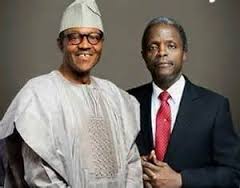

The Vice President, Professor Yemi Osinbajo, has disclosed that the federal government has so far saved the sum of N1.4 trillion for not paying oil subsidy.
He also assured Nigerians that very soon, the foreign exchange market would stabilise going by some radical policies already introduced by the Central Bank of Nigeria (CBN).
The vice president who spoke in Kano yesterday during the third day of the 15th Joint Planning Board and National Council on Development meeting, urged Nigerians to restore confidence in President Muhammadu Buhari’s administration, insisting that soonest, the current economic problems would become a thing of the past.
“With the deregulation of the downstream petroleum sector, there has been a significant increase in the availability of petrol throughout the country for the savings of N1.4 trillion on subsidy payments alone,” he said.
“Also, a more flexible exchange rate regime, we will have to decrease the pressure on the external reserve. In the short run of course, there should be consequences for inflation. We expect that with greater priority we have seen in the implementation of the policy by the CBN, the foreign exchange market will stabilise and confidence will be restored.
“The adoption of Sustainable Development Goals (SDGs) in September 2015 was intended to place our world on the part of sustainable development by the year 2030. The 17 SDGs, which combined economic, social and environmental objectives, are intended to be universal, unlike the Millennium Development Goals (MDGs) which were made solely for developing countries.”
“The universal application of the SDGs and their 169 targets show that they are a menu of options, this allows the implementation to take count of different national realities, capacities, policies and priorities.
“In the Nigerian context, some of the issues that must engage our minds will lead to economic diversification, sustained economic growth, eradication of extreme poverty, promoting social inclusion, creating jobs, sparring environmental degradation, including climate change.
“The empirical evidence from across the globe has shown that national strategic planning is very critical for attaining structural transformation and sustainable development. The countries of East Asia have proved this convincingly, even though their development was private-sector driven.
“Strategic plans largely provide direction, coherence and coordination and they are a veritable framework for guiding the activities of all stakeholders towards achieving a common goal, planning specifics such as goals, target and indicators which embodies the SDGs, also enables tracking, monitoring and evaluation.
“The successful implementation of strategic plans and attainment of the SDGs entails partnership, as encapsulated in the 17 objectives which is about the need to create labour partnership in order to attain sustainable development.
“Accordingly, just as the federal government seeks international partnership at the global level with regards to rules and resources, we also seek partnership at the national level. Such domestic partnerships entails working closely with the states which is one of the main reasons for the establishment of the NCPP.
“Other essential partnerships are also built with other sectors of society, especially, the private sector, which is the indisputable engine for growth in successful economies.
“Let me speak briefly about some of the things that the Buhari administration is doing with regard to strengthening short and medium term planning. We have strengthened the link between budgeting and strategic planning by merging the National Planning Commission with the Budget office of the federation.
“We have adopted zero base budgeting, which compels the interrogation of public expenditure at micro levels and allows effective deployment of limited financial resources to areas and sectors with the greatest need.
“We have used the short term strategic implementation plan to guide the 2016 budget; and just yesterday (Wednesday), the Federal Executive Council approved the medium plan expenditure framework and the fiscal strategy paper which are fully consistent with the SDGs and the African unions agenda 2063. These are the priorities of the federal government in the areas of tackling insecurity, combating corruption and growing the economy which would undoubtedly find expression in any medium term plan.
“The same is true for the policy interventions in the strategic implementation plan, notably, with regard to the policy, security and governance, diversification of the economy, power, rail and roads, oil and gas performance, ease of doing business, and social investment. The commitment of the Buhari administration to promote broader micro economic and structural reform; and this is made in our push to mitigate supply-side constraint.”
In his remarks, the Minister of Budget and National Planning, Senator Udoma Udo Udoma, urged the states to complement the federal government’s effort in the area of agriculture and solid minerals development.
He said this was necessary in view of the fact that the country is endowed with arable land for massive production of food.
“The states may wish to target some selected crops for massive production of such commodities.
“They can boost production through the formation of farmers cooperatives for easy access to loan facilities,” he said.
He said the state could also undertake infrastructural development such as roads to ease evacuation of farm produce.
“This will promote economic growth through the creation of job opportunities for the teeming number of unemployed youths in the country,” he said.
He added that the federal government is committed to restructuring of the Bank of Agriculture (BoA) to enable it land a single digit interest rate.
Also speaking, the Kano State Governor, Dr. Abdullahi Ganduje, represented by his Deputy, Professor Hafiz Abubakar, said the state government would collaborate with all the relevant stakeholders for the implementation of the recommendations of the meetings.




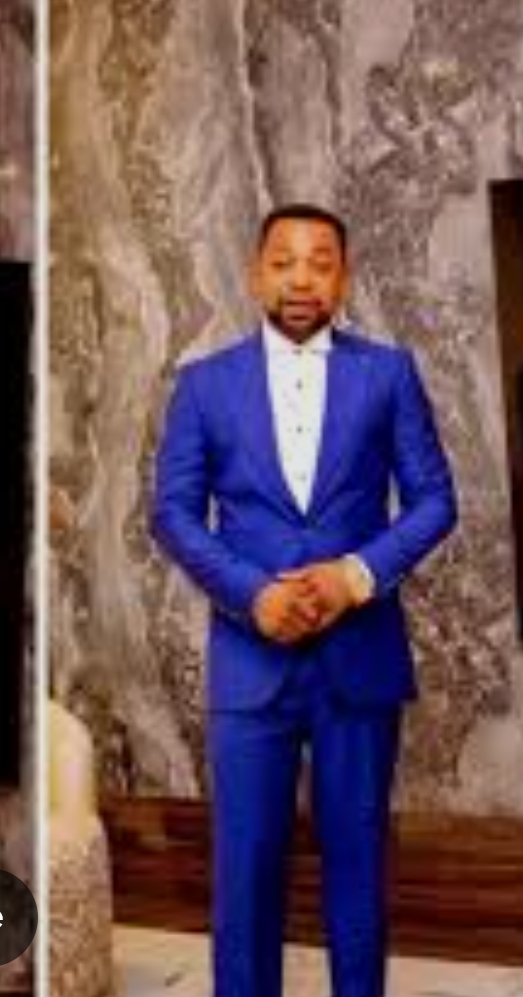
‘I Never Indicted Egbetokun’ — Jesam Michael Rebuts Sowore’s Allegations
Abuja — Businessman Jesam Michael has strongly refuted claims attributed to him in a recent report by activist and publisher Omoyele Sowore, describing the publication as false, misleading, and a total misrepresentation of his statements.
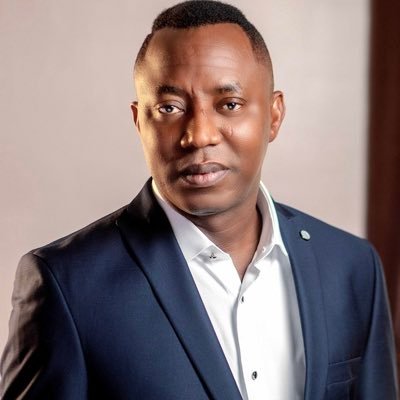
In an exclusive chat on Saturday, Michael denied ever making the allegations credited to him by Sowore concerning the Inspector-General of Police (IGP), Kayode Egbetokun, while both men were reportedly inmates at the Kuje Correctional Centre in October 2025.
Sowore, in a widely circulated account, claimed that Michael had alleged receiving operational support from senior police officers, including the provision of office space within the Nigeria Police Force Headquarters, police protection, and the use of officers to detain individuals connected to a purported Ponzi scheme. The report further alleged financial inducements involving senior police officers.
However, Michael dismissed the account as “entirely fabricated.”
“I never made those statements to Omoyele Sowore or to anyone else,” Michael said. “At no point did I accuse the Inspector-General of Police or any senior police officer of providing me with offices, police units, or protection. The claims attributed to me are false and malicious. I only met him briefly when he came to greet Nnamdi Kanu’s younger brother whom I share a block with here and there is no way we could have sat down to discuss such fabricated stories ”
Michael specifically rejected claims suggesting that he supported or “served” police officers, insisting that he never stated that he had any police unit at his disposal or that law enforcement personnel acted on his instructions.
“I never said I supported police officers or had officers working for me. That allegation did not come from me,” he said.
He also denied claims that his properties were shared among senior police officers, describing the allegation as baseless and untrue.
“At no time did I say that my properties were shared among police officers or anyone else,” Michael stated.
Additionally, Michael categorically refuted allegations credited to him that a retired Deputy Inspector-General of Police, Dasuki Galandanchi, collected ₦250 million or played any role in silencing victims.
“I never mentioned DIG Dasuki Galandanchi, nor did I accuse him or anyone else of collecting money. That statement was never mine,” he said.
Michael further alleged that Sowore, through intermediaries, had previously attempted to persuade him to publicly indict the IGP in exchange for media backing—an offer he said he firmly rejected.
“I was approached repeatedly through a lawyer called Marshall, allegedly acting on Sowore’s behalf, asking that I make statements against the IGP so an article could be published. I refused, and I believe this publication is retaliation for that refusal,” he stated.
According to Michael, he declined to entertain the lawyer again after the initial contact, insisting that he would not be used to advance any personal or political agenda.
Sowore had earlier narrated his detention following the #FreeNnamdiKanuNow protest, alleging harassment by police officers and accusing the IGP of acting unlawfully in office. His report cited conversations he claimed to have had with Michael during their time in custody as further evidence of alleged corruption within the Nigeria Police Force.
Michael, however, maintained that any legal issues surrounding him are already before the appropriate authorities and are being handled by the Economic and Financial Crimes Commission (EFCC).
“My case is before the law. I have not, and will not, make reckless allegations against individuals or institutions to gain favour or sympathy,” he said.
As of the time of filing this report, the Nigeria Police Force has not issued an official response to either Sowore’s allegations or Michael’s rebuttal.
The development adds a new layer to the ongoing public controversy surrounding Sowore’s claims against the police hierarchy, with Michael’s denial raising questions about the accuracy of statements attributed to private individuals in politically sensitive narratives.
Jesam Michael’s business challenges are currently being addressed at the federal high court as well as FCT high court Jabi. He is very confident that justice will surely be done at the end of the day.
Joining Sowore in his pursuit of cheap blackmail against the IGP, other senior police officers or anyone else has never and will never be a part of Jesam Michael.
To say the least, Jesam Michael is totally disgusted by the stories falsely peddled by Sowore and wishes to totally dissociate him self from the false and malicious stories told by Sowore.
Sowore should please look for another willing tool to use not Jesam Michael.
celebrity radar - gossips
When Power Meets Privilege: Controversy Trails the Rise of NNPC Gas Czar Lekan Ogunleye
When Power Meets Privilege: Controversy Trails the Rise of NNPC Gas Czar Lekan Ogunleye
Among many of Abraham Lincoln’s popular saying is that “If you want to test a man’s character, give him power.” This saying suggests power and affluence reveals a person’s true nature rather than changing it.
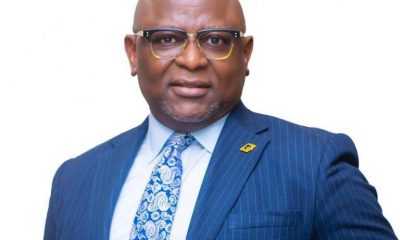
The saying might rightly describe one of NNPC limited eggheads, Lekan Ogunleye, who is the Executive Vice President, Gas, Power & New Energy.
It’s a matter of stating the obvious saying that the former Deputy Managing Director of Nigeria LNG Limited is a brilliant chap. He’s been equipped with significant industry experience in various aspects of the gas value chain, he was made the Managing Director and Chief Executive Officer of Gas Aggregation Company Nigeria Limited (GACN),a firm set up by Federal Government of Nigeria to implement the Nigerian Gas Master Plan and manage domestic supply of gas.
But with all of these achievements, many alleged that a thorn in the flesh that lives with Mr Ogunleye is his fondness for the other gender. Sources close to him alleged that he invests millions in satisfying his cravings to invite them from around the world in different sizes and shapes on regular basis.
Information gathered has it that like many of his class, he has a permanent suite in a luxurious hotel on Lagos Island where he entertains them, it was alleged that his arrangements even provides luxurious treatment for them even when he’s not in town. A recent case of such was when he travelled to UAE during last year December with his family, sources close to him alleged that while he was away, ladies invited from Indonesia and Rwanda were receiving royal treatment in this permanent suite which cost over half a million Naira per night.
The sources also alleged that he’s known to relish his fetish practices with two ladies at the a time, and to watch them play with themselves before joining in the fun.
While his personal life may not be that important, how he was able to sustain such an expensive lifestyle, was scrutinize and it was alleged that he regularly receives kickbacks from NNPC vendors and contractors, especially the foreign partners who have been awarded contracts worth millions of dollars through his assistance.
Some of his close allies alleged that power that his privileged office brought was responsible for his insatiable desires for the opposite sex a situation that led to the collapse of his first marriage before he remarried a few years ago.
In other to establish the true state of things, a query was sent to him especially about the allegation of financial irregularities and the abuse of power and privileges for personal enrichment, the query was left unanswered after more than two weeks even when receipt was confirmed.nleye
celebrity radar - gossips
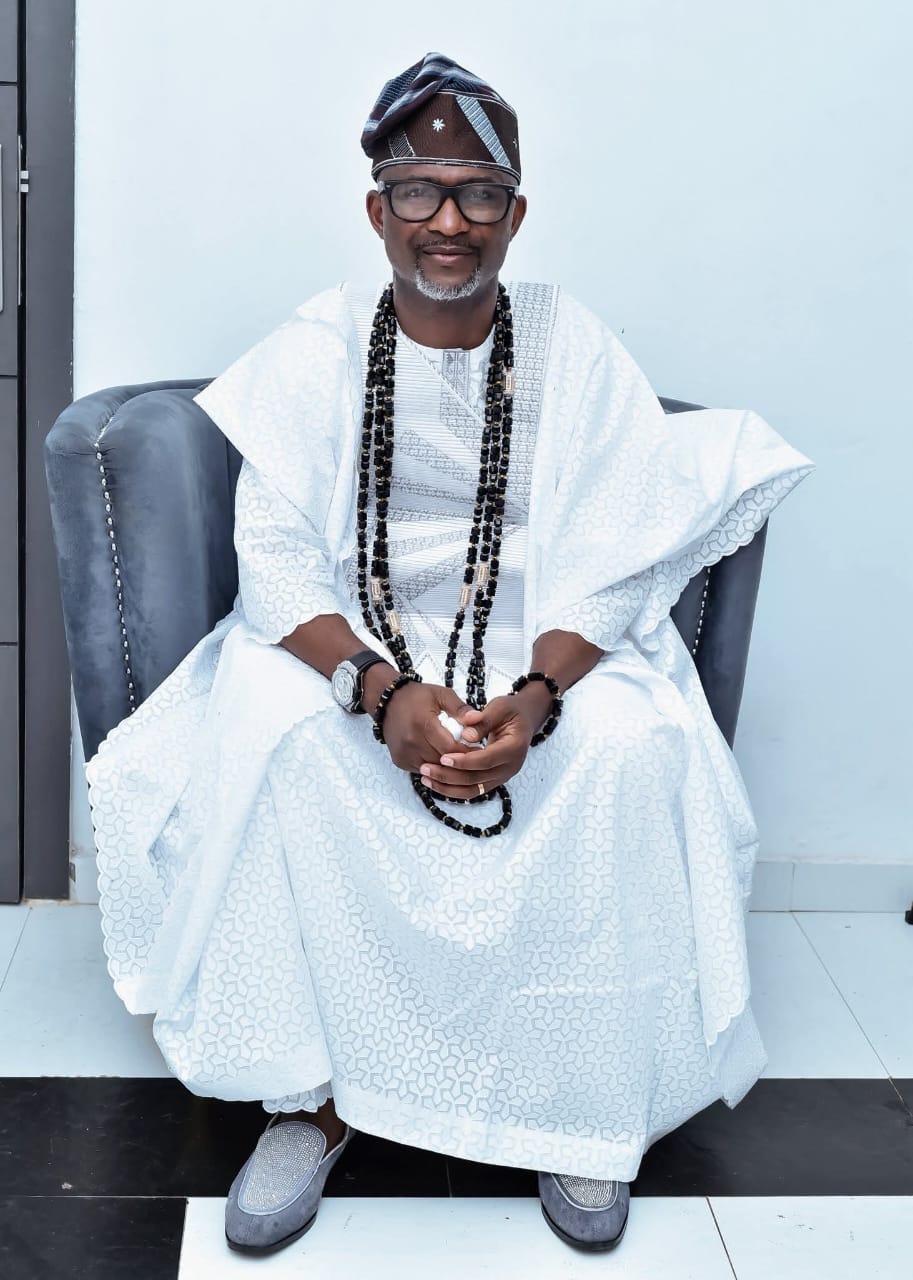
Pomp, Prestige and Purpose: Dr. Mutiu Adewale Badmus Crowned Otunba Alayeluwa Onimolete of Molete, Ogbomoso
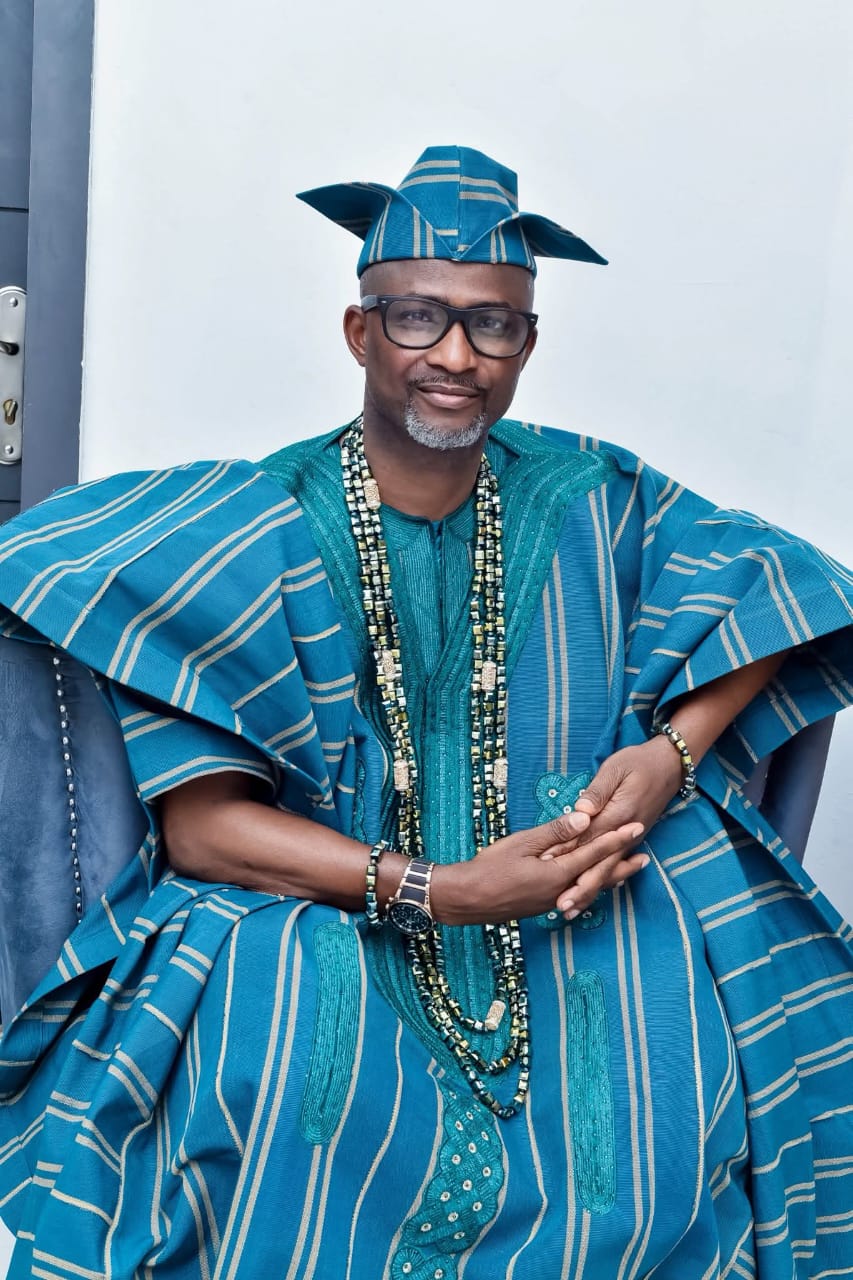
Pomp, Prestige and Purpose: Dr. Mutiu Adewale Badmus Crowned Otunba Alayeluwa Onimolete of Molete, Ogbomoso
Last Sunday was etched in gold in the annals of Molete, Ogbomoso, as the ancient town came alive in colour, culture, and celebration for the conferment of a prestigious chieftaincy title on the erudite entrepreneur and man of many parts, Dr. Mutiu Adewale Badmus.
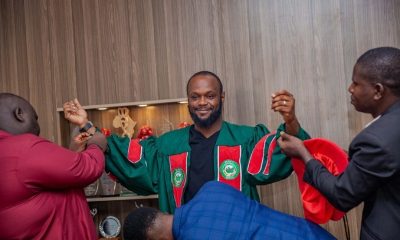
In a ceremony steeped in tradition and grandeur, Dr. Badmus was formally installed as the Otunba Alayeluwa Onimolete of Molete, Ogbomoso, drawing an impressive gathering of crème de la crème from across the social, business, and cultural strata of society.
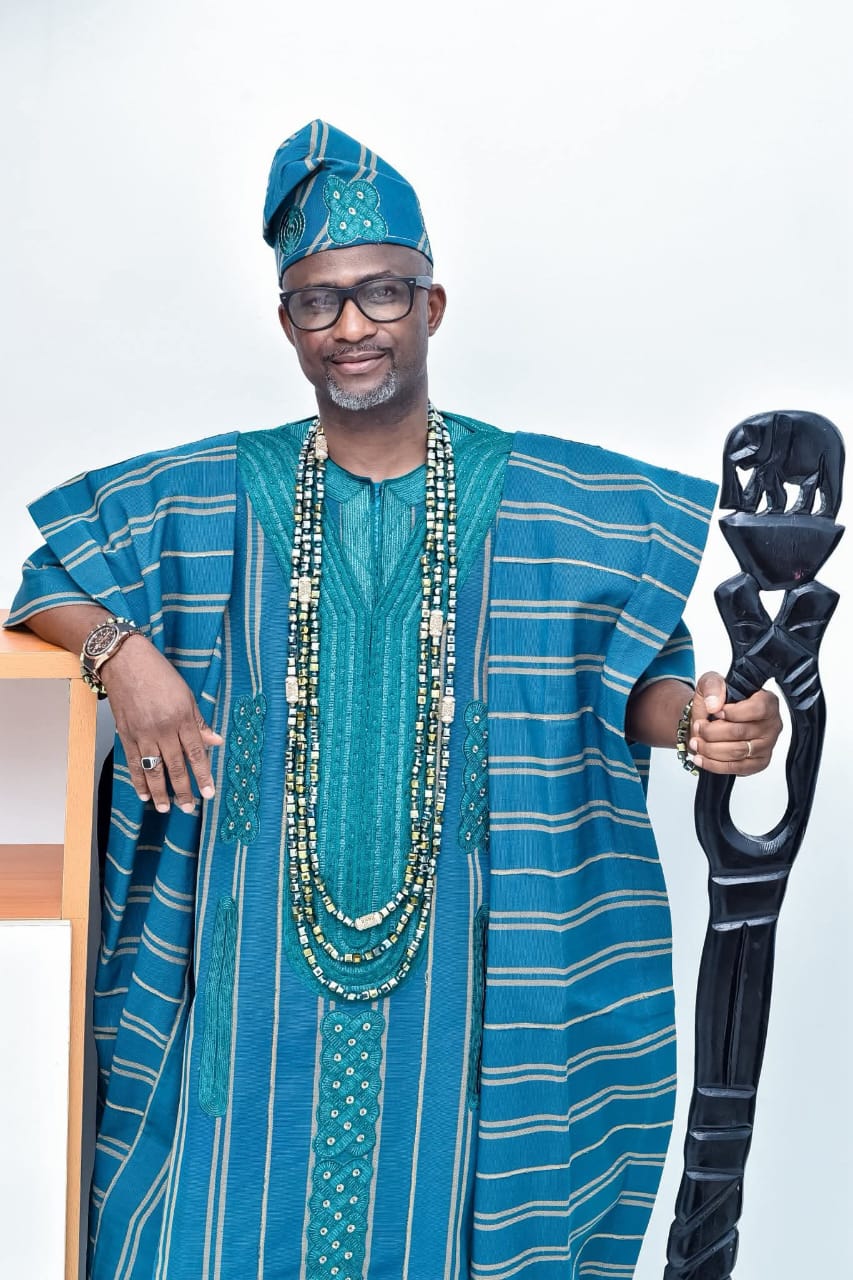
The atmosphere was one of pride, reverence, and collective joy as dignitaries, community leaders, friends, and well-wishers thronged the historic town to witness the landmark event.
The honour, bestowed in recognition of his outstanding contributions to societal development and humanity at large, reflects Dr. Badmus’ enduring commitment to service, excellence, and community upliftment. As the Chief Executive Officer of Al-Hatyq Travel and Tours Limited, he has distinguished himself not only as a successful business leader but also as a compassionate humanitarian whose impact transcends commerce.
The colourful ceremony showcased the rich cultural heritage of Ogbomoso, with traditional rites, music, and pageantry underscoring the significance of the occasion. For many in attendance, the conferment was more than a title—it was a celebration of character, legacy, and a life devoted to meaningful service.
As Dr. Mutiu Adewale Badmus assumes his new role as Otunba Alayeluwa Onimolete, expectations are high that his wisdom, vision, and passion for humanity will continue to inspire progress and unity within Molete, Ogbomoso, and beyond.


-
 celebrity radar - gossips6 months ago
Why Babangida’s Hilltop Home Became Nigeria’s Political “Mecca”
-
 society6 months ago
Power is a Loan, Not a Possession: The Sacred Duty of Planting People
-

 Business6 months ago
Batsumi Travel CEO Lisa Sebogodi Wins Prestigious Africa Travel 100 Women Award
-
 news6 months ago
THE APPOINTMENT OF WASIU AYINDE BY THE FEDERAL GOVERNMENT AS AN AMBASSADOR SOUNDS EMBARRASSING
You must be logged in to post a comment Login