
Politics
Ekiti distributed over 60,000 food packs to the vulnerable – Fayemi

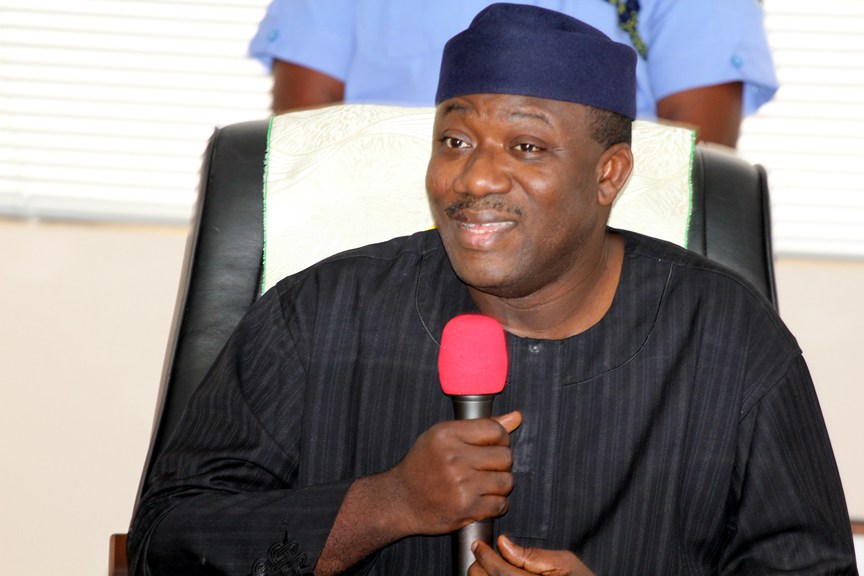
… as CACOVID donates food relief materials to the state
Ekiti State Governor, Dr Kayode Fayemi, on Wednesday disclosed that his administration had distributed over 60,000 food packs to the poor and vulnerable in its drive to cushion the negative effect of Covid-19 pandemic in the state.
He also announced a new phase of the food palliatives distribution, adding that government was committed to cushioning the effect of the pandemic through food and material support to the poor and vulnerable in the state.
Governor Fayemi stated this at the flag off ceremony of the Nigeria private sector, Coalition Against Covid-19 (CACOVID) Food Relief Programme for Ekiti state.
CACOVID donated food packs comprising 56,000 packs of Pasta; 28,000 packs of rice; 28,000 packs of Noodles; 28,000 sachet of salts; Sugar and Garri to the state government’s food bank.
The governor, who was represented at the event by the Secretary to the State Government (SSG) appreciated the leadership of CACOVID for bringing succor to the teeming people of the state.
He noted that the present administration in the state has been proactive in tackling the effect of the pandemic and lockdown on the people of the state adding that the distribution channels to households in the state had been highly effective.
The governor noted that from the feedback mechanism put in place, the food packs got to the targeted people in the state.
He said, “On behalf of government of Ekiti state I express the gratitude of government to CACOVID for this great honour of support to the government and people of Ekiti state.
“What is happening today in Ekiti state is a testimony to what is possible when the private sector decide to collaborate with public institutions. I wish to commend them by this strategic intervention of a national coalition like CACOVID that brought succor to a lot of families in Nigeria including Ekiti state.
“AS a government, we have been proactive in tackling the effect of the pandemic and lockdown on our people, as at today, the state government has distributed over 60,000 food packs to households in Ekiti state. We didn’t stop there, we also touched various unions, associations and people with disabilities, this is how far we have gone in Ekiti state.
“It will interest you to note that beneficiaries of our interventions are mined from the register of the poor and vulnerable compiled by the Ministry of Budget and Planning, supervised by the World Bank. The implication of this is that our intervention is devoid of politics, religious sentiments and primordial consideration.
“So as long as you are a citizen of Ekiti, irrespective of your political inclination, government is willing to assist you. Because COVID-19 doesn’t know anybody, it doesn’t know political party, it doesn’t know a Muslim of Christian, so, as long as you are from this state or you live here, we have intervened. I can assure CACOVID that this items will be judiciously distributed.
“The beauty of the Ekiti state approach is that we have put in place a very robust feedback mechanism to ensure that consignments get to the doorsteps of beneficiaries in accordance with the Covid-19 guidelines for social distancing, we don’t congregate them, we take the food items to their doorsteps and this is being done by some volunteers resident in Ekiti that see it as their own corporate social responsibility and are being coordinated by the Wife of Governor. So CACOVID can be rest assured that what they have brought to Ekiti state would be judiciously distributed.”
Earlier, a representative of CACOVID, Mr Kayode Adejuyigbe said the effort was part of the collective responsibility in the fight against Covid-19 in Ekiti state in particular and Nigeria in general.
Mr Adejuyigbe said CACOVID was a joint initiative of leading private sector in Lagos and the Central Bank of Nigeria, launched to galvanize support in the fight against Covid-19 in the country, noting that the fight for survival had become a necessity which should not be the sole responsibility of the government but a collective one.
He disclosed that in its effort to ensure that Covid-19 was drastically reduced nationally, the coalition in collaboration with the state governments had commissioned 38 Isolation centres in the country in addition to assisting in improving the testing capacity of NCDC with the donation of over 100,000 test kits at various testing centres. Other top government functionaries at the event are the Chief of Staff to the Governor, Hon. Biodun Omoleye; Special Adviser on Development Partnerships, Mrs Margaret Fagboyo; Special Adviser on Communications and Strategy, Mrs Sola Salako-Ajulo, Senior Special Assistant on SDG, Mrs Bolanle Solanke among others.







Politics
Governor Dauda Lawal Commissions Key Strategic Projects in Tsafe LGA, Commits to Responsive Development

Governor Dauda Lawal Commissions Key Strategic Projects in Tsafe LGA, Commits to Responsive Development
In a significant display of commitment to the people of Zamfara State, Governor Dauda Lawal emphasized the importance of development that is not only visible but also functional and responsive to the community’s needs. On Friday, he inaugurated five pivotal projects in the Tsafe Local Government Area, aimed at enhancing the quality of life for residents and bolstering local infrastructure.
According to a statement released by the governor’s spokesperson, Sulaiman Bala Idris, the projects unveiled include a fully reconstructed modern motor park, a refurbished market, a rehabilitated educational institution, an upgraded and equipped general hospital, and a renovated emir’s palace. Each of these initiatives plays a crucial role in various aspects of community life, encompassing leadership, education, healthcare, commerce, and mobility. The governor underscored that these projects are designed not only to serve practical needs but also to instill a sense of pride and ownership among the residents.
During the commissioning ceremony, Governor Lawal highlighted that these five facilities represent the commitment of his administration to fortify public institutions, revitalize infrastructure, and enhance the palpable impact of governance on the populace. “The reconstructed Emir’s Palace in Tsafe stands as a symbol of continuity, authority, and cultural identity,” he stated. He further noted the essential role of traditional institutions in grassroots governance, underscoring their function as peacemakers, custodians of values, and community partners. “This palace’s reconstruction reflects our respect for tradition and acknowledges the pivotal role of traditional rulers in maintaining harmony, resolving conflicts, and fostering unity. Our administration will continue to collaborate with these trusted allies to rebuild and rejuvenate Zamfara State.”
In addressing the issues of education and human capital development, the governor declared, “The College of Health Technology in Tsafe plays a critical role in training health professionals who provide essential care to the community. By enhancing the school’s environment and infrastructure, we are investing in the future competence and confidence of these future health workers. Renovating this college strengthens our healthcare foundation and supports the development of a skilled, service-oriented workforce.”
Linked to these educational improvements is the comprehensive rehabilitation and re-equipping of the General Hospital in Tsafe, a vital secondary healthcare facility that serves as a bridge between primary and specialized medical care. The governor explained that these upgrades are intended to elevate service delivery and enhance patient experiences while providing much-needed support to healthcare workers. “Access to quality healthcare is a top priority for our administration, and we are fully committed to strengthening health facilities across the state,” he added.
Governor Lawal also spoke about the economic implications of the newly inaugurated facilities. “Economic activity is the engine of growth, employment, and stability within our communities. The Tsafe Market and Motor Park are integral to the local economy, serving as hubs for trade, supporting farmers, vendors, artisans, and small business owners. The motor park not only connects communities but also facilitates broader economic exchanges. By enhancing these facilities, we are promoting productivity, ensuring order, and enabling sustainable livelihoods. These improvements not only boost local revenue but also promote safety and uphold the dignity of all users.”
In a call to action, the governor urged all stakeholders including traditional leaders, community members, traders, transport operators, healthcare professionals, and local authorities to take collective ownership of the newly commissioned facilities. “Public infrastructure thrives where there is a shared sense of responsibility and civic duty. Proper utilization and care of these facilities will ensure they effectively serve the community for many years to come,” he concluded, reinforcing the need for continued cooperation in maintaining and protecting these vital resources.
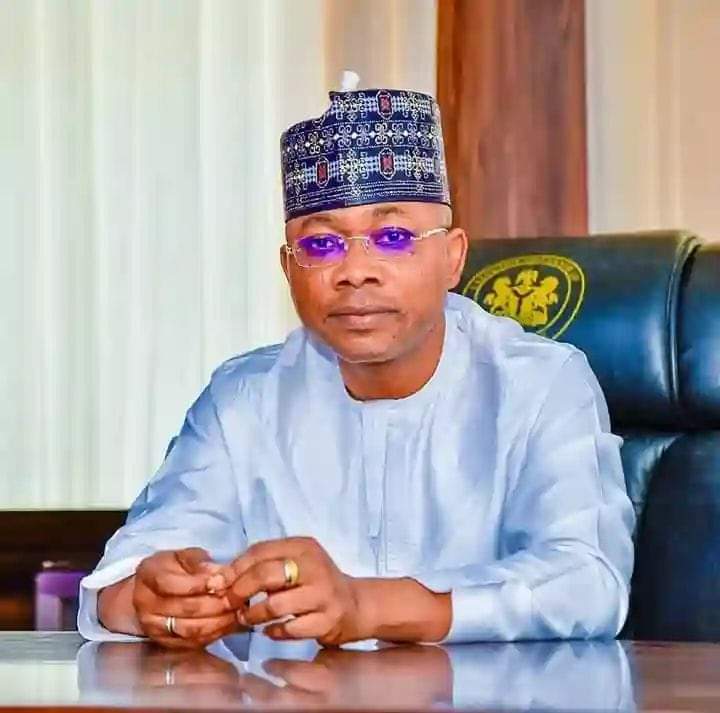
Kogi’s Quiet Shift: Reviewing Governor Ododo’s First 24 Months in Office
By Rowland Olonishuwa
On Tuesday, Kogi State paused to mark two years since Alhaji Ahmed Usman Ododo took the oath as Executive Governor. Across government circles, community halls, and everyday conversations, the anniversary was more than a date on the calendar; it was a milestone that invites both reflection and renewed optimism. A moment to look back at how far the state has travelled in just twenty-four months, and where it is heading next.
Since assuming office in January 2024, Ododo has steered the state through a period of measured consolidation, delivering strategic interventions across security, infrastructure, human capital, and economic revitalisation that are beginning to translate into real improvements for residents.
Governor Ododo stepped into office at a time when expectations were high, and confidence in public institutions needed rebuilding.
His response to these was not loud declarations, but steady consolidation, strengthening structures, restoring order in governance, and setting a clear direction. Over time, that calm approach has become his signature: leadership that listens first, plans carefully, and moves with purpose.
Security has remained the most urgent concern for Nigerians, and Kogi residents are no exceptions; the Ododo-led administration has treated it as such. From deploying surveillance drones to support intelligence operations to recruiting and integrating local hunters and vigilante personnel into formal security frameworks, the government has built a layered safety net.
For farmers returning to their fields, travellers moving along highways, and families in rural communities, the impact is simple and deeply personal: fewer fears, quicker response, and growing confidence that the government is present and concerned about the ordinary people.
Infrastructural development has followed the same practical logic. Roads have been rehabilitated, easing movement for traders and commuters. Budget priorities have shifted toward capital projects and human development, while revived facilities like the Confluence Rice Mill now provide farmers with real economic opportunity. For many households, this means better income prospects, stronger local trade, and renewed belief that development is no longer a distant promise.
Health and education are not left out; the Ododo-led administration has expanded free healthcare services and supported students through examination funding and institutional improvements.
Parents who once struggled with medical bills and school fees have felt relief. Young people preparing for their futures now see government investment not as abstract policy but as something that touches their daily lives.
Governance reforms, from civil service strengthening to new legislative frameworks, have quietly improved how government functions. Salaries are more predictable, public offices are more responsive, and local government structures are more coordinated. These may not always make headlines, but they shape how citizens experience leadership every day.
As the second year anniversary celebrations fade into routine today and Governor Ododo enters his third year in office, the true meaning of the anniversary will continue to linger on.
Two years may not have solved every challenge in the Confluence State -no government ever does, by the way- but they have set a tone of stability, responsiveness, and direction. The next phase will demand deeper impact, broader reach, and sustained security gains.
But for many in Kogi State, the story of the past twenty-four months is already clear: steady hands on the wheel, and a journey that is firmly underway.
Olonishuwa is the Editor-in-Chief of Newshubmag.com. He writes from Ilorin
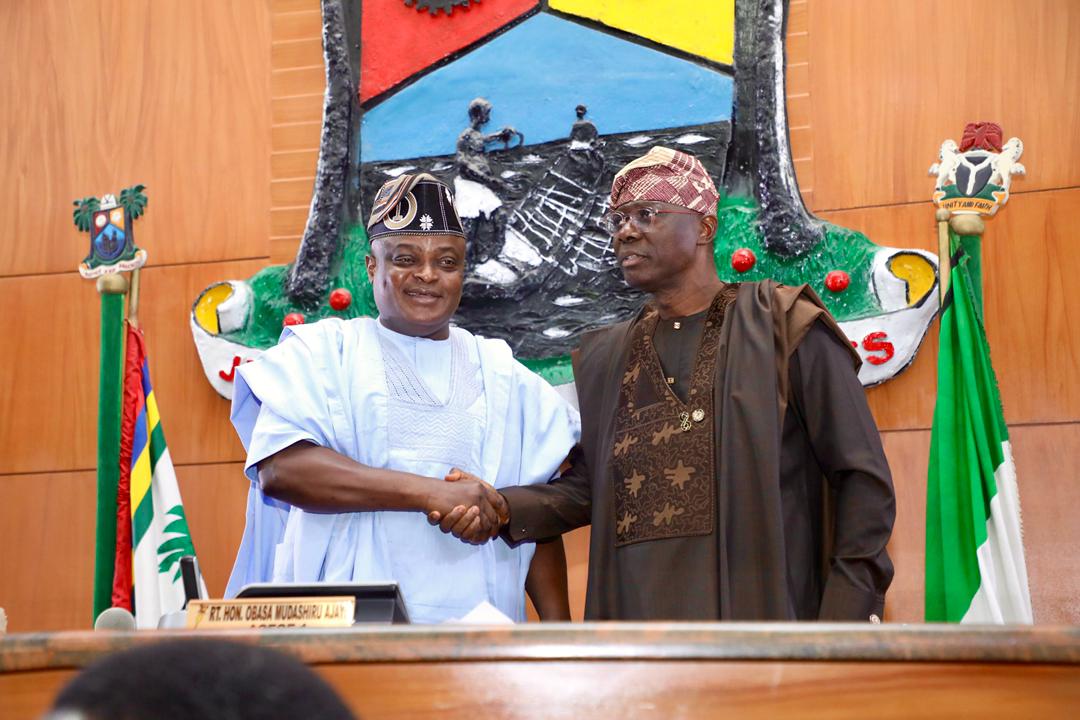
Lagos Assembly Debunks Abuja House Rumour, Warns Against Election Season Propaganda
The Lagos State House of Assembly has described as misleading and mischievous the widespread misinformation that it budgeted for the purchase of houses in Abuja for its members in the 2026 Appropriation Law.
This rebuttal is contained in a statement jointly signed by Hon. Stephen Ogundipe, Chairman, House Committee on Information, Strategy, and Security, and Hon. Sa’ad Olumoh, Chairman, House Committee on Economic Planning and Budget.
Describing the report as a deliberate and disturbing falsehood being peddled by patently ignorant people, the statement reads, “There is no provision whatsoever in the 2026 Budget for the purchase of houses in Abuja or anywhere else for members of the Lagos State House of Assembly. The report is a complete fabrication and a product of political mischief intended to misinform the public.
“The Lagos State House of Assembly does not operate in Abuja. Our constitutional responsibilities, constituencies, and legislative duties are entirely within Lagos State. It is, therefore, illogical, irrational, and irresponsible for anyone to suggest that legislators would appropriate public funds for personal housing outside their jurisdiction.”
The statement emphasised that the budget is already in the public domain and accessible for scrutiny by discerning Lagosians and Nigerians alike. It reiterated that the Lagos State Government operates a transparent budget that speaks to the needs of the people and the demands of a megalopolis.
“We view this rumour as part of a wider attempt at election-season propaganda, designed to erode public trust, sow discord, and malign democratic institutions.”
The chairmen further clarified that the 2026 capital expenditure of the House of Assembly is less than 0.04% of the total CAPEX of the state, which clearly demonstrates the culture of prudence, accountability, and fiscal responsibility that guides the legislature. However, they noted, “Historically, the House does not even access up to its approved budget in many fiscal years.”
They stressed that the Assembly remains fully committed to excellence, transparency, good governance, and the collective welfare of the people of Lagos State, in line with the objectives of the 2026 Budget of Shared Prosperity.
“We therefore challenge those behind this harebrained allegation to produce credible evidence or retract their statements forthwith. Failure to do so may attract appropriate legal actions.
“We urge Lagosians and the general public to disregard this baseless rumour and always verify information from official and credible sources.”


-

 celebrity radar - gossips6 months ago
Why Babangida’s Hilltop Home Became Nigeria’s Political “Mecca”
-

 society6 months ago
Power is a Loan, Not a Possession: The Sacred Duty of Planting People
-

 Business6 months ago
Batsumi Travel CEO Lisa Sebogodi Wins Prestigious Africa Travel 100 Women Award
-

 news6 months ago
THE APPOINTMENT OF WASIU AYINDE BY THE FEDERAL GOVERNMENT AS AN AMBASSADOR SOUNDS EMBARRASSING