
Fashion/Lifestyle
Book Review The Yoruba: A New History By Akinwumi Ogundiran

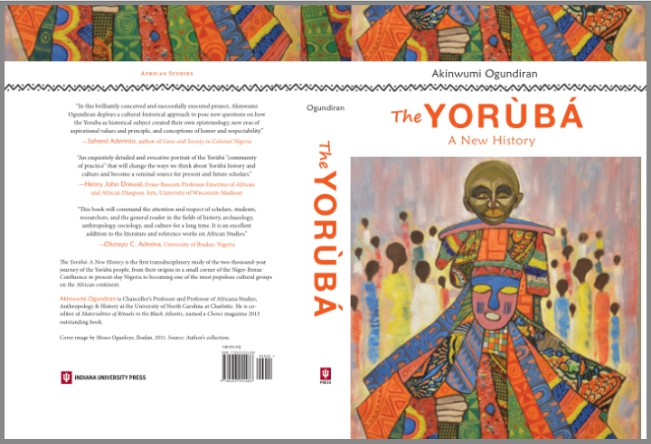
The Yoruba: A New History is the first transdisciplinary study of the two-thousand-year journey of the Yoruba people, from their origins in a small corner of the Niger-Benue Confluence in present-day Nigeria to becoming one of the most populous cultural groups on the African continent.
Weaving together archaeology with linguistics, environmental science with oral traditions, and material culture with mythology, Ogundiran examines the local, regional, and even global dimensions of Yoruba history.
The Yoruba: A New History offers an intriguing cultural, political, economic, intellectual, and social history from ca. 300 BC to 1840.
It accounts for the events, peoples, and practices, as well as the theories of knowledge, ways of being, and social valuations that shaped the Yoruba experience at different junctures of time. The result is a new framework for understanding the Yoruba past and present.
The deep-time history of the Yorùbá is the subject of this book. It is an account of (1) the experiences and events that shaped the long-term history of the ancestral Yorùbá people; (2) the generative actions that they used to translate their experiences into new practices or traditions; and (3) the principles and values that made life meaningful for them between ca. 300 BC and AD 1840.
Based on new questions, evidence, and conceptual frameworks, this book offers the opportunity to rethink Yorùbá history in new ways. In the following pages, I emphasize the cultural-historical approach in order to understand the “ways of being” of the Yorùbá ashistorical subjects (ontology); their “theories of knowledge” (epistemology); and the regimes of value and aspirational principles (axiology) that they created at different historical junctures. With these, I account for the cultural forms, practices, events, and ideas, as well as mentalities, imaginations, and meanings that constituted the Yorùbá experience for about two thousand years.
The book comprises ten chapters divided into five parts. The first chapter lays out the theoretical, conceptual, and methodological frameworks that shape the themes and contents of the volume. I make the case why it is necessary to bring empirical-, comparative-, and theoretical-minded habits to the study of Yorùbá history. In chapter 2, I provide a sketch of the historical groundwork that laid the foundation for the emergence of the Yorùbá world ca. 300 BC–AD 500. I also use a suite of archaeological, historical, and linguistic data to shed light on the four core principles that shaped the Yorùbá cultural identity in the second half of the first millennium AD. The first is the ilé (House), the building block of their sociopolitical organization. The second, the dyadic o.ba/ìlú-aládé (divine kingship/urban), served as the model of political culture and ideology of governance. The third is the complementarity of gendered duality as the epistemological framework for constructing and imagining social order.
And the fourth centers on the search for meaningful living through the quest for immortality. In chapter 3, I examine how these four principles and the knowledge capital associated with primary glass production and a universal cosmology/theogony were deployed to create the consciousness of a regional Yorùbá community of practice between the eleventh and the late fourteenth century.
In the next two chapters, I examine how turmoil beset the Yorùbá world between the 1420s and 1570s as a result of internal and external sources of stress that upturned the lives of several communities (chap. 4), and the processes of recovery that followed between 1570 and 1650 (chap. 5). During the age of restoration that followed the crisis, new practices of political culture and power relations developed that necessitated the revision of the community’s theogony and many aspects of its epistemology. The aftermath of these processes, especially their culmination in the rise of new hegemonic states and the entanglement of the Yorùbá in the Atlantic commercial revolution, 1630–1840, is the subject of chapters 6–9.
In those four chapters, I examine the interlocking threads of the political, economic, social, ideological, and intellectual innovations that wove the Yorùbá world into the web of the early modern economy, and the impact on the development of a new regime of value. My emphasis in this section of the book is on the permeation of the Atlantic merchant capital into the different domains of everyday life, both in the intimate spaces of the household and at the macro level of the state.
I explore two themes in chapter 6: (1) the inauguration of slave/
merchant-capital exchange and the hegemonic power politics that sustained it; and (2) the use of the imports deriving from the Atlantic slave trade as merchant capital and their investment in the commercialization of the region’s economy. In chapter 7, I focus on the regime of value—especially practices of taste, self-realization, aspiration, and social difference—created by the merchant-capital revolution. The chapter emphasizes the socialization of Atlantic imports into everyday life and the implications for the emergence of an object-centered Yorùbá world. Chapter 8 examines how the experiences of monetization, specialized production, a market economy, slave/merchant-capital exchange, and hegemonic power politics created new practices of labor relations and new avenues for highly pyramidal unequal accumulation. As a result, gender and class inequalities widened; the relationships between the individual and corporate groups were redefined; and the vertical and horizontal boundaries of social differences hardened. All of these led to a cataclysmic breakdown of social order, the subject of chapter 9. I link this breakdown to the persistent demands for African labor in the Americas and the unsustainability of the merchant-capital revolution that underwrote hegemonic power and individual accumulation. The outcome was
“In this brilliantly conceived and successfully executed project, Akinwumi
Ogundiran deploys a cultural-historical approach to pose new questions on how
the Yoruba as historical subject created their own epistemology, new eras of
aspirational values and principle, and conceptions of honor and respectability.”
—Saheed Aderinto, author of Guns and Society in Colonial Nigeria
“An exquisitely detailed and evocative portrait of the Yorùbá “community
of practice” that will change the ways we think about Yorùbá history and
culture and become a seminal source for present and future scholars.”
—Henry John Drewal, Evjue-Bascom Professor Emeritus of African
and African Diaspora Arts, University of Wisconsin-Madison
“This book will command the attention and respect of scholars, students,
researchers, and the general reader in the fields of history, archaeology,
anthropology, sociology, and culture for a long time. It is an excellent
addition to the literature and reference works on African Studies.”
—Olutayo C. Adesina, University of Ibadan, Nigeria
The Yorùbá: A New History is the first transdisciplinary study of the two-thousand-year
journey of the Yorùbá people, from their origins in a small corner of the Niger-Benue
Confluence in present-day Nigeria to becoming one of the most populous cultural groups
on the African continent.
Akinwumi Ogundiran is Chancellor’s Professor and Professor of Africana Studies,
Anthropology & History at the University of North Carolina at Charlotte. He is coeditor
of Materialities of Rituals in the Black Atlantic, named a Choice magazine 2015
outstanding book.
Cover image by Moses Ogunleye, Ibadan, 2011. Source: Author’s collection
By *Femi* Adepoju
Faleye *Oluwatosin*







Fashion/Lifestyle
Mrs Township Finalist 2026 Leads Community Action to Support Disadvantaged Learners
Mrs Township Finalist 2026 Leads Community Action to Support Disadvantaged Learners
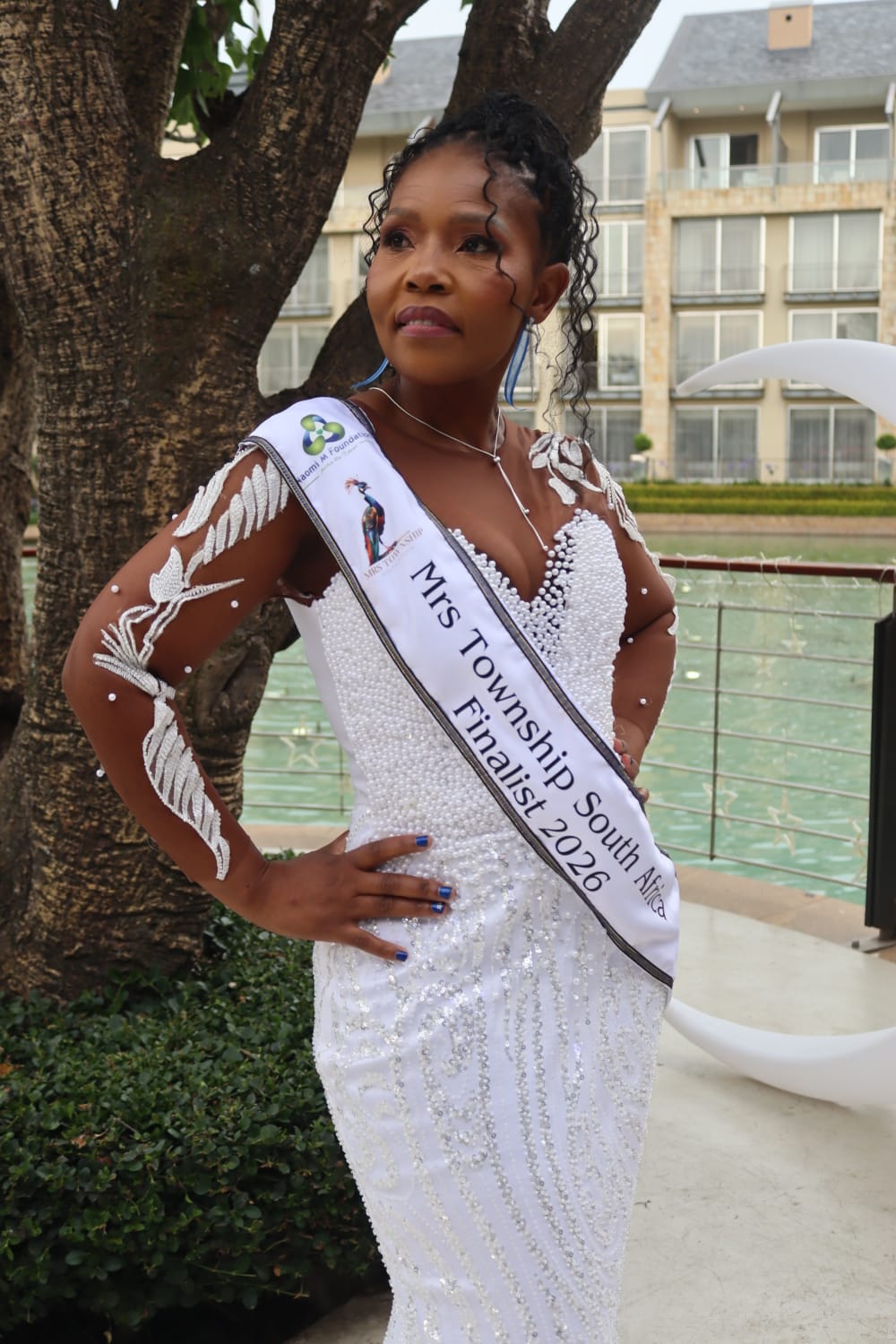
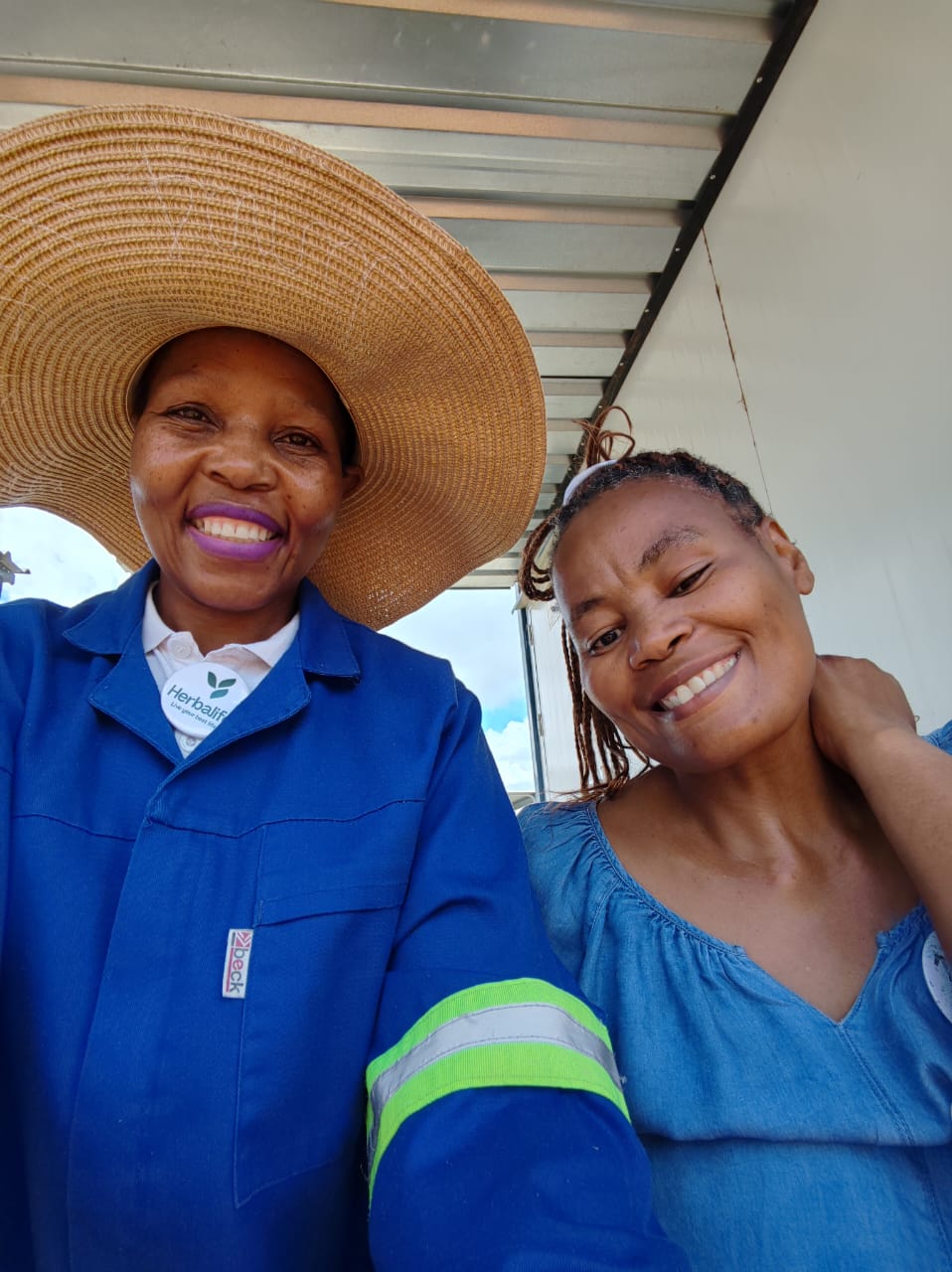
As the 2026 academic year begins, hope and compassion are taking root at Theresapark Primary School, thanks to the remarkable leadership of Mrs Nkone Maringa, a respected community member and Mrs Township South Africa Finalist 2026.
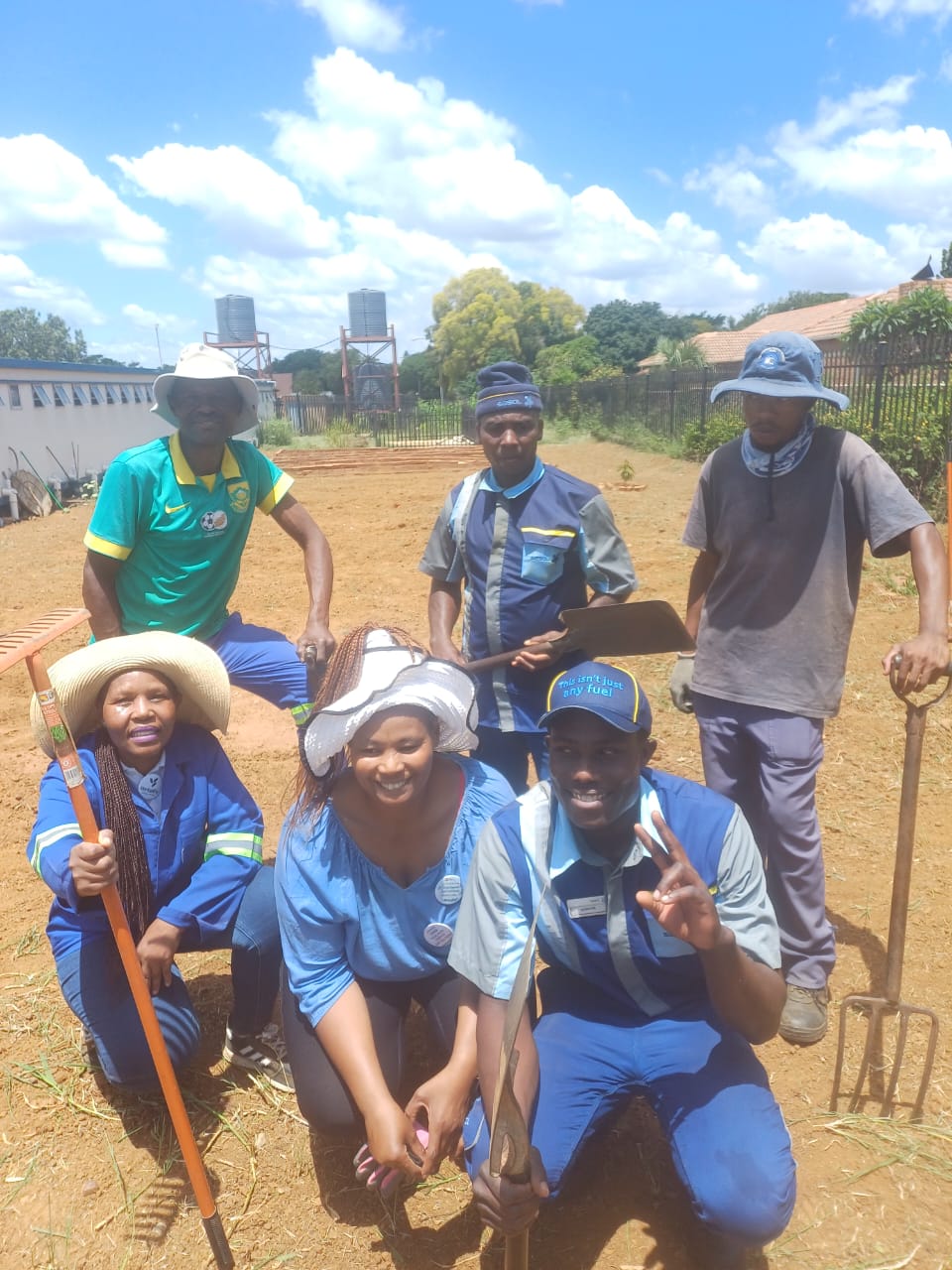
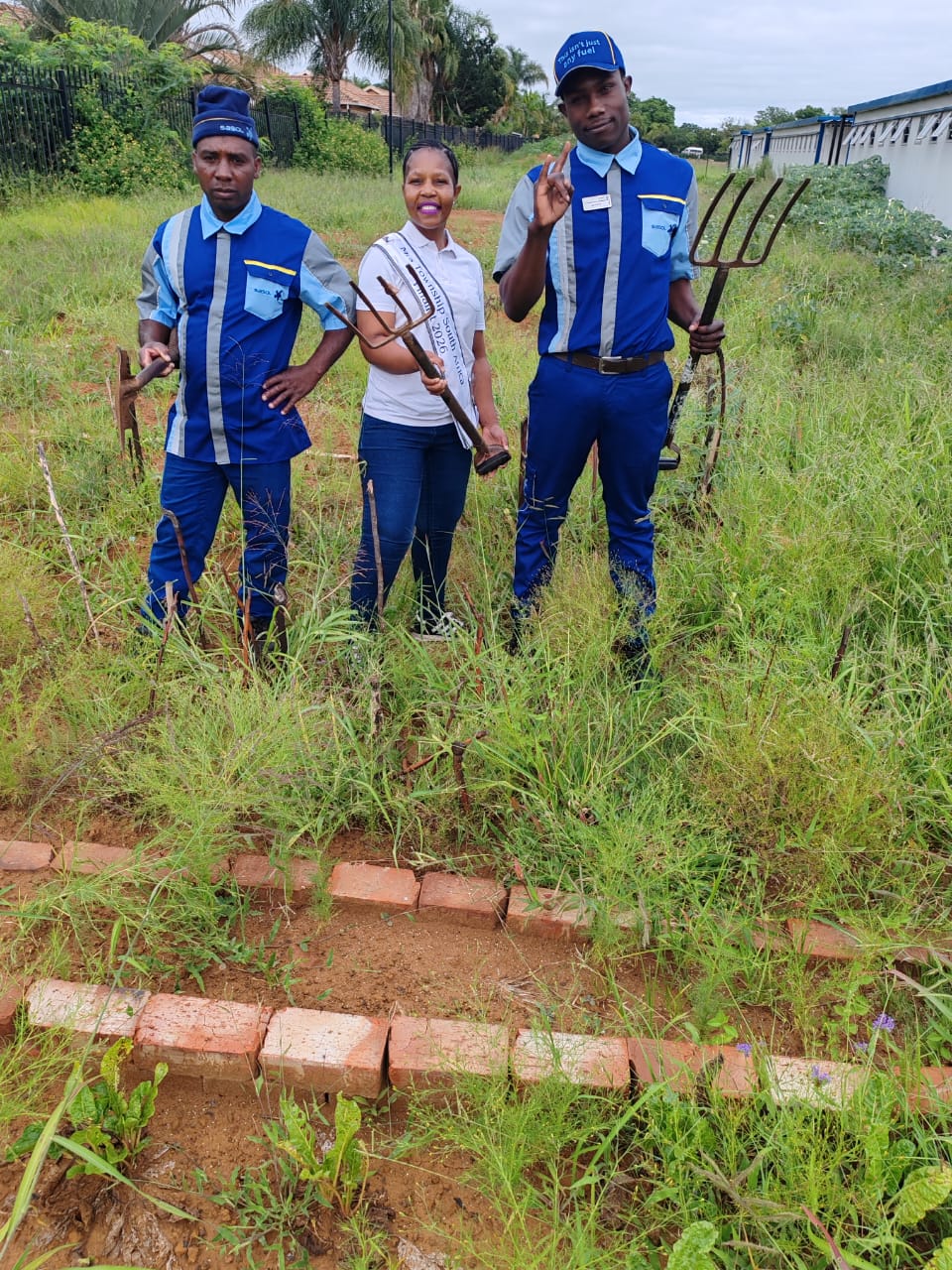
In a powerful demonstration of grassroots leadership and social responsibility, Mrs Maringa, in partnership with Theresapark Sasol Garage, spearheaded a community clean-up of the school’s garden area. The initiative was carried out in preparation for the school’s feeding scheme garden, which will support disadvantaged children with fresh, nutritious produce throughout the school year.
Planting Seeds of Change
The garden project goes beyond beautifying the school environment. It is designed to become a sustainable source of food for learners who rely on the school feeding programme as a vital lifeline. By preparing the land ahead of the school reopening, Mrs Maringa and her partners ensured that planting can begin immediately, setting the tone for a productive and caring 2026.
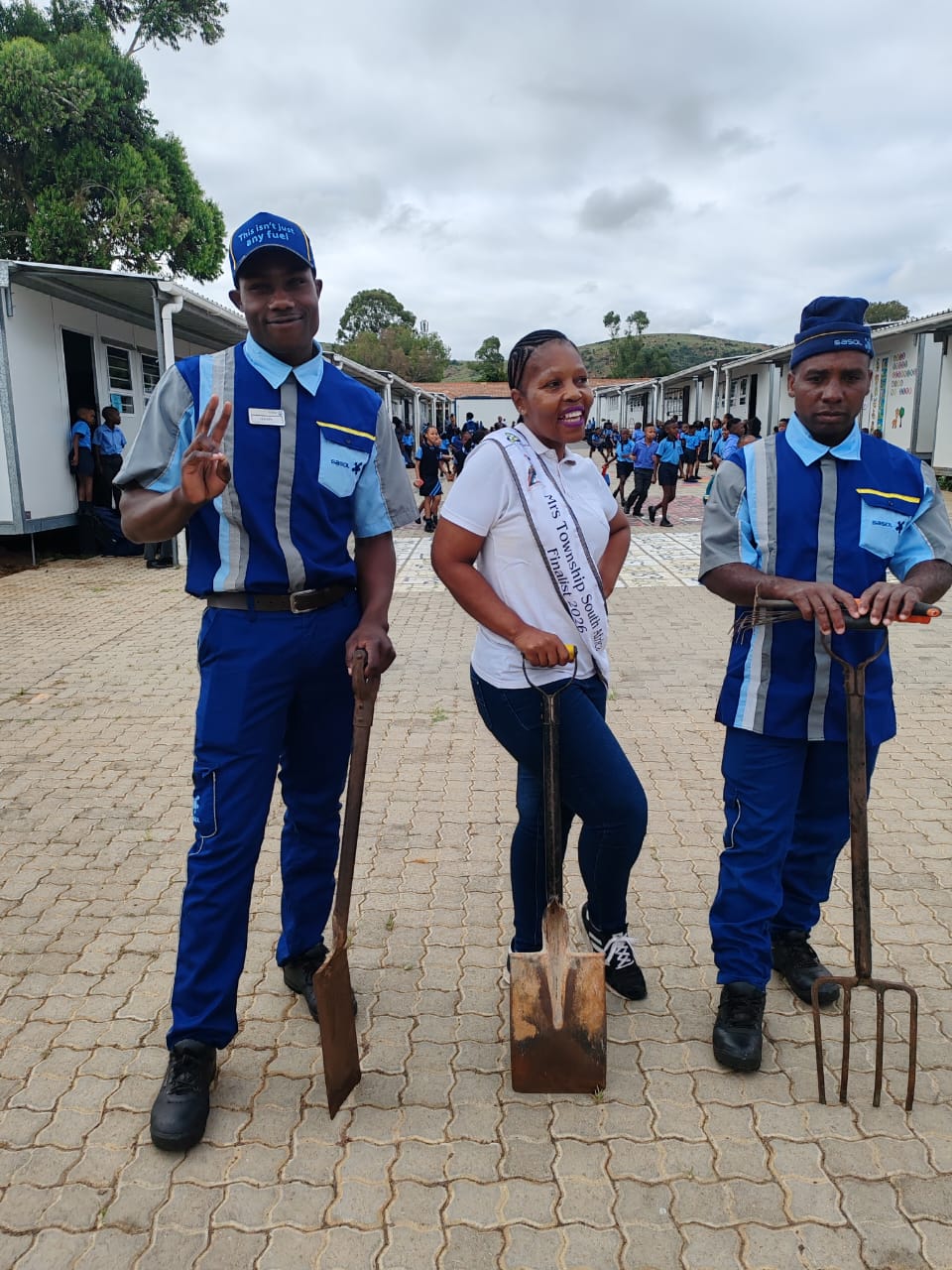
“This project is about dignity, nutrition, and giving our children a healthy start to the year,” the initiative reflects—aligning perfectly with Mrs Maringa’s long-standing commitment to community upliftment.
A Record of Community Impact
Mrs Nkone Maringa’s involvement at Theresapark Primary School is one of several impactful projects she has undertaken in her community. Known for her hands-on approach, she consistently mobilizes local businesses, volunteers, and stakeholders to address real needs—especially those affecting children, women, and vulnerable groups.
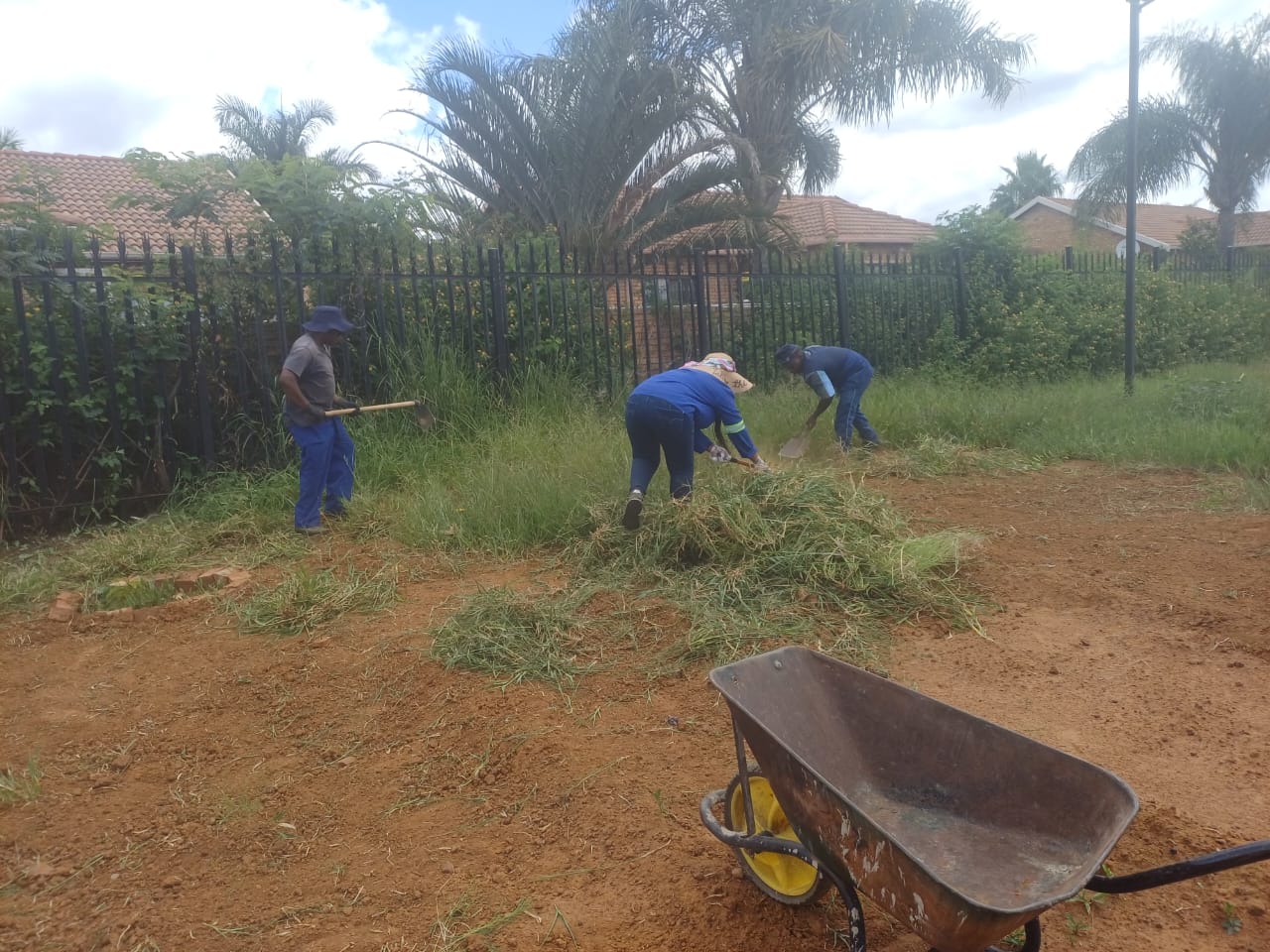
Her work embodies the core values of the Mrs Township South Africa platform: leadership, service, empowerment, and positive social change. As a finalist for the 2026 title, Mrs Maringa continues to prove that true leadership is measured not by titles alone, but by tangible impact on the ground.
Corporate–Community Partnership in Action
The collaboration with Theresapark Sasol Garage highlights the power of partnerships between local businesses and community leaders. Their support played a crucial role in making the clean-up initiative successful, demonstrating how corporate social responsibility can directly transform lives at a grassroots level.
Looking Ahead
With the garden now prepared, Theresapark Primary School is set to launch its feeding scheme garden as learners return for the new academic year. The project stands as a symbol of hope, resilience, and collective effort.
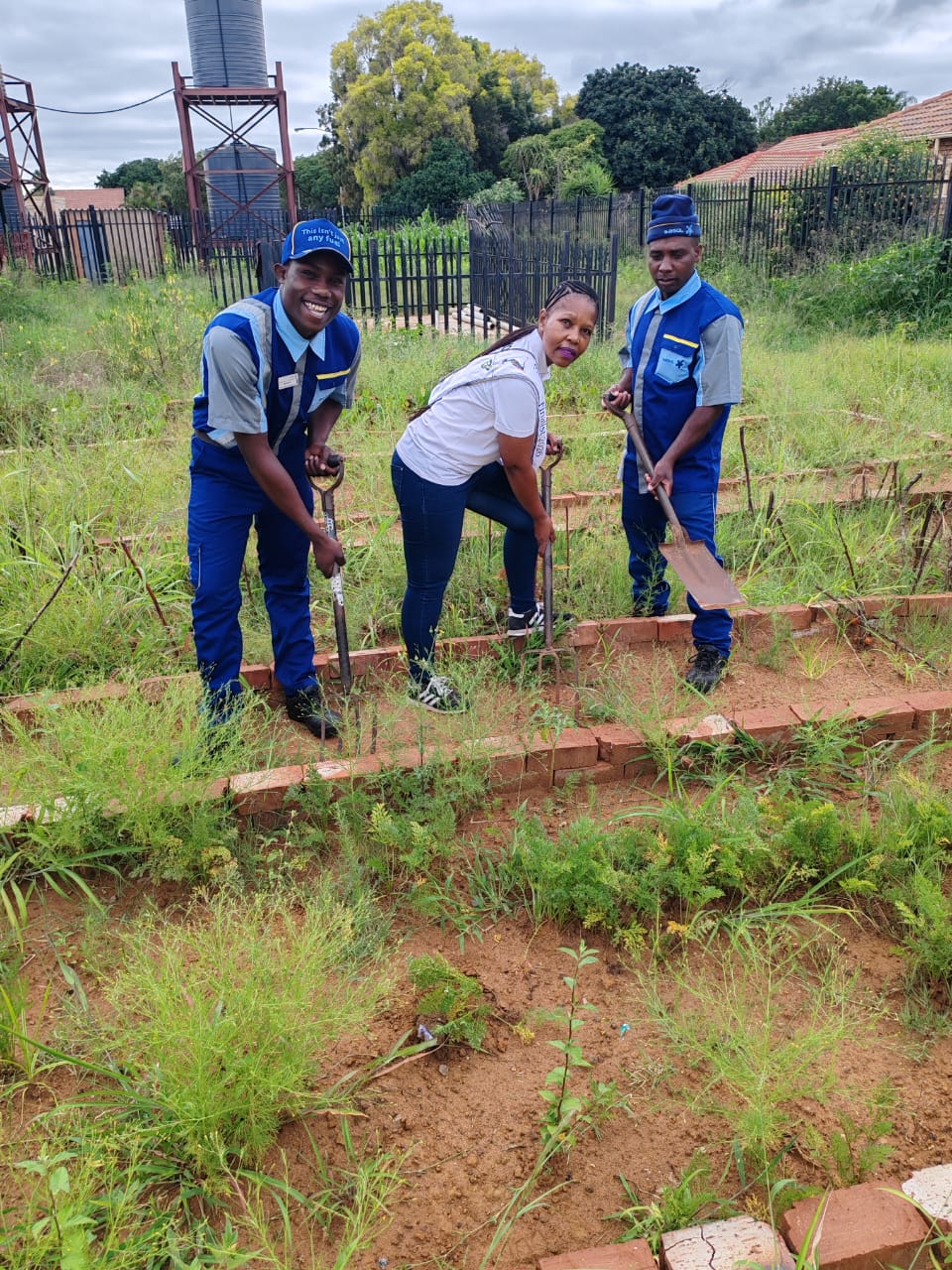
As Mrs Nkone Maringa continues her journey as a Mrs Township South Africa Finalist 2026, her work at Theresapark Primary School serves as a shining example of how passion, partnership, and purpose can create lasting change—one garden, one child, and one community at a time.
celebrity radar - gossips
Beauty with Responsibility: Lindie Motswaeng’s Vision as Miss Classic Queen International
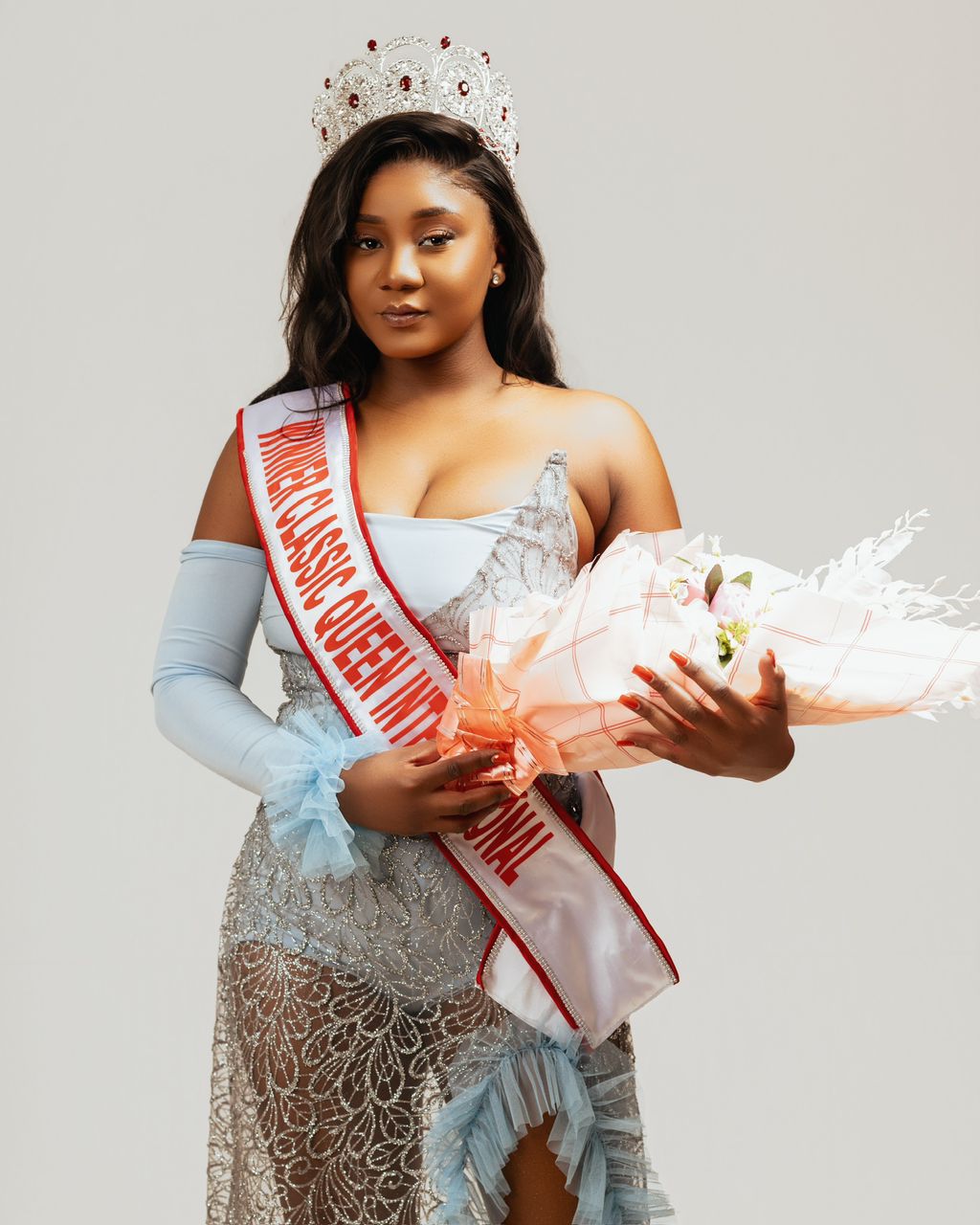
Living Authentically, Leading with Purpose: Lindie Motswaeng
Lindie Motswaeng is a 28-year-old Mathematics and Economics graduate from one of Africa’s leading institutions, the University of Botswana. She is currently completing an Executive Secretary (Finance) qualification at Boston City Campus in Pretoria. A woman of depth and versatility, Lindie enjoys cooking, travelling, exploring new ideas, spending time with family, and commanding the stage. Outspoken, open-minded, and deeply curious, she lives by a simple yet powerful motto: to live life on her own terms, unconfined by limitations.
As an aspiring economist, Lindie is passionate about women’s economic empowerment, particularly for women facing abuse, and about raising awareness around mental health—an often-silenced issue in many communities. She envisions a future where individuals are free to thrive beyond cycles of abuse and mental health challenges. Recently crowned Miss Classic Queen International, she shares her journey, values, and vision for her reign.
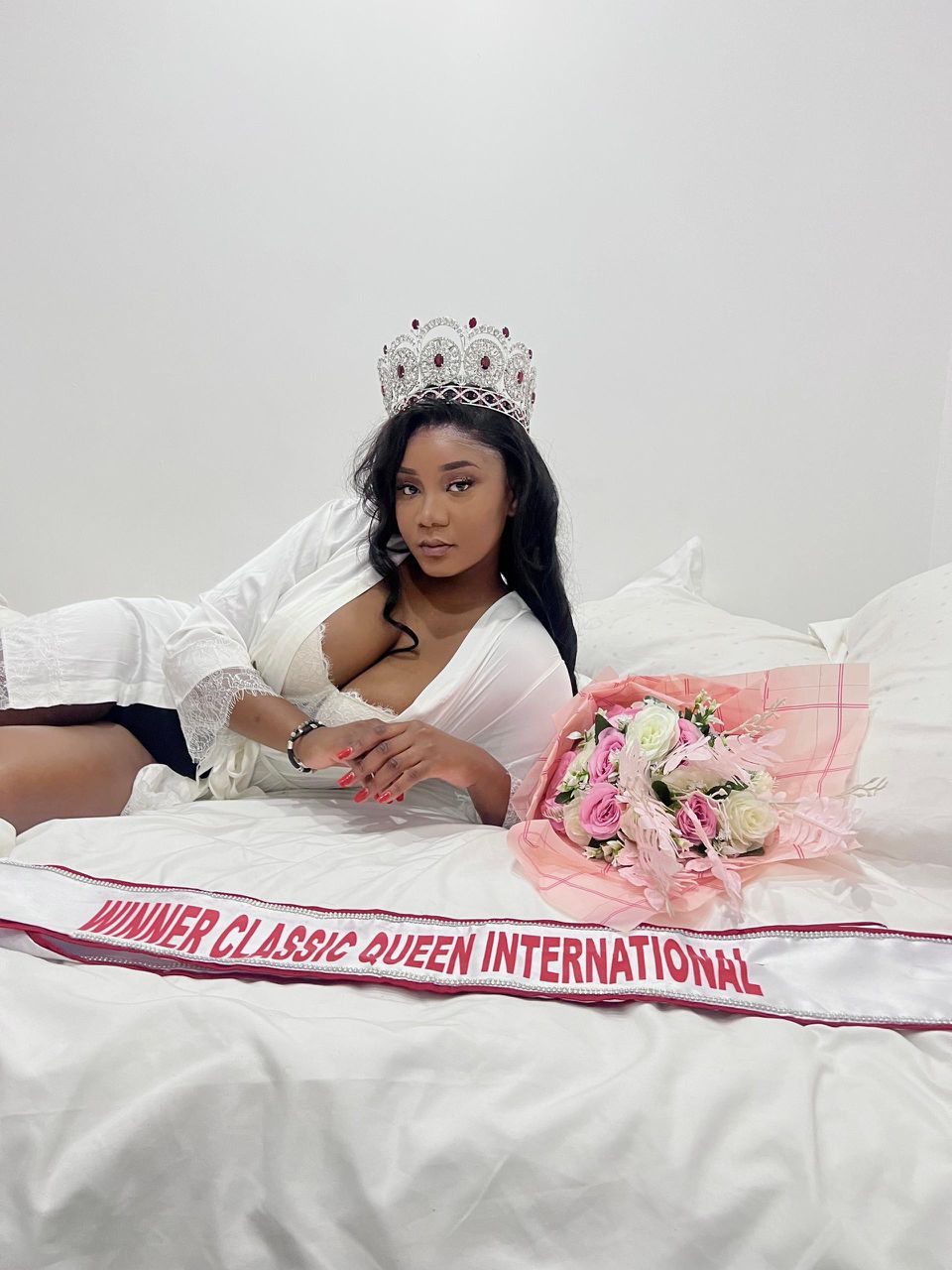
Congratulations on your crowning. How does it feel to emerge as the new Miss Classic Queen International?
It honestly feels surreal. It is always amazing when your hard work and dedication are finally recognised. I truly believe this organisation is going to help me make a meaningful impact during my year of reign.
Can you take us back to the moment your name was announced as the winner? What went through your mind?
I was quite blank at first—I simply could not believe it in that moment. Shortly after, it turned into overwhelming joy, especially seeing people, including the other ladies, cheering me on. It was such a beautiful and affirming moment.
What does the title Miss Classic Queen International represent to you personally and culturally?
For me, it is about being an inspiration in my own authentic way. It is important to seek your own unique path. We are all different for a reason, and Classic Queen International embraces that diversity. More importantly, it highlights the beauty in our differences and uses them to open doors and create opportunities.

How has your journey in the pageant world shaped the woman you are today?
My pageant journey has taught me to appreciate my abilities and to use them responsibly to create change in my community. This is a role I believe every human being has. Most importantly, it has taught me the value of sisterhood. In every competition, you meet women from different walks of life who always have something to teach you. Although it is a competition, it is vital to remember that there is life after it. Someone you meet may become a destiny helper or a lifelong sister.
Beyond beauty and poise, what core values do you believe this crown stands for?
As beautiful as the crown is, it symbolises duty. With such a platform, it becomes possible to make an impact on a much larger scale. It is also important to remember that you do not always need a crown or title to do good or to champion a cause close to your heart. When you genuinely have a heart for people and a willingness to be a voice for others, the responsibilities of the crown do not feel heavy.
Many young women look up to you already. What message do you hope to pass on to girls who aspire to follow in your footsteps?
The journey is never easy. There will be moments of doubt and discouragement, but it is important to remember why you started. Having a teachable spirit is also key—you can learn incredible things when you are surrounded by different personalities. Lastly, comparison can be tempting in competitions, but it is important to focus on your strengths and work on your weaknesses. Authenticity is essential; real growth cannot happen if you are constantly pretending to be someone else.
What were some of the biggest challenges you faced during the competition, and how did you overcome them?
I became ill on the second day, which is not ideal when activities require high energy and full dedication. Fortunately, I was part of an organisation that truly cares about its contestants. They ensured I received proper medical care and were very understanding. Maintaining a positive mindset also helped, because everything starts in the mind.
Pageantry today goes beyond glamour. What social cause or humanitarian project are you most passionate about championing during your reign?
I plan to continue my Art for Awareness project, which I started in 2021. The project uses art as a medium of communication and a form of release for people facing mental health challenges. In our culture, people are often silenced when they try to speak about their struggles, which causes them to withdraw. Art is universal and not age-specific, making it a powerful tool for expression.
How do you plan to use your platform as Miss Classic Queen International to create meaningful global impact?
I hope to expand my cause to other parts of Africa. This brand represents the continent, and with that comes the opportunity to partner with other organisations for wider reach and influence.
In your view, how can pageantry contribute to empowering women and promoting positive change in society?
We sometimes become too fixated on popularity and physical beauty, losing sight of what pageantry is meant to achieve. Beauty goes beyond the physical and is subjective. Women should be allowed to represent themselves authentically, without a single definition of beauty. We should also focus on developing their attributes, as these ultimately benefit society. A pageant queen has a voice and a platform, which requires humility, courage, and empathy.
Who or what inspired you most on your journey?
The love and support from my family, friends, and my country carried me throughout this journey. It truly takes a village. I was intentional when I started this path, knowing there would be challenges. When you set your mind and heart on something you are deeply passionate about, you will achieve it.
How do you balance confidence and humility while carrying such a prestigious international title?
I was raised with the principle of Botho, a core value in my country that embraces kindness, dignity, respect, and humility. When I stand on stage, I understand that I represent not only myself, but also my family and my nation. My character must reflect that. While humility is important, I should never shrink myself. As Nelson Mandela said, playing small does not serve the world.

What role do culture, elegance, and tradition play in the Classic Queen brand?
African culture plays a vital role in shaping character. This platform celebrates Africanism by allowing women from different African countries to showcase their cultures and talents on a continental stage. It fosters cultural exchange, promotes unity, and deepens understanding. Embracing our diversity as Africans allows us to see beauty instead of division. I learned so much from the other ladies—it was inspiring to see glamour fused with Africanism.

What should the public expect from you during your reign as Miss Classic Queen International?
I hope we can work together in championing this cause, because collaboration is essential. While I hold the title, greater impact can be achieved when we unite. I am grateful to be part of an organisation that supports and guides me throughout my reign to ensure we create positive change.

Finally, where do you see yourself after your reign, and how do you hope to be remembered?
I hope to be remembered as proof that anything is possible when you set your mind to it. I want to leave a legacy that inspires the next queen to do even more with the platform. Ultimately, I hope to help build a strong and enduring Classic Queen International family that extends beyond my reign.
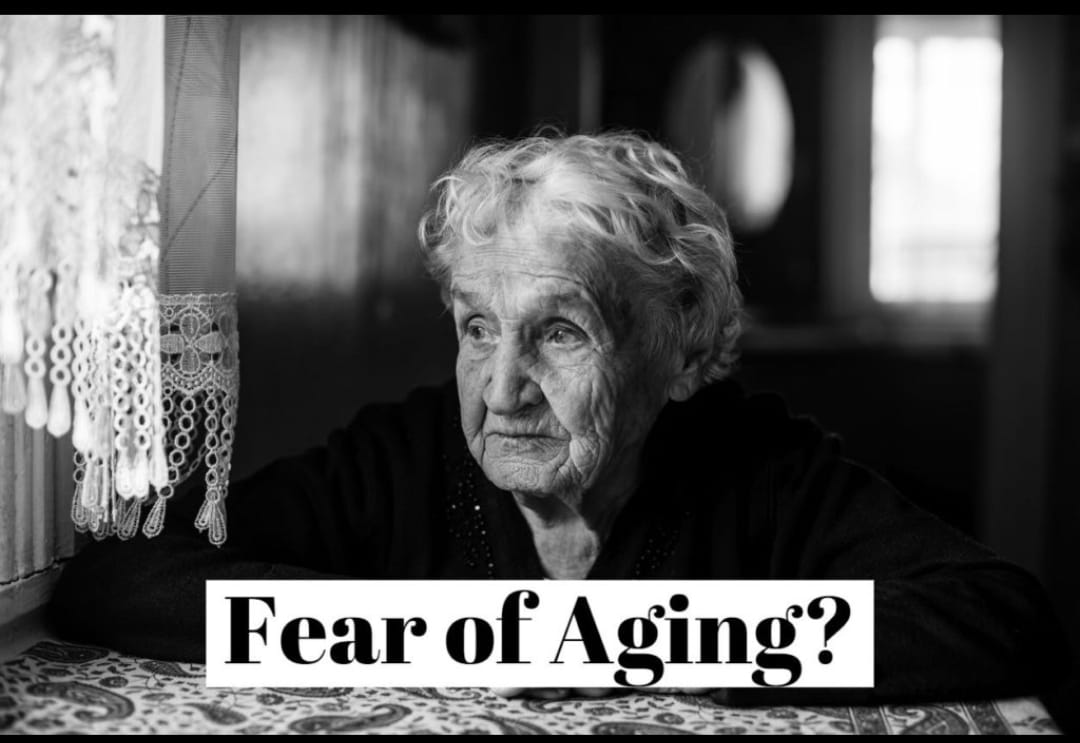
Facing the Fear of Aging: Embracing Life’s Final Frontier.
By George Omagbemi Sylvester
Aging is an inevitable process, yet for many, it is accompanied by a profound fear; GERASCOPHOBIA. This fear transcends the mere passage of time; it encompasses anxieties about physical decline, loss of independence and the approach of mortality. In a society that often venerates youth and vitality, the elderly are frequently marginalized, their experiences undervalued. However, this perspective is not only detrimental to the elderly but also to society as a whole. Understanding and confronting the fear of aging is crucial for fostering a more inclusive and compassionate world.

The Roots of Aging Anxiety.
The fear of aging is deeply embedded in cultural narratives that equate youth with beauty, strength and productivity, while associating aging with decline and obsolescence. This dichotomy is perpetuated by media portrayals and societal attitudes that often overlook the wisdom and contributions of older individuals. Psychologically, aging anxiety can manifest as gerascophobia, a condition characterized by an excessive fear of growing older, leading to stress, depression and a diminished quality of life.
Research indicates that this fear is not merely a superficial concern but is linked to significant mental health issues. A study published in Psychology and Aging found that individuals with a negative perception of aging had a higher risk of developing depression and anxiety disorders. Moreover, the internalization of ageist stereotypes can lead to a self-fulfilling prophecy, where individuals begin to embody the limitations they associate with aging.

Societal Implications of Aging Fear.
The societal implications of aging anxiety are profound. Ageism, the prejudice against individuals based on their age, often stems from and exacerbates these fears. This discrimination can result in older adults being excluded from the workforce, denied opportunities for personal growth and subjected to neglect and abuse. Such marginalization not only harms the elderly but also deprives society of their valuable experiences and insights.
In the workplace, ageism manifests in various forms, including biased hiring practices and limited advancement opportunities for older employees. This exclusion can lead to economic insecurity and social isolation among the elderly. Furthermore, the devaluation of older individuals’ contributions undermines the intergenerational exchange of knowledge and wisdom, weakening the social fabric.

The Psychological Toll.
The psychological toll of aging anxiety is significant. Individuals who fear aging may experience chronic stress, which can lead to physical health problems such as hypertension and cardiovascular disease. Additionally, the constant pressure to maintain a youthful appearance can result in low self-esteem and body image issues. These psychological challenges are compounded by the societal emphasis on youth, which can make older individuals feel invisible and irrelevant.
A study published in Psychology and Aging highlighted that individuals with a negative perception of aging had a higher risk of developing depression and anxiety disorders. This underscores the importance of addressing aging anxiety not only as a societal issue but also as a public health concern.
Challenging Ageist Narratives.
To confront the fear of aging, it is essential to challenge the ageist narratives that pervade society. This involves recognizing the value of older individuals and promoting positive representations of aging. Media portrayals should reflect the diversity and richness of older adults’ lives, showcasing their achievements and contributions. Educational programs can also play a role in dispelling myths about aging and fostering intergenerational understanding.
Furthermore, policies that support the elderly, such as accessible healthcare, retirement security and opportunities for lifelong learning, can help mitigate the negative impacts of aging anxiety. Creating environments that encourage social participation and civic engagement for older adults can enhance their sense of purpose and belonging.
Embracing the Wisdom of Age.
Despite the challenges, aging also brings opportunities for growth and fulfillment. Many individuals find that later life is a time of increased self-awareness, freedom from societal expectations and the ability to pursue passions and interests that were previously sidelined. As the saying goes, “Age is an issue of mind over matter. If you don’t mind, it doesn’t matter.”
Embracing the wisdom that comes with age can lead to a more meaningful and enriched life. Older individuals often possess a wealth of knowledge and experience that can benefit younger generations. By fostering an environment that values and respects the elderly, society can tap into this invaluable resource, promoting a more inclusive and harmonious community.

Final Thoughts.
The fear of aging is a complex issue that intertwines psychological, societal and cultural factors. Addressing this fear requires a multifaceted approach that includes challenging ageist stereotypes, promoting positive representations of aging and implementing policies that support the elderly. By confronting the fear of aging, society can create an environment where individuals of all ages are valued and respected, leading to a more inclusive and compassionate world.
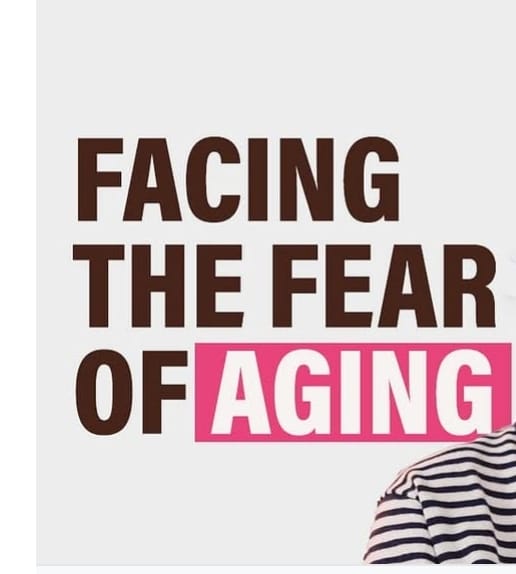
As we move forward, it is imperative to recognize that aging is not a decline but a progression; a journey filled with potential for growth, learning and contribution. By embracing this perspective, we can transform the fear of aging into an appreciation for the richness and depth that each stage of life offers.
In the words of Katharine Esty, a psychologist and author of Eightysomethings: “We need not be afraid of our future selves. Aging can be an opening to decades of your life that you need not fear, ones that offer their own bounties to savor.”
Let us, therefore, approach aging not with fear, but with anticipation and respect, recognizing it as an integral and valuable part of the human experience.


-

 celebrity radar - gossips6 months ago
Why Babangida’s Hilltop Home Became Nigeria’s Political “Mecca”
-

 society6 months ago
Power is a Loan, Not a Possession: The Sacred Duty of Planting People
-

 Business6 months ago
Batsumi Travel CEO Lisa Sebogodi Wins Prestigious Africa Travel 100 Women Award
-

 news6 months ago
THE APPOINTMENT OF WASIU AYINDE BY THE FEDERAL GOVERNMENT AS AN AMBASSADOR SOUNDS EMBARRASSING