
celebrity radar - gossips
Tributes As Vernon Jordan, Civil Rights Activist And Power Broker, Dies At 85

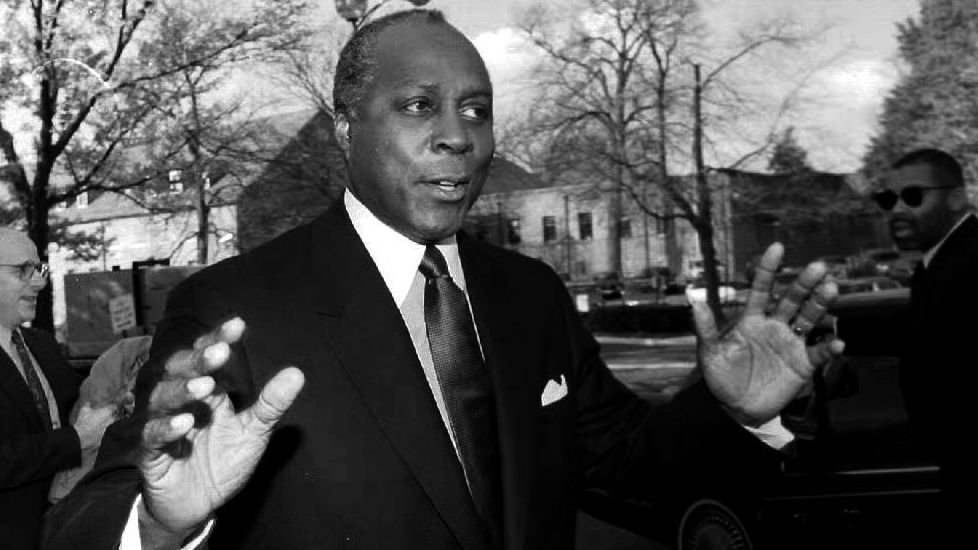
Vernon Jordan, the civil rights lawyer who built a career as a power broker in politics and business, has died at age 85.
WASHINGTON, DC – NOVEMBER 8: Vernon Jordan Jr., the head of U.S. President-elect Bill Clinton’s transition team, tells reporters 08 November 1992, that he has no time to talk. Jordan was leaving NBC’s Washington studio after appearing on “Meet the Press”. (Photo credit should read JENNIFER LAW/AFP via Getty Images)
Jordan “passed away peacefully last evening surrounded by loved ones,” his daughter, Vickee Jordan, said in a statement sent to NPR. “We appreciate all of the outpouring of love and affection.”
A native of Atlanta, Jordan attended DePauw University before earning his law degree at Howard University. Soon after graduating, he devoted himself to ending discrimination against Black Americans in the fight for equal rights. In 1992-93, he chaired President Bill Clinton’s transition team, and for decades he remained a friend and adviser to Bill and Hillary Clinton.
Jordan played an important role in desegregating education in the South, particularly at the college level. In the early 1960s, he became the Georgia field director for the National Association for the Advancement of Colored People, and he famously helped escort Charlayne Hunter through a crowd of white protesters at the University of Georgia in 1961.
“An icon to the world and a lifelong friend to the NAACP, his contribution to moving our society toward justice is unparalleled,” NAACP President and CEO Derrick Johnson said, noting that his organization had honored Jordan for his lifetime of activism.
“His exemplary life will shine as a guiding light for all that seek truth and justice for all people,” Johnson said.
Reflecting on the arc of civil rights in his lifetime, Jordan once compared watching Nelson Mandela walking free from prison in South Africa to seeing Barack Obama being declared president-elect of the U.S.
Jordan said he watched both of those major events alone, sitting in front of a television.
“I did not think I would live to see this day,” he told NPR’s Michel Martin in the weeks after Obama’s victory in 2008.
During his long career, Jordan had stints leading both the National Urban League and the United Negro College Fund. He also worked in voter education and was an attorney consultant for the U.S. Office of Economic Opportunity.
Jordan has received dozens of honorary degrees – including the University of Pennsylvania, where he delivered the commencement address to his daughter’s graduating class. But that speech only happened after Vickee Jordan gave her approval.
As Jordan told NPR, his daughter initially told university administrators that she would rather have her father in the stands than on stage during her graduation.
Jordan recalled, “I was not surprised when she told President [Martin] Meyerson, ‘Why can’t my dad just sit in the audience like other daddies?'”
But then came a change of heart, and the speech went ahead.
“I said, ‘Well listen, Vickee, what about all that is ordinary daddy stuff, me sitting like an ordinary dad?’
“And she said, ‘Well, I’ve decided that you’re not an ordinary daddy.”
In the business world, Vernon was sought out to join corporate boards and advisory panels. He was a partner emeritus at the Akin Gump law firm and a senior managing director at Lazard Frères & Co., a financial company in New York.
“We have lost a great man today,” said Kim Koopersmith, chairperson of Akin Gump, calling Jordan “a wise and trusted mentor and friend who, in all that he did, inspired us to be the best possible version of ourselves.”
“His generosity was boundless, and his guidance was unassailable and delivered with a purposefulness and moral clarity that will never be equaled,” Koopersmith said. “In so many respects, Vernon was one of a kind, and his enormous contributions — to our firm, to our country, and to us as individuals — will be greatly missed.”







celebrity radar - gossips
Laffmattazz with Gbenga Adeyinka & Friends Returns In 2026, As Canada Joins Tour
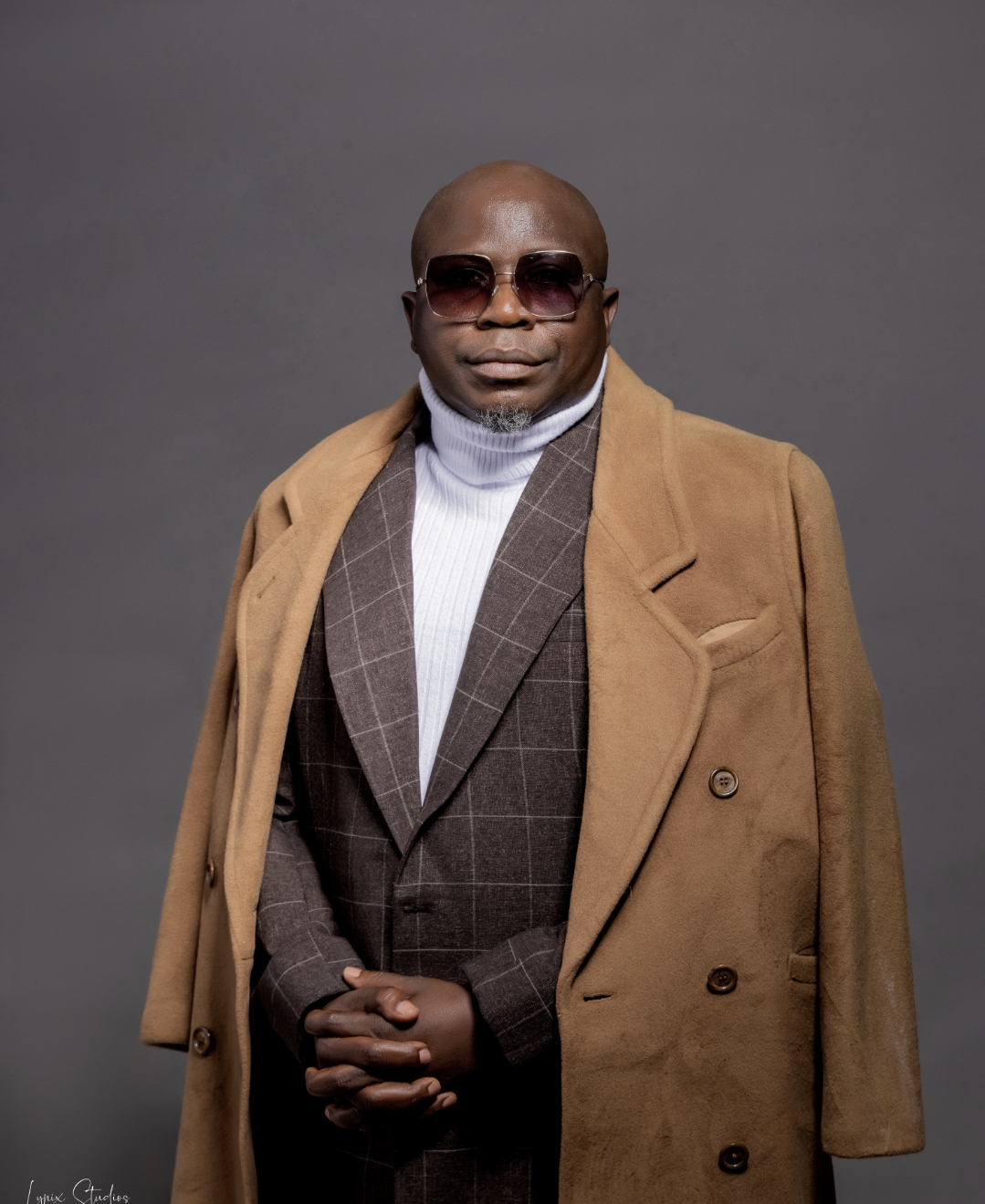
Laffmattazz with Gbenga Adeyinka & Friends Returns In 2026, As Canada Joins Tour
Nigeria’s longest-running and most consistent comedy tour, LaffMattazz with Gbenga Adeyinka & Friends, has officially announced its 2026 tour themed “Next Chapter.” The upcoming edition marks a major milestone as the brand celebrates its 15th edition with a bold expansion that includes Canada for the first time.
The Next Chapter edition represents a clear evolution from previous years — signaling growth, global reach, and a renewed creative vision. While past editions focused on taking premium comedy experiences across Nigerian cities, the 2026 tour elevates the brand with international exposure, upgraded production, and stronger engagement with audiences at home and in the diaspora.
Speaking on the significance of the new theme, organizers describe the 15th edition as more than a celebration of longevity, but a statement of intent — positioning LaffMattazz as a global Nigerian entertainment export.
CONFIRMED TOUR CITIES & VENUES
•Ibadan – Jogor Center (Easter Sunday, April 5th, 2026)
•Akure – The Dome International Culture & Event Center
•Abeokuta – OOPL Marquee
•Lagos – Balmoral Convention Center
•Canada – Multi-city tour (dates to be announced)
Audiences can expect a rich blend of comedy, music, and surprise guest appearances — delivered with the signature “& Friends” experience that has defined the tour for over a decade.
With the Next Chapter, LaffMattazz reinforces its legacy while opening new doors for African comedy on the global stage.
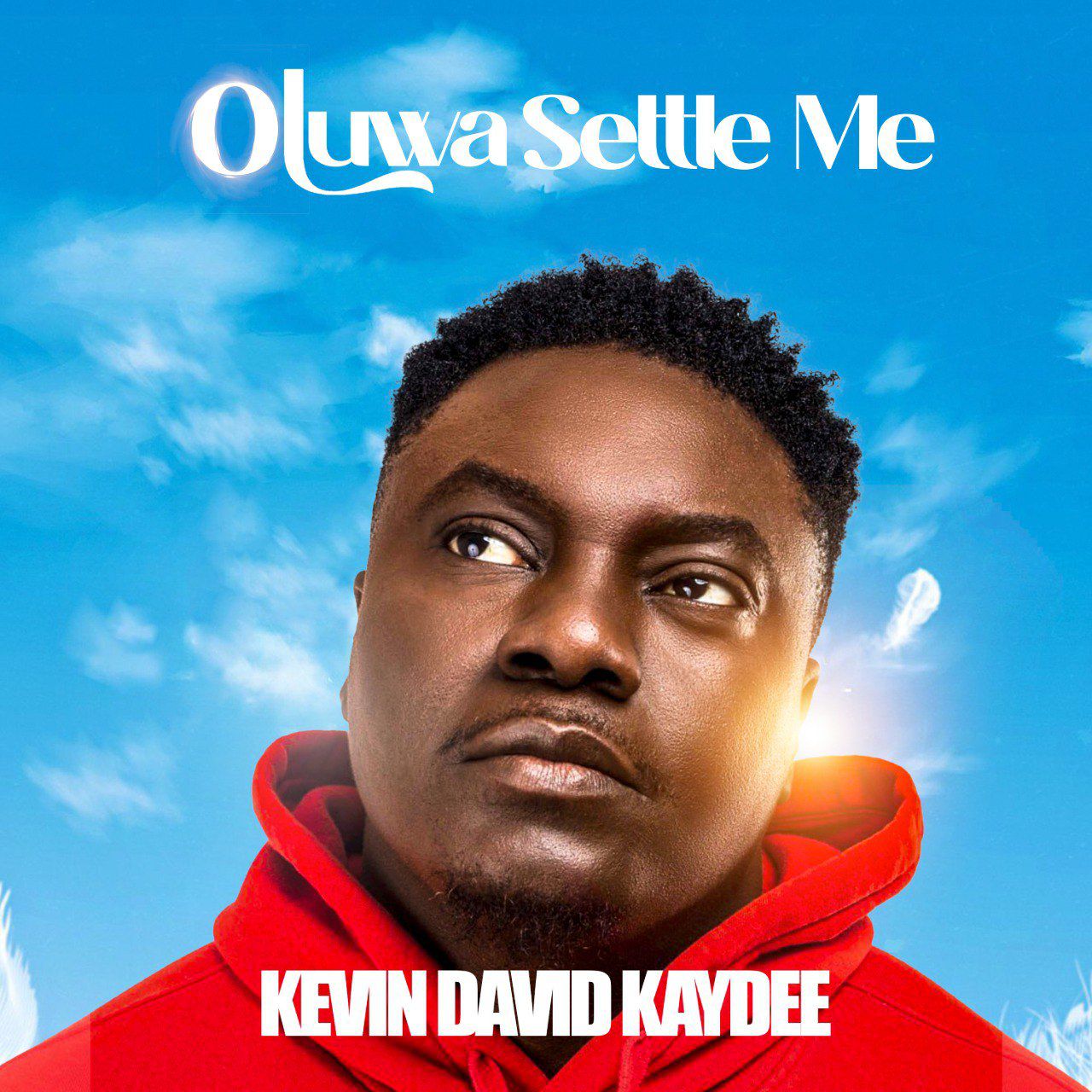
Kevin David Kaydee Releases Inspiring Single “Oluwa Settle Me”
Rising music artist Kevin David Kaydee has released a powerful new single titled Oluwa Settle Me, a soulful Afro-inspired anthem that blends heartfelt prayer with modern rhythm.
“Oluwa Settle Me” captures the everyday cry of many believers seeking breakthrough, peace, and divine favour. With emotionally rich melodies and uplifting instrumentation, the song expresses a sincere plea to God for complete answers to life’s pressing questions—career, destiny, relationships, and spiritual fulfilment.
Drawing from Afrocentric sounds and contemporary gospel influences, the track stands out for its simplicity, sincerity, and spiritual depth. Kevin David Kaydee delivers the message with passion, creating a worshipful atmosphere that resonates across age groups and cultures.
The song’s message of hope and dependence on God positions it as more than just music,it is a prayer set to melody. By fusing spirituality with modern lifestyle rhythms, “Oluwa Settle Me” reflects the growing wave of gospel music that speaks directly to real-life struggles while pointing listeners back to faith.
As gospel music continues to evolve across Africa and beyond, Kevin David Kaydee’s latest release reinforces music as a powerful tool for encouragement, reflection, and spiritual connection.
“Oluwa Settle Me” is now gaining attention among gospel music lovers for its relatable message and soulful sound, marking another significant step in the artist’s growing musical journey.
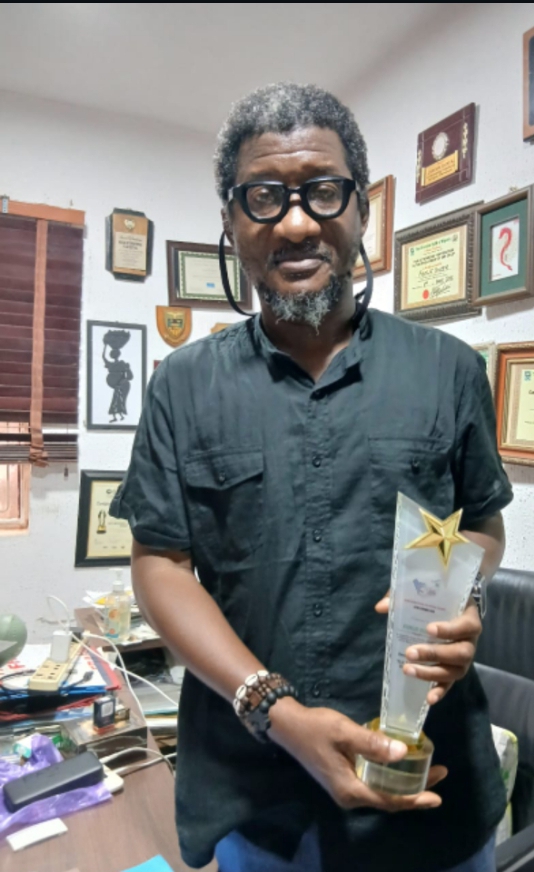
**Another Feather for Nollywood Icon Fidelis Duker
*Lagos, Nigeria* — In a remarkable celebration of artistic achievement, renowned Nollywood figure Fidelis Duker received yet another prestigious accolade last weekend, solidifying his role as a key player in the growth of the Nigerian and African film industries. The award was presented in a ceremony held at Duker’s Lagos office by esteemed film and theatre director, Mr. Alex Eyengho, founder of the Warri International Film Festival, alongside Marketing and Strategy Director, Mrs. Matel Eyengho.
The recent recognition builds upon Duker’s previous achievement at last year’s ECOFEST in Dakar, where he was honored with a Lifetime Achievement Award. This latest accolade is a testament to his unwavering dedication and substantial contributions to the cinematic landscape.
“I am truly humbled by this recognition,” Duker expressed during the event. In his speech, Alex Eyengho lauded Duker’s pioneering efforts in establishing significant film festivals in Nigeria, particularly the Abuja International Film Festival, which has played a vital role in promoting local talent and storytelling.
Eyengho emphasized, “Fidelis has not only paved the way for emerging filmmakers but has also helped elevate Nigerian cinema on the global stage. His creative vision and commitment inspire all of us in the industry.”
As Duker reflects on this honor, he acknowledges the importance of teamwork and collaboration in achieving success. “This acknowledgment reaffirms to my team and me that our work is being observed, and it motivates us to continue contributing to the development of our sector,” he stated.
With numerous projects on the horizon, Duker remains a relentless advocate for the growth and recognition of African cinema. His latest recognition is yet another testament to the vibrant and evolving landscape of Nollywood, as industry leaders like him continue to inspire future generations.
As the film industry anticipates the next phase of development, Duker’s continued influence signals a promising future for filmmakers in Nigeria and across the continent.


-

 celebrity radar - gossips6 months ago
Why Babangida’s Hilltop Home Became Nigeria’s Political “Mecca”
-
 society5 months ago
Religion: Africa’s Oldest Weapon of Enslavement and the Forgotten Truth
-

 society6 months ago
Power is a Loan, Not a Possession: The Sacred Duty of Planting People
-

 news6 months ago
THE APPOINTMENT OF WASIU AYINDE BY THE FEDERAL GOVERNMENT AS AN AMBASSADOR SOUNDS EMBARRASSING