
society
Building collapse in Mosquito Republic By Tunde Odesola

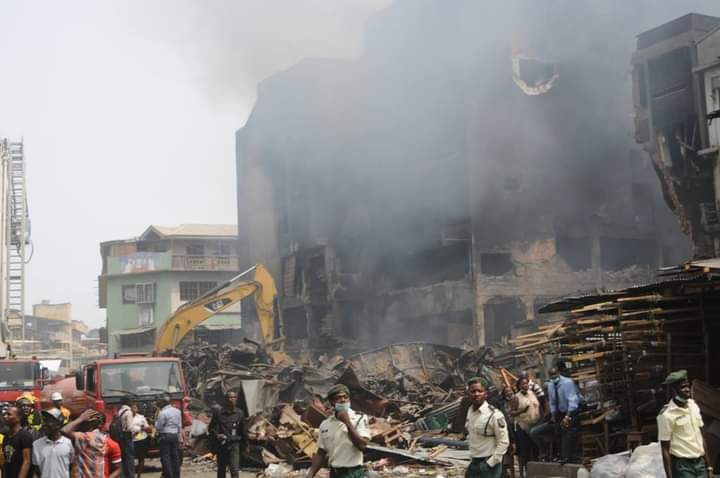
Building collapse in Mosquito Republic By Tunde Odesola
The throttle of the stationary molue stuck out like the heel of a prostitute’s stiletto. Abere, the bus driver, pedalled hard on the throttle while exhaust fumes drifted through the slits in the floorboard, smarting passengers’ eyes and noses. Coughs and curses followed.
The driver gulped the herbal alcoholic content in a green bottle labelled Oshaprapra and let out a belch.
A policeman, OC, walked to the side of the driver and held out his left hand, a baton under his right armpit. Abere thrust the small bottle at the cop, who grabbed and downed the liquor, grimacing as he let out a belch that sounded like a distant ocean roar. OC uncrumpled the N100 Abere squeezed into his hand and walked to the next bus.
Though Abere’s bus was filled to capacity, the conductor, Ororo, still shouted on the top of his voice, “Oshodi straaaight! Enter wit your N350 change o! I no get change o. I dey talk my own before we comot Obalende now o! Your house no go collapse o!”
Ororo looked inside the bus and gestured to the standing passengers: “Ehsss, Young Man, move forward! Ehsss, Fine girl, move forward! Oga wey wear suit inside sun, abeg, move forward! Oga driver, compress dem with your brake! Let’s go dia! Ko si were!”
The rickety bus snaked out of the filthy garage and headed to Oshodi. Abere switched on the bus stereo, and the voice of Pasuma Wonder boomed, “Or-or-or! Bayi naa ni, bayi naa ni, Alabiiiiiii! Jibola Amama, bayi naa ni, ‘Dekunle Lagata Labaika, bayi naa ni…”
The Oga-wey-wear-suit-inside-sun and some other passengers appealed to Abere to tune the radio to Truth FM station for the 3pm news talk in order to get updates on the 21-storey building that collapsed on the island the day before.
The voice of the radio host came on air:
“It’s easier for the camel to pass through the eye of the needle than for a day to pass in Nigeria without the occurrence of teeth-gnashing woes like terrorism, killings, kidnapping, banditry and Boko Haram.
“The latest in the list of nightmares afflicting the country is the worrisome manner in which buildings have been falling like packs of cards.
“A report by BBC says between 2005 and 2020, 152 buildings fell down in Lagos, adding that a six-storey church building collapsed in 2014 during a service by Pastor TB Joshua, killing 116 people.
“According to the BBC report, unqualified builders were used with substandard building materials…”
“Switch off that stupid radio! I say switch off that radio immediately or I’ll get you arrested for abetting hate news!,” a voice boomed from the back of the bus.
“Why you wan make I off the radio, sir o,” the driver asked, peering into his rearview mirror to see an old man sporting an agbada and a green fez, adding: “Na una dey spoil dis country with una lie-lie, Oga Lie.”
Oga Lie: We should be supporting our government. Nigerians are never appreciative…
Passengers (in unison): Which yeye government? Dis one na government or gutterment? Dis government wey specialise in condolence message? Dis government wey Boko Haram, bandits, kidnappers dey yeye anyhow?
Oga Lie: If people die, shouldn’t the government condole the families of the deceased?
Conductor: Nigeria no need wailing government, oga; make government prevent how Nigerians dey die like cockroach everyday, biko!
Young Man: Government should provide adequate security, stop financial and ethical corruption.
Oga Lie: Nigerians should be grateful that people were not living in the whole building when it crashed. That would’ve been more disastrous.
Driver: Dis oga dey talk as if say life mata for dis country. Country wey bandits go burgle House-o-Rock, shey dat one na country? Country wey terrorists attack NDA, kill and kidnap soldiers? Which kain yeye country bi dat? And we say we get goofment? Abeg, oga talk anoda tin, jare.
Conductor: All di houses wey don dey fall since in dis country, who dem punish? Many innocent people just die like dat for dat Ikoyi building. Na family wey lose members go sabi wetin hit dem. Na so dem go shout, shout, shout, small time di tin go die down when anoda bigger calamity happen. Dis country, calamity dey swallow calamity every day ni o. Blood dey drink blood. You build 21-storey building, di tin just collapse like say na sugarcane. Which government agency supervise di building? Some people come talk say na bomb dem bomb am, bomb ko, rocket ni. Dem give you approval to build 15 storey, you mount am go 21. Wetin government dey look when dem add six storeys join am? Anti-corruption government.
Fine Girl: Di angel wey create me for Nigeria no do well at all. Una say una dey run government, but una no fit send una pikin go di public school wey una dey run, una no fit attend Nigerian hospital wey una dey run, una no fit use Made-in-Nigeria things, dat means na wicked and fake government una dey run bi day nah. If you no fit chop wetin you dey sell, dat mean say na poison you dey sell bi dat nah.
Oga Lie: You think it’s easy to govern 200 million people?
Young Man: China’s population is 1.40bn while that of India is 1.38bn. All we need is honest and visionary leadership, not ethnic bigots and rogues parading as messiahs.
Driver: Where you go get honest leadership when all di people wey dem accuse of stealing for yesterday government don CHANGE to di ruling government, no bi for dia wey case close? And dem say dem dey fight corruption. Abeg, dis country never ready to develop. If I see visa now now, I go japa, I no go even pack any bag. Abeg make we hear news, jare.
In the ensuing silence, the voice of the radio host became audible again:
“The representative of Kogi-West senatorial district in the National Assembly, Senator Smart Adeyemi, has lamented the injudicious budgeting of the retired Major General Muhammadu Buhari-led Federal Government.
Speaking after Ministries Departments and Agencies defended their respective budgets before the Senate Committee on Solid Minerals, Mine, Steel Development and Metallurgy, Adeyemi questioned the competence and patriotism of Buhari’s economic team.
He said, “How on earth would a minister propose N82bn for procurement of mosquito nets and a sector as important as solid minerals gets N10bn? A good budget must not be just for expenditures, a good budget must be targeted towards wealth creation so that you can provide jobs for people.
“The Ajaokuta Steel Complex can provide about 60,000 jobs, about 20,000 engineers and technicians. You (need to) ask a question; the Economic Team of Mr President, are they Nigerians? If they’re Nigerians, it means they’re not in tune with the realities of today. Today, we have a large army of unemployed people, and you’re bringing a budgeting system that is so annoying, so questionable, so dubious…N82bn is more than enough to kick-start or, at least, give appreciable improvement to the Iron and Steel Complex.
“You’re not looking at how you’re going to improve your foreign exchange earnings, you’re asking us to come and approve N82bn, those ministers should be sent to jail…Let the mosquito kill us, if we’re going to put N82bn to stop mosquitos…Nigeria is capable of paying off and kick-starting the (Ajaokuta) Iron and Steel Complex.
“The problem of Nigeria is that you have some people who don’t want this country to move forward. And these are the elite. They’re people who are wicked capitalists, bourgeoisie who don’t want to move this country forward. We know those who want to tie this country down. Why would the country continue to import steel from India when you have your own steel company? Is that not wickedness…?”
Radio Host: We’ve come to the end of today’s news talk. I’m Babatunde Ayekooto. Thanks for listening.
Driver (Looking into his rearview mirror): Wey Oga Lie?
Conductor: E don jump down teh-teh!
Email: [email protected]
Facebook: @tunde odesola
Twitter: @tunde_odesola
Tundeodesola.com






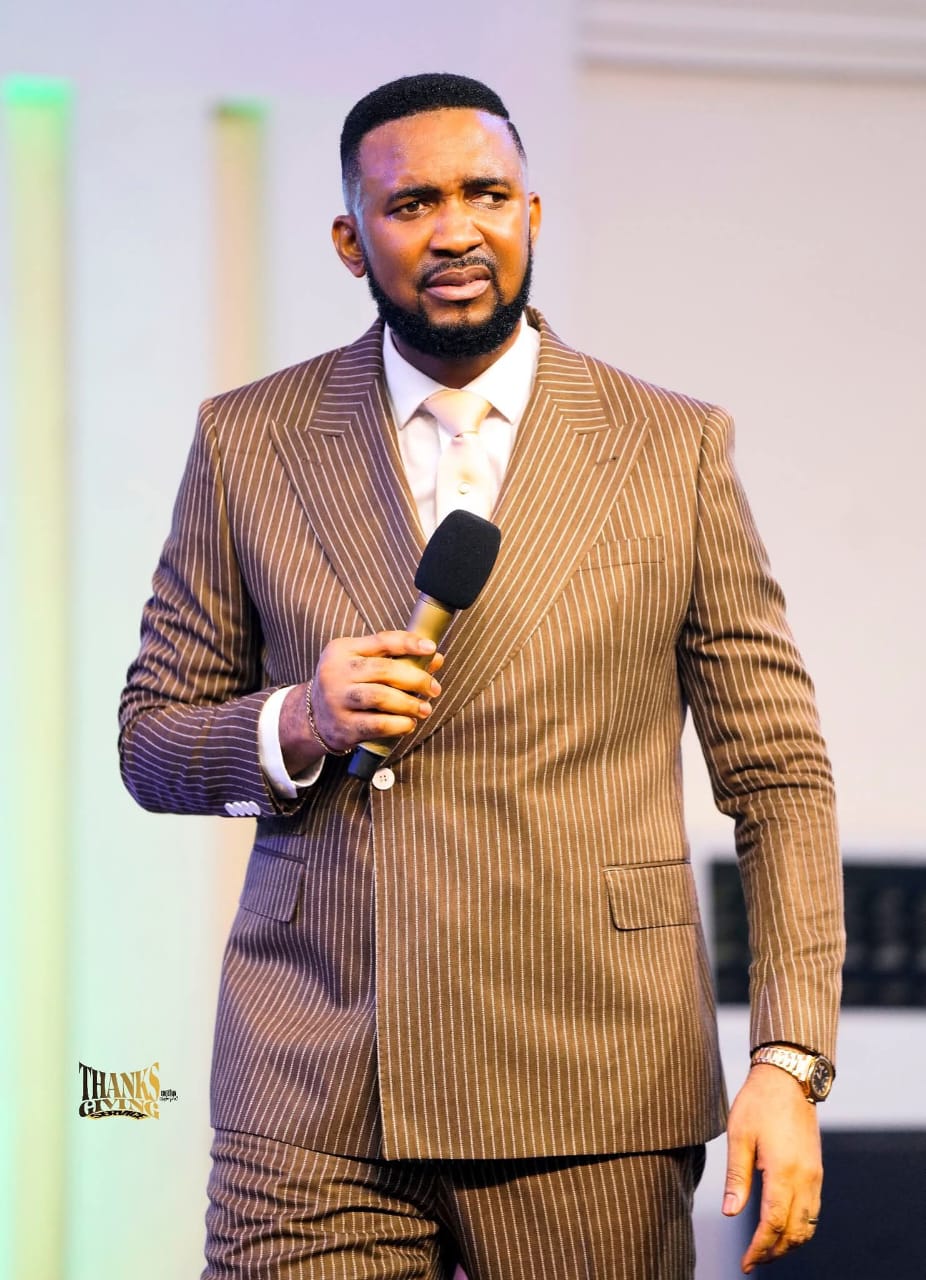
Wisdom of a Mature Believer: Don’t Judge What You Don’t Know — Dr. Chris Okafor
“To provoke mercy, keep sowing mercy.”
Mercy is often defined as compassion shown to someone who deserves punishment. It is the conscious decision to forgive when one has the power to condemn.
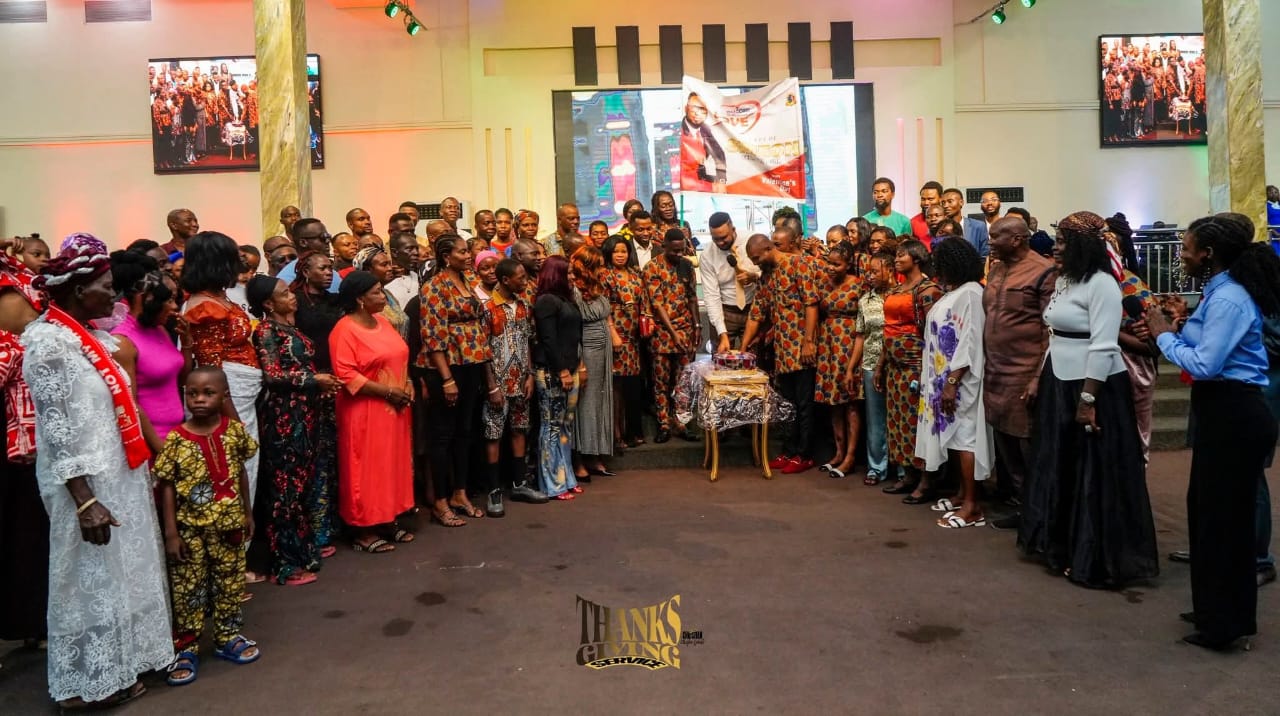
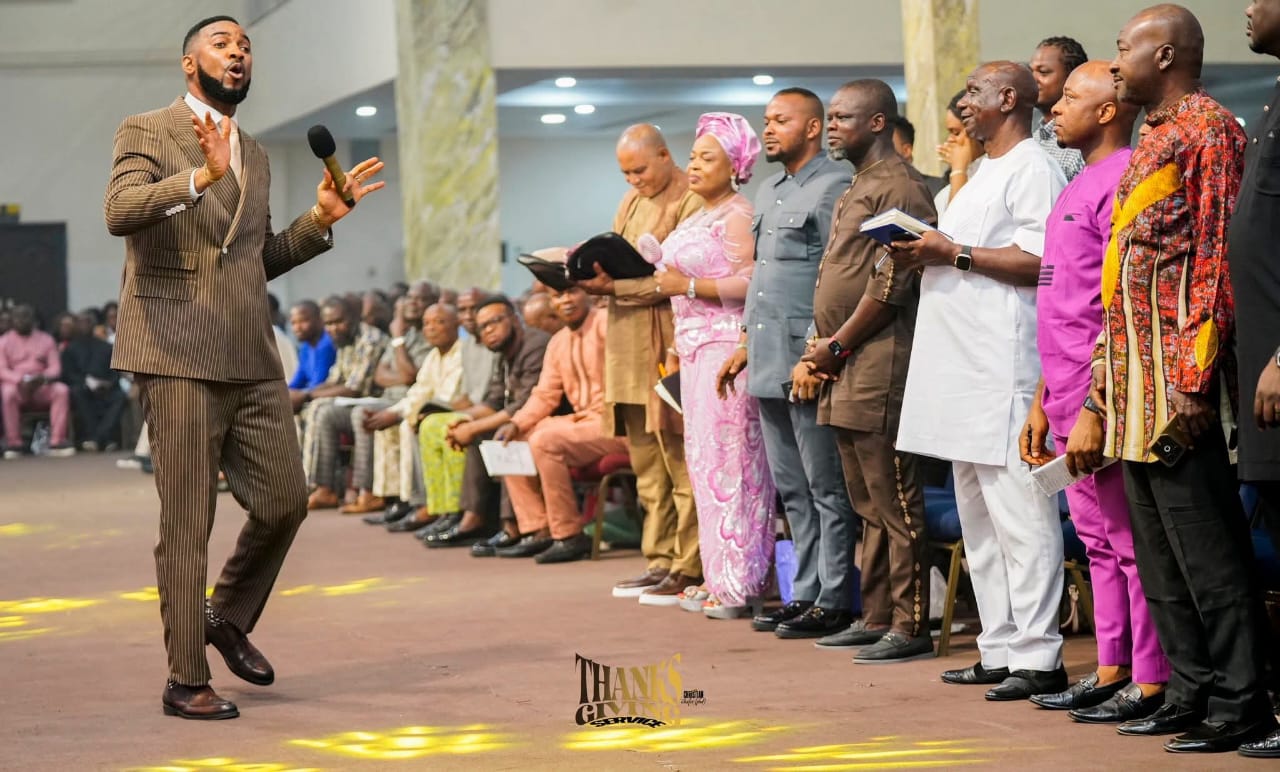
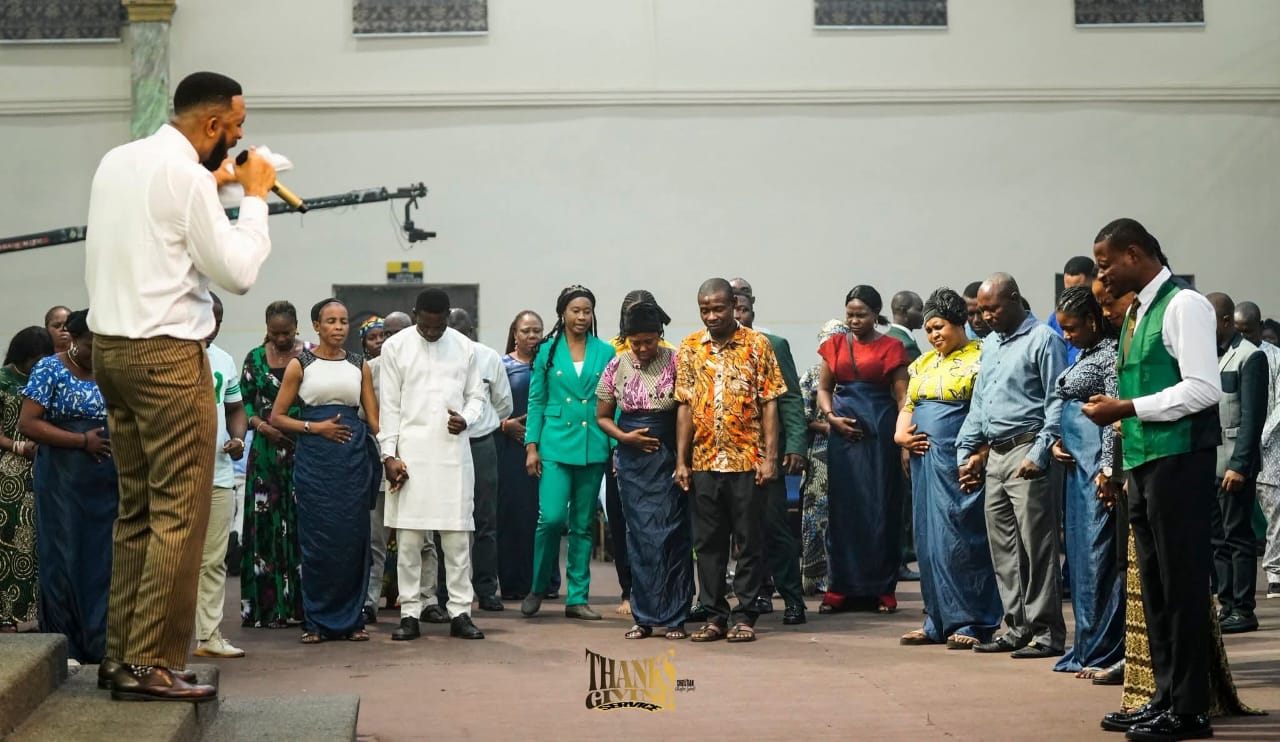
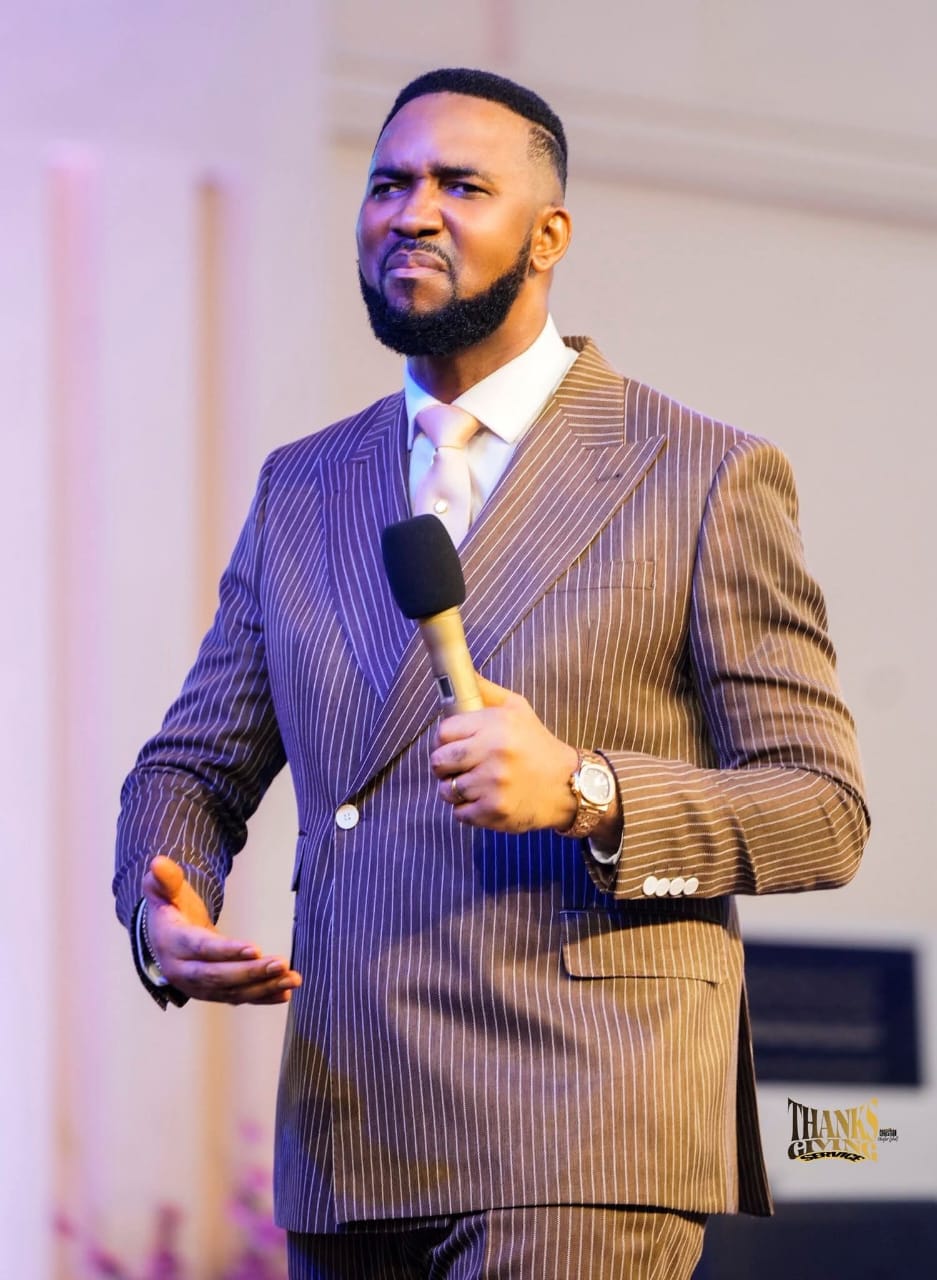
This formed the core of the message delivered by the Generational Prophet of God, Christopher Okafor, during the Grace Nation Glorious Sunday Service held at the international headquarters of Grace Nation Worldwide in Ojodu Berger, Lagos, Nigeria.
The Act and Power of Mercy
Preaching on the topic “The Act and Power of Mercy,”
Dr. Okafor emphasized that mercy is the believer’s escape from judgment. Referencing Psalm 136:1–20, he explained that mercy does not appear randomly; it is activated by deliberate spiritual actions and attitudes.
According to him, many people forfeit divine privileges because they are quick to judge.
A mature believer, he warned, must resist rushing to conclusions. In some cases, what appears to be clear evidence may not reflect the full truth.
“Don’t judge what you do not fully understand,” he cautioned, stressing that premature judgment can shut the door to mercy.
What Provokes Mercy?
Dr. Okafor outlined key spiritual principles that activate divine mercy:
Prayer
Prayer in deep and sincere dimensions attracts mercy. At the throne of grace, God considers the petitions of those who remain committed to Him. Even when a believer falls short, consistent prayer and kingdom partnership can move God to show mercy.
Total Repentance
Acknowledging wrongdoing and genuinely turning away from it provokes mercy. When a person presents their case before God with sincere repentance, divine compassion is released.
Sowing Mercy
Mercy operates like a seed. What a person sows is what they reap. Showing compassion, forgiveness, and kindness to others creates a harvest of mercy in return.
Unjust Hatred
Dr. Okafor also noted that when individuals are hated without cause, God may respond with mercy and divine elevation. What others fail to see in a person, God recognizes.
Conclusion
In closing, the Generational Prophet reiterated that mercy is both a principle and a harvest.
“To provoke mercy,” he declared, “keep sowing mercy.”
The service was marked by strong prophetic manifestations, including testimonies of deliverance, miracles, healings, restoration, and solutions to diverse challenges presented before God.
The Glorious Sunday Service concluded with a special thanksgiving celebration by members born in the month of February.
Sunday Adeyemi writes from Lagos
society
NOVO Announces Spring 2026 Launch: The World’s First Diamond-Backed Digital Currency and Wealth Platform Devoted to Feeding Africa
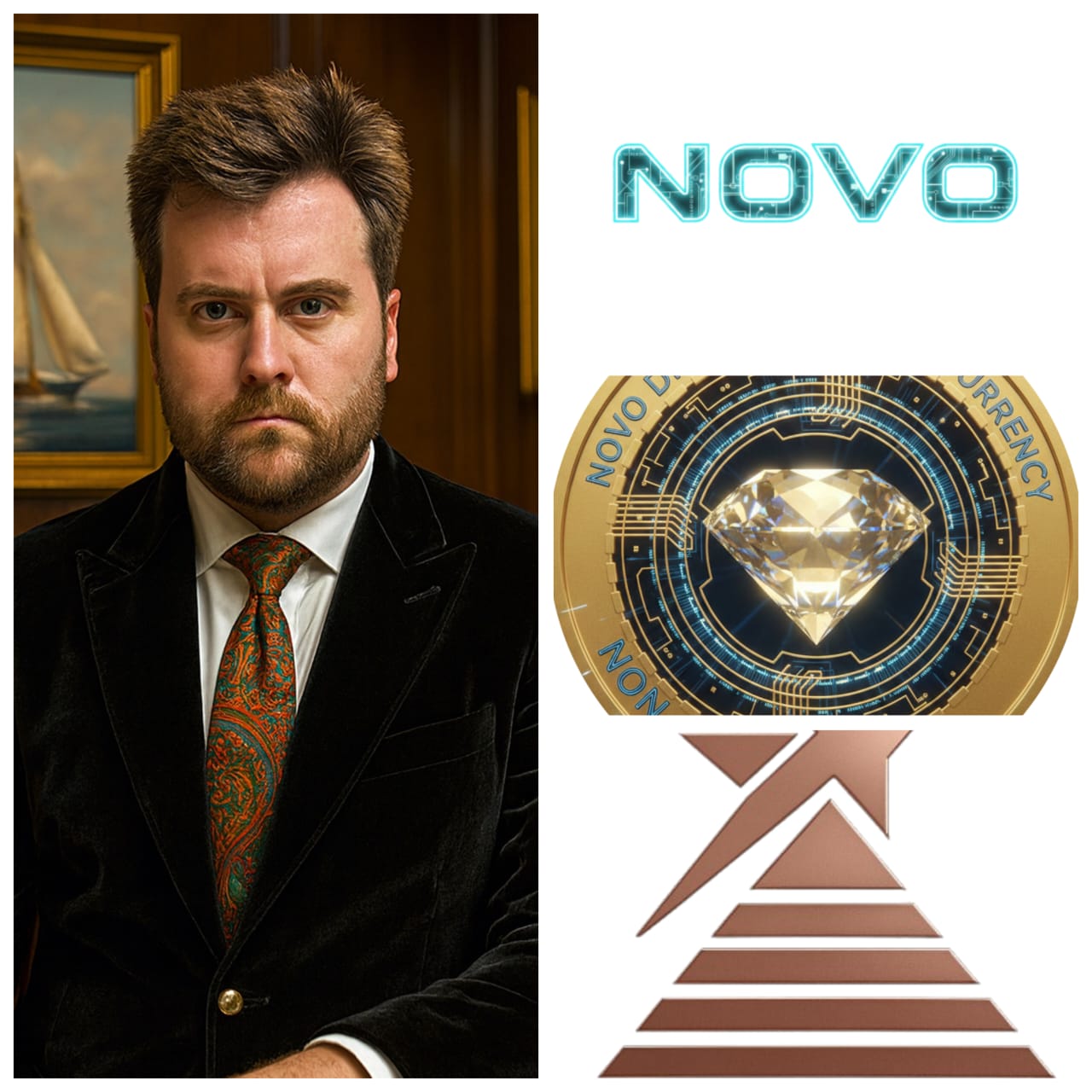
NOVO Announces Spring 2026 Launch: The World’s First Diamond-Backed Digital Currency and Wealth Platform Devoted to Feeding Africa
February 2026 — NOVO, an emerging global leader in diamond manufacturing, crypto‑banking, and ethical wealth management, today announced the upcoming Spring 2026 launch of NOVO Coin, the world’s first digital currency fully backed by certified, lab‑grown, cut, and polished diamonds stored in secure vaults in Singapore and Switzerland.
Designed for stability, transparency, and humanitarian impact, NOVO represents a new class of asset‑backed digital currency engineered to serve both global markets and vulnerable economies facing inflation, currency instability, and limited access to banking.
A Currency With a Mission: Feeding a Continent.
In a groundbreaking commitment, NOVO has pledged 50% of all corporate profits to support nonprofit micro‑finance organizations across Africa that specialize in food production, farming, fishing, and sustainable agriculture.
This initiative aims to:
Expand access to affordable capital for small and mid‑scale food producers
Strengthen local food systems and reduce dependency on imports
Dramatically lower grocery prices across African markets
Build long‑term economic resilience for millions of families
NOVO’s leadership believes that empowering Africa’s farmers and food‑producing cooperatives is the fastest path to stabilizing regional economies — and ultimately driving down global food prices.
Diamond‑Backed Stability for a Volatile World
Unlike speculative tokens or inflation‑prone fiat currencies, every NOVO Coin is backed by real, verifiable diamond reserves, manufactured through advanced laboratory processes and held in audited international vaults.
This structure provides:
Intrinsic value tied to a globally recognized commodity
Transparency through third‑party reserve verification
Security via geographically diversified vaults
Long‑term price stability for users and institutional partners
NOVO’s diamond‑reserve system is designed to offer a safe, durable alternative for nations and communities seeking protection from currency devaluation.
A Full‑Spectrum Financial Ecosystem
Beyond the currency itself, NOVO is launching a vertically integrated platform that includes:
Diamond manufacturing and certification
Crypto‑banking and digital asset management
Wealth management and life‑insurance services
Humanitarian micro‑finance distribution channels
This unified ecosystem positions NOVO as one of the first fintech institutions to combine commodity‑backed digital currency with large‑scale social impact.
A New Era of Ethical Finance
“NOVO was built on a simple belief: a currency should serve the people who use it,” said the organization’s founder. “By backing NOVO with diamonds and dedicating half of our profits to African food producers, we are proving that financial innovation and humanitarian responsibility can — and must — coexist.”
Spring 2026: A Global Debut
NOVO Coin will be available to the public in Spring 2026, with early institutional partnerships already underway across Africa, Asia, and the Caribbean.
For more information. Here is the organizations website TOPOFTHEPYRAMID.org
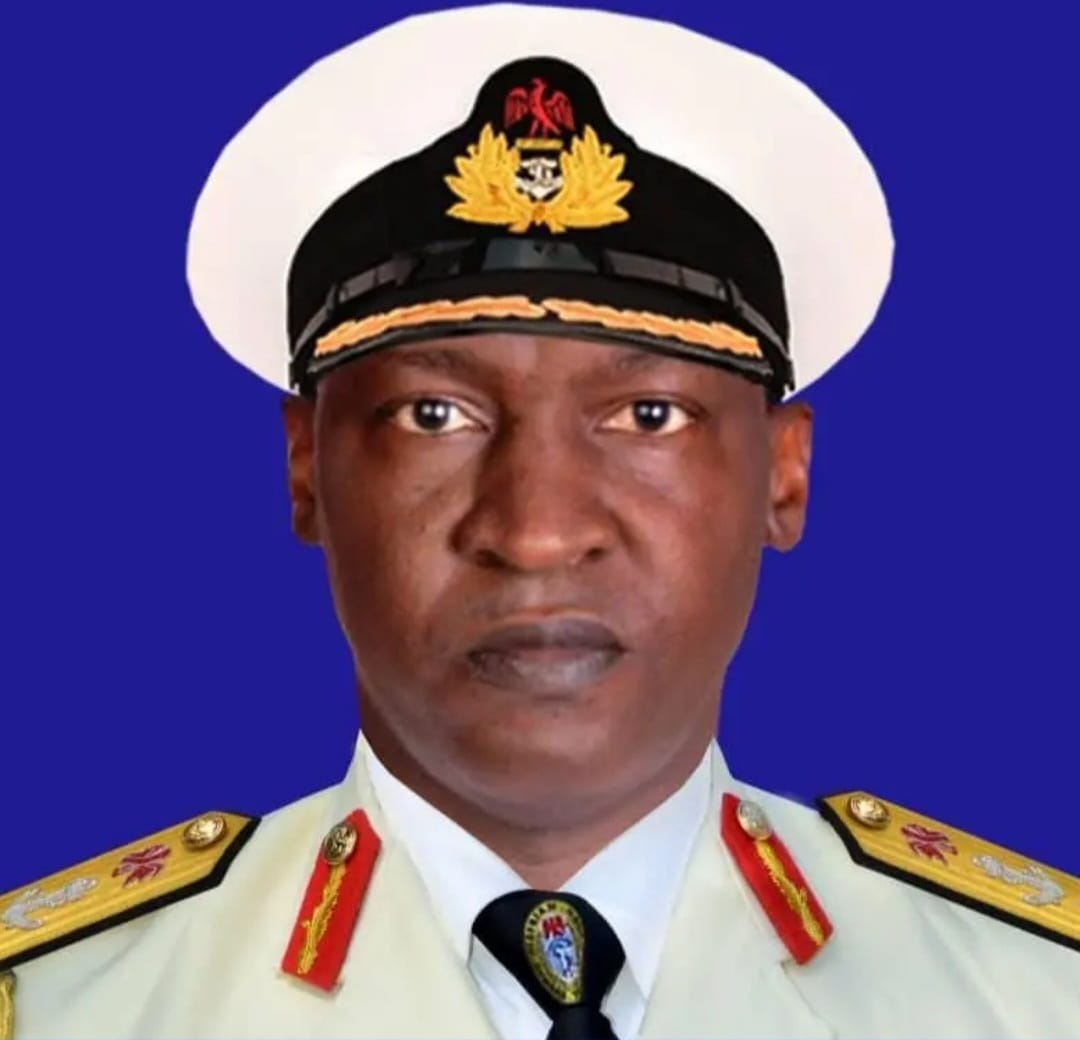
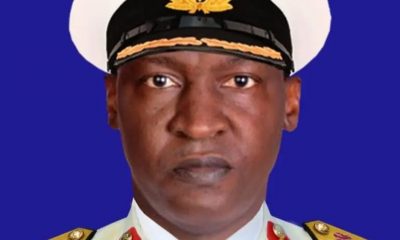
Tinubu Mourns Rear Admiral Musa Katagum: A National Loss for Nigeria’s Military Leadership
By George Omagbemi Sylvester | Published by SaharaWeeklyNG
“President Tinubu Pays Tribute as Nigeria’s Naval Command Mourns the Sudden Loss of a Strategic Maritime Leader at a Critical Security Juncture.”
Abuja, Nigeria – President Bola Ahmed Tinubu has officially mourned the death of Rear Admiral Musa Bello Katagum, the Chief of Naval Operations of the Nigerian Navy, who died on February 19, 2026, after a protracted illness while receiving treatment abroad. His passing has sent ripples through Nigeria’s defence establishment and national security architecture, marking the loss of one of the most experienced and respected maritime commanders in recent memory.
In a statement released on February 20, 2026 by his Special Adviser on Information and Strategy, Bayo Onanuga, President Tinubu described Rear Admiral Katagum’s death as a “significant blow to the military and the nation,” noting the late officer’s vast experience and “invaluable contributions” to both the Nigerian Navy and the broader “Armed Forces of Nigeria”. The President extended heartfelt condolences to the bereaved family, naval personnel and the nation at large, while praying for solace and strength for colleagues and loved ones.
Rear Admiral Katagum’s career was marked by distinguished service in several strategic capacities. Before his appointment as Chief of Naval Operations in November 2025, he served as Director of the Presidential Communication, Command and Control Centre (PC4) and Chief of Intelligence of the Nigerian Navy-roles that placed him at the nexus of naval operational planning and intelligence gathering. His leadership was widely credited with enhancing the Navy’s capacity to respond to growing maritime threats in the Gulf of Guinea, including piracy, illegal bunkering, and transnational crime.
Security policy experts emphasise that Katagum’s loss comes at a critical juncture for Nigeria. Dr. Adebola Akinpelu, a defence analyst at the Institute for Security Studies, observes that “Nigeria’s maritime domain remains a frontline in the broader security challenges facing the nation; the loss of an adept operational leader like Rear Admiral Katagum is not just a personnel change but a strategic setback.” His insight reflects broader concerns about continuity in military leadership amid intensifying threats.
The Nigerian Navy’s own statement, confirmed by the Directorate of Naval Information, affirmed that Katagum’s “exemplary leadership, strategic insight, and unwavering loyalty” were central to boosting operational readiness and national defence. According to Captain Abiodun Folorunsho, the Director of Naval Information, “His legacy remains a source of inspiration across the services.”
As Nigeria grapples with complex security landscapes at its land and maritime frontiers, the death of Rear Admiral Katagum underscores a broader national imperative: strengthening institutional capacities while honouring the service and sacrifice of those who defend the nation’s sovereignty. In the words of military scholar Professor James Okoye, “Leadership in security institutions is not easily replaceable; it is built through experience, trust and strategic clarity; qualities that Katagum embodied.”
Rear Admiral Musa Katagum has since been laid to rest in accordance with Islamic rites, leaving behind a legacy that will inform Nigerian naval operations for years to come.


-
 celebrity radar - gossips6 months ago
Why Babangida’s Hilltop Home Became Nigeria’s Political “Mecca”
-

 society6 months ago
Power is a Loan, Not a Possession: The Sacred Duty of Planting People
-
 society5 months ago
Religion: Africa’s Oldest Weapon of Enslavement and the Forgotten Truth
-
 news6 months ago
THE APPOINTMENT OF WASIU AYINDE BY THE FEDERAL GOVERNMENT AS AN AMBASSADOR SOUNDS EMBARRASSING