
Business
A Wake-Up Call to Public Servants: Governor Sheriff Oborevwori’s Bold Stand for Nigeria’s Revival


A Wake-Up Call to Public Servants: Governor Sheriff Oborevwori’s Bold Stand for Nigeria’s Revival
By George Omagbemi Sylvester
At a time when Nigeria’s public service is plagued by inefficiency, lethargy, and endemic corruption, Governor Sheriff Oborevwori of Delta State has sounded an urgent clarion call to public servants: return to diligence, patriotism, and unwavering commitment to national development. His message, though direct and seemingly simple, strikes at the very heart of Nigeria’s governance crisis and poses a fundamental question to every civil servant: What is your contribution to the rebirth of Nigeria?
Governor Oborevwori’s charge comes at a critical juncture in Nigeria’s history. The nation is on the brink of socio-economic collapse—crippled by mass unemployment, a failing naira, staggering debt levels, and institutional decay. In the face of this reality, Oborevwori’s words serve not just as a political speech, but as a necessary moral awakening. He dares to demand from public servants what Nigeria has lacked for far too long: accountability, productivity, and an ethic of service.

“The function of leadership is to produce more leaders, not more followers.” – Ralph Nader
Public servants, as the machinery of governance, are expected to be the vanguard of national transformation. Unfortunately, in Nigeria, many have become the very clog in the wheel of progress. From the highest federal agencies to the most remote local councils, stories abound of dereliction of duty, inflated contracts, ghost workers, absenteeism, and outright theft of public funds.
Governor Oborevwori rightly emphasized that without a dedicated, ethical, and service-oriented public service, no government policy, no matter how visionary, can yield fruit. Echoing this, former UN Secretary-General Kofi Annan once noted, “Good governance is perhaps the single most important factor in eradicating poverty and promoting development.” And good governance cannot exist where public servants are more committed to personal enrichment than public service.

The Nigerian civil service, once regarded as one of the most professional in Africa during the post-independence era, has deteriorated to a bastion of inefficiency. A World Bank report in 2023 estimated that Nigeria loses over $18 billion annually to public sector inefficiencies and corruption. These are not just numbers—they represent schools not built, hospitals without medicine, roads abandoned mid-construction, and millions of dreams deferred.
In light of this, Governor Oborevwori’s statement is not a routine call to duty; it is a rallying cry for national redemption. “We must reawaken the consciousness of public servants to understand that they are not just employees, but stewards of national hope,” he stated.
“Public service must be more than doing a job efficiently and honestly. It must be a complete dedication to the people and to the nation.” – Margaret Chase Smith
Nigeria is in dire need of such dedication. For decades, leadership has been reduced to a feeding trough for the political elite and their cronies in the bureaucracy. Meritocracy has been sacrificed on the altar of nepotism. Promotions are often based not on performance, but on connections and bribes. This cancer has metastasized across all levels of government.
The call for diligence must go beyond rhetoric. There must be a deliberate and structured overhaul of the public service system. Recruitment should be based strictly on competence. Training must be prioritized, and performance should be objectively measured. Those who fail to meet standards should be sanctioned without fear or favour.
President John F. Kennedy once said, “Ask not what your country can do for you, ask what you can do for your country.” In Nigeria today, too many public servants are still asking what they can steal from their country. This mindset must change, and change fast. Governor Oborevwori’s words should be amplified across all states and ministries.
His administration in Delta State has shown promising signs. The state has recorded improvements in internally generated revenue, infrastructural development, and youth empowerment programs. These successes are not accidental—they are the result of focused leadership and a growing insistence on performance-driven governance.
“A nation is not defined by its borders or the boundaries of its land, but by the collective spirit of its people.” – Barack Obama
Nigeria’s greatness will never come from oil reserves or abundant landmass. It will come from Nigerians who are willing to build rather than loot; to serve rather than exploit; to lead with integrity rather than deceive with slogans. The public service is the engine room of this transformation.
Public servants must also embrace innovation and transparency. In an era of digital governance and open data, Nigeria cannot afford to operate a 21st-century economy with a 19th-century bureaucracy. Oborevwori’s call must be followed by practical measures: e-governance platforms, performance-based incentives, public service audits, and whistleblower protections.
Nations like Rwanda and Singapore rose from instability to prosperity not through divine luck, but through visionary leadership and a professional, efficient civil service. Paul Kagame, President of Rwanda, aptly observed, “Africa’s story has been written by others; we need to own our problems and solutions and write our own story.” Nigeria must do the same—and it starts with the stewards of the state: public servants.
The Nigerian public deserves better. The citizens have endured years of broken promises, collapsing infrastructure, power outages, and unpaid pensions. They deserve a civil service that works for them—not against them. As citizens struggle with inflation and insecurity, it is unconscionable for government employees to remain indifferent or complicit.
Diligence must be revived as a national virtue. Patriotism must no longer be reserved for Independence Day speeches—it must be lived out daily in government offices, in the accuracy of data entry, the timeliness of memos, the fairness of policy implementation, and the integrity of budget execution.
Governor Oborevwori has lit a torch. It is now the duty of every true Nigerian public servant to carry it forward. Let every government worker ask themselves: If Nigeria’s success depended on my daily performance, what kind of nation would we have?
“The price good men pay for indifference to public affairs is to be ruled by evil men.” – Plato
Let the message ring from Abuja to Asaba, from Kano to Calabar: public service is not a privilege to be abused; it is a sacred trust. Governor Oborevwori has reminded us of that trust. The question now is—will the Nigerian public servant rise to the occasion, or continue to dig the grave of a nation gasping for rebirth?
The world is watching. History is waiting. Nigeria cannot afford another decade of bureaucratic betrayal.




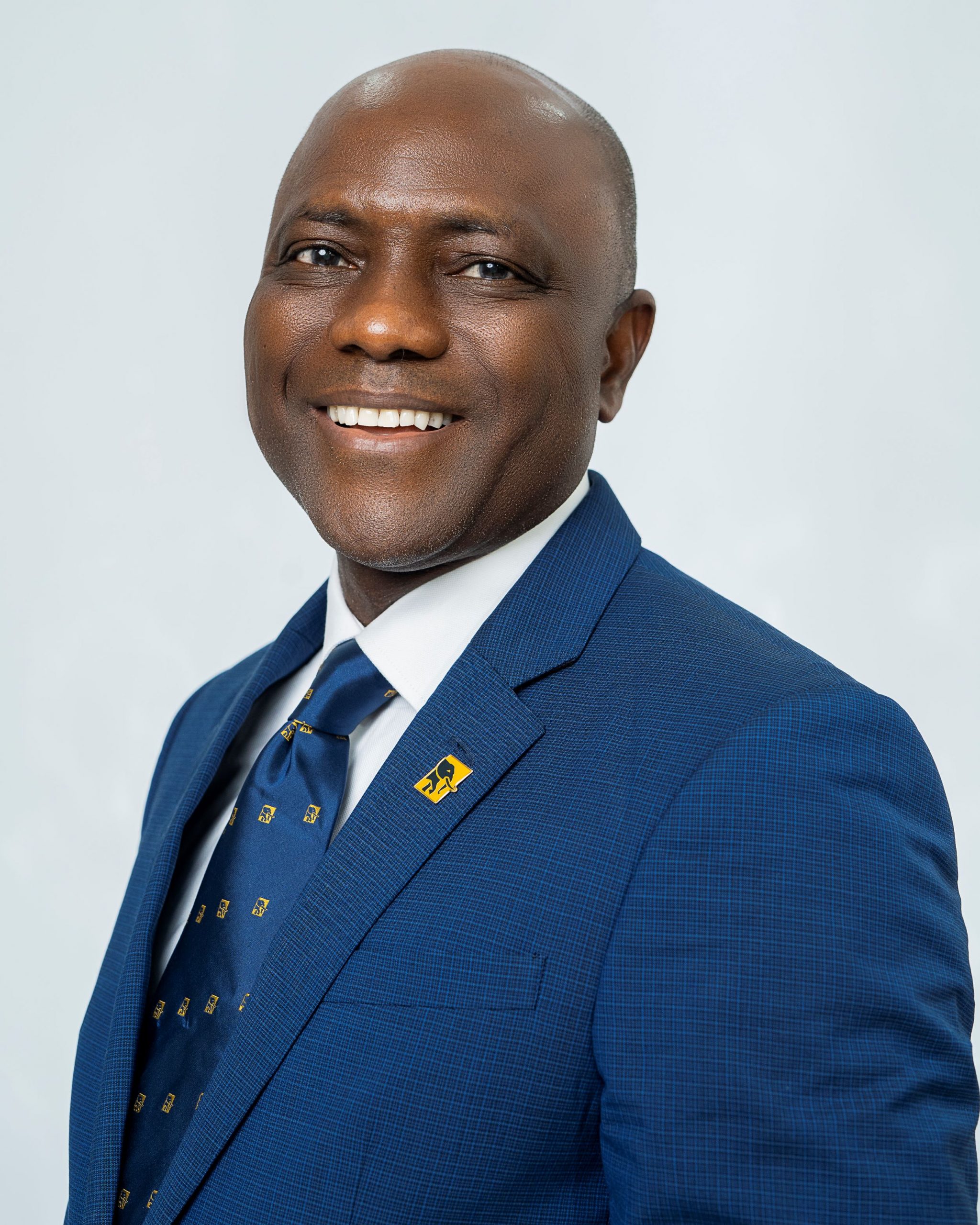
Why Pay Rent Endlessly When You Can Own Your Dream Home Now?
FirstBank’s MREIF mortgage loan product is an opportunity waiting for Nigerians to grab, as FirstBank, Ministry of Finance Incorporated (MOFI) partner to bridge housing deficit and empower citizens with credit to own their own homes of choice in any 36 states of the federation including Federal Capital Territory (FCT).
This laudable initiative considers the importance of shelter to Nigerian citizens especially low and middle income earners that have to save for years before they can build for themselves. It aims at delivering homes to those who would apply without stress, putting smiles on the faces of Nigerians now, and during retirement.
Through MREIF, FirstBank will provide eligible customers with access to loans of up to N100 million with a repayment period of up to 20 years, at an attractive interest rate of 9.75% per annum. This is less than the usual interest rate on regular loans which sit at about 27% or more today. The repayment duration of 20 years makes the loan attractive for customers without stress.
The mortgage facility is available to salary account holders, business owners, and diaspora customers.
Interested customers are required to visit the Bank’s website: https://www.firstbanknigeria.com/personal/loans/mreif-home-loan/ where they can find detailed information and begin their journey toward homeownership

Riceocracy: When Tinubu and the APC Government Substitutes Governance with Handouts
By George Omagbemi Sylvester
“Tinubu’s administration faces mounting criticism as rice palliatives replace real solutions to Nigeria’s deepening crisis.”
ABUJA, Nigeria — March 17, 2026
A growing wave of public frustration is sweeping across Nigeria as citizens decry what has now been dubbed “Riceocracy” a governance pattern where the government of President Bola Ahmed Tinubu and the ruling All Progressives Congress (APC) respond to systemic failures with the distribution of rice rather than meaningful reforms.
Across the country, from major cities like Lagos and Abuja to underserved rural communities, Nigerians are voicing anger over persistent issues: no stable electricity, deteriorating road networks, unaffordable fuel and cooking gas, and a struggling education system. Yet, in response to these structural problems, the government’s most visible intervention has been the distribution of food palliatives; particularly rice.
The central figures in this unfolding crisis are President Tinubu and the APC-led federal and state governments, who have overseen the rollout of these relief measures. On the other side are millions of Nigerians battling rising inflation, joblessness, and declining living standards.
The trend gained momentum following the removal of fuel subsidies in May 2023, a policy decision by the Tinubu administration that triggered a surge in transportation and commodity prices. By 2024 and into 2025, the government intensified the distribution of rice and other palliatives as a stopgap measure to quell public discontent. Now, in 2026, the approach has become a defining feature of the administration’s response to economic hardship.
The “Riceocracy” phenomenon is nationwide. Reports from states such as Kano, Rivers, and Borno show large crowds gathering for rice distribution exercises, even as basic infrastructure continues to decay. Urban centers are not exempt; in cities like Lagos, residents still grapple with erratic power supply and high living costs despite periodic palliative programs.
Analysts point to political convenience and immediate optics. Distributing rice is quick, visible, and politically advantageous, especially in a climate of widespread hardship. However, critics argue that it reflects a deeper governance failure; an inability or unwillingness to implement long-term solutions.
Nobel laureate Wole Soyinka has long warned against superficial governance, describing such approaches as “a betrayal of democratic responsibility.” In the same vein, global economist Ngozi Okonjo-Iweala has stressed that “palliatives may provide temporary relief, but they cannot replace sound economic management and structural reform.”
Political economist Pat Utomi offers a sharper critique: “A state that reduces its responsibility to food sharing risks institutionalizing poverty rather than eliminating it.” His statement captures the growing concern that Nigeria’s leadership is addressing symptoms rather than causes.
The implications are severe. Nigeria’s power sector remains unreliable, forcing businesses to depend on costly alternatives. Road infrastructure continues to hinder economic activity, while the education sector suffers from underfunding and frequent disruptions. Despite these challenges, rice distribution has become the most consistent government response.
Critics further argue that this strategy fosters dependency and weakens civic engagement. Instead of demanding accountability, citizens may feel compelled to accept handouts as substitutes for rights and services. Allegations of mismanagement and politicization of palliative distribution also persist, raising questions about transparency and fairness.
The term “Riceocracy” may sound satirical, but it reflects a sobering reality. It highlights a governance model where survival replaces development, and where public policy is reduced to emergency relief rather than strategic planning.
As Nigeria marks this moment on March 17, 2026, the message from scholars, civil society, and frustrated citizens is unmistakable: rice cannot fix a broken system. Only deliberate investments in infrastructure, education, energy, and economic productivity can restore confidence and chart a sustainable path forward.
Until then, the image of Nigerians queuing for bags of rice will remain a stark symbol of a nation still searching for leadership that goes beyond palliatives to deliver real progress.



ZENITH BANK OPENS MANCHESTER BRANCH TO SUPPORT CROSS-BORDER TRADE AND INVESTMENT
Zenith Bank Plc has announced the opening of a new branch in Manchester, United Kingdom, marking another significant milestone in the bank’s international growth and its commitment to strengthening financial connections between Africa and global markets.
The official opening ceremony, scheduled to hold on Tuesday, March 17, 2026, is expected to attract government officials from Nigeria and the United Kingdom, regulators, investors, customers, and business leaders from both countries, underscoring the growing economic ties and investment opportunities between the two markets.
The new Manchester branch will complement Zenith Bank’s existing operations in the United Kingdom and serve as a strategic hub for supporting businesses engaged in international trade and investment. Through the branch, the bank will provide corporate banking, trade finance, treasury and related financial services to clients operating across the United Kingdom, Europe and Africa.Speaking ahead of the launch, the Group Managing Director/Chief Executive Officer of Zenith Bank Plc, Dame Dr. Adaora Umeoji, OON, said: “The opening of our Manchester branch represents another important step in Zenith Bank’s growth as a leading African financial institution connecting businesses and markets across continents. Manchester is one of the United Kingdom’s most dynamic commercial centres, and our presence here will further strengthen financial connections between businesses in the UK and opportunities across Africa’s rapidly expanding markets.
”Founded in 1990 by its Founder and Chairman, Jim Ovia, CFR, Zenith Bank has grown into one of Africa’s most respected banking institutions, boasting a robust capital base and a remarkable history of year-on-year profitability. Built on a strong foundation of people, technology and service, the Bank has consistently delivered innovative financial solutions while maintaining a disciplined approach to growth and risk management. The impressive performance of the Bank has consistently earned it excellent ratings, recognition and endorsement from local and international agencies and institutions.Headquartered in Lagos, Nigeria, Zenith Bank operates over 500 branches and business offices across the 36 States of the Federation and the Federal Capital Territory (FCT). The Bank currently operates subsidiaries in several African countries including Ghana, Sierra Leone, Gambia, and Cote d’Ivoire, while maintaining a presence in major international financial centres including the United Kingdom, France, UAE and China.
In recent years, Zenith Bank has continued to expand its international network as part of its strategy to support global trade and investment flows involving Africa.Manchester, widely regarded as one of the United Kingdom’s most vibrant economic centres, hosts a diverse base of businesses across sectors such as manufacturing, engineering, logistics, technology and consumer goods. The city’s strong commercial ecosystem and international outlook align closely with Zenith Bank’s expertise in corporate banking, structured finance and trade finance.The Manchester branch will work closely with the Bank’s London operations and its broader international network to support clients seeking to expand across markets and unlock new opportunities in both the United Kingdom and Africa.
With the opening of the Manchester branch, Zenith Bank continues to advance its vision of building a truly global African banking institution that connects businesses, facilitates trade and investment, and creates stronger economic bridges between Africa and the world.


-

 society6 months ago
Religion: Africa’s Oldest Weapon of Enslavement and the Forgotten Truth
-

 news3 months ago
WHO REALLY OWNS MONIEPOINT? The $290 Million Deal That Sold Nigeria’s Top Fintech to Foreign Interests
-

 society6 months ago
“You Are Never Without Help” – Pastor Gebhardt Berndt Inspires Hope Through Empower Church (Video)
-

 celebrity radar - gossips2 months ago
Dr. Chris Okafor Returns with Power and Fire of the Spirit -Mounts Grace Nation Altar with Fresh Anointing and Restoration Grace on February 1, 2026