
society
ABIODUN FALEKE: WHY GOOD MEN ARE BORN ON CHRISTMAS DAY* By Philip Agbese


*ABIODUN FALEKE: WHY GOOD MEN ARE BORN ON CHRISTMAS DAY*
By Philip Agbese
The man Rt. Hon. Chief Abiodun Faleke is as unique as his name, literally translated Ìbí Ìdùnwòsì Àti Ìpè Àṣe, Abiodun, meaning, the birth of festivity, or born on a day of celebration, has been enhancing and fostering the unique role of attracting joy, and prosperity to others.
Born on December 25, he has spent his life embodying the spirit of that sacred day—bringing hope, compassion, and prosperity to those around him. His existence seems almost predestined to reflect the themes of renewal, generosity, and communal harmony that Christmas represents.
In a world where genuine leaders are often scarce, individuals like Faleke stand out as exceptionally rare. His character, shaped by his name, birth date, and lived values, has made him a trusted figure in Nigerian politics and society. As Chairman of the House Committee on Finance and a respected member of the House of Representatives, he carries forward the cherished Yoruba ideals of integrity, service, and collective well-being.
Faleke’s journey reflects a deep commitment to national progress. A loyal stalwart of the All Progressives Congress (APC), he has consistently placed public duty above personal gain. His political career gained national attention when he served as the deputy governorship candidate to the late Prince Abubakar Audu in Kogi State during the 2015 election. Though circumstances beyond his control prevented him from assuming office after Audu’s passing, Faleke’s grace and resilience during that period earned him widespread admiration. It underscored his dedication to service, even in the face of disappointment.
Hailing from Kogi West but born in Ijebu-Ode, Ogun State, Faleke now represents Ikeja Federal Constituency in Lagos. Over the years, he has built an unbreakable bond with his constituents through consistent, people-centered leadership. His approach is rooted in listening, engaging, and delivering results that improve lives. Whether addressing local needs or contributing to national policy, Faleke demonstrates a rare blend of humility, wisdom, and determination.
Beyond the National Assembly, Faleke’s impact extends through deliberate acts of kindness and strategic empowerment. He has invested in education by providing scholarships, supporting schools, and creating opportunities for young people to thrive. Healthcare access has been another priority, with initiatives that ensure quality medical services reach underserved communities. Economic empowerment programs—ranging from skill acquisition to small business support—have helped many families achieve financial stability.
These efforts cut across ethnic, religious, and gender lines, reflecting his belief in inclusive development.
His leadership philosophy aligns closely with the African concept of Ubuntu: “I am because we are.” This principle guides his actions, emphasizing shared progress over individual ambition. Faleke is known for his integrity in public life, transparency in decision-making, and accountability to those he serves. He treats his word as a bond, approaches challenges with compassion, and extends kindness even to those who disagree with him.
As Chairman of the House Committee on Finance, Faleke plays a pivotal role in shaping Nigeria’s economic direction. He advocates for prudent budgeting, efficient taxation, and responsible management of public funds. His work promotes transparency in government spending, ensuring resources benefit ordinary citizens. By focusing on fiscal discipline and equitable allocation, he helps stabilize the economy and rebuild public confidence in institutions.
In an era of economic challenges, his contributions provide a foundation for sustainable growth and improved living standards across the country. Education remains a cornerstone of Faleke’s vision for Nigeria. He views it as the key to unlocking potential and driving societal progress. Through scholarships, infrastructure support, and mentorship programs, he empowers youth to overcome barriers and pursue their dreams. These investments create lasting change, equipping the next generation with the tools to lead and innovate.
Faleke’s advocacy extends to gender equity. He actively supports women’s participation in governance, recognizing their vital role in nation-building. His empowerment initiatives often prioritize women, providing training, funding, and platforms for leadership. This commitment to inclusivity mirrors the Christmas message of unity and shared humanity.
Despite facing political hurdles, criticism, and opposition throughout his career, Faleke has remained steadfast. His ability to rise above adversity highlights his inner strength and unwavering focus on what matters most. This resilience inspires many, showing that principled leadership requires courage and perseverance.
Looking ahead, Faleke continues to champion economic development, social justice, and opportunity for all Nigerians. His policies and programs reflect a deep desire to create a fairer, more prosperous society. The generosity and compassion he displays—qualities often associated with the Christmas season—define his public and private life.
Celebrating Rt. Hon. Chief Abiodun Faleke is more than marking a birthday. It is an opportunity to honor a man who has lived out the true meaning of service. His patriotism, fiscal prudence, and dedication to inclusivity have left a lasting mark on Nigeria.
Like the enduring light of Christmas, Faleke’s legacy shines through his actions, offering hope and renewal to his constituents and the nation. Born on a day of joy and festivity, he has become a living example of what leadership can achieve when guided by purpose and compassion.
His story reminds us that good men are indeed born on Christmas Day—not by chance, but by design. They arrive to spread light, foster unity, and build a better tomorrow. Rt. Hon. Chief Abiodun Faleke is one such man, and his contributions will continue to inspire generations long after the holiday lights have faded.
*Agbese is the Deputy Spokesman, 10th House of Representatives




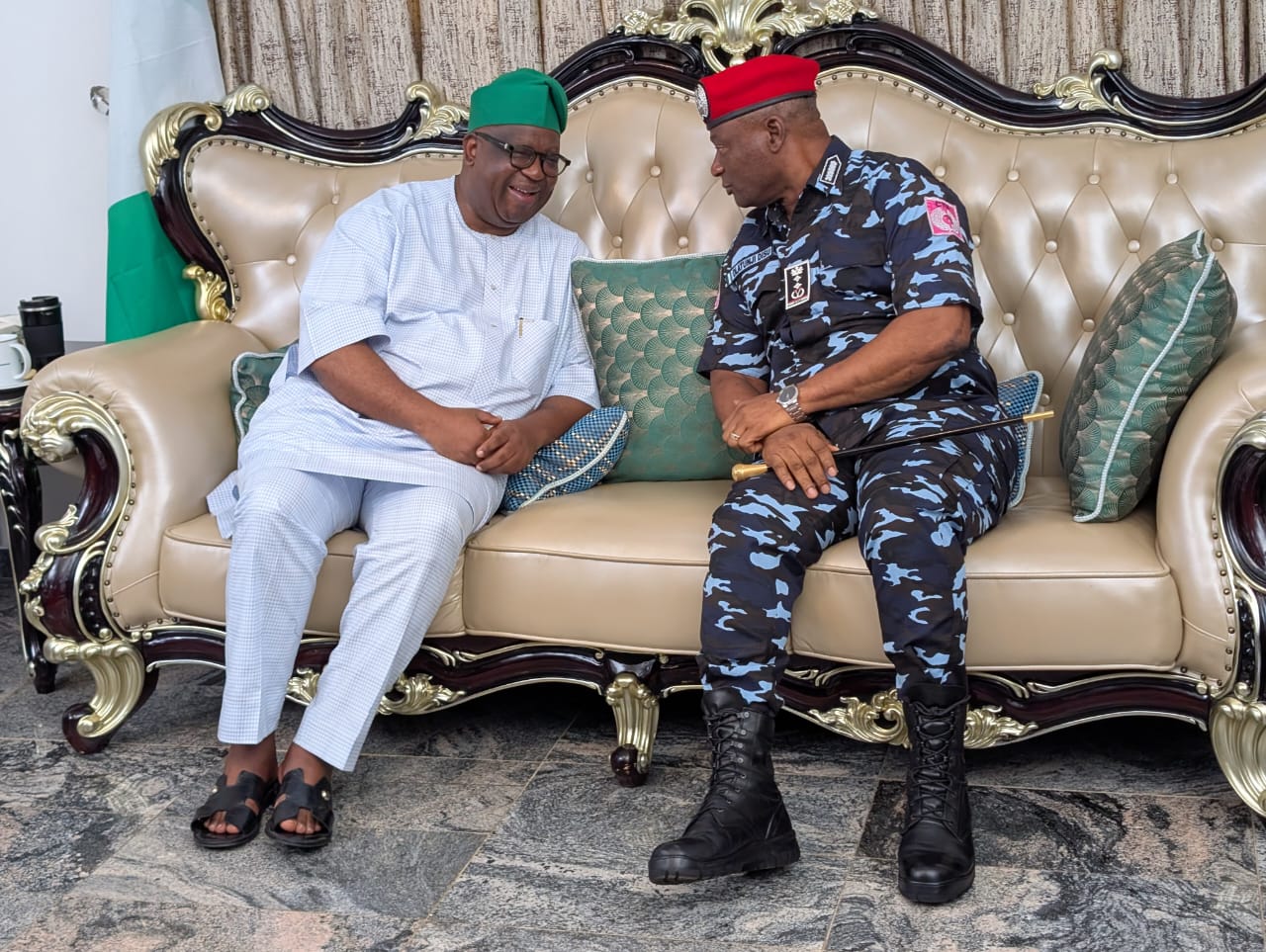
IGP Disu Visits Plateau, Orders Tactical Deployment To Reinforce Security
The Inspector General of Police, Olatunji Disu, on Thursday paid a working visit to Plateau State following recent unrest, holding strategic talks with Governor Caleb Muftwang on measures to strengthen security and prevent further disturbances.
As part of immediate steps to stabilise the situation, the police chief authorised the deployment of specialised tactical units to support officers already on ground across affected areas.
Governor Muftwang commended the swift intervention of the police leadership, praising the dedication and professionalism of security personnel working to restore calm. He also acknowledged the efforts of mobile police officers and lauded the leadership of the state’s Commissioner of Police, Bassey Ewah.
Both the Nigeria Police Force and the Plateau State Government reaffirmed their commitment to safeguarding lives and property, stressing that enhanced collaboration remains key to restoring lasting peace in Plateau State, popularly known as the Home of Peace and Tourism.


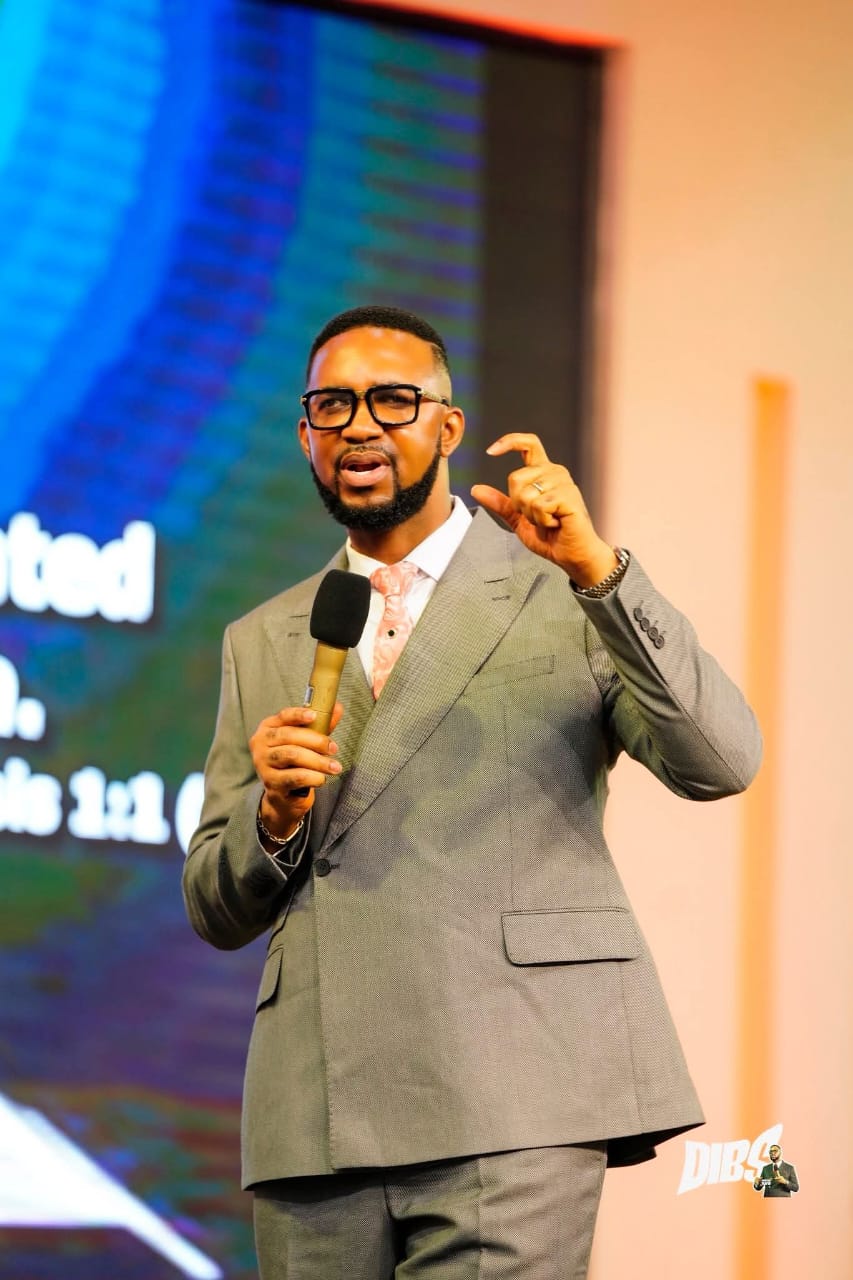
Grace Nation Worldwide: A Living Reality – Dr. Chris Okafor
……“Miracles, Healing, and Deliverance Overflow at Grace Nation Services”
The Grace Nation midweek Prophetic Healing, Deliverance, and Solutions (PHDS) Service on 2nd April 2026 at the international headquarters in Ojodu Berger, Lagos, was a spectacular display of God’s power, marked by miracles, healing, and deliverance.
The God of Grace Nation continues to demonstrate His authority, breaking strongholds, healing the sick, restoring lost glory, and providing solutions to every problem presented at His altar.
Testimonies of God’s Power
One woman, previously diagnosed with a terminal condition and slated for a ₦4.5 million surgery due to inability to excrete, was prayed for by the Generational Prophet, Christopher Okafor, just a week after visiting the church. Declaring healing within 24 hours, she returned to testify to God’s miraculous intervention.
Another pregnant woman, whose baby was bridged and at risk, was located and prayed for. She returned to service with confirmation that her child is now well-positioned for delivery. Similarly, a woman booked for a C-section due to an overdue and poorly positioned pregnancy testified during the service that her baby is now properly positioned, ready for birth.
These testimonies underscore the truth: what God cannot do does not exist. Grace Nation has entered a new level of spiritual authority, and with faith, believers are witnessing the impossible become reality.
God Works by Principle, Not Gossip
In his sermon, Dr. Okafor emphasized that God does not operate on superstition, gossip, or social media pressures. His work is grounded in His Word, and it is through adherence to His principles that Grace Nation continues to flourish.
The Generational Prophet stressed that to enjoy divine blessings and fruitfulness, believers must remain connected to God’s Word, faithfully serve Him, and ignore distractions or side-talks. Focused commitment to God’s service guarantees alignment with His miraculous power.
Join the Movement
Grace Nation Worldwide is open for all who desire a life transformed by divine intervention. Weekly services include:
Sunday Service: 7:00 AM
Grace Nation Island Service (Ogombo): Wednesday, 5:00 PM
Midweek PHDS Service: Thursday, 7:00 AM
Attending these services under the ministry of the Generational Prophet ensures encounters with God’s supernatural power, life-changing miracles, and lasting breakthroughs.
Grace Nation Worldwide is not just a church—it is a reality where faith meets the supernatural.
By Sunday Adeyemi


society
From Broadcast to Spiritual Renaissance: The Journey of Alọba A. Orisabimbola Ifatomi, Creator of ÒRÌṢÀTV
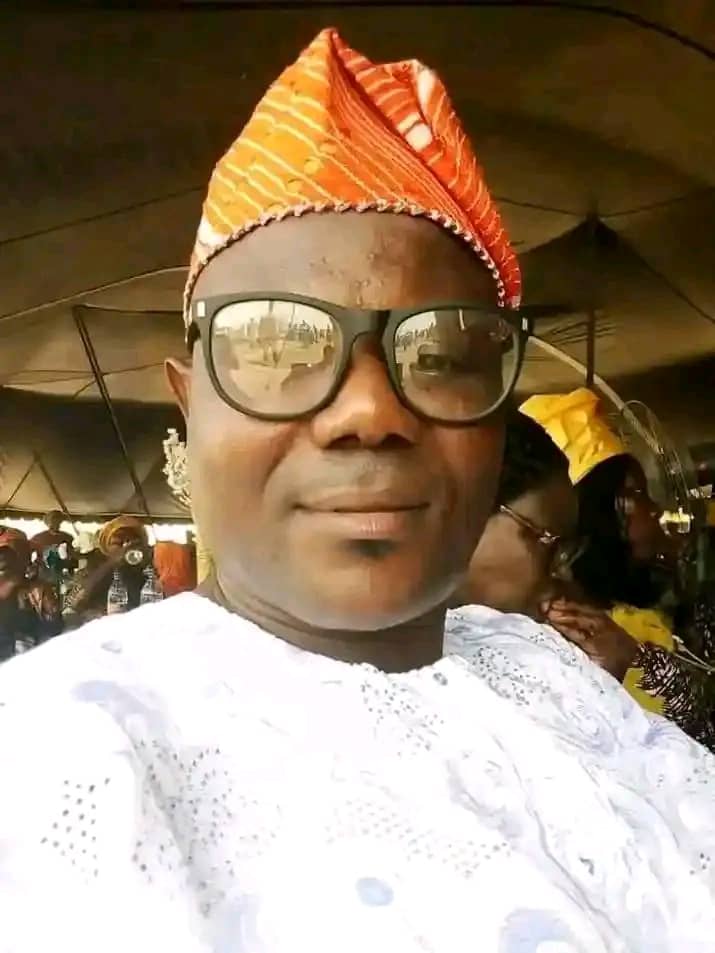
From Broadcast to Spiritual Renaissance:
The Journey of Alọba A. Orisabimbola Ifatomi, Creator of ÒRÌṢÀTV
In a time when African stories are often misrepresented or diluted, a seasoned voice in Nigeria’s media and creative industry is stepping forward with a bold vision to reclaim, preserve and project the depth of African spirituality through a new wave of cinematic storytelling powered by technology.
Alọba Adewunmi, a respected broadcaster, journalist and creative professional, is the mind behind ÒRÌṢÀTV a groundbreaking platform using Artificial Intelligence (AI) cinematic production to tell authentic Yoruba stories rooted in cosmology, spirituality and cultural heritage.
ÒRÌṢÀTV is not just a channel it is a destination to experience “The Beginning”, a Yoruba cosmology-based AI cinematic series that explores the origin of life and existence through an African lens.
A Career Built on Media Excellence
With years of experience across broadcast and print media, Alọba Adewunmi has established himself as a dynamic storyteller and cultural voice.
He has worked with several notable platforms including OSBC, Orisun FM, Yotomi Cable, Okin FM, Midland FM, Delta Cable, Akede Oodua Publications and Akede Africa.
His professional journey includes:
– Reporter at Alariya Oodua
– Editor at Gbajumo Online Magazine
– General Editor at Akede Africa ( a bilingual news magazine)
Through these roles, he has contributed significantly to journalism, cultural reporting, politics, crime and entertainment.
A Multifaceted Creative Force
Beyond journalism, Alọba Adewunmi’s creative footprint extends deeply into film and storytelling.
He is not just a performer, but a creative architect behind the scenes, serving as:
– A Continuity Director
– Continuity Director of the home video “Tobi (Forgiveness)”, produced by Kola Adeyemo
– A Story Writer and Dialogue Director
– A Scriptwriter
He has also contributed to several home video productions from the late 1990s through the early 2000s, reflecting a long-standing presence in Yoruba film storytelling.
A Spiritual Path and Cultural Mission
Beyond media and film, his journey is rooted in a deeper spiritual calling.
Alọba Adewunmi is a traditional priest, teacher and herbal medicine practitioner, dedicated to the preservation and practice of Yoruba spirituality.
His temple, Obàtálá Alábãlàse Temple of Purity, stands as a sacred center for purity, healing and spiritual guidance.
The Vision Behind ÒRÌṢÀTV
ÒRÌṢÀTV is more than a content platform, it is a cultural revival movement powered by AI-driven cinematic storytelling.
Through this innovative approach, the platform explores:
– The origin of existence
– The roles of divinities
– The structure of human destiny
– The spiritual laws governing life
The debut episode, “The Birth of Ilẹ̀ Àwọn Alààyè”,( Command of Creation ) marks the beginning of the series “The Beginning”.
Blending mythology, spirituality and AI-powered visuals, ÒRÌṢÀTV offers a unique experience that is both educational and deeply immersive.
A Mission Beyond Entertainment
For Alọba Adewunmi, this project goes far beyond entertainment.
It is a mission to preserve indigenous knowledge, educate future generations, correct misconceptions about African spirituality and restore pride in African identity.
The Man Behind the Vision
Despite his wide experience and creative influence, Alọba Adewunmi remains a naturally private and introverted individual.
He is known more for his work than for public appearances moving quietly between his professional responsibilities and personal space.
Rather than seeking the spotlight, he has consistently chosen to let his talent, creativity and impact speak for him.
Those who encounter his work or collaborate with him understand the depth he brings a reminder that true substance is not always loud and presence is not always public.
Looking Ahead
With Episode 1 now released, anticipation continues to build as “THE BEGINNING” prepares to explore deeper aspects of creation, human destiny and spiritual alignment.
This is not just a project it is a legacy unfolding through culture, spirituality, and innovation.
Watch Now
THE BEGINNING


Episode 1
The Birth of Ilẹ̀ Àwọn” Command of Creation)
Available on YouTube.
Media & Contact
For interviews, features and collaborations:
08125883088
© 2026 ÒRÌṢÀTV
All Rights Reserved


-

 society6 months ago
Religion: Africa’s Oldest Weapon of Enslavement and the Forgotten Truth
-

 news4 months ago
WHO REALLY OWNS MONIEPOINT? The $290 Million Deal That Sold Nigeria’s Top Fintech to Foreign Interests
-

 society6 months ago
“You Are Never Without Help” – Pastor Gebhardt Berndt Inspires Hope Through Empower Church (Video)
-

 celebrity radar - gossips2 months ago
Dr. Chris Okafor Returns with Power and Fire of the Spirit -Mounts Grace Nation Altar with Fresh Anointing and Restoration Grace on February 1, 2026