
society
ACTIVISTS, BE TRUE TO YOURSELVES By Comrade Tunde Oladunjo

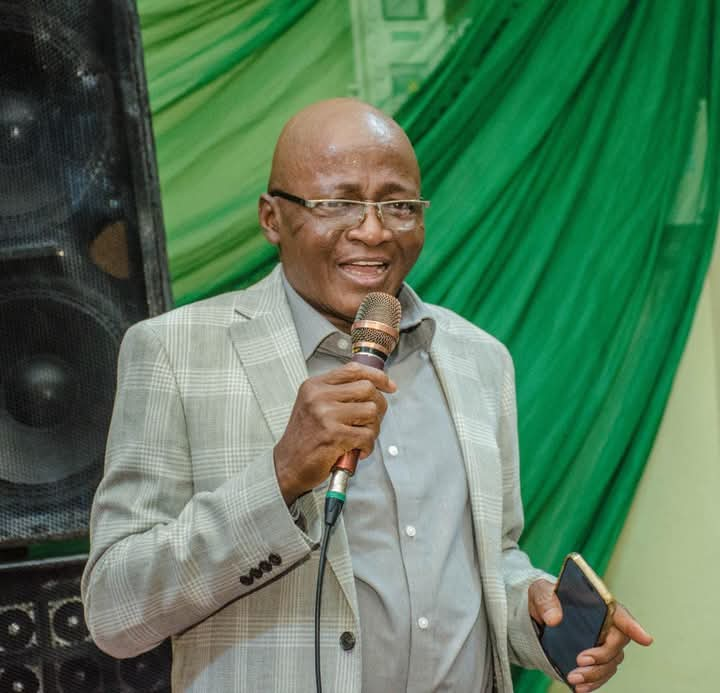
Remarks delivered at the 2024 Human Rights Celebrations organized by the Coalition of Civil Societies and Pro-Democracy Activists, Abeokuta, December 9, 2024.
I extend my heartfelt congratulations to the Chairman, executives, and members of the Ogun State Civil Society Coalition on this year’s commemoration of International Human Rights Day. I am deeply honored by your invitation to attend this important event as a “guest of honor.”
Civil society organizations (CSOs) play a crucial role in shaping society. Their active engagement in areas such as governance, environmental protection, climate change, labor rights, law enforcement, and women’s empowerment is essential for societal progress. A vibrant and functional civil society sector benefits everyone.
However, this occasion provides an opportunity for introspection. I urge CSO activists to remain true to their calling by embodying within their organizations the very ideals they seek for society at large. The change we demand from government and society must begin within our own ranks.
The Integrity of Activism
Human rights activism is neither a profession nor a license for blackmail or spreading unsubstantiated allegations cloaked in self-righteousness. Activists must be models of accountability, transparency, and democracy in their own organizations.
Do we, as CSOs, practice the democracy we demand of others? Are we accountable to our members? Do we produce annual and audited financial reports? These are fundamental questions we must ask ourselves. The probity we demand from public officials must equally apply within our organizations.
Our relationship with government representatives also warrants examination. Are they deemed “good” when accessible for material benefits and “bad” when access is denied? Why do some activists organize protests in defense of politically exposed individuals, even those who flout court orders?
Moreover, how do we relate to comrades in government? Are they partners to be engaged constructively, or objects of envy because they have moved on financially? Have we been honest in managing the occasional support we receive from unexpected sources?
Activism as a Calling, Not a Vocation
While unemployment is a pressing issue in Nigeria, activism should not become a substitute for vocation. Activism did not prevent Bekololari Ransome-Kuti, Gani Fawehinmi, Baba Omojola, Femi Falana, Ayo Obe, and others from pursuing their respective professions. Their activism was driven by principle, not survival.
Back in the days of the Committee for the Defence of Human Rights (CDHR), we published annual and audited reports, held free and fair elections, and maintained transparency. Can the same be said of CSOs today?
This is not a blanket condemnation but a call to action. Genuine and committed activists still exist and should serve as role models to those who approach activism as a career rather than a cause.
A Call to Self-Reflection
A strong and effective civil society sector benefits all. We must distinguish between genuine activists and those motivated by self-interest. As activists, we must first address the logs in our own eyes before pointing out the specks in the eyes of others, including politicians.
By remaining true to our mission, we can reduce inequality and advance human rights in our society.
Thank you once again for the opportunity to share these thoughts.
Comrade Tunde Oladunjoye
- Former Chairman, Committee for the Defence of Human Rights (CDHR), Lagos State Branch
- Founding Coordinator, CDHR, Nigerian Institute of Journalism (NIJ) Unit
- Former National Publicity Secretary, CDHR




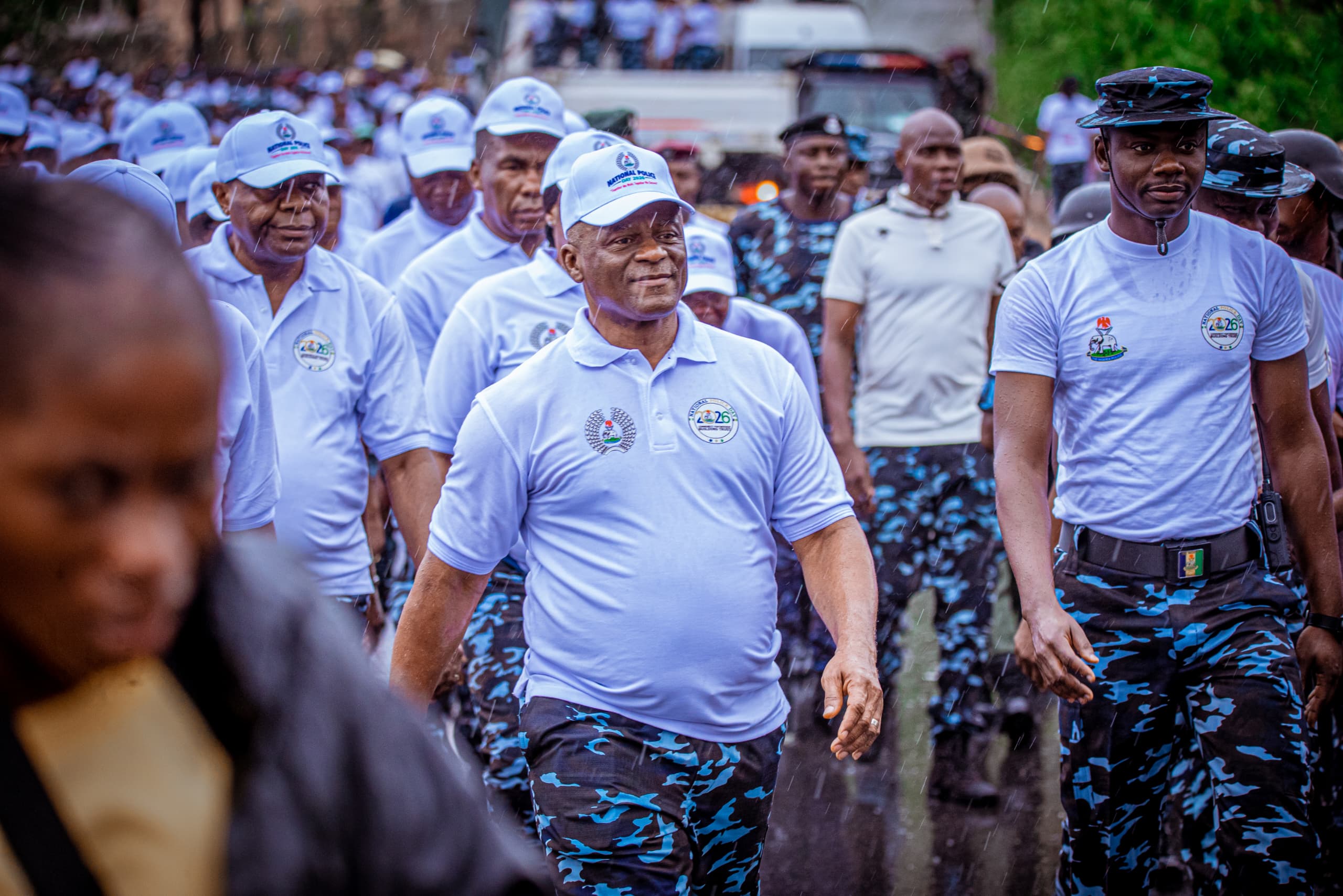
Police Day 2026: IGP Disu Leads Nationwide Walkathon To Strengthen Community Trust
The Inspector-General of Police, Olatunji Disu, on Tuesday led the management team, alongside officers and personnel of the Nigeria Police Force, in a nationwide walkathon to commemorate the 2026 National Police Day.
The event, held across state capitals and the Federal Capital Territory, formed part of activities marking Day Two of the annual celebration, themed “Community Partnership: Building Trust.”
The symbolic exercise, which drew participation from both police personnel and members of the public, was aimed at showcasing unity, discipline, and a renewed commitment to community policing and public safety.
According to the Force leadership, the walkathon underscores the Nigeria Police Force’s resolve to strengthen public trust, deepen engagement with citizens, and enhance collaboration in tackling security challenges across the country.
Participants described the initiative as a practical step toward bridging the gap between law enforcement and the communities they serve, while also promoting physical fitness and mental well-being among officers and civilians alike.
With the theme reflecting a shared responsibility for safety, the Police reiterated that sustainable security can only be achieved through active partnership with the public.
The event concluded with a renewed call for collective action under the banner: “Together We Walk, Together We Secure,” emphasizing unity of purpose in building a safer and more secure society for all Nigerians.


society
Dr. Chris Okafor invokes divine retribution upon individuals blackmailing the Grace Nation church

Dr. Chris Okafor invokes divine retribution upon individuals blackmailing the Grace Nation church
… Affirming God’s omnipotence to unveil malicious schemes.
To be frank, the ability of Doris Ogala and her associates to withstand the arduous challenges set by Senior Pastor Dr. Chris Okafor of Grace Nation Global at the culmination of the Harvest of Babies 2026 conference, the church’s flagship event, continues to elude me.
It’s advisable not to offend a powerful spiritual leader like Prophet Chris Okafor to avoid potential consequences, as seen in the situation with Doris Ogala, who was rebuked by the prophet; can she rectify the situation through confession?
Insiders close to the man of God claim that despite relentless online bullying and blackmailing, the Generational Prophet remains resolute, stating that God’s power has been evident throughout the commission’s existence. The reason for this wonderful statement is found in the scriptures, “Upon this rock I shall build my Church, and the gates of hell shall not prevail.” The more falsehoods are spread about the church and its leader, the more God elevates the church and propels him to greater heights, he asserted. He emphasized that blessings and fruitfulness are antidotes to curses, noting that God continues to bestow blessings upon the church, including miracles and the gift of children, which is one reason for the grand finale of the annual family liberation program, The Harvest of Babies.
However, the man of God issued a curse on each person speaking ill of the church, blackmailing, and uttering all sorts of falsehoods against the church, declaring that if they refused to repent within a few days, the earth would swallow them and their family members, stating that they would be of no use to themselves, their families, or society at large.
The spiritual leader cautions his followers to beware of such individuals including Doris Ogala who may taint their faith, and urges them to treat these persons as emissaries of the devil, avoiding them altogether.
Recall that the 2026 harvest of babies concluded with a remarkable birth of a miracle baby boy to a woman on the third day of the conference, accompanied by the dedication of several other miracle babies, all to the glory of God.
Christopher Sunday David writes from
Austria
“Together We Walk, Together We Secure”: Police Launch 2026 Walkathon In Abuja
The Nigeria Police Force has announced plans to host a walkathon in commemoration of the 2026 National Police Day, aimed at promoting unity, peace, and stronger community partnership.
The event is scheduled to take place on Tuesday, March 31, 2026, with participants expected to converge at the Force Headquarters Abuja by 6:00 a.m., where the walk will commence.
According to the organisers, the walkathon is designed to bring together members of the public, stakeholders, and security personnel in a show of solidarity and shared commitment to national security.
With the theme, “Together we walk, together we secure,” the initiative underscores the importance of collaboration between the police and citizens in maintaining peace and safety across the country.
Members of the public have been encouraged to participate in the exercise, which forms part of activities lined up to mark this year’s National Police Day celebration.
It is believed that the walkathon would not only foster closer ties between the police and the communities but also serve as a platform to promote awareness on collective responsibility in ensuring a safer society.


-

 society6 months ago
Religion: Africa’s Oldest Weapon of Enslavement and the Forgotten Truth
-

 news4 months ago
WHO REALLY OWNS MONIEPOINT? The $290 Million Deal That Sold Nigeria’s Top Fintech to Foreign Interests
-

 society6 months ago
“You Are Never Without Help” – Pastor Gebhardt Berndt Inspires Hope Through Empower Church (Video)
-

 celebrity radar - gossips2 months ago
Dr. Chris Okafor Returns with Power and Fire of the Spirit -Mounts Grace Nation Altar with Fresh Anointing and Restoration Grace on February 1, 2026