
celebrity radar - gossips
AMBASSADOR (LT. GENERAL RTD) TUKUR BURATAI, WOULD BE AN INVALUABLE ASSET TO THE GOVERNMENT OF PRESIDENT BOLA AHMED TINUBU. By Comrade Oladimeji Odeyemi

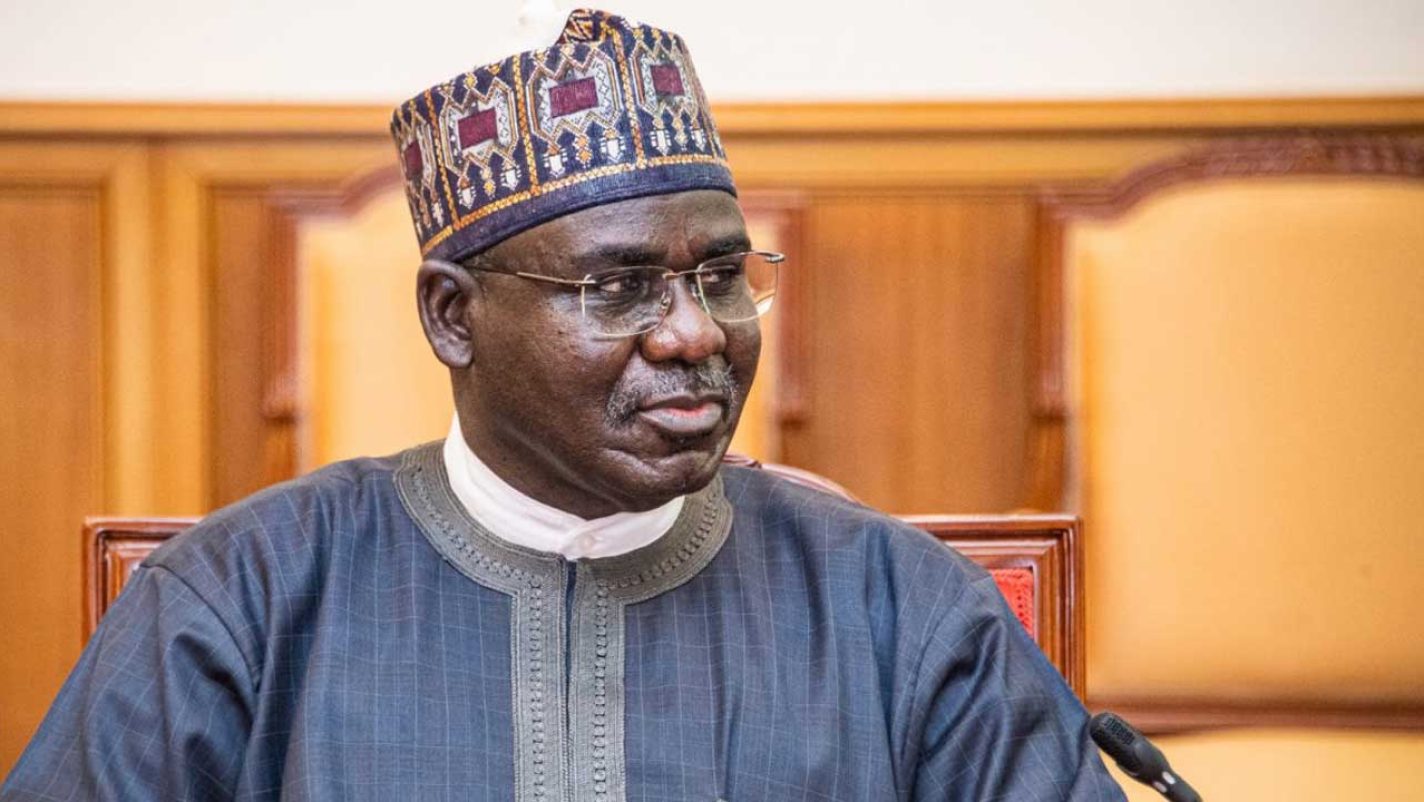
AMBASSADOR (LT. GENERAL RTD) TUKUR BURATAI, WOULD BE AN INVALUABLE ASSET TO THE GOVERNMENT OF PRESIDENT BOLA AHMED TINUBU.
By Comrade Oladimeji Odeyemi.
For the sake of records, I’m not the spokesperson of Amb Tukur Buratai. I was neither commissioned to state the obvious fact contained herein in this intervention. This intervention is borne out of my selflessness and patriotism to the government of President Bola Ahmed Tinubu.

As a stakeholder in the Nigerian Project, and a strong and committed member of my great party, the All Progressive Congress (APC), from Oluyole Federal Constituency of Ibadan, Oyo state. I’m equally a youth and gender activist, and front line commentator on politics, political events and a security analyst, who with other patriots have been involved in supporting our security agencies, especially the Nigerian Army, in it’s civil/military relationship and the robust non kinetic warfare strategy to eradicate all forms of violent crimes in our Country.
This intervention thus is a call to service, devoid of self serving politics or premordial sentiment. I believe the President needs capable hands to fully bring the dividend of democracy to the doorstep of the ordinary Nigerian.
I want to appeal to President Bola Ahmed Tinubu (GCFR) to ignore the rantings and vituperations of some disgruntled individuals who are grumbling and murmuring over the rumoured and yet to be announced role of Ambassador (Lt General rtd) Tukur Buratai (CFR) in this administration.
I am strongly appealing to the President to ignore those political jobbers and apostles of campaigns of calumny who lack both political and electoral values as shown during the last general election in the Country.
Amb Tukur Buratai is neither a traditional politician nor a political jobber but a Soldier’s Soldier and a quintessential gentleman, who rose to the pinnacle of his career as a Lieutenant General, and Nigeria’s Chief Of Army Staff, (COAS) and was subsequently appointed after retirement from the Army as Ambassador to the Republic of Benin, where he also served meritoriously, he’s also a philanthropist of note, through the Tukur Buratai Foundation who does not need political patronage and or contract to make a living, but whom God has used and still being used to make meaningful contributions and developments to Borno State , its people ( indigenous and residents), the Nigerian Army, and our great country, Nigeria as a whole.
For, the sake of records, one could recall that before the immediate past administration came into the office, the previous administration then, for the most part of its six years of existence had battled, albeit unsuccessfully the Boko Haram terror group, adjudged as at that time, one of the deadliest, if not the deadliest in the world.
With the victory of former President Buhari in the year 2015 elections. Although the reins of governance at that time fell into the hands of the Former President, but the task of fighting terror was given to a certain General Tukur Yusufu Buratai by his appointment as the Chief of Army Staff and by extension the man upon whom the biggest responsibility yet, in recent times fell upon not only to win a most unconventional warfare against terror, but to organize a largely disillusioned, ill-equipped, low in morale army, that had so suffered on many fronts, in organization, motivation and infrastructure, more than in the fronts fighting terror.
Therefore the tasks were legion.
General Buratai approach was quite strategic, he changed the Nigerian Army with his Servant Leadership style, upon his retirement from the Army, Amb Buratai can be said to have equally achieved in legionary and legendary proportions for bringing his uniqueness into changing the Nigerian Army with his purposeful servant-leader military style of leadership in which the high morale of the soldiers was brought back and trust restored between the rank and file and the commanding officers.
Thankfully today, with the subsequent and incumbent leadership of the Nigerian Army, consolidating on the previous accomplishment and success of General Buratai, there is no organized terror attacks of the kind we used to see, only isolated soft-target attacks. Boko Haram / ISWAP terror has practically been decimated and reduced to nothingness.
How Was General Buratai Able To Do This?
There are a number of significant difficulties for today’s military – the global war on terrorism or what was previously termed the “Long War on Boko Haram;” weapon system acquisitions and personnel drawdowns was a hindrance, with denied access to sophisticated weapons and some previous administration mismanaging and embezzling of funds meant for weapons procurement.
But, General Buratai, as the then Chief of Army Staff, who in spite of many odds, and in the face of little international support, meagre equipment and falling morale, was still able to shape the Nigerian Army significantly as to make it functional, professional and a worthy army, a pride to the noble profession of the military, recognized all over the world for bringing terror to its knees. And in just such a short time to.
As earlier stated, Buratai’s servant leadership style was the major turning point in making the huge difference, from the period of his appointment to his retirement.
The Army’s definition of leadership is the process of influencing people by providing purpose, direction and motivation while operating to accomplish the mission and improving the organization.
Therefore an army leader is required to inspire and influence people to accomplish their goals.
From a culture of stealing army funds, stealing funds meant for procurement of arms, from a rag tag army with no logistics back-up, General Buratai as COAS during his stewardship simply put himself in the place of his soldiers, feeling their pain as his pain, knowing their needs as his needs — He wasn’t the boss who stayed to far from his troops, he lived among them.
Buratai is a leader who motivates people both inside and outside the army to help them pursue their goals, focus on their thinking, and shape decisions for the better of the Country.
Such is the kind of servant leader that Buratai is, his loyalty to Nigeria and now to President Bola Ahmed Tinubu is never in doubt. He’s a soldier’s soldier, a diplomat and a consummate patriot.
Loyalty is Amb Buratai’s watchword. In leadership, loyalty although a vital ingredient, can only be acquired by those who are innately and inherently loyal. In the army, loyalty is perhaps more than just a need, it is a pillar upon which the military structure rest.
But Ambassador Buratai, to date, has left no one in doubt where his loyalty lies, to the country, and to the President. This was evidenced during the last Presidential elections where he played, though as usual silently, a significant role in deploying his abundant manpower resources and contacts across the Country to galvanize support for President Bola Tinubu across political, ethnic and religious divide.
Buratai’s philosophy seems to echo the very words of the great military strategist, Napoleon Bonaparte, “as long as there is the self-determination to do what is best for the nation, every other consideration is secondary”.
In one of his many interviews when he was in active service, General Buratai maintained that, “The main principles of leadership in the army are down to the acronym LDRSHIP —Loyalty, Duty, Respect, Selflessness, Honour, Integrity, Personal-courage.
These are the type of characteristics the army under his command instilled in each solider, and to all intents and purposes, General Tukur Yusufu Buratai, succeeded in
making the Nigerian Army regain it’s pride in the committee of Nations as the pride of the blackrace.
Being an exemplary leader, especially in the Military requires having mental strength. There is a common misconception that people who are loudly and who always display being physically strong are the ones who make great leaders. But again, we have seen in the ever smiling gentle General that his greatest strength lies in his mental faculty and capabilities.
We have also seen in the example of Buratai, a good leader needs to be mentally strong and able to make firm and sound minded decisions.
Fighting terrorism is more of intelligence gathering and counter-espionage, more of a game of wits than bare braggadio, when the enemy you are fighting is not the conventional Army and may even be lurking in the market place, mosques, churches, where civilians reside. Perhaps, this is where Buratai when he was in command of the Nigerian Army have won, where some others have failed.
Mahatma Gandhi was an exceptional leader in that he was able to satisfy the basic psychological needs of his followers. Ghandi, though soft spoken but practiced resolute leadership style, is a prime example of being a servant leader. He was able to move thousands of people to action in India and at the same time inspired the entire globe with his non-violent methods.
Buratai, with his soft spoken, almost shy nature, has continue to gain the confidence of Nigerians, both in and out of the Army
that today, the Army he left for his successors leaders is the pride of our dear Nation.
As a patriot, I’ll continue to salute this diplomat, exemplary leader, consummate soldier and meritorious Chief of Army Staff who came when his country needed him most and upon retirement has continued to serve humanity and has impacted positively on this generation. His name in the annals of history, I am very sure of worthy, most irreproachable place in which he will be remembered for his selfless services rendered to motherland, saving Nigeria from being consumed by terror.
Our President, His Excellency Asiwaju Bola Tinubu is a man of vision and mission, he has brought dynamism into governance, his clarity of thought, sense of purpose and action since his inauguration. He has demonstrated a high level of preparation, he has hit the ground running, what the President needs are able patriots with capacities and capabilities who will work with him loyally to bring the renewed hope to the door step of the common man in Nigeria. Hence Ambassador Tukur Buratai with his purposeful servant leadership style will definitely be an invaluable asset to the government of President Bola Tinubu.
The article was contributed by Comrade Oladimeji Odeyemi.




celebrity radar - gossips
Adron Homes Celebrates Visionary Chairman, Aare Adetola Emmanuel King, at 51
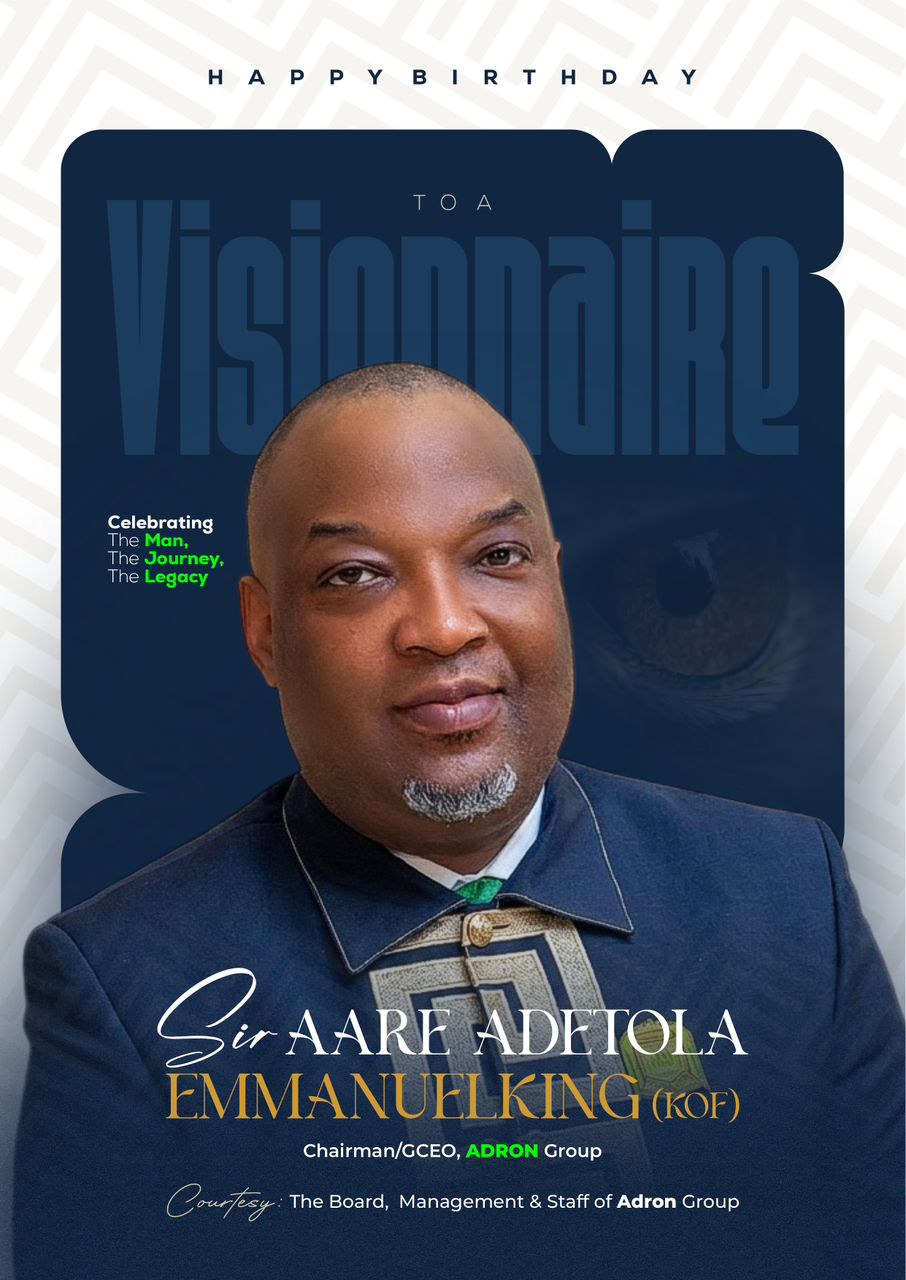
Adron Homes Celebrates Visionary Chairman, Aare Adetola Emmanuel King, at 51
The management and staff of Adron Homes and Properties Limited have joined family, friends, associates, and well-wishers across the globe to celebrate their Chairman and Chief Executive Officer, Aare Adetola EmmanuelKing, as he marks his 51st birthday.

In a statement released by the company, the milestone was described as a celebration of an exceptional leader whose vision, resilience, and entrepreneurial brilliance have not only transformed Adron Homes into a household name in Nigeria’s real estate sector but have also redefined affordable housing across the country.
Under his dynamic leadership, Adron Homes has continued to expand its footprint, delivering value-driven residential solutions while empowering thousands of Nigerians with opportunities for home ownership. His commitment to excellence, innovation, and customer satisfaction has remained the driving force behind the company’s sustained growth and industry leadership.
The statement further highlighted Aare EmmanuelKing’s passion for nation-building and community development, noting his significant contributions to job creation, youth empowerment, and the promotion of socio-economic development through real estate investments.
“As a leader, mentor, and visionary, Aare Adetola EmmanuelKing has consistently inspired a culture of excellence, integrity, and dedication within the organization. His ability to turn bold ideas into reality continues to position Adron Homes as a trailblazer in the industry,” the statement read.
The company expressed profound gratitude for his steadfast leadership and prayed for continued wisdom, strength, and sound health as he embarks on another year of impactful achievements.
As he celebrates his 51st birthday, the entire Adron Homes family proudly honours a man whose legacy continues to shape the future of real estate in Nigeria.
Happy 51st Birthday, Aare Adetola EmmanuelKing!
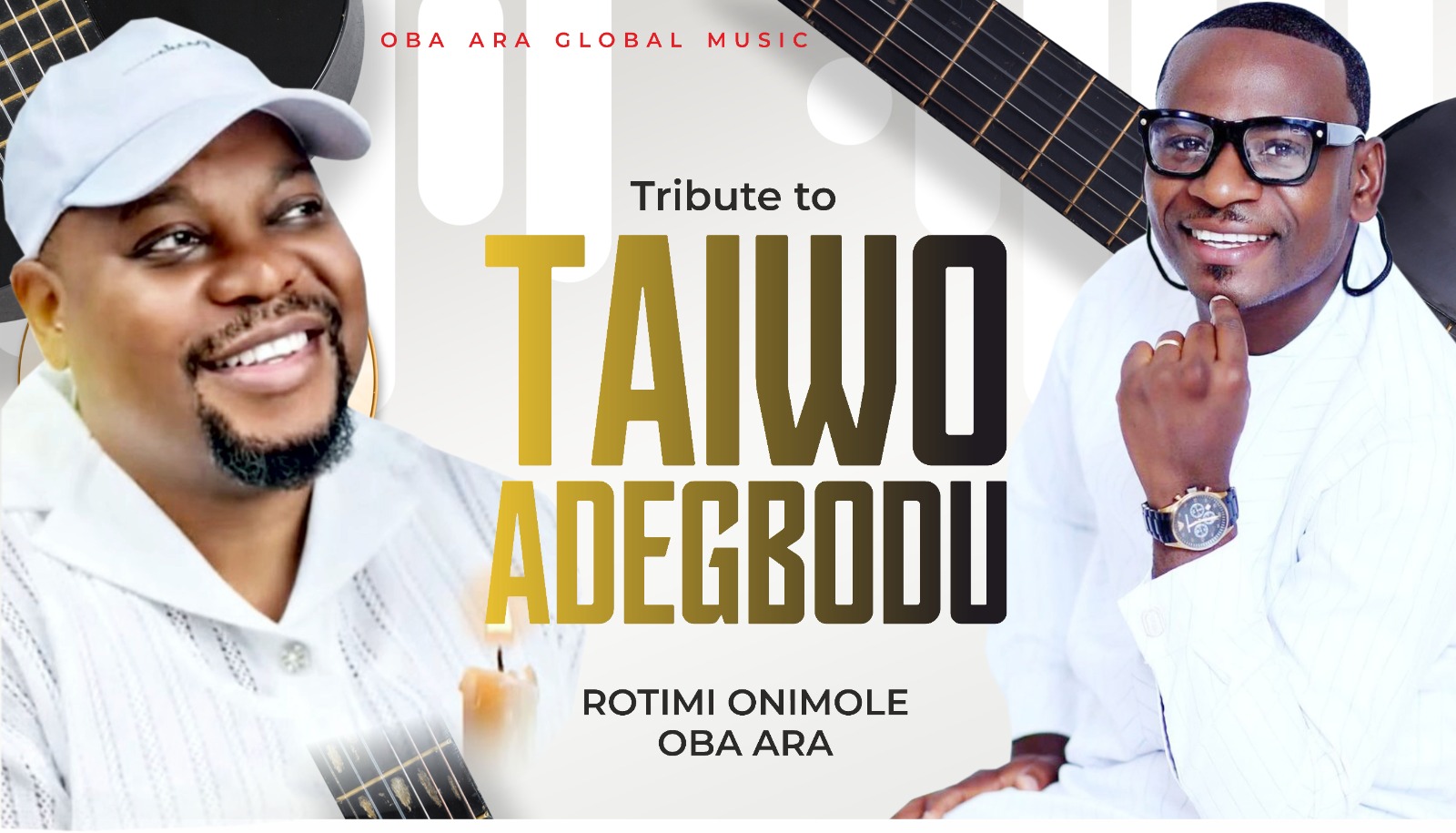
Oba Ara Releases Emotional Tribute to Late Taiwo Adegbodu
Taofik Afolabi
The gospel music community continues to grieve the painful loss of Taiwo Adegbodu, a beloved figure whose sudden departure left a deep void among fans, colleagues, and loved ones. In response to this loss, renowned gospel minister Rotimi Onimole, popularly known as Oba Ara, has released a moving tribute song that captures both the sorrow of the moment and the enduring legacy of the late singer.
Oba Ara, a proud son of Isale Eko, channels raw emotion throughout the song, using heartfelt lyrics and soul-stirring melodies to reflect on his personal connection with Taiwo Adegbodu. In the tribute, he openly expresses how deeply the news of Adegbodu’s passing shook him, describing it as a painful and unexpected loss that is difficult to come to terms with.
The song goes beyond mourning, it celebrates the life, ministry, and impact of Taiwo Adegbodu. Oba Ara highlights the late artist’s dedication to spreading the gospel through music, his inspiring voice, and the spiritual influence he had on many within and beyond Nigeria. Through powerful verses, he paints a picture of a man who lived for God and touched countless lives through his ministry.
Listeners have described the tribute as both comforting and deeply emotional, as it resonates with the collective grief of the gospel music community. It serves as a reminder that although Taiwo Adegbodu is no longer physically present, his music, message, and legacy will continue to live on.
In honoring his late colleague, Oba Ara not only pays his respects but also offers a source of healing for fans and fellow ministers, using music as a tool to process grief and celebrate a life well lived.
celebrity radar - gossips
Buratai, Fagbemi , Shagaya, Olofa, Others Eulogise Olowu Kuta’s Olori On 60th Birthday, Foundation Launch
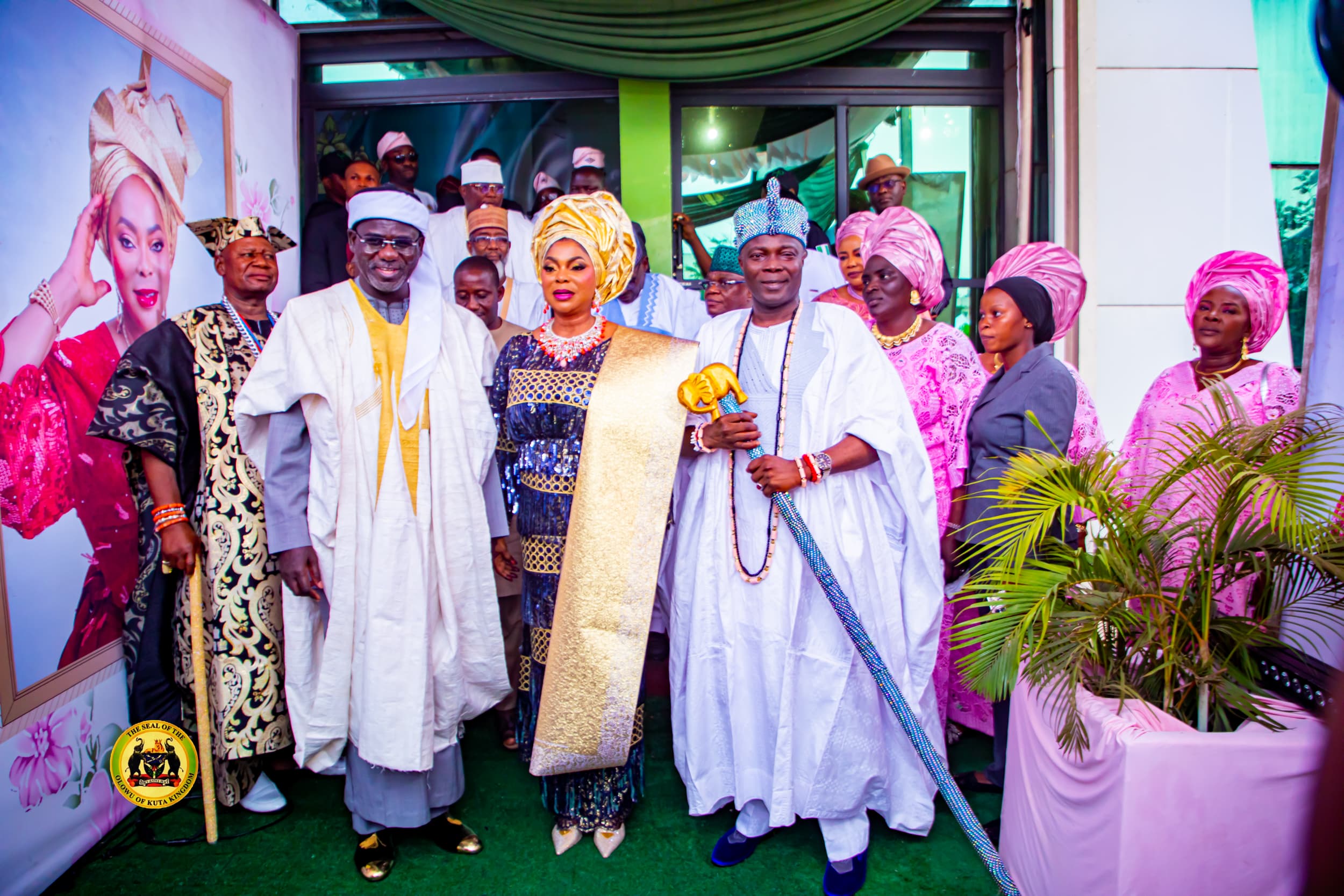
Buratai, Fagbemi , Shagaya, Olofa, Others Eulogise Olowu Kuta’s Olori On 60th Birthday, Foundation Launch
Eminent personalities across the Nigeria stormed the TFK Event Centre, Bala Mohammed Way, Guzape, Abuja, to celebrate the 60th birthday of Olowu Kuta’s Olori, Queen Jumai Amoke and her Foundation Launch on Saturday 28, March 2026.

From former Chief of Army Staff, Lt Gen TY Buratai rtd, to the Minister of Justice and Attorney-General of the Federation, Prince Lateef Fagbemi; Olofa of Offa, HRM Oba Mufutau Gbadamosi. Even top businesswoman and socialite, Chief (Mrs) Bola Shagaya, was in attendance.


Other dignitaries were newly promoted Deputy Inspector-General of Police and former AIG Zone 2 , Lagos , Adegoke Fayoade, Major General Abdumalik, Major General Samuel Adebayo rtd (Fmr CDI);
Major General Anthony Omozoje rtd (Fmr Copp);
Alhaji Tajudeen Owoyemi (Asiwaju of Offa and CEO Radisson Hotel Nigeria;
Dr Waheed Olagunju, former managing director of Bank of Industry, Oniba of Iba, Lagos State, HRM Oba Dr Suleiman Raji ;
Justice Falola, Olu of Ile-Ogbo , Oba Adetoyese amongst many traditional rulers and captains of industry too numerous to mention.
Speaking at the occasion, the Chief Host, Olowu of Kuta, HRM Oba Dr Adekunle Oyelude Makama, CON , Tegbosun iii, who is also the husband of the celebrant commended Queen Jumai for ‘ her slender arms full of kindness’ to establish such humanitarian Foundation, ‘Amoke Children and mother in Need Foundation’ at a time Nigerians are going through economic crisis occassioned by the global meltdown.
Olowu also commended her steadfastness and love for the less privileged and downtrodden.
The monarch refrenced the task before his wife’s humanitarian gesture said her best is yet to come.
” Olori Amoke Jumai, I celebrate you. You will celebrate 70, 80, 90 and continue to shine as you continue to put a smile on people’s faces. I love you, “Olowu Kuta added.
To Lt Gen Buratai, a former army chief and former Nigerian Ambassador to Benin Republic, the reward of hard work is more work.
Buratai, who also doubles as Balogun Agba of Owu Kuta, a chieftaincy title reserved for a generalismo congratulated Queen Jumai for attaining the age of 60 in good health.
The retired army General said he’s not surprised by the turn out of eminent personalities across the country to celebrate the Olowu Kuta’s Olori because she merited it through her hospitality to all, adding that Allah the most merciful, most beneficial would accept all her act of ibadah.
The minister of Justice, Prince Fagbemi, was full of praises for Queen Jumai for deeming it fit to have a place in her heart to accommodate the needy and less privileged in ‘our society.’
Prince Fagbemi urged the guests to contribute generously to support the Foundation in order to continue to alleviate poverty and put a smile on the faces of the people.
” I congratulate you on your 60th birthday and Foundation Launch. I wish you many happy returns of the day and many more fruitful services to the country and motherland”, Prince Fagbemi added.
The celebrant, Queen Jumai who was grining from ear to ear thankfully said she was excited by the turn out and the response of the people to her foundation.
Queen Jumai, however, promised to continue to use her resources and donations received for the good of the needy and less privileged in the society.
” I want to appreciate my own Kabiesi Olofa of Offa , for his presence and im I’m using him as a point of contact to all other Kabiesis present here, the minister of justice and Attorney-General, you’re welcome, sir; Mrs Bola Shagaya, I salute your enterprise, Lt Gen Buratai, I’m grateful, sir; DIG Fayoade, Justice Falola and other dignitaries too numerous to mention, I thank you, all. To my darling husband, Kabiesi Olowu , I thank you immensely for your support. And to my family and friends, I thank you , all. E se pupo!”, she said.


-

 society7 months ago
Religion: Africa’s Oldest Weapon of Enslavement and the Forgotten Truth
-

 news4 months ago
WHO REALLY OWNS MONIEPOINT? The $290 Million Deal That Sold Nigeria’s Top Fintech to Foreign Interests
-

 society6 months ago
“You Are Never Without Help” – Pastor Gebhardt Berndt Inspires Hope Through Empower Church (Video)
-

 celebrity radar - gossips2 months ago
Dr. Chris Okafor Returns with Power and Fire of the Spirit -Mounts Grace Nation Altar with Fresh Anointing and Restoration Grace on February 1, 2026