
celebrity radar - gossips
Ambode, the consolidator in time of famine by Idowu Ajanaku

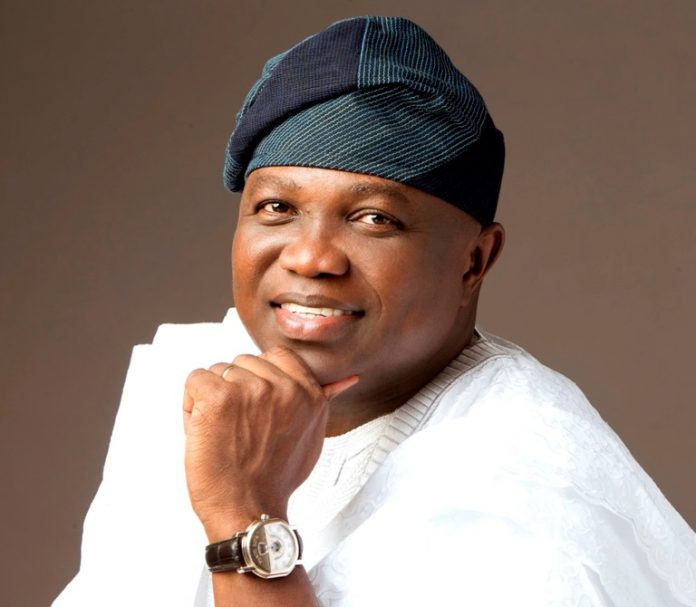

Idowu Ajanaku
His defining moment came when he was sworn in as the 4th democratically elected governor of Nigeria’s Centre of Excellence and Africa’s ever ebullient commercial hub, Lagos State.
That was precisely on May 29, 2015 after the two-horse, riveting race between him, the governorship flag bearer of the All Progressives Congress, and Jimi Agbaje of the Peoples Democratic Party. A lot of water, as the wise ones say, has gone under the bridge ever since. But this piece is not all about his modest achievements within a short span of two years across the spectrum of security, massive infrastructural outlay, agriculture, education, transportation, health care delivery, human capacity development and of course, entertainment and tourism.
Rather, it is a personal perception about the distinguished gentleman who fate brought me in contact with at Glover Home back in 2014. What was my first impression about him? It was that of a well-groomed, complete gentleman whose alluring persona radiates a cool, composed and calculating ambience. It was that of a man with a touch of finesse reflected in his carefully chosen clothes, wristwatch and shoes! Has that first impression dimmed?
Of course not, if not bolstered by getting closer to him at work and more significantly discovering that Governor Akinwunmi Ambode’s taste and touch for perfection has been extrapolated to all the solid structures his administration has brought to bear, so far. If in doubt, check out the roads, bridges, school buildings, that dot the landscape of the fast-developing megalopolis. But before then there was another enigmatic bearing about him that raised some dust.
That was when he decided to throw his Epe-grown ‘cap’ into the governorship ring back in 2014.Not a few observers then had some reservation about his capacity to deliver in the intricate art of political governance. Here was a man, who though as an accomplished auditor, has traversed 13 out of the 21 local government councils and written his name in gold as an Accountant-General. But he was no politician. He may have even become the youngest and an achieving Permanent Secretary, Ministry of Finance. Yet, that was a different kettle of fish. What did he know about managing erratic and ever ambitious politicians with their idiosyncrasies?
Besides, his looks and demeanour were that of a top technocrat, not carved out for the gadabout gamble of poll-i-tricks. He was too meek, too simple, too gentlemanly. He could not even shout to browbeat opponents. Simply put, he did not have the guts to delve into the murky waters of Nigerian politics and swim with the sharks! One could not blame those who held on tenaciously to this line of argument. But how wrong could they be, as one was to discover on closer observations and events over the past two years have since unveiled.
With more intimate interaction, I discovered and felt both impressed and intrigued by his deep knowledge of the city called Lagos. Throw questions on the nitty-gritty of governance and one is awed by his full and firm grasp of what it takes to run the ever ebullient city that has become home to all. He does not believe in rhetoric or beating about the bush with wishful words. He is a down-to-earth, man of action. And even before such actions are taken he must be convinced that he has had the right background information with thorough thinking through.
All these came to the fore and eventually manifested during the first governorship debate held at the Church at Ikeja. It was between him, Agbaje and other governorship hopefuls. At the end of it, the Bishop in charge confessed that if the good people of Lagos were looking for someone with a clear vision; someone who knew his onions on how to pilot the affairs of Lagos and take it to the next level, Ambode was the man to choose.
On the flip side however, he observed that if they were out for a sweet talker, one who could convince Lagosians to toe his political path, Agbaje fit that bill. To him therefore, Ambode stood head and shoulders above his competitors. But it was left for the electorate to make a wise choice. So, looking back today one is grateful to Lagos people for taking their destiny in their own hands. Thank God for that!
Indeed, Ambode never ceased to tell those close to him that his political ambition was directed by the ‘hand of God.’ It was a divine project. It was not too surprising therefore, to listen to him sing two of his favourite gospel songs. One is the popular line that says that: “I have a father who will never fail me. Jesus is my father and he will never fail me, rock of ages, never, never fail.”
The other, popular as well is: “Olore mi.” He would sometimes break the silence, after a hard day’s campaign with: “Olore mi, olore mi o, kini ma fi san fu en o.” He was grateful to a benefactor that he was short of words on what he could do to repay Him for his divine grace and favour.
Perhaps, it is that grateful spirit that has imbued him with the uncommon virtue of patience. Evident during the planning and take-off for the campaigns were the attributes of a patient soul, a good listener as well as a good team leader. He never for once betrayed the trait of a bossy person; of one who rams his views down the throat of others. Ideas for programmes and projects were thrown open for thoughtful debate. At the end, the decision of the majority always held sway. One admires him much for such sterling qualities of a visionary leader.
Without sentiments therefore, one is not surprised by Governor Ambode’s astounding achievements over the past two years. Name them: the veritable vision of Lagos as a destination of choice for far-sighted entrepreneurs from all over the world. And why not? There is the assurance of all-round, tight security network, courtesy of his donation of top-of-the range security gadgets to the police and all-inclusive community surveillance, across the state. The fast growing mega-city was in 2016 ranked as the 5th most robust economy on the African continent. With a population of 21 million people it accounts for 80 per cent of the maritime trade conservatively put at some N3 trillion.
In addition, the Internally Generated Revenue, which rose from N20bn in 2013 to N23bn in 2014 has under Ambode achieved a feat of N380bn in 2016-the highest ever. These are properly utilised in the massive infrastructural development of roads, bridges and clearing of waterways to facilitate journeys by sea. There is the increasing focus on the triple projects of Eko Atlantic City, the $300 Elegushi Kingdom Imperial City as well as the history-making Smart City, coming up in conjunction with Smart City LLC, Dubai being the first of its kind in Africa.
On food security, there is the adoption of all-season farming and establishment of green-houses across the state, including the recent one established at Iyaafin Vegetable Estate in Badagry. The LAKE Rice project is to be boosted with the 16 mmt per hour rice mill in the state as an upgrade on the Imota Rice Mill set up with a 20, 000 metric ton rice processing and milling plant.
On fish farming and aquaculture, the government has optimised the use of the natural endowments to develop industrial fisheries, artisanal fisheries and aquaculture facilities across Lagos. So much more can be added in other sectors of the economy.
Interestingly, the man who was not given a chance to succeed back in 2015 has surpassed the expectations of millions of Lagos people. Just like the biblical Joseph who was not thought of as a credible leader in the time of famine, he has truly confounded his critics even in the nation’s trying period .That is why many in Lagos today sing that two is greater than eight.
It is again a tribute to the political sagacity of Asiwaju Bola Tinubu that when a credible successor was being sought for, to replace Babatunde Raji Fashola (SAN), he pitched his tent with a financial expert, knowing that an economic recession was looming. Now, we applaud that choice.
Like the phoenix, Ambode has risen from the ashes of political backwaters to become a reference point in Nigeria’s economic development. This indeed, should be an inspiration to all.
Ajanaku, is a senior special assistant (media and strategy) to Governor Akinwunmi Ambode.




celebrity radar - gossips
Accolades to Empress Genevieve Wining as she Celebrate birthday in Grand style

Accolades to Empress Genevieve Wining as she Celebrate birthday in Grand style
Emmanuel Clement
Vilnius, Lithuania – The Grand Hotel Vilnius will host a grand birthday celebration in honor of Her Majesty The Empress Genevieve Wining of the United Kingdom of Atlantis (UKA) on April 4th, 2026.
The four-day event promises to be an extravagant affair, marking the special birthday of Empress Genevieve Wining. The celebration will take place at the prestigious Grand Hotel Vilnius, Lithuania, renowned for its luxurious ambiance and exceptional service.

According to the event flyer, the birthday celebration will be a spectacular occasion, fitting for an empress. Guests can expect an elegant setting adorned with golden accents, sparkling champagne, and festive decorations, creating a regal atmosphere befitting the occasion.
The Empress Genevieve Wining of UKA is expected to grace the event, which will include various festivities and celebrations in her honor. The occasion aims to bring together dignitaries, followers, and guests to commemorate the empress’s birthday with grandeur and joy.
For media inquiries, accreditation, or further information about the birthday celebration of The Empress Genevieve Wining of UKA, please contact the event organizers.
Courtesy of His Excellency Emperor Prof. Solomon Wining. UKA
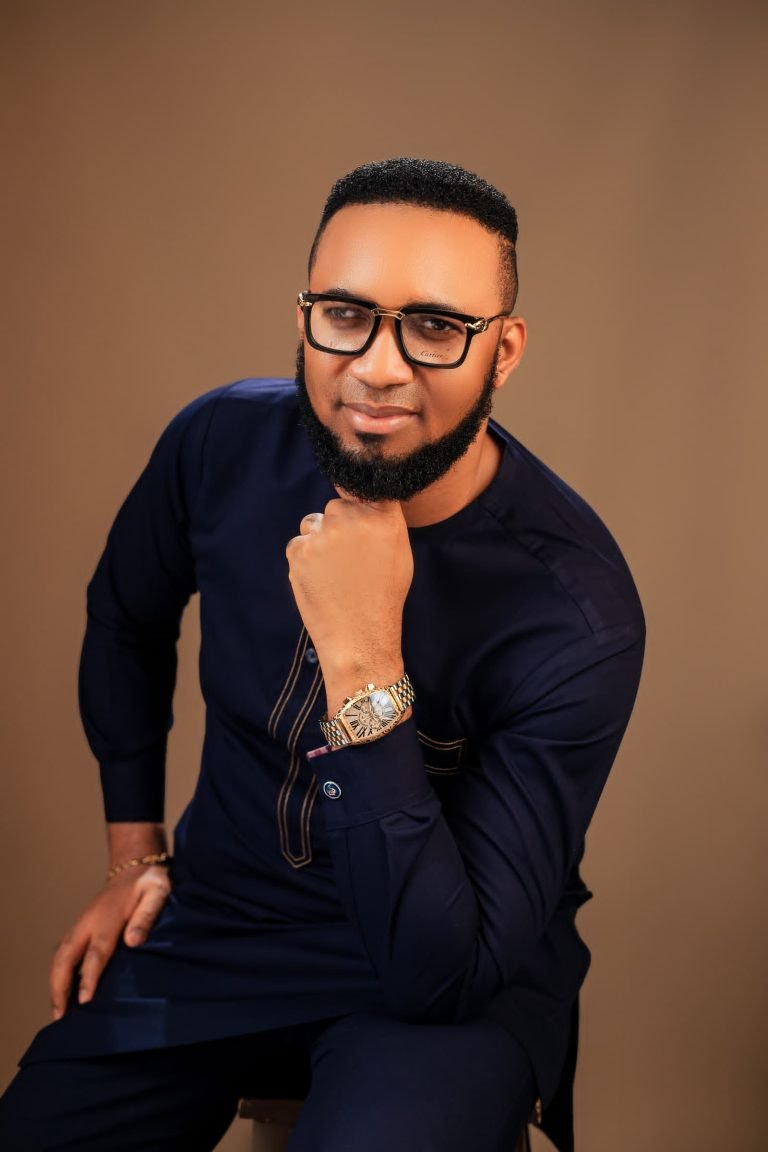
Today, Dr. Chris Okafor turns a year older
~By Sunday Adeyemi
It is widely acknowledged that the exceptional Dr. Chris Okafor, a man of great character, always celebrates his birthday on April 4th, and in recognition of this occasion, I am inspired to write this special tribute to honor him.
Today marks a momentous occasion as we commemorate the birthday anniversary of Dr. Chris Okafor, a rare gem, a perfect gentleman, and the revered founder of Grace Nation Church, aka Liberation City.
Without reservation, this versatile and dependable Oracle foundry has consistently proven itself worthy of the accolades bestowed upon it on this notable anniversary.
Let it be reiterated that Dr. Chris Okafor is a leader known for his generosity and commitment to humanity’s welfare and advancement. The special gifts donated recently to widows and widowers within and outside the church are a testament to his exceptional leadership.
Your reputation as an outstanding and authentic man of God is evident in your exceptional goodwill and philanthropic endeavors.
Your dedication and perseverance have yielded impressive results, and numerous people, including myself, are justifiably proud of the remarkable work you are doing.
You have consistently exemplified outstanding leadership in the Christian community, demonstrating the profound impact of your role as a gift from God to humanity. I firmly believe this to be true.
Here’s to a year of productivity, success, and happiness. Congratulations and warm wishes on your birthday, sir.
Sunday Adeyemi
Your Son
celebrity radar - gossips
Adron Homes Celebrates Visionary Chairman, Aare Adetola Emmanuel King, at 51
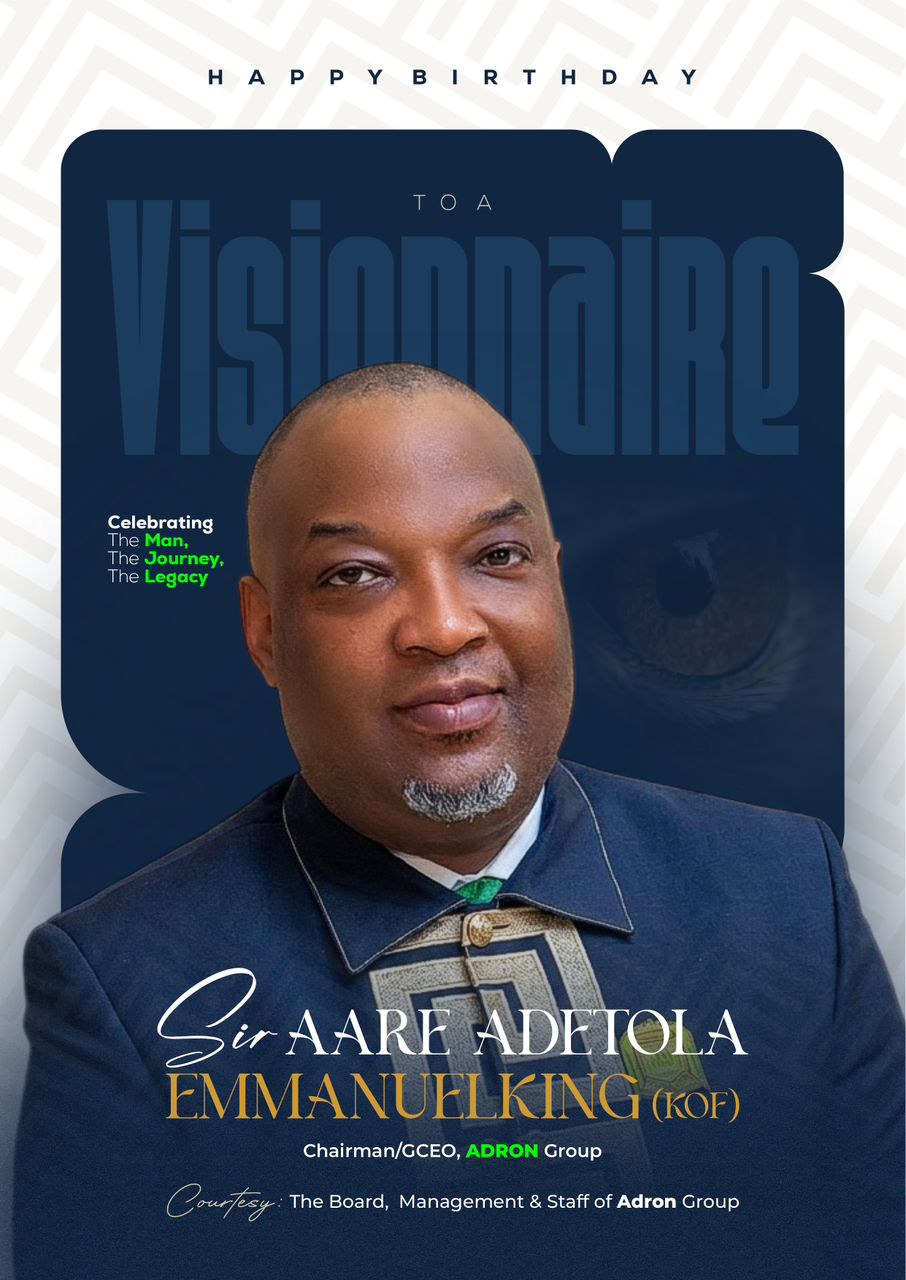
Adron Homes Celebrates Visionary Chairman, Aare Adetola Emmanuel King, at 51
The management and staff of Adron Homes and Properties Limited have joined family, friends, associates, and well-wishers across the globe to celebrate their Chairman and Chief Executive Officer, Aare Adetola EmmanuelKing, as he marks his 51st birthday.

In a statement released by the company, the milestone was described as a celebration of an exceptional leader whose vision, resilience, and entrepreneurial brilliance have not only transformed Adron Homes into a household name in Nigeria’s real estate sector but have also redefined affordable housing across the country.
Under his dynamic leadership, Adron Homes has continued to expand its footprint, delivering value-driven residential solutions while empowering thousands of Nigerians with opportunities for home ownership. His commitment to excellence, innovation, and customer satisfaction has remained the driving force behind the company’s sustained growth and industry leadership.
The statement further highlighted Aare EmmanuelKing’s passion for nation-building and community development, noting his significant contributions to job creation, youth empowerment, and the promotion of socio-economic development through real estate investments.
“As a leader, mentor, and visionary, Aare Adetola EmmanuelKing has consistently inspired a culture of excellence, integrity, and dedication within the organization. His ability to turn bold ideas into reality continues to position Adron Homes as a trailblazer in the industry,” the statement read.
The company expressed profound gratitude for his steadfast leadership and prayed for continued wisdom, strength, and sound health as he embarks on another year of impactful achievements.
As he celebrates his 51st birthday, the entire Adron Homes family proudly honours a man whose legacy continues to shape the future of real estate in Nigeria.
Happy 51st Birthday, Aare Adetola EmmanuelKing!


-

 society7 months ago
Religion: Africa’s Oldest Weapon of Enslavement and the Forgotten Truth
-

 news4 months ago
WHO REALLY OWNS MONIEPOINT? The $290 Million Deal That Sold Nigeria’s Top Fintech to Foreign Interests
-

 society6 months ago
“You Are Never Without Help” – Pastor Gebhardt Berndt Inspires Hope Through Empower Church (Video)
-

 celebrity radar - gossips2 months ago
Dr. Chris Okafor Returns with Power and Fire of the Spirit -Mounts Grace Nation Altar with Fresh Anointing and Restoration Grace on February 1, 2026
You must be logged in to post a comment Login
You must log in to post a comment.