
celebrity radar - gossips
Apostle Omotosho Congratulates Major General EA Attu

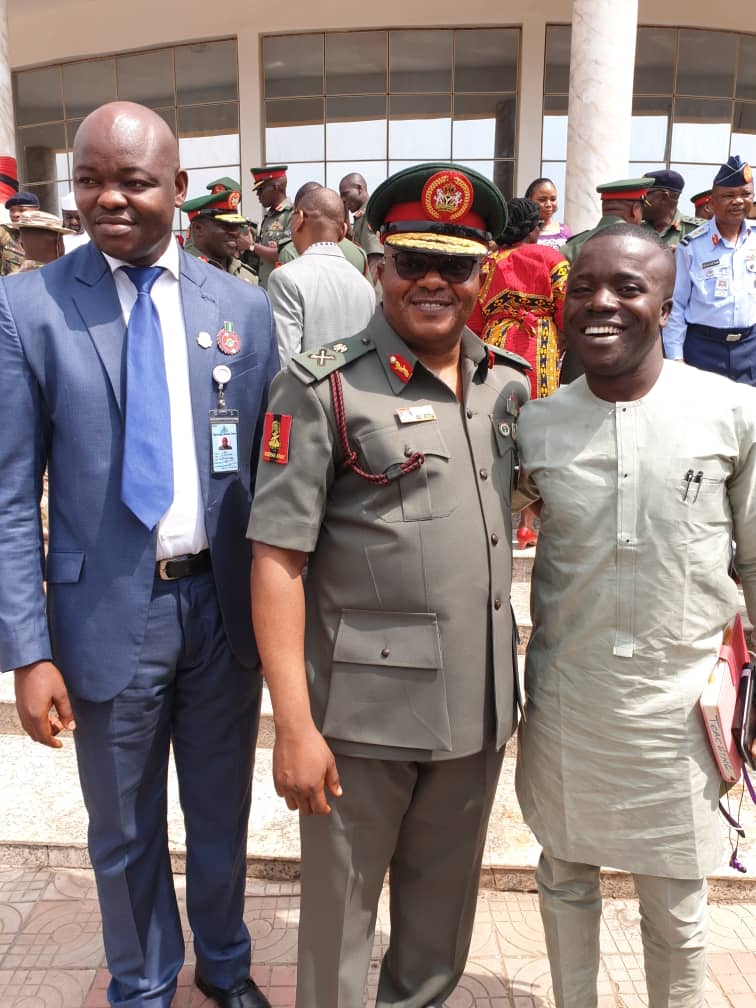
Popular Televangelist and Shepherd in Charge of WORD DIET INTERNATIONAL GOSPEL CHURCH, Apostle Tope Omotosho widely known as OTJ congratulates the newly promoted Major General E.A Attu.
The popular clergy who shot into prominence through the confirmation of his prophecy concerning the emergence of George Weah as the president of Liberia, Super Eagles qualification for the world cup, the victory of Governor Willie Obiano of Anambra state, and many more states that his promotion was well deserved and an act of God.
“Congratulations on your hard work and achievement to the rank of Major General, General E. A. ATTU. This position was really made for you. You totally deserve it. You met the challenge with determination , strength and total confidence. You are on your way to great things , and we the WDIGC wish you the best today and always. With so much excitement and happiness for you congratulations Sir!!!
From WORD DIET INTERNATIONAL GOSPEL CHURCH BY OTJ
It would be recalled that the Nigerian Army Council on Saturday approved the promotion of senior officers to the next ranks of Major General and Brigadier General respectively. In a statement from Army spokesman, Colonel Sagir Musa, on Sunday, he gave the names of the senior officers as follows:
Brigadier General S. Idris, Defence Headquarters Abuja;
Brigadier General DC Onyemulu, Nigerian Armed Forces Resettlement Centre Oshodi Lagos;
Brigadier General BO Sawyer, Army Headquarters Department of Policy and Plans;
Brigadier General GS Abdullahi, Defence Headquarters Abuja;
Brigadier General IM Obot, Nigerian Army Resource Centre, Abuja.
Brigadier General AL Lawal, Nigerian High Commission, Cairo Egypt;
Brigadier General LA Adegboye, Headquarters 82 Division Enugu;
Brigadier General AB Ibrahim, Army Headquarters Training and Operations;
Brigadier General PB Fakroga, Headquarters Nigerian Army Women Corps;
Brigadier General CK Nwosu, Nigerian Army Special Forces School, Buni Yadi;
Brigadier General HI Bature, Headquarters Army Training and Doctrine Command, Minna
Brigadier General AL Dusu, Defence Headquarters, Abuja;
Brigadier General MA Masanawa, Ammunition Central Depot Agunu, Kachia;
Brigadier General JA Ataguba, Land Forces Simulation Centre, Abuja;
Brigadier General AE Attu, National Defence College, Abuja;
Brigadier General BA Isandu, Nigerian Army Intelligence School, Lagos;
Brigadier General SS Araoye, Command Engineering Depot Kaduna;
Brigadier General MS Ahmed, SI List Nigerian Embassy Riyadh;
Brigadier General GAT Ochigbano, Army Headquarters Department of Military Secretary;
Brigadier General TA Lagbaja, Headquarters 2 Brigade Abak Uyo;
Brigadier General LA Fejokwu, Army Headquarters Department of Administration ‘Army’;
Brigadier General PE Eromosele, National Defence College, Abuja.
Brigadier General AM Alabi, Headquarters Theatre Command Operation LAFIYA DOLE Maiduguri;
Brigadier General GO Adesina, Army Headquarters Department of Policy and Plans;
Brigadier General MM Bunza, Nigerian Military School Zaria;
Brigadier General AA Adesope, Directorate of Audit and Financial Management Office of the Chief of Army Staff;
Brigadier General KI Muktar, Army Headquarters Department of Administration ‘Army’;
Brigadier General OO Olatunde, Headquarters 35 Brigade, – (posthumous promotion).
Brigadier General EA Ndagi, Office of the National Security Adviser;
Brigadier General KO Aligbe, Defence Headquarters;
Brigadier General UA Yusuf, African Standby Force ECOWAS Headquarters, Abuja;
Brigadier General OC Ajunwa, Nigerian Embassy Brasilia;
Brigadier General FO Omoigui, Army Headquarters Department of Training and Operations;
Brigadier General OA Akinyemi, Administrative Staff College of Nigeria, Badagry, Lagos, among others.





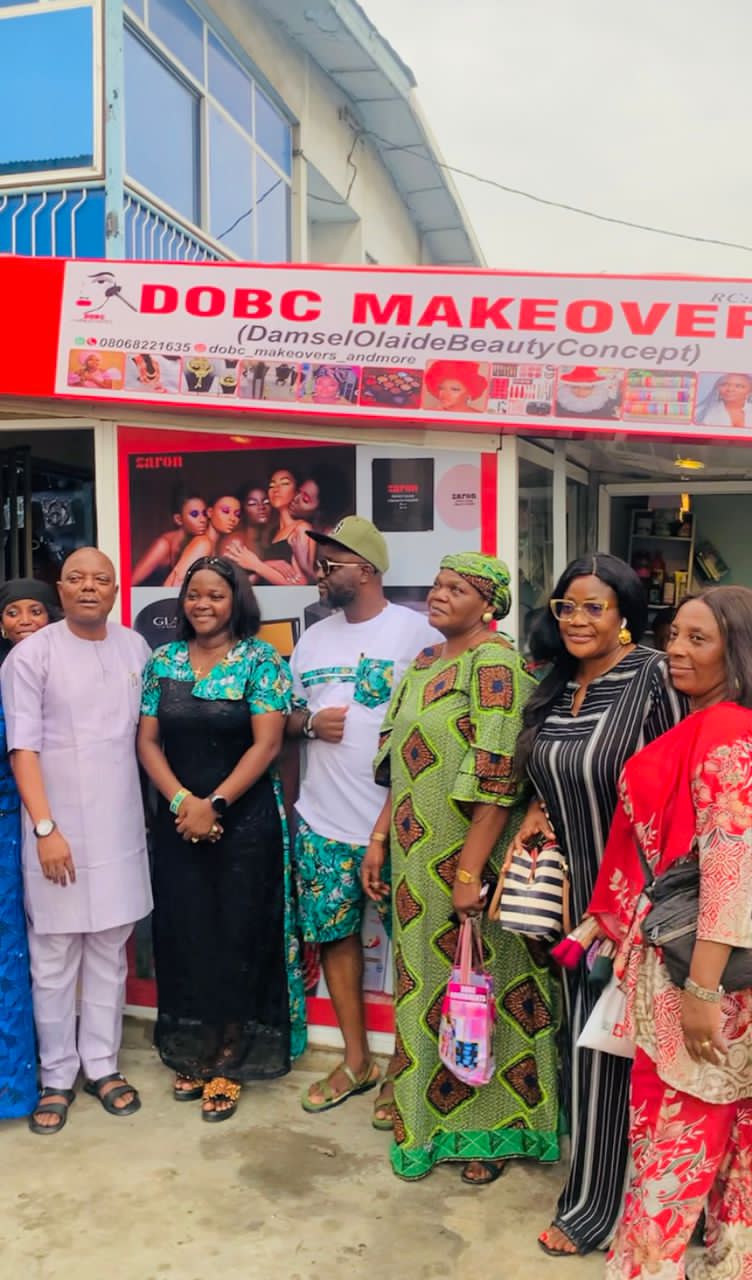
Beauty Meets Glamour as Olaide Ogunyemi Opens New Studio in Mushin
Popular Nollywood actress and professional makeup artiste, Olaide Ogunyemi Oluwayemisi aka Damilola, has expanded her footprint in the beauty industry with the grand opening of her new makeup studio in Lagos.
The talented thespian, who is also the Chief Executive Officer of @Dobc_makeovers_andmore, officially unveiled the ultra-modern beauty space last Thursday, April 2, 2026, in a colourful ceremony filled with glamour, fashion, and pageantry.
Strategically located at 101 Palm Avenue, right beside FitPlus and Sparklight Hospital in Mushin area of Lagos, the new studio is designed to offer top-notch beauty services, reflecting Ogunyemi’s commitment to excellence and professionalism in the ever-growing makeup industry.
The opening ceremony attracted friends, colleagues from the Nollywood industry, beauty enthusiasts, and well-wishers who came out in large numbers to celebrate the entrepreneur’s latest milestone. Guests were treated to a vibrant atmosphere that showcased creativity, style, and the evolving standards of the beauty business in Lagos.
Speaking at the event, Ogunyemi expressed her excitement and gratitude, noting that the new studio represents years of hard work, dedication, and passion for her craft. She reaffirmed her commitment to delivering premium beauty services while empowering aspiring makeup artistes.
The launch of the studio further cements her reputation as a dynamic force, successfully blending her career in Nollywood with a thriving beauty brand.
With this latest development, Olaide Damilola Ogunyemi continues to inspire many young entrepreneurs, proving that talent, consistency, and vision remain key drivers of success in Nigeria’s creative and business landscape.


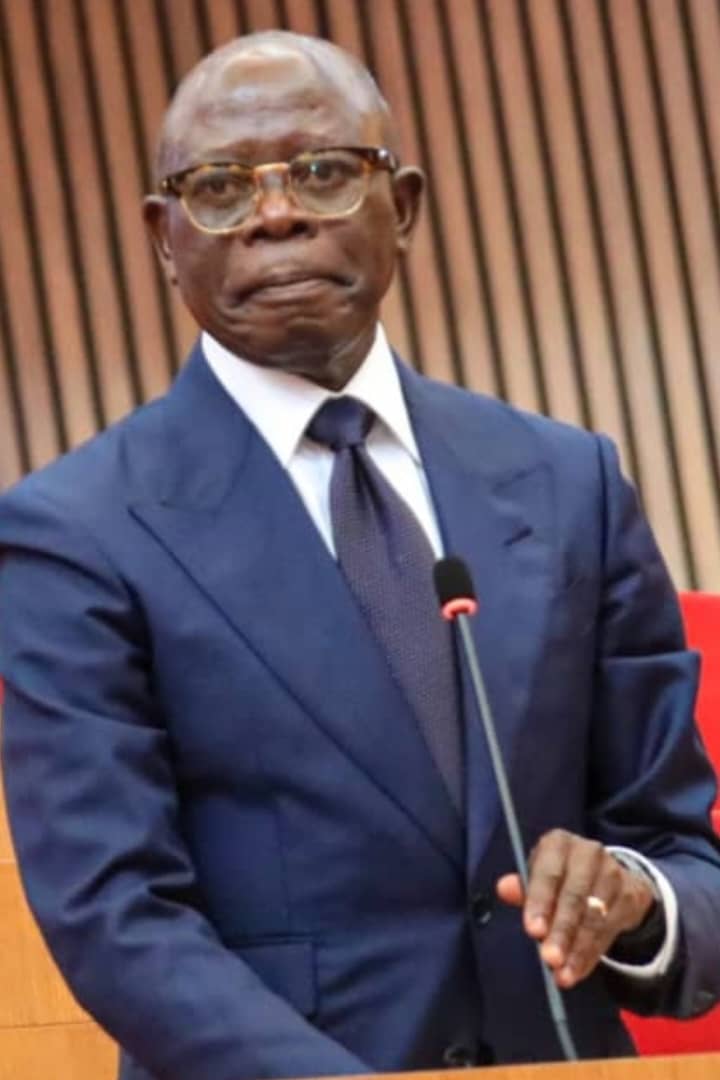
Daniel Eromosele Eulogize Adams Oshiomole as he turns 74 years
Today, I celebrate an exceptional leader, a fearless voice for the people, and a man whose life has remained a symbol of courage, sacrifice, and unwavering commitment to justice—Distinguished Comrade Senator Adams Aliu Oshiomhole.

Your journey has been nothing short of inspiring. From your days as a vibrant labour leader to your impactful tenure as the Executive Governor of Edo State, and now as a respected Senator of the Federal Republic, you have consistently demonstrated what it means to serve with integrity, strength, and purpose. Your contributions to the growth of our nation and the development of Edo State remain indelible and deeply appreciated.
You have not only built structures and institutions but have also built people. I am personally a beneficiary of your leadership, your guidance, and your belief in empowering others. Your influence in my life has been profound, and I remain grateful for the opportunities and inspiration you have given me.
On this special day, I celebrate not just your achievements, but the man you are—resilient, principled, and ever committed to the progress of Nigeria and her people.

May this new year bring you renewed strength, greater wisdom, good health, and more remarkable accomplishments. May your legacy continue to shine brighter with each passing year.
Happy Birthday, sir. Wishing you many more fruitful and impactful years ahead.
celebrity radar - gossips
Accolades to Empress Genevieve Wining as she Celebrate birthday in Grand style

Accolades to Empress Genevieve Wining as she Celebrate birthday in Grand style
Emmanuel Clement
Vilnius, Lithuania – The Grand Hotel Vilnius will host a grand birthday celebration in honor of Her Majesty The Empress Genevieve Wining of the United Kingdom of Atlantis (UKA) on April 4th, 2026.
The four-day event promises to be an extravagant affair, marking the special birthday of Empress Genevieve Wining. The celebration will take place at the prestigious Grand Hotel Vilnius, Lithuania, renowned for its luxurious ambiance and exceptional service.

According to the event flyer, the birthday celebration will be a spectacular occasion, fitting for an empress. Guests can expect an elegant setting adorned with golden accents, sparkling champagne, and festive decorations, creating a regal atmosphere befitting the occasion.
The Empress Genevieve Wining of UKA is expected to grace the event, which will include various festivities and celebrations in her honor. The occasion aims to bring together dignitaries, followers, and guests to commemorate the empress’s birthday with grandeur and joy.
For media inquiries, accreditation, or further information about the birthday celebration of The Empress Genevieve Wining of UKA, please contact the event organizers.
Courtesy of His Excellency Emperor Prof. Solomon Wining. UKA


-

 society7 months ago
Religion: Africa’s Oldest Weapon of Enslavement and the Forgotten Truth
-

 news4 months ago
WHO REALLY OWNS MONIEPOINT? The $290 Million Deal That Sold Nigeria’s Top Fintech to Foreign Interests
-

 society6 months ago
“You Are Never Without Help” – Pastor Gebhardt Berndt Inspires Hope Through Empower Church (Video)
-

 celebrity radar - gossips2 months ago
Dr. Chris Okafor Returns with Power and Fire of the Spirit -Mounts Grace Nation Altar with Fresh Anointing and Restoration Grace on February 1, 2026
You must be logged in to post a comment Login
You must log in to post a comment.