
Politics
Are You Better Off? Two Years On, Nigerians Ask Hard Questions

Are You Better Off? Two Years On, Nigerians Ask Hard Questions
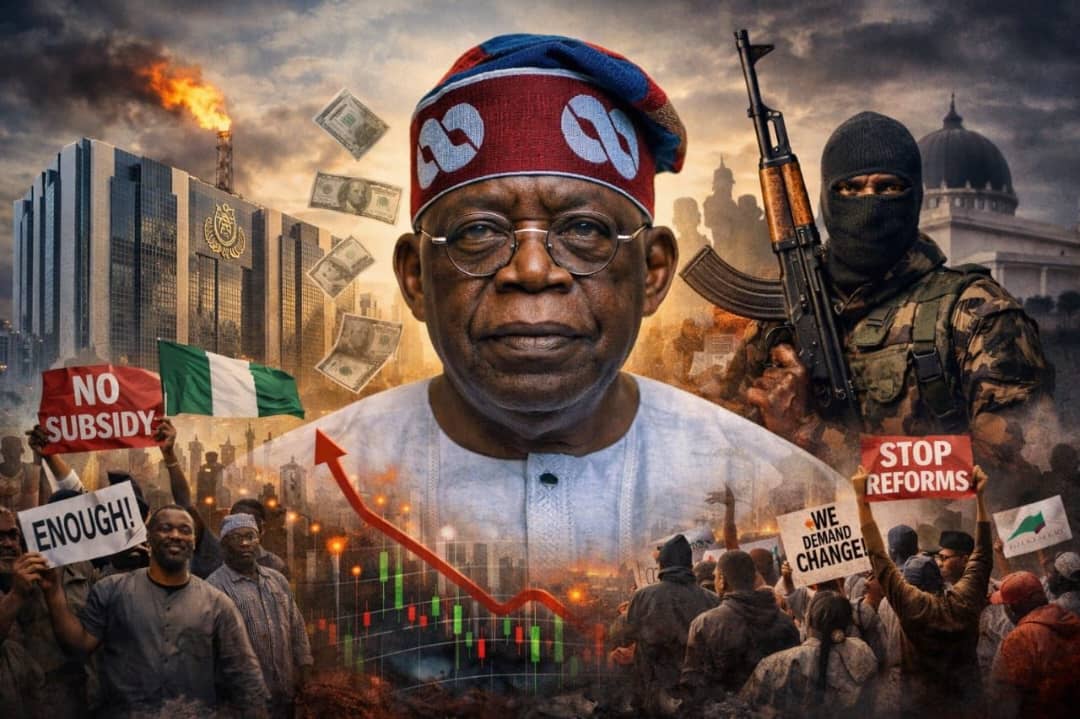
Two years after this administration took office, Nigerians are confronted with a hard and unavoidable question: are we truly better off? For many households, the answer is no. The cost of living has risen sharply, purchasing power has collapsed, and daily survival has become a struggle. What was promised as renewed hope now feels like renewed hardship, especially for ordinary Nigerians who bear the brunt of economic decisions.
Since 2024, an estimated 14 million more Nigerians have slipped into poverty, pushing the total number of people living below the poverty line to about 129 million. This is not just a statistic but a human tragedy. It speaks to empty kitchens, withdrawn children, shuttered small businesses, and families forced to choose between food, education, and healthcare. At such a moment, leadership is expected to respond with empathy, urgency, and clear welfare policies. Instead, Nigerians hear promises without visible plans or measurable outcomes.
History offers a powerful contrast. Chief Obafemi Awolowo built his leadership on a simple philosophy: the welfare of the people must come first. His introduction of free universal primary education in the Western Region transformed literacy and opportunity, while free healthcare for children and disciplined public finance proved that social welfare and fiscal responsibility can coexist. His vision showed that government exists to lift the many, not protect the few.
That tradition of people centred governance did not end with Awolowo. In recent years, the Buhari administration rolled out the largest social investment programme in Nigeria’s history. Initiatives such as N Power, conditional cash transfers, school feeding, and trader support schemes reached millions of vulnerable Nigerians. While imperfect, these programmes acknowledged poverty as a national emergency and treated welfare as a core responsibility of government.
At the state level, examples from Osun and Kaduna reinforced the same lesson. In Osun, Rauf Aregbesola prioritised youth employment, school feeding, social welfare for the elderly, digital learning tools, and massive school infrastructure, earning national and international recognition. In Kaduna, Nasir El Rufai expanded free education, scholarships, healthcare access, and women empowerment programmes, proving that subnational governments can deliver real social protection when there is political will.
Aregbesola’s administration launched the Osun Elementary School Feeding and Health Programme (O-MEALS), which provided daily meals to over 250,000 pupils in public primary schools across the state. The programme directly empowered more than 3,000 local food vendors and caterers, most of them women, while creating a steady market for local farmers, especially poultry farmers, vegetable growers, and food suppliers. Beyond improving school attendance and nutrition for pupils, O-MEALS reduced the financial burden on parents and injected income into rural economies. Complementing this was the O-YES youth empowerment scheme, which engaged about 40,000 young people in public works, community services, and vocational training. Massive investments in modern school infrastructure, digital learning tools (Opon Imo), social welfare support for the elderly, and health initiatives earned Osun national and international recognition. These interventions demonstrated that with political will, subnational governments can protect the vulnerable, stimulate local economies, and deliver inclusive development even in fiscally constrained environments.

 ;
;
These policies are not distant memories or theoretical ideas. They are recent, verifiable interventions that improved lives and expanded opportunity. They demonstrate that governance rooted in compassion, planning, and accountability can soften economic shocks and protect the vulnerable, even in difficult times.
Today, many Nigerians feel abandoned by a system that appears more responsive to elites than to the masses. The absence of strong, visible welfare policies in the face of rising poverty raises a troubling question about our national priorities. A society that allows suffering to deepen without intervention risks losing not just stability, but its moral compass.
Nigeria must return to a simple principle: leadership exists to serve the people. A country where the child of a poor family has the same chance as the child of the powerful is not built by slogans, but by deliberate policies. Nigerians must demand better governance, resist the temptation to trade their votes for short term gain, and insist on a future where leadership truly cares.




Politics
Ogun Central To Host Final Zonal Townhall Meeting for Sen. Solomon Olamilekan Adeola, April 30
Ogun Central To Host Final Zonal Townhall Meeting for Sen. Solomon Olamilekan Adeola, April 30
-.Removes Hon.Olugbenga Lekuti as Deputy Director General,Ogun East
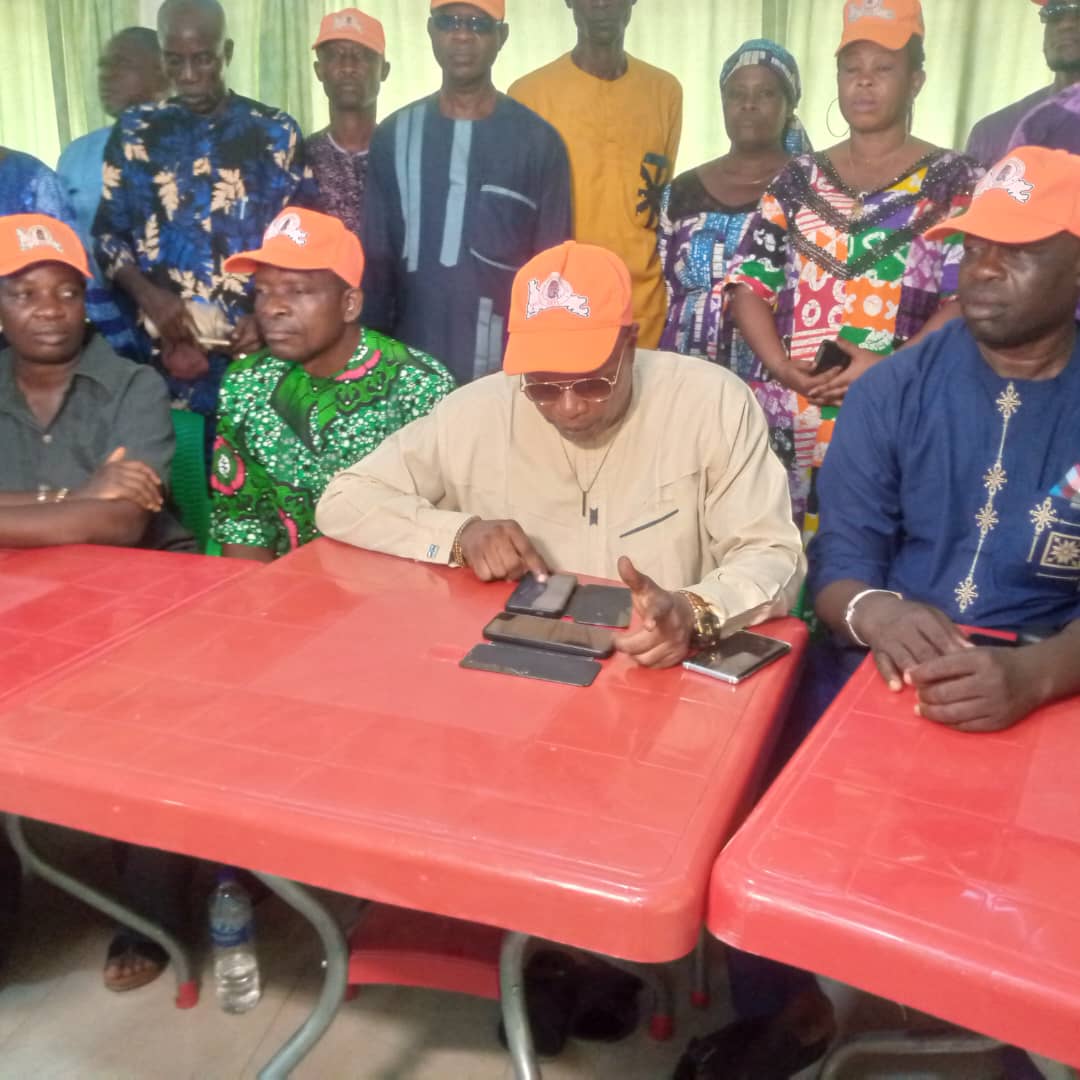
One of the leading Political Groups, Ogun Visionaries is set to host the final zonal edition of the Sen. Solomon Adeola Yayi town hall meetings in Abeokuta, Ogun State capital. The Ogun Central Edition, scheduled for April 30, 2026, aims to engage the electorate and push for Senator Yayi’s Governorship bid in 2027.
The event is themed ‘Ogun 2027: Yayi For All,’ marking the finale of the zonal town hall meetings.
Addressing Journalists on Tuesday in Abeokuta, Ogun State Capital,the Director General of Ogun Visionaries, Hon. Leye Odunjo, said the meeting will draw key stakeholders from Ogun Central’s political power circle.
Hon.odunjo stated that the event will kick off with a health walk, ‘Ogun Visionaries For Yayi Unity Walk,’ in the morning of April 30, 2026.The walk is themed ‘Let’s Walk for A United and Prosperous Ogun State,’ aiming to rally support for Senator Solomon Olamilekan Adeola Governorship aspiration.
“The town hall meeting is expected to feature prominent personalities, including Senator Solomon Olamilekan Adeola Yayi as the Special Guest of Honour. The event will provide a platform for interaction and engagement with the electorate”.
Ogun Visionaries has successfully held town hall meetings in Ogun West and Ogun East senatorial districts. The Ogun Central Edition is the final zonal meeting before moving to LGAs and wards.
The Director General while acknowledging the support received from various personalities since inception of the group,disclosed that distinguished individuals would be honoured with Award of Recognition during the event.
Odunjo, who is also a Senior Legislative Aide to the Deputy Senate President said “The political atmosphere in Ogun State is reportedly in tune with the people’s yearning for Yayi’s emergence. Ogun Visionaries is at the forefront of making this a reality.
“The event aims to unite stakeholders and push for a prosperous Ogun State. With Senator Yayi’s popularity growing, the meeting is expected to draw a large turnout.
“The Ogun Central Edition will provide a platform for stakeholders to interact and engage with the electorate. The event is seen as a crucial step towards achieving the group’s goals.
“Senator Solomon Olamilekan Adeola Yayi’s presence is expected to energize supporters and further boost his campaign for 2027” he added
Meanwhile, Ogun Visionaries has announced removal of Hon Olugbenga Lekuti as the Deputy Director General, DDG,Ogun East, of the group.
Announcing the removal in a brief statement made available to Journalists, Hon.Odunjo stated that Hon.Lekuti was relieved of the position as a result of his anti -group and anti -Yayi’s acts.
He added that a new Deputy Director General would be announced in due course.
Politics
Political Earthquake in Kano: How, Senator Rabiu Musa Kwankwaso, Nasiru Gawuna’s Move to ADC Reshapes North-West Politics
Political Earthquake in Kano: How, Senator Rabiu Musa Kwankwaso, Nasiru Gawuna’s Move to ADC Reshapes North-West Politics
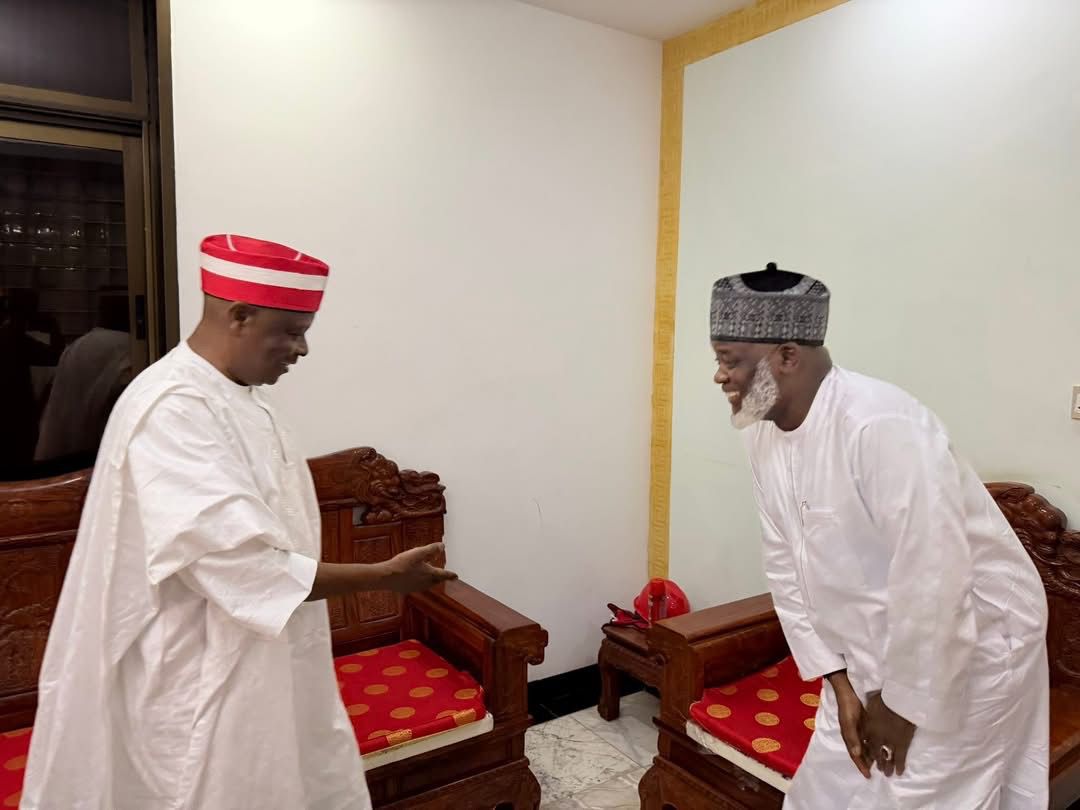
The political atmosphere of Nigeria’s North-West was fundamentally altered on a sweltering afternoon in 2026 after Senator Rabiu Musa Kwankwaso former Governor of Kano State and Former Minister for Defence who is also the “Grand Commander” of the Red-Cap revolution, finalized a move that many viewed as the ultimate masterstroke of his political career. By transitioning from the NNPP to the African Democratic Congress (ADC), Kwankwaso did more than change platforms; he effectively reset the coordinates of the nation’s largest voting bloc.
Senator Kwankwaso’s pedigree is defined by a singular devotion to human capital development and an almost mythical grassroots loyalty preceded him. He turned a local movement, the Kwankwasiyya, into a disciplined, ideological army that transcends traditional party structures. His entry into the ADC instantly transformed a secondary party into a formidable fortress, signaling to the ruling elite that the North-West is no longer a monolith under their control.
The gravity of this shift is most profound in Kano, the heartbeat of Northern commerce. For years, the state was a polarized battlefield between the Kwankwasiyya and established conservative wings. However, the entry of Nasiru Yusuf Gawuna into the same ADC orbit has created a “Kano Super-Alliance” that was previously unthinkable. Kwankwaso, the visionary architect who sent thousands of Kano’s children to global universities, now finds his populist ideology merging with Gawuna’s administrative steadiness and deep-rooted institutional connections.
This synergy is a seismic departure from the politics of “zero-sum” rivalry; it is a calculated fusion of mass appeal and the strategic machinery required to protect and deliver votes.
This move reshuffles the entire North-West deck. As Kwankwaso plants the ADC flag across the region, he is attracting a wave of heavyweights from Kaduna to Sokoto who feel marginalized by the status quo. His political pedigree allows him to speak with a regional authority that others lack, positioning himself as a protector during a time of economic uncertainty. By bringing Gawuna into this fold, the dynamics of Kano politics have shifted from a war of attrition to a coalition of necessity. This alliance creates a “Third Way” that bypasses the failures of the old guard, promising a return to the rapid growth that defined the Kwankwaso years, but with a broader, more inclusive base that could dictate the occupant of Aso Rock in 2027.
Kwankwaso’s career has always been defined by a uniquely personal brand of power. From 1999 to 2015, he served two terms as Governor of Kano State, in addition to roles as Minister of Defence and Senator. While many were surprised by his recent maneuvers; especially following closed-door meetings with President Bola Tinubu, he chose the emerging ADC over the ruling APC.
In the high-stakes theater of Nigerian politics, few events have jolted the region quite like the defection of Nasiru Yusuf Gawuna from the APC to the ADC on March 31, 2026. Coming just twenty-four hours after Kwankwaso’s move, Gawuna’s transition fundamentally has also altered the political calculus in Kano. What makes this moment remarkable is the sheer drama of the reversal. Gawuna’s political journey has been a steady, calculated ascent through Kano’s establishment. He first shot to prominence as Commissioner of Agriculture under Governor Abdullahi Umar Ganduje, earning a reputation for hands-on management in a state where farming is the economic backbone. He eventually rose to Deputy Governor, serving for nearly six years and gaining invaluable executive experience. Beyond partisan politics, Gawuna distinguished himself as Chairman of the Governing Council of Bayero University and, most recently, as Chairman of the Federal Mortgage Bank of Nigeria (FMBN). He resigned from the FMBN on March 27, 2026, citing compliance with presidential directives regarding political appointees.
A look back at the 2023 gubernatorial election reveals just how significant Gawuna is. Running under the APC, he polled over 890,000 votes against the formidable Kwankwasiyya machine. This proved that he is one of the few politicians in Kano who can genuinely compete with Kwankwaso’s electoral machinery. His strength is threefold: he appeals to the youth, the religious establishment (Ulama), and the business community; he has the capacity to split the APC vote; and he has demonstrated he can deliver votes independently of a larger party wave. To understand the magnitude of this defection, one must appreciate the complete inversion of alliances since 2023. Back then, Governor Abba Kabir Yusuf ran on the NNPP ticket with Kwankwaso’s backing, while Gawuna carried the APC banner with Ganduje’s support. By 2027, the roles will likely reverse: Governor Yusuf is positioned to run under the APC with Ganduje’s blessing, while Gawuna is poised to run under the ADC with Kwankwaso’s endorsement.
From the perspective of the Kwankwasiyya movement, Gawuna’s arrival is a “return” rather than a “recruitment,” as he was part of the movement’s pioneer cohort. This narrative neutralizes accusations of opportunism. For his part, Gawuna framed his move in terms of service and divine guidance, with sources indicating he felt marginalized within the APC after his 2023 defeat.
The reaction from within the APC has been one of worry and regret. President Tinubu, recognizing the stakes, reportedly directed party leaders to prevent Gawuna’s move, even offering him an automatic Senatorial ticket for 2027. The failure of this pressure campaign, Gawuna reportedly placed his phone on “Do Not Disturb” and traveled abroad to avoid lobbyists represents a significant defeat for the presidency’s political management. This crisis prompted emergency meetings between President Tinubu, Dr. Ganduje, and Badaru Abubakar at the Presidential Villa to reorganize their strategy.
The long-term implication is the potential break of the APC-PDP duopoly. The ADC is now positioning itself as a genuine “third force” in the North-West. The defection of high-profile figures like Senator Ahmed Babba-Kaita, Senator Aishatu “Binani” Ahmed, and former Justice Minister Abubakar Malami suggests a coordinated realignment. This competition could force more substantive policy debates and reduce the “zero-sum” intensity of regional elections.
The projected 2027 gubernatorial rematch between Gawuna (ADC) and Governor Yusuf (APC) will be a battle between two men with established records. Voters will have a genuine choice between performance and platform rather than just shifting loyalties. As Gawuna put it: “Allah gives power to whom He wants and when He wants.” While the 2027 elections will reveal where that power flows, it is already clear that the political landscape of the North-West will never look the same again.
Governor Dauda Lawal Approves Gratuity Payment
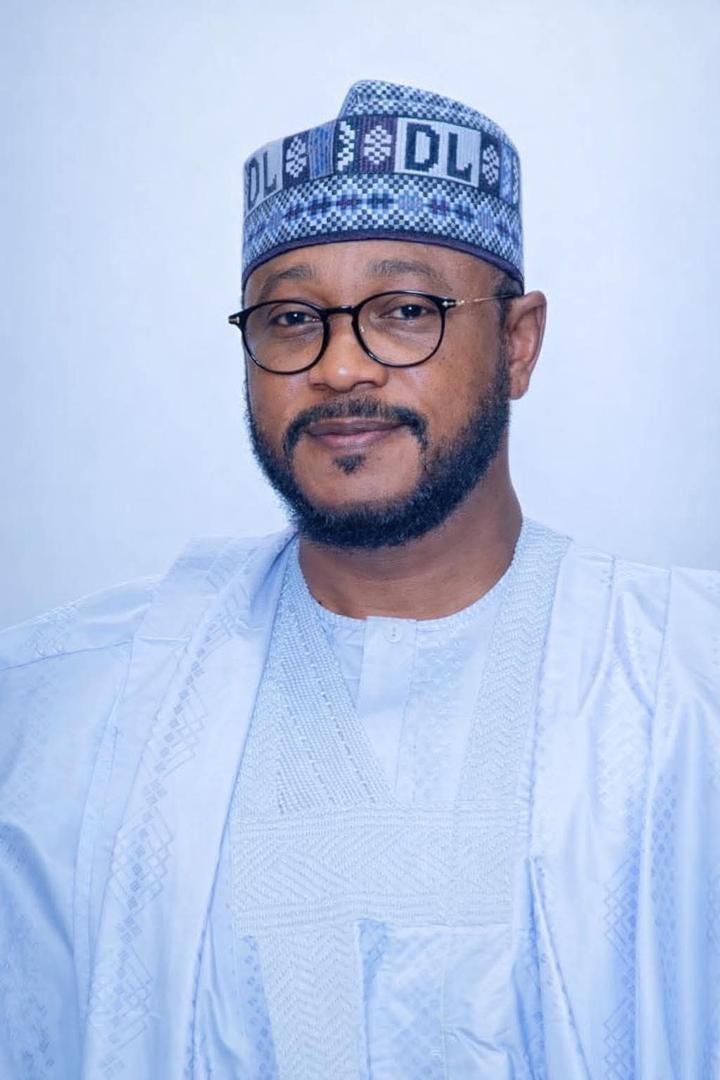
The Zamfara State Government, under the visionary leadership of Governor Dauda Lawal, has approved the release of funds for the payment of Gratuity Batch 3 for the 2024/25 period. This decisive action underscores the administration’s unwavering commitment to the welfare of retired civil servants who dedicated years of service to the state’s development.
The Accountant General of the State is already working diligently to ensure that all eligible retirees receive their payments promptly and efficiently, reflecting the government’s resolve to uphold transparency and accountability in the disbursement process.
This timely gratuity payment is a testament to Governor Dauda Lawal’s people-centered leadership, which recognizes the sacrifices and contributions of retirees to the progress and stability of Zamfara State. It also reaffirms the government’s pledge to honor its financial obligations without unnecessary delays.
The Zamfara State Government calls on all retirees in the affected batch to exercise patience as the necessary administrative and financial processes are finalized. Every effort is being made to ensure smooth and uninterrupted payments.
This initiative is part of Governor Dauda Lawal’s broader vision to empower citizens and retirees, strengthen confidence in public service, and sustain the morale of those who have committed their lives to the growth of Zamfara State.


- ABB’s Application Configurator brings speed and precision to grid-feeding protection system design April 7, 2026
- Can Equatorial Guinea Reposition as West Africa’s Gas Hub? April 7, 2026
- Afreximbank Partners with African Energy Week 2026 to Drive Africa-Led Energy Deals April 7, 2026
- Merck Foundation Marks ‘World Health Day’ 2026 – Transforming Patient Care in Africa and Beyond through 2600+ Scholarships for Healthcare Providers From 52 Countries April 7, 2026
- Morocco Gas Plan Reset Could Open Door to New Investment Models April 7, 2026
- African Petroleum Producers Organization (APPO) Secretary General Joins Angola Oil & Gas (AOG) 2026 as African Energy Bank Eyes June 2026 Debut April 7, 2026
- Ghanaian Biomedical Specialist Receives International Award April 7, 2026
- Grey Connects the Africa-Canada Money Corridor With Instant Transfers via Interac April 7, 2026
- Nigeria’s Oil Revival in Focus as Petroleum Minister Lokpobiri Joins Paris Energy Forum April 7, 2026
- CLG Expands into Libya and Central Africa, Named Official Legal Partner for African Energy Week (AEW) 2026 April 7, 2026
- ABB’s Application Configurator brings speed and precision to grid-feeding protection system design April 7, 2026
- Can Equatorial Guinea Reposition as West Africa’s Gas Hub? April 7, 2026
- Afreximbank Partners with African Energy Week 2026 to Drive Africa-Led Energy Deals April 7, 2026
- Merck Foundation Marks ‘World Health Day’ 2026 – Transforming Patient Care in Africa and Beyond through 2600+ Scholarships for Healthcare Providers From 52 Countries April 7, 2026
- Morocco Gas Plan Reset Could Open Door to New Investment Models April 7, 2026
- African Petroleum Producers Organization (APPO) Secretary General Joins Angola Oil & Gas (AOG) 2026 as African Energy Bank Eyes June 2026 Debut April 7, 2026
- Ghanaian Biomedical Specialist Receives International Award April 7, 2026
-

 society7 months ago
Religion: Africa’s Oldest Weapon of Enslavement and the Forgotten Truth
-

 news4 months ago
WHO REALLY OWNS MONIEPOINT? The $290 Million Deal That Sold Nigeria’s Top Fintech to Foreign Interests
-

 society7 months ago
“You Are Never Without Help” – Pastor Gebhardt Berndt Inspires Hope Through Empower Church (Video)
-

 celebrity radar - gossips2 months ago
Dr. Chris Okafor Returns with Power and Fire of the Spirit -Mounts Grace Nation Altar with Fresh Anointing and Restoration Grace on February 1, 2026