
Fashion/Lifestyle
Can African bulletproof stop AK-47 bullets? By Tunde Odesola


Can African bulletproof stop AK-47 bullets? -Abomination walked naked in Elegbeka community of Ose Local Government Area in Ondo State on November 26, 2020 when some sons of darkness, brandishing guns, killed a god.
First, they cocked their guns and kidnapped the god. Moments later, they shot the god, shedding the blue blood of a first-class Ondo traditional ruler, the Olufon of Ifon, Oba Adegoke Adeusi.
It wasn’t the first time traditional rulers would be felled by heinous bullets across Nigeria. But it was the first time a first-class Yoruba king, bedecked in his regalia, crown and sceptre, would be untimely dispatched to the land of his ancestors.
Historically, the Yoruba have a strong kingship institution that dates back to the 8th Century. Revered as the ‘Igba ’Keji Orisa’, that is, second-in-command to the gods, the reward for looking a king in the eye was death by the sword.
In the days of yore, when a king took your wife, you fell flat in obeisance, thanking him for considering your wife’s farmland worthy to sow his wild oats. That was how powerful the king was; his word was law and order. He was the unquestionable, the ka-bi-e-o-s-i.
The whittling of the kingship authority in Nigeria by modern political power, notwithstanding, kings are today still revered as the custodians of culture and tradition.
But the assassination of Oba Adeusi asterisked the efficacy of African traditional power, setting tongues wagging and questions tumbling, “How can an oba be killed by bullets just like that? Did he not ‘insure’ himself with African bulletproof called ‘ayeta’? Why did ‘odeshi’ fail the king?”
When the sons of homicide snuffed life out of the Olufon, many questions popped up in my mind like pimples on an adolescent face.
When I couldn’t find answers to the distressing questions, I stepped out of my ignorance and travelled the highway of knowledge to Ile-Ife, Yoruba’s believed source of civilization. At Ife, I headed straight to the palace of the Ooni, Oba Adeyeye Ogunwusi.
After paying obeisance to the kabiyesi resplendent in flowing white robes, white crown, white scepter, white shoes, I asked: “Is ‘ayeta/odeshi’ fact or fiction?”
Hardly had I uttered the last syllable of my question than the highest Yoruba monarch hit me with his own question, “What is ota?” “Bullet,” I answered. The Ooni expounded “Everything has a name. If you call ota by its real name, it’ll deflect bullets from you. Even when the bullet hits its target, it won’t have any effect. This is why it’s called ‘ayeta’. But it has its taboos.
“The white man has his own ‘ayeta’ in the form of a bulletproof vest. ‘Ayeta’ can also be put in the tyres or glass or body of a car. If someone calls you Moses, will you answer? No. But if you’re called Tunde, you will answer. ‘Ayeta’ will deflect any caliber of gun, be it a dane gun or AK-47.
“During the Ife-Modakeke war, ‘ayeta’ was used. Even some people who survived gunshots were taken to medicine men who called out the bullets from the bodies of the victims. We, the Yoruba, need to develop our traditional arts and science.”
From Ife, I went straight to the shrine of the Araba of Osogbo, Chief Ifayemi Elebuibon, who said, “African bulletproof exists in reality.”
Elebuibon, however, said there was no African medicine that could deflect bullets from AK-47. He explained, “An African-American came to me from Atlanta, he said he needed preservation called ‘owo’ in Yoruba. I did something for him. He wore it on a cock shot it, the cock didn’t die. He wore it on a goat and shot, the goat didn’t die. Anytime he calls me, he shouts: Osogbo Power! His name is Lucas, but the medicine is for police guns, not military.”
When I pointed out that armed robbers like Ishola Folorunso and Mighty Joe who boasted of being invincible to bullets later succumbed at the stakes, Elebuibon said, “You would notice that they didn’t die when the bullets were first fired at them. That was the time they would have utilised in escaping if they were not tied to the stakes.
“Many People can’t obey the taboos of the charms. They can’t abstain from women and they engage in ridiculous sex styles. It’s true that military ammunition is different from hunters’ guns of those days. But ‘ayeta’ will make it jam and prevent it from shooting, not that it will deflect the bullet. Then, there’s ‘owo’, aka preservation medicine that would make you escape attacks. You would’ve been gone by the time a bad occurrence would happen.”
One of the warriors of the Ife-Modakeke war, Chief Sunday Adeyemo, aka Sunday Igboho, said: “I have authentic ‘ayeta’ that can withstand any type of gun, including AK-47. I fought in the Ife-Modakeke war. I can also lock an AK-47 from shooting. I challenge anyone to come to the public and test my ‘ayeta’.”
But a retired Nigerian Brigadier General, Olagunsoye Oyinlola, said there was no charm that could withstand the firepower of military assault rifles. A prince steeped in the socio-cultural mores of the Yoruba, Oyinlola, who fought in the Chadian crisis of the 1980s and also commanded Nigeria’s contingent to the United Nations’ peacekeeping mission during the Somali crisis in the early 1990s, said, “I was a renowned marksman in the army for 30 years. I can knock off kites in flight easily, I won so many laurels for shooting. Don’t come to my sight with your ‘ayeta’ o, because if you do and I press my trigger, you’re gone. Nothing will stop an assault rifle.
“In the dane guns masqueraders use in deceiving people, it’s the gunpowder in them that explodes, they’ve removed the balls in the guns.”
“As for soldiers missing their target when shooting at armed robbers tied to stakes, you must realise that it’s not easy to kill a fellow human being. Some of the soldiers are newly recruited. Some shut their eyes and shoot up. There was a time that the officer commanding the shooting had to kick out one of the soldiers because he was closing his eyes and shooting up.
“If it was ‘ayeta’ that made bullets not penetrate the robbers’ bodies initially, why did they die eventually? ”
A retired Assistant Inspector General of Police, Mr Tunde Ogunsakin, said: “I was involved in many encounters with the bad boys. After they were subdued, you would find on their dead bodies various amulets, why did they die with their ‘ayeta’? If you give me an AK-47 and you wear an ‘ayeta’, it will kill o. Maybe ‘ayeta’ worked during the Kiriji War in Igbajo. But I don’t think it does nowadays.”
The Chief Imam, Ataoja Estate mosque, Osogbo, Sheik Adegbite Obe, said, “Basically, it’s wrong for anyone to dare bullets because they have ‘ayeta’, that’s akin to daring God, it will fail. Someone who’s a devout Muslim could have the grace of Allah not to die if hit by a bullet.” Obe added, “Nobody should face the bullet, no matter the ‘ayeta’ they have. Most of the shootings people do in public are fake, it’s only the gunpowder that’s fired, there are no bullets in the gun.”
Pastor, Redeemed Christian Church of God, Jesus House parish, Huntsville, Alabama, USA, Peter Oyediran, said Jesus was the only bulletproof of Christians. “Nobody should dare the gun. But, the power of Jesus is greater than any armament. God created all things, even the gun.”
In the 1980s when General Olusegun Obasanjo, at the height of apartheid rule in South Africa, called on African countries to deploy juju in the fight to emancipate blacks from colonial rule, he probably had ‘ayeta’ in mind.
But, does ‘ayeta’ really work? I walk away.
Email: [email protected]
Facebook: @tunde odesola
Twitter: @tunde_odesola




Fashion/Lifestyle
Introducing “Atupaglowco” : Where Fragrance Meets Feeling; The Story of Our Beginning
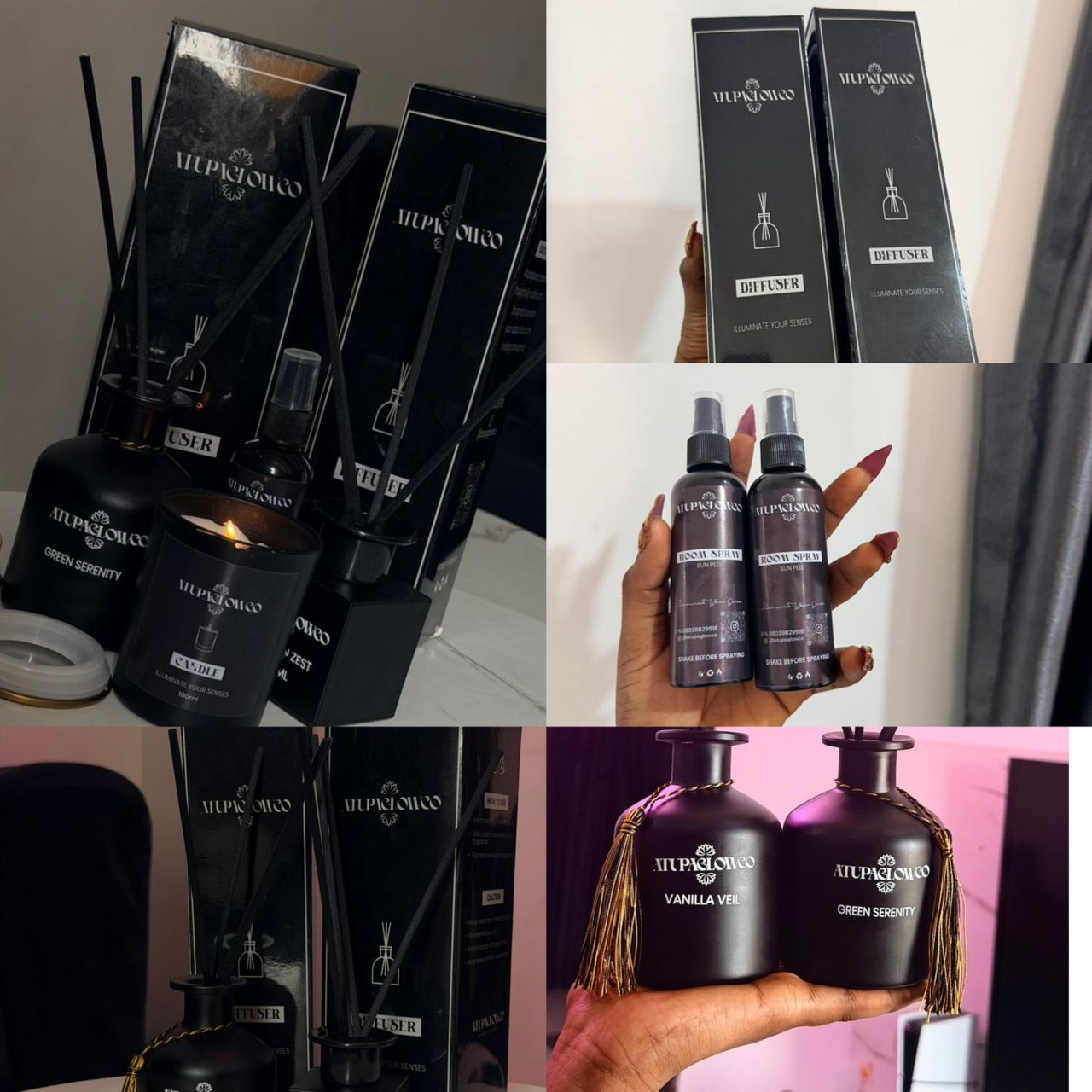
Introducing “Atupaglowco”: Where Fragrance Meets Feeling; The Story of Our Beginning
Every great journey begins with a sense of anticipation. For us, it began with a simple belief that a space should do more than exist, it should speak comfort and glow.
In a world filled with noise, stress, and endless motion, we realized something powerful. Fragrance can transform not just rooms, but moods. A familiar scent can calm anxiety. A warm aroma can turn a house into a home. A gentle glow can bring peace after a long day. This realization gave birth to “Atupaglowco.”
Atupaglowco was not created to sell diffusers, room sprays, or candles. It was created to create experiences. To create moments. To create atmospheres where people can breathe, reflect, and feel whole again.
The name itself represents more than a brand. It represents warmth. It represents light. It represents presence. We remember the early days, the planning, the testing of scents, the moments of doubt, and the moments of excitement. Each candle poured was a step of faith. Each fragrance blended was a piece of our vision coming to life. We weren’t just building products; we were building something meaningful.
Our diffusers were designed to quietly fill spaces with elegance.
Our room sprays were crafted to instantly refresh and revive environments. Our candles were made to bring calm, beauty, and a soft glow into everyday life.
Atupaglowco was born from passion, patience, and purpose. This launch is not just the start of a business. It is the start of a movement to help people create spaces they love. Spaces that inspire rest. Spaces that inspire joy. Spaces that glow.
We believe fragrance is personal. We believe glow is emotional. We believe every space deserves both.
Today, we proudly introduce Atupaglowco to the world.
This is only the beginning.
Fashion/Lifestyle
Mrs Township Finalist 2026 Leads Community Action to Support Disadvantaged Learners
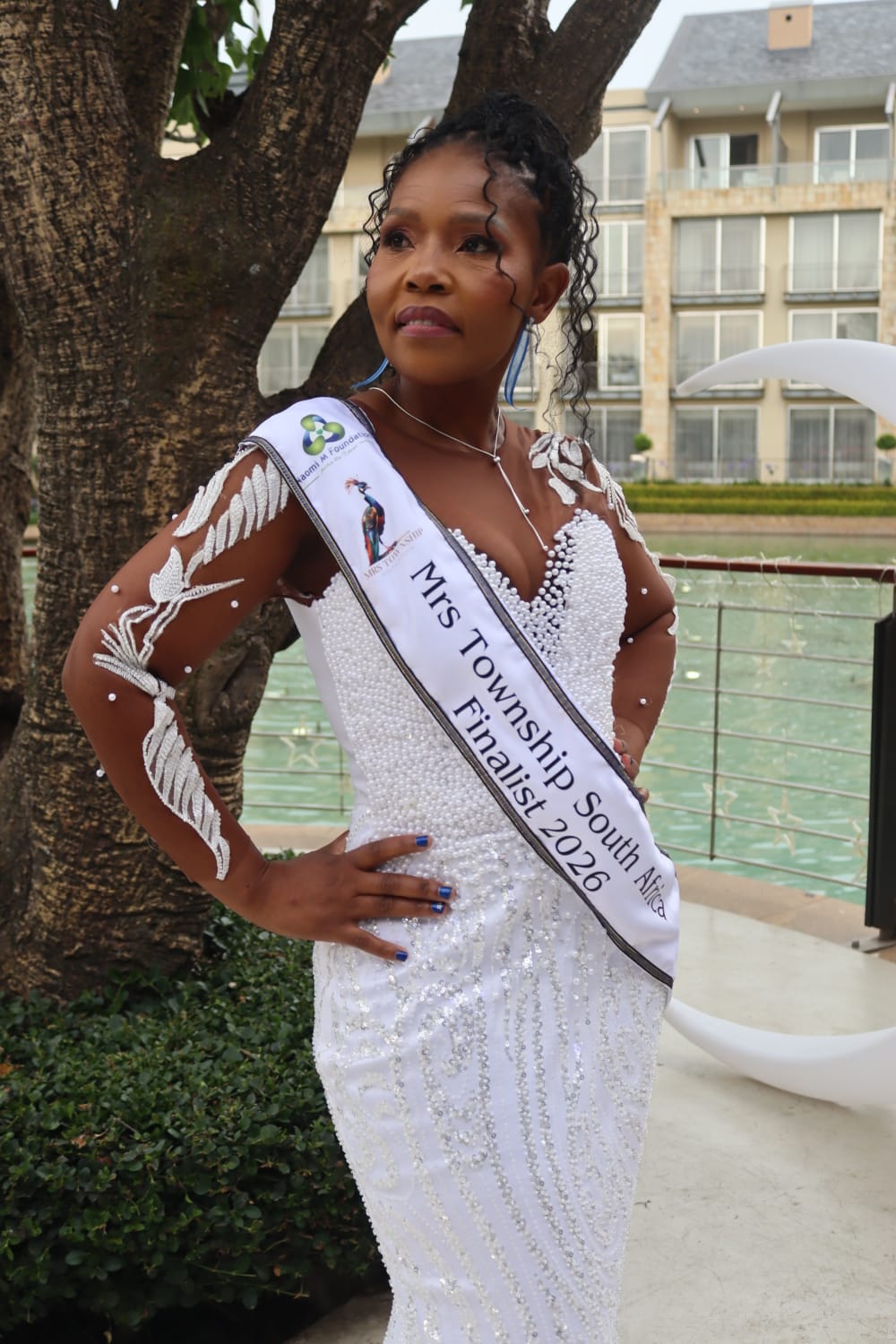
Mrs Township Finalist 2026 Leads Community Action to Support Disadvantaged Learners
As the 2026 academic year begins, hope and compassion are taking root at Theresapark Primary School, thanks to the remarkable leadership of Mrs Nkone Maringa, a respected community member and Mrs Township South Africa Finalist 2026.
In a powerful demonstration of grassroots leadership and social responsibility, Mrs Maringa, in partnership with Theresapark Sasol Garage, spearheaded a community clean-up of the school’s garden area. The initiative was carried out in preparation for the school’s feeding scheme garden, which will support disadvantaged children with fresh, nutritious produce throughout the school year.

Planting Seeds of Change
The garden project goes beyond beautifying the school environment. It is designed to become a sustainable source of food for learners who rely on the school feeding programme as a vital lifeline. By preparing the land ahead of the school reopening, Mrs Maringa and her partners ensured that planting can begin immediately, setting the tone for a productive and caring 2026.

“This project is about dignity, nutrition, and giving our children a healthy start to the year,” the initiative reflects—aligning perfectly with Mrs Maringa’s long-standing commitment to community upliftment.
A Record of Community Impact
Mrs Nkone Maringa’s involvement at Theresapark Primary School is one of several impactful projects she has undertaken in her community. Known for her hands-on approach, she consistently mobilizes local businesses, volunteers, and stakeholders to address real needs—especially those affecting children, women, and vulnerable groups.

Her work embodies the core values of the Mrs Township South Africa platform: leadership, service, empowerment, and positive social change. As a finalist for the 2026 title, Mrs Maringa continues to prove that true leadership is measured not by titles alone, but by tangible impact on the ground.
Corporate–Community Partnership in Action
The collaboration with Theresapark Sasol Garage highlights the power of partnerships between local businesses and community leaders. Their support played a crucial role in making the clean-up initiative successful, demonstrating how corporate social responsibility can directly transform lives at a grassroots level.
Looking Ahead
With the garden now prepared, Theresapark Primary School is set to launch its feeding scheme garden as learners return for the new academic year. The project stands as a symbol of hope, resilience, and collective effort.

As Mrs Nkone Maringa continues her journey as a Mrs Township South Africa Finalist 2026, her work at Theresapark Primary School serves as a shining example of how passion, partnership, and purpose can create lasting change—one garden, one child, and one community at a time.


celebrity radar - gossips
Beauty with Responsibility: Lindie Motswaeng’s Vision as Miss Classic Queen International
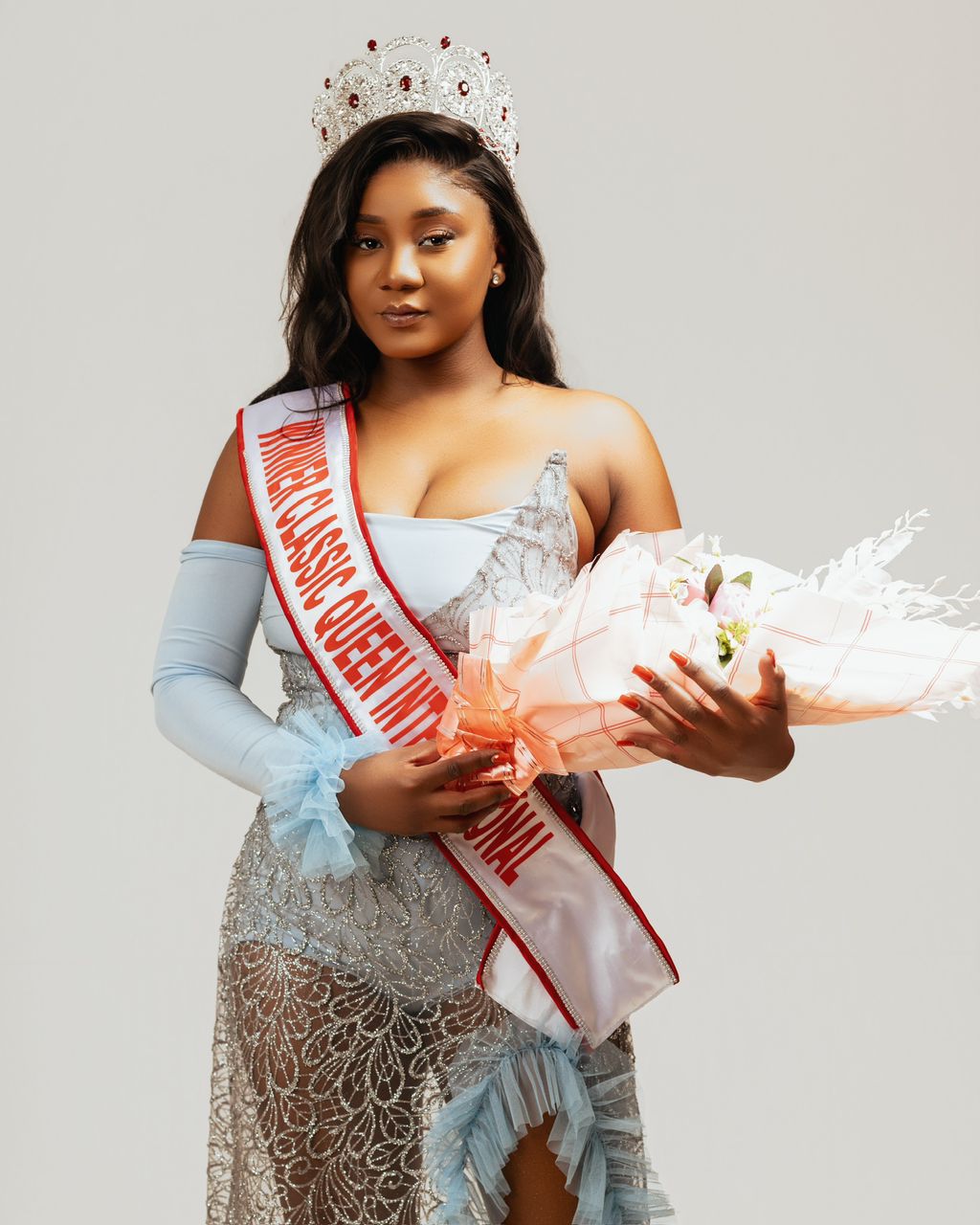
Living Authentically, Leading with Purpose: Lindie Motswaeng
Lindie Motswaeng is a 28-year-old Mathematics and Economics graduate from one of Africa’s leading institutions, the University of Botswana. She is currently completing an Executive Secretary (Finance) qualification at Boston City Campus in Pretoria. A woman of depth and versatility, Lindie enjoys cooking, travelling, exploring new ideas, spending time with family, and commanding the stage. Outspoken, open-minded, and deeply curious, she lives by a simple yet powerful motto: to live life on her own terms, unconfined by limitations.
As an aspiring economist, Lindie is passionate about women’s economic empowerment, particularly for women facing abuse, and about raising awareness around mental health—an often-silenced issue in many communities. She envisions a future where individuals are free to thrive beyond cycles of abuse and mental health challenges. Recently crowned Miss Classic Queen International, she shares her journey, values, and vision for her reign.

Congratulations on your crowning. How does it feel to emerge as the new Miss Classic Queen International?
It honestly feels surreal. It is always amazing when your hard work and dedication are finally recognised. I truly believe this organisation is going to help me make a meaningful impact during my year of reign.
Can you take us back to the moment your name was announced as the winner? What went through your mind?
I was quite blank at first—I simply could not believe it in that moment. Shortly after, it turned into overwhelming joy, especially seeing people, including the other ladies, cheering me on. It was such a beautiful and affirming moment.
What does the title Miss Classic Queen International represent to you personally and culturally?
For me, it is about being an inspiration in my own authentic way. It is important to seek your own unique path. We are all different for a reason, and Classic Queen International embraces that diversity. More importantly, it highlights the beauty in our differences and uses them to open doors and create opportunities.

How has your journey in the pageant world shaped the woman you are today?
My pageant journey has taught me to appreciate my abilities and to use them responsibly to create change in my community. This is a role I believe every human being has. Most importantly, it has taught me the value of sisterhood. In every competition, you meet women from different walks of life who always have something to teach you. Although it is a competition, it is vital to remember that there is life after it. Someone you meet may become a destiny helper or a lifelong sister.
Beyond beauty and poise, what core values do you believe this crown stands for?
As beautiful as the crown is, it symbolises duty. With such a platform, it becomes possible to make an impact on a much larger scale. It is also important to remember that you do not always need a crown or title to do good or to champion a cause close to your heart. When you genuinely have a heart for people and a willingness to be a voice for others, the responsibilities of the crown do not feel heavy.
Many young women look up to you already. What message do you hope to pass on to girls who aspire to follow in your footsteps?
The journey is never easy. There will be moments of doubt and discouragement, but it is important to remember why you started. Having a teachable spirit is also key—you can learn incredible things when you are surrounded by different personalities. Lastly, comparison can be tempting in competitions, but it is important to focus on your strengths and work on your weaknesses. Authenticity is essential; real growth cannot happen if you are constantly pretending to be someone else.
What were some of the biggest challenges you faced during the competition, and how did you overcome them?
I became ill on the second day, which is not ideal when activities require high energy and full dedication. Fortunately, I was part of an organisation that truly cares about its contestants. They ensured I received proper medical care and were very understanding. Maintaining a positive mindset also helped, because everything starts in the mind.
Pageantry today goes beyond glamour. What social cause or humanitarian project are you most passionate about championing during your reign?
I plan to continue my Art for Awareness project, which I started in 2021. The project uses art as a medium of communication and a form of release for people facing mental health challenges. In our culture, people are often silenced when they try to speak about their struggles, which causes them to withdraw. Art is universal and not age-specific, making it a powerful tool for expression.

How do you plan to use your platform as Miss Classic Queen International to create meaningful global impact?
I hope to expand my cause to other parts of Africa. This brand represents the continent, and with that comes the opportunity to partner with other organisations for wider reach and influence.
In your view, how can pageantry contribute to empowering women and promoting positive change in society?
We sometimes become too fixated on popularity and physical beauty, losing sight of what pageantry is meant to achieve. Beauty goes beyond the physical and is subjective. Women should be allowed to represent themselves authentically, without a single definition of beauty. We should also focus on developing their attributes, as these ultimately benefit society. A pageant queen has a voice and a platform, which requires humility, courage, and empathy.
Who or what inspired you most on your journey?
The love and support from my family, friends, and my country carried me throughout this journey. It truly takes a village. I was intentional when I started this path, knowing there would be challenges. When you set your mind and heart on something you are deeply passionate about, you will achieve it.
How do you balance confidence and humility while carrying such a prestigious international title?
I was raised with the principle of Botho, a core value in my country that embraces kindness, dignity, respect, and humility. When I stand on stage, I understand that I represent not only myself, but also my family and my nation. My character must reflect that. While humility is important, I should never shrink myself. As Nelson Mandela said, playing small does not serve the world.

What role do culture, elegance, and tradition play in the Classic Queen brand?
African culture plays a vital role in shaping character. This platform celebrates Africanism by allowing women from different African countries to showcase their cultures and talents on a continental stage. It fosters cultural exchange, promotes unity, and deepens understanding. Embracing our diversity as Africans allows us to see beauty instead of division. I learned so much from the other ladies—it was inspiring to see glamour fused with Africanism.

What should the public expect from you during your reign as Miss Classic Queen International?
I hope we can work together in championing this cause, because collaboration is essential. While I hold the title, greater impact can be achieved when we unite. I am grateful to be part of an organisation that supports and guides me throughout my reign to ensure we create positive change.

Finally, where do you see yourself after your reign, and how do you hope to be remembered?
I hope to be remembered as proof that anything is possible when you set your mind to it. I want to leave a legacy that inspires the next queen to do even more with the platform. Ultimately, I hope to help build a strong and enduring Classic Queen International family that extends beyond my reign.


-

 society7 months ago
Religion: Africa’s Oldest Weapon of Enslavement and the Forgotten Truth
-

 news4 months ago
WHO REALLY OWNS MONIEPOINT? The $290 Million Deal That Sold Nigeria’s Top Fintech to Foreign Interests
-

 society6 months ago
“You Are Never Without Help” – Pastor Gebhardt Berndt Inspires Hope Through Empower Church (Video)
-

 celebrity radar - gossips2 months ago
Dr. Chris Okafor Returns with Power and Fire of the Spirit -Mounts Grace Nation Altar with Fresh Anointing and Restoration Grace on February 1, 2026