
Politics
Coalition Berates Zamfara Gov Dauda Lawal for Financing Banditry, Illegal Gold-Mining for Selfish Gains

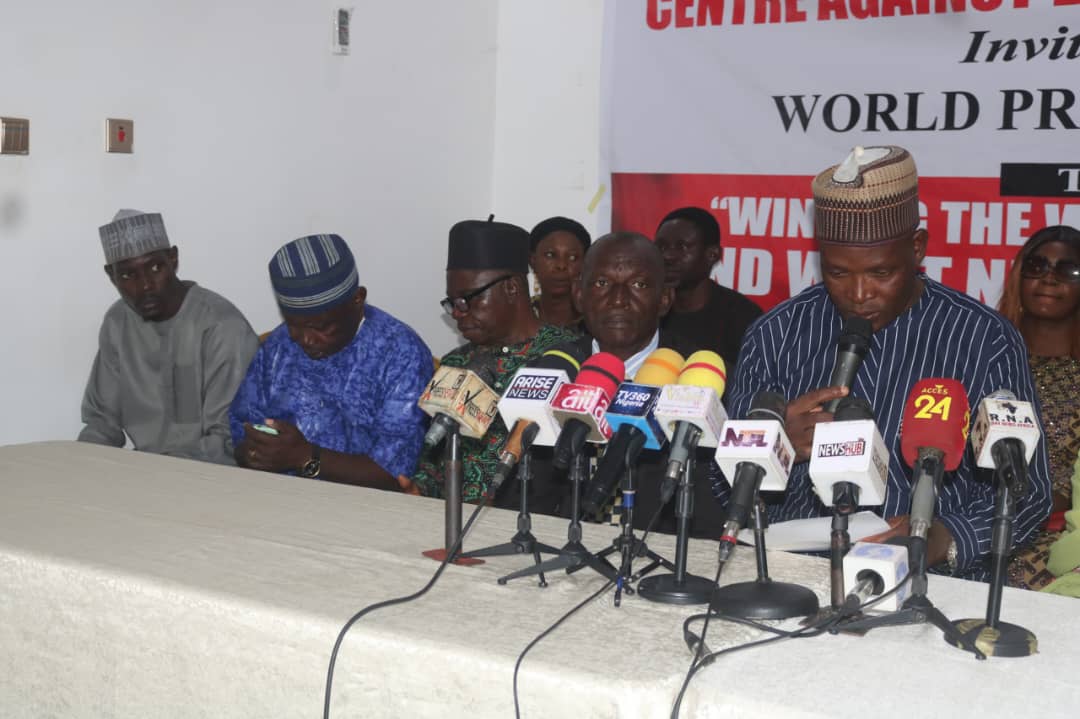
Coalition Berates Zamfara Gov Dauda Lawal for Financing Banditry, Illegal Gold-Mining for Selfish Gains
…Calls for Arrest of Bandits’ Sponsors
A coalition, Centre Against Banditry and Terrorism (CABT), has condemned Zamfara State Governor, Dauda Lawal, for allegedly financing banditry and illegal gold-mining activities in the state for personal gain.
Speaking at a press conference, Executive Director, Yakubu Dauda, accused Governor Lawal of paying terrorists and subversive elements over N1.3 billion to sustain his profit from illegal mining activities.
Dauda revealed that the funds were paid to notorious terrorist kingpins, including Kachalla Dogo Gide, Kachalla Bello Turji, and Ado Alero, among others, to unleash more mayhem on communities with gold deposits.
The coalition demanded a full investigation into the sponsorship of terrorism in the North West, calling for the prosecution of all persons connected with the insecurity in Zamfara State and the North-West.
Dauda urged anti-graft agencies to confirm the transactions, freeze accounts associated with the beneficiaries, and put them on trial for terrorism financing.
“Contrary to the lies told in the approval, Governor Lawal’s main motive is to sustain his profit from illegal mining activities which is his sole business. The funds paid to the terrorists seem to have been for them to unleash more mayhem on communities with gold deposits especially since there has been an uptick in attacks in the aftermath of the payments,” the statement said.
“For context, the funds transferred to these terrorists were done solely at the discretion of Governor Lawal. There is nowhere in the approval that states that this criminal enterprise was undertaken with neighbouring states or the federal government.
“The expenditure of this amount for arming terrorists and mobilising subversion of the Nigerian state did not pass through the Zamfara State House of Assembly as well if only to secure its rubber stamp approval.
“It is worrisome that Governor Dauda Lawal and the Zamfara State Government have not cleared the air on this criminal payment to terrorists since the leak of that document. Governor Lawal’s silence is an acceptance of culpability.
“This must now attract consequences because the evil he perpetrated in Zamfara affects the whole of Nigeria.”
CABT praised the Minister of State for Defence, Dr. Muhammad Bello Matawalle, for his efforts in reviewing the ongoing anti-banditry and counter-terrorism operations in the North-West region, expressing hope that the banditry problem would soon be addressed.
The group said his review of the ongoing anti-banditry and counter-terrorism operations in the North-West region has reassured us that the banditry problem will one day be a thing of the past.
“The Centre Against Banditry and Terrorism (CABT) terrorism can only end if we all join hands to take the war to the sponsors of the terrorist gangs. We demand a full investigation of those behind the sponsorship of terrorism in the North West,” the statement said.
“We expect that Mr President will issue an Executive Order to accelerate the naming and prosecution of all persons connected with the insecurity in Zamfara State and the North-West to rid that part of Nigeria of terrorism.
“We urge the anti-graft agencies to confirm the transactions in the document, freeze all accounts associated with the listed beneficiaries, and put the recipients on trial for terrorism financing.”
READ THE FULL TEXT BELOW
BEING THE TEXT OF A PRESS CONFERENCE HELD IN ABUJA ON THURSDAY SEPTEMBER 5, 2024 BY CENTRE AGAINST BANDITRY AND TERRORISM ON THE COLLAPSE OF THE SECURITY SITUATION IN THE NORTHWEST OF THE COUNTRY OCCASIONED BY THE REVELATION THAT THE GOVERNOR OF ZAMFARA STATE, DAUDA LAWAL, IS PAYING BANDITS AND OTHER SUBVERSIVE ELEMENTS TO UNDERMINE SECURITY IN THE REGION AND BY IMPLICATION ACROSS NIGERIA.
Protocols,
Gentlemen of the press, you must by now be familiar with a distributed released in the public domain showing the approval by Zamfara State Governor Dauda Lawal that authorised payment of the sum of One Billion, Three Hundred and Seventy-Eight Million Naira (N1,378, 000,000) to terrorists, bandits and other subversive elements that are responsible for the insecurity, killings and kidnappings plaguing the north-west and other parts of Nigeria.
Contrary to the lies told in the approval, Governor Lawal’s main motive is to sustain his profit from illegal mining activities which is his sole business. The funds paid to the terrorists seem to have been for them to unleash more mayhem on communities with gold deposits especially since there has been an uptick in attacks in the aftermath of the payments.
For context, the funds transferred to these terrorists were done solely at the discretion of Governor Lawal. There is nowhere in the approval that states that this criminal enterprise was undertaken with neighbouring states or the federal government. The expenditure of this amount for arming terrorists and mobilising subversion of the Nigerian state did not pass through the Zamfara State House of Assembly as well if only to secure its rubber stamp approval.
Just to be clear, Governor Lawal paid the “BANDITS KINGPINS” as follows: (1.) Kachalla Dogo Gide = N200,000,000 (2.) Kachalla Bello Turji = N200,000,000 (3.) Ado Alero N200,000,000 (4.) Kachalla Halilu Sububu N150,000,000 and (5.) Gwaska Dan Karami N150,000,000.
He also paid subversive elements, who he described as “MEDIA PROMOTERS” as follows: (6.) Sahara Reporters N100,000,000 (7.) Jackson Ude = N158,000,000 (8.) Bashir Hadejia = N100,000,000 (9.) Shuaibu Mungadi = N50,000,000 (10.) Tijjani Lamaran N50,000,000 (11.) Danbilki Kwamanda = N20,000,000.
We want to note a few other things immediately. Firstly, the approval had this clause, “implement the project” which left us wondering. What project? The payment cannot be “the project” since the payment is meant to get the terrorists to commit to certain deliverables. What are these deliverables? Secondly, is the directive for the “state ministry of finance to release the said amount for distribution to the beneficiaries listed above as a matter of urgency.” Since this approval was from July 2, 2024, the funds have been disbursed to these criminals.
Kachalla Dogo Gide
Kachalla Dogo Gide is a vicious terror kingpin linked to the abduction of 137 students from elementary schools in Kaduna State sometime this year. He is also one of the suspected masterminds of the attack on a Kaduna-bound train and runs the biggest kidnap-for-ransom franchise in Nigeria.
Kachalla Bello Turji
Kachalla Bello Turji is a bloodthirsty notorious terrorist and bandit kingpin who has left a trail of death in the northwest. Turji led a bandit gang in the 2022 Zamfara massacres that killed hundreds of people including women and children.
Bashir Hadejia
Bashir Hadejia is in the custody of security agencies being investigated for allegedly masterminding the August 2024 #EndBadGoernanceInNigeria violent protest in the north of the country. Hadejia was arrested for treason, subversive activities against the Nigerian government, trans-border gun-running, heist and other transnational crimes.
Jackson Ude
United States-based fugitive, Jackson Ude, a self-acclaimed investigative journalist and promoter of the infamous blog pointblanknews.com, has been running pro-terrorist propaganda for the group. Known for regularly blackmailing and extorting, high profile Nigerians, Ude recently attempted to spin a narrative to exonerate Bashir Hadejia following the latter’s arrest.
Sahara Reporters (Omoyele Sowore)
Sahara Reporters’ publisher, Omoyele Sowore, is not new to controversial payments. He has been accused in the past of accepting funds from foreign interests to undermine the sovereignty of Nigeria. Sowore has become a permanent fixture on the ballot for presidential elections, a position he uses for leverage since he spins his arrests for subversive activities as a clamp down on the opposition.
These are brief profiles of some recipients of Governor Lawal’s N1.35 billion. These are persons who have declared it their life mission to bring Nigeria down. These are persons whose actions and activities have led to the spilling of the blood of innocent Nigerians. Payments to these persons have made citizens despondent.
It is worrisome that Governor Dauda Lawal and the Zamfara State Government have not cleared the air on this criminal payment to terrorists since the leak of that document. Governor Lawal’s silence is an acceptance of culpability. This must now attract consequences because the evil he perpetrated in Zamfara affects the whole of Nigeria.
We are only fortunate by the ray of hope offered by the Minister of State for Defence, Dr Muhammad Bello Matawalle, through his visit to the Nigerian Army’s 8th Division Headquarters in Sokoto State. His review of the ongoing anti-banditry and counter-terrorism operations in the North-West region has reassured us that the banditry problem will one day be a thing of the past.
Gentlemen of the press, the Centre Against Banditry and Terrorism (CABT) terrorism can only end if we all join hands to take the war to the sponsors of the terrorist gangs. We demand a full investigation of those behind the sponsorship of terrorism in the North West.
We expect that Mr President will issue an Executive Order to accelerate the naming and prosecution of all persons connected with the insecurity in Zamfara State and the North-West to rid that part of Nigeria of terrorism.
We urge the anti-graft agencies to confirm the transactions in the document, freeze all accounts associated with the listed beneficiaries, and put the recipients on trial for terrorism financing.
Yakubu Dauda
Executive Director.





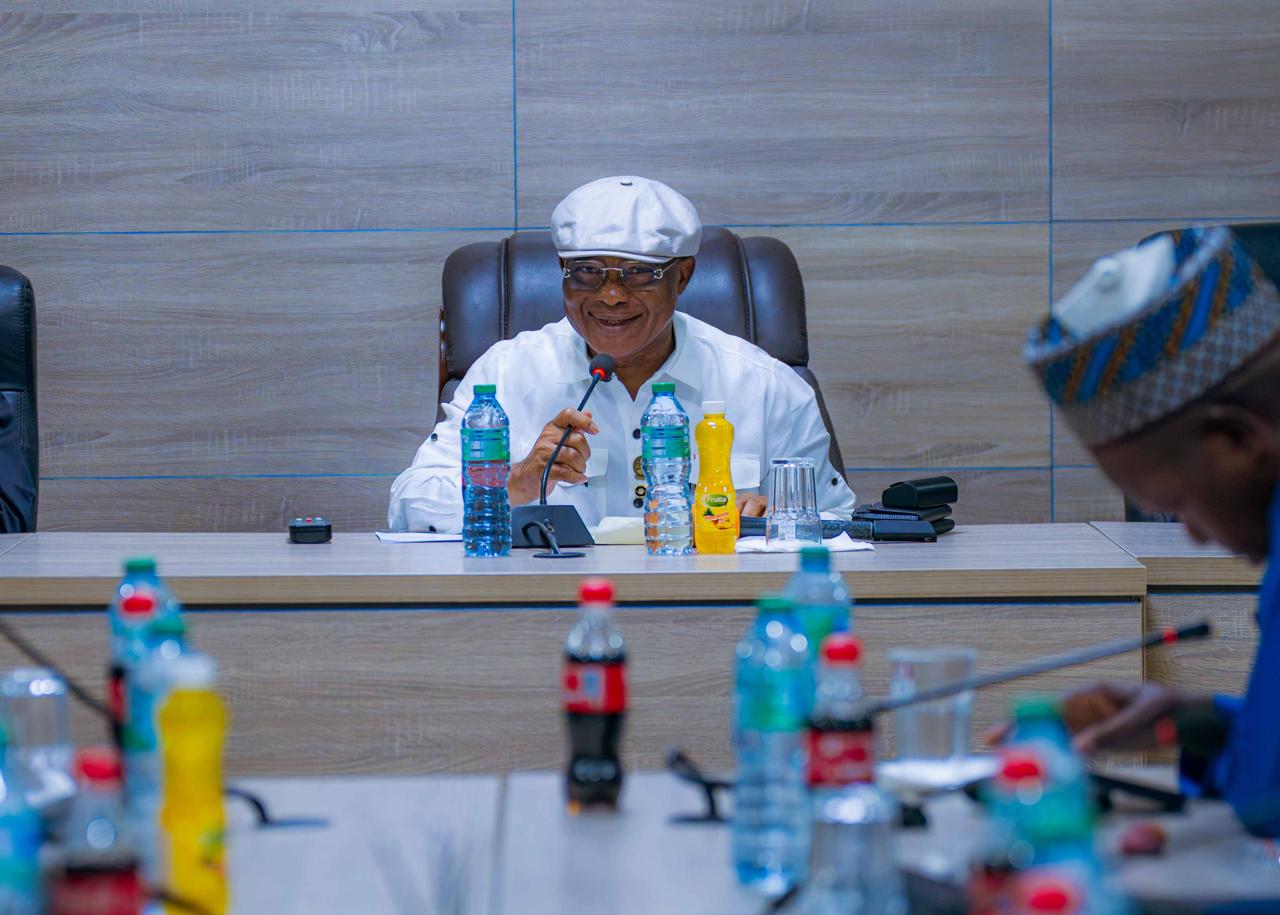
*Renewed Hope Ambassadors Step Into the Next Phase
Fresh from the successful APC 2026 National Convention, the Renewed Hope Ambassadors National, Zonal, and State leadership gathered in Abuja over the weekend, for its fourth strategic meeting, setting the tone for nationwide grassroots activation ahead of 2027.
Chaired by Governor Hope Uzodinma (Imo State) the Director General and National Coordinator of the Renewed Hope Ambassadors, alongside Deputy Director-General, Governor Uba Sani of Kaduna State, and Governor Inuwa Yahaya of Gombe State as Secretary, the session reinforced one clear direction: One Party. One Message. One Mobilization whilst also laying out a strategic roadmap for the activation of the network across all communities in Nigeria.
Backed by the strength of 31 APC-led states, the Renewed Hope Agenda is taking Bola Ahmed Tinubu’s message of progress and reform to every corner of Nigeria.
From bold economic restructuring to initiatives like NELFUND, the increase in the national minimum wage from ₦30,000 to ₦70,000, and strategic investments in critical sectors, including PNiCGI, the mission remains clear: helping Nigerians understand both the purpose and the progress of the Renewed Hope vision.
This is coordination at scale. This is grassroots engagement with purpose. This is the next phase of Renewed Hope with One Party, One Message, and One Mobilisation framework
#RenewedHopeAmbassadors #APC #WeAreAPC


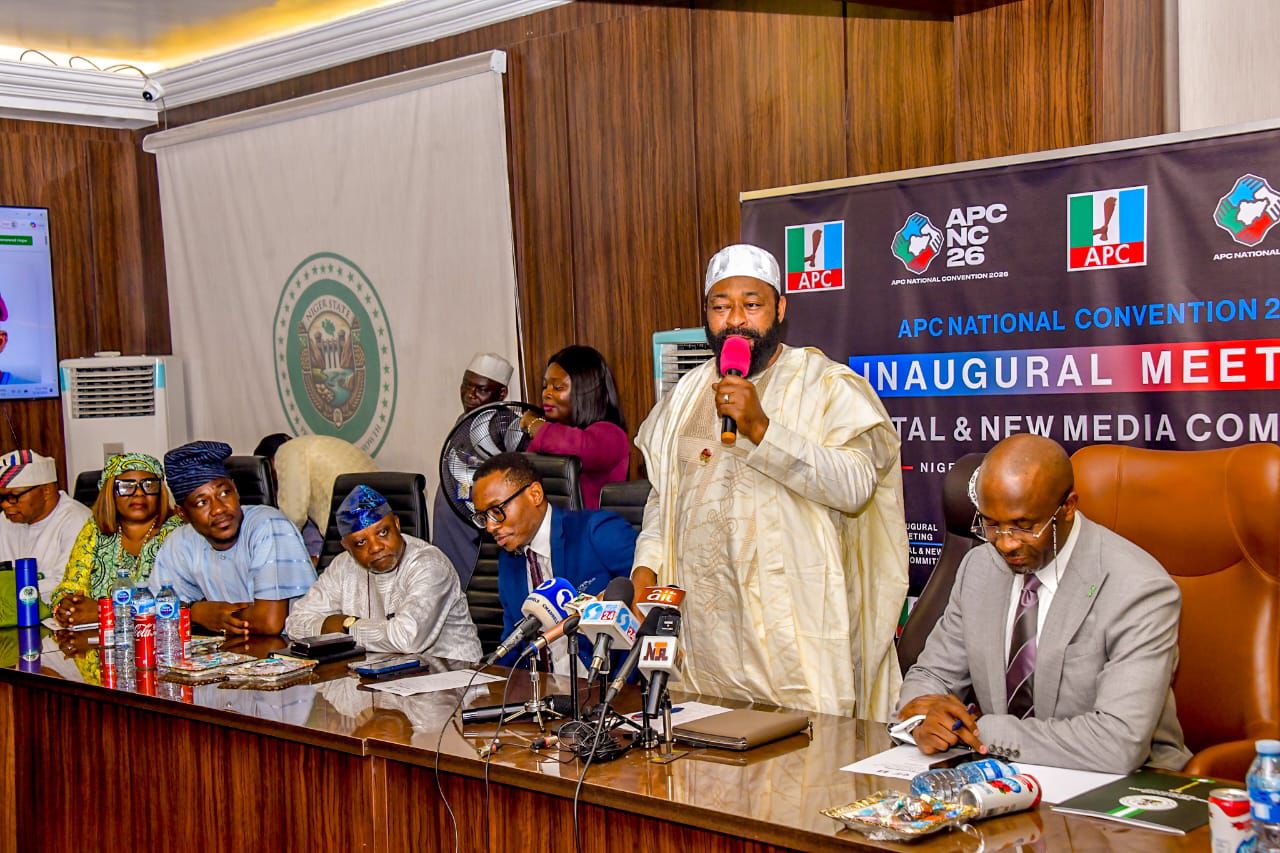
Governor Bago Inaugurates APC Digital Media Sub-Committee Ahead of National Convention.
Governor Umaru Bago has inaugurated the Digital Media Sub-Committee for the forthcoming National Convention of the All Progressives Congress (APC), scheduled to hold on March 27 and 28, 2026 in Abuja.
Chairing the sub-committee, Governor Bago tasked members with the responsibility of effectively communicating the party’s manifesto to the public.
He emphasized the need to leverage social media platforms to highlight the achievements and ongoing efforts of President Bola Ahmed Tinubu, noting that communication gaps have posed challenges that must now be decisively addressed.
The Co-Chair of the sub-committee, Hon. Benjamin Kalu, Deputy Speaker of the House of Representatives, echoed the Governor’s position, urging members to project the activities of both the party and the government to a broader audience.
He called for a deliberate and coordinated effort to showcase the party’s achievements and policy direction, stressing the importance of shaping a compelling and consistent narrative across all digital platforms.
Delivering a presentation to the committee, Otega Ogra, SSA to the President on New Media, who serves as Secretary of the sub-committee, outlined strategic focus areas to guide the team’s operations.
His presentation highlighted communication priorities and actionable steps to achieve the committee’s mandate and strengthen the party’s digital engagement.


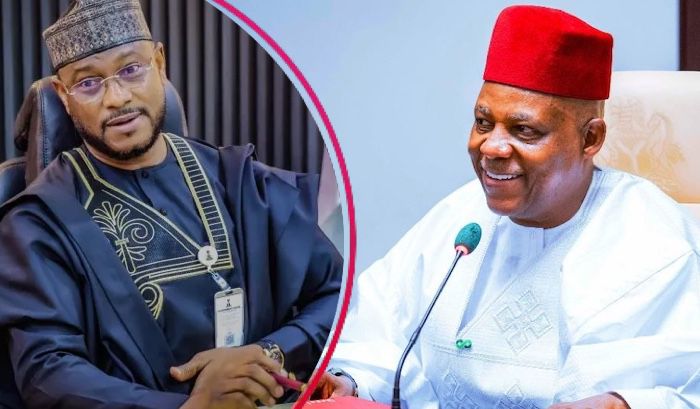
VP Shettima Set to Lead Delegation to Zamfara as Governor Dauda Lawal Formally Joins APC
The Zamfara State chapter of the All Progressives Congress (APC) has finalized plans to receive Vice President Kashim Shettima for the formal defection and reception of Governor Dauda Lawal into the ruling party, scheduled to take place on Tuesday.
State APC Chairman, Tukur Danfulani Maikatako, disclosed this during a high-level stakeholders’ meeting held in Gusau, the state capital. He noted that the Vice President would be joined by the party’s national leadership to mark what he described as a landmark political realignment in the state.
Maikatako expressed the party’s excitement over Governor Lawal’s return, recalling that Zamfara had historically been an APC stronghold and that the Governor was previously a bona fide member of the party before his earlier exit.
“We all know that Zamfara has long been one of the APC’s stronghold states, where the defected Governor was once a bona fide member. Now that he has decided to return home, having been satisfied that the APC remains his second choice after the one he left for obvious reasons,” Maikatako stated.
The Chairman called on all party faithful across the 147 wards in the state’s 14 local government areas to turn out en masse to honour the Vice President’s visit. He emphasized that the event was strategically positioned to bolster the party’s popularity and strengthen its structures ahead of the 2027 general elections.
In a strong appeal for unity, Maikatako urged members to set aside all factional tendencies, stressing that the APC remained one political family with shared goals, particularly the ambition to make Zamfara and Nigeria great again.
Echoing similar sentiments, a former state APC Chairman, Lawal M. Liman, appealed to members to cascade the message to their wards and local government areas. He reinforced the need for cohesion, noting that the party’s collective strength would be critical to achieving success in future elections.

All eyes are now on Gusau as the ruling party prepares for a high-profile political gathering expected to further consolidate its influence in Zamfara State.


-

 society6 months ago
Religion: Africa’s Oldest Weapon of Enslavement and the Forgotten Truth
-

 news4 months ago
WHO REALLY OWNS MONIEPOINT? The $290 Million Deal That Sold Nigeria’s Top Fintech to Foreign Interests
-

 society6 months ago
“You Are Never Without Help” – Pastor Gebhardt Berndt Inspires Hope Through Empower Church (Video)
-

 celebrity radar - gossips2 months ago
Dr. Chris Okafor Returns with Power and Fire of the Spirit -Mounts Grace Nation Altar with Fresh Anointing and Restoration Grace on February 1, 2026