Connect with us

Business

Court orders forfeiture of 58 houses linked to a former Minister of Petroleum Resources, Mrs. Diezani Alison-Madueke

Published

on


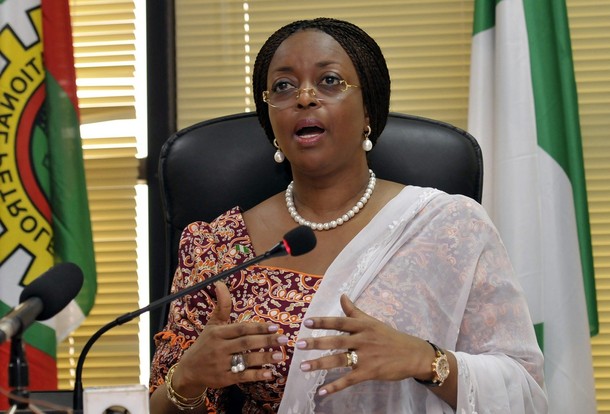
The Federal High Court in Lagos on Tuesday ordered the temporary forfeiture of 58 houses linked to a former Minister of Petroleum Resources, Mrs. Diezani Alison-Madueke.

The houses, located in Abuja, Lagos and Port Harcourt, were said to have been acquired by the ex-minister between 2011 and 2013 using front companies.

The Economic and Financial Crimes Commission claimed that Diezani paid $21,982,224 for the properties, adding that it believed that the funds were proceeds of crime.

The anti-graft agency listed the properties to include 29 terraced houses comprising eight four-bedroomed penthouse apartments, six three-bedroomed apartments, two three-bedroomed maisonettes, two twin-bedroomed apartments and one four-bedroomed apartment.

The houses, located at No. 7, Thurnbull Street and 5, Raymond Street, Yaba, were allegedly bought by Diezani for the United States dollar equivalent of N937m through Chapel Properties Ltd.

Other seized houses are 16 four-bedroomed terraced houses in Heritage Court Estate, Plot 2C, Omerelu Street, Diobu, Government Residential Area (GRA) Phase 1 Extension, Port Harcourt, Rivers State, purchased for N928m through Blue Nile Estate Ltd.

The properties also include 13 three-bedroomed terraced houses with one-room maid’s quarters ensuite for N650m through Azinga Meadows Ltd.

In an ex parte application brought before Justice Abdulaziz Anka on Tuesday by its counsel, Mr. Anselem Ozioko, the EFCC urged the judge to order the temporary forfeiture of the properties to the Federal Government.

The judge granted the temporary forfeiture order and directed that a firm should be appointed to manage the properties.

He also ordered the EFCC to publish the interim forfeiture order in a national newspaper and adjourned till September 8, 2017 for any party interested in the properties to appear before the court to state why the temporary forfeiture order should not be made permanent.

Listed as first to sixth respondents in the suit are Diezani, Donald Amamgbo, and four firms – Chapel Properties Limited; Blue Nile Estate Limited; Azinga Meadows Limited; and Vistapoint Property Development Limited.

Ozioko told the court that Diezani used the companies as fronts for the acquisition of the properties, adding that the anti-graft agency had discovered 14 other firms incorporated for the ex-minister for the purpose of holding the titles to those properties.

Diezani, he added, purchased the properties from the proceeds of suspected unlawful activity during her tenure as minister.

In an affidavit filed in support of the ex parte application, an EFCC investigator, Mr. Sombori Mayana, said the EFCC got winds of the properties in 2016 following the execution of a search warrant on the office and premises of Amamgbo, said to be Diezani’s acquaintance.

The investigator averred, “Among the documents recovered from the office of Mr. Donald Chidi Amamgbo was an undated report that contained a list of 18 companies and several properties located in the United Kingdom, Nigeria and the United States of America.

“During the course of his interview, Mr. Donald Amamgbo told us that he registered the 18 companies to assist Mrs. Diezani Alison Madueke in holding titles of the properties.”

Mayana averred that a principal manager and Head, Business Development of FBN Mortgages Ltd., Mrs. Bolanle Onotu, confirmed that the properties were sold by her organisation to Diezani’s alleged four proxy firms for N937m, N928m and N650m and received payment through First Bank account numbers 2004483850 and 2008133531 between September 23, 2011 and June 16, 2015.

“First Bank of Nigeria Plc stated that the source of the money was Mrs. Diezani Alison Madueke and that the bank picked up United States’ dollars from her house at 10, Frederick Chiluba Close off Jose Marti Street, Asokoro, Abuja,” Mayana added.

He said a total of $16,041,906 was picked up by the bank at Diezani’s house between September 29, 2011 and April 4, 2013 and converted to naira.

According to Mayana, another firm, Adebern Parks Nigeria Ltd. received N802,500,000 in its Zenith Bank account from an Ecobank account for the purchase of some of the properties.

One Mr. Adeyemi Edun “received the sum of N840,000,000 from Skye Bank Plc which on his instructions transferred the sum of N805,000,000 to his Eco Bank account from where he paid Adebern Parks for the property.”


Continue Reading
Advertisement
Click to comment

You must be logged in to post a comment Login

Leave a Reply

Business

Recapitalisation Without Transformation is a Risk Nigeria Cannot Afford

Published

on

Recapitalisation Without Transformation is a Risk Nigeria Cannot Afford

BY BLAISE UDUNZE


In barely two weeks, Nigeria’s banking sector will once again be at a historic turning point. As the deadline for the latest recapitalisation exercise approaches on March 31, 2026, with no fewer than 31 banks having met the new capital rule, leaving out two that are reportedly awaiting verification. As exercise progresses and draws to an end, policymakers are optimistic that stronger banks will anchor financial stability and support the country’s ambition of building a $1 trillion economy.


https://www.stanbicibtcbank.com/nigeriabank/personal/products-and-services/all-loans/stanbic-ibtc-mreif-home-loans


The reform, driven by the Central Bank of Nigeria (CBN) under Governor Olayemi Cardoso, requires banks to significantly raise their capital thresholds, which are set at N500 billion for international banks, N200 billion for national banks, and N50 billion for regional lenders. According to the apex bank, 33 banks have already tapped the capital market through rights issues and public offerings; collectively, the total verified and approved capital raised by the banks amounts to N4.05 trillion.


No doubt, at first glance, the strategy definitely appears straightforward with the idea that bigger capital means stronger banks, and stronger banks should finance economic growth. But history offers a cautionary reminder that capital alone does not guarantee resilience, as it would be recalled that Nigeria has travelled this road before.


During the 2004-2005 consolidation led by former CBN Governor Charles Soludo, the number of banks in the country shrank dramatically from 89 to 25. The reform created larger institutions that were celebrated as national champions. The truth is that Nigeria has been here before because, despite all said and done, barely five years later, the banking system plunged into crisis, forcing regulatory intervention, bailouts, and the creation of the Asset Management Corporation of Nigeria (AMCON) to absorb toxic assets.


The lesson from that experience is simple in the sense that recapitalisation without structural reform only postpones deeper problems.


Today, as banks race to meet the new capital thresholds, the real question is not how much capital has been raised but whether the reform will transform the fundamentals of Nigerian banking. The underlying fact is that if the exercise merely inflates balance sheets without addressing deeper vulnerabilities, Nigeria risks repeating a familiar cycle of apparent stability followed by systemic stress, as the resultant effect will be distressed banks less capable of bringing the economy out of the woods.


The real measure of success is far simpler. That is to say, stronger banks must stimulate economic productivity, stabilise the financial system, and expand access to credit for businesses and households. Anything less will amount to a missed opportunity.


One of the most critical issues surrounding the recapitalisation drive is the quality of the capital being raised.


Nigeria’s banking sector has reportedly secured more than N4.5 trillion in new capital commitments across different categories of banks. No doubt, on paper, these numbers may appear impressive. Going by the trends of events in Nigeria’s economy, numbers alone can be deceptive.


Past recapitalisation cycles revealed troubling practices, whereby funds raised through related-party transactions, borrowed money disguised as equity, or complex financial arrangements that recycled risks back into the banking system. If such practices resurface, recapitalisation becomes little more than an accounting exercise.


To avert a repeat of failure, the CBN must therefore ensure that every naira raised represents genuine, loss-absorbing capital. Transparency around capital sources, ownership structures, and funding arrangements must be non-negotiable. Without credible capital, balance sheet strength becomes an illusion that will make every recapitalization exercise futile.


In financial systems, credibility is itself a form of capital. If there is one recurring factor behind banking crises in Nigeria, it is corporate governance failure.


Many past collapses were not triggered by global shocks but by insider lending, weak board oversight, excessive executive power, and poor risk culture. Recapitalisation provides regulators with a rare opportunity to reset governance standards across the industry.


Boards must be independent not only in structure but also in substance. Risk committees must be empowered to challenge executive decisions. Insider lending rules must be enforced without compromise because, over the years, they have proven to be an anathema against the stability of the financial sector. The stakes are high.


When governance fails, fresh capital can quickly become fresh fuel for old excesses. Without governance reform, recapitalisation risks reinforcing the very weaknesses it seeks to eliminate.


Another structural vulnerability lies in Nigeria’s increasing amount of non-performing loans (NPLs), which recently caused the CBN to raise concerns, as Nigeria experiences a rise in bad loans threatening banking stability.


Industry data suggests that the banking sector’s NPL ratio has climbed above the prudential benchmark of 5 percent, reaching roughly 7 percent in recent assessments. Many of these troubled loans are concentrated in sectors such as oil and gas, power, and government-linked infrastructure projects, alongside other factors such as FX instability, high interest rates, and the withdrawal of Covid-era forbearance, which threaten bank stability.


While regulatory forbearance has helped maintain short-term stability, it has also obscured deeper asset-quality concerns. A credible recapitalisation process must confront this reality directly.


Loan classification standards must reflect economic truth rather than regulatory convenience. Banks should not carry impaired assets indefinitely while presenting healthy balance sheets to investors and depositors.


Transparency about asset quality strengthens trust. Concealment destroys it. Few forces have disrupted Nigerian bank balance sheets in recent years as severely as exchange-rate volatility.


Many banks still operate with significant foreign exchange mismatches, borrowing short-term in foreign currencies while lending long-term to clients earning revenues in naira. When the naira depreciates sharply, these mismatches can erode capital faster than any credit loss.


Recapitalisation must therefore be accompanied by stricter supervision of foreign exchange exposure, as this part calls for the regulator to heighten its supervision. Banks should be required to disclose currency risks more transparently and undergo rigorous stress testing at intervals that assume adverse currency scenarios rather than best-case outcomes. In a structurally import-dependent economy, ignoring FX risk is no longer an option.


Nigeria’s banking system has long been characterised by excessive concentration in a few sectors and corporate clients, which calls for adequate monitoring and the need to be addressed quickly for the recapitalization drive to yield maximum results.


Growth in most advanced economies comes from the small and medium-sized enterprises that are well-funded. Anything short of this undermines it, since the concentration of huge loans to large oil and gas companies, government-related entities, and major conglomerates absorbs a disproportionate share of bank lending. This has continued to pose a major threat to the system, as the case is with small and medium-sized enterprises, the backbone of job creation, which remain chronically underfinanced. This imbalance weakens the economy.


Recapitalisation should therefore be tied to policies that encourage credit diversification and risk-sharing mechanisms that allow banks to lend more confidently to productive sectors such as agriculture, manufacturing, and technology rather than investing their funds into the government’s securities. Bigger banks that remain narrowly exposed do not strengthen the economy. They amplify its fragilities.


Nigeria’s macroeconomic conditions, which are its broad economic settings, are defined by frequent and sometimes sharp changes or instability rather than stability.


Inflation shocks, interest-rate swings, fiscal pressures, and currency adjustments are not rare disruptions; but they have now become a normal part of the economic environment. Despite all these adverse factors, many banks still operate risk models that assume relative stability. Perhaps unbeknownst to the stakeholders, this disconnect is dangerous.


Owing to possible shocks, and when banks increase their capital (recapitalization), it is required that banks adopt more sophisticated risk-management frameworks capable of withstanding severe economic scenarios, with the expectation that stronger banks should also have stronger systems to manage risks and survive economic crises. In Nigeria today, every financial institution’s stress testing must be performed in the face of the economy facing severe shocks like currency depreciation, sovereign debt pressures, and sudden interest-rate spikes.


Risk management should evolve from a compliance obligation into a strategic discipline embedded in every lending decision.


Public confidence in the banking system depends heavily on credible financial reporting.


Investors, analysts, and depositors need to be able to understand banks’ true financial positions without navigating non-transparent disclosures or creative accounting practices, which means the industry must be liberated to an extent that gives room for access to information.


Recapitalisation provides an opportunity to strengthen the enforcement of international financial reporting standards, enhance audit quality, and require clearer disclosure of capital adequacy, asset quality, and related-party transactions. Transparency should not be feared. It is the foundation of trust.


One thing that must be corrected is that while recapitalisation often focuses on financial metrics, the banking sector ultimately runs on human capital.


Another fearful aspect of this exercise for the economy is that consolidation and mergers triggered by the reform could lead to workforce disruptions if not carefully managed. Job losses, casualisation, and declining staff morale can weaken institutional culture and productivity. Strong banks are built by strong people.


If recapitalisation strengthens balance sheets while destabilising the workforce that powers the system, the reform risks undermining its own economic objectives. Human capital stability must therefore form part of the broader reform strategy.


Doubtless, another emerging shift in Nigeria’s financial landscape is the rise of digital financial platforms that are increasingly changing how people access and use money in Nigeria.


Millions of Nigerians are increasingly relying on fintech platforms for payments, microloans, and everyday financial transactions. One of the advantages it offers, is that these services often deliver faster and more user-friendly experiences than traditional banks. While innovation is welcome, it raises important questions about the future structure of financial intermediation.


The point here is that the moment traditional banks retreat from retail banking while fintech platforms dominate customer interactions, systemic liquidity and regulatory oversight could become fragmented.


The CBN must see to it that the recapitalised banks must therefore invest aggressively in digital infrastructure, cybersecurity, and customer experience, while cutting down costs on all less critical areas in the industry.


Nigerians should feel the benefits of recapitalisation not only in stronger balance sheets but also in faster apps, reliable payment systems, and responsive customer service.


As banks grow larger through recapitalisation and consolidation, a new challenge emerges via systemic concentration.


Nigeria’s largest banks already control a significant share of industry assets. Further consolidation could deepen the divide between dominant institutions and smaller players. This creates the risk of “too-big-to-fail” banks whose collapse could threaten the entire financial system.


To address this risk, regulators must strengthen resolution frameworks that allow distressed banks to fail without triggering systemic panic, their collapse does not damage the whole financial system, and do not require taxpayer-funded bailouts to forestall similar mistakes that occurred with the liquidation of Heritage Bank. Market discipline depends on credible failure mechanisms.


It must be understood that Nigeria’s banking recapitalisation is not merely a financial exercise or, better still, increasing banks’ capital. It is a rare opportunity to rebuild trust, strengthen governance, and reposition the financial system as a true engine of economic development.


One fact is that if the reform focuses only on capital numbers, the country risks repeating a familiar pattern of churning out impressive balance sheets followed by another cycle of crisis.


But the actors in this exercise must ensure that the recapitalisation addresses governance failures, asset quality concerns, risk management weaknesses, and transparency gaps; and the moment this is done, the banking sector could emerge stronger and more resilient.


Nigeria does not simply need bigger banks. It needs better banks, institutions capable of financing innovation, supporting entrepreneurs, and building economic opportunity for millions of citizens.


The true capital of any banking system is not just money. It is trust. And whether this recapitalisation ultimately succeeds will depend on whether Nigerians see that trust reflected not only in financial statements but in the everyday experience of saving, borrowing, and investing in the economy. Only then will bigger banks translate into a stronger nation.


Blaise, a journalist and PR professional, writes from Lagos and can be reached via: [email protected]

Continue Reading

Business

FirstBank Makes Home Ownership Possible for Nigerians with Single-Digit Interest Rate Loan

Published

on

FirstBank Makes Home Ownership Possible for Nigerians with Single-Digit Interest Rate Loan

For millions of Nigerians, homeownership has long felt like an ambition deferred. Squeezed by rising property prices, persistent double-digit inflation and high commercial lending rates, the dream of owning a home has remained just that – a dream.

But that narrative is quietly changing. Thanks to FirstBank.

The N1 Trillion Intervention Reshaping Access

In partnership with the Ministry of Finance Incorporated Real Estate Investment Fund (MREIF), FirstBank has unveiled a mortgage opportunity that could redefine access to housing finance in Nigeria.

Backed by the Federal Government’s N1trillion mortgage fund, the initiative is designed to empower Nigerians with affordable, long-term credit to own their homes.

9.75% Interest Rate in a 30% Lending Environment

MREIF is priced at 9.75% per annum, dramatically lower than prevailing commercial loan rates. Eligible Nigerians can access up to N100 million and repay within 20 years. This translates into significantly more manageable monthly repayments and greater long-term financial stability.

Built for Salary Earners, Entrepreneurs and the Diaspora

The MREIF mortgage facility has been structured to be inclusive. It is available to salary account holders, business owners and diaspora customers. Whether you are a young professional aiming to exit the rent cycle, an entrepreneur building generational stability, or you’re a Nigerian abroad looking to secure assets locally, the product opens a pathway that has historically been out of reach for many.


Taking the First Step

For those who have been waiting for the right time, this is definitely it. The question is no longer whether homeownership is possible. The real question is: will you act before the window narrows?

Visit https://www.firstbanknigeria.com/personal/loans/mreif-home-loan/ and in no time you could be the latest homeowner in town.

Continue Reading

Bank

Alpha Morgan Bank Deepens Presence in Abuja with New Branch in Utako

Published

on

Alpha Morgan Bank Deepens Presence in Abuja with New Branch in Utako


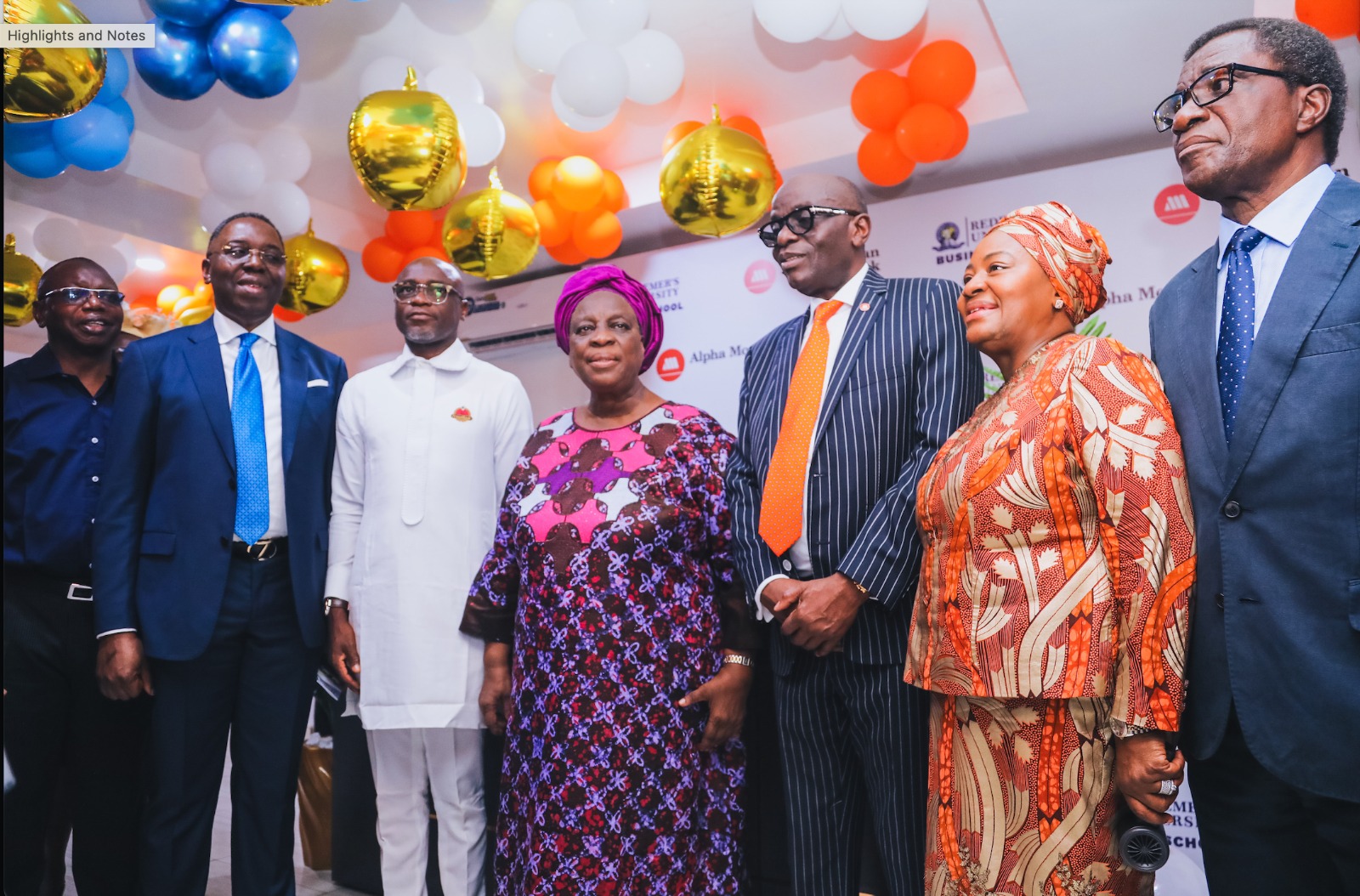
Marking another milestone in its expansion drive, Alpha Morgan Bank has opened a new branch in Utako, Abuja, reinforcing its strategy of building closer institutional ties within key business communities and bringing its financial expertise closer to individuals, and enterprises driving the city’s growth.


The new branch, located at Plot 1121 Obafemi Awolowo Way, Utako, Abuja is strategically positioned to serve individuals, entrepreneurs, and corporate clients within Utako and surrounding districts.


The expansion follows the Bank’s recently concluded Economic Review Webinar held in February 2026, as the bank continues to position as a thought-leader in the financial services industry.


Speaking on the opening, Ade Buraimo, Managing Director of Alpha Morgan Bank, said the move underscores the Bank’s commitment to accessibility and service excellence.


“Proximity matters in banking. As communities grow and commercial activity expands, financial institutions also evolve to meet customers where they are. The Utako Branch allows us to deliver our services to people in that community efficiently while maintaining the high standards our customers expect,”


The Utako location will provide a full suite of retail and corporate banking services, including account opening, deposits, transfers, business banking solutions, and financial advisory support.


Customers and members of the public are invited to visit the new Utako Branch to experience the Bank’s approach to satisfying banking.

Continue Reading

Cover Of The Week

Trending