
society
Dapo Abiodun docks another legacy project as Gateway Inland Dry Seaport berths in Ogun By TUNDE OLADUNJOYE

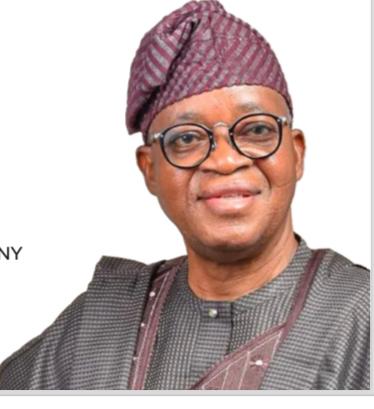
Dapo Abiodun docks another legacy project as Gateway Inland Dry Seaport berths in Ogun
By TUNDE OLADUNJOYE
In his stead of foresighted execution of life impacting legacy projects in Ogun State, the state Governor , Prince Dapo Abiodun will on Friday host the Minister of Marine and Blue Economy, Oyetola who will perform the around breaking ceremony of the Gateway Inland Dry Port, at Itori, Ewekoro Local Government.
Coming, on the heels of the Gateway Agro Cargo Airport situated at Ilisan-Iperu, and the Olokola Deep Sea Port to be soon inaugurated, the new Gateway Inland Dey Port, another first of its kind in the history of the gateway state, Dapo Abiodun comes across not only as a silent achiever, but also as a leader with futuristic outlook, who thinks about positively impacting the present and future generations of the state in all ramifications.

After the inauguration note Lagos/Ogun Joint Development Commission, the hardworking Ogun helmsman, has been walking his talk, capitalising on the potentials of the of Ogun State to Lagos State, the financial and commercial centre of Nigeria.
The Dapo Abiodun Administration has meticulously initiated and assiduously promoted business friendly industrial, and socio economic policies and enhanced the ease of doing business, coupled with the institutional framework such as the Office of Public Private Partnership, Business Roundtable with Private Sector, Ogun State Agency for Business Promotion and Facilitation, are invigorated Ogun Inland Revenue Service and the digitalized Bureau of Lands and other agencies of the government; has served to attract several global concerns and businesses to the State.
The activities of the supportive agencies have culminated into millions of dollars flowing into Nigeria through the gateway state. According to the National Bureau of Statistics (NBS), in its recent report on foreign investment inflows, only six states and the federal capital territory out of the thirty seven states were able to attract foreign direct investment between 2023 and 2024. Ogun state is one of the six states and it attracted, just within a year, a whopping sum of about N41 billion ($25 million).
In response to the agricultural programme of the government leading to processing zone in partnership with the Africa Development Bank, numerous medium scale industry, especially those associated with the agricultural production and processing sector are also being established in large numbers.
The geographical location of the Ogun State as a veritable link to the north and eastern regions of the country and same to the West Africa sub-region, earning it the appellation of the “gateway state” has placed Ogun State on a critical economic pedestal that it cannot be ignored. Also scale of ongoing industrial activities in the state and its advantageous accessibility has seen the citing of the first African Quality Assurance Centre in Ogun State.
Not a few people wondered when in February 2020, the governor created the Ministry of Transportation, for the first time in the history of Ogun State. Some cynics felt, though erroneously, that it was a waste of funds. Not deterred, Governor Abiodun, a goal-getter, known for tenacity of purpose, went ahead to persuade an ogun indigene making exploits abroad back home to head the new ministry. Engineer Olugbenga Dairo, a Nairobi based Transportation Consultant to the European Union, working with the Kenyan Government, was appointed as the first ever Commissioner for Transportation in Ogun State. The state is no doubt, the better for it; with series of policies and projects, including the new Deep Sea Port, under the leadership of Prince Dapo Abiodun.
The Ogun State Strategic Multi Modal Transport Master Plan therefore, identifies the need for effective logistics and transport infrastructure and services across the state, recognizing that shipping services and movement of goods play an important role in global trade and commerce, the Gateway Inland Dry Port (GIDP) and other strategic transportation infrastructure across the provide the needed synergy for rapid economic growth, employment generation and prosperity.
The GIDP is to be situated in a new/planned development area to be known as ‘Dry Port City’ (DPC), will include mixed developments of residences, logistics infrastructure, complimentary commercial and industrial developments and new multi-modal transportation infrastructure.
The GIDP and Dry Port City (DPC) are key to sustaining Ogun State’s rapid industrial growth, addressing increased urbanization as well as supporting national efforts to ease the congestion at Apapa/Tin Can ports, notorious for traffic bottle necks; and reducing the waiting time for cargo handling and storage experienced by industry.
The GIDP and DPC are strategically positioned at the intersection of the Lagos to Ibadan Standard Gauge Railway and the proposed East-West Railway Corridor connecting Lagos to the east via Kajola. The site of the GIDP and DPC is also connected to the national highway network being accessible via the Lagos – Abeokuta Highway and the Sagamu to Benin and Sagamu to Lagos Highways via the Papalanto to Sagamu Interchange Road.
The GIDP and DPC development has adopted the state Public-Private Partnership policy as basis for its delivery, operations, maintenance and management.
The design of the GIDP is spread over an area of 499 Ha for Phase 1 and 100 Ha for a subsequent phase. The site will be composed of the following essential land uses: Railway Siding Area, Container Freight Station and Container Depot Area, Warehouses and Bonded Warehouses, Mineral Yard, Truck Parking, Specialized Industrial Zone, Supporting Facilities and Utilities, Internal Road Network, Green Areas.
The achievements of the Dapo Abiodun Administration are no doubt source of envy to his opponents and the actualization of yet another legacy project, adds to the pains of the nay-sayers.However, regardless of tantrums from critics, Dapo Abiodun may stridently be on the way of breaking the jinx of non-performance by second term governors.




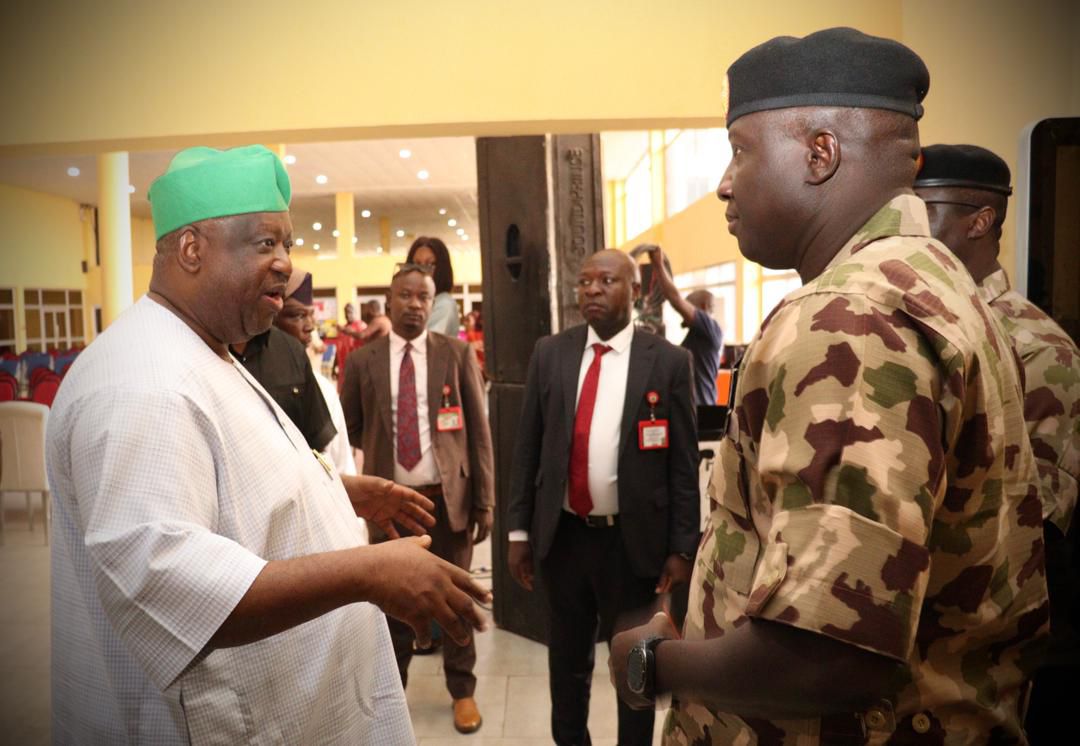
COAS Launches Nationwide Security Renewal Mission in Plateau
The Chief of Army Staff, Lieutenant General Waidi Shaibu, on Thursday led a high-level delegation of security chiefs to Plateau State, flagging off a nationwide security renewal mission aimed at strengthening civil-military cooperation and restoring lasting peace across the country.
The visit to Jos, the Plateau State capital, marks the first phase of a coordinated national effort to address persistent security challenges through joint operations, community engagement, and proactive intelligence gathering.

Governor Caleb Muftwang received the delegation, describing the initiative as a critical step toward stabilizing affected communities and reinforcing public confidence in security institutions.
Civil-Military Synergy Takes Centre Stage
At the heart of the mission is a renewed emphasis on collaboration between the military, civil authorities, and local communities. Speaking during the visit, Lt. Gen. Shaibu stressed that national security must be treated as a collective responsibility.
He urged citizens to support security agencies by remaining vigilant, sharing credible information, and complying with lawful directives, noting that effective security cannot be achieved in isolation.
Community Engagement as Confidence-Building Tool
In a departure from purely operational engagements, the Army Chief held direct consultations with community leaders and residents in Jos, reinforcing the importance of trust and dialogue in conflict resolution.
Lawmakers, including Dachung Bagos and Ladi Dangyok, commended the initiative, stating that visible engagement by top military leadership helps rebuild confidence among citizens and fosters cooperation.

Proactive Security Operations Underway
Operational updates were provided by Major General Folusho Oyinlola, who disclosed that troops under Operation Enduring Peace have intensified surveillance, intelligence-led patrols, and coordinated actions with other security agencies.
According to the Army, the approach is designed to prevent escalation of threats, safeguard lives and property, and stabilize vulnerable communities before crises emerge.
A Shift Toward Sustainable Peace
Military authorities emphasized that the Plateau visit is part of a broader, long-term strategy to transition from reactive responses to sustainable peacebuilding nationwide. The framework includes strengthening local resilience, ensuring justice, and maintaining continuous engagement with stakeholders.
Analysts view the initiative as a significant policy shift, reflecting a more inclusive security architecture that integrates community participation with military operations.
Call for National Unity
The Army leadership concluded with an appeal to Nigerians to reject divisive narratives and support ongoing efforts to promote unity and peace.
“The success of this mission depends not only on the armed forces but on the cooperation of every citizen,” the COAS stated.
The nationwide security renewal campaign is expected to extend to other regions in the coming weeks as authorities seek to consolidate gains and build a safer, more unified Nigeria.


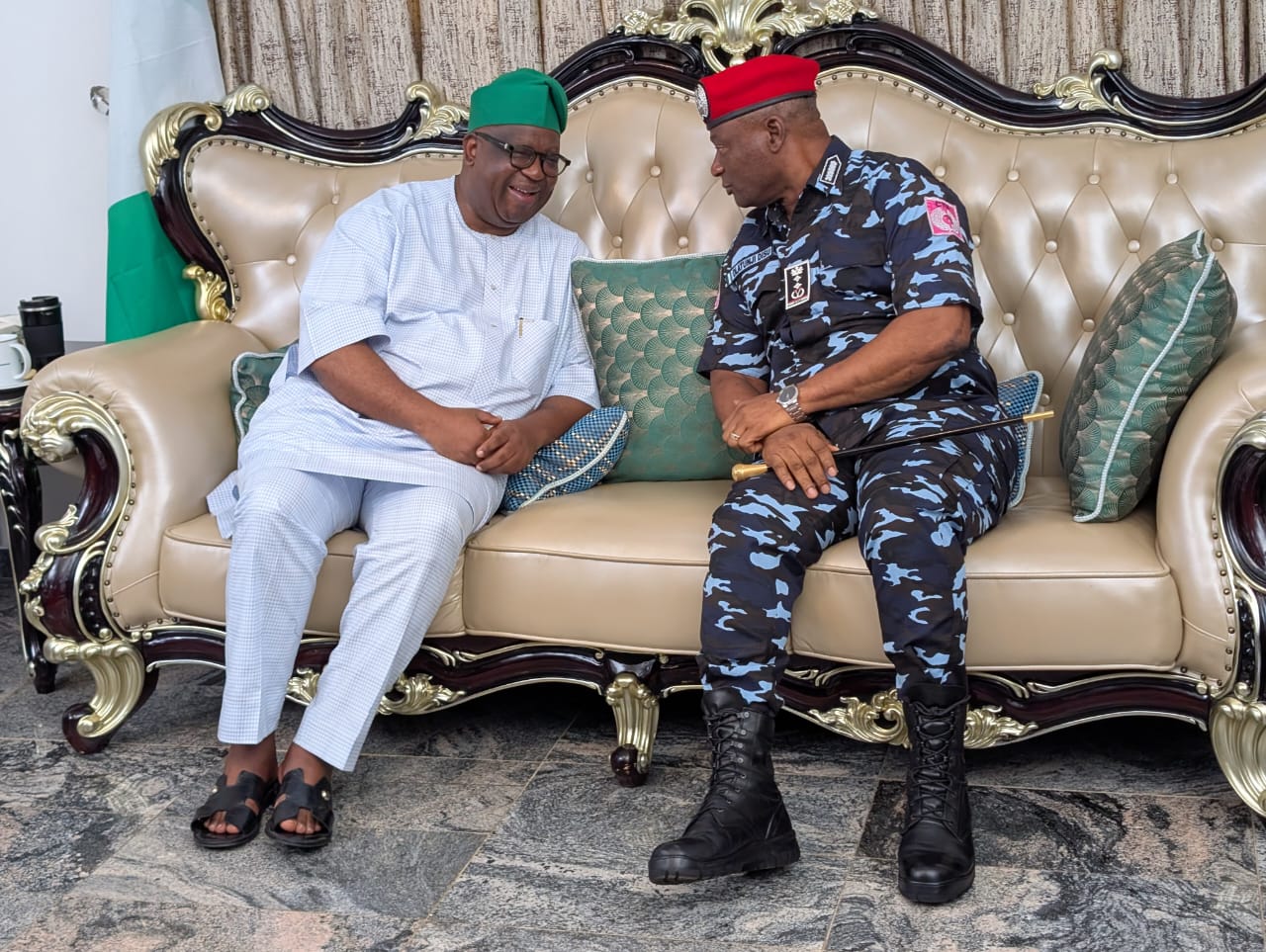
IGP Disu Visits Plateau, Orders Tactical Deployment To Reinforce Security
The Inspector General of Police, Olatunji Disu, on Thursday paid a working visit to Plateau State following recent unrest, holding strategic talks with Governor Caleb Muftwang on measures to strengthen security and prevent further disturbances.
As part of immediate steps to stabilise the situation, the police chief authorised the deployment of specialised tactical units to support officers already on ground across affected areas.
Governor Muftwang commended the swift intervention of the police leadership, praising the dedication and professionalism of security personnel working to restore calm. He also acknowledged the efforts of mobile police officers and lauded the leadership of the state’s Commissioner of Police, Bassey Ewah.
Both the Nigeria Police Force and the Plateau State Government reaffirmed their commitment to safeguarding lives and property, stressing that enhanced collaboration remains key to restoring lasting peace in Plateau State, popularly known as the Home of Peace and Tourism.


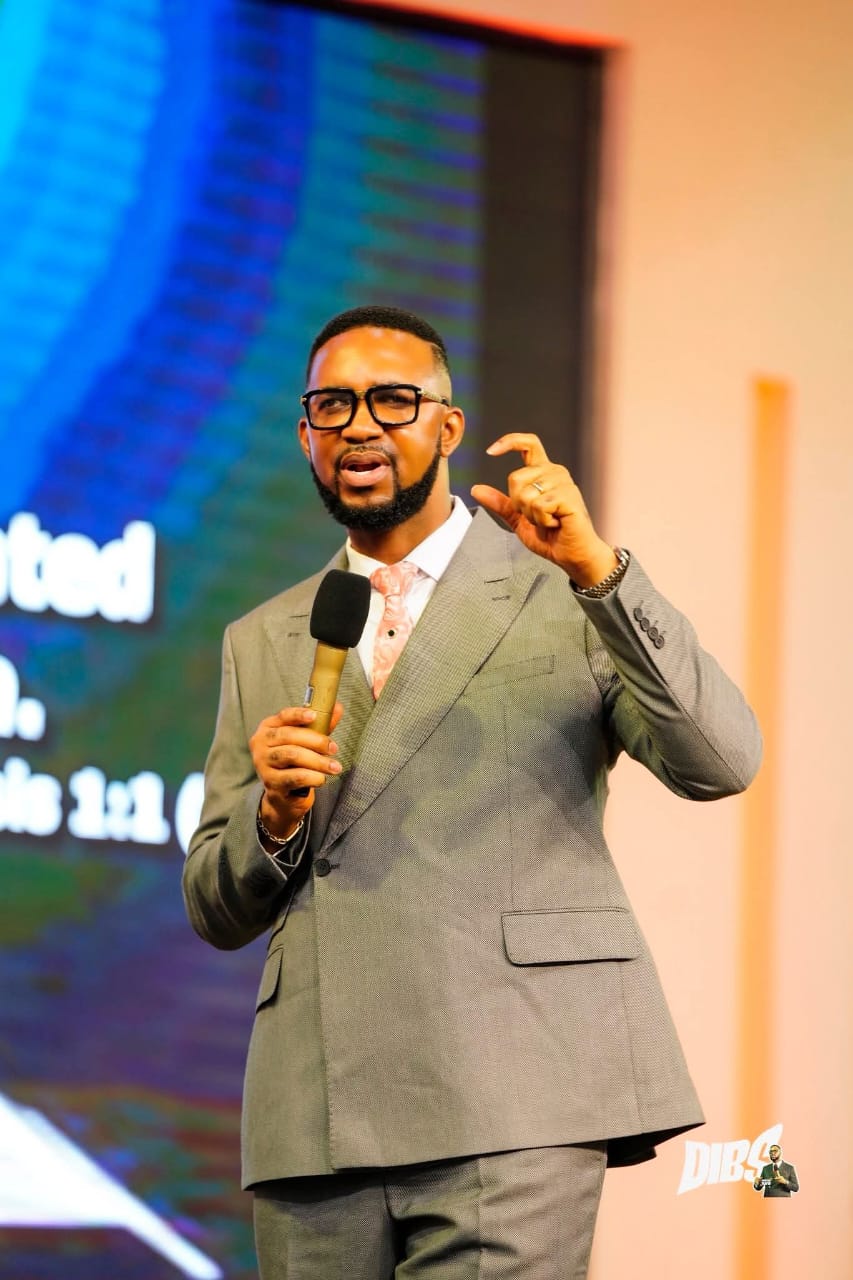
Grace Nation Worldwide: A Living Reality – Dr. Chris Okafor
……“Miracles, Healing, and Deliverance Overflow at Grace Nation Services”
The Grace Nation midweek Prophetic Healing, Deliverance, and Solutions (PHDS) Service on 2nd April 2026 at the international headquarters in Ojodu Berger, Lagos, was a spectacular display of God’s power, marked by miracles, healing, and deliverance.
The God of Grace Nation continues to demonstrate His authority, breaking strongholds, healing the sick, restoring lost glory, and providing solutions to every problem presented at His altar.
Testimonies of God’s Power
One woman, previously diagnosed with a terminal condition and slated for a ₦4.5 million surgery due to inability to excrete, was prayed for by the Generational Prophet, Christopher Okafor, just a week after visiting the church. Declaring healing within 24 hours, she returned to testify to God’s miraculous intervention.
Another pregnant woman, whose baby was bridged and at risk, was located and prayed for. She returned to service with confirmation that her child is now well-positioned for delivery. Similarly, a woman booked for a C-section due to an overdue and poorly positioned pregnancy testified during the service that her baby is now properly positioned, ready for birth.
These testimonies underscore the truth: what God cannot do does not exist. Grace Nation has entered a new level of spiritual authority, and with faith, believers are witnessing the impossible become reality.
God Works by Principle, Not Gossip
In his sermon, Dr. Okafor emphasized that God does not operate on superstition, gossip, or social media pressures. His work is grounded in His Word, and it is through adherence to His principles that Grace Nation continues to flourish.
The Generational Prophet stressed that to enjoy divine blessings and fruitfulness, believers must remain connected to God’s Word, faithfully serve Him, and ignore distractions or side-talks. Focused commitment to God’s service guarantees alignment with His miraculous power.
Join the Movement
Grace Nation Worldwide is open for all who desire a life transformed by divine intervention. Weekly services include:
Sunday Service: 7:00 AM
Grace Nation Island Service (Ogombo): Wednesday, 5:00 PM
Midweek PHDS Service: Thursday, 7:00 AM
Attending these services under the ministry of the Generational Prophet ensures encounters with God’s supernatural power, life-changing miracles, and lasting breakthroughs.
Grace Nation Worldwide is not just a church—it is a reality where faith meets the supernatural.
By Sunday Adeyemi


-

 society7 months ago
Religion: Africa’s Oldest Weapon of Enslavement and the Forgotten Truth
-

 news4 months ago
WHO REALLY OWNS MONIEPOINT? The $290 Million Deal That Sold Nigeria’s Top Fintech to Foreign Interests
-

 society6 months ago
“You Are Never Without Help” – Pastor Gebhardt Berndt Inspires Hope Through Empower Church (Video)
-

 celebrity radar - gossips2 months ago
Dr. Chris Okafor Returns with Power and Fire of the Spirit -Mounts Grace Nation Altar with Fresh Anointing and Restoration Grace on February 1, 2026