
celebrity radar - gossips
Dear Aruviere Martin Egharhevwa, BLAME Sen. OVIE OMO-AGEGE FOR HIS UNFORTUNATE ELECTION WOES IN THE JUST CONCLUDED GOVERNORSHIP ELECTION AND NOT LAURETTA ONOCHIE, CAIRO OJOUGBOH, IYKE ODIKPO, AND VICTOR OCHEI.

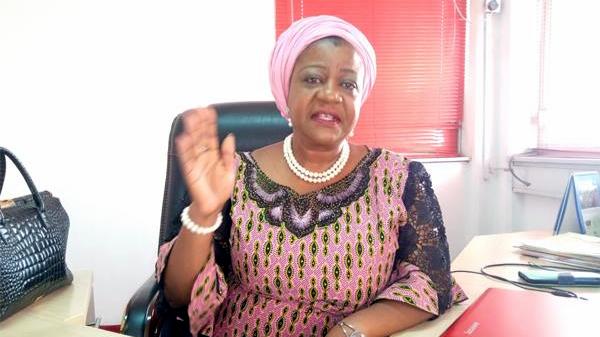
Dear Aruviere Martin Egharhevwa,
BLAME Sen. OVIE OMO-AGEGE FOR HIS UNFORTUNATE ELECTION WOES IN THE JUST CONCLUDED GOVERNORSHIP ELECTION AND NOT LAURETTA ONOCHIE, CAIRO OJOUGBOH, IYKE ODIKPO, AND VICTOR OCHEI.
Omo-Agege’s high-handedness and blatant refusal to consult and engage with relevant stakeholders within the APC, especially in Delta North to synergize with a view of fighting a united front and for the unity of purpose in pursuance of the governorship mandate, resulted in him loosing gallantly. NO ONE SHOULD BE BLAMED FOR HIS LOSS BUT HIMSELF!
By that singular act of Omo-Agege hijacking the state party structure without recourse to other stakeholders, he brought the party to her knees in the just concluded election.

Throughout history, nobody has ever become the governor of any state working alone. He who seeks to represent the Interest of the people must be in touch and in consonance with the people he seeks to represent. Sen. Ovie Omo-Agege was a lone worker in his Governorship quest forgetting the Anioma adage which says, “There’s strength in number”.
It is very laughable when I see some lazy individuals throw tantrums at Delta North APC leaders as the cause of Omo-Agege losing the election. And I ask, how?
For the records, out of sheer negligence, Omo-Agege never consulted nor engaged with Lauretta Onochie and Buhari support organizations ( BSO), Delta state, now Tinubu/Shetta Campaign Team, under the able leadership of Chief Emma Ejiofor over his governorship vision. He did not consult with APC leaders across the state. In fact, he was instrumental to running Chief Great Ogboru and many APC leaders and stakeholders out of the party.
He believed he could be the governor of Delta state without the inputs of these people including the Secretary of the party in Delta State, Nick Ovuakporie and other stalwarts in Delta North and South which he also, looked down on. His instinct failed him! Blame no one for your loss, Augustine Ovie Omo-Agege!
Omo-Agege in a bid to pocket APC Delta state, have stood severally against Lauretta Onochie’s nominations into public offices of note. He fought and sponsored protests against Onochie’s nomination as INEC Federal commissioner and subsequently stood against her normination as NDDC board Chairman by President Muhammadu Buhari. As God will have it, all his witch-hunting and fight was effort in futility. God does not sleep.
Lauretta Onochie’s emergence as the NDDC board chairman was as a result of dint of hard work, integrity, trust and capacity to deliver on the mandate in the overall interest of Niger Deltans and not for some selected few. Those who think she should have rolled out cash in support of Ovie Omo-Agege’s governorship race do so out of ignorance and a corrupt mentality. NDDC is and will not be a cash cow for greedy fellows, not under Lauretta Onochie’s watch.
As one of Omo-Agege’s hangers-on, you must have missed the fact or allowed bias to becloud your recollection that Lauretta Onochie was a lead figure in the campaign for Tinubu/Shettima presidential mandate across the nation and in Delta state. Herself, Chief Emma Ejiofor, Coordinator Tinubu/Shettima campaign group, Delta State & team, alongside Dr. Iyke Odikpo, toured around some LGA’s in Delta state for medical outreach and sensitization campaign, mobilizing support for Tinubu/Shettima mandate. They sponsored several town hall meetings and mobilized interest groups across the board for door to door mobilisations. More than anyone else in Delta state, Lauretta Onochie contributed towards Tinubu/Shettima Presidential campaign.
Omo-Agege would have first, concentrated more on mending broken bridges he destroyed intentionally, rather than building walls, before going into the elections proper.
Martin, Omo-Agege failed himself not Cairo Ojougbo, not Iyke Odikpo, not Victor Ochei and definitely not Lauretta Onochie nor any other whom accusing fingers have been pointed to.
You too, Martin, failed Omo-Agege. His brother, Jimmy told him the truth. You were busy, scheming which position you will get that you did not realize that Omo-Agege failed in the election before it kicked off.
BLAME NO ONE OTHER THAN YOURSELF AND DSP Augustine Ovie Omo-Agege.
Sincerely Yours.
Comr. Charles Njuwe
Furthermore, During d @OfficialAPCNg Presidential Primaries, DSP @OvieOmoAgege ordered d Delta delegates, which he personally handpicked to vote SP, Ahmad Lawan. And after Asiwaju Bola Tinubu @officialABAT won d ticket, he was given money to organize for the Tinubu/Shettima Campaign in Delta. state. But Agege didn’t do anything. He instead entered into an agreement with LP’s Peter Obi, so he can support him for the Presidential elections while the Obedient movement in the state would support him for d governorship.
So rather than print posters and banners with Tinubu’s pictures. they were printed with Obi’s pictures. Omo-Agege did not attend any of the Presidential Campaigns in the 36 states and Abuja. Not even the one hosted by his good friend Hope Uzodinma of Imo State.
We were told he gave money to Obi, but couldn’t even pay agents working for APC, despite. all the money given to him. The budget for the Warri Campaign was 10 times inflated. Collecting Asiwaju’s money to sponsor Obi. But because PO is selfish like him, he let him support him for the Presidential elections but later disappointed him for d governorship. He didn’t even say. a word. That was why, in Omo-Agege’s Ughelli North LGA, same APC that got only 11,196 at the Presidential election, to LP’s 22,589, scored 34,955 votes to LP’s 1 438 votes during the governorship. The bad news was that because Obi didn’t abandon him after the elections, LP in d6. didn’t get to work for him. He was so sure PO would win, so didn’t care. The APC party agents during the Presidential Elections weren’t paid any kobo even till date.
After the Presidential election, d LP governorship candidate in the state went around Warri with his supporters,7. cutting off PO’s picture from Omo-Agege’s banners. See video. The question is, why would a DSP for that matter, use the picture of another party’s candidate when his own party has a candidate? There was even a picture of him with some OBIdients with a banner at his Country home, Orogun8. See pics. Before u come here to defend him, just bring one pics of him attending any of d APC rallies apart from d one in Warri.
Today, he is hiring disgruntled elements to blackmail the Chairman of @NDDCOnline, Lauretta Onochie @Laurestar and Cairo Ojougboh,@AkinuwaAnioma9. They are now accusing them of working against d APC in the state in the Presidential and governorship elections. They said Onochie didn’t even come to Delta to campaign for Asiwaju.
Apart from the fact that Lauretta Onochie was Deputy National DG of the Tinubu/Shettima Women10. The campaign team and took part in all their activities. She was also one of the coordinators of d Buhari Support Organisation (BSO) Delta State. An organization she is also one of the financiers over d years. On the 25 January, a meeting that included all 25 LGA’s coordinators was 11. held at the Secretariat Asaba, where it was agreed that d BSO shall prosecute the 2023 elections under d name Tinubu/Shettima Campaign Group. See pics. Alot of campaign activities were lined up. There was a free Medical Outreach, Townhall meetings and many other events to12. galvanize support for APC Presidential Candidates. See pics.
Meanwhile, as far back as June 2022, Cairo Ojougboh have started speaking on National TV in defence of a Muslim/Muslim ticket even when Asiwaju hasn’t picked a running mate. And after Tinubu picked Kashim13. Shettima and d uproar that greeted it, Dr Ojougboh was one of d first APC leaders to defend d ticket on National TV stations like @ARISEtv. And he took part in a lot of d Campaign events, even working closely with Asiwaju. See pics.
Because Omo-Agege is now desperate and14. knows that come May 29, he won’t be even an ordinary floor member at d Senate and won’t be a gov, that all d powers he has been using to oppress everybody in Delta would have gone,he is now trying to drag people he see as a threat, with the hope that Asiwaju would look his way in. his cabinet.
They said Onochie is not fit to occupy d position of NDDC Chairman because APC lost her Polling Unit, that it happened because she worked against APC. But we’re not surprised because Omo-Agege fought against her going to INEC, and still fighting her NDDC16. appointment.
In 2019, APC lost @ProfOsinbajo’s polling unit. Did he work against APC? In this elections, APC lost Lagos, Tinubu’s home state. Did he work against APC? APC lost Kastina. Did Buhari work against APC? APC lost Kaduna, did @elrufai work against APC? What about17. Solomon Lalong? Did he work against APC?
I am not surprised at his actions though because I know him. A man who thinks everything in life is gra gra. A man who got into office and was fighting everybody who helped him get to that office including Buhari. He acted like it will18. never end. He acted like Delta state APC was his personal estate and his word is law. He could only win 4 out of d 4 LGA’s he represents at the Senate. But why won’t he? When he has been acting like he was only elected to represent only his village Orogun by taking everything19. there?
Now he wants to blame others for his woeful performance.
Leave Onochie and Ojougboh alone. They’ve no hands in your 4/25 score.
@Destinyonyebike
@AGBAINNENNA2




celebrity radar - gossips
Adron Homes Celebrates Visionary Chairman, Aare Adetola Emmanuel King, at 51
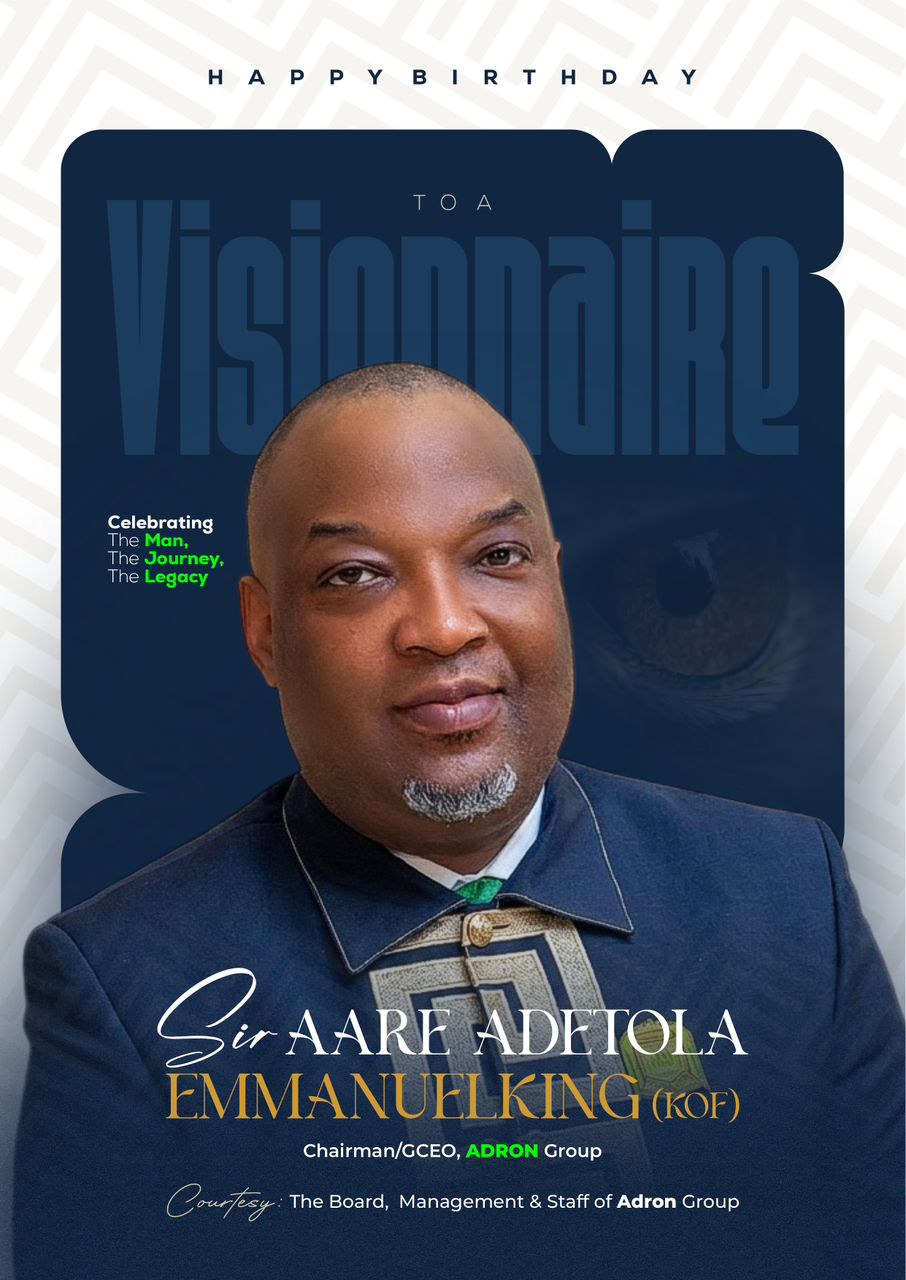
Adron Homes Celebrates Visionary Chairman, Aare Adetola Emmanuel King, at 51
The management and staff of Adron Homes and Properties Limited have joined family, friends, associates, and well-wishers across the globe to celebrate their Chairman and Chief Executive Officer, Aare Adetola EmmanuelKing, as he marks his 51st birthday.

In a statement released by the company, the milestone was described as a celebration of an exceptional leader whose vision, resilience, and entrepreneurial brilliance have not only transformed Adron Homes into a household name in Nigeria’s real estate sector but have also redefined affordable housing across the country.
Under his dynamic leadership, Adron Homes has continued to expand its footprint, delivering value-driven residential solutions while empowering thousands of Nigerians with opportunities for home ownership. His commitment to excellence, innovation, and customer satisfaction has remained the driving force behind the company’s sustained growth and industry leadership.
The statement further highlighted Aare EmmanuelKing’s passion for nation-building and community development, noting his significant contributions to job creation, youth empowerment, and the promotion of socio-economic development through real estate investments.
“As a leader, mentor, and visionary, Aare Adetola EmmanuelKing has consistently inspired a culture of excellence, integrity, and dedication within the organization. His ability to turn bold ideas into reality continues to position Adron Homes as a trailblazer in the industry,” the statement read.
The company expressed profound gratitude for his steadfast leadership and prayed for continued wisdom, strength, and sound health as he embarks on another year of impactful achievements.
As he celebrates his 51st birthday, the entire Adron Homes family proudly honours a man whose legacy continues to shape the future of real estate in Nigeria.
Happy 51st Birthday, Aare Adetola EmmanuelKing!
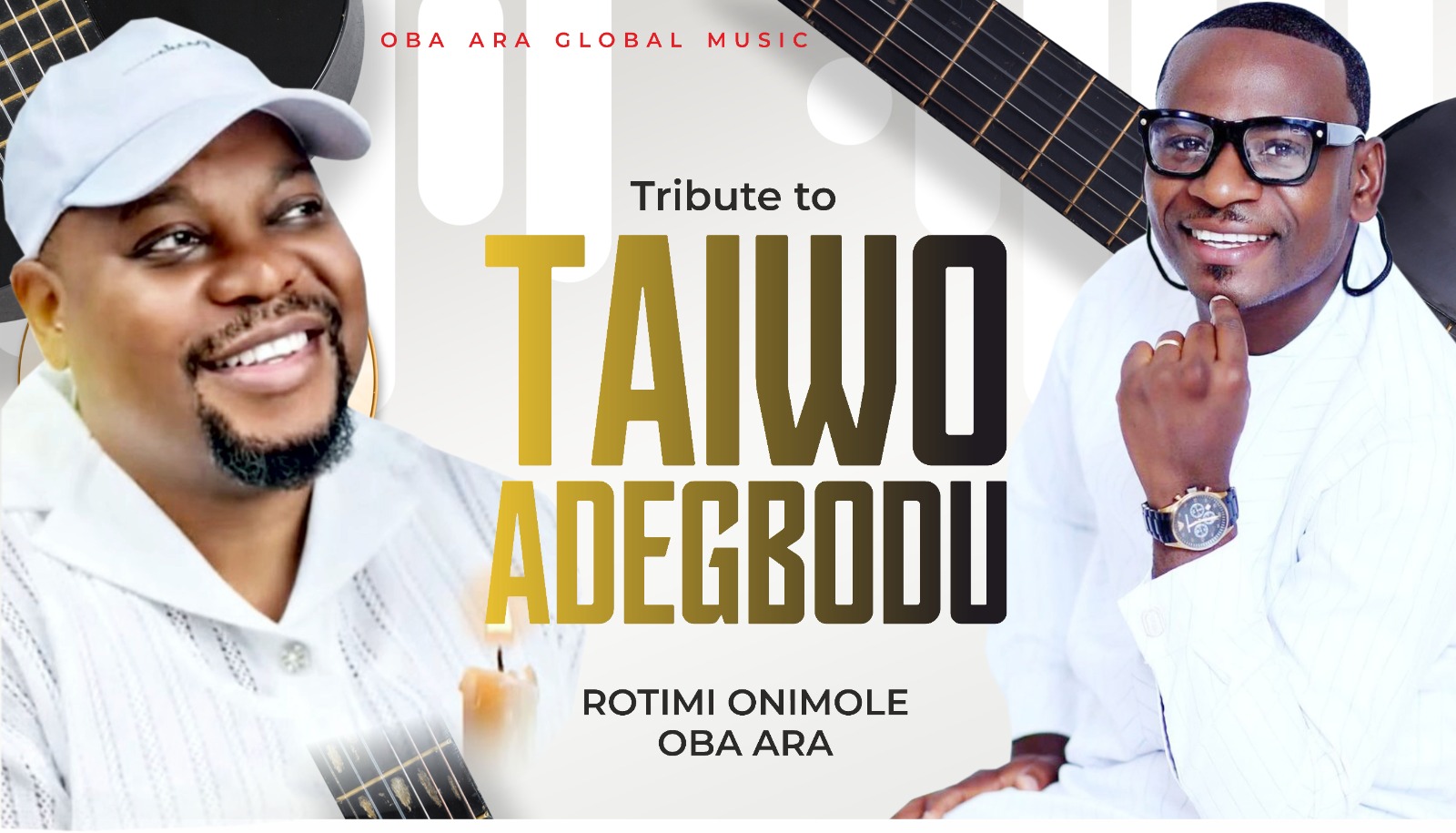
Oba Ara Releases Emotional Tribute to Late Taiwo Adegbodu
Taofik Afolabi
The gospel music community continues to grieve the painful loss of Taiwo Adegbodu, a beloved figure whose sudden departure left a deep void among fans, colleagues, and loved ones. In response to this loss, renowned gospel minister Rotimi Onimole, popularly known as Oba Ara, has released a moving tribute song that captures both the sorrow of the moment and the enduring legacy of the late singer.
Oba Ara, a proud son of Isale Eko, channels raw emotion throughout the song, using heartfelt lyrics and soul-stirring melodies to reflect on his personal connection with Taiwo Adegbodu. In the tribute, he openly expresses how deeply the news of Adegbodu’s passing shook him, describing it as a painful and unexpected loss that is difficult to come to terms with.
The song goes beyond mourning, it celebrates the life, ministry, and impact of Taiwo Adegbodu. Oba Ara highlights the late artist’s dedication to spreading the gospel through music, his inspiring voice, and the spiritual influence he had on many within and beyond Nigeria. Through powerful verses, he paints a picture of a man who lived for God and touched countless lives through his ministry.
Listeners have described the tribute as both comforting and deeply emotional, as it resonates with the collective grief of the gospel music community. It serves as a reminder that although Taiwo Adegbodu is no longer physically present, his music, message, and legacy will continue to live on.
In honoring his late colleague, Oba Ara not only pays his respects but also offers a source of healing for fans and fellow ministers, using music as a tool to process grief and celebrate a life well lived.
celebrity radar - gossips
Buratai, Fagbemi , Shagaya, Olofa, Others Eulogise Olowu Kuta’s Olori On 60th Birthday, Foundation Launch
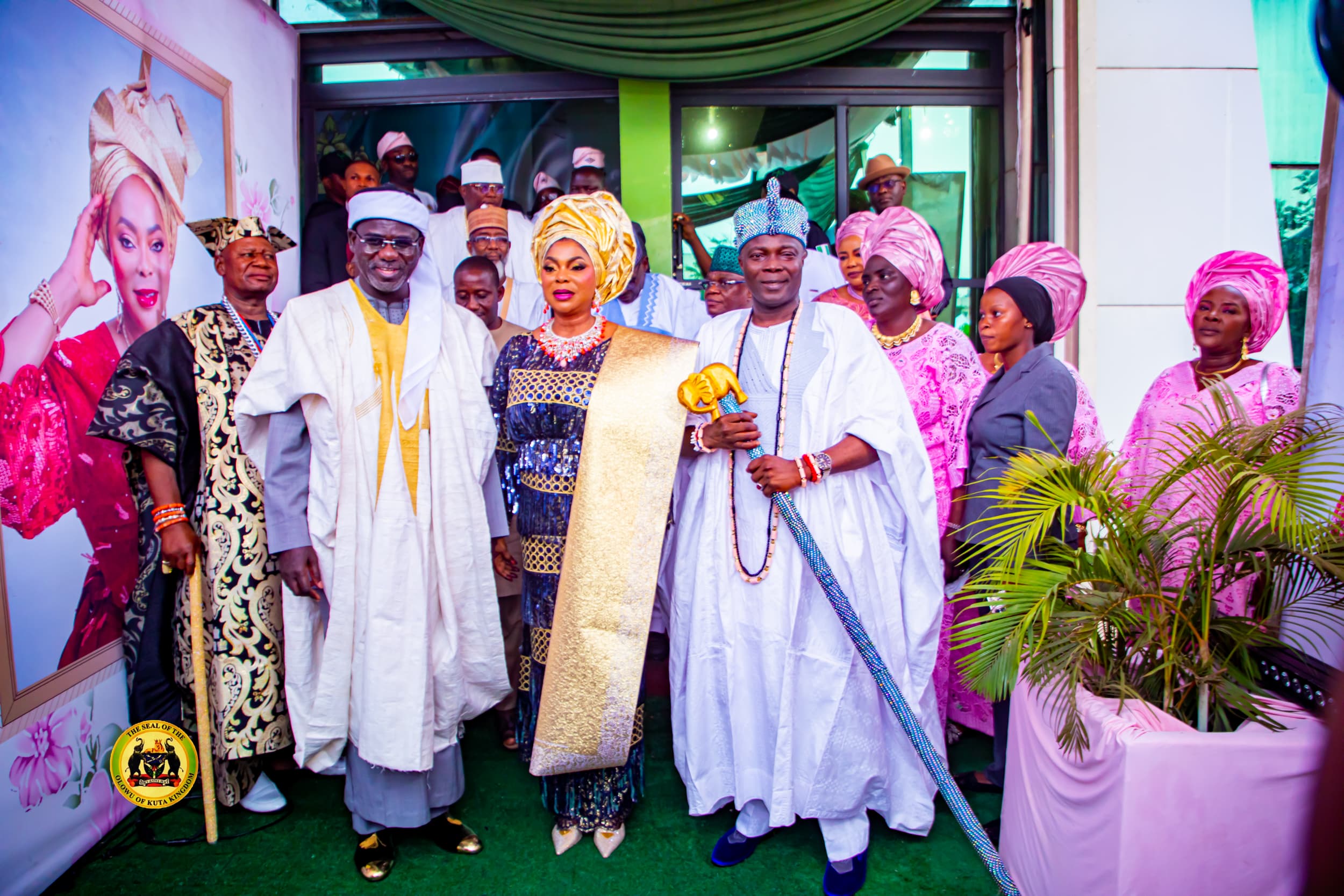
Buratai, Fagbemi , Shagaya, Olofa, Others Eulogise Olowu Kuta’s Olori On 60th Birthday, Foundation Launch
Eminent personalities across the Nigeria stormed the TFK Event Centre, Bala Mohammed Way, Guzape, Abuja, to celebrate the 60th birthday of Olowu Kuta’s Olori, Queen Jumai Amoke and her Foundation Launch on Saturday 28, March 2026.

From former Chief of Army Staff, Lt Gen TY Buratai rtd, to the Minister of Justice and Attorney-General of the Federation, Prince Lateef Fagbemi; Olofa of Offa, HRM Oba Mufutau Gbadamosi. Even top businesswoman and socialite, Chief (Mrs) Bola Shagaya, was in attendance.


Other dignitaries were newly promoted Deputy Inspector-General of Police and former AIG Zone 2 , Lagos , Adegoke Fayoade, Major General Abdumalik, Major General Samuel Adebayo rtd (Fmr CDI);
Major General Anthony Omozoje rtd (Fmr Copp);
Alhaji Tajudeen Owoyemi (Asiwaju of Offa and CEO Radisson Hotel Nigeria;
Dr Waheed Olagunju, former managing director of Bank of Industry, Oniba of Iba, Lagos State, HRM Oba Dr Suleiman Raji ;
Justice Falola, Olu of Ile-Ogbo , Oba Adetoyese amongst many traditional rulers and captains of industry too numerous to mention.
Speaking at the occasion, the Chief Host, Olowu of Kuta, HRM Oba Dr Adekunle Oyelude Makama, CON , Tegbosun iii, who is also the husband of the celebrant commended Queen Jumai for ‘ her slender arms full of kindness’ to establish such humanitarian Foundation, ‘Amoke Children and mother in Need Foundation’ at a time Nigerians are going through economic crisis occassioned by the global meltdown.
Olowu also commended her steadfastness and love for the less privileged and downtrodden.
The monarch refrenced the task before his wife’s humanitarian gesture said her best is yet to come.
” Olori Amoke Jumai, I celebrate you. You will celebrate 70, 80, 90 and continue to shine as you continue to put a smile on people’s faces. I love you, “Olowu Kuta added.
To Lt Gen Buratai, a former army chief and former Nigerian Ambassador to Benin Republic, the reward of hard work is more work.
Buratai, who also doubles as Balogun Agba of Owu Kuta, a chieftaincy title reserved for a generalismo congratulated Queen Jumai for attaining the age of 60 in good health.
The retired army General said he’s not surprised by the turn out of eminent personalities across the country to celebrate the Olowu Kuta’s Olori because she merited it through her hospitality to all, adding that Allah the most merciful, most beneficial would accept all her act of ibadah.
The minister of Justice, Prince Fagbemi, was full of praises for Queen Jumai for deeming it fit to have a place in her heart to accommodate the needy and less privileged in ‘our society.’
Prince Fagbemi urged the guests to contribute generously to support the Foundation in order to continue to alleviate poverty and put a smile on the faces of the people.
” I congratulate you on your 60th birthday and Foundation Launch. I wish you many happy returns of the day and many more fruitful services to the country and motherland”, Prince Fagbemi added.
The celebrant, Queen Jumai who was grining from ear to ear thankfully said she was excited by the turn out and the response of the people to her foundation.
Queen Jumai, however, promised to continue to use her resources and donations received for the good of the needy and less privileged in the society.
” I want to appreciate my own Kabiesi Olofa of Offa , for his presence and im I’m using him as a point of contact to all other Kabiesis present here, the minister of justice and Attorney-General, you’re welcome, sir; Mrs Bola Shagaya, I salute your enterprise, Lt Gen Buratai, I’m grateful, sir; DIG Fayoade, Justice Falola and other dignitaries too numerous to mention, I thank you, all. To my darling husband, Kabiesi Olowu , I thank you immensely for your support. And to my family and friends, I thank you , all. E se pupo!”, she said.


-

 society7 months ago
Religion: Africa’s Oldest Weapon of Enslavement and the Forgotten Truth
-

 news4 months ago
WHO REALLY OWNS MONIEPOINT? The $290 Million Deal That Sold Nigeria’s Top Fintech to Foreign Interests
-

 society6 months ago
“You Are Never Without Help” – Pastor Gebhardt Berndt Inspires Hope Through Empower Church (Video)
-

 celebrity radar - gossips2 months ago
Dr. Chris Okafor Returns with Power and Fire of the Spirit -Mounts Grace Nation Altar with Fresh Anointing and Restoration Grace on February 1, 2026