
society
Democracy or Deception? What History Tells Us About Nigeria’s Elections

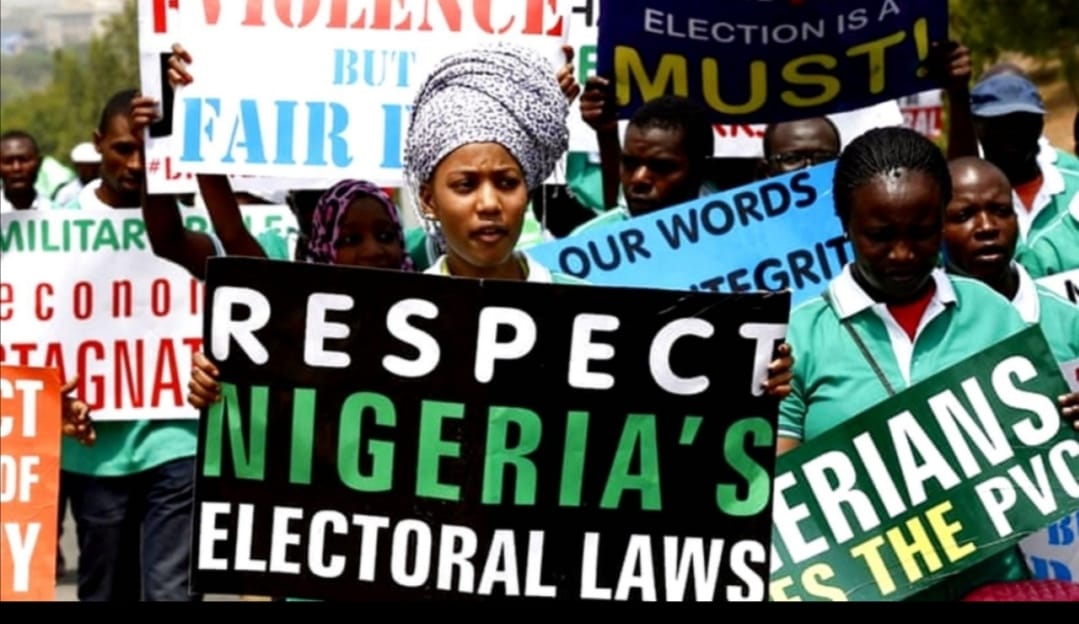
Democracy or Deception? What History Tells Us About Nigeria’s Elections.
By George Omagbemi Sylvester | Published by Saharaweeklyng.com
Voting is a right, but forgetting the past ensures every election repeats old betrayals.
Elections in Nigeria are presented as a celebration of democracy, yet for decades, they have been exercises in repetition; repetition of manipulation, deception and selective memory. Citizens cast ballots hoping for change, while history quietly documents patterns of failure, collusion and political opportunism. If Nigeria cannot learn from its electoral past, democracy becomes a performance not a guarantee of accountability.

As Nobel laureate Wole Soyinka warned: “A people who do not know the value of the vote will never know the value of freedom.” Nigeria’s history demonstrates precisely this tension: we claim freedom, yet frequently betray it at the ballot box.
The Historical Pattern.
From independence in 1960, Nigeria’s elections have oscillated between hope and heartbreak:
The First Republic (1960–1966): Elections were competitive but marred by regional favoritism, intimidation and corruption. The manipulation of votes and ethnic patronage contributed to the first coup in 1966.

Second Republic (1979–1983): Civilian governments returned, but elections were again tainted. Rigged ballots, partisan bias and political godfatherism led to mistrust and ultimately another military takeover.
Fourth Republic (1999–present): While ostensibly democratic, elections have repeatedly been marred by vote-buying, intimidation, violence and elite collusion. The annulled June 12, 1993 election, widely believed to have been won by Chief Moshood Abiola, remains a defining moment: the denial of the people’s choice became a national trauma.
Across decades, one pattern is clear: political elites consistently manipulate processes for personal gain, leaving citizens frustrated and suspicious.
Why History Matters in Elections.
Understanding Nigeria’s electoral past is essential for the present:
To Recognize Manipulation: Historical awareness allows citizens to identify tactics used to undermine votes from ballot stuffing to selective counting.
To Resist Ethnic Exploitation: Politicians often frame campaigns in tribal or religious terms. Knowing the disastrous outcomes of past ethno-religious manipulation (including post-election violence) can inoculate voters against repeating these errors.

To Demand Accountability: Citizens who know the consequences of past electoral deception are better positioned to insist on transparent processes and reform.
Political scientist Claude Ake once wrote: “Democracy in Africa is often democracy in name; citizens frequently experience only the ceremonial aspects of the system.” Nigeria exemplifies this.
Modern Electoral Challenges.
Despite technological and procedural improvements, the Fourth Republic continues to struggle:
Electoral Violence: Localized clashes, especially in swing states, often reflect ethnic tensions exploited by politicians.
Vote Buying: Cash and material inducements undermine merit and amplify clientelism.
Electronic Manipulation: New voting technologies are vulnerable to tampering when institutions lack integrity.
Disillusionment: Millions of eligible voters abstain, believing their votes are meaningless, a cycle reinforced by decades of historical precedent.
Without historical literacy, citizens cannot fully grasp how these issues evolved or how to confront them effectively.
Lessons From History.
Nigeria’s electoral failures are not merely procedural; they are moral and civic. Every citizen, leader and institution has a role in breaking the cycle:
Educate the Electorate: Schools, media and civic organizations must teach the history of Nigerian elections, including lessons on manipulation, resistance and reform.
Strengthen Institutions: Independent electoral commissions, judiciary systems and security agencies must be insulated from political interference.
Promote Civic Responsibility: Voting should be framed not just as a right but as a duty to history and future generations. Every vote carries the weight of past mistakes and the promise of future accountability.
Encourage Civil Society Oversight: NGOs, observer missions and grassroots movements play a crucial role in exposing fraud and fostering transparency.
Democracy Without Deception.
True democracy is more than a ballot box; it is an informed electorate, a functioning institutional framework and a culture of accountability. Without these, elections are ceremonial and history repeats itself.
Nigeria has the resources, the intellect, and the resilience to break the cycle, but only if citizens insist that the mistakes of 1960, 1979, 1993 and 2015 are not repeated.
As historian Toyin Falola observed: “Democracy cannot survive where citizens are indifferent to their rights and blind to their history.” Nigeria’s electoral challenge is not lack of laws or technology; it is the collective amnesia of its people.
Final Thoughts.
Every election in Nigeria is a crossroads between hope and historical repetition. Citizens must remember the betrayals of the past, honor the sacrifices of those who fought for free and fair elections and demand systems that protect the sanctity of their vote.
Democracy or Deception. Nigeria must choose. The lessons of history are clear: ignore them and the nation will continue to stumble through cycles of failed promises, ethno-religious manipulation and disenchantment. Heed them and a more accountable, united and prosperous Nigeria is possible.





society
Harmony Garden Boss, Mr Ibile Celebrates Mogaji Wole Arisekola, Hails Legacy of Leadership and Excellence
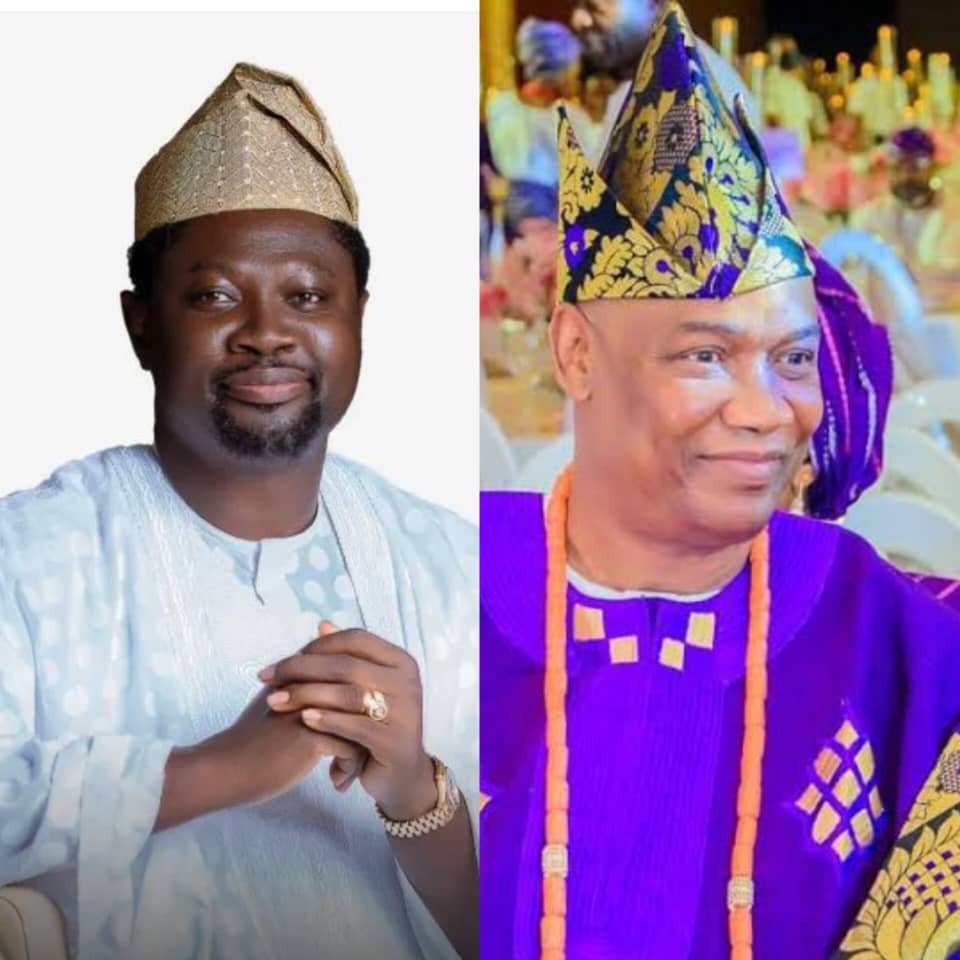
Harmony Garden Boss, Mr Ibile Celebrates Mogaji Wole Arisekola, Hails Legacy of Leadership and Excellence
Renowned real estate entrepreneur and Chief Executive Officer of Harmony Garden & Estate Development Limited, Hon. Dr. Saheed Audullahi Mosadoluwa aka Mr Ibile, has paid glowing tribute to elder statesman, Mogaji Wole Arisekola, in a heartfelt birthday message that has drawn admiration across social circles.
In a message shared on his official platform, Dr. Saheed described the celebrant as “a remarkable man, a pillar of strength, wisdom, and legacy,” highlighting his enduring influence on family, community, and leadership circles. The tribute, written on behalf of himself and his children, praised Arisekola’s life as one that continues to inspire greatness and unwavering commitment to service.
“Iba Eni for Agba Imole,” he wrote, emphasizing deep respect and reverence for the celebrant’s impactful life. According to him, Arisekola’s voice remains respected, while his legacy is firmly rooted in honor and excellence, qualities that have defined his journey over the years.
Offering prayers for continued good health, long life, and greater accomplishments, Mosadoluwa concluded by wishing the elder statesman a peaceful and joyful new year, filled with divine blessings. The message has since resonated with admirers, further reinforcing the strong bond between the two figures and celebrating a legacy of influence and integrity.
celebrity radar - gossips
Accolades to Empress Genevieve Wining as she Celebrate birthday in Grand style

Accolades to Empress Genevieve Wining as she Celebrate birthday in Grand style
Emmanuel Clement
Vilnius, Lithuania – The Grand Hotel Vilnius will host a grand birthday celebration in honor of Her Majesty The Empress Genevieve Wining of the United Kingdom of Atlantis (UKA) on April 4th, 2026.
The four-day event promises to be an extravagant affair, marking the special birthday of Empress Genevieve Wining. The celebration will take place at the prestigious Grand Hotel Vilnius, Lithuania, renowned for its luxurious ambiance and exceptional service.

According to the event flyer, the birthday celebration will be a spectacular occasion, fitting for an empress. Guests can expect an elegant setting adorned with golden accents, sparkling champagne, and festive decorations, creating a regal atmosphere befitting the occasion.
The Empress Genevieve Wining of UKA is expected to grace the event, which will include various festivities and celebrations in her honor. The occasion aims to bring together dignitaries, followers, and guests to commemorate the empress’s birthday with grandeur and joy.
For media inquiries, accreditation, or further information about the birthday celebration of The Empress Genevieve Wining of UKA, please contact the event organizers.
Courtesy of His Excellency Emperor Prof. Solomon Wining. UKA
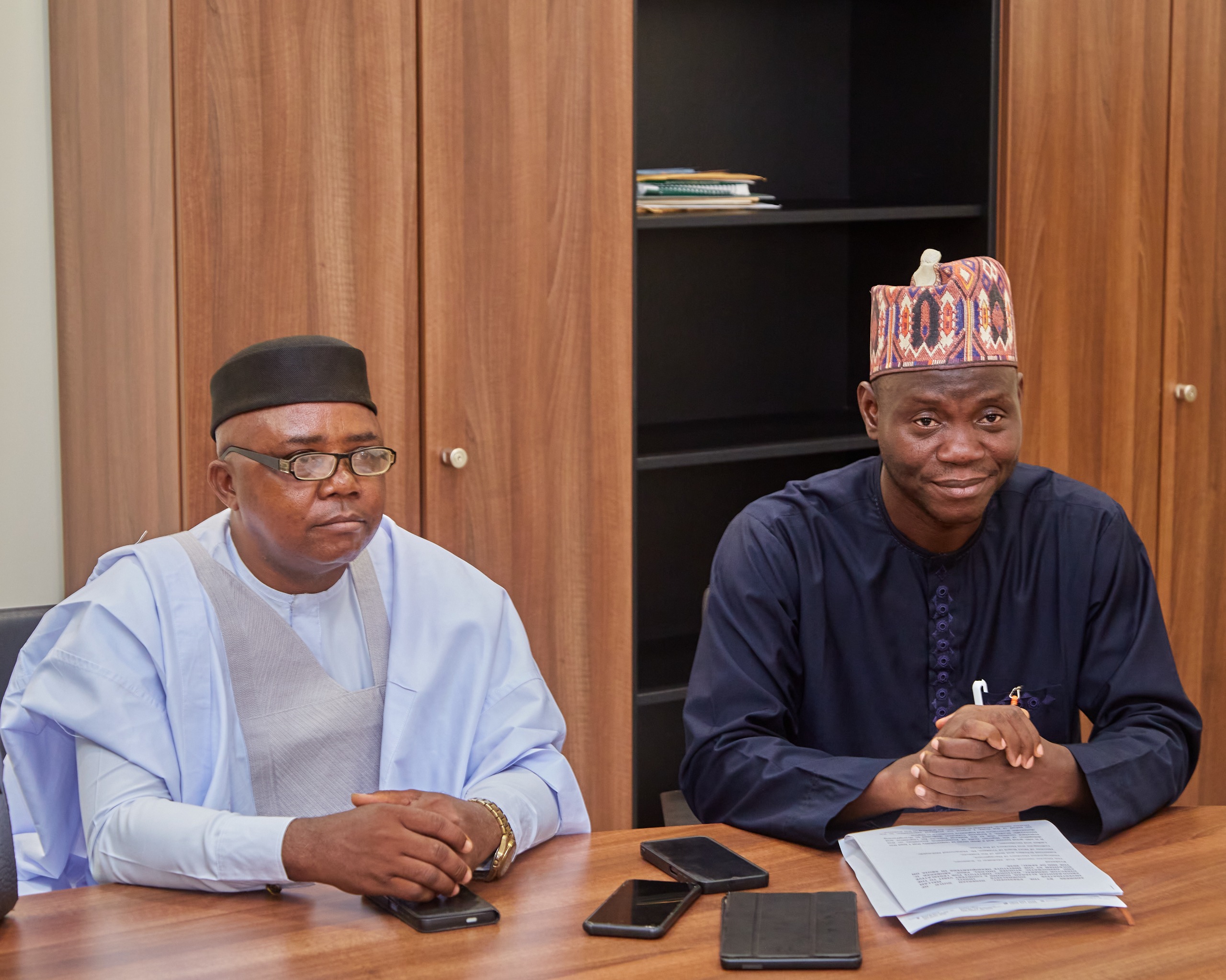
Democratic Accountability in Focus as NGIJ Courts NILDS for Strategic Collaboration
The Nigerian Guild of Investigative Journalists (NGIJ) has sought a strategic partnership with the National Institute for Legislative and Democratic Studies (NILDS) to enhance legislative reporting, strengthen democratic accountability, and promote evidence-based journalism in Nigeria.
The proposal was made during a courtesy visit by the NGIJ delegation, led by its President, Mallam Abdulrahman Aliagan, to the Institute’s headquarters in Abuja.
The Director-General of NILDS, Professor Abubakar O. Suleiman, was represented at the meeting by the Director of Legal Services, Professor Ibrahim Danwanka. Also in attendance were the Special Adviser to the DG on Media, Mr. Muhammad Abdulkadir and the Director of Information, Mr. Emmanuel Atakpo.
Speaking during the visit, Aliagan described the engagement as a strategic step toward building synergy between investigative journalism and legislative research institutions. He commended the leadership of Professor Suleiman for transforming NILDS into a leading centre for legislative studies and democratic governance in Africa.
“This visit is not merely ceremonial—it is deeply strategic. NGIJ and NILDS share a common vision of strengthening democracy, promoting accountability, and deepening good governance in Nigeria,” Aliagan said.
He explained that while NILDS advances democratic governance through research and legislative capacity development, NGIJ complements these efforts through investigative journalism and public-interest reporting.
Aliagan highlighted the Guild’s activities across the country, particularly its Governance Assessment Visits conducted in Kogi, Bayelsa, Ondo, Kwara, Osun, and Kaduna states, noting that such engagements have improved public discourse and strengthened accountability at the subnational level.
“Our mission is to promote ethical investigative journalism, strengthen transparency in governance, and build capacity for data-driven reporting that connects citizens with democratic institutions,” he said.
The NGIJ President also proposed collaboration in areas such as training on legislative processes, joint research and publications, policy dialogues, data sharing, and fellowship programmes for journalists and researchers.
He further informed the Institute of the Guild’s plan to host the Dele Giwa Memorial Annual Lecture on Investigative Journalism in June as part of activities marking Democracy Day. The Guild requested that Professor Suleiman serve as keynote speaker and sought approval to use NILDS’ auditorium for the event.
“We are confident that your presence and intellectual contribution will greatly enrich the discourse and lend national significance to the event,” Aliagan added.
Responding on behalf of the Director-General, Professor Danwanka welcomed the proposal and described the initiative as timely and beneficial to national development. He commended NGIJ for its commitment to accountability journalism and its recognition of the Institute’s growing impact.
“If there is any institution journalists need to collaborate with, it is NILDS.
Legislative reporting requires specialised knowledge that many journalists currently lack,” Danwanka said.
He explained that NILDS was established by an Act of Parliament in 2011 and later expanded in 2017 to include broader responsibilities covering democratic institutions and civil society organisations.
According to him, the Institute has grown significantly under Professor Suleiman’s leadership, expanding from four departments to eleven, with increased staff strength and wider national, regional, and continental visibility.
Danwanka noted that NILDS currently provides research and capacity-building support not only to Nigeria’s legislature but also to parliaments across West Africa and other parts of the continent, including Kenya, Zimbabwe, Malawi, Ghana, and Togo.
“Legislature is a specialised field. Even experts from other disciplines must acquire knowledge of its processes to report it accurately. That is where NILDS comes in,” he said.
He assured the NGIJ delegation that all requests presented during the visit, including collaboration proposals, the use of the Institute’s facilities, and the invitation to the DG would be communicated for necessary action.
Danwanka also acknowledged NGIJ’s commendation of the appointment of Mr. Abdulkadir as Special Adviser on Media, describing the recognition as thoughtful and well-deserved.
The meeting ended with both parties expressing optimism about establishing a formal framework for collaboration, with a shared commitment to strengthening democratic institutions and improving governance through knowledge-driven journalism.
“This engagement marks the beginning of a sustainable partnership that will advance legislative excellence and investigative journalism in Nigeria,” Danwanka said.


-

 society7 months ago
Religion: Africa’s Oldest Weapon of Enslavement and the Forgotten Truth
-

 news4 months ago
WHO REALLY OWNS MONIEPOINT? The $290 Million Deal That Sold Nigeria’s Top Fintech to Foreign Interests
-

 society6 months ago
“You Are Never Without Help” – Pastor Gebhardt Berndt Inspires Hope Through Empower Church (Video)
-

 celebrity radar - gossips2 months ago
Dr. Chris Okafor Returns with Power and Fire of the Spirit -Mounts Grace Nation Altar with Fresh Anointing and Restoration Grace on February 1, 2026