
Business
Exposed! How APC Chieftain, Etiebet’s 2016 letter gave new clues to alleged N2.4bn debt to Access Bank

Exposed! How APC Chieftain, Etiebet’s 2016 letter gave new clues to alleged N2.4bn debt to Access Bank
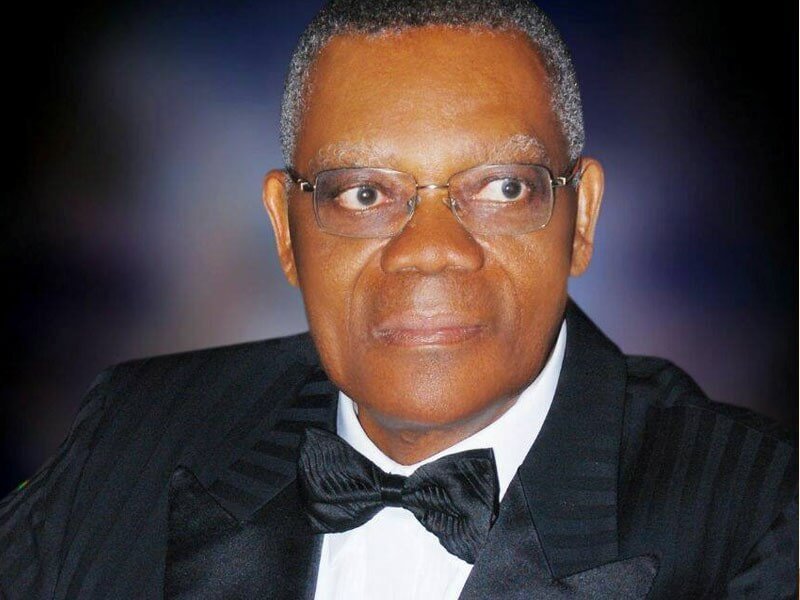
In a letter dated November 9, 2016 written by former petroleum minister and All Progressive Congress (APC) chieftain, Don Etiebet, in respect of what is turning out to be a messy N2.4 billion indebtedness by an oil and gas company, Top Oil, to Access Bank plc, appears to offer a new narrative to the dispute.
Writing in his capacity as chairman of Top Oil and Gas Company Limited, the letter shows an admission by Etiebet of the indebtedness and profused pleading for time to resolve the matter with the principal parties, CASTOIL that appear to have brought the business from Mobil Oil Nigeria Limited, for which Top Oil was hoping to profit from as a third party participant.
However, the Etiebet letter seen by Business A.M. among the documents making the court rounds, also shows while CASTOIL had the direct supply business with Mobil Oil, Top Oil made have found the business very attractive as to take full responsibility of sourcing the funds, hence the Import Finance Facility (IFF) made available to it by the bank for the purpose of importation of Automotive Gas Oil (AGO) for supply to Mobil.
In the letter addressed to “The Manager, Access Bank Plc, Business Banking Division, Chevron Roundabout Branch, Lekki” with the heading, “RE: US$6.3 MILLION OUTSTANDING L/C PAYMENT”,Etiebet refers to the ‘demands’ by the manager for the payment of an outstanding letter of credit (LC) of US$6,382,666.00, “which was used to import 10,000MT of AGO to supply Mobil Oil Nigeria Limited from Augusta Energy.”
In what appears to suggest an apology over the situation, Etiebet then wrote: “I regret that this payment is still outstanding till today. The true and correct position is that Top Oil and Gas Development Company Limited (TOPOIL) carried out this contract with a third party, CAST OIL and GAS LIMITED (CASTOIL) which brought the project from Mobil Oil Nigeria Limited. TOPOIL did not deal directly with Mobil Oil as it is common practice in the industry that companies cooperate to execute project of this nature and share the profit,”Etiebet wrote.
He went on to explain that after an initial payment made by the third party, CASTOIL, the latter failed to make further payment, suggesting this to be the reason for the delay and failure to redeem the letter of credit sum.
“Unfortunately, after the initial payment of N170,000,000.00 from CASTOIL into TOPOIL account with Access Bank Plc in August 2015 as agreed, CASTOIL failed to make further payments. CASTOIL then request (sic) TOPOIL to give it sometime to reconcile certain issues with Mobil Oil and in the process issued TOPOIL a “PAYMENT COMMITMENT” in the sum of N1,321,431,000.00, which is what CASTOIL owed TOPOIL for the L/C at N200/$ at that time plus other costs and to pay up in three instalments by the 31st of August 2015 as per attached CASTOIL letter,” Etiebet, in the letter, also referred to how the Economic and Financial Crimes Commission (EFCC) had become involved, expressing confidence that the money would be paid to TOP OIL for it to settle Access Bank, what it owes it.
The letter further reads: “When the commitment was not honoured, TOPOIL reported the case to the security agencies. In the process of the investigations, CASTOIL entered into another agreement with TOPOIL to pay up by the end of November 2015, with understanding to pay interests and any forex variation from N200/$ to the fx rate at the time of completion of payment. The case is being handled by the EFCC with CASTOIL’s Managing Director, Mr.TunjiAmushan being on Administrative Bail with sureties and his International Passport impounded as he reports to the EFCC every Thursday with promises to pay up. EFFCC has assured us that they would recover all the money plus interest and FX variation from him before long plus other sanctions.”
The letter showed that apparently while TOPOIL was trying to resolve whatever difficulties it was having with CASTOIL over the payment it did not inform or carry along its bankers.
In further demonstration of remorse, therefore, Etiebet then stated in the letter: “I am very sorry that this was not reported to you before now because we thought CASTOIL would pay up as has been promised since last year for us to liquidate the outstanding L/C payment. So I take this opportunity to commit to you that the debts of US$6,382,666 to your bank shall, meanwhile, be paid from alternative sources including profits TOPOIL would be making from its current contracts with NNPC-Retail to supply AGO to Total-Offshore. “With other contracts in the pipeline including the supply of PMS to NNPC-Retail, I hereby give my personal undertaking to pay all the outstanding in the US$6,382,666 within 90 days. I want to let you know that we all in TOPOIL regret this unfortunate situation but thank you so much for your continued understanding and cooperation,” Etiebet concluded his rapprochement to the bank.
Sources close to the situation said nothing came out of the promises made in this 2016 letter as the bank did not receive any payment. The bitter contestation of the indebtedness that is currently going on would shades this profound apologetic and hugely conciliatory position in this letter and raises questions about how things got to this point and what, if any, could be the underlying motive behind a complete repudiation of the debt that in this November 9, 2016 letter was fully admitted. In an advertorial widely published in the media, Obodex Nigeria Limited, a company in which Etiebet has large interest and is chairman, claims that it does not owe any debt to Access Bank, a claim which seems to contradict the November 9, 2016 letter.
FACT SHEET TO POINT OF DISAGREEMENT
- On November 21, 2014, Access Bank, following an accepted offer letter to the TOPOIL provides a US$6 million Import Finance Facility (IFF) to facilitate the importation of Automotive Gas Oil (AGO) for supply to Mobil Producing Unlimited by TOPOIL. The facility was tenured for a year with a maximum of 90 (ninety) days circle. In addition to the US$6 million IFF, TOPOIL was also availed a N100 million Revolving Time Loan vide the same offer letter for the purpose of facilitating the payment of Custom duties and other related Logistics.
- This was also tenured for 1 (one) year with a maximum of 90 (ninety) days circle. Several Letters of Credit (LCs) were issued on the facilities, but only 1 (one) remained unpaid which is A2015C1091CL. The facts on the stated LC are stated below: In April 2015 TOPOIL submitted a Proforma Invoice valued at $5,802,500.00 and informed Access Bank it had an order from Mobil. Consequently, LC A2015C1091CL was issued in favour of a company called Augusta Energy SA (“Beneficiary”).
- Upon presentation of all shipping documents required for this particular LC, funds were remitted by the bank to the beneficiary. In 2016, Access Bank increased the TOPOIL’s IFF from US$6 million to US$12 million and this was communicated to TOPOIL in an offer letter dated January 20, 2016. When the facility was not paid, the chairman of TOPOIL, Don Etiebet wrote to Access Bank in a letter dated November 9, 2016 that the LC was done with a third party known as Cast Oil & Gas Limited and committed to repay the Customer’s indebtedness.
- Due to TOPOIL’s failure to repay the sum of US$6,382,665.71 at the expiration of the facility, the said amount was converted into a N2.2 billion Term Loan through an offer letter dated July 4, 2017 and the unutilized sum of US$5,617,334.29 on the US$12million IFF was also converted to a N1,463,000.000.00 Time Loan through the same offer letter. The N1,463,000.000.00 Time Loan was, however, never utilised by the TOPOIL.






HOUSE OF BIMPE FIT GAINS ATTENTION WITH TRENDY UNISEX FASHION LINE
LAGOS — A fast-rising fashion brand, House of Bimpe Fit, is making waves in the style scene with its collection of modern, elegant outfits designed for both men and women.
The brand, which showcases a blend of contemporary and classic designs, is quickly attracting attention for its attention to detail and quality finishing. From sharply tailored men’s native wears and suits to chic, figure-flattering outfits for women, House of Bimpe Fit is positioning itself as a go-to destination for fashion lovers seeking both style and comfort.

Speaking on the brand’s vision, the management emphasized its commitment to delivering “quality outfits for both men and women,” ensuring customers step out with confidence and class regardless of the occasion.
Fashion enthusiasts have particularly praised the brand’s versatility, as it caters to a wide range of tastes—from corporate elegance to casual sophistication.

With an active presence on social media, especially on TikTok via @house_of_bimpefit, the brand is leveraging digital platforms to reach a broader audience and showcase its latest collections.
Industry watchers say House of Bimpe Fit is one to watch, as it continues to carve a niche for itself in Nigeria’s competitive fashion industry.
For inquiries, customers can contact the brand via phone at 0802 686 6277.

Business
Jafad College of Nursing Science Showcases Excellence at Matriculation, Capping Ceremony for 158 Nursing Students
Jafad College of Nursing Science Showcases Excellence at Matriculation, Capping Ceremony for 158 Nursing Students
By Agholor M.O
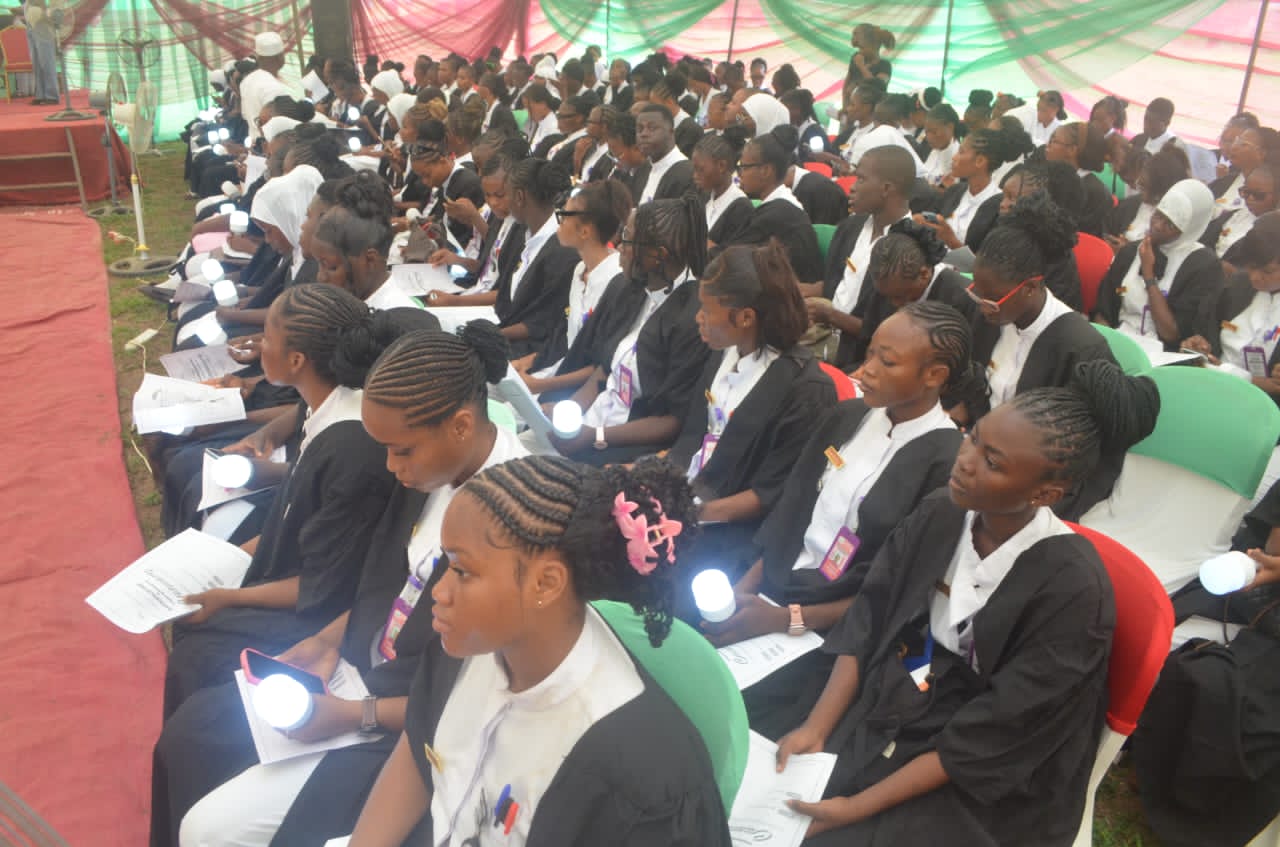
Jafad College of Nursing Science, Oru Ijebu Ogun State, has once again demonstrated its commitment to excellence in healthcare education as it matriculated and inducted into Nursing Training, 158 students of the N.D 2025/2026 academic session in a well attended and inspiring ceremony which took place on Wednesday, 8th of April 2026 at the College premises, Oru Ijebu, Ogun State

The event began with a colourful academic procession of the matriculating students led by their Class Coordinator Mrs B.O. Okuboyejo, alongside principal officers of the college, including the Student Affairs Officer, Mrs Fijabi; College Accountant, Mrs Funmilayo Victoria Alao; Librarian, Mr Jonathan Olusola Fatokun; Registrar, Mr Mojeed Adewale Lawal; and the Acting Provost, Ms Olufunmilola Akintayo.

In her welcome address, the Acting Provost charged the new students to embrace discipline, dedication, and professionalism, noting that Jafad College provides a strong academic and moral foundation needed to thrive in the ever demanding healthcare sector.

The ceremony attracted dignitaries, including Mr Abdulhameed, JAMB Zonal Coordinator, Abeokuta, Ogun State, further underscoring the institution’s growing reputation.

Delivering the matriculation lecture, Mrs Oyelayo Toyin Adeola, a registered nurse educator from Olabisi Onabanjo University Teaching Hospital, spoke on the theme: *“The Journey of Admission to Graduation: Strategies for a Successful Outcome – Learner and Teacher Perspective.”* She emphasized the importance of goal-setting, effective study habits, time management, and active student teacher collaboration. She also highlighted the need for resilience, ethical conduct, and continuous self-improvement, describing nursing as both a calling and a profession that demands compassion, competence, and lifelong learning.

The ceremony reached a symbolic peak with the capping and stripping of the students by experienced registered nurses from Ogun State Hospital, Ijebu Ode, officially ushering them into the noble nursing professional Training.
Parents and guardians expressed satisfaction with the quality of organization and training standards, while the students beamed with excitement as they began their professional journey.


With its experienced faculty, structured training, and commitment to producing competent and compassionate nurses, Jafad College of Nursing Science continues to stand out as a top choice for aspiring healthcare professionals in Ogun State and beyond.


FirstBank Partners Eko Hotels & KEY Academy for ChessMasters 2026 Tournament
Lagos, 30 March 2025 – FirstBank, West Africa’s premier financial institution and the leading financial inclusion service provider, has announced its strategic sponsorship of the second edition of ChessMasters, Africa’s largest school chess tournament. The announcement was made at the official press conference of the tournament held on 16 March 2026 at Eko Hotels and Suites, Lagos.
ChessMasters is an annual chess tournament designed to equip the next generation with critical thinking, problem-solving, and leadership skills. The competition targets children in primary school aged between 6 and 11 years old. Organised by Eko Hotels and Suites & KEY Academy , ChessMasters was created to provide thousands of children across Nigeria with opportunities to develop modern educational skills, bringing schools together on a national stage.
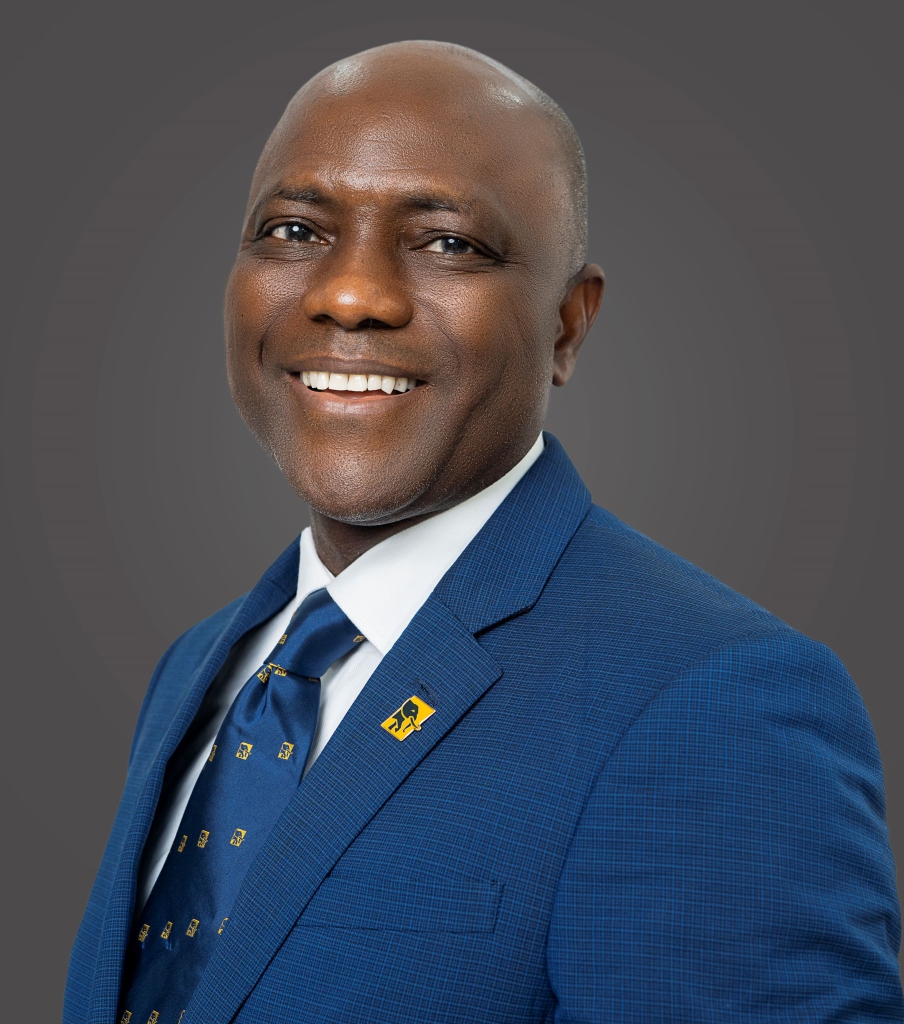
Speaking at the press conference, Olayinka Ijabiyi, Acting Group Head, Marketing & Corporate Communications at FirstBank, said, “Our sponsorship of ChessMasters 2026 reflects our commitment to building talents and communities, driving inclusion, and deepening engagement through our First@Sports initiative, a platform that celebrates talent and promotes social impact through sports. With over a century of supporting legacy sports in Nigeria, we are proud of our enduring partnerships – 105 years with the Georgian Cup, 65 years with the Lagos Amateur Golf Championship and 35 years with the Dala Hard Court Tennis Championship.”
Ijabiyi further highlighted how the sponsorship aligns with FirstBank’s sustainability pillars of Education, Health, and Welfare. “We recognise the potential of chess to help school-age children challenge themselves, think critically, and compete at the highest level, hence we see the tournament as a launchpad for a pan-African movement leveraging chess as a tool for education, empowerment, and leadership development. We are utilising this platform as another avenue to promote social impact and drive positive change in the community.”
Caline Chagoury Moudabar, Director and Co- Founder of ChessMasters and her partner Damilola Okonkwo of Key Academy, expressed appreciation for FirstBank’s support, noting that the partnership will help scale the impact of ChessMasters and inspire more schools to participate. “We are happy to welcome FirstBank on board. This collaboration will boost chess development in Nigeria and promote critical thinking among young minds. With support from partners like FirstBank, we are opening the doors of participation to more children and more schools in this year’s edition.”
Prince Adeyinka Adewole, Vice President of the Nigeria Chess Federation, commended the initiative, emphasising its role in nurturing future chess talents. “Chess connects people, ideas, and opportunities. It teaches children to be analytical, patient, and manage their time and resources effectively. Chess also improves concentration and has been particularly beneficial for children with autism.”
The second edition of ChessMasters will be held on Saturday, 2 May 2026 at Eko Hotels and Suites, Lagos. The competition is open to 150 schools across Lagos, with over 700 students expected to participate and vie for a total prize pool of N10 million.
FirstBank’s involvement in the 2026 edition of the tournament reinforces the potential of ChessMasters to become a launchpad for African children, leveraging chess as a tool for education, empowerment, and leadership development.


- Seychelles Backs United Arab Emirates (UAE) Statement, Calls for De-escalation and Respect for International Law April 11, 2026
- TotalEnergies’ Africa Senior Vice President (SVP) Mike Sangster to Spotlight Expanding Project Pipeline at Paris Forum April 11, 2026
- Ascott expands in Nairobi with new Citadines signing, reinforcing the city’s position as a regional hub April 11, 2026
- Century Group Joins African Energy Week (AEW) 2026 as Floating Production Storage and Offloading (FPSO) Partner, Showcasing Regional Offshore Expansion April 10, 2026
- Climate Litigation Surge Reshapes Energy Policy as Africa Seeks Stronger Legal Voice April 10, 2026
- ES-KO Secures Five-Year Catering & Facilities Management Contract Renewal with TotalEnergies EP Congo April 10, 2026
- Beyond the Court: The Kalahari Conference Solidifies its Status as Africa’s Premier Sports & Lifestyle Destination April 10, 2026
- Africa Sports Unified Launches Pan-African Sports Deals Tracker to Improve Market Visibility and Decision-Making April 10, 2026
- Nigeria and Senegal Must Follow Ghana and Mozambique Against Exclusionary Practices April 10, 2026
- Sheraton Nouakchott marks the entry of Marriott International in Mauritania April 10, 2026
- Seychelles Backs United Arab Emirates (UAE) Statement, Calls for De-escalation and Respect for International Law April 11, 2026
- TotalEnergies’ Africa Senior Vice President (SVP) Mike Sangster to Spotlight Expanding Project Pipeline at Paris Forum April 11, 2026
- Ascott expands in Nairobi with new Citadines signing, reinforcing the city’s position as a regional hub April 11, 2026
- Century Group Joins African Energy Week (AEW) 2026 as Floating Production Storage and Offloading (FPSO) Partner, Showcasing Regional Offshore Expansion April 10, 2026
- Climate Litigation Surge Reshapes Energy Policy as Africa Seeks Stronger Legal Voice April 10, 2026
- ES-KO Secures Five-Year Catering & Facilities Management Contract Renewal with TotalEnergies EP Congo April 10, 2026
- Beyond the Court: The Kalahari Conference Solidifies its Status as Africa’s Premier Sports & Lifestyle Destination April 10, 2026
-

 news4 months ago
WHO REALLY OWNS MONIEPOINT? The $290 Million Deal That Sold Nigeria’s Top Fintech to Foreign Interests
-

 society7 months ago
“You Are Never Without Help” – Pastor Gebhardt Berndt Inspires Hope Through Empower Church (Video)
-

 celebrity radar - gossips3 months ago
Dr. Chris Okafor Returns with Power and Fire of the Spirit -Mounts Grace Nation Altar with Fresh Anointing and Restoration Grace on February 1, 2026
-

 celebrity radar - gossips4 months ago
Prophet Kingsley Aitafo Releases 2026 Prophecy: ‘Nigeria Will Rise, but the World Must Prepare for Turbulence’
You must be logged in to post a comment Login
You must log in to post a comment.