
celebrity radar - gossips
FG Targets 3.8m Commercial Vehicles As Speed Limiters Enforcement Takes Off


An estimated 3.8 million inter-state commercial vehicles, light duty trucks and other categories of articulated vehicles in Nigeria is to be equipped with the new speed limiting device following the commencement of advisory enforcement by the Federal Roads Safety Commission (FRSC), BusinessDay exclusively gathers.
While there are about 32 accredited vendors charged with the sales and installation of the device at the cost of N36,000, there are very strong indications that fleet operators may pay more as a result of pressure from forex.
The device comes in various categories for small cars, buses and heavy-duty trucks, and as such the prices may vary depending on market forces of demand and supply.
The speed-limiting device according to Boboye Oyeyemi, corp marshal of the FRSC, was introduced to check excessive speeding by commercial fleet operators, which had led to loss of lives on the nation’s highways.
In one of its researches conducted in 2004, the World Health Organisation (WHO) pointed out that the most vulnerable age group in the event of a road traffic crash were children within the age bracket of 5-14 years and adults of the age 18-49 years, thus making Road Traffic Crashes (RTCs) one of the leading causes of death globally.
The negative impact of this is that age bracket of the population that would have contributed to the growth of Nigeria’s GDP would have been wiped out by road traffic crashes due to excessive speeding.
Of the total of 10,380 road traffic crashes recorded in Nigeria in 2014, a total of 5,996 lives were lost, while 32,063 people were injured. The scourge has left in its wake the loss of wage earners, active workforce, loved ones and future leaders, all of which subject families to extreme poverty and the nation, erosion of its bright future.
In some low- and middle-income countries, speed is estimated to be the main contributory factor in about 50 percent of all crashes, while in Nigeria it is responsible for 50.8 percent of road traffic crashes that occurred across the country in 2014.
Buoyed by this scenario, the FRSC convened a day stakeholders’ forum in Abuja and Lagos on speed limiting devices, with Leon Du Plessis, an expert on vehicle speed limiting device from South Africa, as guest speaker with other stakeholders in the transport sector in attendance.
With the initial strategy to focus on inter-city commercial vehicles to ensure compliance with the new directive, BusinessDay’s investigation reveals that the recommended standard of the speed limit device by the Standards Organisation of Nigeria (SON) is manufactured in China, Kenya, South Africa, Germany, United Kingdom and India, and cannot be imported into the country without obtaining SON Conformity Assessment Programme (SONCAP). Last year, the governing council SON approved specifications for speed limiters to be used by vehicles in the country.
Checks reveal that countries like China, Germany, India, South Africa and United Kingdom have successfully implemented the speed limit device. The technology is being improved from some of these countries such and as such, it is a novel idea in Nigeria.
Before the enforcement, the issue has remained a subject of controversy. Philip Shaibu, a member of the ruling All Progressives Congress (APC) at the House Of Representatives in March this year weekend had alleged that some members of the Federal Executive Council (FEC) were behind the project in collaboration with the FRSC hierarchy to fleece Nigerians by making them pay about N36,000 each to have the speed limiter installed in their vehicles.
The National President, Road Transport Employers Association of Nigeria (RTEAN), Musa Shehu Isiwele also during a stakeholders meeting early in the year described the speed limit device to commercial vehicles as “witch-hunting” and a ploy to further stifle the contribution efforts of commercial vehicles to nation building.
But in a swift reaction, the FRSC denied any involvement in fixing the pricing of the device which the Corps says falls under the purview of the accredited Vendors, adding that it was not meant to witch-hunt any operator, rather it would help reduce fatal crashes on the road.
The Federal Government says, the project is still work-in-progress as efforts are on-going to encourage development of locally-made speed limiters based on Nigeria’s standards evolved by the SON in line with global standards.
It would be recalled that the Corps Marshal, Federal Road Safety Corps (FRSC), Boboye Oyeyemi, had in November last year at a Stakeholders meeting in Abuja disclosed that the presidential directive on the enforcement on the enforcement of Speed Limiting Device would begin last April.
He said as a country that depends highly on road transportation for over 90 percent of movement of people and goods, Nigeria cannot afford the current threats from speed related crashes.
His presentation also grouped loss of control, tyre burst and dangerous driving, which are directly linked to excessive speeding, as major contributory factors to road crashes recorded within the same period, thus pointing to speed limit violation as a predominant challenge to collective efforts by government agencies and non-governmental organisations to stem the tide of avoidable crashes on the highways.




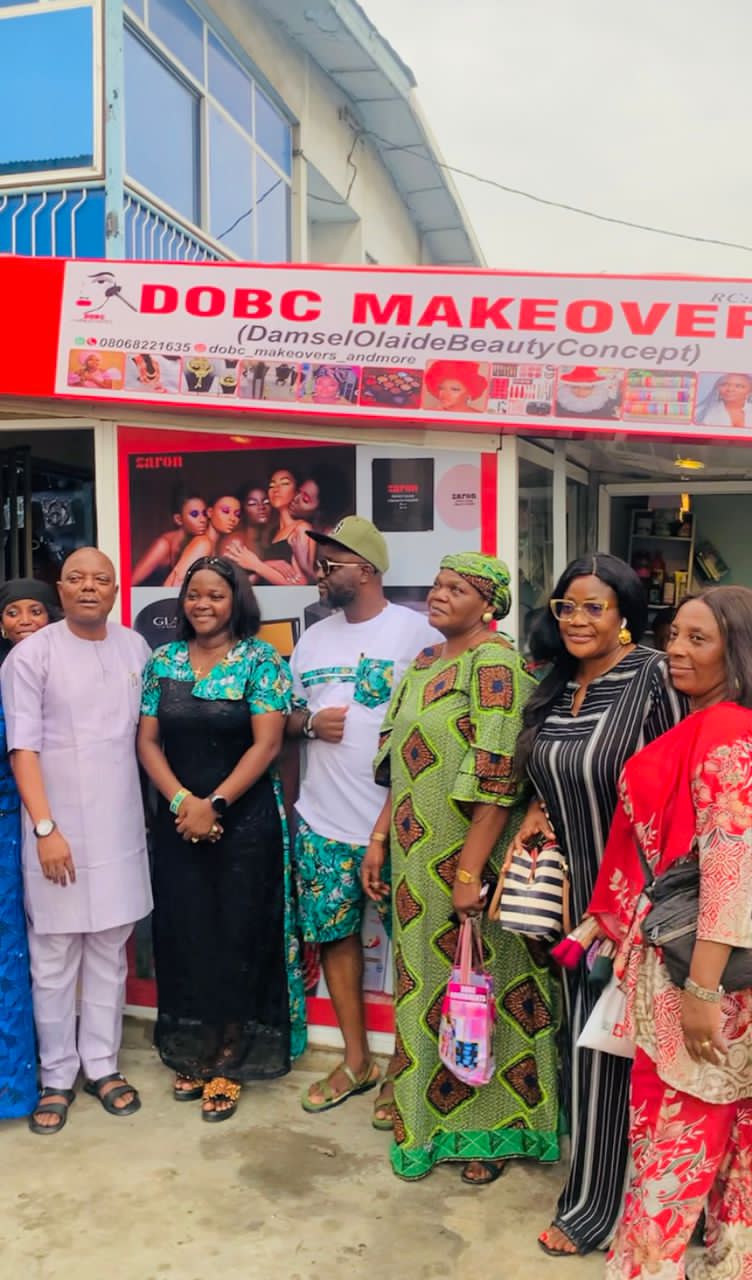
Beauty Meets Glamour as Olaide Ogunyemi Opens New Studio in Mushin
Popular Nollywood actress and professional makeup artiste, Olaide Ogunyemi Oluwayemisi aka Damilola, has expanded her footprint in the beauty industry with the grand opening of her new makeup studio in Lagos.
The talented thespian, who is also the Chief Executive Officer of @Dobc_makeovers_andmore, officially unveiled the ultra-modern beauty space last Thursday, April 2, 2026, in a colourful ceremony filled with glamour, fashion, and pageantry.
Strategically located at 101 Palm Avenue, right beside FitPlus and Sparklight Hospital in Mushin area of Lagos, the new studio is designed to offer top-notch beauty services, reflecting Ogunyemi’s commitment to excellence and professionalism in the ever-growing makeup industry.
The opening ceremony attracted friends, colleagues from the Nollywood industry, beauty enthusiasts, and well-wishers who came out in large numbers to celebrate the entrepreneur’s latest milestone. Guests were treated to a vibrant atmosphere that showcased creativity, style, and the evolving standards of the beauty business in Lagos.
Speaking at the event, Ogunyemi expressed her excitement and gratitude, noting that the new studio represents years of hard work, dedication, and passion for her craft. She reaffirmed her commitment to delivering premium beauty services while empowering aspiring makeup artistes.
The launch of the studio further cements her reputation as a dynamic force, successfully blending her career in Nollywood with a thriving beauty brand.
With this latest development, Olaide Damilola Ogunyemi continues to inspire many young entrepreneurs, proving that talent, consistency, and vision remain key drivers of success in Nigeria’s creative and business landscape.


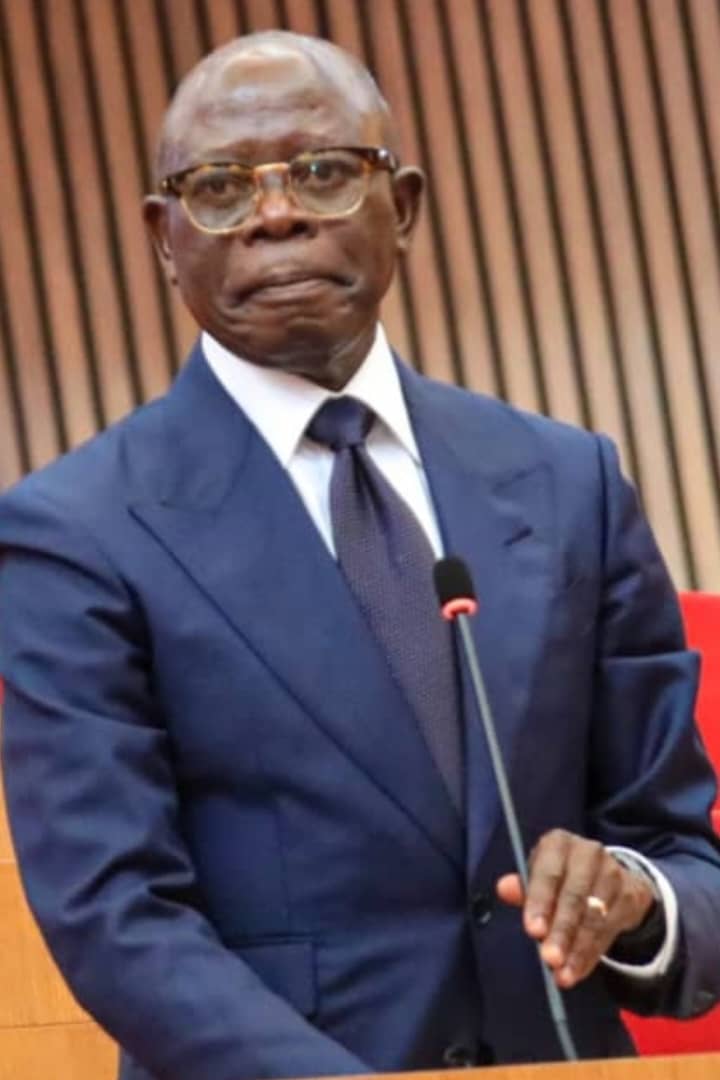
Daniel Eromosele Eulogize Adams Oshiomole as he turns 74 years
Today, I celebrate an exceptional leader, a fearless voice for the people, and a man whose life has remained a symbol of courage, sacrifice, and unwavering commitment to justice—Distinguished Comrade Senator Adams Aliu Oshiomhole.

Your journey has been nothing short of inspiring. From your days as a vibrant labour leader to your impactful tenure as the Executive Governor of Edo State, and now as a respected Senator of the Federal Republic, you have consistently demonstrated what it means to serve with integrity, strength, and purpose. Your contributions to the growth of our nation and the development of Edo State remain indelible and deeply appreciated.
You have not only built structures and institutions but have also built people. I am personally a beneficiary of your leadership, your guidance, and your belief in empowering others. Your influence in my life has been profound, and I remain grateful for the opportunities and inspiration you have given me.
On this special day, I celebrate not just your achievements, but the man you are—resilient, principled, and ever committed to the progress of Nigeria and her people.

May this new year bring you renewed strength, greater wisdom, good health, and more remarkable accomplishments. May your legacy continue to shine brighter with each passing year.
Happy Birthday, sir. Wishing you many more fruitful and impactful years ahead.
celebrity radar - gossips
Accolades to Empress Genevieve Wining as she Celebrate birthday in Grand style

Accolades to Empress Genevieve Wining as she Celebrate birthday in Grand style
Emmanuel Clement
Vilnius, Lithuania – The Grand Hotel Vilnius will host a grand birthday celebration in honor of Her Majesty The Empress Genevieve Wining of the United Kingdom of Atlantis (UKA) on April 4th, 2026.
The four-day event promises to be an extravagant affair, marking the special birthday of Empress Genevieve Wining. The celebration will take place at the prestigious Grand Hotel Vilnius, Lithuania, renowned for its luxurious ambiance and exceptional service.

According to the event flyer, the birthday celebration will be a spectacular occasion, fitting for an empress. Guests can expect an elegant setting adorned with golden accents, sparkling champagne, and festive decorations, creating a regal atmosphere befitting the occasion.
The Empress Genevieve Wining of UKA is expected to grace the event, which will include various festivities and celebrations in her honor. The occasion aims to bring together dignitaries, followers, and guests to commemorate the empress’s birthday with grandeur and joy.
For media inquiries, accreditation, or further information about the birthday celebration of The Empress Genevieve Wining of UKA, please contact the event organizers.
Courtesy of His Excellency Emperor Prof. Solomon Wining. UKA


-

 society7 months ago
Religion: Africa’s Oldest Weapon of Enslavement and the Forgotten Truth
-

 news4 months ago
WHO REALLY OWNS MONIEPOINT? The $290 Million Deal That Sold Nigeria’s Top Fintech to Foreign Interests
-

 society7 months ago
“You Are Never Without Help” – Pastor Gebhardt Berndt Inspires Hope Through Empower Church (Video)
-

 celebrity radar - gossips2 months ago
Dr. Chris Okafor Returns with Power and Fire of the Spirit -Mounts Grace Nation Altar with Fresh Anointing and Restoration Grace on February 1, 2026
You must be logged in to post a comment Login
You must log in to post a comment.