
society
FirstBank Hosts Nigeria Economic Outlook 2026, Leads Conversation on Economic Growth


FirstBank Hosts Nigeria Economic Outlook 2026, Leads Conversation on Economic Growth
Lagos, 2 January 2026 – FirstBank, West Africa’s premier financial institution and financial inclusion service provider is pleased to announce the Nigeria Economic Outlook 2026 scheduled to hold on Tuesday, 6 January 2025. The theme of the session is “The Great Calibration: Mastering Resilience in an Era of Asynchronous Growth”
Nigeria Economic Outlook is an annual customer-facing session which sets the tone on prevailing economic realities, equipping FirstBank customers with insights to navigate the economy effectively at the start of the year. The 2026 edition will review Nigeria’s economic landscape over the past year, provide an outlook for 2026, and deliver expert perspectives on global and domestic trends and their implications for the nation’s economy in the year ahead.
Commenting ahead of the event, the Acting Group Head, Marketing & Corporate Communications at FirstBank, Olayinka Ijabiyi said, “FirstBank remains dedicated to supporting the growth and development of Nigerian businesses and individuals, and this event is a testament to that commitment. As we welcome the new year, the Nigeria Economic Outlook 2025 will serve as a platform for our customers and stakeholders to learn how to navigate the complexities of Nigeria’s economic landscape in 2026. This initiative aims to help them make informed decisions based on expert recommendations and insights garnered from the session to drive giant transformative progress, allowing both businesses and individuals to thrive in the new year.”
The session will feature a distinguished lineup of speakers including economic analysts and industry leaders. The keynote address will be delivered by Yemi Kale, Group Chief Economist & Managing Director of Research & Trade Intelligence, Afrexim Bank.
Following the keynote, a high-level panel discussion will feature Olusegun Zaccheaus, Chief Economist, PwC; Francis Anatogu, Chief Executive Transaharan; Professor Bongo Adi, Professor of Economics & Data Analytics, Lagos Business School; Niyi Yusuf, Managing Partner, Verraki; Cheta Nwanze, Lead Partner at SBM Intelligence; Osahon Ogieva, Deputy Managing Director, FirstBank Ghana; Ayokunle Ojo, Head, Treasury Sales & Derivatives Marketing, FirstBank; and Laura Fisayo-Kolawole, Head, Equities and Alternative Solutions, First Asset Management. The panel discussion will be moderated by Chike Uzoma, Head, Strategy & Corporate Development, FirstBank.
To be a part of the session, interested participants can register and participate via https://firstbanknigeria.zoom.us/webinar/register/WN_PvQyniM4Rpmp1HqQoqbPvQ
As the partner of first choice for personal, business and corporate financial decisions, FirstBank will continue to support Nigerians in achieving their financial aspirations, driving growth and prosperity across the nation, and shaping a brighter economic future for all.
|




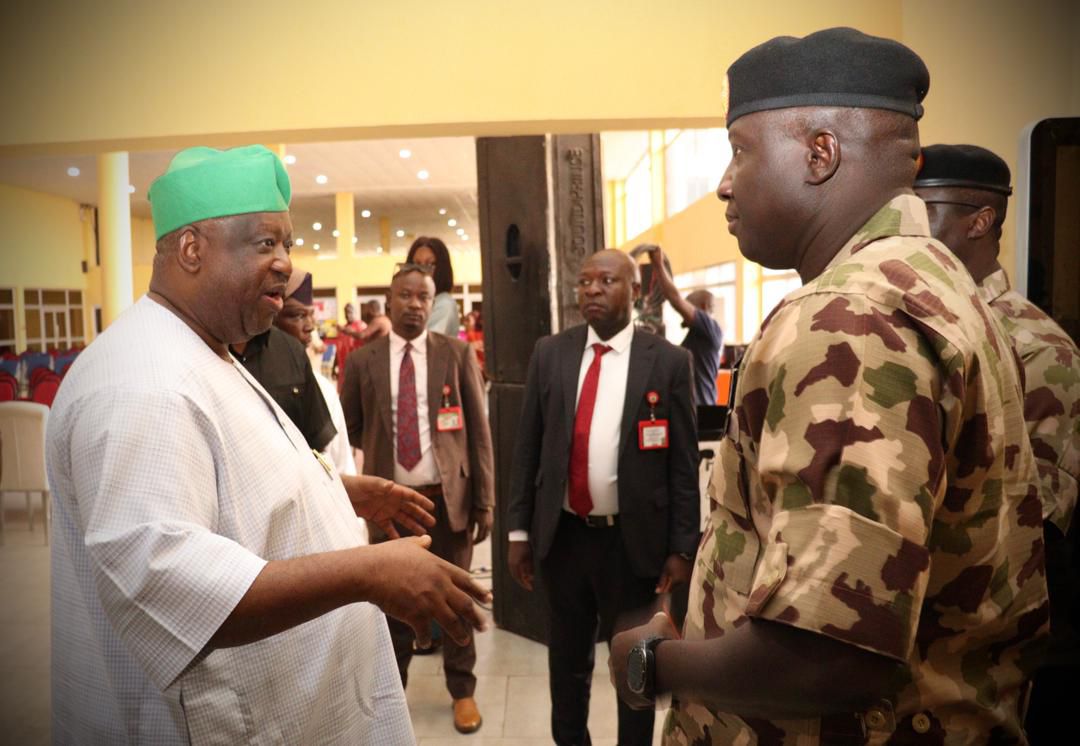
COAS Launches Nationwide Security Renewal Mission in Plateau
The Chief of Army Staff, Lieutenant General Waidi Shaibu, on Thursday led a high-level delegation of security chiefs to Plateau State, flagging off a nationwide security renewal mission aimed at strengthening civil-military cooperation and restoring lasting peace across the country.
The visit to Jos, the Plateau State capital, marks the first phase of a coordinated national effort to address persistent security challenges through joint operations, community engagement, and proactive intelligence gathering.

Governor Caleb Muftwang received the delegation, describing the initiative as a critical step toward stabilizing affected communities and reinforcing public confidence in security institutions.
Civil-Military Synergy Takes Centre Stage
At the heart of the mission is a renewed emphasis on collaboration between the military, civil authorities, and local communities. Speaking during the visit, Lt. Gen. Shaibu stressed that national security must be treated as a collective responsibility.
He urged citizens to support security agencies by remaining vigilant, sharing credible information, and complying with lawful directives, noting that effective security cannot be achieved in isolation.
Community Engagement as Confidence-Building Tool
In a departure from purely operational engagements, the Army Chief held direct consultations with community leaders and residents in Jos, reinforcing the importance of trust and dialogue in conflict resolution.
Lawmakers, including Dachung Bagos and Ladi Dangyok, commended the initiative, stating that visible engagement by top military leadership helps rebuild confidence among citizens and fosters cooperation.

Proactive Security Operations Underway
Operational updates were provided by Major General Folusho Oyinlola, who disclosed that troops under Operation Enduring Peace have intensified surveillance, intelligence-led patrols, and coordinated actions with other security agencies.
According to the Army, the approach is designed to prevent escalation of threats, safeguard lives and property, and stabilize vulnerable communities before crises emerge.
A Shift Toward Sustainable Peace
Military authorities emphasized that the Plateau visit is part of a broader, long-term strategy to transition from reactive responses to sustainable peacebuilding nationwide. The framework includes strengthening local resilience, ensuring justice, and maintaining continuous engagement with stakeholders.
Analysts view the initiative as a significant policy shift, reflecting a more inclusive security architecture that integrates community participation with military operations.
Call for National Unity
The Army leadership concluded with an appeal to Nigerians to reject divisive narratives and support ongoing efforts to promote unity and peace.
“The success of this mission depends not only on the armed forces but on the cooperation of every citizen,” the COAS stated.
The nationwide security renewal campaign is expected to extend to other regions in the coming weeks as authorities seek to consolidate gains and build a safer, more unified Nigeria.


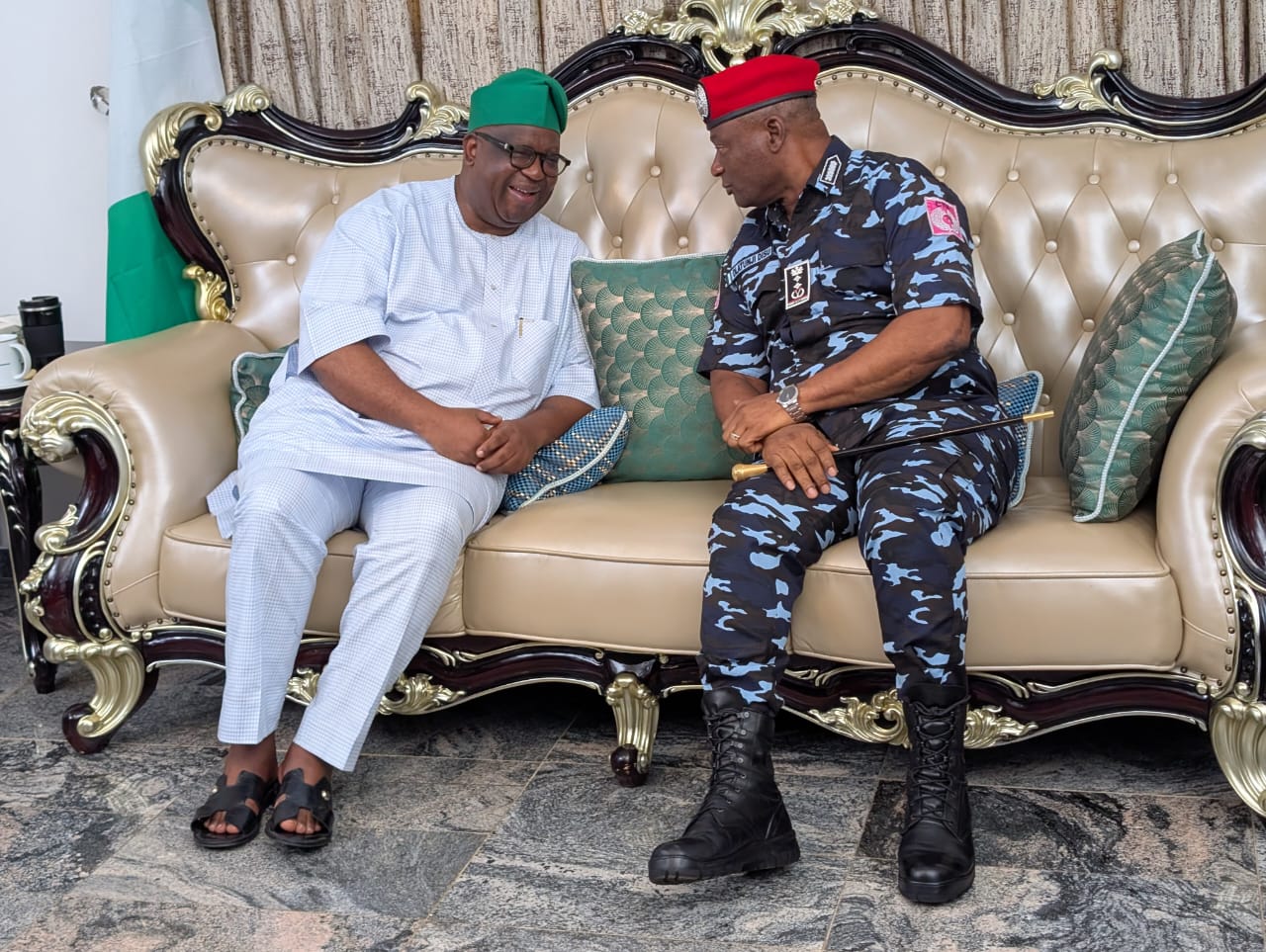
IGP Disu Visits Plateau, Orders Tactical Deployment To Reinforce Security
The Inspector General of Police, Olatunji Disu, on Thursday paid a working visit to Plateau State following recent unrest, holding strategic talks with Governor Caleb Muftwang on measures to strengthen security and prevent further disturbances.
As part of immediate steps to stabilise the situation, the police chief authorised the deployment of specialised tactical units to support officers already on ground across affected areas.
Governor Muftwang commended the swift intervention of the police leadership, praising the dedication and professionalism of security personnel working to restore calm. He also acknowledged the efforts of mobile police officers and lauded the leadership of the state’s Commissioner of Police, Bassey Ewah.
Both the Nigeria Police Force and the Plateau State Government reaffirmed their commitment to safeguarding lives and property, stressing that enhanced collaboration remains key to restoring lasting peace in Plateau State, popularly known as the Home of Peace and Tourism.


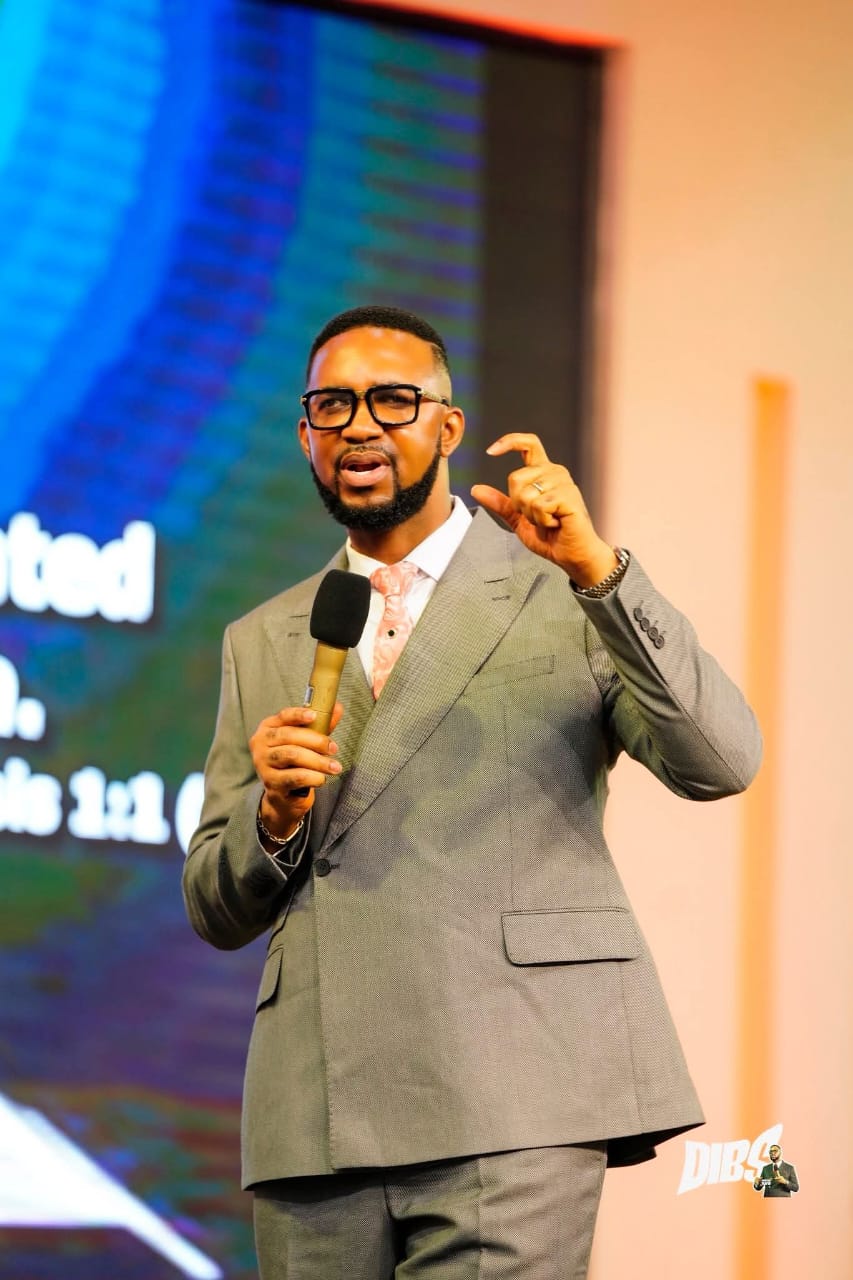
Grace Nation Worldwide: A Living Reality – Dr. Chris Okafor
……“Miracles, Healing, and Deliverance Overflow at Grace Nation Services”
The Grace Nation midweek Prophetic Healing, Deliverance, and Solutions (PHDS) Service on 2nd April 2026 at the international headquarters in Ojodu Berger, Lagos, was a spectacular display of God’s power, marked by miracles, healing, and deliverance.
The God of Grace Nation continues to demonstrate His authority, breaking strongholds, healing the sick, restoring lost glory, and providing solutions to every problem presented at His altar.
Testimonies of God’s Power
One woman, previously diagnosed with a terminal condition and slated for a ₦4.5 million surgery due to inability to excrete, was prayed for by the Generational Prophet, Christopher Okafor, just a week after visiting the church. Declaring healing within 24 hours, she returned to testify to God’s miraculous intervention.
Another pregnant woman, whose baby was bridged and at risk, was located and prayed for. She returned to service with confirmation that her child is now well-positioned for delivery. Similarly, a woman booked for a C-section due to an overdue and poorly positioned pregnancy testified during the service that her baby is now properly positioned, ready for birth.
These testimonies underscore the truth: what God cannot do does not exist. Grace Nation has entered a new level of spiritual authority, and with faith, believers are witnessing the impossible become reality.
God Works by Principle, Not Gossip
In his sermon, Dr. Okafor emphasized that God does not operate on superstition, gossip, or social media pressures. His work is grounded in His Word, and it is through adherence to His principles that Grace Nation continues to flourish.
The Generational Prophet stressed that to enjoy divine blessings and fruitfulness, believers must remain connected to God’s Word, faithfully serve Him, and ignore distractions or side-talks. Focused commitment to God’s service guarantees alignment with His miraculous power.
Join the Movement
Grace Nation Worldwide is open for all who desire a life transformed by divine intervention. Weekly services include:
Sunday Service: 7:00 AM
Grace Nation Island Service (Ogombo): Wednesday, 5:00 PM
Midweek PHDS Service: Thursday, 7:00 AM
Attending these services under the ministry of the Generational Prophet ensures encounters with God’s supernatural power, life-changing miracles, and lasting breakthroughs.
Grace Nation Worldwide is not just a church—it is a reality where faith meets the supernatural.
By Sunday Adeyemi


-

 society7 months ago
Religion: Africa’s Oldest Weapon of Enslavement and the Forgotten Truth
-

 news4 months ago
WHO REALLY OWNS MONIEPOINT? The $290 Million Deal That Sold Nigeria’s Top Fintech to Foreign Interests
-

 society6 months ago
“You Are Never Without Help” – Pastor Gebhardt Berndt Inspires Hope Through Empower Church (Video)
-

 celebrity radar - gossips2 months ago
Dr. Chris Okafor Returns with Power and Fire of the Spirit -Mounts Grace Nation Altar with Fresh Anointing and Restoration Grace on February 1, 2026