
society
From Wealth to Chains: How the World Bank and IMF Drowned Nigeria and Africa in Debt

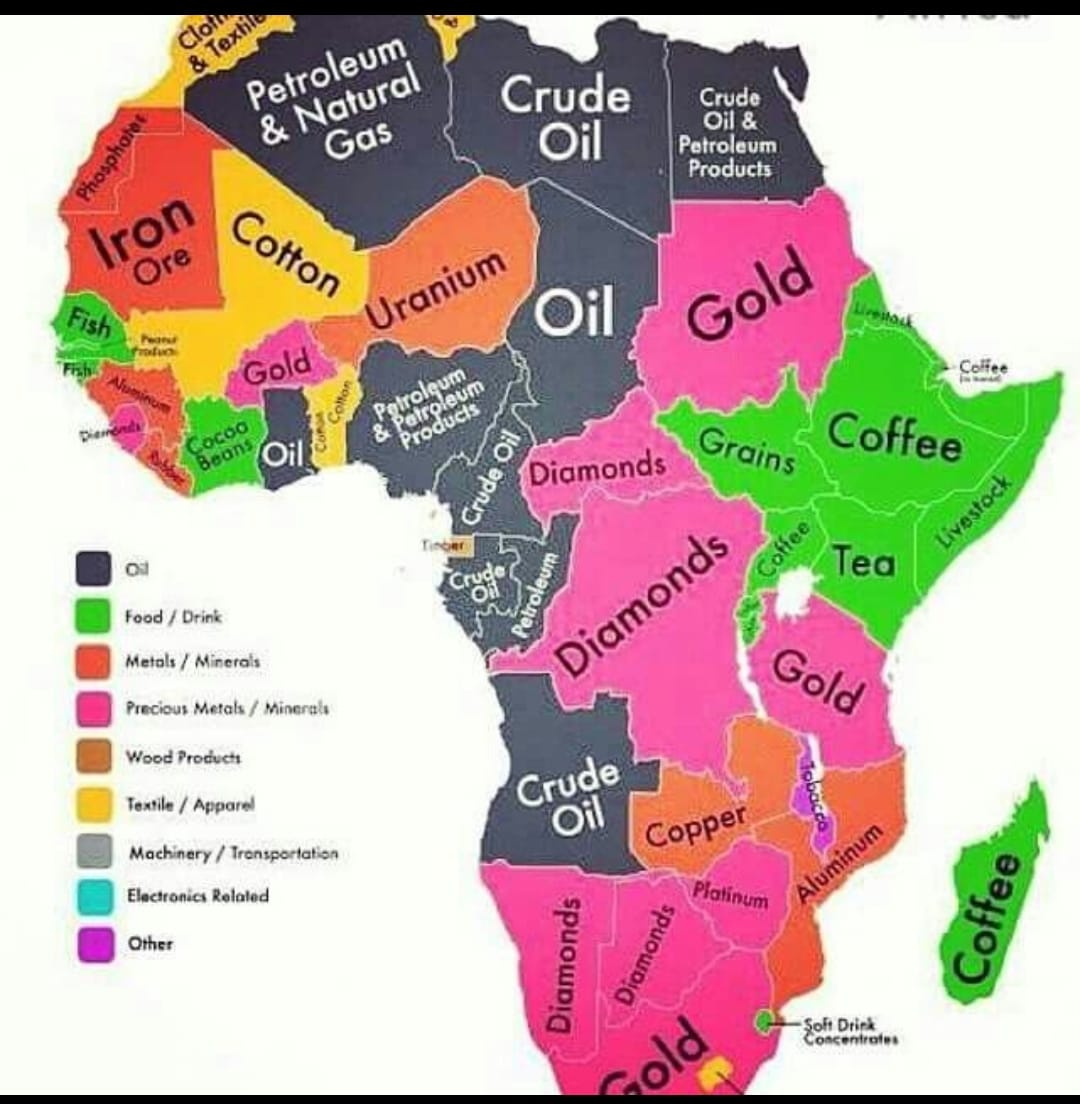
From Wealth to Chains: How the World Bank and IMF Drowned Nigeria and Africa in Debt
By George Omagbemi Sylvester
For Sahara Weekly Nigeria | www.saharaweeklyng.com
In the 1970s, the Nigerian Naira was worth more than the U.S. dollar and British pound. A dollar exchanged for 70 kobo. One Naira fetched £1.10. Our roads were tarred, our universities ranked among the best in the world and our economy was booming with oil money, agricultural exports and a burgeoning middle class. Nigeria was not just the “Giant of Africa” in name; we were a respected economic force.

But today, in 2025, we are caught in a web of poverty, debt and dependency. Our once-mighty Naira now exchanges for over ₦1,400 to $1. More than 133 million Nigerians live in multidimensional poverty. Basic infrastructure has collapsed. How did we fall so far? What went wrong?
The Rise Before the Fall

Nigeria’s economic boom in the 1970s was driven by two key forces: oil and agriculture. We were the world’s largest exporter of palm oil, groundnuts and cocoa. The oil embargo of 1973 tripled global crude prices and flooded Nigeria with petrodollars. Between 1970 and 1979, the country earned over $40 billion from crude oil. Our external debt was almost nonexistent. The Naira was strong and respected.
Then the oil bubble burst.

The global oil crash of the early 1980s hit Nigeria hard. Foreign reserves dried up. Corrupt leadership, wasteful spending and weak institutions magnified the crisis. Seeking salvation, Nigeria turned to the International Monetary Fund (IMF) and World Bank, a fateful decision that would enslave us for generations.
Enter the Debt Trap
The Western financial institutions dangled loans before desperate African leaders like poisoned carrots. Nigeria accepted them and with those loans came deadly conditions known as Structural Adjustment Programmes (SAPs) a neoliberal model that destroyed Africa’s economies and social fabric.
SAPs forced countries like Nigeria to:
Devalue their currency, making imports more expensive and reducing the purchasing power of citizens.
Remove subsidies on fuel, healthcare and education.
Deregulate and privatize public assets, handing critical sectors to foreign corporations.
Open markets to foreign goods, killing local industries and jobs.
Between 1980 and 1990, Nigeria’s external debt ballooned from $3 billion to over $30 billion. We borrowed to repay interest on previous loans. The IMF’s “solutions” proved catastrophic. In less than a decade, the Naira collapsed. Nigeria’s economy became externally controlled. Poverty exploded.
As the late Thomas Sankara, former president of Burkina Faso, famously said:
“Debt is a cleverly managed reconquest of Africa, aimed at subjugating its growth and development through foreign rules. We are told how to govern, how to eat, how to educate, how to work and even how to die.”
Economic Colonialism Repackaged
Africa’s debt crisis is not merely economic; it is political, ideological and neo-colonial. These so-called “loans” are structured to enslave. According to former Nigerian President Olusegun Obasanjo,
“We had paid $35 billion on a $5 billion debt and still owed $32 billion. If that is not madness, then I don’t know what is.”
The IMF and World Bank preach “fiscal discipline,” yet turn a blind eye when billions are looted from African nations and stashed in Western banks. These institutions never penalize corruption because it benefits them. The more we borrow, the more we owe. The more we owe, the more they control.
Nigeria, like many African countries, was forced to cut public spending even as it continued to repay debt. Hospitals became death zones. Schools rotted. Industries shut down. Yet we were told this was “economic reform.”
Currency Devaluation: The Silent Killer
One of the most devastating weapons used against Nigeria was the forced devaluation of the Naira. Under IMF dictates, Nigeria was told to let its currency “float” to find a market rate. In truth, this was a calculated attack on the local economy.
In 1985, ₦1 exchanged for $1. By 1999, it was ₦90 to $1. Today in 2025, we are looking at ₦1,400 to $1. This isn’t just poor governance. It is economic warfare dressed in Western jargon.
Devaluation benefits foreign investors and multinational companies who buy Nigerian resources dirt cheap. It hurts local manufacturers, farmers and the average Nigerian who now pays 500% more for essential goods.
As Kenyan scholar Prof. PLO Lumumba stated:
“Africa is not poor. It is being impoverished. The theft is organized, systematic and maintained by institutions that profit from our misery.”
From Economic Leadership to Global Beggars
In the 1960s, countries like Malaysia, Singapore and South Korea were on the same economic level as Nigeria. Today, they are industrial giants. What did they do differently?
They invested in education, innovation and industrialization. They protected local industries and refused to blindly follow Western economic prescriptions. They said “No” to IMF loans. Nigeria and much of Africa, on the other hand, sold their economic souls for cheap loans and false praise.
As Ghanaian Pan-Africanist Kwame Nkrumah warned:
“We must unite now or perish. We must recognize that our economic independence resides in our African identity and not in Western handouts.”
Today’s Reality: Nigeria Is Paying for a Crime It Didn’t Commit
According to the World Bank, Nigeria now owes over $110 billion in public debt as of 2024. We spend more than 60% of our revenue servicing debt, leaving less than 40% for infrastructure, healthcare, education and job creation.
Worse still, a large portion of these loans never even reach the people. They are mismanaged, embezzled or used to repay interest on older loans. This is generational robbery. Our children and grandchildren are being mortgaged to pay for the failures and betrayals of past regimes.
What Must Be Done?
Enough is enough. Nigeria and Africa must break these chains or remain enslaved. We need a radical economic awakening, starting with:
Rejecting odious and illegitimate debts that were stolen or misused.
Building intra-African trade and regional currencies to reduce reliance on the dollar and euro.
Investing in manufacturing and agricultural value chains, not importing toothpicks and petrol.
Demanding the return of stolen funds hidden in Western banks with full interest.
Ending dependency on IMF/World Bank prescriptions and forming our own African Development Agenda.
Africa must no longer be treated as a pawn on a Western chessboard. We are 1.4 billion strong, sitting on the world’s richest minerals and fastest-growing youth population. It’s time we reclaimed our future.
Final Thoughts: The Real Battle Is Economic Freedom
Nigeria is not poor. We are rich in oil, gas, human capital, arable land and creativity. But we are poor in visionary leadership and economic independence. We cannot keep borrowing our way into prosperity.
This is a call to all patriotic Nigerians especially our youth. The real fight today is not with guns but with economic awareness, policy reform and collective pressure. The true liberation of Africa will not come from foreign aid. It will come when we say NO to debt slavery and YES to African-owned solutions.
As Wole Soyinka wisely said:
“The greatest threat to freedom is the absence of criticism.”
Now is the time to criticize, question, reform and rise.
Published by Sahara Weekly Nigeria – www.saharaweeklyng.com
Author: George Omagbemi Sylvester
Political Analyst | Economic Commentator | African Patriot





society
Liberian Leaders, Citizens Bear Witness as Apostle Suleman Hosts Two-Day Power-Packed Crusade
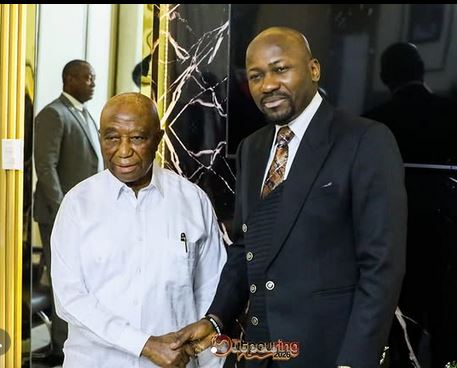
Liberian Leaders, Citizens Bear Witness as Apostle Suleman Hosts Two-Day Power-Packed Crusade
It was testimonies galore on Tuesday, March 31, the first day of the famous servant of God and founder of the Omega Fire Ministries (OFM) worldwide, Apostle Johnson Suleman’s power-packed two-day crusade. The event documented impactful moments with the Gospel and miracles, emphasizing the power of faith and the tangible confirmation of God’s Word through signs and wonders. It was equally an atmosphere of miraculous healing, restoration of lives, and the strengthening of faith.
At the crusade, which was held at the SKD Sports Stadium in Paynesville City, and themed, “Liberia Outpouring Crusade” witnessed testimonies of impact and miracles with participants experiencing instant healing of various kinds of challenges.
Apostle Suleman’s first port of call was Paynesville, the office of Liberian government’s president, Mr. Joseph Nyuma Boakai, who received him in an audience with his junior ministers. Apostle Suleman, who also met with the vice-president, Mr. Jeremiah Kpan Koung, was welcomed by the Liberian leader’s office as part of the president’s ongoing engagements with religious leaders aimed at fostering spiritual support for national development.
The president expressed profound appreciation to Apostle Suleman for the visit and continued prayers and intercessions by men and women of God on behalf of Liberia, emphasizing his firm belief that sustained spiritual guidance and prayer remain vital to the transformation and progress of the nation.
During the visit, Apostle Suleman offered prayers for President Boakai, his cabinet and the Liberian nation, invoking divine alignment, wisdom, and insight in Liberia’s path toward growth and stability. He prayed that the Almighty God would position Liberia for relevance and fulfillment of its national destiny.
Apostle Johnson Suleman, an evangelist who knows no bounds of where preaching the gospel comes to a stop, visited Liberia prepared with the message, compelling power of the Gospel and the work of the Holy Spirit, and bringing people to a point of decision where they surrendered their lives to Christ.
Aside from being prophetic and timely, OFM sources disclosed that the servant of God’s visit underscores the importance of faith-based partnerships in supporting governance and national renewal efforts.
society
Middle Belt Forum Hails Tinubu’s Jos Visit, Calls for United Civil-Military Effort to Restore Lasting Peace
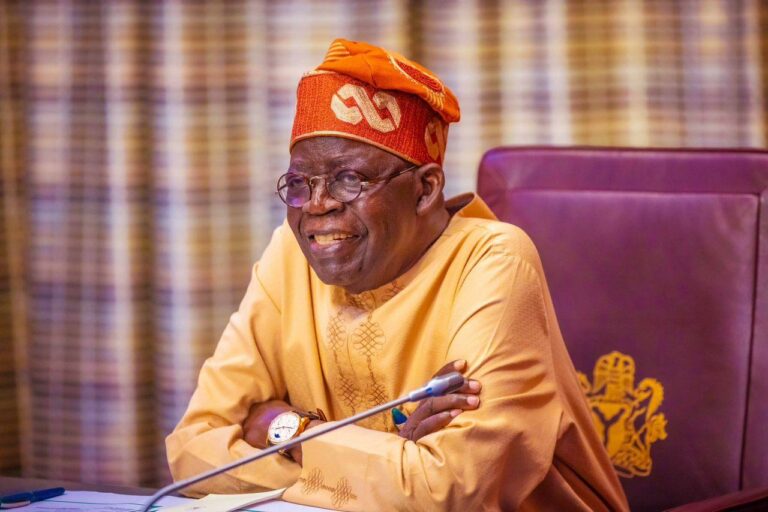
*Middle Belt Forum Hails Tinubu’s Jos Visit, Calls for United Civil-Military Effort to Restore Lasting Peace
The Middle Belt Peace Forum (MBPF) has commended President Bola Ahmed Tinubu for his profound demonstration of empathy and responsive leadership following his decision to postpone an official engagement in Iperu in order to visit victims of the recent attacks in Jos.
In a statement signed by its National Coordinator, Pastor Bulus Garba, in Jos on Friday, the Forum said the President’s decision to personally identify with grieving communities sends a powerful message of solidarity and reinforces public confidence in the commitment of the Federal Government to the protection of lives and property.
“The Middle Belt Peace Forum warmly commends President Bola Ahmed Tinubu for prioritising compassion over ceremony. At a time of deep sorrow for the people of Plateau State, his decision to visit Jos stands as a mark of true leadership—one that listens, responds, and stands with the people in their moment of pain,” the statement read.
The Forum described the perpetrators of the recent attacks as “cowards who prey on innocent and defenceless citizens,” stressing that such acts of violence are not only inhumane but also a direct assault on the unity and peace of the nation.
“We condemn in the strongest terms the actions of these cowardly attackers whose only aim is to instil fear and destabilise peaceful communities. Their actions must be met with firm and decisive resistance from all arms of the state,” Pastor Garba said.
The MBPF further used the opportunity to salute the courage, gallantry, and sacrifices of the Armed Forces of Nigeria under the leadership of the Chief of Defence Staff, General Olufemi Oluyede, noting that their continued efforts remain central to restoring stability across troubled parts of the country.
According to the Forum, the Armed Forces have demonstrated resilience and professionalism in the face of complex security challenges, often operating under difficult conditions to safeguard communities and defend Nigeria’s territorial integrity.
“We salute the Armed Forces of Nigeria for their unwavering commitment and sacrifices. Their gallantry in confronting criminal elements and reclaiming territories is a testament to their dedication to national service. We recognise that the path to peace is demanding, and we honour those who stand daily in defence of our nation,” the statement added.
The Forum pledged its full support to ongoing military operations and called for strengthened collaboration between security agencies and local communities as a critical factor in achieving lasting peace.
It also urged citizens across the Middle Belt to cooperate with security forces by providing timely information and fostering unity within their communities.
The MBPF, however, expressed concern over the need for greater synergy among security agencies, particularly the role of the Nigeria Police in consolidating gains made by the military.
“We call on the Nigeria Police Force to rise fully to its constitutional responsibility by effectively supporting the Armed Forces in stabilising and securing areas that have been cleared of criminal elements. Holding and policing such territories is essential to preventing a resurgence of violence,” Pastor Garba stated.
The Forum emphasised that sustainable peace requires a coordinated approach in which the military clears and secures areas, while the police maintain law and order to enable displaced communities to return and rebuild their lives.
The MBPF concluded by reiterating its commitment to peacebuilding efforts across the Middle Belt and expressed optimism that with sustained leadership, coordinated security efforts, and active citizen participation, lasting peace can be achieved.
“Together, through unity, vigilance, and collective resolve, we can overcome these challenges and build a safer and more peaceful Middle Belt,” the statement added.
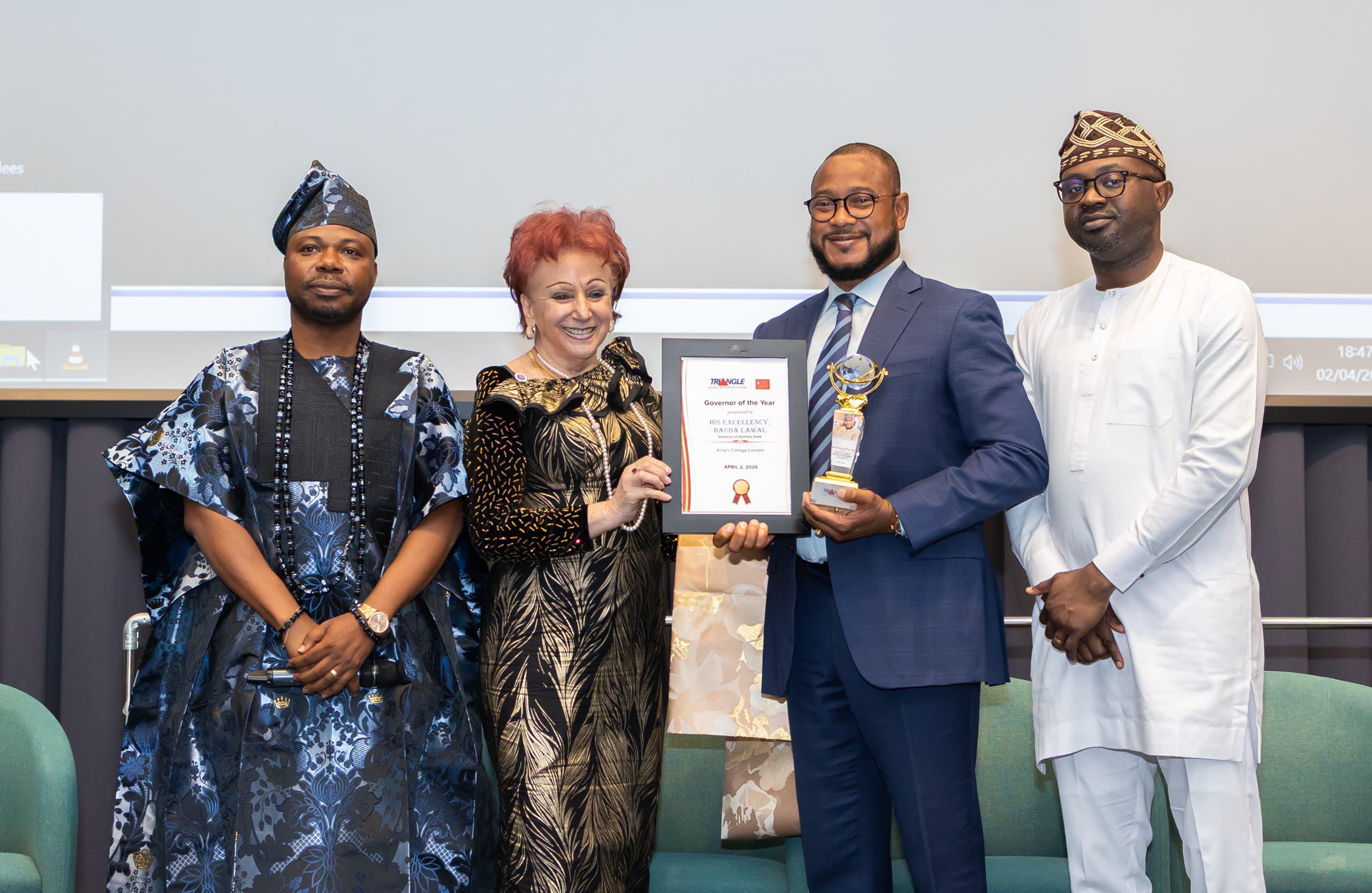
Governor Dauda Lawal Wins Face of Africa Governor of the Year Award in London
Governor Dauda Lawal has been honored with the Outstanding Governor of the Year award by Triangle Media International Magazine.
The award was presented during the magazine’s 10th annual lecture and award ceremony, held on Thursday at the Grand Hall of King’s College, London, United Kingdom.
According to a statement by the governor’s spokesperson, Sulaiman Bala Idris, the awards recognize public and private sector leaders whose leadership positively impacts governance and service delivery.
He added that the lecture, themed “Harnessing the Roles of Nigerians in Diaspora for National Development,” brought together stakeholders from both the public and private sectors.
The statement read in part: “Yesterday, in London, Governor Dauda Lawal received the 2026 Face of Africa Leadership Award for Outstanding Governor of the Year.
“The 2026 edition coincides with the 10th anniversary of Triangle International Magazine, which has over the years celebrated notable Africans across diverse fields.
“The award recognizes the Zamfara State Government under Governor Lawal’s leadership for achieving remarkable milestones in service delivery since his inauguration on 29 May 2023.
“The board of Triangle International noted that, despite inheriting an empty treasury, Governor Dauda Lawal has remained true to the Rescue Agenda’s campaign promise: to rescue and rebuild Zamfara.
“The award also reflects the state government’s innovative approach to indirectly curbing insecurity through educational advancement, demonstrated by the declaration of a state of emergency in the education sector.
“This includes the state government’s swift payment of the outstanding N3.4 billion for WAEC and NECO examinations, as well as the reconstruction and rehabilitation of schools across all 14 Local Government Areas of Zamfara State.
“The international magazine finds these initiatives to be strategic interventions toward long-term efforts to make Zamfara State better.”
The colourful event was attended by the Minister of Interior, Olubunmi Tunji-Ojo, and Sahara Group’s Group Managing Director, Kola Adesina, among others.


-

 society7 months ago
Religion: Africa’s Oldest Weapon of Enslavement and the Forgotten Truth
-

 news4 months ago
WHO REALLY OWNS MONIEPOINT? The $290 Million Deal That Sold Nigeria’s Top Fintech to Foreign Interests
-

 society6 months ago
“You Are Never Without Help” – Pastor Gebhardt Berndt Inspires Hope Through Empower Church (Video)
-

 celebrity radar - gossips2 months ago
Dr. Chris Okafor Returns with Power and Fire of the Spirit -Mounts Grace Nation Altar with Fresh Anointing and Restoration Grace on February 1, 2026