
society
Fueling Terror: The Unforgivable Betrayal Within Nigerian Borders


Fueling Terror: The Unforgivable Betrayal Within Nigerian Borders
By George O. Sylvester
On a quiet day in Maiduguri, the capital of Borno State, Nigerian troops made a disturbing discovery: a local filling station was caught red-handed loading fuel into 500 jerrycans, intended for supply to Boko Haram insurgents. This act of treachery is not just a crime, it is a deliberate betrayal of our nation, of our armed forces and of the innocent citizens who have lost everything to terrorism.

For over a decade, Nigeria has battled the Boko Haram insurgency that has killed more than 350,000 people either directly or as a result of hunger and disease, according to the United Nations Development Programme (UNDP). Yet, even as our soldiers shed blood on the battlefield, there are unscrupulous individuals amongst us; traitors in civilian clothing who aid and abet the very terrorists we are trying to defeat.
This filling station’s role in supplying fuel to Boko Haram is not an isolated event. It is a manifestation of a deeper rot, a network of collaborators, profiteers and sympathizers who live among us, walk our streets and pretend to be victims, while secretly arming and feeding monsters that burn our homes, kidnap our children and massacre our people.
“The enemy within is always more dangerous than the enemy without.” – John F. Kennedy

Indeed, how can our gallant military forces win a war when the people they are protecting harbor the very insurgents they fight? Nigeria is not just fighting terrorism; it is fighting complicity, cowardice and criminal opportunism disguised as business.
A System Compromised from Within
The discovery of this fuel station is a grim reminder that Boko Haram has long depended on local collaborators to sustain its reign of terror. According to a 2022 report by the International Crisis Group, much of Boko Haram’s logistics like fuel, food, spare parts and medicines are supplied by civilians living in northeastern Nigeria. These individuals are either coerced, corrupted or ideologically aligned with the insurgents.
There are several documented cases of civilian fuel vendors, transporters and food suppliers secretly delivering goods to terrorists in exchange for money or protection. In 2016, the Nigerian Army intercepted fuel tankers and food trucks heading towards the Sambisa Forest, filled with supplies meant for insurgents. In 2021, six people were arrested in Adamawa for transporting fuel and foodstuff to Boko Haram camps. The pattern is clear: terrorism in Nigeria thrives on an internal supply chain that continues to operate, largely unchecked, due to poor enforcement and widespread corruption.

Fuel as a Weapon of War
Why fuel? In the northeastern war theater, fuel is as lethal as ammunition. It powers the motorbikes and trucks that insurgents use to ambush soldiers, raid villages and abduct schoolchildren. It enables the mobility and tactical reach that have made Boko Haram a resilient force despite military offensives. Fuel theft and illegal distribution are critical elements in the insurgents’ logistics strategy.
When a fuel station deliberately loads 500 jerrycans with petrol and prepares to deliver it to Boko Haram, it is no different from handing them guns and bullets. It is an act of terrorism in itself and the perpetrators must be treated as enemies of the state.
“To supply fuel to terrorists is to light the match that burns down our homes.” Prof. Jibrin Ibrahim, Political Scientist
Infiltration, Corruption and the Failure of Intelligence
The ease with which such operations are carried out exposes a failure in our local intelligence and security infrastructure. How does a fuel station accumulate hundreds of jerrycans for delivery without detection? Who authorizes and monitors fuel distribution in conflict zones? What systems are in place to flag suspicious transactions?
Clearly, we are dealing with a porous system vulnerable to manipulation by both terrorists and their enablers. This incident raises serious questions about the integrity of some petroleum marketers, the oversight capacity of local authorities and the effectiveness of the Department of State Services (DSS), Civil Defence Corps and other security agencies tasked with internal monitoring.
The Economic Undercurrent: Blood Money
Behind every jerrycan of fuel delivered to Boko Haram is the scent of blood money. The people involved in this supply chain are not just criminals but they are economic vampires, feeding on the suffering of millions. The business of terror in Nigeria has become so lucrative that some individuals are willing to trade their conscience for profit.
“The worst kind of poverty is the poverty of morality.” Wole Soyinka
The government must follow the money trail. Who owns this filling station? Who are the middlemen? Who is financing the purchase and transportation of fuel to terrorist enclaves? Only by disrupting the financial architecture of terrorism can we hope to win this war.
The Role of Communities: Silence Is Complicity
It is unacceptable that such an operation could take place without the knowledge of the local community. Someone saw something. Someone knew. Yet no one spoke.
Communities in Borno, Yobe and Adamawa must understand that silence is not neutrality, it is complicity. The culture of silence, either out of fear or loyalty, is killing Nigeria. There must be a renewed effort to involve civilian intelligence, with protections and incentives for whistleblowers who expose terror collaborators.
Traditional rulers, religious leaders and local governments must also take greater responsibility. Moral authority must be backed by action, not platitudes.
Consequences and Accountability
This filling station must be shut down immediately and the owners and staff must be prosecuted under the Terrorism (Prevention) Act, 2011 (as amended). Their assets should be confiscated and repurposed for victim support and counter-terrorism operations. The Nigerian government must make an example out of them, zero tolerance for internal sabotage.
Furthermore, security agencies must conduct a sweeping audit of all fuel vendors in conflict zones. All distribution should be tracked, documented and subject to random inspections.
A Nation on the Brink
Every act of internal betrayal pushes Nigeria closer to the brink. As we speak, over 2 million Nigerians remain internally displaced, forced to flee their homes due to terrorism. Thousands of school-aged children have been denied education, entire villages have been reduced to ashes and soldiers continue to die in ambushes, sometimes because fuel supplied by local collaborators made those attacks possible.
“If we do not confront the traitors within, then Boko Haram has already won.” Col. Hassan Stan-Labo (rtd.)
Nigeria must wake up. The war is no longer just in the forests, it is in our towns, markets, homes and filling stations. The enemy is not only wearing camouflage and carrying rifles. Sometimes, he is wearing a suit and selling petrol.
The Way Forward: This War Must Be Won From Within
The discovery in Maiduguri should trigger national outrage. It should awaken every Nigerian to the urgency of rooting out the enemy within. We cannot defeat Boko Haram without defeating the internal enablers, those who profit from war, those who protect killers and those who feed the flames of destruction.
The federal government must rise beyond lip service and act decisively. National security is not negotiable. Fueling terrorists is not a business, it is an act of treason and it must be punished accordingly.
Let the world know that Nigeria will not tolerate traitors, collaborators or blood merchants. If we are to restore peace, we must first cleanse ourselves of the betrayal that lives among us.





society
Dr. Chris Okafor invokes divine retribution upon individuals blackmailing the Grace Nation church
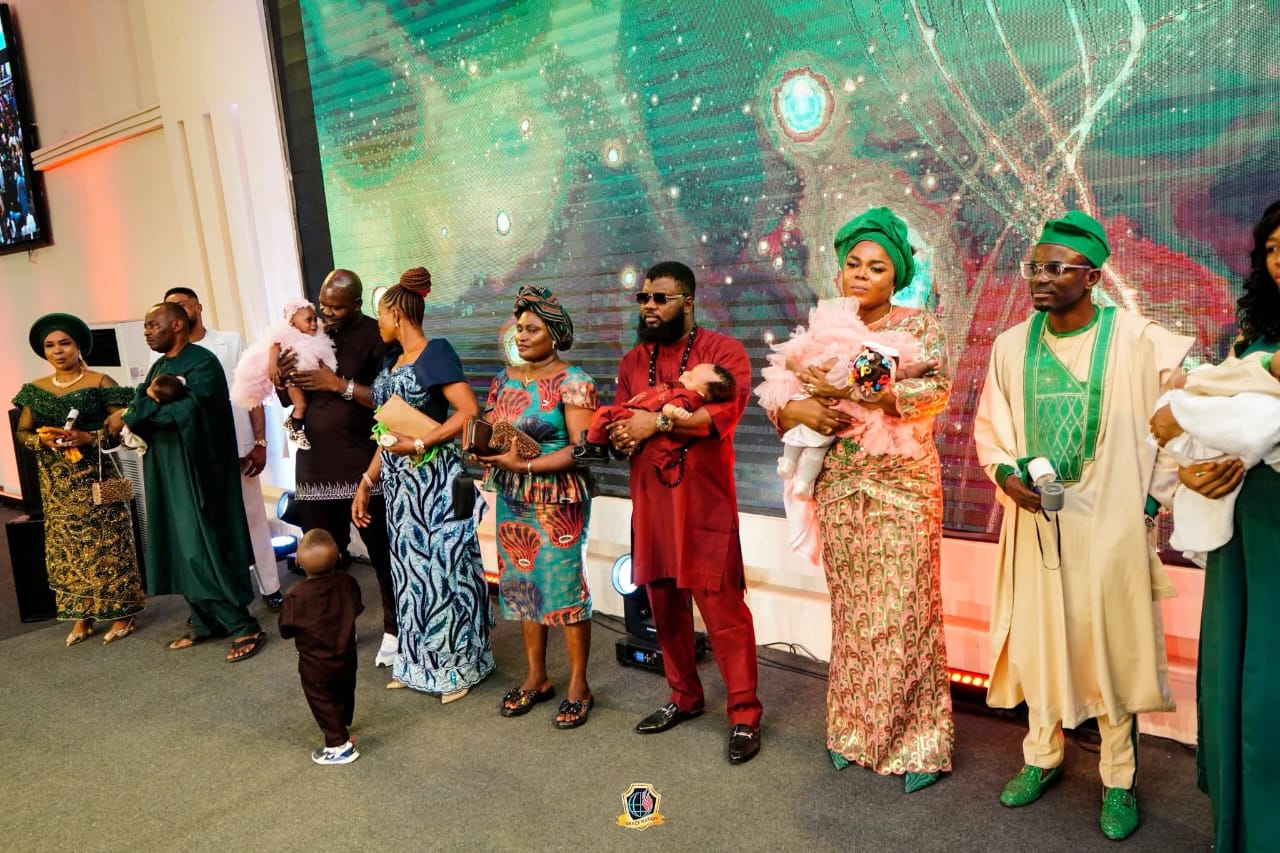
Dr. Chris Okafor invokes divine retribution upon individuals blackmailing the Grace Nation church
… Affirming God’s omnipotence to unveil malicious schemes.
To be frank, the ability of Doris Ogala and her associates to withstand the arduous challenges set by Senior Pastor Dr. Chris Okafor of Grace Nation Global at the culmination of the Harvest of Babies 2026 conference, the church’s flagship event, continues to elude me.
It’s advisable not to offend a powerful spiritual leader like Prophet Chris Okafor to avoid potential consequences, as seen in the situation with Doris Ogala, who was rebuked by the prophet; can she rectify the situation through confession?
Insiders close to the man of God claim that despite relentless online bullying and blackmailing, the Generational Prophet remains resolute, stating that God’s power has been evident throughout the commission’s existence. The reason for this wonderful statement is found in the scriptures, “Upon this rock I shall build my Church, and the gates of hell shall not prevail.” The more falsehoods are spread about the church and its leader, the more God elevates the church and propels him to greater heights, he asserted. He emphasized that blessings and fruitfulness are antidotes to curses, noting that God continues to bestow blessings upon the church, including miracles and the gift of children, which is one reason for the grand finale of the annual family liberation program, The Harvest of Babies.
However, the man of God issued a curse on each person speaking ill of the church, blackmailing, and uttering all sorts of falsehoods against the church, declaring that if they refused to repent within a few days, the earth would swallow them and their family members, stating that they would be of no use to themselves, their families, or society at large.
The spiritual leader cautions his followers to beware of such individuals including Doris Ogala who may taint their faith, and urges them to treat these persons as emissaries of the devil, avoiding them altogether.
Recall that the 2026 harvest of babies concluded with a remarkable birth of a miracle baby boy to a woman on the third day of the conference, accompanied by the dedication of several other miracle babies, all to the glory of God.
Christopher Sunday David writes from
Austria
“Together We Walk, Together We Secure”: Police Launch 2026 Walkathon In Abuja
The Nigeria Police Force has announced plans to host a walkathon in commemoration of the 2026 National Police Day, aimed at promoting unity, peace, and stronger community partnership.
The event is scheduled to take place on Tuesday, March 31, 2026, with participants expected to converge at the Force Headquarters Abuja by 6:00 a.m., where the walk will commence.
According to the organisers, the walkathon is designed to bring together members of the public, stakeholders, and security personnel in a show of solidarity and shared commitment to national security.
With the theme, “Together we walk, together we secure,” the initiative underscores the importance of collaboration between the police and citizens in maintaining peace and safety across the country.
Members of the public have been encouraged to participate in the exercise, which forms part of activities lined up to mark this year’s National Police Day celebration.
It is believed that the walkathon would not only foster closer ties between the police and the communities but also serve as a platform to promote awareness on collective responsibility in ensuring a safer society.


society
Habeeb Okunola Foundation Hosts Visually Impaired Students, Reaffirms Commitment to Educational Development
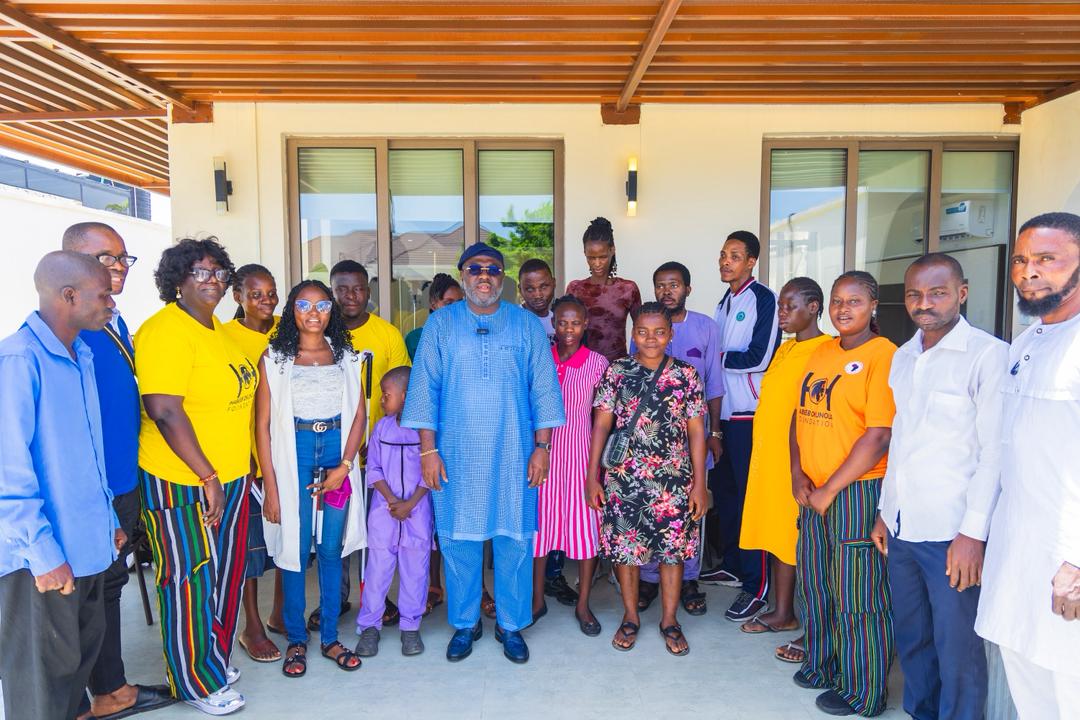
Habeeb Okunola Foundation Hosts Visually Impaired Students, Reaffirms Commitment to Educational Development
The founder of the Habeeb Okunola Foundation, High Chief Dr. Habeeb Olalekan Okunola MON, OFR, has once again demonstrated his dedication to the welfare of the underprivileged. On March 30, 2026, he played host to a group of talented visually impaired students across tertiary institutions in Nigeria whom he is currently covering their tuition fees at the head office of CINI Holdings in Ikoyi, Lagos.
During the gathering, Okunola reaffirmed his commitment to using his God-given resources to uplift humanity through his foundation. According to him, true wealth is proven through empowerment, and supporting the education of visually impaired students ensures that knowledge remains accessible regardless of one’s circumstances.
Addressing the students directly, he said: “I am delighted to host you. I want you to know that my foundation will continue to cover your school fees and provide monthly stipends for your upkeep. Your disability does not diminish your right to education. With your talents, education becomes a platform to showcase your abilities. I am excited that instead of taking to the streets to engage in nefarious activities or begging, you have chosen to do something meaningful and sharpen your talents. Today is not just about support; it is about belief. We see you. We hear you. And we believe in your strength, your talent, and your future. Life may not always be easy. You may face moments where people doubt you or where the path feels difficult. But we want you to remember this: you are not alone. You matter. And you are capable of achieving more than you can even imagine right now.”
He further emphasized that he remains fully committed to consistently covering their tuition fees many of the students are enrolled in various tertiary institutions across the country while also ensuring their overall welfare.
“This support is not just financial,” he added. “It is a promise. A promise that for the rest of this year and beyond, you have the Habeeb Okunola Foundation standing with you, cheering you on, and investing in your journey. Use this opportunity well. Keep learning. Keep pushing. Keep believing in yourself, even on the hard days. One day, when you rise, when you succeed, remember to lift others just as you are being lifted today. We are proud of you. And we are excited to see all that you will become.”
Also present at the event was the founder of the Makemee Elegant Foundation, Mrs. Kehinde Adelaja, who expressed her gratitude to Chief Okunola for covering the students’ school fees and attending to their needs. She noted that if more wealthy individuals took on such responsibilities, Nigeria would be a better place.
“I am excited that you took time to host and dine with them,” she said. “This goes a long way in restoring hope. They did not choose to be in this situation, but seeing someone like you embrace them with love and care is rare. They deeply appreciate your kind gesture.”
During a lunch session held at his office, Chief Okunola further reiterated that philanthropy remains a core part of his lifestyle. He pledged to continue setting aside a portion of his business earnings to impact lives and bring relief to the downtrodden.


-

 society6 months ago
Religion: Africa’s Oldest Weapon of Enslavement and the Forgotten Truth
-

 news4 months ago
WHO REALLY OWNS MONIEPOINT? The $290 Million Deal That Sold Nigeria’s Top Fintech to Foreign Interests
-

 society6 months ago
“You Are Never Without Help” – Pastor Gebhardt Berndt Inspires Hope Through Empower Church (Video)
-

 celebrity radar - gossips2 months ago
Dr. Chris Okafor Returns with Power and Fire of the Spirit -Mounts Grace Nation Altar with Fresh Anointing and Restoration Grace on February 1, 2026