
Politics
Hon. Prince TAIWO AJIBADE OYEKAN Gives ACCOUNT Of STEWARDSHIP From 2017 Till Date

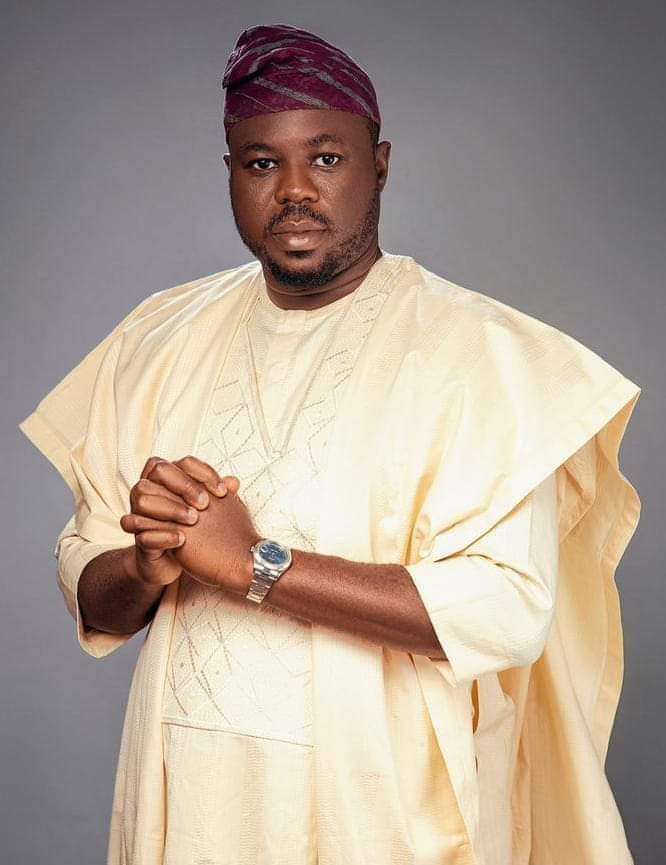
Hon. Prince TAIWO AJIBADE OYEKAN Gives ACCOUNT Of STEWARDSHIP From 2017 Till Date
[ Scholarships Presentation To Summer Coaching Students: Third Edition ]
The Deputy Leader Of Lagos Island Local Government Legislative Arm and Honourable Councillor Representin g Ward C1, Hon. Prince Taiwo Ajibade Oyekan has distinguished himself among his Contemporaries with Record-Breaking Achievements in Lagos and beyond.
The High-Ranking Council Legislator has executed People-centric, Community Development Projects and Social Intervention Programmes with Positive and Direct impacts on the Residents of Lagos Island Local Government and beyond; Particularly, the Elderly Citizens, Widows, Vulnerable, Physically Challenged Persons and Youths.
The Iconic Lagos Prince is a Philanthropist Par Excellence. A Friend of the Young and Old.
Prince Oyekan is an Advocate of Good Governance.
A Development Enthusiast cum Social Crusader.
HON. PRINCE TAIWO AJIBADE OYEKAN’s Action Plan spans through:
• Human Capital Development
• Economic Empowerment cum Poverty Alleviation
• Universal Basic And Tertiary Education Development
• Community Development Project And Social Intervention
• Training And Skill Acquisition Programme For Locals
• Youth Development cum Mentorship
• Public Health
• Peace Advocacy
HON. PRINCE TAIWO AJIBADE OYEKAN’s ACHIEVEMENTS IN BRIEF
Over the years, HON. PRINCE TAIWO AJIBADE OYEKAN has empowered Thousands of Vulnerable, Widows, Widowers, Artisans and Technicians with Equipment and disbursed Grants to Small and Medium Business Owners to promote Local Economy, Self-reliance and Prosperity for all.
Prince OYEKAN has Lifted and Rekindled Hope of Residents of Lagos Island Local Government and Its Neighbouring Communities.
In His Periodic Economic Empowerment cum Social Intervention Programme in 2019,
Work Tools, Cash Gifts and Free Food Items had been given to the Less-Privileged; People Living With Disabilities, Elderly Citizens, Widows and Widowers On Lagos Island Local Government.
Prince Oyekan reconstructed two Trunk C Road Networks on Lagos Island Local Government to ease Pedestrian Mobility within the Communities, Promote Local Economy, Environmental Sustainability and Aesthetics.
As part of his efforts to promote the Development of Universal Basic and Tertiary Education, Prince Oyekan organised Free Summer Coaching and Career Talks for over 1,500 Primary and Secondary School Students.
The Participating Students were trained in Skills Acquisition such as Computer-Digital Literacy, Tailoring and Fashion Designing, Catering and Baking, Cosmetology, Musicology, Soap and Disinfectants Productions.
He has also Presented Scholarships to Indigent Students and distributed Learning Materials worth millions of Naira across the Island.
In 2023, Prince Oyekan gifted Free 100 JAMB/UTME Forms to Students seeking admissions into Tertiary Institutions to lessen financial burdens on Parents and Guardians.
Transportation Fares were also given to Candidates.
Prince Oyekan places Priority on Formal and Informal Education.
To cushion the resultant effects of the Prevailing economic hardship and Fuel Subsidy Removal in the country, Prince Oyekan distributed Free Assorted Food Items to the Vulnerable on Lagos Island Local Government and its adjoining communities.
During Festive Seasons, He distributed Bags of Rice, Live Chickens and Cash Gifts across Lagos Island Local Government for Christmas and New Year Celebrations.
He also organized End of The Year Party for Children.
A Social Gathering designed to celebrate the Youngsters and Inspire them for the future.
The Physically-Challenged were not left out as they received Relief Items from Prince Oyekan annually.
HON. PRINCE TAIWO AJIBADE OYEKAN
Constructed Borehole Water Systems on Lagos Island Local Government to curb Water Supply shortage and meet daily usage of Residents.
He Organised Periodic Environmental Sanitation Exercise to ensure a Healthier and Habitable Community.
On Monday, January 1, 2024,
Prince Oyekan Presented Gift Items to New Year Day Babies and Nursing Mothers in Lagos Island Maternity Hospital, Lagos.
In one of his Medical Outreach Programmes,
A One-Day Seminar was organised for Residents of Lagos Island to create Awareness on Personal Hygiene and Community Health.
To promote Grassroot Sports Development and Talent Hunting, Prince Oyekan organised Football Match Competitions for the Youths across Lagos Island Local Government.
This is to further Provide a Veritable Platform for Young Footballers and Athletes.
The Frontline Council Legislator has Sponsored several Sporting Events.
In November 2023, Prince Oyekan Sponsored St Joseph’s Catholic Primary School Inter-House Sports Competition.
On Friday, 22 December 2023,
Prince Oyekan donated Utility Bus to a Lagos Community Security Outfit, The Isale Eko Community Anti-Crime Team (Folumo).
This is to further improve Security of Lives and Properties on Lagos Island Local Government and the Mainland.
On Thursday 18 January, 2024, Hon. Prince Taiwo Ajibade Oyekan organised Free Medical Outreach named JIGI Taiye on Lagos Island Local Government across Isale Eko, Olowogbowo and Oko Faji Communities.
Over 500 Beneficiaries Received Free Eye Glasses and Medications.
In his renewed effort to promote Sports and mobilise support for the Nigerian Super Eagles Football Team at the AFCON 2024 Final between Nigeria and Ivory Coast, Hon. Prince Taiwo Ajibade Oyekan Set Up Viewing Centre for Residents Of Lagos Island Local Government; across Isale-Eko, Olowogbowo and Oko Faji Communities.
Thousands of Residents joined him to watch the football match amidst excitement and commendations.
As part of his Social Welfare Schemes, Hon. Oyekan disbursed Ten Million Naira (N10,000,000) to uplift residents across Isale Eko, Olowogbowo and Oko Faji Communities amidst prevailing economic challenges in the country.
Two Hundred (200) Households received (N25,000) each. One Hundred (100) Widows were gifted N25,000 each while 100 Elderly Men got N25,000 each.
In addition, five Artisans were presented with industrial Sewing Machines while over 150 Residents received 5Kg Bags Of Rice.
On Sunday 7, Aril 2024, Hon. Oyekan once again Shared Free Food Items Door-To-Door across Isale-Eko, Olowogbowo and Oko Faji Communities to Provide Succour, ameliorate Hunger and Complement Government’s efforts amidst Economic Challenge.
According to him, the
community Food Items Distribution is a Social Welfare Scheme for Locals.The First of Its Kind in Lagos
Friday 19 April, 2024, Hon. Oyekan partnered with the Lagos State Fire and Rescue Service to organise Sensitization Exercise on Fire Prevention and Practical useful safety tips for Residents and Traders across the Island.
The Community Intervention Initiative became necessary following persistent Fire Incidents on Lagos Island Local Government Area, Particularly in Market Places and Homes.
This is to forestall future occurrence.
He urged Locals to shun practices that could cause fire outbreak.
Thursday, June 8, 2024, Hon. Taiwo Oyekan’s Non-Governmental Organisation, Kolawole Ajibade Oyekan Foundation Partnered with Amal Outreach To Provide Free Health Care Service For Hundreds Of Lagos Island Residents at the Iduntafa Community, Isale-Eko, Lagos.
He urged the Beneficiaries To Maintain A Healthy Lifestyle and Do Regular Checkup.
At the Social Intervention Programme, Community Leaders and Residents Commended Hon. Oyekan for his
Unmatched Intervention Initiatives.
Again, On Thursday June 13 2024, Hon. Taiwo Oyekan Gifted 10Kg Bags Of Rice To Constituents amidst Encomium from Community Leaders and Party Chieftains.
On Friday 5 and Saturday 6 July, 2024
Hon. Prince TAIWO AJIBADE OYEKAN Presented N5 Million Grant To Petty Traders, Each received N50,000 To Support their Businesses.
He also Donated Assorted Food Items and Cash Gift to Physically Challenged Persons On Lagos Island Local Government Area.
The Beneficiaries Testified that Hon. Oyekan Is The Best Honourable Councillor Ever Elected In Lagos State.
August 15, 2024, Hon. TAIWO OYEKAN gifted 25Kg Bags Of Assorted Food Items to Lagos Island Residents.
Party Chieftains and Stakeholders Reeled Out Council Deputy Leader’s SocioEconomic Interventions.
The Beneficiaries Across ISALE-EKO, OLOWOGBOWO And OKOO FAJI Communities Applauded Hon. OYEKAN
*Amidst Excitement, Hon. Prince TAIWO OYEKAN presented Scholarships to three most outstanding Students in the Third Edition of the Kolawole Ajibade Oyekan Foundation Annual Summer Coaching on Thursday 29 August, 2024 at the Holy Trinity Primary School, Ebute-Ero, Lagos, Nigeria.*
*One Hundred Thousand Naira (N100,000) each was gifted to the three students; Totaling Three Hundred Thousand Naira(N300,000) from the Junior and Secondary Categories.*
*Hon. Oyekan said he was poised to continually complement efforts of the Lagos State Government in Human Capital Development and Citizens’ welfare*
*He charged the Beneficiaries and other students to work harder and concentrate on their Studies.*
In one of his inspiring Speeches, the Deputy Leader of Lagos Island Local Government Legislative Arm reiterated his commitment to People-centric Programmes and Community-Social Intervention.
… About The People And Our Communities
…Determined To Do More For Betterment Of Humanity
Monday 7, October 2024
*© PTO Media & Strategy Centre*




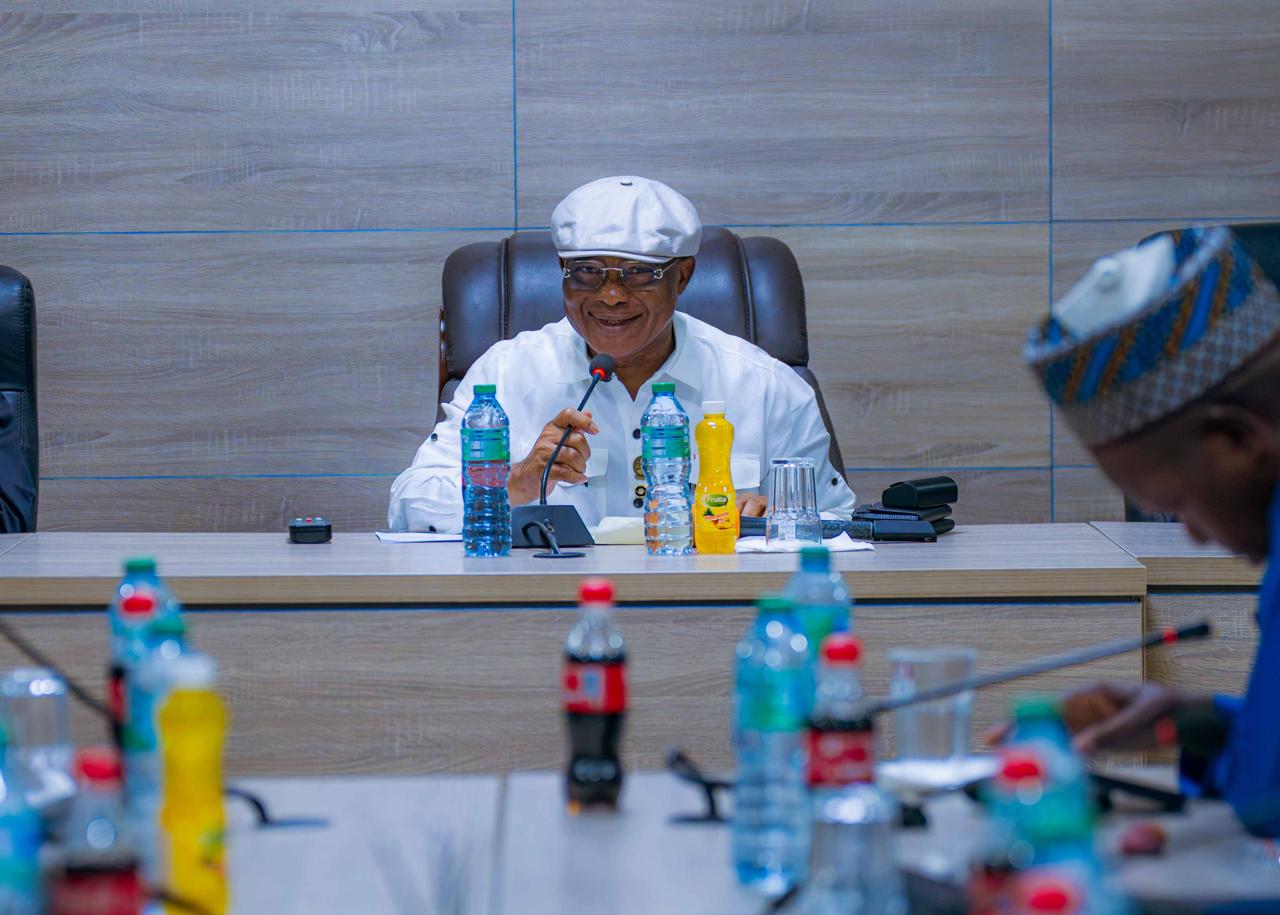
*Renewed Hope Ambassadors Step Into the Next Phase
Fresh from the successful APC 2026 National Convention, the Renewed Hope Ambassadors National, Zonal, and State leadership gathered in Abuja over the weekend, for its fourth strategic meeting, setting the tone for nationwide grassroots activation ahead of 2027.
Chaired by Governor Hope Uzodinma (Imo State) the Director General and National Coordinator of the Renewed Hope Ambassadors, alongside Deputy Director-General, Governor Uba Sani of Kaduna State, and Governor Inuwa Yahaya of Gombe State as Secretary, the session reinforced one clear direction: One Party. One Message. One Mobilization whilst also laying out a strategic roadmap for the activation of the network across all communities in Nigeria.
Backed by the strength of 31 APC-led states, the Renewed Hope Agenda is taking Bola Ahmed Tinubu’s message of progress and reform to every corner of Nigeria.
From bold economic restructuring to initiatives like NELFUND, the increase in the national minimum wage from ₦30,000 to ₦70,000, and strategic investments in critical sectors, including PNiCGI, the mission remains clear: helping Nigerians understand both the purpose and the progress of the Renewed Hope vision.
This is coordination at scale. This is grassroots engagement with purpose. This is the next phase of Renewed Hope with One Party, One Message, and One Mobilisation framework
#RenewedHopeAmbassadors #APC #WeAreAPC


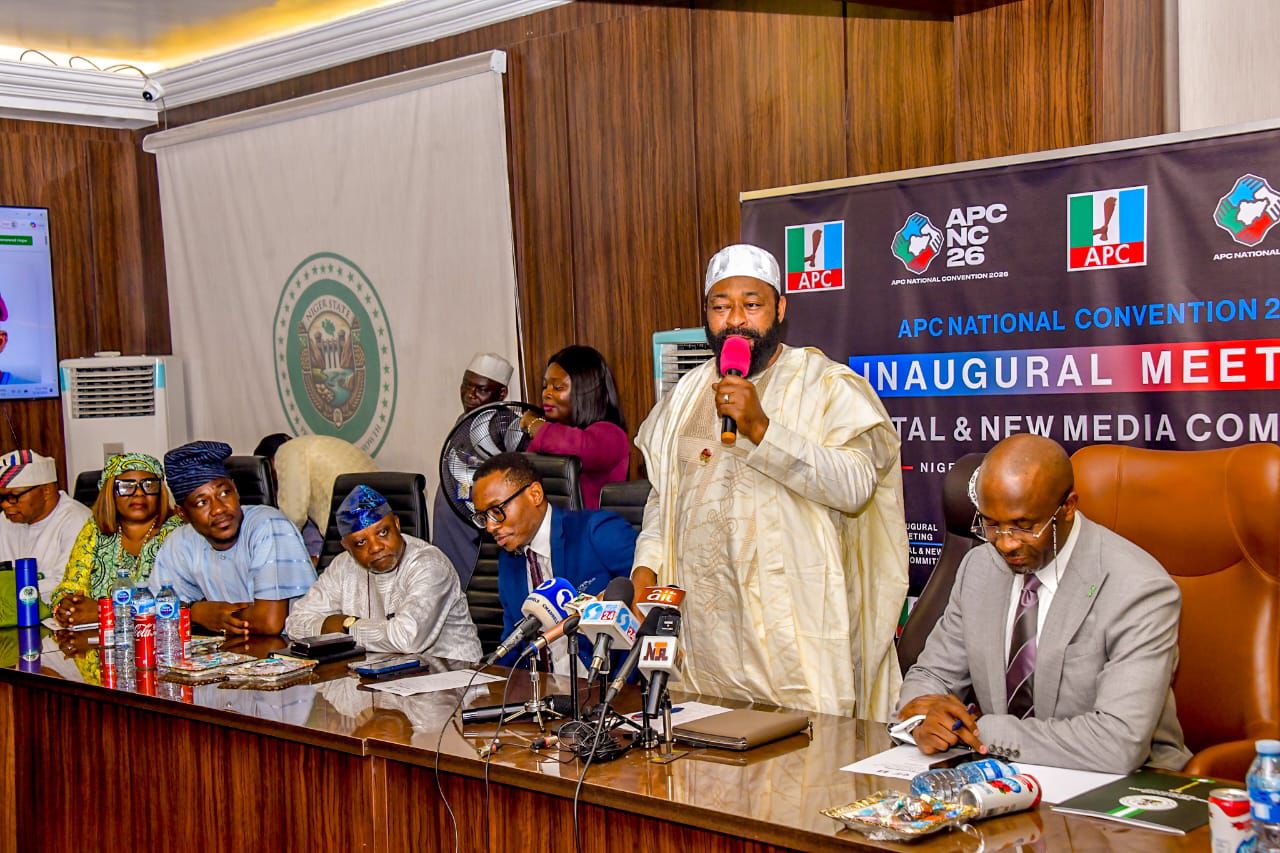
Governor Bago Inaugurates APC Digital Media Sub-Committee Ahead of National Convention.
Governor Umaru Bago has inaugurated the Digital Media Sub-Committee for the forthcoming National Convention of the All Progressives Congress (APC), scheduled to hold on March 27 and 28, 2026 in Abuja.
Chairing the sub-committee, Governor Bago tasked members with the responsibility of effectively communicating the party’s manifesto to the public.
He emphasized the need to leverage social media platforms to highlight the achievements and ongoing efforts of President Bola Ahmed Tinubu, noting that communication gaps have posed challenges that must now be decisively addressed.
The Co-Chair of the sub-committee, Hon. Benjamin Kalu, Deputy Speaker of the House of Representatives, echoed the Governor’s position, urging members to project the activities of both the party and the government to a broader audience.
He called for a deliberate and coordinated effort to showcase the party’s achievements and policy direction, stressing the importance of shaping a compelling and consistent narrative across all digital platforms.
Delivering a presentation to the committee, Otega Ogra, SSA to the President on New Media, who serves as Secretary of the sub-committee, outlined strategic focus areas to guide the team’s operations.
His presentation highlighted communication priorities and actionable steps to achieve the committee’s mandate and strengthen the party’s digital engagement.


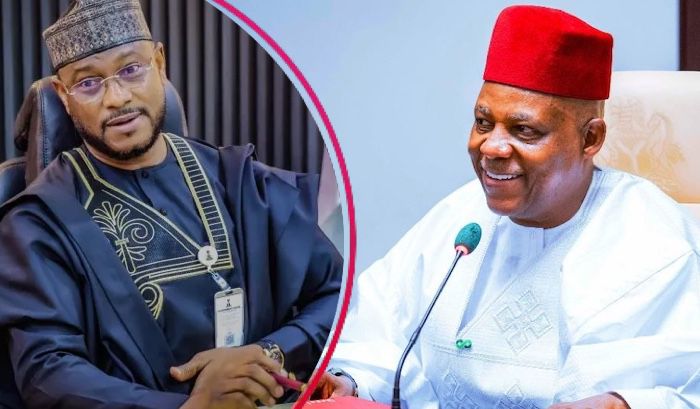
VP Shettima Set to Lead Delegation to Zamfara as Governor Dauda Lawal Formally Joins APC
The Zamfara State chapter of the All Progressives Congress (APC) has finalized plans to receive Vice President Kashim Shettima for the formal defection and reception of Governor Dauda Lawal into the ruling party, scheduled to take place on Tuesday.
State APC Chairman, Tukur Danfulani Maikatako, disclosed this during a high-level stakeholders’ meeting held in Gusau, the state capital. He noted that the Vice President would be joined by the party’s national leadership to mark what he described as a landmark political realignment in the state.
Maikatako expressed the party’s excitement over Governor Lawal’s return, recalling that Zamfara had historically been an APC stronghold and that the Governor was previously a bona fide member of the party before his earlier exit.
“We all know that Zamfara has long been one of the APC’s stronghold states, where the defected Governor was once a bona fide member. Now that he has decided to return home, having been satisfied that the APC remains his second choice after the one he left for obvious reasons,” Maikatako stated.
The Chairman called on all party faithful across the 147 wards in the state’s 14 local government areas to turn out en masse to honour the Vice President’s visit. He emphasized that the event was strategically positioned to bolster the party’s popularity and strengthen its structures ahead of the 2027 general elections.
In a strong appeal for unity, Maikatako urged members to set aside all factional tendencies, stressing that the APC remained one political family with shared goals, particularly the ambition to make Zamfara and Nigeria great again.
Echoing similar sentiments, a former state APC Chairman, Lawal M. Liman, appealed to members to cascade the message to their wards and local government areas. He reinforced the need for cohesion, noting that the party’s collective strength would be critical to achieving success in future elections.

All eyes are now on Gusau as the ruling party prepares for a high-profile political gathering expected to further consolidate its influence in Zamfara State.


-

 society6 months ago
Religion: Africa’s Oldest Weapon of Enslavement and the Forgotten Truth
-

 news4 months ago
WHO REALLY OWNS MONIEPOINT? The $290 Million Deal That Sold Nigeria’s Top Fintech to Foreign Interests
-

 society6 months ago
“You Are Never Without Help” – Pastor Gebhardt Berndt Inspires Hope Through Empower Church (Video)
-

 celebrity radar - gossips2 months ago
Dr. Chris Okafor Returns with Power and Fire of the Spirit -Mounts Grace Nation Altar with Fresh Anointing and Restoration Grace on February 1, 2026