
society
Integrity, Wealth and the Soul of a Nation: The Forgotten Foundations of Greatness

Integrity, Wealth and the Soul of a Nation: The Forgotten Foundations of Greatness.
By George Omagbemi Sylvester | Published by SaharaWeeklyNG.com
“ _Integrity is doing the right thing, even when no one is watching._”~ C.S. Lewis
In a world driven by profit margins, political expediency and instant gratification, the word integrity often feels like an old relic, too noble to survive in today’s cut-throat arena of ambition. Yet it remains the cornerstone of enduring greatness, whether in personal development, societal transformation or national leadership.

Today, many seek shortcuts to success, fame without sacrifice and wealth without wisdom; but history, both ancient and modern, teaches us a profound truth: the best way to get something good out of what we’re doing is to put something good into it. Input determines output. Character shapes legacy. And in every era, integrity has been the defining thread that stitched together the fabrics of genuine progress.
The Moral Wealth of Integrity
Integrity is not merely a virtue, it is an investment. It is not only about abstaining from wrongdoing, but also about consistently choosing what is right, even when the cost is high and even when nobody is watching. And in a society increasingly seduced by visibility and viral validation, this virtue becomes the ultimate test of who we are when the lights go off.
Renowned South African Anglican bishop and anti-apartheid hero Archbishop Desmond Tutu, one of Africa’s 100 Most Reputable individuals, once declared:
“ _If you are neutral in situations of injustice, you have chosen the side of the oppressor_.”

This encapsulates the very essence of integrity not only doing good, but refusing to stand idle in the face of evil. Integrity is not passive; it is power harnessed for the good of all.
Olu of Warri: A Royal Symbol of Integrity
Among the most admired integrity-driven leaders in Africa today is His Imperial Majesty, Ogiame Atuwatse III CFR, the Olu of Warri Kingdom. As a traditional ruler, his leadership is distinguished not only by cultural reverence but by moral courage, diplomatic insight and a fierce commitment to the welfare of his people.
Under his reign, the Itsekiri Nation has witnessed a rebirth of purpose and pride. His Majesty emphasizes servant leadership, youth empowerment, education and philanthropy; qualities that reflect a monarch who leads by moral compass rather than by royal privilege. His interventions in diaspora relations, healthcare missions and education scholarships are clear examples of a ruler putting good into the system, without expectation of applause.

The Olu’s mantra is simple yet revolutionary: “ _The true wealth of a kingdom is the wellness of its people._” This is integrity made manifest in leadership. This is royalty not for conquest or glory, but for nation-building and human dignity.
Money, Morality and the Mind
As the quote says, “Our mind is always where our money lies.” There is a chilling truth to this. Where we invest our time, our energy and our resources reveals what we truly value. In today’s Nigeria (and across many African societies) there is an almost idolatrous worship of wealth; but in chasing money, we have often neglected morality.
There is no denying that money is important. American entrepreneur Zig Ziglar once quipped, “ _Money isn’t everything, but it ranks right up there with oxygen_.” Indeed, money builds schools, equips hospitals, funds innovation and powers dreams. But it is not and must never be, the compass of our collective soul. When the pursuit of money becomes a replacement for the pursuit of values, a nation is on the path to moral bankruptcy.
In the words of Dr. Mo Ibrahim, billionaire philanthropist and another standout among Africa’s 100 Most Reputable,
“ _It is not enough to have a good economy. We need good governance, good institutions and above all, good hearts_.”
This call to integrity (of heart and of systems) must echo louder than ever.
The Virtue Barometer: Society’s Moral Pulse
The barometer of a society’s virtue lies not in its GDP or skyscrapers, but in how it treats its most vulnerable, how it selects its leaders and how it responds to injustice. We must ask ourselves: HOW DID WE NORMALIZE CORRUPTION AND CALL IT CONNECTION? HOW DID WE GLORIFY THEFT AND CALL IT SMARTNESS? And HOW DID WE SHAME HONESTY AND CALL IT FOOLISHNESS?
The answer lies in the slow but steady erosion of integrity as a societal value, but it’s not too late to restore it. Across the continent, beacons of light still shine.
From NGOZI OKONJO-IWEALA, WTO Director-General and former Nigerian Finance Minister, whose record of accountability has inspired millions…
To STRIVE MASIYIWA, Zimbabwean billionaire and philanthropist whose foundation has empowered over 250,000 African youth…
To ELLEN JOHNSON SIRLEAF, Africa’s first elected female president, who rebuilt Liberia from the ashes of war with transparency and justice at her core…
These leaders prove that honesty and leadership are not mutually exclusive.
Integrity in the Face of Adversity
In fact, integrity is most meaningful when tested. During Nigeria’s most turbulent political years, individuals like OBY EZEKWESILI (former education minister and founder of #BringBackOurGirls) risked everything to speak truth to power. That is integrity in action; when truth is costly, but still told.
When nations compromise their principles for political gain or economic advantage, they may thrive temporarily; but they ultimately rot from within. Like a beautifully decorated coffin, such a society may look attractive on the outside but is empty and decaying on the inside.
A Call to Leaders, Youth and the Diaspora
We must call on our leaders not just traditional rulers or politicians but pastors, teachers, business executives, artists and influencers to become ambassadors of integrity. Africa’s youth, both home and abroad, must rewrite the narrative: SUCCESS SHOULD NO LONGER BE MEASURED BY WHAT YOU POSSESS BUT BY WHAT YOU STAND FOR.
Youths in the diaspora have a special role. Exposed to global systems of transparency and accountability, they must act as moral mirrors to reflect and correct the loopholes back home; not just criticize from afar, but build bridges of reform and mentorship.
The Road Ahead: Restoration Through Integrity
As a people, we must remember: “ _What you do speaks so loudly, I cannot hear what you say_.” These words by Ralph Waldo Emerson remind us that our actions (not our slogans) define us.
To build a new Nigeria, and by extension a new Africa, we must:
Raise LEADERS with CHARACTER more than CHARISMA.
Build SYSTEMS that punish CORRUPTION rather than EXCUSE it.
Celebrate HONESTY even when it’s INCONVENIENT.
Educate our CHILDREN to VALUE TRUTH over TREND.
Support INTEGRITY-DRIVEN leaders like OGIAME ATUWATSE III and others ACROSS the CONTINENT.
In Final Thought
Integrity may not trend on social media, but it trends in HEAVEN (a land beyond). It may not earn applause in a corrupt system, but it builds empires that last. The road to lasting prosperity is paved not just with infrastructure and investment; but with INTEGRITY.
Let us invest in it. Let us defend it. Let us live it. For it is only in doing right (even when no one is watching) that we will secure the future generations are praying for.

Written by George Omagbemi Sylvester
Published by SaharaWeeklyNG.com




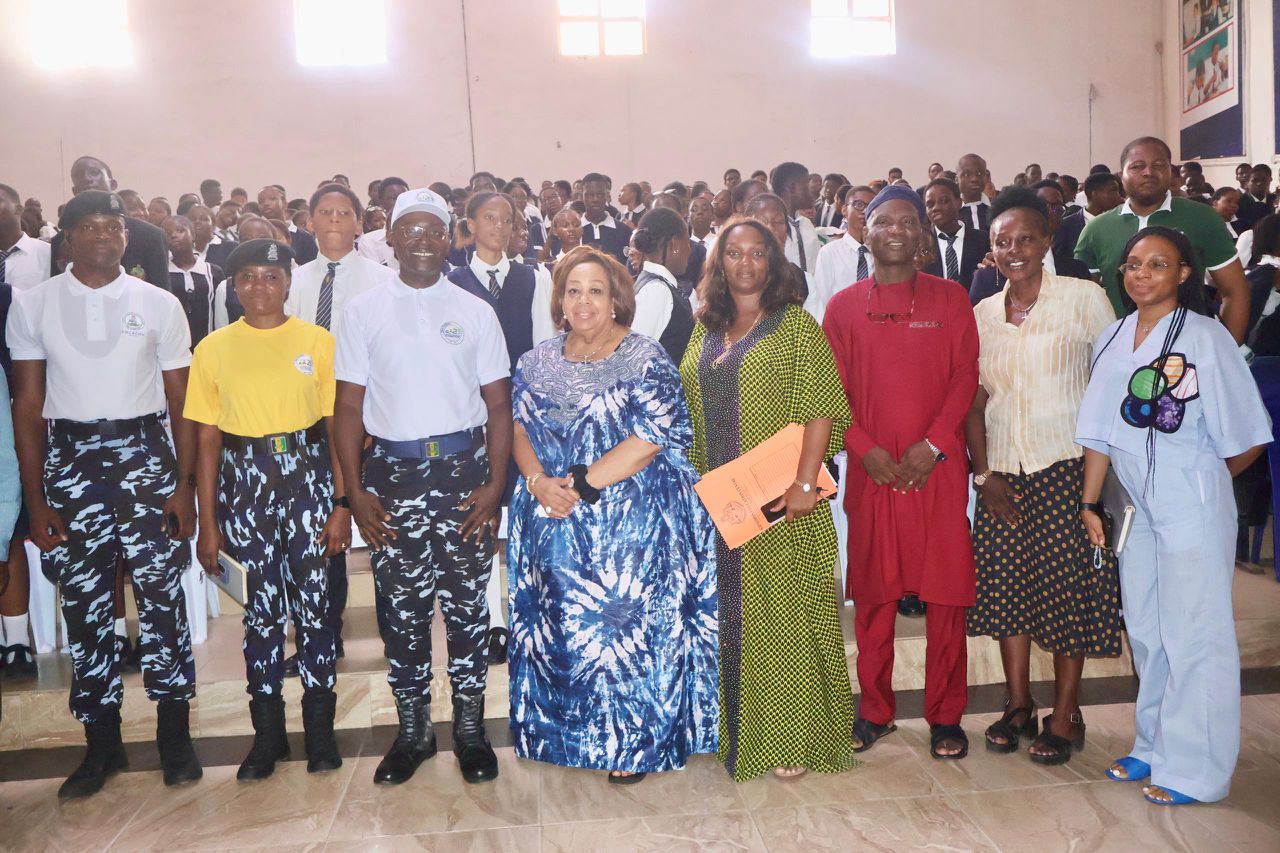
POCACOV Intensifies Sensitization on Cultism, Bullying, and Social Vices Among Students in Edo
In commemoration of the 2026 National Police Day Celebration, the Police Campaign Against Cultism and Other Vices (POCACOV), Edo State Command, has reinforced its preventive policing efforts through a targeted sensitization outreach at Igbinedion Education Centre, Benin City.
The initiative forms part of the broader activities marking this year’s National Police Day, themed “Community Partnership: Building Trust,” which emphasizes collaboration between the Nigeria Police Force and the public in fostering a safer society.
The sensitization programme witnessed the presence of key stakeholders, including the Commissioner of Police, Edo State Command, the Police Public Relations Officer, and the Edo State POCACOV Coordinator, ASP Kingsley Upeh. The team engaged students in an insightful and impactful session focused on the dangers of cultism, bullying, and other social vices prevalent among youths.
During the session, students were educated on the severe and far-reaching consequences of cult-related activities. These include violence, loss of lives, disruption of academic pursuits, and long-term damage to personal reputation and future opportunities. The speakers also highlighted how peer pressure, drug abuse, and negative social influences often serve as gateways into criminal behavior.
In an interactive segment, the Commissioner of Police stressed the legal implications of engaging in criminal acts, noting that involvement in cultism and related offences could lead to arrest, prosecution, and lifelong consequences that may hinder personal growth and career aspirations.
The issue of bullying was also extensively addressed, with emphasis on both its legal ramifications and psychological impact on victims. Students were encouraged to speak up against bullying, report incidents to school authorities or law enforcement, and support peers who may be affected.
Furthermore, the outreach underscored the importance of self-discipline, moral values, and making informed life choices. Students were urged to become ambassadors of peace within their schools and communities by rejecting violence and promoting unity and mutual respect.
The POCACOV team reiterated its commitment to continuous engagement with young people through awareness campaigns, community outreach, and strategic partnerships aimed at preventing crime before it occurs. The initiative aligns with the Nigeria Police Force’s proactive approach to policing, which prioritizes education, prevention, and community involvement.


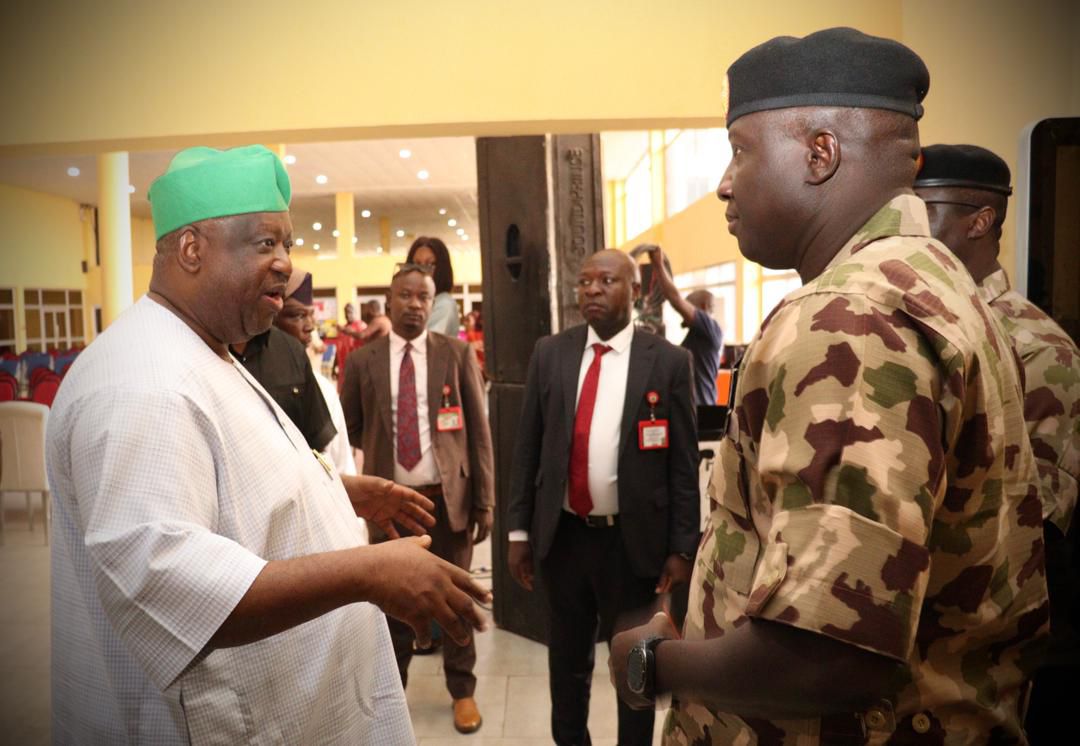
COAS Launches Nationwide Security Renewal Mission in Plateau
The Chief of Army Staff, Lieutenant General Waidi Shaibu, on Thursday led a high-level delegation of security chiefs to Plateau State, flagging off a nationwide security renewal mission aimed at strengthening civil-military cooperation and restoring lasting peace across the country.
The visit to Jos, the Plateau State capital, marks the first phase of a coordinated national effort to address persistent security challenges through joint operations, community engagement, and proactive intelligence gathering.

Governor Caleb Muftwang received the delegation, describing the initiative as a critical step toward stabilizing affected communities and reinforcing public confidence in security institutions.
Civil-Military Synergy Takes Centre Stage
At the heart of the mission is a renewed emphasis on collaboration between the military, civil authorities, and local communities. Speaking during the visit, Lt. Gen. Shaibu stressed that national security must be treated as a collective responsibility.
He urged citizens to support security agencies by remaining vigilant, sharing credible information, and complying with lawful directives, noting that effective security cannot be achieved in isolation.
Community Engagement as Confidence-Building Tool
In a departure from purely operational engagements, the Army Chief held direct consultations with community leaders and residents in Jos, reinforcing the importance of trust and dialogue in conflict resolution.
Lawmakers, including Dachung Bagos and Ladi Dangyok, commended the initiative, stating that visible engagement by top military leadership helps rebuild confidence among citizens and fosters cooperation.

Proactive Security Operations Underway
Operational updates were provided by Major General Folusho Oyinlola, who disclosed that troops under Operation Enduring Peace have intensified surveillance, intelligence-led patrols, and coordinated actions with other security agencies.
According to the Army, the approach is designed to prevent escalation of threats, safeguard lives and property, and stabilize vulnerable communities before crises emerge.
A Shift Toward Sustainable Peace
Military authorities emphasized that the Plateau visit is part of a broader, long-term strategy to transition from reactive responses to sustainable peacebuilding nationwide. The framework includes strengthening local resilience, ensuring justice, and maintaining continuous engagement with stakeholders.
Analysts view the initiative as a significant policy shift, reflecting a more inclusive security architecture that integrates community participation with military operations.
Call for National Unity
The Army leadership concluded with an appeal to Nigerians to reject divisive narratives and support ongoing efforts to promote unity and peace.
“The success of this mission depends not only on the armed forces but on the cooperation of every citizen,” the COAS stated.
The nationwide security renewal campaign is expected to extend to other regions in the coming weeks as authorities seek to consolidate gains and build a safer, more unified Nigeria.


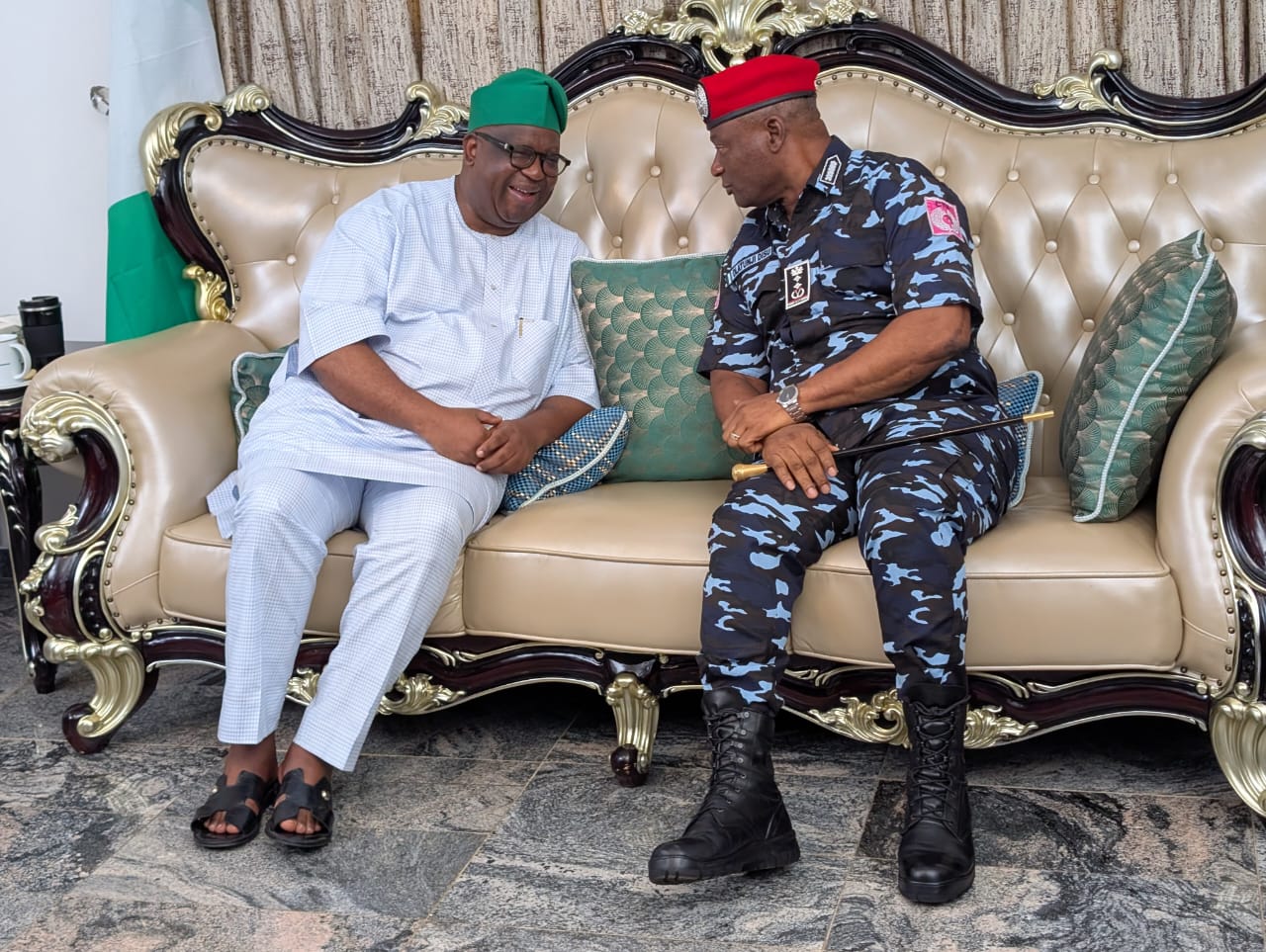
IGP Disu Visits Plateau, Orders Tactical Deployment To Reinforce Security
The Inspector General of Police, Olatunji Disu, on Thursday paid a working visit to Plateau State following recent unrest, holding strategic talks with Governor Caleb Muftwang on measures to strengthen security and prevent further disturbances.
As part of immediate steps to stabilise the situation, the police chief authorised the deployment of specialised tactical units to support officers already on ground across affected areas.
Governor Muftwang commended the swift intervention of the police leadership, praising the dedication and professionalism of security personnel working to restore calm. He also acknowledged the efforts of mobile police officers and lauded the leadership of the state’s Commissioner of Police, Bassey Ewah.
Both the Nigeria Police Force and the Plateau State Government reaffirmed their commitment to safeguarding lives and property, stressing that enhanced collaboration remains key to restoring lasting peace in Plateau State, popularly known as the Home of Peace and Tourism.


-

 society7 months ago
Religion: Africa’s Oldest Weapon of Enslavement and the Forgotten Truth
-

 news4 months ago
WHO REALLY OWNS MONIEPOINT? The $290 Million Deal That Sold Nigeria’s Top Fintech to Foreign Interests
-

 society6 months ago
“You Are Never Without Help” – Pastor Gebhardt Berndt Inspires Hope Through Empower Church (Video)
-

 celebrity radar - gossips2 months ago
Dr. Chris Okafor Returns with Power and Fire of the Spirit -Mounts Grace Nation Altar with Fresh Anointing and Restoration Grace on February 1, 2026