
society
Israel–Iran War: Why Should Africa Care When Nigeria Is Bleeding?

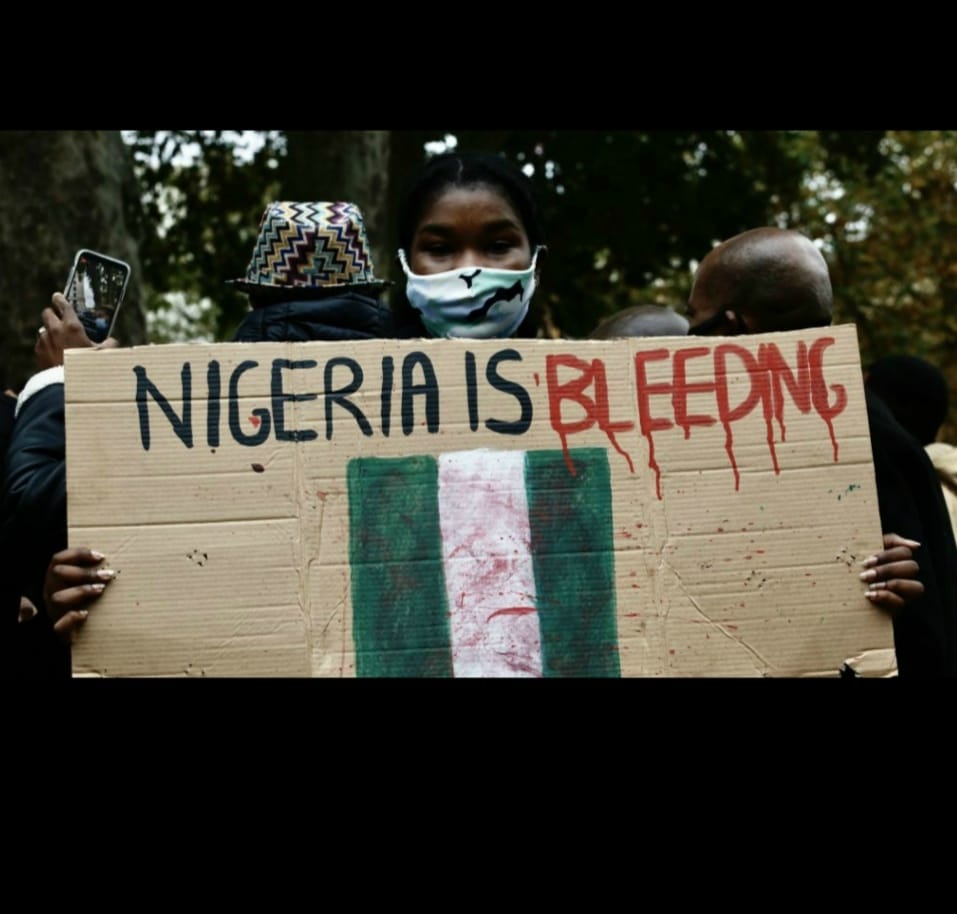
Israel–Iran War: Why Should Africa Care When Nigeria Is Bleeding?
By George Omagbemi Sylvester | Published by saharaweeklyng.com
As Israel and Iran plunge into open war, global powers are on edge and international newsrooms are in overdrive. Headlines scream about nuclear threats, oil prices, and regional instability, but here’s a harder question we Africans must ask:

Why are Nigerians, Africans, and even our governments more concerned about Tel Aviv and Tehran when corpses are piling up in Benue, Borno, Katsina, and the Congo?
We have not only failed to secure our borders but have also normalized our own bloodbaths. Yet we stretch our necks toward the Middle East like loyal houseboys watching the master’s house burn while ours is already in ashes.

1. The Israel–Iran War: Yes, It Matters Globally
To be clear, the Israel–Iran conflict is no small fight.
Israel has launched massive air raids on Iran’s nuclear and military infrastructure.
Iran responded with ballistic missiles, drones, and cyberattacks.
Global oil prices are soaring. Security analysts warn of possible regional implosion involving Hezbollah, Syria, Yemen, Iraq, and even NATO states.
This war threatens global stability, from energy markets to international diplomacy.
But for Nigeria (and for Africa) is this where we must channel our loudest outrage?
2. Meanwhile in Nigeria: The Massacre Nobody Notices

Benue State: Land of Blood and Abandonment
On April 7, 2023, gunmen suspected to be Fulani herdsmen slaughtered over 134 people in Benue State, mostly in the villages of Umogidi, Apa LGA, and Mgban in Guma LGA. Survivors told horror stories of children butchered in their sleep and bodies burned beyond recognition.
Governor H. Alia cried to the Federal Government. The Presidency said… nothing.
Borno: Home of Endless Terror
In Konduga LGA, Borno State, at least 18 farmers were beheaded by Boko Haram insurgents in November 2024, their bodies left on farmland as warning signs. In the same period, several bombings and raids by ISWAP killed civilians and soldiers in Damboa and Dikwa.
Yet media houses barely flashed these images across screens. No candlelight vigils in Lagos. No flags flying half-mast.
Katsina: Bandits Reign Supreme
On May 9, 2025, armed bandits stormed the Gidan Boka and Kankara areas of Katsina State. The death toll? More than 50 villagers. Several others were abducted. They killed, looted, and vanished into forests like ghosts of anarchy. It’s no longer even shocking.
Where were the GLOBAL TEARS? Where were the DIPLOMATIC CALLS for CEASEFIRE?
3. Congo: The Forgotten Holocaust of Our Time
While Israel gets $14 billion in U.S. aid and Iran threatens nuclear revenge, Congo remains the world’s most deadly, most ignored warzone.
In Eastern DRC, over 6 million people have died since 1996, a figure greater than Iraq, Afghanistan, and Syria combined.
On January 3, 2024, M23 rebels backed by Rwanda slaughtered at least 37 civilians in Kishishe village in North Kivu.
In March 2025, over 300 civilians were massacred in Ituri Province by the CODECO militia, many hacked with machetes.
The United Nations calls Congo a “SILENT GENOCIDE.”
Nobel Laureate Dr. Denis Mukwege calls it “The RAPE CAPITAL of the WORLD.”
So, tell me, where is our outrage? Why aren’t African leaders calling emergency summits? Why are we silent while our people rot?
4. The Hypocrisy of African Diplomacy
When Israel struck Iran, Nigeria’s Foreign Affairs Ministry condemned it with immediate urgency. Still, when Nigerians are killed in Benue, Borno, or Katsina, and in the Eastern parts of Nigeria, our leaders issue vague “WE WILL INVESTIGATE” press statements and return to Abuja cocktail parties.
We condemn Gaza bombings but ignore Zamfara villages burnt to ashes. We mourn Israeli civilians but scroll past 10,000 Congolese displaced in one weekend.
This is not foreign policy. This is colonial mimicry. We weep for Paris when our own cities are bleeding.
5. Expert Voices: Wake Up and Look Within
Dr. Chidi Odinkalu, former NHRC Chairman:
“You cannot lead in foreign affairs when your backyard is ablaze. Africa must fix its own hemorrhaging wounds before trying to bandage the Middle East.”
Prof. Mahmood Mamdani, Columbia University:
“Congo is the heart of Africa and its destruction is our moral indictment. No nation can outsource its conscience and survive.”
Dr. Akinyemi Adesina, Nigerian Conflict Analyst:
“The biggest war Africa is losing isn’t military. It’s the war of attention. We let CNN tell us what to cry about.”
6. What Should Nigeria Do Instead?
Face our own fires
We must strengthen local intelligence, rebuild our police system, fund border protection, and invest in modern technology, not donate statements to Tel Aviv or Tehran.
Convene African solutions
Instead of echoing Western fears, Nigeria should call for African-led peace missions in Congo, Sudan, and Burkina Faso. Let us form our own “AU Peace Shield,” not wait for France, China, or America to babysit our chaos.
Build a Pan-African Media Voice
If Al Jazeera can project Qatar’s voice, why can’t Nigeria lead the charge in building a Pan-African media bloc that puts Congo, Benue, and Borno on every screen in Africa and beyond?
7. The War of Narrative: Who Gets to Be a Victim?
Let’s be blunt: the world does not value African lives the same way it values Israeli or Ukrainian lives.
40 CONGOLESE VILLAGERS DIE? It’s “tribal conflict.”
3 ISRAELIS DIE? It’s “a terror attack against civilization.”
This racist double standard is echoed even by us, the victims.
Until we value our own people, no one else will.
8. Final take: Charity Begins at Home or It Dies There
Let the world worry about Israel and Iran. Let Nigeria first worry about Benue, Borno, Katsina, Zamfara, and Plateau. And we Africans worry for Congo.
We don’t oppose caring about global peace, but how can a man with a bleeding wound argue about the neighbor’s broken pipe? This is hypocrisy dressed as diplomacy.
George Omagbemi Sylvester is a political columnist based in South Africa. He writes regularly on African conflicts, diaspora issues, and African international affairs.
Published by SaharaWeeklyNG.com




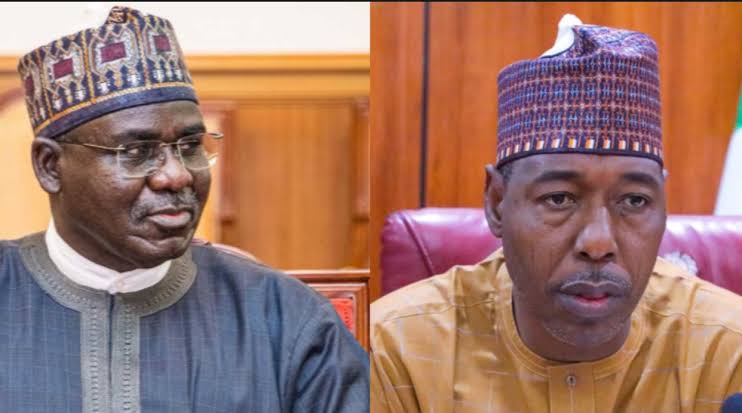
TY BURATAI HUMANITY CARE FOUNDATION COMMENDS GOVERNOR ZULUM FOR HELPING MILITARY FAMILIES
The TY Buratai Humanity Care Foundation has commended Borno State Governor Babagana Umara Zulum for his generous donation of ₦150 million to the families of three military officers who were tragically killed in recent attacks. Each family received ₦50 million as part of the state’s continued commitment to supporting fallen heroes and wounded personnel involved in counter-insurgency operations.
The commendation was contained in a statement signed by the foundation’s chairman, Ibrahim Dahiru Danfulani Sadaukin Garkuwan Keffi/Betara Biu, and made available to the press.
The foundation expressed gratitude for the governor’s compassionate gesture, which included personal visits to the families of the late Lieutenant Colonels Umar Farouq, Salihu Iliyasu, and Aliyu Saidu Paiko in Abuja, Niger, and Kano States. During the visits, Governor Zulum offered his condolences and praised the service, sacrifice, and patriotism of the fallen officers.
The foundation’s Grand Patron, His Excellency, Lieutenant General Tukur Yusufu Buratai, CFR (Rtd), personally commended the governor’s dedication to improving the lives of Borno State residents. He also extended his condolences to the families of the officers and soldiers who made the ultimate sacrifice in service to the nation.
During his visits, Governor Zulum reaffirmed his administration’s commitment to supporting bereaved families, which includes offering scholarships to the orphaned children of fallen personnel. He pledged to extend similar visits to other affected families, underscoring a compassionate approach to addressing the needs of those who have suffered in the line of duty.
society
Queen Amb Dr. Nwamaka Cordelia Anyatonwu Appointed Minister of Humanitarian, Culture, and Kingdom Affairs, United Kingdom of Atlantis
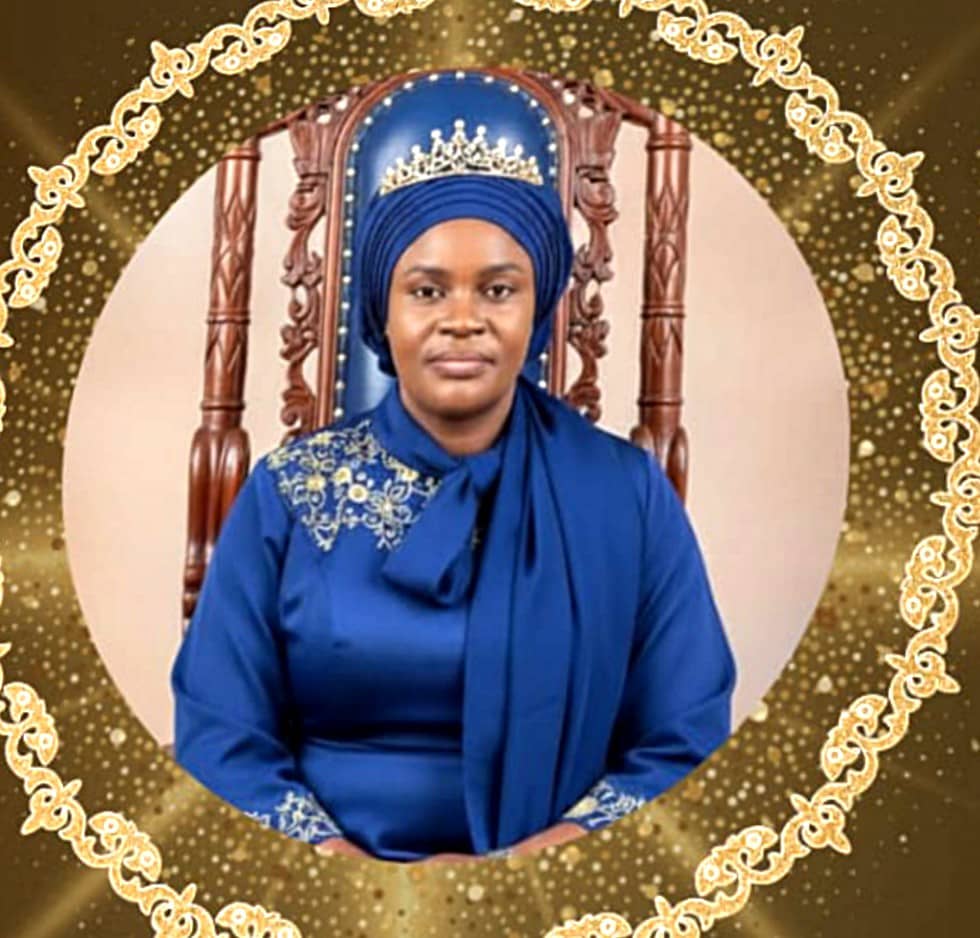
*Queen Amb Dr. Nwamaka Cordelia Anyatonwu Appointed Minister of Humanitarian, Culture, and Kingdom Affairs, United Kingdom of Atlantis
Her Majesty Queen Amb Dr. Nwamaka Cordelia Anyatonwu, Queen of the Aches Empire under the jurisdiction of the United Kingdom of Atlantis (UKA), has been appointed as the Minister of Humanitarian, Culture, and Kingdom Affairs, effective immediately.
This appointment comes as the UKA takes decisive steps to strengthen its humanitarian efforts and protect its citizens from unauthorized activities. In light of recent developments, the UKA has issued an official public disclaimer cautioning citizens, followers, and the general public about the activities of individuals promoting and operating a coin or platform not officially recognized by the Atlantian Gold Coin (ATC). This follows the hijacking of the 5 billion humanitarian project, a move that has been met with concern and condemnation from the international community.
As the newly appointed Minister, Queen Amb Dr. Anyatonwu has announced that all matters pertaining to the 5 billion humanitarian project in UKA should be directed to her office. This includes the newly captured NGOs, which are now required to report to the Office of Humanitarian Affairs, ensuring transparency and accountability in the management of humanitarian resources.
“We are committed to transparency and accountability in our humanitarian efforts,” said Queen Amb Dr. Anyatonwu. “We urge all stakeholders to work with us to ensure the success of our initiatives and protect our citizens from unauthorized activities. We will not tolerate any form of exploitation or mismanagement of humanitarian funds, and we will take all necessary measures to ensure that those responsible are held accountable.”
The UKA has assured its citizens and the international community that it is taking all necessary measures to recover the hijacked funds and bring the perpetrators to justice. The appointment of Queen Amb Dr. Anyatonwu is seen as a significant step towards achieving this goal and ensuring that humanitarian efforts are aligned with the UKA’s values and principles.
For more information. Please contact the Office of the Minister of Humanitarian, Culture and Kingdom Affairs.
*About the United Kingdom of Atlantis*
The United Kingdom of Atlantis is a sovereign nation committed to promoting peace, prosperity, and humanitarian values. The UKA is dedicated to working with international partners to address global challenges and improve the lives of its citizens and people around the world.
NASRE: Building A Safety Net For Nigeria’s Journalists
At a time when Nigeria’s media industry is strained by economic uncertainty, job instability, and shrinking newsroom resources, the Nigerian Association of Social and Resourceful Editors (NASRE) is redefining professional solidarity. More than a network of editors, it is emerging as a critical support system for journalists navigating an increasingly precarious landscape.
Founded on the principles of welfare, solidarity, and professional growth, NASRE has positioned itself as a responsive and forward-looking body within the media ecosystem. While many professional associations remain focused on advocacy and training, NASRE distinguishes itself by combining these roles with direct and practical support for journalists and their families.
At the core of its mission is a clear proposition that no journalist should be abandoned in times of need. Through financial assistance, targeted outreach, and sustained engagement, the association has supported members facing hardship, as well as widows and families of deceased practitioners. These largely understated interventions have steadily earned NASRE credibility and respect across the industry.
The organisation’s approach reflects a keen awareness of the pressures confronting media professionals, including irregular pay, job insecurity, and limited institutional backing. In such an environment, NASRE’s welfare initiatives are not merely charitable, they are essential.
Beyond welfare, the association is investing in professional resilience. Through collaboration, networking, and knowledge-sharing platforms, it is equipping editors and practitioners to remain competitive in a rapidly evolving digital media space, where adaptability is no longer optional.
Headquartered in Lagos, NASRE continues to broaden its reach, attracting a growing membership united by the need for a more responsive and supportive professional community. Its expansion signals a shift in expectations within the industry, away from symbolic affiliations towards institutions that deliver measurable value.
For many observers, NASRE represents a necessary evolution, a professional body anchored not just in ideals, but in impact. By combining empathy with structure, it offers a model of what media associations can become in challenging times.
As the industry continues to evolve, organisations like NASRE may prove indispensable. In a profession devoted to telling society’s stories, it is ensuring that the storytellers themselves are not left behind.


-

 society6 months ago
Religion: Africa’s Oldest Weapon of Enslavement and the Forgotten Truth
-

 news4 months ago
WHO REALLY OWNS MONIEPOINT? The $290 Million Deal That Sold Nigeria’s Top Fintech to Foreign Interests
-

 society6 months ago
“You Are Never Without Help” – Pastor Gebhardt Berndt Inspires Hope Through Empower Church (Video)
-

 celebrity radar - gossips2 months ago
Dr. Chris Okafor Returns with Power and Fire of the Spirit -Mounts Grace Nation Altar with Fresh Anointing and Restoration Grace on February 1, 2026