
society
Lagos Family Property Dispute Turns Violent After Death of Omotayo Ojo

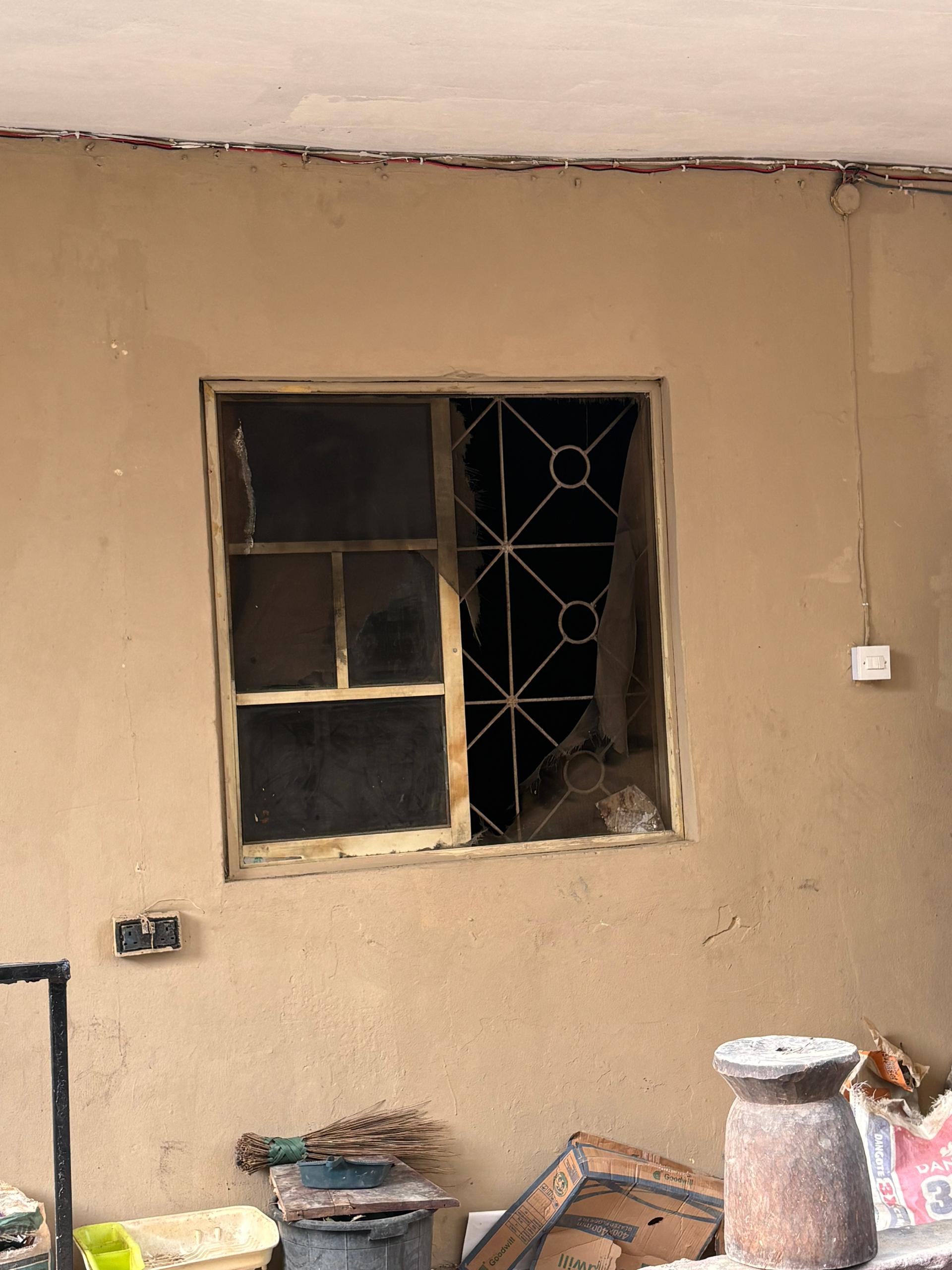
Lagos Family Property Dispute Turns Violent After Death of Omotayo Ojo
By Ifeoma Ikem
A festering family dispute over property has escalated into a series of violent attacks in Lagos, leaving residents of a contested apartment in fear for their safety.
Mrs. Moyisola Afolagbe (née Ojo), the third child and first daughter of the late Omotayo Ojo, has alleged repeated assaults and destruction of property by her siblings from her father’s other marriages.
According to her account, hostility against her began while her father was still alive, allegedly fueled by the affection and support he showed her. She claimed that tensions worsened after his death in 2019.
Mrs. Afolagbe stated that her late father had given her a particular apartment during his lifetime, assuring her she would not suffer hardship, especially after her husband left the marriage. She said the property became her primary source of livelihood and shelter.
However, she alleged that her siblings had sold off several other family properties and were determined to dispossess her of the apartment allocated to her by their father.
The dispute reportedly turned violent on Nov. 15, 2025, when unknown persons allegedly attacked the building. She said the incident prompted her to petition the Chief Judge of Lagos State and the Commissioner of Police.
Despite the pending legal proceedings, she alleged that another attack occurred on Jan. 21, 2026. During that incident, parts of the building were vandalised, including the walkway and the main gate, which was reportedly removed.
A third attack was said to have taken place on Feb.18, 2026, during which the roof, gates, and sections of the walkway were allegedly dismantled. Residents were reportedly assaulted, and some were allegedly forced to part with money under duress.
Tenants in the apartment complex are said to be living in fear amid the repeated invasions, expressing concern over their safety and uncertainty about further violence.
Mrs. Afolagbe alleged that the attacks were led by a man identified as Mr. Alliu, popularly known as “Champion,” whom she described as a political thug. She claimed he arrived with a group of about 50 men, allegedly brandishing weapons and breaking bottles to intimidate residents.
She further alleged that the group boasted of connections with senior police officers, politicians in Lagos State, and even the presidency, claiming they were untouchable.
According to her, some arrests were initially made following the incidents, but the suspects were later released. She expressed concern that the alleged perpetrators continue to threaten her, making it difficult for her to move freely.
She also disclosed that during a meeting on Feb. 23, 2026, an Area Commander reportedly told her that little could be done because the matter was already before a court of law.
The development has raised concerns about the enforcement of law and order in civil disputes that degenerate into violence, particularly when court cases are pending.
As tensions persist, residents and observers are calling on relevant authorities to ensure the safety of lives and property, while allowing the courts to determine ownership and bring lasting resolution to the dispute.














Adron Homes Introduces Special Ramadan Offer with Discounts and Gift Rewards
As the holy month of Ramadan inspires reflection, sacrifice, and generosity, Adron Homes and Properties Limited has unveiled its special Ramadan Promo, encouraging families, investors, and aspiring homeowners to move beyond seasonal gestures and embrace property ownership as a lasting investment in their future.
The company stated that the Ramadan campaign, running from January 20th to April 6th, 2026, is designed to help Nigerians build long-term value and stability through accessible real estate opportunities. The initiative offers generous discounts, flexible payment structures, and meaningful Ramadan-themed gifts across its estates and housing projects nationwide.
Under the promo structure, clients enjoy a 30% discount on land purchases alongside a convenient 36-month flexible payment plan, making ownership more affordable and stress-free.
In the spirit of the season, the company has also attached thoughtful rewards to qualifying payments. Clients who pay ₦200,000 receive a Provision Hamper to support their household during the fasting period, while those who pay ₦400,000 receive an Automated Prayer Mat to enhance their spiritual experience throughout Ramadan.
According to the company, the Ramadan Promo reflects its commitment to aligning lifestyle, faith, and financial growth, enabling Nigerians at home and in the diaspora to secure appreciating assets while observing a season centered on discipline and forward planning.
Reiterating its dedication to secure land titles, prime locations, and affordable pricing, Adron Homes urged prospective buyers to take advantage of the limited-time Ramadan campaign to build a future grounded in stability, prosperity, and generational wealth.
This promo covers estates located in Lagos, Shimawa, Sagamu, Atan–Ota, Papalanto, Abeokuta, Ibadan, Osun, Ekiti, Abuja, Nasarawa, and Niger states.
As Ramadan calls for purposeful living and wise decisions, Adron Homes is redefining the season, transforming reflection into investment and faith into a lasting legacy.
society
INSECURITY: Zamfara State Adopts Colombia’s Strategic Model to Tackle Insurgency and Banditry

INSECURITY: Zamfara State Adopts Colombia’s Strategic Model to Tackle Insurgency and Banditry
In a significant move to address rampant terrorism, insurgency, and banditry, the Zamfara State Government has completed a thorough examination of Colombia’s strategic communication framework, particularly its non-kinetic approaches to conflict resolution. This initiative aims to adapt successful strategies from Colombia to the specific security challenges faced in Zamfara.
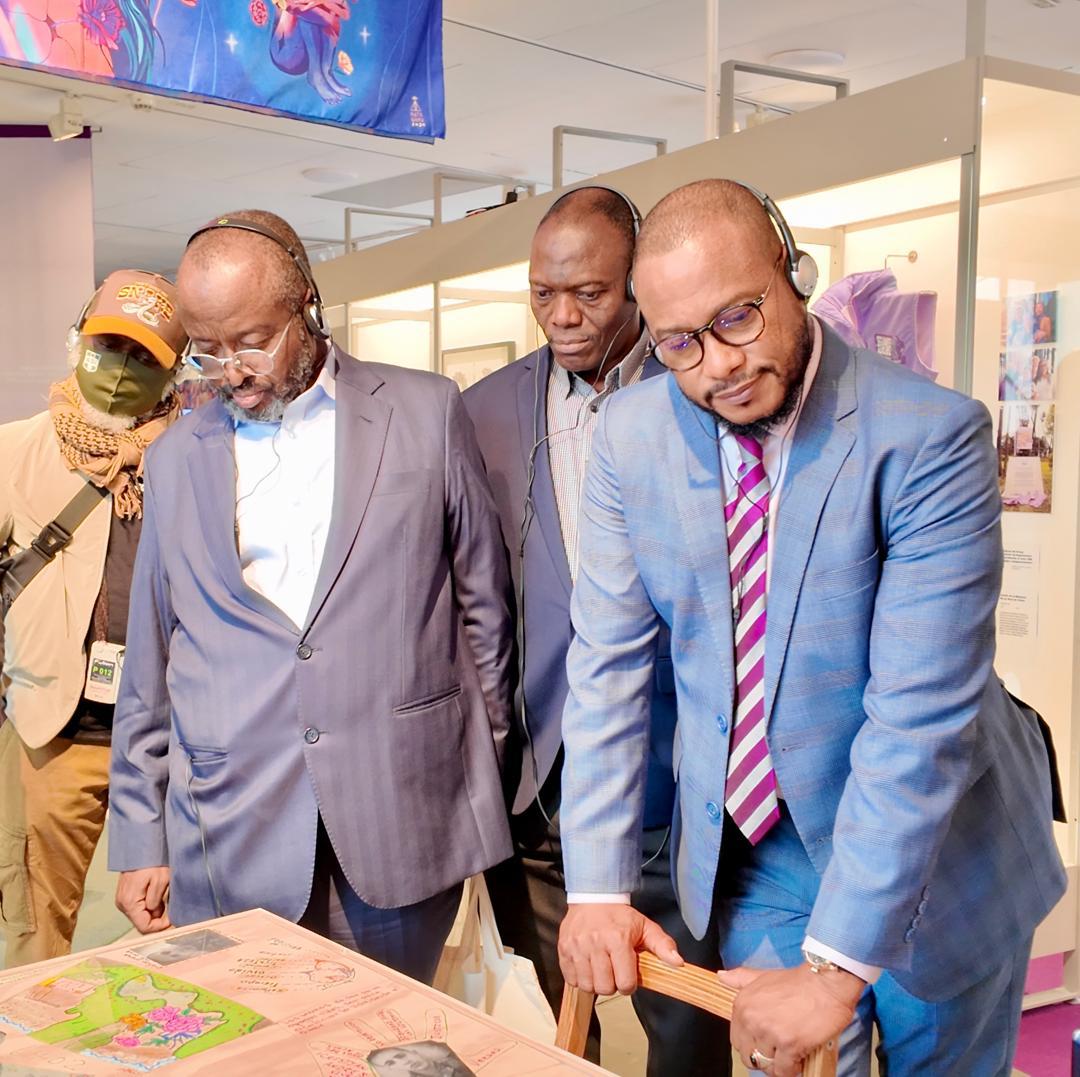
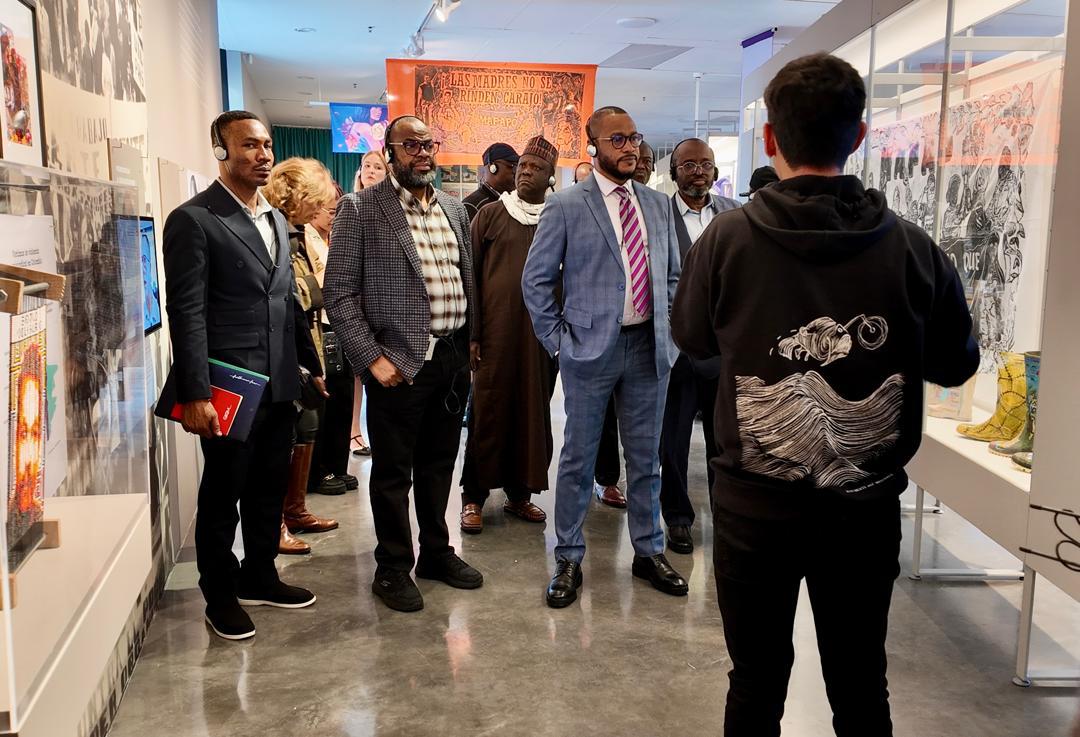
A delegation, led by Governor Dauda Lawal, recently returned from an exchange program in Bogotá, Colombia, where they focused on the demobilization strategy employed during the conflict with the Revolutionary Armed Forces of Colombia (FARC). The goal of this initiative is to harness lessons learned from Colombia’s experiences to restore economic stability in Zamfara and promote safe, unhindered movement for its citizens.
Governor Lawal emphasized that the Colombian model presents an adaptable framework suitable for addressing multifaceted security threats. It highlighted that relying solely on kinetic military operations is inadequate for achieving enduring peace. Colombian authorities utilized extensive media campaigns that treated communication with as much gravity as military action itself. The integration of radio, television, and localized community messaging effectively built credible alternative pathways for peace, rather than resorting to propaganda.
One cornerstone of Colombia’s success was its use of testimonials from demobilized combatants. These former guerrillas shared their personal journeys tales filled with disillusionment, fear, and a longing for family either anonymously or openly, demonstrating the tangible benefits of embracing peace. Such human narratives struck a deep chord with active combatants contemplating their futures, providing a powerful counter-narrative to abstract governmental messages.
The Colombian strategy was meticulously crafted to deliver targeted messages to diverse audiences. Active fighters were informed about demobilization procedures and available reintegration programs, while families received emotionally resonant appeals concerning separation and reunion. Communities were prepared to accept former combatants, and the general public was engaged with collective narratives that framed peace as a national endeavor.
In regions of rural Colombia, where state presence was minimal, community radio stations broadcasting in local dialects became pivotal for disseminating messages of peace. The Colombian government recognized the importance of amplifying the voices of influential figures such as religious leaders, respected community elders, and former combatants effectively overcoming the trust deficit that often undermines state-led messaging in conflict zones.
Governor Lawal recognizes that while the Colombian model offers valuable insights, it cannot be adopted without modification. The banditry in Zamfara is characterized by diffuse, loosely connected groups with varied motivations, including economic survival, revenge, and criminal enterprise. Consequently, media strategies must be finely tailored to resonate with these distinct segments of the population.
In light of the challenges posed by limited literacy and infrastructural gaps in various parts of Zamfara, the government is considering primary communication channels that are accessible to the community. These might include local FM radio broadcasts, announcements made in mosques, megaphones in markets, and audio messages via WhatsApp. Where trust in the state is lacking, the most effective messengers might be former bandits who have renounced violence, along with revered Islamic scholars, traditional leaders, and respected community elders whose voices carry weight and credibility.
Furthermore, the Colombian experience illustrates the potential of media to counteract recruitment efforts by showcasing positive alternatives. By highlighting successful youth, vocational training programs, and stories of hope, campaigns in Zamfara aim to outshine the narratives portrayed by armed groups. Such initiatives must confront the allure of banditry by honestly portraying the fear, trauma, and ultimately tragic outcomes associated with a life of violence.
As Governor Lawal aptly stated, “The Colombian strategy reveals that communication is not merely soft power; it is a crucial component of hard strategy. A bullet can end a fighter’s life; a well-crafted message can create a pathway to peace for countless individuals.”
In our ongoing battle against banditry, media campaigns represent a means to connect with those who cannot be reached through force alone individuals caught in conflict, those coerced into violence, and disillusioned youth who joined armed groups not out of conviction but circumstance.
The Zamfara Government is committed to adapting these valuable lessons into local languages and cultural contexts, with the intent of protecting its citizens and fostering long-lasting peace throughout the state.






*New Electoral Act Or Self-Coronation in Disguise?*
By Gbenga Shaba
Nigeria’s democracy has taken a dramatic turn with the signing of a new Electoral Act by Bola Ahmed Tinubu, following its passage by the National Assembly. At the heart of this new law is the complete removal of the delegate system, otherwise known as indirect primaries, as a method for political parties to choose their candidates. For decades, party delegates played a decisive role in determining who emerged as flag bearers. That era has now been brought to an abrupt end.
Under the new legal framework, political parties are left with only two recognised options for selecting candidates. The first is direct primaries, where every registered party member is entitled to vote in choosing the party’s candidate. The second is consensus, an internal agreement process in which aspirants voluntarily step down to allow a single candidate to emerge. By abolishing indirect primaries, the law eliminates the traditional system where a small group of selected delegates decides the fate of aspirants.
Supporters of the reform argue that this marks a shift toward internal democracy. The principle of one member, one vote gives broader participation to party faithful and reduces the influence of powerful blocs that once controlled delegate lists. In theory, it expands political power beyond a privileged few and places it directly in the hands of grassroots members. For many ordinary party members who previously had no voice during primaries, this could represent a significant opportunity.
However, critics see deeper political implications. They warn that while direct primaries appear more democratic on paper, the process could be easily influenced by those who control party registers and structures at the national level. Concerns are also being raised about the practicality, cost, and transparency of conducting nationwide direct primaries across all political parties. Without strong safeguards, the promise of wider participation may not necessarily translate into fairer outcomes.
Ultimately, the removal of delegates from party primaries represents a fundamental restructuring of Nigeria’s internal party politics. Whether this reform strengthens democracy or consolidates power will depend on how faithfully it is implemented. What is certain is that the landscape of political competition has changed, and Nigerians will be watching closely to see whether this new law deepens democratic inclusion or reshapes control in a different form.


-

 celebrity radar - gossips6 months ago
Why Babangida’s Hilltop Home Became Nigeria’s Political “Mecca”
-

 society5 months ago
Religion: Africa’s Oldest Weapon of Enslavement and the Forgotten Truth
-

 society6 months ago
Power is a Loan, Not a Possession: The Sacred Duty of Planting People
-

 news6 months ago
THE APPOINTMENT OF WASIU AYINDE BY THE FEDERAL GOVERNMENT AS AN AMBASSADOR SOUNDS EMBARRASSING