
society
Musawa , Ministering Culture of shame?


*Musawa , Ministering Culture of shame?
To be a sorcerer or witch is not as easy as many people think. You certainly need initiation, some with rituals of telling consequences and benefits. It’s a tough journey to find anyone who knows it all, meaning what you don’t know, you don’t know.
So knowledge is knowledge, particularly in your area of expertise, so when confronted with seeking a solution and looking for a way out of difficult situations, humble yourself and request to be well guided.
Ignorance is ignorance, QED!. And let me add quickly that there are no excuses to when, why, and how anyone failed in a given assignment or job.
Having made these critical observations, it is important that we take a careful look at the whole shame brought to Nigerian culture by the Minister of Arts, Culture, and Creative Economy, Hannatu Musa Musawa since her appointment about eight months ago. Unknown to the many Jacks and Jills in Nigeria cultural and creative industry, the pervading ignorance that this minister who allegedly claimed to be ” a youth Corper” and also a minister has confounded all known logic and has thrown the prospects of the culture as new economy into jeopardy.
How? Mrs Hannatu Musa Musawa alleged infractions, against the National Youth Service Corp Act to which the Nigerian Bar Association section on Public Interest and Development law has sought judicial prosecution and punishment, has brought the new ministry into public spat and set back to industry players who had prayed for peace and harmony in harnessing the various gains in the sector. Instead of peace and speed in achieving the culture derivables as directed by President Bola Ahmed Tinubu, Musawa by either acts of commission or omission has set the culture ministry in bad light, with public opinion and the BAR Association calling for sack as minister.
As earlier stated, ignorance has no capacity to generate excuse, so what you don’t know, you don’t know, period. For a long time, we have not found it expedient to interrogate the consequences of infractions by those who without requisite experience to run a scientific and dynamic sector such as culture and the arts economy.
At the coming of this administration, the cases of Betty Edu and Hannatu Musa Musawa have distracted this government to no end and added to the many unexplainable setbacks, possibly casting the government in bad light despite the obvious steps to changing the narratives of governance with people centric expectations.
But again, it could be seen that experience is from far from Musawa’s desperation to live up to expectation as she unveiled directorates as new agencies without legal backing or presidential affirmation. We heard she is an oil and gas economy lawyer! And we wonder, what a lawyer!
Did the head of service of federation or the focal permanent secretary in ministries of arts, culture, and creative economy know that Hannatu Musa Musawa has no right to jump start mere directorates in the National Museum and Monuments to full-fledged agencies, which she again effortlessly announced the appointments of their substantive Director Generals without qualms.
The two “arrangee “agencies,” the National War Museum, located in Amafor, Umuahia, Abia state, and National Institute of Archaeology and Museum studies, located in jos, Plateau state, are domiciled under the octopus National Museum and Monuments, a full fledged agency of government, funded through appropriation by the national assembly to manage the collection, documentation, conservation and preservation of national heritage and cultural property.
It is still beyond understanding how mere departments or directorrates under government agency are given authoritative legislative wings to blossom into full agencies by the ” Honourable Minister.”” And you ask, where would Madam Hannatu get the funds to run them, particularly now that we are in dire economic famine., with payment of salaries late in coming?
Nigeria is a country where strange things happen, and hardly do we follow extant regulations. There may be no issues with the minister toying with the idea of unbundling national museum and monument , but the stakeholders must be carried along to determine such protocols and to ignore the input of Nigerians, represented by duly elected members of the National Assembly is again beyond pedestrian excuses or ignorance. It’s an arrogant disposition by Minister Hannatu Musa Musawa, the type Betta Edu exhibited to her undoing.
Since the intention is not to bore you with the consequences of infractions by our new ladies in public service , , it is of a grave concern that those who are saddled with managing our cultural arts economy may be likened to Pharaoh’s magicians.
Musawa may sound like a magician, but the laws of the Federation of Nigeria are not magic. Hannatu Musa Musawa is not the president, federal Republic of Nigeria!
Mrs Musawa is certainly a bad market for Culture sector and since our way of life is far apart from her dramatic effontry to rewrite the rules of engagement in governance, then she will need to give way for those who are sane, humble and circumspect enough to deliver Nigeria cultural goldmine without unnecessary controversy.
There are interesting times ahead of us in the Arts, culture and creative ministry and if you must keep your heart in good stead, learn to pray for the peace of the cultural tourism sector because Musawa as a magician have come to congure abracadabra .




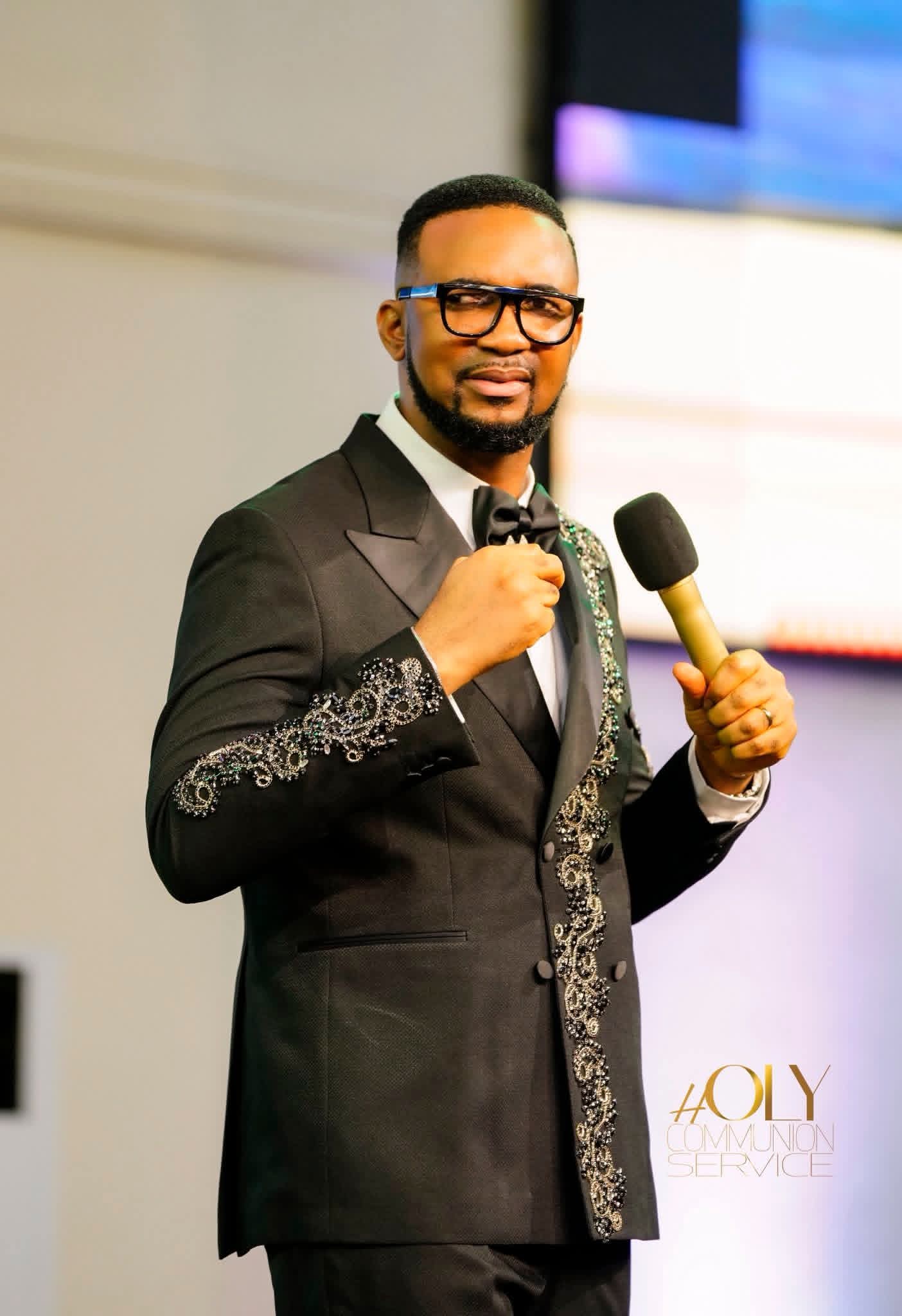
“Jesus Christ is the Way, the Truth, and the Life.” — Dr. Chris Okafor
Grace Nation Worldwide marked a special occasion as members gathered at the international headquarters in Lagos, Nigeria, to celebrate the birthday of the Generational Prophet and Senior Pastor, Christopher Okafor, who turned a year older on April 4, 2026.
A Service of Thanksgiving and Celebration
The atmosphere was filled with gratitude as sons and daughters of the ministry came together to appreciate God for the life and impact of their spiritual leader.
The celebration featured a variety of activities, including special musical renditions, Bible recitations, choreography presentations, and a vibrant praise and worship session led by the Liberation Voices.
The highlight of the event was the ceremonial cutting of the birthday cake, followed by joyful celebration and thanksgiving, all dedicated to the glory of God.
Teaching on the Death and Resurrection of Christ ,Earlier in the day, the service also commemorated the resurrection of Jesus Christ, with Dr. Okafor delivering a message on “The Death and Resurrection of Jesus Christ.”
In his teaching, he described the sacrifice of Christ at Calvary as the foundation of the Christian faith.
“The death of Jesus represents the depth of God’s love for humanity,” he said, while emphasizing that the resurrection is the ultimate confirmation and strength of the believer’s faith.
The State of Humanity Before Redemption
Dr. Okafor explained that before the sacrifice of Christ, humanity was bound by sin, subject to judgment, and separated from God. He highlighted the consequences of the fall of man, including spiritual loss and the inevitability of judgment.
The Purpose of Christ’s Sacrifice
According to the cleric, the death and resurrection of Jesus Christ brought restoration and reconciliation between God and humanity.
“When a person is restored to God, life becomes meaningful,” he noted, adding that the sacrifice of Christ signifies the forgiveness of sin and a new beginning for believers.
A Message of Hope
In conclusion, Dr. Okafor stated that the resurrection of Jesus Christ provides believers with the opportunity to live a fruitful and abundant life, anchored in faith and divine purpose.
The combined celebration of his birthday and the message of Easter created a moment of reflection, joy, and renewed commitment among members of Grace Nation Worldwide.


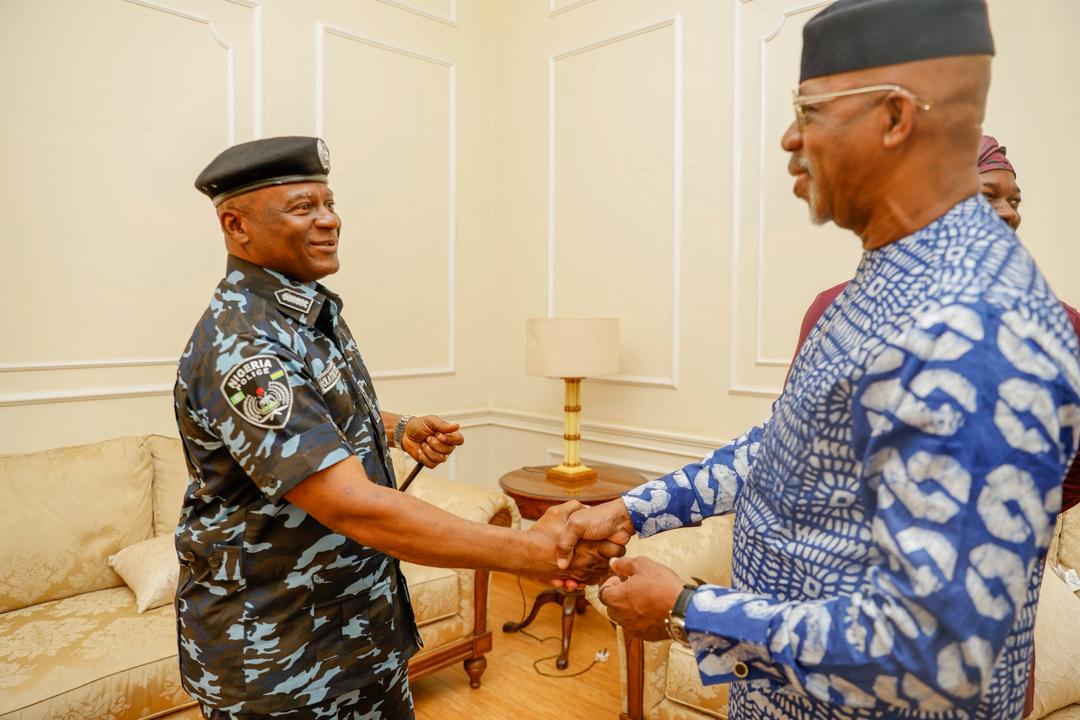
IGP Disu Unveils New Security Vehicles, Bikes In Ogun,
The Inspector-General of Police, Olatunji Rilwan Disu, on Saturday took centre stage at the commissioning of landmark projects in Ogun State, reaffirming the Nigeria Police Force’s commitment to strengthening national security and deepening collaboration with state authorities.
The high-profile event, attended by top government officials and security stakeholders, highlighted the strategic importance of security in driving development. Disu’s presence underscored ongoing efforts by the Police leadership to align operational priorities with infrastructural growth across the country.
A key highlight of the ceremony was the commissioning of new security vehicles and electric motorbikes aimed at boosting the operational capacity of security agencies in the state. The IGP commended the Ogun State Government for what he described as a proactive and forward-thinking approach to security, noting that the newly deployed assets would significantly enhance rapid response and patrol efficiency.
He stressed that effective policing remains central to maintaining peace and order, assuring residents that the Force would continue to evolve strategies to tackle emerging threats. According to him, the Nigeria Police Force is committed to working closely with both the Federal Government and sub-national authorities to ensure the safety of lives and property.
Disu further called on members of the public to support security agencies by providing timely and credible information, describing community cooperation as vital in combating crime and sustaining a secure environment.
The Police leadership also expressed appreciation to the Ogun State Government and other dignitaries for their continued partnership, noting that such collaboration is essential to advancing security initiatives and fostering national development.



*PDP Stalwart, Fagbemi, Resigns From Party in Ogbomoso South*
A former Secretary of Ogbomoso South Local Government, Temidayo Fagbemi, has formally resigned his membership of the Peoples Democratic Party.
Fagbemi, a major financier of the PDP in the area, tendered his resignation in a letter addressed to the Ward Chairman of the party in Ijeru II, Ogbomoso South.
In his letter, Fagbemi stated that leaving the party he had diligently supported, contributing to PDP’s victories at both the state and local government levels for two consecutive terms, was a difficult but necessary decision.
He wrote: “I, Temidayo Fagbemi, hereby submit my resignation as a member of the PDP.”
“My decision to leave the party, which I worked hard to support and helped secure victory at both the state and local levels for two consecutive terms, is not an easy one. However, it has become necessary.”
He thanked party leaders for the years of shared political engagement and wished them success in their forthcoming primaries.
His resignation marks a significant development within the Ogbomoso South PDP, given his influence, contributions, and long-standing role in strengthening the party’s structure.


-

 society7 months ago
Religion: Africa’s Oldest Weapon of Enslavement and the Forgotten Truth
-

 news4 months ago
WHO REALLY OWNS MONIEPOINT? The $290 Million Deal That Sold Nigeria’s Top Fintech to Foreign Interests
-

 society6 months ago
“You Are Never Without Help” – Pastor Gebhardt Berndt Inspires Hope Through Empower Church (Video)
-

 celebrity radar - gossips2 months ago
Dr. Chris Okafor Returns with Power and Fire of the Spirit -Mounts Grace Nation Altar with Fresh Anointing and Restoration Grace on February 1, 2026