
society
Nigeria at the Crossroads: Structural Gains Amid Human Cost under Tinubu‑APC


Nigeria at the Crossroads: Structural Gains Amid Human Cost under Tinubu‑APC.
By George Omagbemi Sylvester | Published by SaharaWeeklyNG.com
Where Nigeria is Working?
1. Economic Reforms and Fiscal Discipline
One of Tinubu’s first executive actions was removing the costly fuel subsidy; a move praised by global institutions like the IMF and World Bank. The naira, previously shackled by multiple exchange rates, has now been floated, which has narrowed the black market gap and increased forex liquidity.
According to the Central Bank of Nigeria (CBN), this move saved the country over ₦3.6 trillion within the first year. The fiscal deficit dropped from 5.4% of GDP in 2023 to 3.0% in 2024. Oil production, long battered by theft and militancy, rebounded from 1.1 million barrels per day to over 1.5 million bpd by mid-2025.
Moreover, Nigeria recently signed a $1 billion agriculture investment pact with Brazil aimed at mechanising farms, boosting exports and transforming rural economies. If implemented fully, this could shift the nation from subsistence farming to agribusiness.
“For the first time in decades, we have a president willing to take the hard path,” noted Professor Akpan Henshaw, economist at the University of Uyo. “But reform without shock absorbers is cruelty disguised as policy.”
2. Central Bank Independence and Monetary Realignment
Gone are the days of reckless monetary policy under Godwin Emefiele. Tinubu’s administration has begun restoring credibility to the CBN. Interest rates were hiked to counter inflation and excessive monetary financing of deficits has ceased. These moves have improved investor confidence, with the Nigerian Stock Exchange becoming one of the best-performing in Africa in 2024.
Also, the naira has stabilized somewhat and foreign direct investment is trickling in again, particularly in fintech and agritech.
3. Social Safety Initiatives
Despite public perception, the administration has rolled out several targeted interventions:
₦35,000 wage award to federal workers for 6 months
₦25,000 monthly cash transfers to 15 million vulnerable households
₦75 billion investment fund for manufacturing businesses
CNG-powered vehicle rollout and energy transition projects
However, most of these efforts are limited in scope and lack structural depth. The World Bank noted in March 2025 that “more than half of the interventions remain urban-based, leaving rural populations behind.”
Where Nigeria is Failing?
1. Soaring Cost of Living and Rising Poverty
While macroeconomic indicators may be improving, the average Nigerian is sliding deeper into despair. Inflation hovers at 24%, food inflation at 40%. A 50kg bag of rice now sells for over ₦80,000. Petrol costs have tripled. Transportation, rent and school fees are choking middle and lower-income earners.
According to the National Bureau of Statistics (NBS), over 129 million Nigerians now live below the poverty line; nearly 56% of the population.
“We are stabilizing the economy while destabilizing human lives,” said Dr. Olufemi Ogunlade, a policy analyst at the Lagos Business School. “There is no social justice in a reform that creates more beggars.”
2. Wage Crisis and Labour Discontent
The Nigerian Labour Congress (NLC) and Trade Union Congress (TUC) shut down the country for two weeks in mid-2024, demanding a ₦250,000 minimum wage. The federal government responded with ₦70,000, citing fiscal constraints.
While better than the old ₦30,000 wage, it’s still a far cry from reality. Workers have not recovered from the triple inflation shocks of subsidy removal, naira float and increased taxation.
“How can one survive on ₦70,000 when a bag of rice is ₦80,000?” asked a public school teacher in Osun State. “This is slavery dressed as salary.”
3. Insecurity and Governance Paralysis
Despite the militarized rhetoric, insecurity continues to rage. From Zamfara to Borno, from the Middle Belt to the South-East, banditry, terrorism and kidnapping for ransom remain unchecked.
A tragic drone strike in Tudun Biri, Kaduna State, killed dozens of civilians; an incident that mirrored the operational chaos in Nigeria’s military structure.
Former Kaduna Governor Nasir El-Rufai recently declared:
“Insecurity has increased, the economy is dwindling (Whoever he is giving an appointment to must be someone he knows or from his tribe) this is sheer injustice and nepotism.”
The South-East remains heavily militarized, yet under-policed in terms of community trust. The North-East continues to bleed despite massive security budgets.
4. Cronyism, Corruption and Luxury Spending
As citizens tighten belts, public officials loosen theirs. President Tinubu approved:
₦21 billion to renovate the Vice President’s residence
₦5 billion for SUVs for lawmakers
₦15 billion for a presidential yacht
₦39 billion for a new presidential conference centre
These numbers insult the intelligence of suffering Nigerians.
“How can President Tinubu justify allocating ₦21 billion to renovate the Vice President’s residence when federal universities are struggling?” asked Comrade Ayo Olorunfemi of the Academic Staff Union of Universities (ASUU).
The Lagos-Calabar coastal highway project, a ₦15 trillion mega-contract awarded without competitive bidding, has raised alarm bells across civil society, who question both its timing and transparency.
5. Debt, Deficit and Dissonance
Public debt has ballooned from ₦49 trillion in 2023 to over ₦114 trillion by Q2 2025. Servicing debt now consumes over 70% of government revenue.
Despite this, the Tinubu administration continues borrowing, claiming it needs funds for reforms. The IMF has warned Nigeria about its “unsustainable debt trajectory” and urged the country to broaden its tax base; though tax hikes without value-for-money only breed rebellion.
Recommendations
If the Tinubu administration seeks to transform “Renewed Hope” into real human development, it must:
Expand and institutionalize social protection: Build a national welfare system that protects the poor during economic transitions.
Raise wages: Peg minimum wage to inflation and cost of living.
End wasteful spending: Cancel luxury procurements and redirect funds to healthcare, education, and food security.
Tackle insecurity systemically: Reform the military, invest in local policing and deploy intelligence not brute force.
Enforce meritocracy: Appoint based on competence not nepotism. Nigeria is not a private estate.
Final Reflection
President Tinubu’s economic agenda is bold. His willingness to take hard decisions shows resolve. What use is reform when it’s felt only in spreadsheets not stomachs?
Nigeria may be fiscally afloat, but morally adrift. It’s a nation stabilizing its books while destabilizing its people. A country where GDP growth headlines mask graveyard silences in villages wiped out by bandits. Where billions are spent on buildings while babies die from hunger.
If Tinubu wants to be remembered as a true reformer, not just a technocratic gambler, he must pivot from elite economics to human development. Otherwise, the question Nigerians will ask in 2027 won’t be about inflation or forex; it’ll be simple:
“Did my life get better under Tinubu?”
Right now, for too many, the answer is a heartbreaking NO.


Written by George Omagbemi Sylvester | Published by SaharaWeeklyNG.com




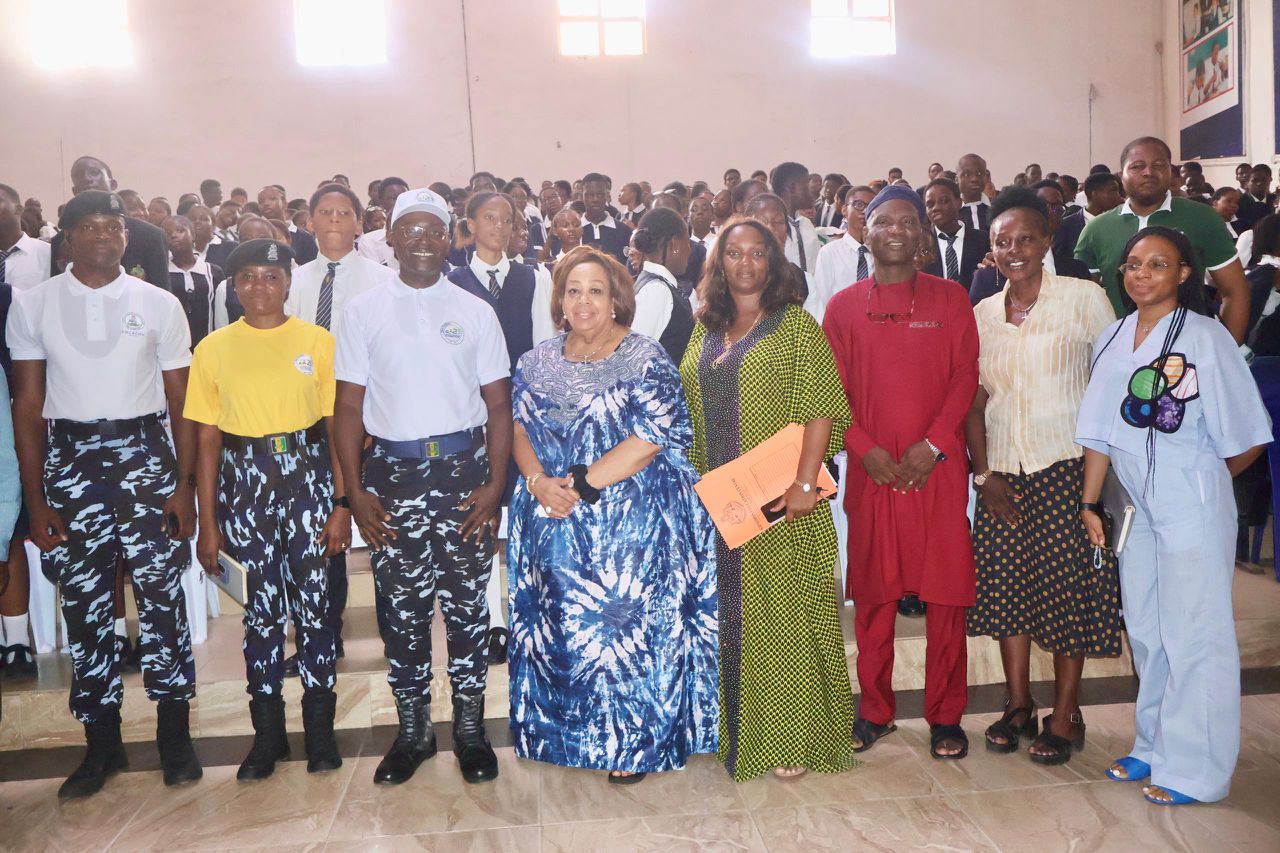
POCACOV Intensifies Sensitization on Cultism, Bullying, and Social Vices Among Students in Edo
In commemoration of the 2026 National Police Day Celebration, the Police Campaign Against Cultism and Other Vices (POCACOV), Edo State Command, has reinforced its preventive policing efforts through a targeted sensitization outreach at Igbinedion Education Centre, Benin City.
The initiative forms part of the broader activities marking this year’s National Police Day, themed “Community Partnership: Building Trust,” which emphasizes collaboration between the Nigeria Police Force and the public in fostering a safer society.
The sensitization programme witnessed the presence of key stakeholders, including the Commissioner of Police, Edo State Command, the Police Public Relations Officer, and the Edo State POCACOV Coordinator, ASP Kingsley Upeh. The team engaged students in an insightful and impactful session focused on the dangers of cultism, bullying, and other social vices prevalent among youths.
During the session, students were educated on the severe and far-reaching consequences of cult-related activities. These include violence, loss of lives, disruption of academic pursuits, and long-term damage to personal reputation and future opportunities. The speakers also highlighted how peer pressure, drug abuse, and negative social influences often serve as gateways into criminal behavior.
In an interactive segment, the Commissioner of Police stressed the legal implications of engaging in criminal acts, noting that involvement in cultism and related offences could lead to arrest, prosecution, and lifelong consequences that may hinder personal growth and career aspirations.
The issue of bullying was also extensively addressed, with emphasis on both its legal ramifications and psychological impact on victims. Students were encouraged to speak up against bullying, report incidents to school authorities or law enforcement, and support peers who may be affected.
Furthermore, the outreach underscored the importance of self-discipline, moral values, and making informed life choices. Students were urged to become ambassadors of peace within their schools and communities by rejecting violence and promoting unity and mutual respect.
The POCACOV team reiterated its commitment to continuous engagement with young people through awareness campaigns, community outreach, and strategic partnerships aimed at preventing crime before it occurs. The initiative aligns with the Nigeria Police Force’s proactive approach to policing, which prioritizes education, prevention, and community involvement.


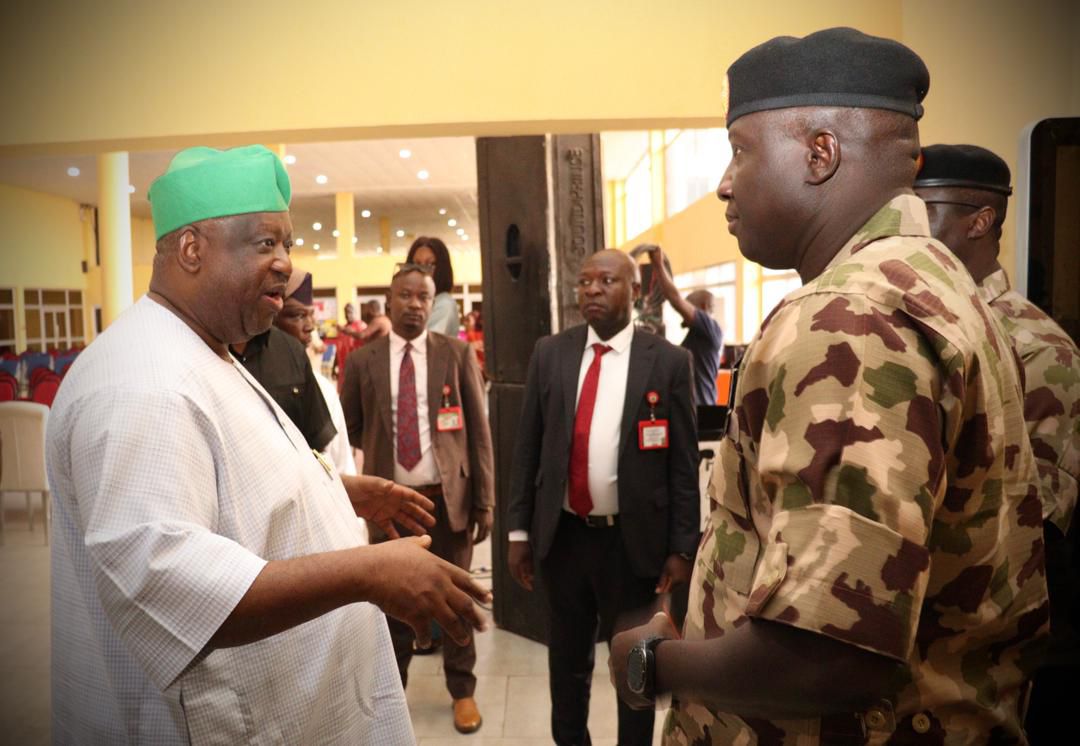
COAS Launches Nationwide Security Renewal Mission in Plateau
The Chief of Army Staff, Lieutenant General Waidi Shaibu, on Thursday led a high-level delegation of security chiefs to Plateau State, flagging off a nationwide security renewal mission aimed at strengthening civil-military cooperation and restoring lasting peace across the country.
The visit to Jos, the Plateau State capital, marks the first phase of a coordinated national effort to address persistent security challenges through joint operations, community engagement, and proactive intelligence gathering.

Governor Caleb Muftwang received the delegation, describing the initiative as a critical step toward stabilizing affected communities and reinforcing public confidence in security institutions.
Civil-Military Synergy Takes Centre Stage
At the heart of the mission is a renewed emphasis on collaboration between the military, civil authorities, and local communities. Speaking during the visit, Lt. Gen. Shaibu stressed that national security must be treated as a collective responsibility.
He urged citizens to support security agencies by remaining vigilant, sharing credible information, and complying with lawful directives, noting that effective security cannot be achieved in isolation.
Community Engagement as Confidence-Building Tool
In a departure from purely operational engagements, the Army Chief held direct consultations with community leaders and residents in Jos, reinforcing the importance of trust and dialogue in conflict resolution.
Lawmakers, including Dachung Bagos and Ladi Dangyok, commended the initiative, stating that visible engagement by top military leadership helps rebuild confidence among citizens and fosters cooperation.

Proactive Security Operations Underway
Operational updates were provided by Major General Folusho Oyinlola, who disclosed that troops under Operation Enduring Peace have intensified surveillance, intelligence-led patrols, and coordinated actions with other security agencies.
According to the Army, the approach is designed to prevent escalation of threats, safeguard lives and property, and stabilize vulnerable communities before crises emerge.
A Shift Toward Sustainable Peace
Military authorities emphasized that the Plateau visit is part of a broader, long-term strategy to transition from reactive responses to sustainable peacebuilding nationwide. The framework includes strengthening local resilience, ensuring justice, and maintaining continuous engagement with stakeholders.
Analysts view the initiative as a significant policy shift, reflecting a more inclusive security architecture that integrates community participation with military operations.
Call for National Unity
The Army leadership concluded with an appeal to Nigerians to reject divisive narratives and support ongoing efforts to promote unity and peace.
“The success of this mission depends not only on the armed forces but on the cooperation of every citizen,” the COAS stated.
The nationwide security renewal campaign is expected to extend to other regions in the coming weeks as authorities seek to consolidate gains and build a safer, more unified Nigeria.


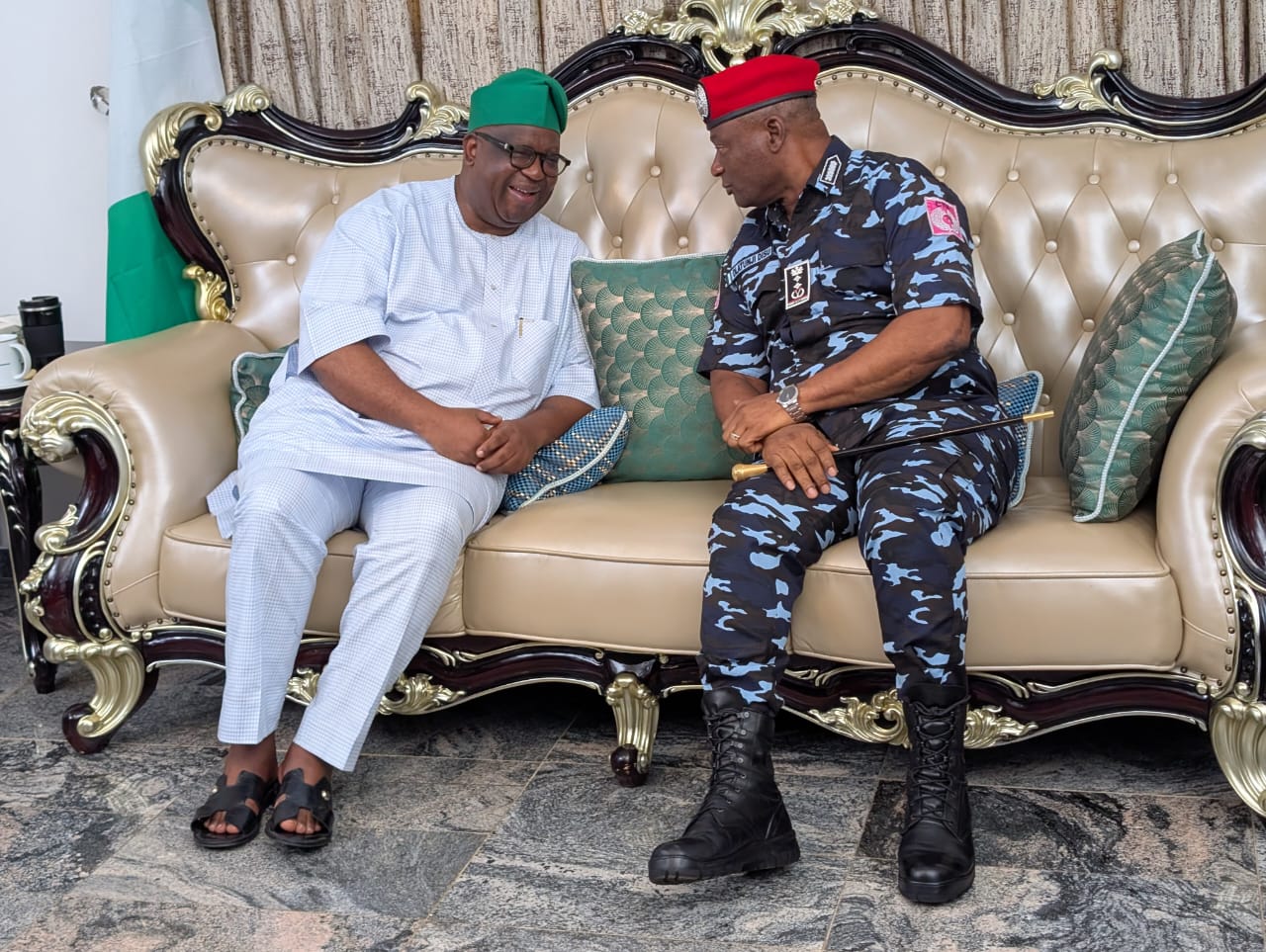
IGP Disu Visits Plateau, Orders Tactical Deployment To Reinforce Security
The Inspector General of Police, Olatunji Disu, on Thursday paid a working visit to Plateau State following recent unrest, holding strategic talks with Governor Caleb Muftwang on measures to strengthen security and prevent further disturbances.
As part of immediate steps to stabilise the situation, the police chief authorised the deployment of specialised tactical units to support officers already on ground across affected areas.
Governor Muftwang commended the swift intervention of the police leadership, praising the dedication and professionalism of security personnel working to restore calm. He also acknowledged the efforts of mobile police officers and lauded the leadership of the state’s Commissioner of Police, Bassey Ewah.
Both the Nigeria Police Force and the Plateau State Government reaffirmed their commitment to safeguarding lives and property, stressing that enhanced collaboration remains key to restoring lasting peace in Plateau State, popularly known as the Home of Peace and Tourism.


-

 society7 months ago
Religion: Africa’s Oldest Weapon of Enslavement and the Forgotten Truth
-

 news4 months ago
WHO REALLY OWNS MONIEPOINT? The $290 Million Deal That Sold Nigeria’s Top Fintech to Foreign Interests
-

 society6 months ago
“You Are Never Without Help” – Pastor Gebhardt Berndt Inspires Hope Through Empower Church (Video)
-

 celebrity radar - gossips2 months ago
Dr. Chris Okafor Returns with Power and Fire of the Spirit -Mounts Grace Nation Altar with Fresh Anointing and Restoration Grace on February 1, 2026