
celebrity radar - gossips
NIGERIAN CELEBRITIES BATTERED BY THEIR HUSBANDS


There have been gory tales of domestic violence involving celebrities, some of which are still fresh in our memories. ABIOLA ALABA PETERS highlights some of the famous Nigerian female celebrities who fled their matrimonial homes due to incessant cases of domestic violence from their spouses
•Kate Henshaw
Kate Henshaw, Nollywood actress who recently premiered her TV series said she was once a victim of domestic violence. According to her, the relationship lasted for about three to four years. She didn’t know who she was then. She was so timid, and almost stopped smiling and laughing.
She said, “But there was this inner strength in me that helped me to rediscover myself. In fact, I had no self-esteem then. I wanted to change and be who I was not, based on the ill-treatment and violent nature of my man then.
“He was constantly abusing, beating and battering me inside the house and in public places. Funny enough, this violent lover of mine claimed to love me and wanted to marry me.
“I also wanted to marry him. I had started buying pots and other household items because I was in love. I wanted to settle down; I wanted to have my children with him. I kept thinking he would change, but he didn’t.
I tried my best to be everything to him, but finally I said enough was enough. During that turbulent period, I was ashamed. I couldn’t tell anybody. During one of the beatings, he broke my ankle.” That was the gory picture painted by the ex-Glo ambassador, Kate Henshaw.
The screen icon later backed out of the turbulent affair and tied the knot with a British lover years after, a union that recently hit the rocks after producing one child.
•Monalisa Chinda
After many years of being beaten mercilessly by her husband in a turbulent marriage that lasted five years, Glo ambassador and screen diva, Monalisa Chinda, vacated her marital sanctuary in 2009. “My failed marriage was far from normal. I will be foolish if I do not admit there were several cases of violence and assault on me.
At a point, due to the high level of violence, I started acting as if I was crazy. It was that bad. I carried on like a wounded lion for five years, thinking it would get better, but it was escalating and killing me gradually until I said the final ‘no.’ I left home on July 10, 2009.
“I was naive about love and got carried away.
Each time I sit down to look at the whole thing, I usually end up laughing. It was weird, funny and very silly. He had all the nice things to say,” she recalls of that experience. That was the poignant confession of the delectable Ikwerre, Rivers State-born star.
•Vivian Ejike
Her astonishing beauty and impeccable personality could not save her from the incessant beatings of the same man that vowed to love and cuddle her for life. Vivian Ejike, the producer of numerous hit flicks such as ‘Private Storm,’ ‘Silent Scandal,’ among others, chose to call it quits and run for dear life after many years of battery and assault.
In an interview the French graduate of the University of Port Harcourt, Rivers State once granted, she confessed: “I was married but I left that marriage because of domestic abuse.
Actually, it was my experience in domestic abuse and violence that prompted the movie, ‘Private Storm.’ But today, I am happily married again. So no regrets, everything happened for good.”
•Ayo Adesanya
Cross-over actress, Ayo Adesanya, is not found wanting on the list of celebrities whose marriages took a nose dive after unending assault from their partners.
The University of Ibadan graduate of Language and Communication Arts and star of Out of Bounds, Iru Oka, Most Wanted, among others was said to have endured her union until it dawned on her that the battering might never end. Her chaotic marriage to Goriola Hassan, a tattoo-loving movie producer, lasted about eight years.
“I packed out of the house in the middle of the night. I don’t think anyone in a relationship that is not bringing happiness should stay,” the busty actress with tatooes averred in an earlier interview.
• Hadiza Zaaki Azzay
The case of popular banker, Titilayo Arowolo, who was allegedly battered to death by her husband and the Club Q owner, Susan, who was also allegedly murdered by her lover were the direction Hadiza Zaaki’s marriage was heading before the union nose-dived.
With a voice dripping with pains, emotions and punctuated by throbbing flashbacks, the battered wife of Na Me Go Marry Am crooner, Zaaki Azzay, unearthed bitter memories of a turbulent eight-year relationship with her musician husband. “I’d fainted more than two times after being beaten mercilessly by Zaaki. I almost died in his hands.
In fact, since our troubled marriage, I have packed out of his house a record eight times. Zaaki has beaten me on the streets of Gbagada before.
He even bought out a cutlass which he said he would use to kill me,” she revealed.




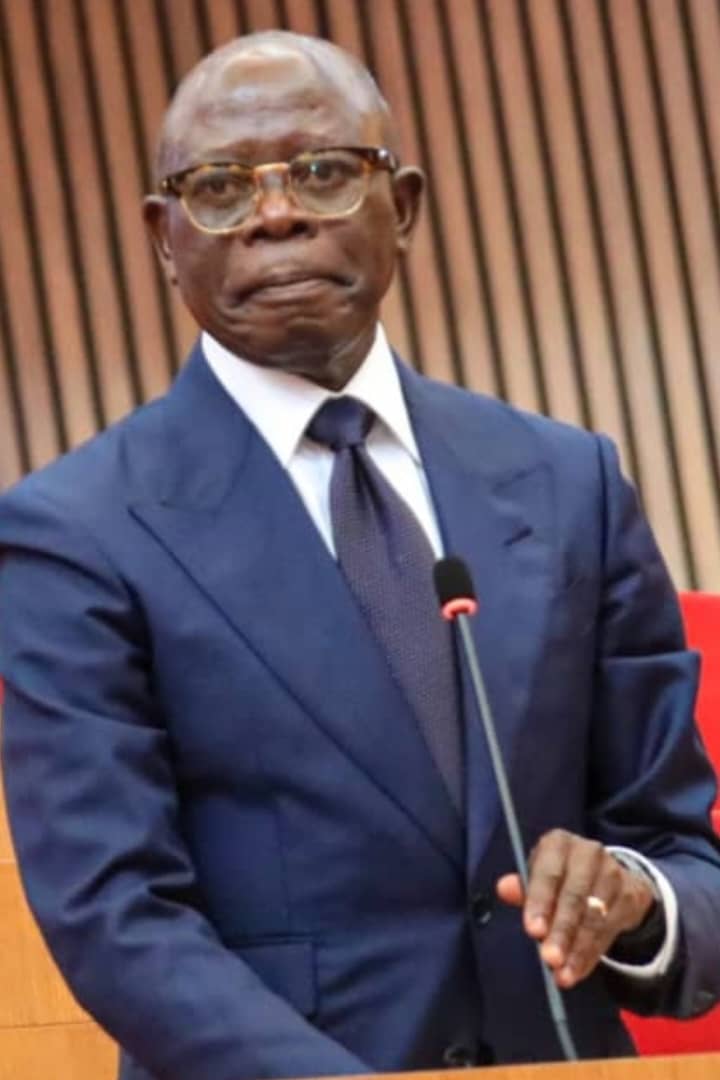
Daniel Eromosele Eulogize Adams Oshiomole as he turns 74 years
Today, I celebrate an exceptional leader, a fearless voice for the people, and a man whose life has remained a symbol of courage, sacrifice, and unwavering commitment to justice—Distinguished Comrade Senator Adams Aliu Oshiomhole.

Your journey has been nothing short of inspiring. From your days as a vibrant labour leader to your impactful tenure as the Executive Governor of Edo State, and now as a respected Senator of the Federal Republic, you have consistently demonstrated what it means to serve with integrity, strength, and purpose. Your contributions to the growth of our nation and the development of Edo State remain indelible and deeply appreciated.
You have not only built structures and institutions but have also built people. I am personally a beneficiary of your leadership, your guidance, and your belief in empowering others. Your influence in my life has been profound, and I remain grateful for the opportunities and inspiration you have given me.
On this special day, I celebrate not just your achievements, but the man you are—resilient, principled, and ever committed to the progress of Nigeria and her people.

May this new year bring you renewed strength, greater wisdom, good health, and more remarkable accomplishments. May your legacy continue to shine brighter with each passing year.
Happy Birthday, sir. Wishing you many more fruitful and impactful years ahead.
celebrity radar - gossips
Accolades to Empress Genevieve Wining as she Celebrate birthday in Grand style

Accolades to Empress Genevieve Wining as she Celebrate birthday in Grand style
Emmanuel Clement
Vilnius, Lithuania – The Grand Hotel Vilnius will host a grand birthday celebration in honor of Her Majesty The Empress Genevieve Wining of the United Kingdom of Atlantis (UKA) on April 4th, 2026.
The four-day event promises to be an extravagant affair, marking the special birthday of Empress Genevieve Wining. The celebration will take place at the prestigious Grand Hotel Vilnius, Lithuania, renowned for its luxurious ambiance and exceptional service.

According to the event flyer, the birthday celebration will be a spectacular occasion, fitting for an empress. Guests can expect an elegant setting adorned with golden accents, sparkling champagne, and festive decorations, creating a regal atmosphere befitting the occasion.
The Empress Genevieve Wining of UKA is expected to grace the event, which will include various festivities and celebrations in her honor. The occasion aims to bring together dignitaries, followers, and guests to commemorate the empress’s birthday with grandeur and joy.
For media inquiries, accreditation, or further information about the birthday celebration of The Empress Genevieve Wining of UKA, please contact the event organizers.
Courtesy of His Excellency Emperor Prof. Solomon Wining. UKA
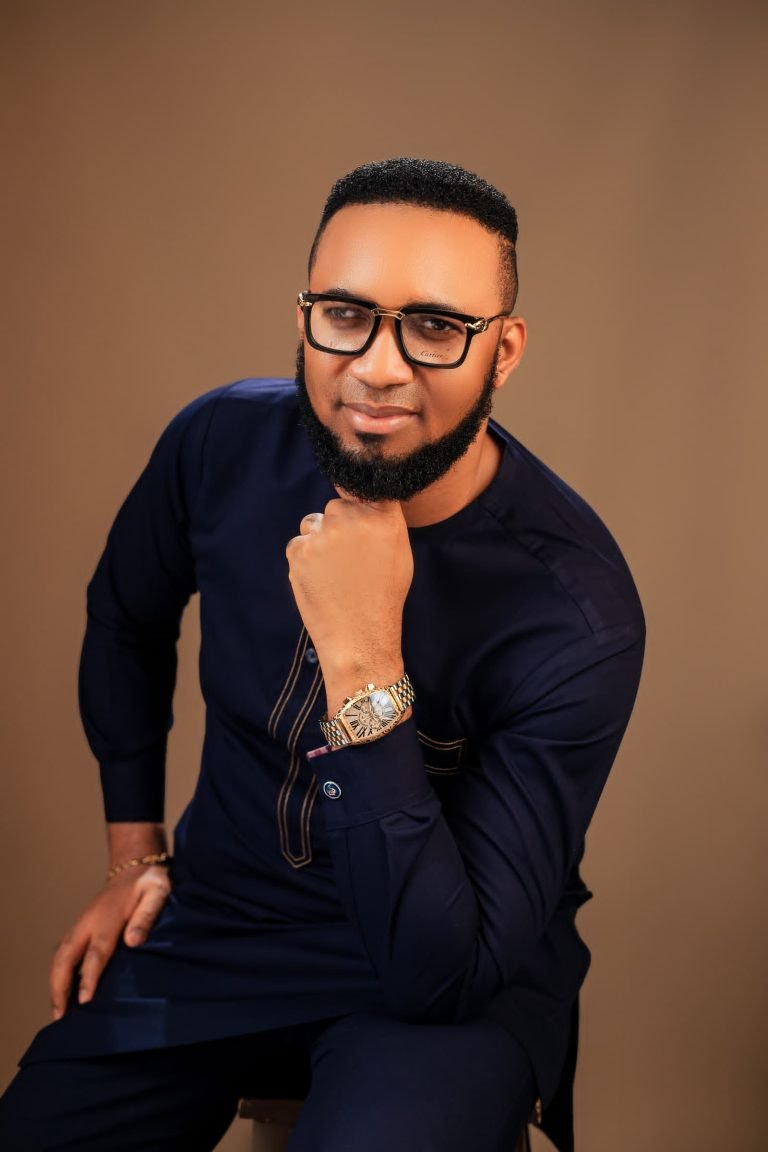
Today, Dr. Chris Okafor turns a year older
~By Sunday Adeyemi
It is widely acknowledged that the exceptional Dr. Chris Okafor, a man of great character, always celebrates his birthday on April 4th, and in recognition of this occasion, I am inspired to write this special tribute to honor him.
Today marks a momentous occasion as we commemorate the birthday anniversary of Dr. Chris Okafor, a rare gem, a perfect gentleman, and the revered founder of Grace Nation Church, aka Liberation City.
Without reservation, this versatile and dependable Oracle foundry has consistently proven itself worthy of the accolades bestowed upon it on this notable anniversary.
Let it be reiterated that Dr. Chris Okafor is a leader known for his generosity and commitment to humanity’s welfare and advancement. The special gifts donated recently to widows and widowers within and outside the church are a testament to his exceptional leadership.
Your reputation as an outstanding and authentic man of God is evident in your exceptional goodwill and philanthropic endeavors.
Your dedication and perseverance have yielded impressive results, and numerous people, including myself, are justifiably proud of the remarkable work you are doing.
You have consistently exemplified outstanding leadership in the Christian community, demonstrating the profound impact of your role as a gift from God to humanity. I firmly believe this to be true.
Here’s to a year of productivity, success, and happiness. Congratulations and warm wishes on your birthday, sir.
Sunday Adeyemi
Your Son


-

 society7 months ago
Religion: Africa’s Oldest Weapon of Enslavement and the Forgotten Truth
-

 news4 months ago
WHO REALLY OWNS MONIEPOINT? The $290 Million Deal That Sold Nigeria’s Top Fintech to Foreign Interests
-

 society6 months ago
“You Are Never Without Help” – Pastor Gebhardt Berndt Inspires Hope Through Empower Church (Video)
-

 celebrity radar - gossips2 months ago
Dr. Chris Okafor Returns with Power and Fire of the Spirit -Mounts Grace Nation Altar with Fresh Anointing and Restoration Grace on February 1, 2026
You must be logged in to post a comment Login
You must log in to post a comment.