
society
Nigerian Embassy in Austria corruptly charges extra €50 from every visa applicant, €30 for passport

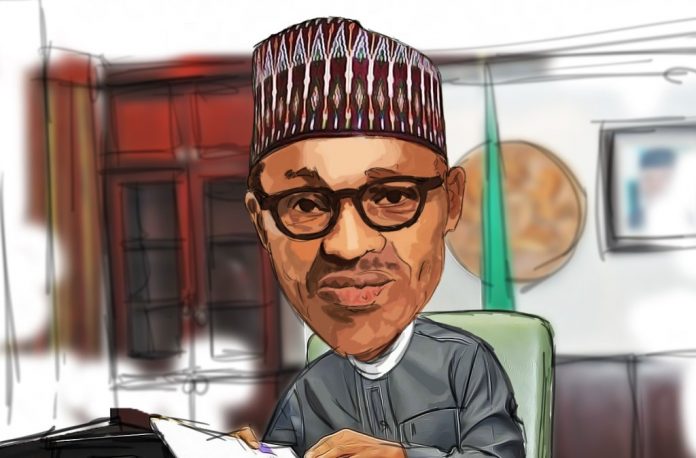
Nigerian Embassy in Austria corruptly charges extra €50 from every visa applicant, €30 for passport
· Stops Nigerians from going into the embassy with cell phones
· POS installed at the embassy as a conduit pipe of corruption
An open letter to President Buhari, National Assembly/House of Reps. Members, Foreign Affairs Minister, and the Acting Comptroller General of the Nigeria Immigration
Written by Uzoma Ahamefule
Introduction
The incredible way Nigerians are being treated at the Nigerian Embassy in Vienna, Austria is shocking and embarrassing. This is an opinion article based on a private investigation that is grounded on facts. Nigerians have complained bitterly against exploitation and maltreatment, and the ugly situation has been integrated so much into the system that everything looks normal. As a Nigerian living in Vienna, Austria, my mission here is just to draw the attention of the Federal Government of Nigeria to our plights.
According to one of the famous quotes of Martin Luther King Jr., “There comes a time when one must take a position that is neither safe, nor politic, nor popular, but he must take it because conscience tells him it is right.” My mind and brain clashed severally on the exposure of the exploitation and criminality going on inside the Nigerian Embassy in Vienna, Austria. But like Prof. Wole Soyinka said, “The man dies in all who keep silent in the face of tyranny.” My impetus and courage are driven from the fact that my convictions are bigger than my fear – because Nigeria will be great if we all do our part.
Consequently as a true patriot, I am compelled to add my voice in solidarity to the cries of Nigerians in Austria who dearly crave for the urgent attention of the Nigerian government to end the disgrace, manipulation, intimidation, fraud, and the neglect they have been subjected to for a long time unchallenged at the Nigerian Embassy in Vienna, Austria. According to the complaints, the conduit pipe of the evil this time is mainly orchestrated via visa and passport applications – code named “Administration fee”.
When one applies for a Nigerian visa online, one goes through all the processes, pays the money as the website of the Nigeria Immigration Service stipulates, and the person is instructed to take specific required documents and proceed to the Nigerian Embassy for the visa. But when one gets to the embassy and submits the documents, surprisingly one is not given the visa as directed, rather a fraudulent transfer slip of €50 – claimed by the embassy to be an administrative fee – is given to that applicant to go to any nearby bank and pay into an account allegedly and boldly written to belong to the Nigerian Embassy in Vienna. If one does not pay this money the person will not be given the visa. It is equally the same thing with the international passport. After the payment online, one must pay extra €30 at the embassy if the person is living in Austria, otherwise it is €100, or else the person will not be attended to.
One of the bank accounts these monies were paid into was opened on 09.08.2021 at Bank Austria, with the account number AT64 1200 0515 7402 311. Wherever the monies were paid before then would be worth investigating. The account was later closed sometime in March 2022, and was simultaneously replaced with installed POS inside the embassy. Currently, the POS is what people are using to pay the imposed extra €50 and €30/€100 administration fees by the embassy for visa and passport applications. Closing and reopening accounts several times in the same bank in a developed country like Austria that has a working society is an indication that something is wrong.
Following are other fees that equally go into the same account (attached is a screenshot info of the “Administrative Charges” from the embassy’s website before it was removed): (1) “Temporal Work Permit cable Visa endorsement fee €100,” (2) “STR Visa endorsement fee (per document) €200”, (3) “Urgent collection subject to approval by Minister (C&I) €50”, (4) “Lost Passports €200”, (5) “Change of names due to marriage €50”, (6) “Applicants from other passport issuing countries (in addition to other regular charges) €100”, (7) “Processing of applications for renunciation of citizenship €300”, (8) “Endorsement of Business Documents €200”, and (9), “Attestation of documents €40.” Reliable information from an impeccable source is that these proceeds – between €30,000 to €44,000 – are not honestly remitted to the Federal Government.
Besides the POS payment there is also the possibility to pay other so-acclaimed administrative fees by the embassy at the bank. Attached is a bank transfer slip given to a person by the embassy for two persons’ visas to be paid into the purported embassy’s account with the number AT12 1200 0100 2182 8982 at Bank Austria.
The ambiguity and the questions hereare:Is the Nigerian Immigration officially aware of this very €50 (equivalent to N38,000) and €30 (around N23,400) extra visa and passport charges? If yes: do the monies paid go into the account of the Federal Republic of Nigeria or to some pockets of a few privileged individuals? If indeed it is truly true that the money actually goes into the Nigerian Government’s account: why is it not possible that one can also pay this extra monies online at the same time one is equally paying for the visa or passport fee? Why are the charges not stated like other fees at the website of the Nigeria Immigration Service as one applies? Why was it difficult and considered not important to inform people that they would be required to pay extra €50 and €30/€100 for administrative fees at the embassy like they were informed on what they need to bring to the embassy – if the monies were appropriate and not corruptly inserted in the process? Is the Federal Government of Nigeria aware of the monies that are currently going through the installed POS at the embassy?
For how long shall many of our leaders continue to treat us like animals – torment, oppress, disgrace and humiliate us everywhere, every time and at every little loophole they see, both home and abroad? Evil does not know ones religion or tribe. We all suffer it. So, when can we as Nigerians forget our differences and come together against oppression, corruption, repression and injustice etc. and say in unison that enough is enough without sentiments?
Furthermore fellow Nigerians, it is essential to also let you know that so many Nigerians who went home for the 2022 Christmas holiday were heartbroken, because they were exploited, frustrated and subjected to abuse by the embassy officials due to their inefficiencies. How? Many who had applied and had paid for visas to travel to Nigeria either lost the money they had paid for air tickets or had to pay extra for rebooking because the embassy failed to give them visas on time, with flimsy excuses of lack of “visa sticker.” Must we always be maltreated and exploited like this?
The sad one currently again is that, no Nigerian is allowed to go into the Nigerian Embassy in Vienna, Austria with mobile phones. Why? At first, they started compelling visiting Nigerians to off their cellphones before being allowed into the embassy, and they have now graduated to the point of not allowing anyone to go in with a cellphone. Everyone must deposit his/her cellphone with the receptionist, or else the person is denied entry. What is all this? What is there – inside the embassy – to hide? Are we the only embassy in the world? Why are they afraid of their own shadows? The cellphones could at least help many who wait at the embassy for a long time to interact and keep them busy. But who cares how the people feel? That one cannot be reached or make calls while inside the embassy is heart breaking and very sad. But the reasons for this awkward and inconsiderate decision are obvious. Aptly, they want to avoid Nigerians taking photos or making videos of their embarrassing conduct and the waiting room of the embassy they have shamelessly turned to a restaurant of Jollof rice and a pepper soup joint, and a below standard of a dirty restroom that is an eyesore. Otherwise what else?
Nigeria is a country where ugly and despicable things could be made to look normal especially if highly placedpeople are involved. My heart bleeds. Consequently, I protest on behalf of concerned Nigerians in Diaspora and appeal to the Commander in-Chief of the armed forces, the Federal Republic of Nigeria, President Muhammadu Buhari to please come to the aid of Nigerians in Austria via the Foreign Affairs Minister, Geoffrey Onyeama whose bulk of these complaints directly fall on his desk and in conjunction with the Acting Controller General of the Nigeria Immigration, Isah Jere Idris – to please urgently and sincerely react efficiently to the moan of the aggrieved Nigerians for the benefits of all. We plead for official investigation into the unscrupulous and indecent activities and corruption going on at the Nigeria Embassy in Vienna, Austria, and demand immediate stop to them. It is incredible. Perhaps, the case is equally not different in other Nigerian Embassies around the globe and the investigation should be comprehensively extended. We are watching.
Unbelievable things are happening under this Nigeria Embassy in Vienna, Austria that are yet to be revealed, and when they are, they will shock the entire world.
God bless Nigeria.
Uzoma Ahamefule, a concerned patriotic citizen and a refined African traditionalist, writes from Vienna, Austria,





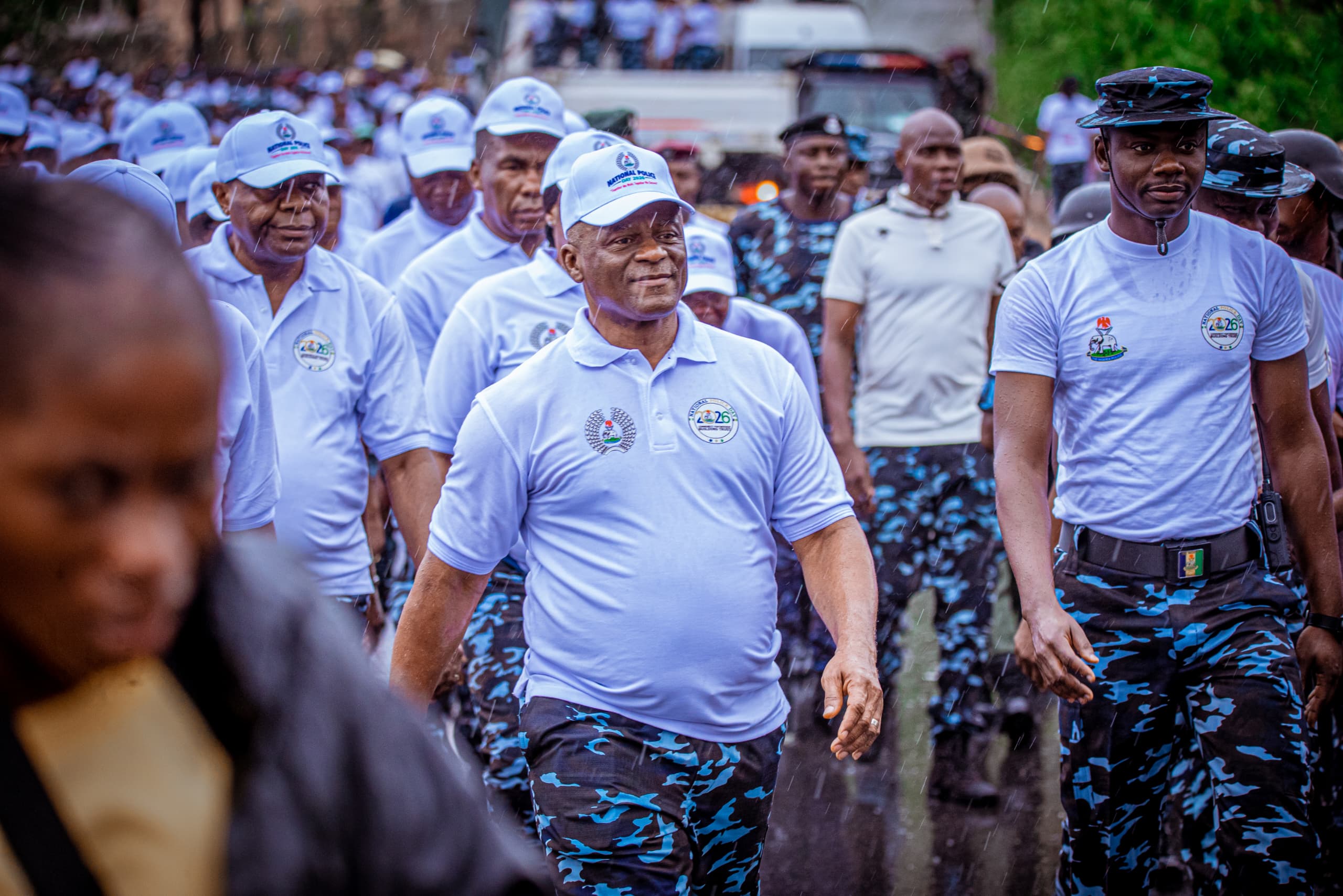
Police Day 2026: IGP Disu Leads Nationwide Walkathon To Strengthen Community Trust
The Inspector-General of Police, Olatunji Disu, on Tuesday led the management team, alongside officers and personnel of the Nigeria Police Force, in a nationwide walkathon to commemorate the 2026 National Police Day.
The event, held across state capitals and the Federal Capital Territory, formed part of activities marking Day Two of the annual celebration, themed “Community Partnership: Building Trust.”
The symbolic exercise, which drew participation from both police personnel and members of the public, was aimed at showcasing unity, discipline, and a renewed commitment to community policing and public safety.
According to the Force leadership, the walkathon underscores the Nigeria Police Force’s resolve to strengthen public trust, deepen engagement with citizens, and enhance collaboration in tackling security challenges across the country.
Participants described the initiative as a practical step toward bridging the gap between law enforcement and the communities they serve, while also promoting physical fitness and mental well-being among officers and civilians alike.
With the theme reflecting a shared responsibility for safety, the Police reiterated that sustainable security can only be achieved through active partnership with the public.
The event concluded with a renewed call for collective action under the banner: “Together We Walk, Together We Secure,” emphasizing unity of purpose in building a safer and more secure society for all Nigerians.


society
Dr. Chris Okafor invokes divine retribution upon individuals blackmailing the Grace Nation church
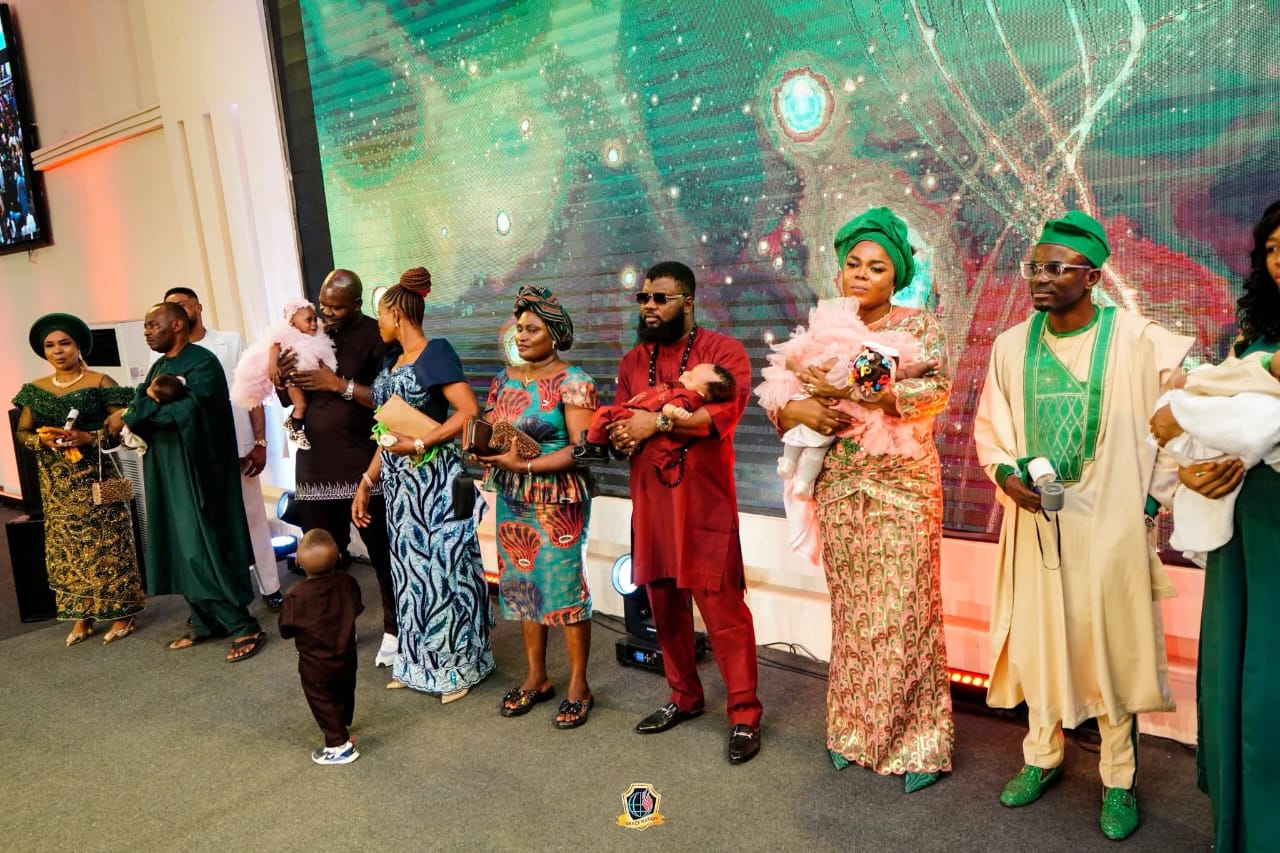
Dr. Chris Okafor invokes divine retribution upon individuals blackmailing the Grace Nation church
… Affirming God’s omnipotence to unveil malicious schemes.
To be frank, the ability of Doris Ogala and her associates to withstand the arduous challenges set by Senior Pastor Dr. Chris Okafor of Grace Nation Global at the culmination of the Harvest of Babies 2026 conference, the church’s flagship event, continues to elude me.
It’s advisable not to offend a powerful spiritual leader like Prophet Chris Okafor to avoid potential consequences, as seen in the situation with Doris Ogala, who was rebuked by the prophet; can she rectify the situation through confession?
Insiders close to the man of God claim that despite relentless online bullying and blackmailing, the Generational Prophet remains resolute, stating that God’s power has been evident throughout the commission’s existence. The reason for this wonderful statement is found in the scriptures, “Upon this rock I shall build my Church, and the gates of hell shall not prevail.” The more falsehoods are spread about the church and its leader, the more God elevates the church and propels him to greater heights, he asserted. He emphasized that blessings and fruitfulness are antidotes to curses, noting that God continues to bestow blessings upon the church, including miracles and the gift of children, which is one reason for the grand finale of the annual family liberation program, The Harvest of Babies.
However, the man of God issued a curse on each person speaking ill of the church, blackmailing, and uttering all sorts of falsehoods against the church, declaring that if they refused to repent within a few days, the earth would swallow them and their family members, stating that they would be of no use to themselves, their families, or society at large.
The spiritual leader cautions his followers to beware of such individuals including Doris Ogala who may taint their faith, and urges them to treat these persons as emissaries of the devil, avoiding them altogether.
Recall that the 2026 harvest of babies concluded with a remarkable birth of a miracle baby boy to a woman on the third day of the conference, accompanied by the dedication of several other miracle babies, all to the glory of God.
Christopher Sunday David writes from
Austria
“Together We Walk, Together We Secure”: Police Launch 2026 Walkathon In Abuja
The Nigeria Police Force has announced plans to host a walkathon in commemoration of the 2026 National Police Day, aimed at promoting unity, peace, and stronger community partnership.
The event is scheduled to take place on Tuesday, March 31, 2026, with participants expected to converge at the Force Headquarters Abuja by 6:00 a.m., where the walk will commence.
According to the organisers, the walkathon is designed to bring together members of the public, stakeholders, and security personnel in a show of solidarity and shared commitment to national security.
With the theme, “Together we walk, together we secure,” the initiative underscores the importance of collaboration between the police and citizens in maintaining peace and safety across the country.
Members of the public have been encouraged to participate in the exercise, which forms part of activities lined up to mark this year’s National Police Day celebration.
It is believed that the walkathon would not only foster closer ties between the police and the communities but also serve as a platform to promote awareness on collective responsibility in ensuring a safer society.


-

 society6 months ago
Religion: Africa’s Oldest Weapon of Enslavement and the Forgotten Truth
-

 news4 months ago
WHO REALLY OWNS MONIEPOINT? The $290 Million Deal That Sold Nigeria’s Top Fintech to Foreign Interests
-

 society6 months ago
“You Are Never Without Help” – Pastor Gebhardt Berndt Inspires Hope Through Empower Church (Video)
-

 celebrity radar - gossips2 months ago
Dr. Chris Okafor Returns with Power and Fire of the Spirit -Mounts Grace Nation Altar with Fresh Anointing and Restoration Grace on February 1, 2026