
society
No More Excuses: Nigeria Must Rise Through Unity and Vision


No More Excuses: Nigeria Must Rise Through Unity and Vision.
By George Omagbemi Sylvester | Published by saharaweeklyng.com
Integrity is not optional; it is survival. United we rebuild – NO MORE EXCUSES, ONLY RESULTS.
Nigeria stands at a crossroads. Blessed with human capital that numbers in the hundreds of millions and with resources that should have secured prosperity for every citizen, the nation instead wrestles with UNDERDEVELOPMENT, FRAGMENTATION and the CORROSIVE EFFECTS of POOR GOVERNANCE. The cure is neither sentimental nor simple; it is structural. When vision meets unity (when a clear, courageous national plan is backed by an unwavering commitment to integrity and justice) nations rise. Nigeria can and must be that nation. This is not rhetoric. It is a prescription grounded in evidence, proven theory and the lived experiences of countries that have turned crises into breakthroughs.

First, the facts: Nigeria now has a population exceeding 230 million people (Africa’s Largest) a demographic engine that, IF WELL-GOVERNED, could deliver a continental renaissance. Yet chronic weaknesses persist. Recent official recalculations show Nigeria’s GDP grew after rebasing, revealing a larger economy than previously recorded, but that statistical upgrade masks stubborn problems: unemployment, especially among youth, widespread informality in the labour market and persistent poverty for millions. These are not abstract numbers; they are human destinies deferred.
Why has such potential failed to translate into sustained progress? Because institutions (the rules, norms and organizations that structure public life) remain too often extractive rather than inclusive. Scholars such as Daron Acemoglu have shown that nations fail when political and economic institutions reward a narrow elite who capture state power and divert wealth away from development. In short: growth without inclusive institutions becomes theft dressed as policy. Nigeria’s challenge is not merely TECHNICAL; it is POLITICAL.
Corruption and weak accountability are not peripheral problems; they are central. Transparency International’s sustained analysis of governance around the world underscores how corrupt practices erode public trust, distort markets and lock countries into cycles of underperformance. For Nigeria, this means that every naira misallocated is an opportunity lost; a CLINIC not BUILT, a CLASSROOM SHUTTERED, a MICRO-ENTERPRISE that never SCALED. The structural fix requires the unglamorous work of building systems that make theft harder and public service more attractive.

Structural reform cannot succeed without social cohesion. Unity is not uniformity; it is a pact between diverse citizens to prioritize the common good. Nigeria’s pluralism (ETHNIC, RELIGIOUS, REGIONAL) is a strength when governed through institutions that guarantee rights, distribute opportunities fairly and punish wrongdoing impartially. Unity under a robust legal framework transforms diversity into an engine of creativity and resilience rather than a battlefield for resources.
Concrete steps to rebuild Nigeria must combine vision with relentless execution:
Reform institutions, not personalities. Reform is local and institutional. It demands independent judiciaries, merit-based civil services and transparent procurement. As economist Ngozi Okonjo-Iweala has argued in her public interventions and writings, NATION-BUILDING requires “Decisions – tough, unpopular, but necessary ones.” Strong institutions reduce the scope for patronage politics and create predictable rules for investors and citizens alike.

Make anti-corruption systems bite. Transparency alone is insufficient; enforcement that produces consequences is essential. Strengthen anti-corruption courts, protect whistleblowers, modernize asset declarations and bring procurement into the open with digital platforms. The combination of technology and legal will turns OPACITY into ACCOUNTABILITY.
Invest in human capital at scale. Nigeria’s greatest asset is its people. Focus on universal basic health coverage, quality primary education and vocational pathways that link young people to real jobs. Tackling the twin demons of youth UNEMPLOYMENT and UNDEREMPLOYMENT requires PUBLIC-PRIVATE apprenticeship schemes, accelerated investment in agriculture & manufacturing and targeted microfinance that incentivizes formalization.
Economic diversification with small-business engines. The rebasing of Nigeria’s GDP exposed a larger services and digital economy. Policymakers must now catalyze this momentum: reduce the cost of doing business, stabilize exchange-rate policy to attract long-term capital and provide targeted support to SMEs that create most jobs. Dambisa Moyo’s critique of aid (that external money can entrench bad governance) is a cautionary reminder: true development must be led by domestic reforms that create incentives for productivity and accountability.
National civic compact and truth-telling. A durable rebuild requires a national conversation; not the shallow, media-driven variety but a serious civic compact that identifies past failures, names responsible parties where appropriate and charts a shared path forward. Truth commissions, constitutional reform conversations and civic education campaigns can transform grievance into collective responsibility.
A security architecture that respects rights. Without safety, investment and innovation stall. Security responses must be intelligence-led, rights-respecting and accompanied by socio-economic measures that address the root causes of banditry, insurgency and criminality. Militarized responses alone will never deliver lasting peace.
These steps are neither utopian nor untested. Countries that have broken cycles of extraction did so by aligning elite incentives with national interest, by making corruption risky & costly and by investing in the long-term capacities of their people. Acemoglu’s research into institutions confirms that inclusive political settlements unlock sustainable prosperity; Okonjo-Iweala’s career demonstrates that competent, courageous policy-makers can nudge nations toward better outcomes. Evidence matters: it delivers results when combined with political courage.
Let us be blunt: Nigerians have been failed by POOR LEADERSHIP, COMPLACENT BUREAUCRACY and VESTED INTERESTS that prefer the status quo. YET BLAMING ALONE ACHIEVES NOTHING. The pathway forward is accountability paired with an affirmative agenda that attracts broad social ownership. Civil society, business, faith groups and political leaders must each accept a share of responsibility and a share of sacrifice. That is the compact of national rebuilding.
We must also seize the moment. The world is not waiting for Nigeria to get its act together; capital, talent and geopolitics are mobile. Neither are opportunities wholly outside our control. With the right reforms, Nigeria will reclaim its position as an engine of African growth and a leader in continental governance. The recalibrated GDP and recent signs of growth are promising signals; but they must be translated into lived improvements for ordinary Nigerians: cleaner water, powered clinics, functioning schools and dignified work.
In closing, a fierce, disciplined optimism is required: optimism that acknowledges failure, names it, but refuses to hide behind it. Unity without vision is directionless. Vision without unity is fragile. When vision meets unity; when a shared plan rooted in integrity, justice and evidence is embraced by citizens and enforced by institutions and then NATIONS RISE. Nigeria’s renaissance is possible. It will not be granted; it will be built, brick by painstaking brick, by a citizenry and leadership willing to choose the country’s future over short-term gain.
“Change,” as Ngozi Okonjo-Iweala has insisted, “is about decisions; tough, unpopular, but necessary ones.” Let our leaders and our people make those decisions now. The cost of delay is not merely economic: it is moral. Rebuilding Nigeria is an obligation to future generations. Let us meet it together.

George O. Sylvester
Published by saharaweeklyng.com




society
From Broadcast to Spiritual Renaissance: The Journey of Alọba A. Orisabimbola Ifatomi, Creator of ÒRÌṢÀTV
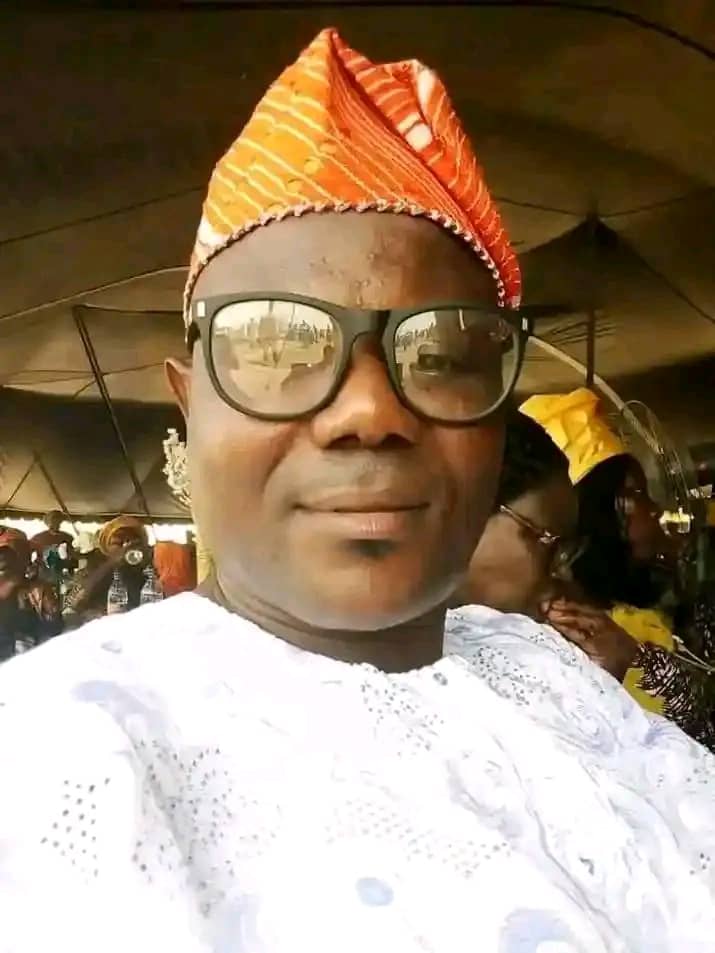
From Broadcast to Spiritual Renaissance:
The Journey of Alọba A. Orisabimbola Ifatomi, Creator of ÒRÌṢÀTV
In a time when African stories are often misrepresented or diluted, a seasoned voice in Nigeria’s media and creative industry is stepping forward with a bold vision to reclaim, preserve and project the depth of African spirituality through a new wave of cinematic storytelling powered by technology.
Alọba Adewunmi, a respected broadcaster, journalist and creative professional, is the mind behind ÒRÌṢÀTV a groundbreaking platform using Artificial Intelligence (AI) cinematic production to tell authentic Yoruba stories rooted in cosmology, spirituality and cultural heritage.
ÒRÌṢÀTV is not just a channel it is a destination to experience “The Beginning”, a Yoruba cosmology-based AI cinematic series that explores the origin of life and existence through an African lens.
A Career Built on Media Excellence
With years of experience across broadcast and print media, Alọba Adewunmi has established himself as a dynamic storyteller and cultural voice.
He has worked with several notable platforms including OSBC, Orisun FM, Yotomi Cable, Okin FM, Midland FM, Delta Cable, Akede Oodua Publications and Akede Africa.
His professional journey includes:
– Reporter at Alariya Oodua
– Editor at Gbajumo Online Magazine
– General Editor at Akede Africa ( a bilingual news magazine)
Through these roles, he has contributed significantly to journalism, cultural reporting, politics, crime and entertainment.
A Multifaceted Creative Force
Beyond journalism, Alọba Adewunmi’s creative footprint extends deeply into film and storytelling.
He is not just a performer, but a creative architect behind the scenes, serving as:
– A Continuity Director
– Continuity Director of the home video “Tobi (Forgiveness)”, produced by Kola Adeyemo
– A Story Writer and Dialogue Director
– A Scriptwriter
He has also contributed to several home video productions from the late 1990s through the early 2000s, reflecting a long-standing presence in Yoruba film storytelling.
A Spiritual Path and Cultural Mission
Beyond media and film, his journey is rooted in a deeper spiritual calling.
Alọba Adewunmi is a traditional priest, teacher and herbal medicine practitioner, dedicated to the preservation and practice of Yoruba spirituality.
His temple, Obàtálá Alábãlàse Temple of Purity, stands as a sacred center for purity, healing and spiritual guidance.
The Vision Behind ÒRÌṢÀTV
ÒRÌṢÀTV is more than a content platform, it is a cultural revival movement powered by AI-driven cinematic storytelling.
Through this innovative approach, the platform explores:
– The origin of existence
– The roles of divinities
– The structure of human destiny
– The spiritual laws governing life
The debut episode, “The Birth of Ilẹ̀ Àwọn Alààyè”,( Command of Creation ) marks the beginning of the series “The Beginning”.
Blending mythology, spirituality and AI-powered visuals, ÒRÌṢÀTV offers a unique experience that is both educational and deeply immersive.
A Mission Beyond Entertainment
For Alọba Adewunmi, this project goes far beyond entertainment.
It is a mission to preserve indigenous knowledge, educate future generations, correct misconceptions about African spirituality and restore pride in African identity.
The Man Behind the Vision
Despite his wide experience and creative influence, Alọba Adewunmi remains a naturally private and introverted individual.
He is known more for his work than for public appearances moving quietly between his professional responsibilities and personal space.
Rather than seeking the spotlight, he has consistently chosen to let his talent, creativity and impact speak for him.
Those who encounter his work or collaborate with him understand the depth he brings a reminder that true substance is not always loud and presence is not always public.
Looking Ahead
With Episode 1 now released, anticipation continues to build as “THE BEGINNING” prepares to explore deeper aspects of creation, human destiny and spiritual alignment.
This is not just a project it is a legacy unfolding through culture, spirituality, and innovation.
Watch Now
THE BEGINNING


Episode 1
The Birth of Ilẹ̀ Àwọn” Command of Creation)
Available on YouTube.
Media & Contact
For interviews, features and collaborations:
08125883088
© 2026 ÒRÌṢÀTV
All Rights Reserved
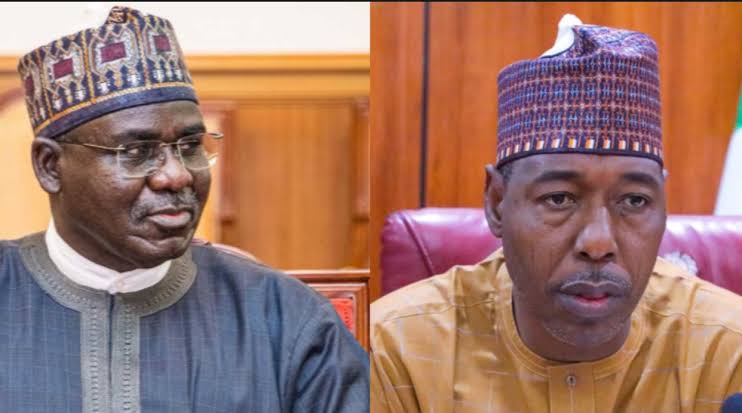
TY BURATAI HUMANITY CARE FOUNDATION COMMENDS GOVERNOR ZULUM FOR HELPING MILITARY FAMILIES
The TY Buratai Humanity Care Foundation has commended Borno State Governor Babagana Umara Zulum for his generous donation of ₦150 million to the families of three military officers who were tragically killed in recent attacks. Each family received ₦50 million as part of the state’s continued commitment to supporting fallen heroes and wounded personnel involved in counter-insurgency operations.
The commendation was contained in a statement signed by the foundation’s chairman, Ibrahim Dahiru Danfulani Sadaukin Garkuwan Keffi/Betara Biu, and made available to the press.
The foundation expressed gratitude for the governor’s compassionate gesture, which included personal visits to the families of the late Lieutenant Colonels Umar Farouq, Salihu Iliyasu, and Aliyu Saidu Paiko in Abuja, Niger, and Kano States. During the visits, Governor Zulum offered his condolences and praised the service, sacrifice, and patriotism of the fallen officers.
The foundation’s Grand Patron, His Excellency, Lieutenant General Tukur Yusufu Buratai, CFR (Rtd), personally commended the governor’s dedication to improving the lives of Borno State residents. He also extended his condolences to the families of the officers and soldiers who made the ultimate sacrifice in service to the nation.
During his visits, Governor Zulum reaffirmed his administration’s commitment to supporting bereaved families, which includes offering scholarships to the orphaned children of fallen personnel. He pledged to extend similar visits to other affected families, underscoring a compassionate approach to addressing the needs of those who have suffered in the line of duty.
society
Queen Amb Dr. Nwamaka Cordelia Anyatonwu Appointed Minister of Humanitarian, Culture, and Kingdom Affairs, United Kingdom of Atlantis
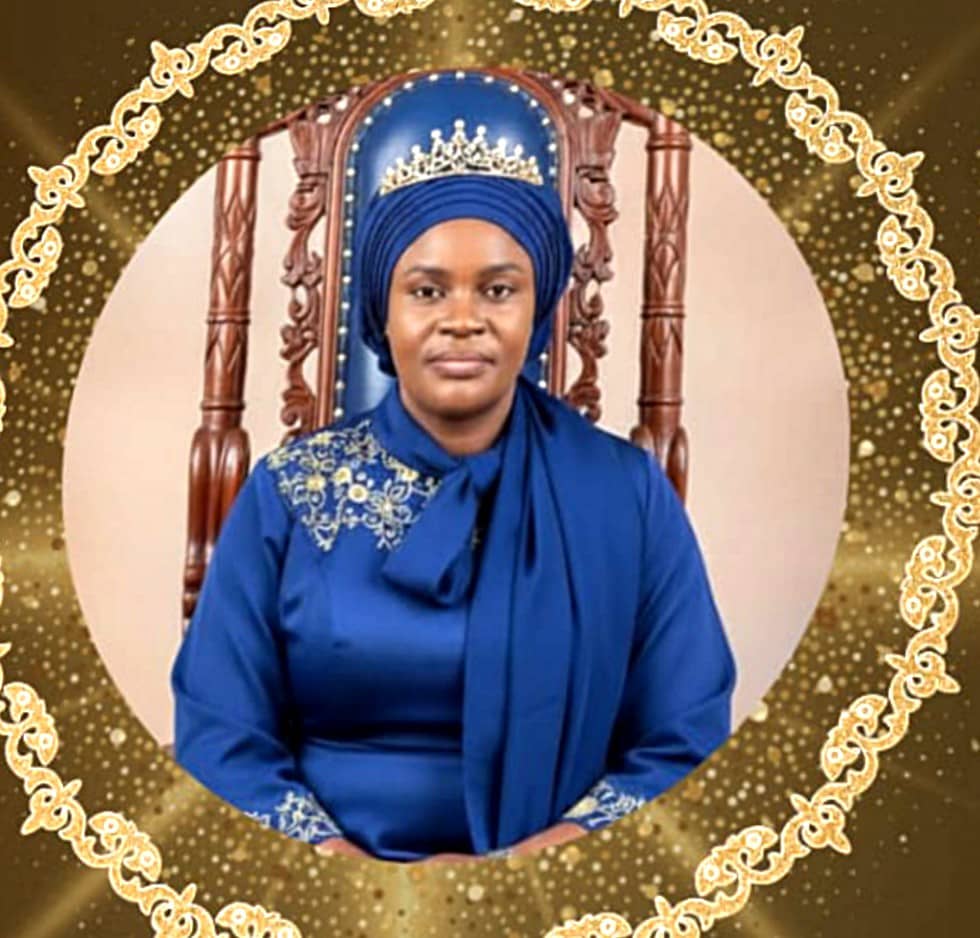
*Queen Amb Dr. Nwamaka Cordelia Anyatonwu Appointed Minister of Humanitarian, Culture, and Kingdom Affairs, United Kingdom of Atlantis
Her Majesty Queen Amb Dr. Nwamaka Cordelia Anyatonwu, Queen of the Aches Empire under the jurisdiction of the United Kingdom of Atlantis (UKA), has been appointed as the Minister of Humanitarian, Culture, and Kingdom Affairs, effective immediately.
This appointment comes as the UKA takes decisive steps to strengthen its humanitarian efforts and protect its citizens from unauthorized activities. In light of recent developments, the UKA has issued an official public disclaimer cautioning citizens, followers, and the general public about the activities of individuals promoting and operating a coin or platform not officially recognized by the Atlantian Gold Coin (ATC). This follows the hijacking of the 5 billion humanitarian project, a move that has been met with concern and condemnation from the international community.
As the newly appointed Minister, Queen Amb Dr. Anyatonwu has announced that all matters pertaining to the 5 billion humanitarian project in UKA should be directed to her office. This includes the newly captured NGOs, which are now required to report to the Office of Humanitarian Affairs, ensuring transparency and accountability in the management of humanitarian resources.
“We are committed to transparency and accountability in our humanitarian efforts,” said Queen Amb Dr. Anyatonwu. “We urge all stakeholders to work with us to ensure the success of our initiatives and protect our citizens from unauthorized activities. We will not tolerate any form of exploitation or mismanagement of humanitarian funds, and we will take all necessary measures to ensure that those responsible are held accountable.”
The UKA has assured its citizens and the international community that it is taking all necessary measures to recover the hijacked funds and bring the perpetrators to justice. The appointment of Queen Amb Dr. Anyatonwu is seen as a significant step towards achieving this goal and ensuring that humanitarian efforts are aligned with the UKA’s values and principles.
For more information. Please contact the Office of the Minister of Humanitarian, Culture and Kingdom Affairs.
*About the United Kingdom of Atlantis*
The United Kingdom of Atlantis is a sovereign nation committed to promoting peace, prosperity, and humanitarian values. The UKA is dedicated to working with international partners to address global challenges and improve the lives of its citizens and people around the world.


-

 society6 months ago
Religion: Africa’s Oldest Weapon of Enslavement and the Forgotten Truth
-

 news4 months ago
WHO REALLY OWNS MONIEPOINT? The $290 Million Deal That Sold Nigeria’s Top Fintech to Foreign Interests
-

 society6 months ago
“You Are Never Without Help” – Pastor Gebhardt Berndt Inspires Hope Through Empower Church (Video)
-

 celebrity radar - gossips2 months ago
Dr. Chris Okafor Returns with Power and Fire of the Spirit -Mounts Grace Nation Altar with Fresh Anointing and Restoration Grace on February 1, 2026